Tirapid

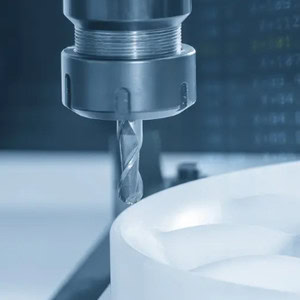
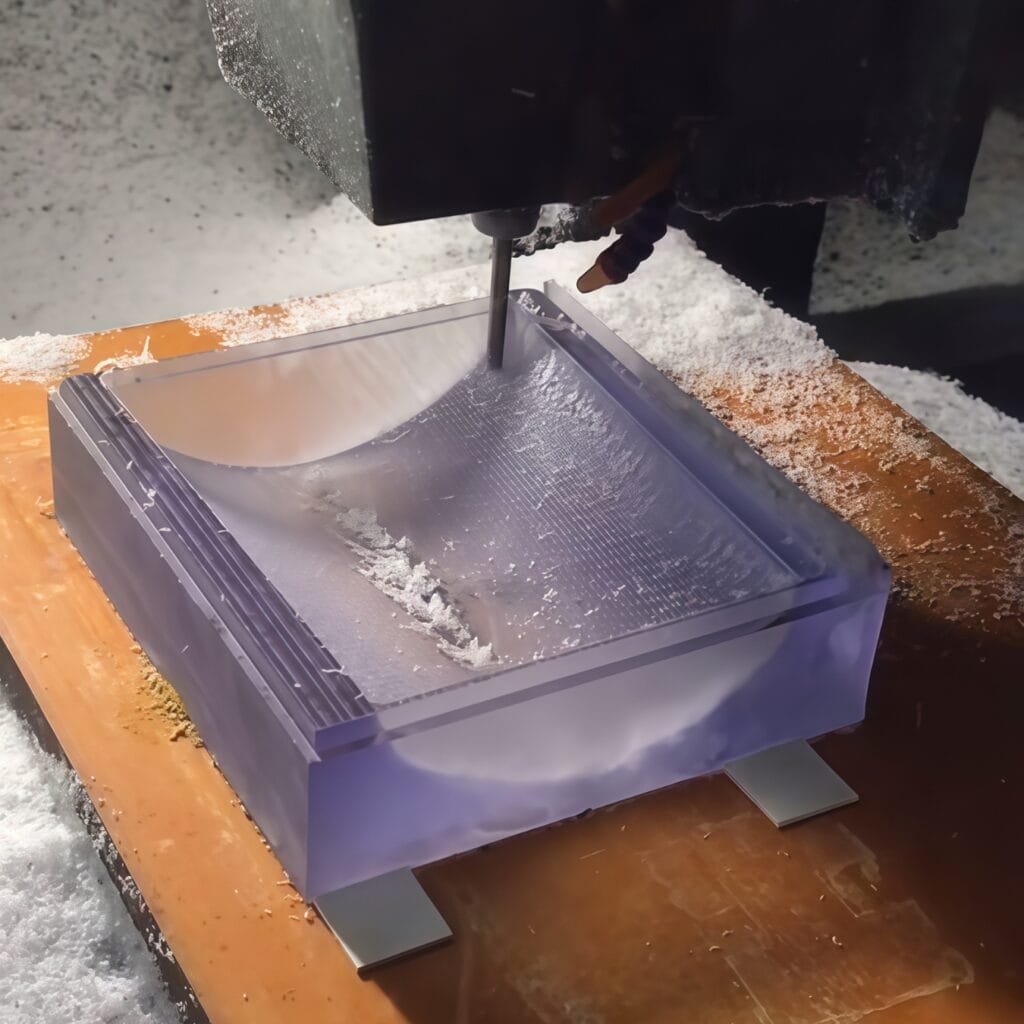
pc-milling-cnc-machining-base-small-batch

Polycarbonate vs Acrylic: A Comprehensive Comparison Guide To Clear Plastics

Polycarbonate vs acrylic is a common material comparison in product design, CNC machining, display manufacturing, equipment protection, and transparent plastic part development. Both materials offer good optical clarity, lightweight performance, and broad processing flexibility, but they behave very differently in strength, impact resistance, heat resistance, scratch resistance, weatherability, and long-term durability. This guide explains how

Polycarbonate vs Acrylic: A Comprehensive Comparison Guide To Clear Plastics Read More »
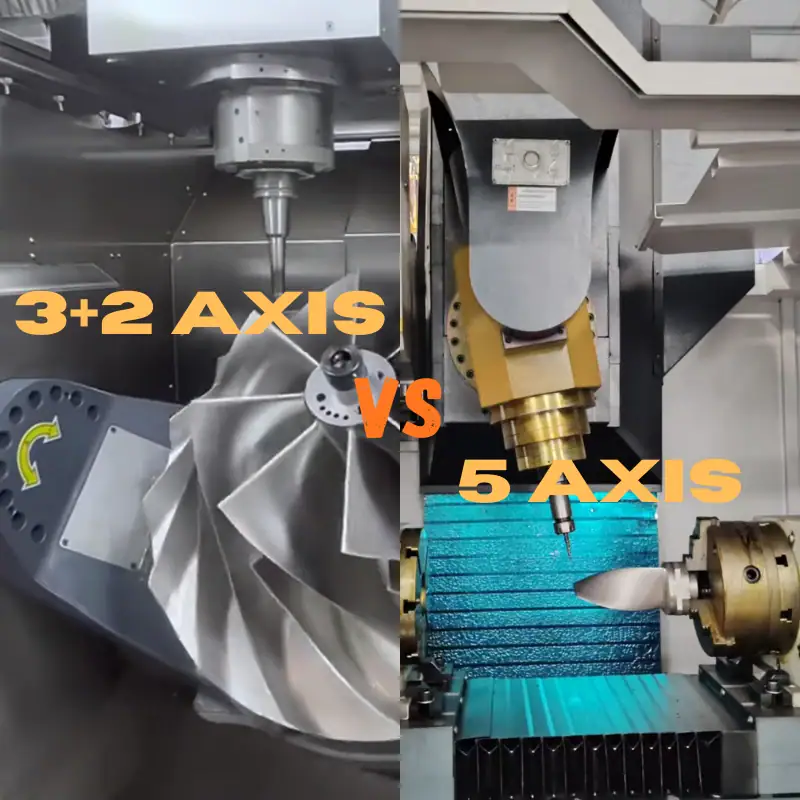
five-axis CNC milling machine with spindle tool rotation

How Are ABS Plastic Parts Machined?

Many people think plastic parts are simply injection-molded products, but in industrial manufacturing, ABS plastic can also be processed into high-precision and reliable functional components. ABS is widely used in automotive components, electronic housings, automation equipment, medical instruments, and many other applications. Although ABS is easier to machine compared with many engineering plastics, producing parts

How Are ABS Plastic Parts Machined? Read More »

6061-aluminum-alloy-milling-reaming-operation-cnc-machining-automation-small-batch

Technical Guide For Reaming: Processes, Types And Applications

Reaming is a precision hole-finishing process that uses a reamer to refine the size, roundness, straightness, and surface finish of a pre-drilled or bored hole. It removes only a small amount of material from the hole wall, making it suitable for dowel pin holes, bushings, shafts, bearing seats, sealing holes, and close-fit assembly features that

Technical Guide For Reaming: Processes, Types And Applications Read More »

PA Nylon Resin Pellets for Injection Molding

Uses of Nylon in Precision Engineering Applications

Nylon is a family of polyamide engineering plastics used in mechanical parts, automotive systems, electrical components, industrial equipment, medical products, consumer goods, and additive manufacturing. Its combination of strength, wear resistance, low friction, impact performance, and relatively low weight allows it to replace metal or other plastics in many functional applications. This guide explains the

Uses of Nylon in Precision Engineering Applications Read More »

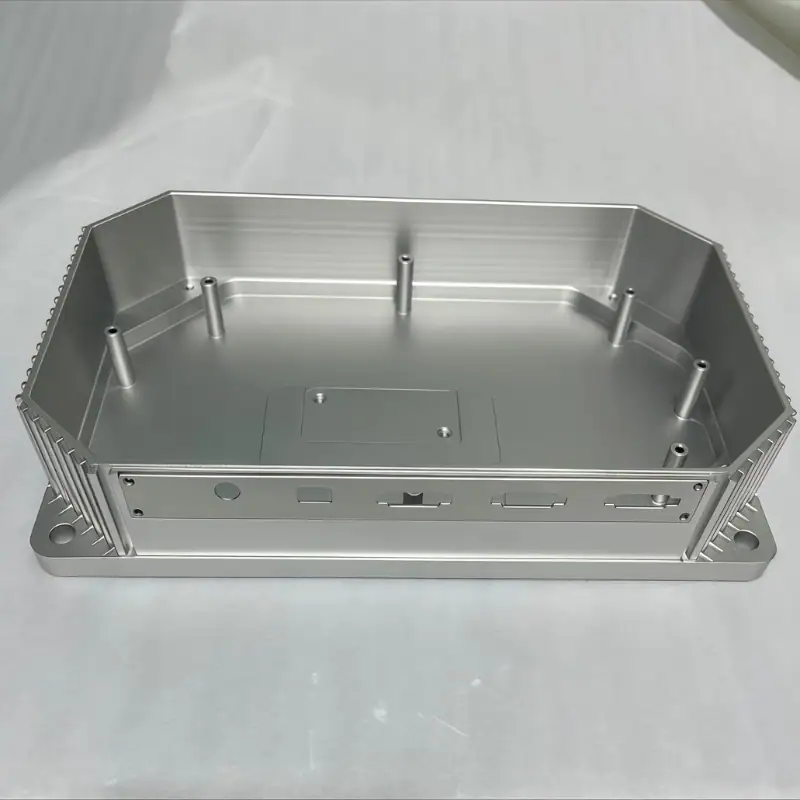
Bead-blasted aluminum electronic equipment housing with mounting bosses, connector interfaces, heat-sink fins, and internal cavities produced by precision CNC machining.

Aluminum Bead Blasting Guide for Precision CNC Parts

Aluminum bead blasting is a mechanical surface finishing process used to create a uniform matte or satin appearance on machined aluminum parts. Fine spherical media strikes the surface under controlled air pressure, blending visible machining marks, reducing glare, cleaning light contamination, and preparing components for anodizing, painting, or other secondary finishes. This guide explains how

Aluminum Bead Blasting Guide for Precision CNC Parts Read More »

Introduction to Alloy Steel CNC Turning Methods

Introduction to Alloy Steel CNC Turning Methods

Alloy steel is widely used in automotive manufacturing, aerospace, construction machinery, energy equipment, mold manufacturing, and industrial automation because of its high strength, hardness, wear resistance, and excellent mechanical properties. Many critical components must withstand heavy loads, repeated impacts, continuous friction, and demanding operating conditions over long service periods. These applications require outstanding material performance

Introduction to Alloy Steel CNC Turning Methods Read More »

When Can Dry Cutting Be Used in Plastic CNC Machining

Under what circumstances can dry cutting be performed in CNC machining of plastics?

In plastic CNC machining, the decision of whether to use cutting fluid must be made on a case-by-case basis. In metal machining, cutting fluid serves the dual purpose of cooling and lubrication, but in plastic machining, some plastics are sensitive to liquid contact and may swell due to moisture absorption or suffer surface contamination when

Under what circumstances can dry cutting be performed in CNC machining of plastics? Read More »

Cutting nylon parts

What Are the Processing Methods for Nylon Parts?

You may not realize that many mechanical parts that look ordinary are actually made from nylon instead of metal. With advantages such as lightweight, high strength, wear resistance, and self-lubrication, nylon has become increasingly popular in automation equipment, automotive components, electronic devices, and industrial machinery. However, nylon machining is not as simple as it seems.

What Are the Processing Methods for Nylon Parts? Read More »

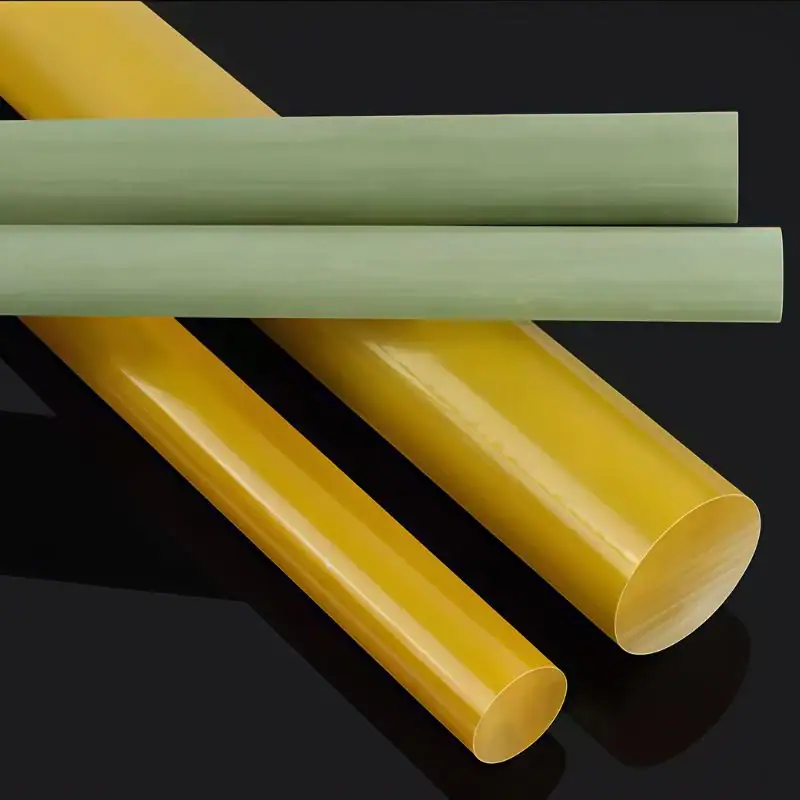
Yellow-green fiberglass raw material for electronic and industrial parts

What Is Fiberglass? Properties, Uses, and Manufacturing

Fiberglass is a lightweight material made from extremely fine glass fibers that may be used alone for insulation or combined with resin to form strong composite parts. It is valued for its strength-to-weight ratio, corrosion resistance, electrical insulation, design flexibility, and ability to replace heavier materials in many industrial products. This guide explains what is

What Is Fiberglass? Properties, Uses, and Manufacturing Read More »

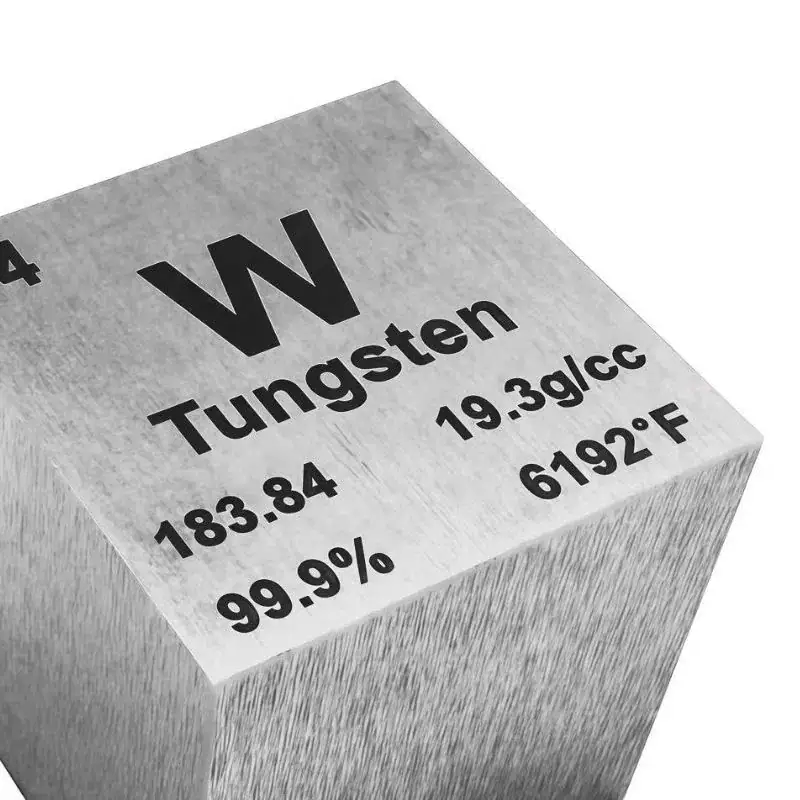
99.9% pure tungsten metal cube element sample showing a dense polished tungsten specimen

Tungsten Metal: Properties, Uses, Density, And Applications

Tungsten metal is a dense, hard, high-melting-point refractory metal known for extreme heat resistance, high density, good wear resistance, and strong performance in demanding industrial environments. It has the chemical symbol W and is widely used in cutting tools, aerospace parts, electronics, medical shielding, counterweights, high-temperature furnace components, and tungsten alloys. In this guide, we

Tungsten Metal: Properties, Uses, Density, And Applications Read More »

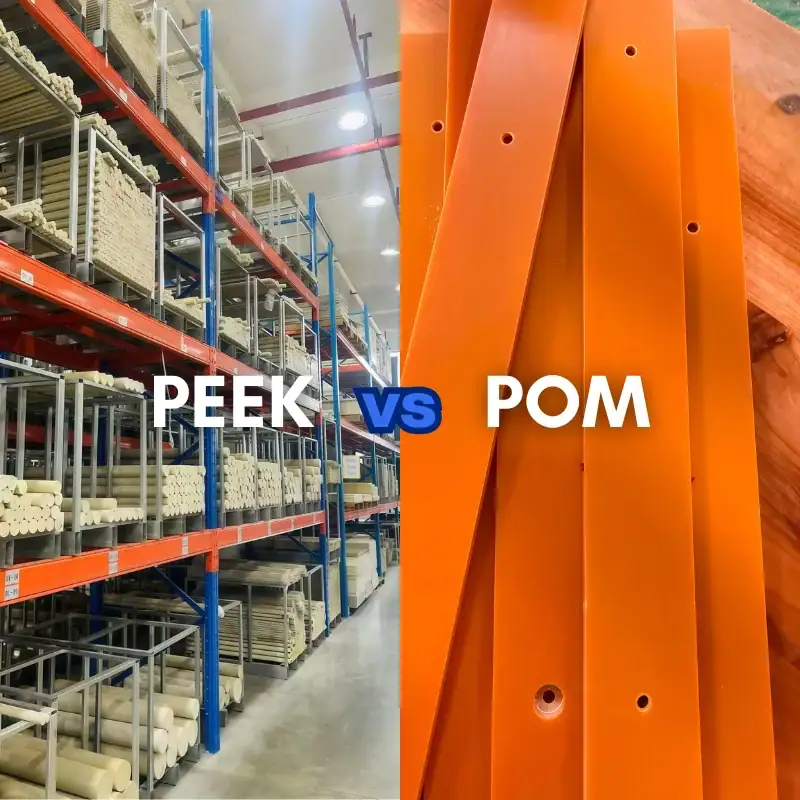
PEEK High-Performance Plastic Rods vs POM Wear-Resistant Plastic Sheets

PEEK vs POM: Properties and CNC Machining Guide

PEEK and POM are both widely used engineering plastics in CNC machining, but they are designed for very different working conditions. PEEK is selected for high-temperature, high-strength, and demanding industrial environments, while POM is valued for low friction, easy machining, and cost-effective wear-resistant parts. Choosing between PEEK and POM depends on your part’s operating temperature,

PEEK vs POM: Properties and CNC Machining Guide Read More »

Scroll to Top
Simplified Table

To ensure successful upload, please compress all files into one .zip or .rar file before uploading.
Upload CAD files (.igs | .x_t | .prt | .sldprt | .CATPart | .stp | .step | .pdf).