PVDF vs PVC is a common material comparison for engineers designing chemical-processing equipment, fluid-handling systems, electrical components, and precision plastic parts. Both thermoplastics resist corrosion and moisture, but they differ greatly in temperature capability, chemical durability, purity, stiffness, weather resistance, and cost.
This guide explains how PVDF and PVC compare in practical CNC machining applications. It covers material structure, chemical and thermal performance, machining behavior, typical components, and selection factors so you can choose a material that meets the drawing requirements without adding unnecessary cost.
What Are PVDF And PVC?
PVDF and PVC are both thermoplastics that can be supplied as sheet, rod, tube, and pipe. They can be cut, welded, formed, and CNC machined, but their polymer structures give them different performance limits. In this article, PVC mainly refers to rigid industrial PVC rather than flexible PVC or CPVC.
What Is PVDF?
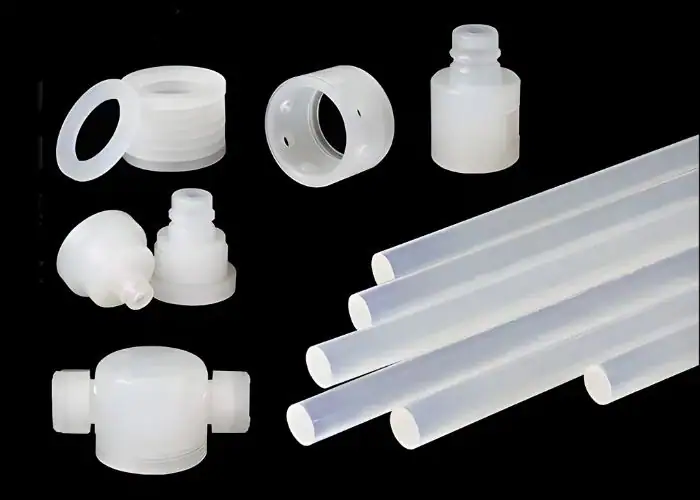
PVDF stands for polyvinylidene fluoride. It is a semi-crystalline fluoropolymer whose carbon-fluorine structure provides strong resistance to many chemicals, oxidation, weathering, and ultraviolet exposure. It also absorbs very little moisture, helping machined components maintain stable dimensions in wet environments.
Compared with many other fluoropolymers, PVDF offers a useful balance of mechanical strength, rigidity, purity, and machinability. It is commonly supplied in natural, pigmented, conductive, and specialty grades for chemical equipment, semiconductor systems, pharmaceutical processing, electrical insulation, and outdoor components.
PVDF is usually considered when a part must handle more heat, stronger chemicals, or stricter purity requirements than PVC. Typical CNC-machined PVDF parts include manifolds, valve bodies, pump components, insulators, fittings, sensor housings, rollers, and custom fluid-control components.
What Is PVC?
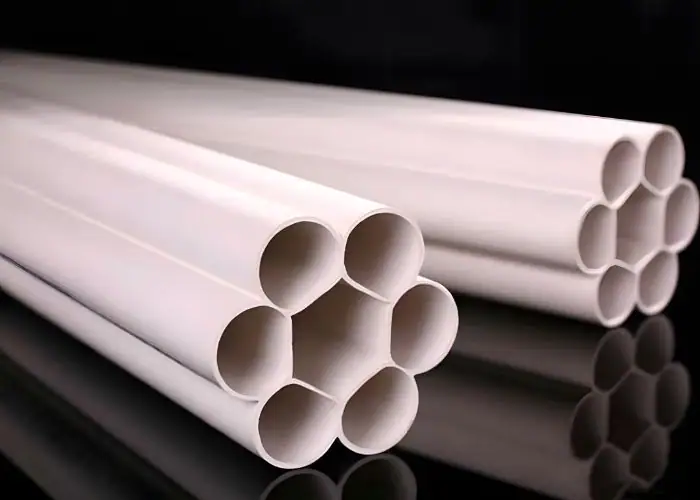
PVC stands for polyvinyl chloride. Rigid PVC is a widely used industrial thermoplastic known for good stiffness, corrosion resistance, electrical insulation, flame resistance, and low material cost. It is readily available in large sheets, rods, pipes, and profiles, making it practical for fabrication and machining.
PVC performs well with many water-based chemicals, acids, alkalis, and salts at moderate temperatures. It is widely used for tanks, ducts, piping, guards, electrical panels, laboratory equipment, and general industrial parts where extreme heat, aggressive solvents, or ultra-high purity are not required.
For CNC parts, PVC is often selected because it is economical and relatively easy to machine. It can be used for spacers, brackets, covers, fixtures, valve parts, manifolds, and low-pressure fluid components. The selected grade must still match the chemical, temperature, fire, and regulatory requirements.
Why Both Materials Are Used For Plastic Parts?
PVDF and PVC are both useful when metal corrosion is a concern. Unlike many metals, they do not need paint or plating to resist common wet chemical environments. They also reduce part weight and can simplify the production of complex manifolds, insulating components, and nonconductive fixtures.
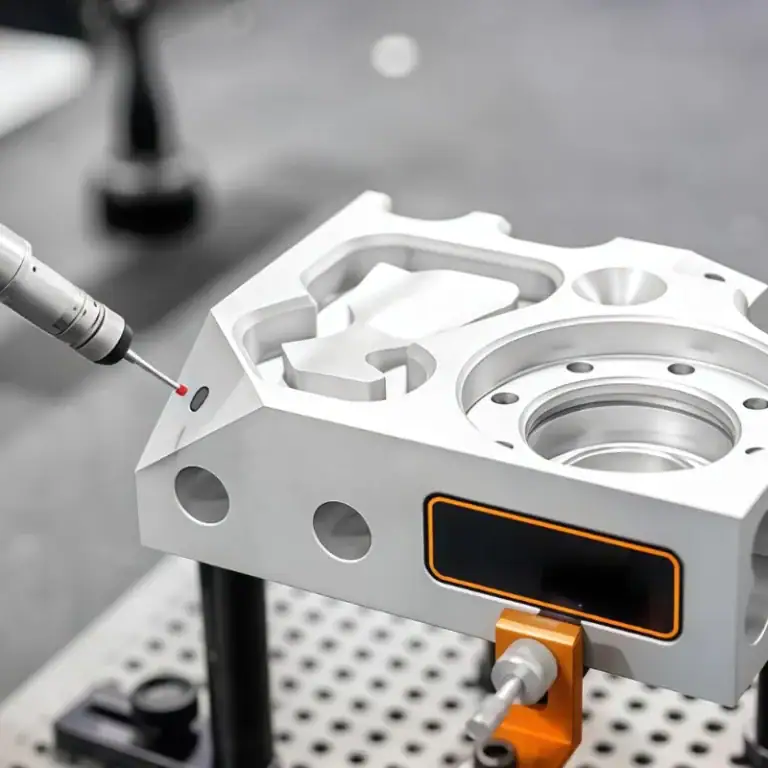
CNC machining is especially suitable for prototypes, replacement parts, low-volume production, and complex components that are difficult to fabricate from standard pipe or sheet. Holes, threads, sealing grooves, pockets, and controlled flow paths can be machined directly from rod, plate, or block stock.
The selection should not be based only on which material has the highest performance. PVC is often the better commercial choice for moderate service, while PVDF is justified when chemical concentration, temperature, UV exposure, cleanliness, or service life exceeds the practical limits of PVC.
PVDF Material vs PVC: Key Property Differences
The difference between PVDF material and PVC becomes clearer when the application requirements are compared side by side. Exact values vary by grade, test method, stock shape, and operating environment, so supplier data should always be checked before final design approval.
| Property | PVDF | Rigid PVC |
| Polymer type | Semi-crystalline fluoropolymer | Amorphous chlorinated thermoplastic |
| Chemical resistance | Excellent against many aggressive chemicals and oxidizers | Good for many acids, alkalis, salts, and water-based chemicals |
| Temperature capability | Higher continuous-use range | Better suited to low and moderate temperatures |
| UV and weather resistance | Naturally strong | Grade and stabilization dependent |
| Purity | Suitable for many high-purity systems | Better for general industrial service |
| Rigidity | Moderate rigidity with good toughness | Generally stiff and structurally economical |
| Moisture absorption | Very low | Low |
| Relative cost | High | Low |
| Typical choice | Harsh, hot, outdoor, or high-purity service | General chemical, water, electrical, and structural service |
Chemical Resistance And Material Purity
PVDF has excellent resistance to many acids, halogens, oxidizing chemicals, hydrocarbons, and cleaning agents. This allows it to remain reliable in environments that may discolor, soften, swell, or embrittle PVC. However, no plastic is universally resistant, so concentration, temperature, exposure time, and stress must be reviewed together.
PVC also provides strong value in chemical service. It performs well with many inorganic acids, alkalis, salts, and water-treatment chemicals at suitable temperatures. For ambient or moderately warm applications, PVC may provide all the required corrosion resistance at a much lower material cost.
Purity can be the deciding factor in semiconductor, pharmaceutical, laboratory, and ultrapure-water equipment. Natural PVDF grades are commonly selected when low contamination and clean fluid contact are important. Industrial PVC is more suitable when the system does not require the same purity level.
Temperature, UV, And Weather Resistance
PVDF maintains useful mechanical and chemical performance at significantly higher temperatures than standard rigid PVC. Many PVDF grades are used continuously near 140°C, while rigid PVC is normally specified for much lower service temperatures. Pressure and chemical exposure can further reduce these limits.
PVDF also has strong inherent UV and weather resistance. It is used in outdoor equipment, cable coatings, architectural finishes, and exposed fluid systems because long-term sunlight causes less degradation than it does in many unprotected plastics.
PVC can be used outdoors when the correct formulation and stabilization are selected, but prolonged UV exposure may cause color change, surface degradation, or embrittlement. Designers should not assume that every PVC grade is suitable for long-term outdoor service.
Strength, Stiffness, And Dimensional Stability
Rigid PVC provides good stiffness, which is helpful for panels, covers, tanks, and structural components that need to resist deflection at moderate temperatures. It often delivers a practical strength-to-cost ratio for large machined or fabricated parts.
PVDF is generally tougher and retains performance better as temperature and chemical severity increase. Its low moisture absorption supports dimensional stability in wet environments, while its combination of toughness and chemical resistance helps components survive handling, pressure changes, and repeated process cycles.
Neither material should be treated like metal. Plastic dimensions change with temperature, and thin walls can move under clamping or residual stress. Tolerances should reflect part size, operating temperature, wall thickness, assembly load, and the difference between inspection and service conditions.
Cost And Material Availability
PVC is one of the most widely available industrial plastics. Sheet, rod, pipe, and profile stock are offered in many sizes, allowing manufacturers to select near-net stock and reduce waste. This availability makes PVC attractive for large panels, tanks, prototypes, and cost-sensitive production.
PVDF stock is more expensive and may have fewer available sizes or grades. Material certificates, high-purity grades, conductive formulations, and specialty colors can further affect price and lead time. The cost of scrap also becomes more important when machining thick or complex PVDF parts.
The correct decision should consider total ownership cost rather than material price alone. A cheaper PVC part may become expensive if it fails early in heat, UV, or aggressive chemicals. Conversely, specifying PVDF for mild service can add cost without improving the actual function.
CNC Machining PVC vs PVDF
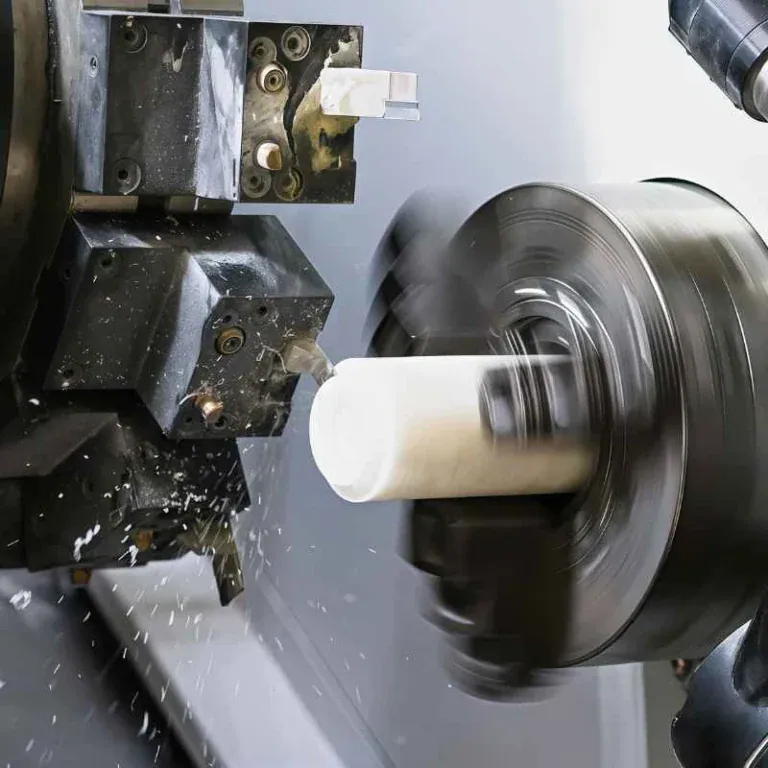
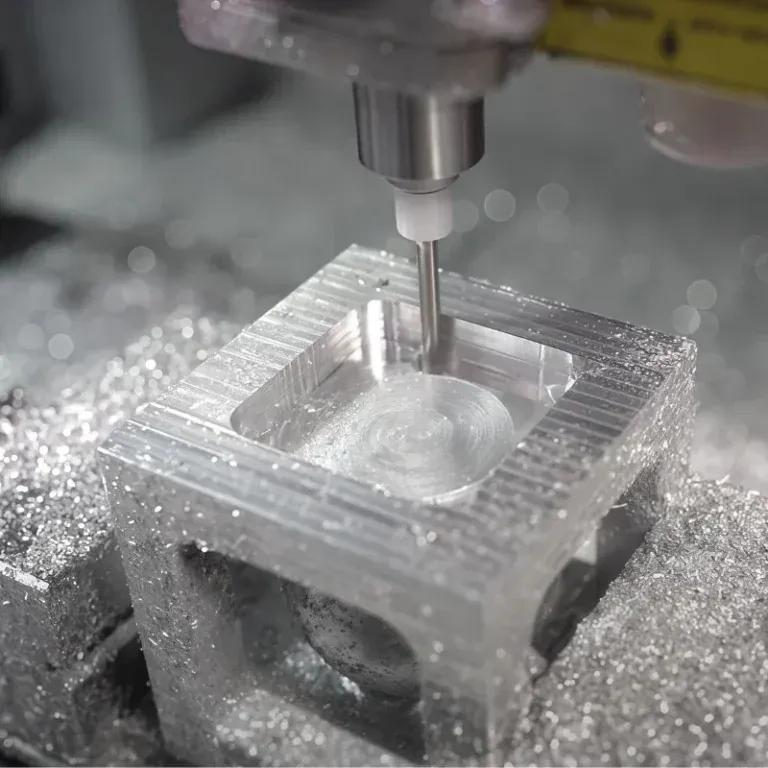
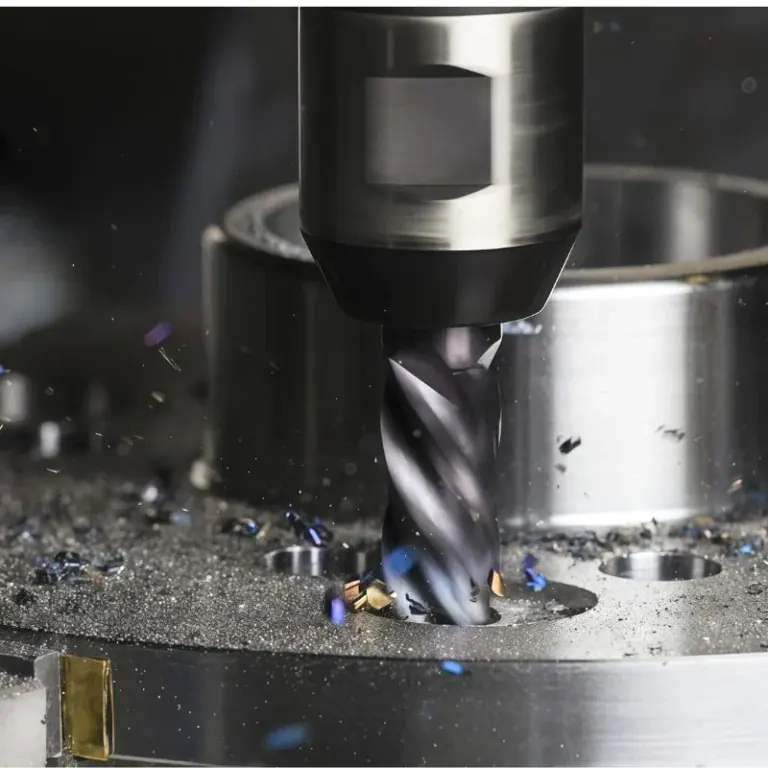
Both materials can be milled, turned, drilled, tapped, and engraved. Successful CNC machining depends on controlling heat, tool sharpness, workholding, chip evacuation, and dimensional inspection. The machining plan should reflect the polymer grade and geometry rather than copying metal-cutting parameters.
Machining Behavior And Heat Control
PVC cuts cleanly with sharp tools and is generally straightforward to machine. However, excessive speed, dull cutting edges, or rubbing can build heat and soften the material. Once the surface begins to melt or smear, dimensions and finish become difficult to control.
PVDF also machines well, but its toughness can produce stringy chips during turning and drilling. Heat should be removed through efficient chip evacuation, suitable cutting parameters, and controlled coolant or air use when the cleanliness requirements allow it.
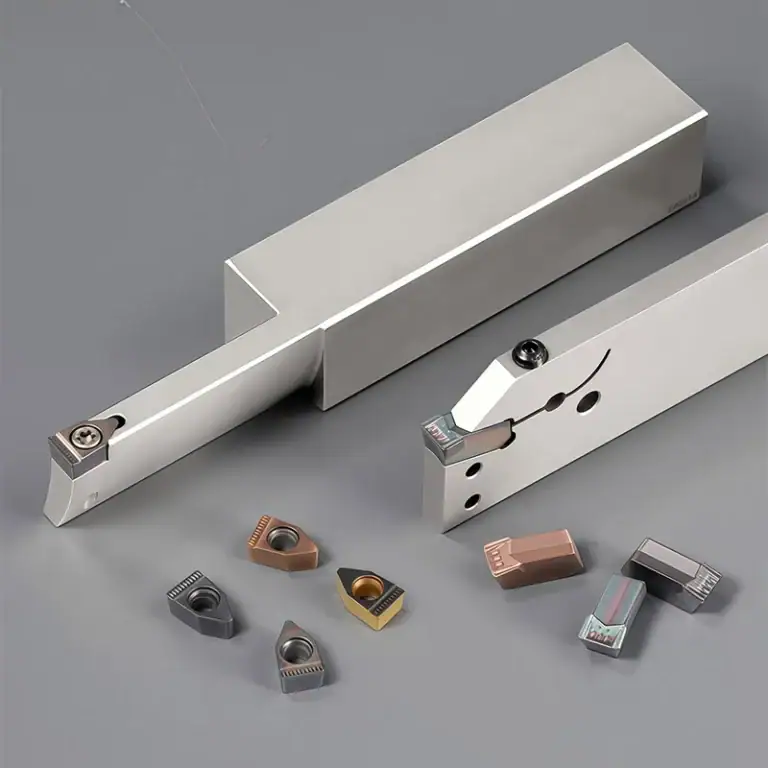
For both materials, the tool should cut rather than rub. Sharp, polished carbide tools, positive rake geometry, and steady feed help reduce heat. Deep pockets and holes may require staged cuts so chips do not remain trapped against the workpiece.
Tolerance, Burrs, And Surface Finish
Tight tolerances are possible, but they should be applied only to functional features. Plastics have higher thermal expansion than metals, so an unnecessarily tight drawing can increase inspection failures and machining costs without improving assembly performance.
PVC usually produces crisp features when supported correctly. Thin edges, drilled exits, and thread starts may still develop small burrs or chips. Deburring should remove loose material without rounding critical edges or changing sealing surfaces.
PVDF can produce smooth surfaces, but the material may deflect when thin sections are cut with excessive pressure. Finishing passes, stable part temperature, and controlled tool engagement help maintain flatness, diameter, and sealing-groove geometry.
Tooling, Fixturing, And Deformation Risk
Workholding must secure the part without crushing it. Large PVC plates may need distributed support to prevent vibration, while thin PVDF parts may need soft jaws, vacuum fixtures, or custom nests that reduce local clamping pressure.
Sharp carbide tooling is commonly used for both materials. Polished flutes and appropriate clearance improve chip flow and reduce friction. Drills should be withdrawn when needed to clear chips, especially in deep holes where trapped chips can generate heat or score the wall.
Internal stress and stock quality can influence movement after rough machining. For tight flatness, concentricity, or positional tolerances, the process may use balanced material removal, intermediate inspection, temperature stabilization, and a separate finishing setup.
PVDF vs PVC Applications In CNC Plastic Parts
Application requirements determine whether the additional performance of PVDF is useful. Both materials appear in chemical, electrical, and fluid-handling systems, but the environment, cleanliness, service temperature, and expected life decide which one is more suitable.
Fluid Handling And Chemical Processing Parts
PVDF is commonly used for valve bodies, pump parts, manifolds, fittings, nozzles, sensor housings, and flow-control components exposed to aggressive chemicals or higher temperatures. It is especially useful when corrosion resistance and fluid purity must be combined in one material.
PVC is widely used for chemical tanks, manifolds, low-pressure valve components, scrubber equipment, laboratory fixtures, and water-treatment parts. At moderate temperatures and compatible chemical concentrations, PVC provides reliable service with a lower material and fabrication cost.
Sealing design remains important for both materials. Threads, O-ring grooves, flange faces, bolt loads, and pressure cycles must account for plastic creep and thermal expansion. Material resistance alone cannot compensate for a weak mechanical design.
Electrical, Semiconductor, And High-Purity Components
PVC offers good electrical insulation and flame behavior for many industrial panels, guards, terminal supports, equipment housings, and cable-management parts. It is practical where the part needs rigidity and chemical resistance but does not contact ultra-high-purity process fluids.
PVDF is used more often in semiconductor wet benches, chemical distribution equipment, pharmaceutical systems, and clean-process components. High-purity grades help reduce contamination risk in manifolds, fittings, valve parts, wafer-processing equipment, and fluid-contact assemblies.
Specialty PVDF grades can also provide conductive or static-dissipative performance. The designer should confirm whether the application needs natural, pigmented, conductive, flame-rated, or certified stock because fillers and additives can change machining behavior and material properties.
When PVDF Pipe Or PVC Pipe Is The Better Choice
In a PVDF pipe vs PVC comparison, PVDF is generally preferred for higher temperatures, strong oxidizers, long-term UV exposure, and high-purity chemical transport. Its higher material cost is often accepted when downtime, contamination, or corrosion failure would be expensive.
PVC pipe is usually the practical choice for water, drainage, ventilation, and many general chemical services at moderate temperatures. It is widely available, easy to join, and cost-effective for large systems that do not need fluoropolymer-level performance.
A piping decision should consider more than the base polymer. Pressure rating, wall thickness, joining method, fitting availability, thermal movement, support spacing, certification, and chemical compatibility all influence reliability. A machined component connected to the pipe should follow the same service assumptions.
How To Choose Between PVDF And PVC
A useful selection process starts with the operating environment and then checks whether the part can be produced and inspected economically. Choosing the strongest material without defining the service conditions can increase cost, while choosing only by price can create premature failure.
Choose PVDF For Harsh Chemicals And Higher Temperatures
PVDF is the stronger candidate when a part sees aggressive acids, oxidizers, halogens, elevated temperature, outdoor exposure, or high-purity fluids. These conditions use the properties that justify PVDF’s higher price.
It is also suitable for components that must combine corrosion resistance with mechanical strength. Examples include pump components, precision manifolds, valve seats, semiconductor fixtures, chemical sensors, and fluid-control parts that cannot tolerate contamination or frequent replacement.
Before selecting a grade, confirm the exact chemical mixture, concentration, temperature, pressure, radiation, and cleaning method. Chemical resistance data for a pure substance at room temperature may not represent a hot, pressurized, mixed-chemical process.
Choose PVC For Cost-Effective General Applications
PVC is often the better material when the service temperature is moderate and the chemicals are compatible. It is particularly attractive for large components, general water systems, chemical guards, tanks, panels, laboratory equipment, and low-pressure manifolds.
Its stiffness and stock availability make it efficient for CNC-machined plates, brackets, spacers, and enclosures. Large parts can often be produced with less material cost than PVDF while still providing good corrosion resistance and electrical insulation.
PVC should not be treated as a universal low-cost substitute. Solvents, high heat, UV exposure, impact conditions, pressure, and regulatory requirements may rule it out. The selected PVC grade and formulation must match the application.
Check Operating Conditions Before Final Selection
Start with the chemical name, concentration, temperature, exposure time, and whether the fluid is static or flowing. Then review pressure, vacuum, mechanical load, outdoor exposure, cleaning cycles, fire requirements, and contamination limits.
Next, evaluate the drawing. Thin walls, deep holes, large flat surfaces, tight sealing grooves, and closely toleranced threads may require different stock, fixturing, or machining sequences. The part geometry can influence the material decision as much as the property table.
Finally, compare total cost. Include raw stock, machining time, scrap risk, inspection, certifications, expected service life, and failure consequences. PVDF is valuable when its performance prevents a real risk; PVC is valuable when it meets the requirement without unnecessary material expense.
FAQs
Why Is PVDF So Expensive?
PVDF is expensive because it uses a fluoropolymer structure that provides strong chemical resistance, heat resistance, UV stability, and long service life. Its raw material cost, specialized production process, and limited supply also make it more expensive than PVC.
Can PVDF Be Welded?
Yes. PVDF can be welded using methods such as hot-gas welding, extrusion welding, butt fusion, and socket fusion. Proper temperature control, clean surfaces, and compatible filler material are important for producing strong, leak-resistant joints.
Is PVDF The Same As Teflon?
No. PVDF and Teflon are different fluoropolymers. Teflon usually refers to PTFE, which offers lower friction and broader chemical resistance. PVDF is generally stronger, stiffer, easier to weld, and more suitable for structural and CNC-machined components.
What Temperature Can PVDF Withstand?
Many PVDF grades can operate continuously at around 140°C, although the actual limit depends on the grade, mechanical load, chemical exposure, and service conditions. For pressure systems or long-term use, the material supplier’s temperature data should be checked.
Conclusion
PVDF vs PVC is mainly a question of service severity and total cost. PVDF provides better resistance to heat, aggressive chemicals, UV exposure, and high-purity environments, while PVC offers useful stiffness, corrosion resistance, broad availability, and lower cost for moderate applications. The final choice should account for the chemical mixture, temperature, pressure, geometry, tolerance, certification, expected life, and consequences of failure.
At TiRapid, we provide precision CNC machining services for PVDF, PVC, and other engineering plastics. Our team can review your drawing, material grade, tolerance, fluid environment, and production volume to develop a practical machining process for prototypes, replacement parts, and low-volume production.