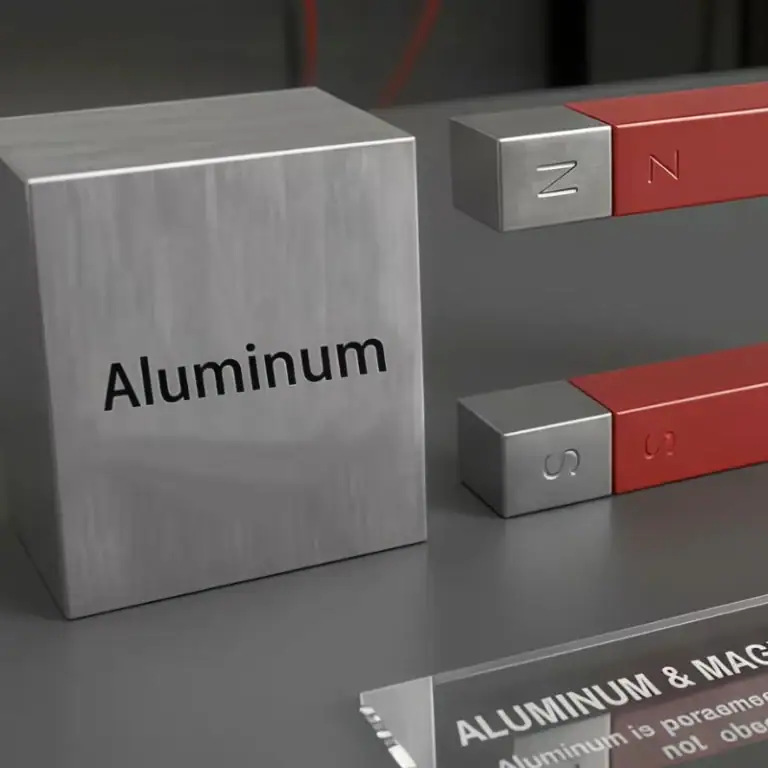
Aluminum 5083 and 6061 are both widely used engineering aluminum alloys, but they are chosen for different reasons. 5083 is often preferred for stronger corrosion resistance and welded marine or sheet applications, while 6061 is more often selected for machining, structural parts, and projects that need a balanced combination of strength, weldability, and versatility.
In this guide, we compare Aluminum 5083 vs 6061 in composition, strength, corrosion resistance, machinability, weldability, and common uses, then explain how to decide which alloy is the better fit for your project.
What Is Aluminum 5083?
Aluminum 5083 is a non-heat-treatable aluminum alloy from the 5xxx series. It is mainly alloyed with magnesium and is widely known for its strong corrosion resistance, especially in marine and saltwater-related environments. This makes it very different from aluminum alloys that are selected mainly for heat-treated strength or general machining use.
In practical manufacturing, Aluminum 5083 is often used in sheet, plate, and welded structures. It is commonly associated with shipbuilding, marine panels, tanks, welded fabrication, and other applications where environmental durability is more important than CNC machining efficiency. Its value comes from how well it performs in corrosion-focused and fabrication-heavy projects.
5083 is usually the better choice when the part must resist harsher service conditions and maintain reliable performance after welding. It is not normally selected because it is the easiest aluminum alloy to machine or heat treat, but because it offers a strong combination of corrosion resistance, weldability, and plate-based structural performance.
What Is Aluminum 6061?
Aluminum 6061 is a heat-treatable aluminum alloy from the 6xxx series. It is mainly alloyed with magnesium and silicon, which gives it a balanced combination of strength, corrosion resistance, machinability, and weldability. Because of this balance, 6061 is one of the most widely used aluminum alloys in general engineering and CNC machining.
In manufacturing, Aluminum 6061 is commonly used for machined parts, brackets, housings, frames, fixtures, supports, and structural components. It is especially popular when the project needs a material that cuts well, holds dimensions reliably, and offers good all-around performance without becoming too specialized for one narrow application.
6061 is usually the better choice when CNC machining, heat-treatable strength, and broad engineering versatility are more important than maximum marine corrosion resistance. It may not outperform 5083 in harsh saltwater environments, but it is often more practical for precision machined parts and general structural applications.
Chemical Composition of 5083 vs 6061
The composition of Aluminum 5083 and 6061 helps explain why they behave differently in service and production. Aluminum 5083 is mainly alloyed with magnesium and manganese, which supports its strong corrosion resistance and good performance in marine and welded applications. Aluminum 6061 is mainly alloyed with magnesium and silicon, which gives it heat-treatable capability and a more balanced engineering profile.
| Element | Aluminum 5083 | Aluminum 6061 | Engineering Effect |
| Magnesium | 4.0–4.9% | 0.8–1.2% | Strength and corrosion behavior |
| Silicon | ≤0.4% | 0.4–0.8% | Supports Mg₂Si precipitation in 6061 |
| Manganese | 0.4–1.0% | ≤0.15% | Strength and grain control |
| Copper | ≤0.1% | 0.15–0.40% | Contributes to strength but affects corrosion behavior |
| Chromium | 0.05–0.25% | 0.04–0.35% | Grain structure and corrosion performance |
| Heat treatable | No | Yes | Determines temper and strengthening route |
Main Property Differences Between 5083 and 6061
Although Aluminum 5083 and 6061 are both versatile industrial alloys, they do not offer the same performance balance. Their differences become most visible in strength, corrosion resistance, and heat-treatable behavior. Looking at these properties directly makes it much easier to understand why one alloy is often chosen for marine fabrication while the other is often chosen for machined structural parts.
In real engineering work, material selection usually depends on which property matters most in service. If the environment is harsh and corrosion is a major concern, 5083 often becomes more attractive. If machining performance and balanced mechanical capability matter more, 6061 often becomes the better fit. This is why the same aluminum family cannot be treated as a single interchangeable material group.
To make the comparison clearer, it helps to look at the major property differences one by one. The decision becomes much easier when corrosion, strength, and heat treatment are separated instead of discussed together in vague terms.
Strength and Mechanical Performance
In common engineering use, 6061 is often associated with stronger overall mechanical performance when used in standard heat-treated tempers such as T6. This makes it attractive for structural components, machined brackets, support parts, and other applications where the project needs a practical balance of strength, stiffness, and process flexibility.
Aluminum 5083 still offers good mechanical strength, especially in plate and welded structures, but it is not strengthened through heat treatment in the same way as 6061. Its value is less about temper-based strength development and more about how well it performs in fabricated and corrosion-focused service conditions.
This means the better alloy depends on the part type. If the project needs a machined structural part or a heat-treatable engineering component, 6061 is often the better mechanical choice. If the project is more focused on welded panels, tanks, or marine structures, 5083 can still be the stronger practical answer overall.
Corrosion Resistance
Corrosion resistance is one of the most important reasons engineers choose Aluminum 5083 over 6061. 5083 is widely recognized as the stronger option for marine and more aggressive corrosive environments, especially where saltwater exposure or long-term environmental resistance matters. This is one of the main reasons it is used so often in shipbuilding, tanks, and marine-related welded structures.
Aluminum 6061 still offers good corrosion resistance and performs well in many common engineering environments. That is part of why it is such a widely used alloy. But when the service condition becomes more corrosion-driven rather than balance-driven, 5083 usually gains the advantage.
In practical material selection, this difference matters a great deal. If the part mainly needs a good general engineering alloy, 6061 may be enough. If the part will live in seawater or another harsher corrosive environment, 5083 is often the safer and more durable long-term choice.
Heat Treatability
One of the clearest technical differences between the two alloys is heat treatability. Aluminum 6061 is a heat-treatable alloy, which is why conditions such as 6061-T6 are so common in structural and machined applications. This gives engineers more flexibility when higher strength is needed in the final part.
Aluminum 5083 does not strengthen in the same way through heat treatment. It is not typically chosen for temper-driven strength development, which means its selection logic is different from 6061 from the start. Engineers use it because of its corrosion and fabrication value, not because they plan to increase its strength through a T6-type route.
This difference is important because it affects both design and production planning. If the project depends on a heat-treated strength target, 6061 is usually the more suitable alloy. If the project is plate-based, welded, and corrosion-driven, 5083 may be the better material even without that same temper flexibility.
Aluminum 5083 vs 6061: Machinability and Fabrication
The comparison between 5083 and 6061 becomes even more practical when you look at how the two alloys behave in production. In many projects, the material is chosen not only for service performance, but also for how easily it can be machined, welded, formed, or fabricated into the final part. This is one of the biggest reasons these two grades are often separated into different manufacturing use cases.
In simple terms, 6061 is usually more associated with CNC machining and structural machined parts, while 5083 is more associated with welded sheet and plate fabrication. That does not mean each alloy can only be used one way, but it does mean their most natural manufacturing strengths are not the same.
For buyers and engineers, this section is often one of the most important parts of the comparison. A material may look attractive on paper, but if it does not match the real production route, it may still be the wrong choice.
Which Alloy Is Easier to Machine?
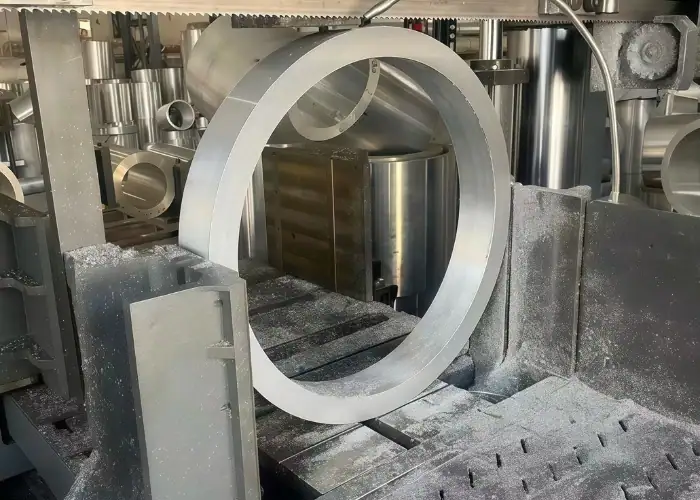
Aluminum 6061 is generally the more machining-friendly alloy of the two. It is widely used in CNC milling, turning, drilling, and general precision machining because it offers good cuttability, practical dimensional control, and reliable surface finish. This makes it one of the most common choices for brackets, fixtures, housings, plates, and custom engineered components.
Aluminum 5083 can still be machined, but it is not usually the first choice when CNC performance is the main priority. In many engineering projects, 5083 is chosen more for its corrosion and welded fabrication value than for being an ideal machining alloy. This naturally gives 6061 the advantage in most CNC-centered applications.
In practical terms, if the project depends heavily on precision machining from plate or bar stock, 6061 is usually the more efficient and more familiar option. If the project is built around marine performance or plate fabrication, then machining ease may no longer be the deciding factor.
Which Alloy Is Better for Welding?
Aluminum 5083 is often considered the stronger choice for welded structures, especially in marine and corrosion-focused applications. It is widely used in welded tanks, vessels, ship structures, and other fabricated parts where weld performance and corrosion resistance must work together. This is one of the biggest reasons 5083 remains so important in heavy fabricated aluminum work.
Aluminum 6061 is also weldable and is commonly used in fabricated frames, supports, and general assemblies. However, welded areas in 6061 can lose some strength compared with the original heat-treated condition, which means design planning becomes more important when welding is part of the production route.
So the better welding alloy depends on the project goal. If the part is a corrosion-driven welded structure, 5083 usually has the stronger practical case. If the part combines machining and moderate welding in a more general engineering role, 6061 may still be very useful.
Which Alloy Is Better for Sheet and Plate Work?
Aluminum 5083 is often the better choice for sheet and plate applications that involve marine exposure, welded fabrication, or corrosion-focused performance. It is commonly used in plate-based structures, tanks, pressure-related panels, and shipbuilding applications where the material must perform well after fabrication.
Aluminum 6061 can also be supplied in plate and sheet forms, but it is more often favored for machined plate parts rather than corrosion-driven fabricated panels. In many workshops, 6061 plate becomes the natural choice when the material will be cut into brackets, supports, machined bases, or precision structural components.
That means the better alloy depends not only on shape, but on manufacturing intent. If the plate is mainly for machining, 6061 often wins. If the plate is mainly for welded corrosion-resistant structure, 5083 is usually the more suitable answer.
Aluminum 5083 vs 6061: Corrosion and Marine Performance
Corrosion resistance is one of the most important differences between Aluminum 5083 and 6061. Although both alloys can perform well in many engineering environments, 5083 is generally the stronger choice when the part will be exposed to seawater, salt spray, or other more aggressive corrosive conditions. This is one of the main reasons it is so widely used in marine and welded plate applications.
The advantage of 5083 in marine service is not only theoretical. In practical manufacturing, it is often selected because long-term exposure to moisture and salt can quickly reveal the limits of an alloy that is otherwise acceptable in general industrial use. When corrosion resistance becomes one of the main design drivers rather than only a secondary benefit, 5083 usually becomes the safer option.
Aluminum 6061 still offers good corrosion resistance and remains highly useful in many outdoor, structural, and general engineering applications. But when the project is truly marine-focused or heavily corrosion-driven, 6061 is often the more balanced alloy rather than the best corrosion-performing one. That distinction is what makes the choice between 5083 and 6061 so important in real service planning.
Advantages and Limitations of 5083 and 6061
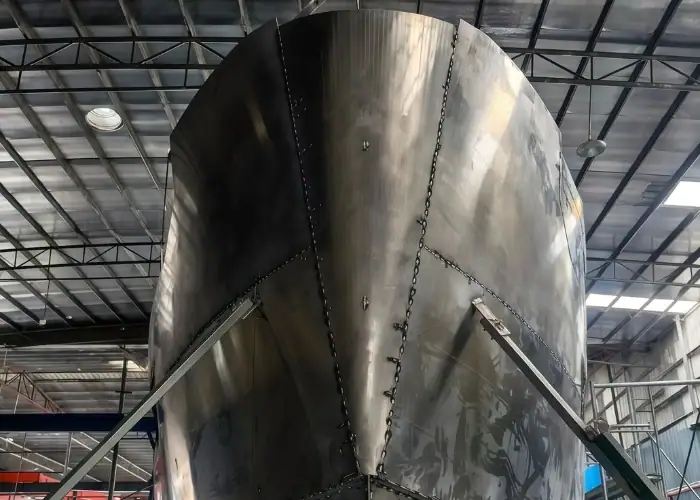
Looking at the advantages and limitations of both alloys helps make the comparison more practical. Neither 5083 nor 6061 is universally better. Each one becomes stronger when the project priorities match what the alloy is designed to do well. This is why material choice should always be tied to real part function, manufacturing route, and service environment rather than habit alone.
In many projects, engineers choose 5083 because corrosion resistance and welded fabrication matter most. In many others, they choose 6061 because machining, strength balance, and general versatility matter more. The important point is not to treat both alloys as interchangeable just because they are both common industrial aluminum grades.
A clear view of strengths and tradeoffs makes the decision more realistic. It also helps prevent overspecifying one alloy for a job that the other could handle better at lower complexity or cost.
Advantages of Aluminum 5083
One of the biggest advantages of Aluminum 5083 is its strong corrosion resistance, especially in marine and aggressive environmental service. This makes it highly valuable for boats, tanks, vessel components, and other fabricated structures where long-term durability matters more than machining convenience.
Another advantage is its suitability for welded sheet and plate work. It is widely used in fabricated structures because it performs well in the kinds of large, corrosion-focused assemblies where welding and plate-based construction are central to the design.
Its practical value comes from this combination of corrosion resistance and fabrication suitability. When the project is driven by marine service, welded construction, or harsher environments, 5083 often becomes the more specialized and more durable choice.
Limitations of Aluminum 5083
One limitation of Aluminum 5083 is that it is not usually the first choice for CNC machining-focused work. It can be machined, but it is generally less associated with precision machined structural parts than 6061, which is more commonly selected when machining performance is a main priority.
Another limitation is that 5083 is not heat treatable for strengthening in the same way as 6061. This means engineers cannot rely on a temper-based route such as T6 to raise final strength, which changes how the material is used in design and production planning.
It is also less universal in general engineering work than 6061. While it performs very well in the applications it is best suited for, it may be more specialized than needed if the project is not corrosion-driven or fabrication-heavy.
Advantages of Aluminum 6061
One of the biggest advantages of Aluminum 6061 is its balanced engineering profile. It offers good strength, corrosion resistance, machinability, weldability, and broad availability, which makes it useful across many kinds of structural and machined parts. This balance is one of the main reasons it is so widely used.
Another major advantage is its machining friendliness. 6061 is one of the most common CNC aluminum alloys because it cuts well and supports clean, precise, and repeatable results. This gives it a very strong position in custom machining, prototyping, and general production work.
Its heat-treatable nature is also important. Because 6061 can be used in tempers such as T6, it gives engineers more flexibility when strength matters. That makes it especially attractive in projects that need a practical combination of machining and structural performance.
Limitations of Aluminum 6061
One limitation of Aluminum 6061 is that it is not usually the best choice for marine corrosion resistance when compared with 5083. It performs well in many general environments, but in saltwater-focused or harsher corrosive service, 5083 often has the stronger practical advantage.
Another limitation is that welded areas may lose some strength in heat-treated conditions. This does not make 6061 a poor welding alloy, but it does mean that design and fabrication planning need to consider how welding changes the final performance of the part.
It is also not the best option for every sheet-forming application. If the project is dominated by heavy bending, formed panels, or corrosion-focused welded plate construction, another alloy such as 5083 may fit better than 6061.
Aluminum 5083 vs 6061: Which One Should You Choose?
The right choice between Aluminum 5083 and 6061 depends on the part’s working environment, manufacturing method, and performance priority. 5083 is usually stronger in corrosion-driven and welded plate applications, while 6061 is usually more practical for CNC machining, heat-treatable strength, and balanced engineering use. Comparing the main decision factors side by side makes the selection easier.
| Decision Factor | Choose Aluminum 5083 When | Choose Aluminum 6061 When |
| Main Priority | Corrosion resistance and welded fabrication are more important than general machining versatility. | Balanced strength, machinability, weldability, and broad engineering use are more important. |
| Service Environment | The part will be used in marine, saltwater, or more aggressive corrosive environments. | The part will be used in general industrial, structural, or moderate outdoor environments. |
| Manufacturing Method | The part is mainly made from sheet or plate and requires welding or fabrication. | The part is mainly CNC machined from plate, bar, extrusion, or billet. |
| Strength Requirement | The design needs good strength in welded or plate-based structures, but not heat-treated strengthening. | The design benefits from heat-treatable strength, such as common T6 conditions. |
| Machining Need | CNC machining is secondary, and corrosion performance is the main concern. | CNC machining accuracy, surface finish, and process efficiency are important. |
| Welding Need | Welding is central to the structure, especially in marine or tank applications. | Welding may be needed, but the project also needs broader machining and structural flexibility. |
| Typical Parts | Marine panels, welded tanks, ship structures, corrosion-resistant plates, fabricated components. | Brackets, housings, fixtures, frames, supports, machined plates, general engineering parts. |
| Best Fit | Marine, corrosion-focused, and fabrication-heavy projects. | CNC machining, structural components, prototypes, and general-purpose engineering projects. |
FAQs
Which is better for marine use, 5083 or 6061?
Aluminum 5083 is generally the better choice for marine use because it offers stronger corrosion resistance in seawater-related environments and is widely used in welded marine structures.
Can both 5083 and 6061 be welded?
Yes. Both alloys can be welded, but 5083 is often preferred in welded marine and plate structures, while 6061 is weldable but may lose some strength in heat-treated conditions after welding.
Can 5083 and 6061 both be used for CNC machining?
Yes, but they are not chosen for the same reason. Both can be machined, but 6061 is generally the more common and more machining-friendly option for precision CNC parts, while 5083 is more often selected for corrosion-focused plate and fabricated applications.
Which temper should I specify for 5083 or 6061?
The temper should match the product form and performance requirement. Common marine plate conditions include 5083-H116 and H321, while CNC-machined 6061 parts commonly use T6 or stress-relieved T651 conditions. The drawing should specify the complete alloy and temper rather than listing only 5083 or 6061.
Conclusion
Aluminum 5083 and 6061 serve different engineering priorities, and the correct choice depends on temper, product form, manufacturing route, and service environment. Choose 5083 for welded marine plate, corrosion resistance, and low-temperature performance. Choose 6061 when CNC machinability, heat-treatable yield strength, stock availability, and general structural versatility matter more.
At TiRapid, we provide precision CNC machining and manufacturing services for custom aluminum parts, helping customers evaluate alloy temper, stock form, machining stability, dimensional accuracy, surface finishing, and functional performance for demanding engineering applications.