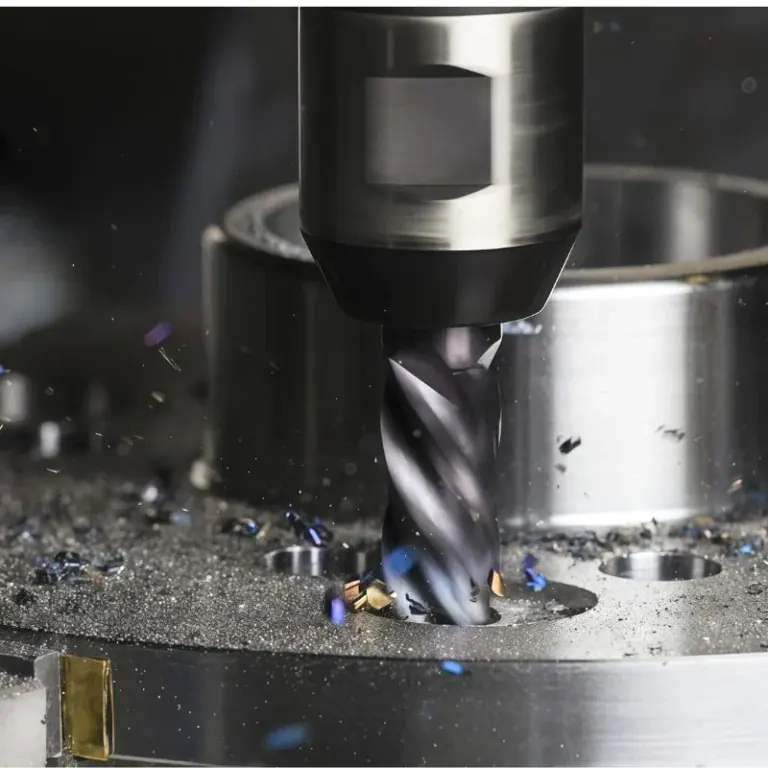
Reaming vs boring is an important question in CNC machining when a part needs accurate holes, smooth internal surfaces, and reliable assembly fit. Both processes work on existing holes, but they are not used for the same purpose. Boring is mainly used to correct the hole, while reaming is mainly used to finish the hole.
This guide explains how reaming and boring work, how they differ from drilling, and how to choose the right process for different CNC machined parts. You will also learn how hole tolerance, surface finish, material behavior, tool rigidity, and production quantity affect the final hole machining method.
What Is Boring In CNC Machining?
Boring is a machining process used to enlarge and correct an existing hole. In most cases, the hole is first created by drilling, casting, rough milling, or another rough process. Boring then improves the hole diameter, roundness, straightness, and alignment.
How The Boring Process Works
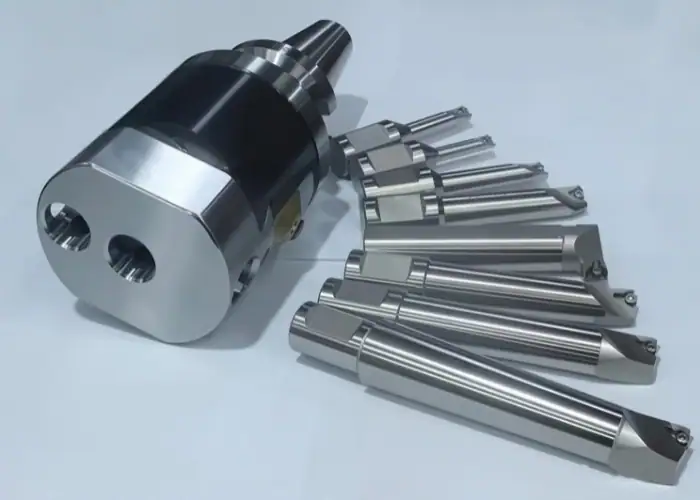
In the boring process, a boring bar or boring tool cuts the inner wall of an existing hole. The tool removes material from the internal diameter and gradually brings the hole closer to the required size. Compared with drilling, boring gives better control because the tool is designed to refine an existing hole instead of making a new one from solid material.
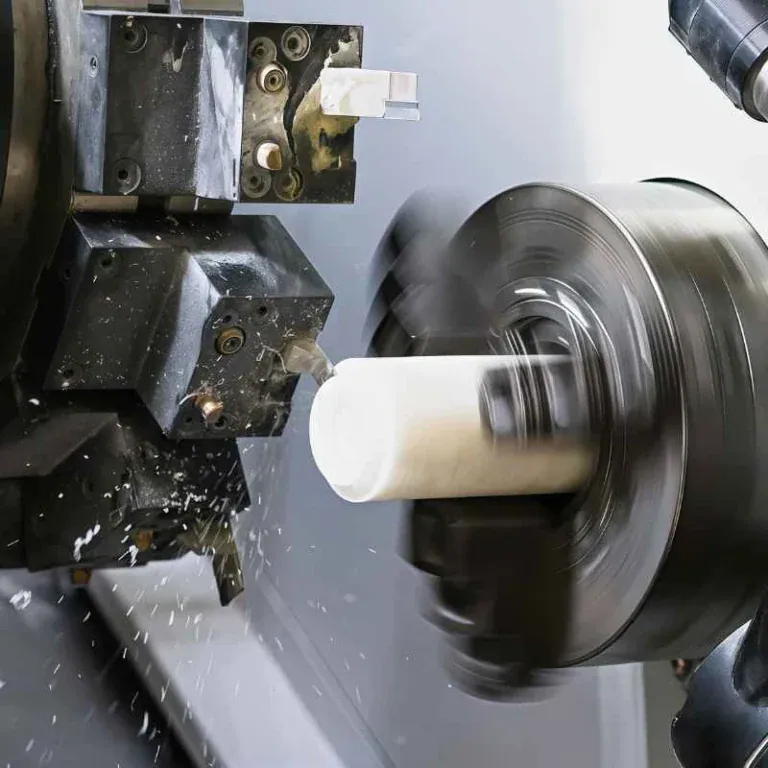
A boring bar usually has a single cutting edge. This allows the tool to be adjusted for different diameters, which is useful for custom holes, larger bores, and low-volume CNC parts. On a CNC mill, boring is often used for vertical or horizontal holes. On a CNC lathe, boring is commonly used for internal diameters in turned parts.
Boring quality depends on tool rigidity, machine stability, cutting parameters, and chip evacuation. If the boring bar is too long or the setup is weak, vibration can appear on the hole surface. For deep holes or difficult materials, the machinist must control tool overhang, feed rate, speed, coolant, and inspection carefully.
What Boring Is Used For
Boring is used when a hole needs more control than drilling can provide. Typical applications include bearing seats, bushing holes, shaft holes, gear housings, hydraulic components, fixture plates, valve bodies, and parts that need accurate coaxial or aligned holes.
Boring is also useful when the hole must match another machined surface. For example, a bearing bore may need to be aligned with a mounting face or another bore. If the hole is not aligned correctly, the assembly may create vibration, uneven wear, or poor mechanical performance.
Another advantage of boring is flexibility. A boring tool can often be adjusted to different hole sizes, while a reamer is usually made for a specific diameter. This makes boring useful for prototypes, repair parts, large custom holes, and CNC components where the required size may not match a standard tool.
Advantages And Limitations Of Boring
The biggest advantage of boring is geometric correction. It can improve hole size, roundness, position, and alignment. If a drilled hole is slightly off-center, rough, tapered, or not round enough, boring can prepare it for final finishing.
The limitation is that boring is not always the fastest process. It may require more setup, slower cutting conditions, and careful adjustment. Long boring bars can deflect, especially in deep holes. Chatter marks may appear if the tool, holder, fixture, or machine is not rigid enough.
Boring can produce good accuracy and surface quality, but it may not always create the best final finish for tight-fit holes. If the part needs a very consistent diameter and smoother internal surface, reaming or another finishing method may still be needed after boring.
What Is Reaming In CNC Machining?
Reaming is a finishing process used to improve the final size and surface quality of an existing hole. A reaming operation removes only a small amount of material, so the hole must already be close to the required diameter before the reamer enters the hole.
How A Reaming Operation Works
A reamer has multiple cutting edges that lightly cut the inside surface of a prepared hole. Instead of removing a large amount of material, the reamer refines the diameter and creates a smoother inner wall. This is why reaming is usually used after drilling or boring.
The success of a reaming operation depends on the previous hole. If the hole is too small, the reamer may overload, chatter, or wear quickly. If the hole is too large, the reamer may not cut enough material and may rub instead of cutting. If the hole is badly misaligned, the reamer will usually follow the existing path instead of correcting it.
For stable results, the stock allowance before reaming must be controlled. The correct allowance depends on hole size, material, reamer type, machine setup, and tolerance requirement. Coolant and chip removal are also important because chips trapped inside the hole can scratch the surface or damage the cutting edges.
What Reaming Is Used For
Reaming is commonly used for dowel pin holes, press-fit holes, locating holes, fixture holes, valve holes, and precision assembly features. These holes often need a stable diameter and smooth surface so that mating parts can fit correctly.
For example, a dowel pin hole must hold location accurately during assembly. If the hole is too loose, the pin may not locate the part correctly. If the hole is too tight, assembly may become difficult or damage the part. Reaming helps control the final hole size more consistently than drilling alone.
Reaming is also suitable for repeat production. Once the drilled or bored hole is prepared correctly, a reamer can finish many identical holes with good consistency. This makes it useful for production runs where speed, repeatability, and stable hole quality are important.
Advantages And Limitations Of Reaming
The main advantage of reaming is final hole precision. It can improve dimensional consistency, surface finish, and repeatability. When the hole preparation is correct, a reamed hole tolerance can be more stable than a drilled hole.
Another advantage is efficiency. Reaming can be faster than fine boring when many holes have the same size and require a consistent finish. It is especially useful when the geometry is already acceptable and only final sizing is needed.
The limitation is that reaming cannot fix every hole problem. It cannot create a hole from solid material, and it cannot reliably correct major position errors, severe taper, or poor alignment. Reaming should be seen as a finishing step, not a correction step for a badly prepared hole.
Drilling Vs Boring Vs Reaming
Drilling, boring, and reaming are different processes in hole machining. They can be used separately for simple features, but precision CNC parts often require them in sequence. Understanding their roles helps avoid over-machining and poor process selection.
Drilling Creates The Starting Hole
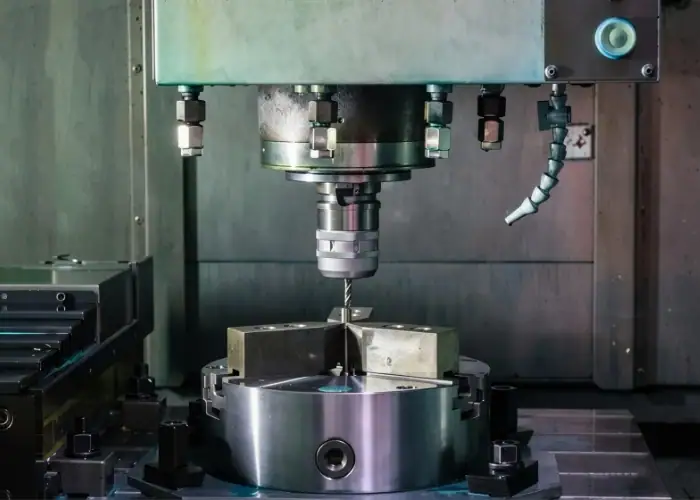
Drilling is the most common way to create the initial hole. A drill bit removes material from solid stock and produces a hole quickly. It is efficient and low cost, so it is often the first step in CNC hole machining.
However, drilling has limits. A drilled hole may not have the best diameter accuracy, roundness, straightness, or surface finish. Drill walking, tool wear, material hardness, chip packing, and machine setup can affect the final result.
For simple clearance holes, drilling may be enough. But when the hole is used for a bearing, pin, shaft, sealing surface, or precision alignment, drilling alone is usually not enough. The hole may need boring, reaming, or both.
Boring Corrects The Hole
Boring comes after drilling when the starting hole needs better geometry. It can enlarge the hole, improve roundness, correct slight position error, and create a more accurate internal diameter.
This is why drilling vs boring is an important comparison. Drilling is fast and creates the hole, while boring is slower but gives better control. If a part drawing requires a precise hole location or a controlled bore size, boring may be required after drilling.
Boring is also more flexible than drilling for non-standard diameters. Instead of depending only on available drill sizes, machinists can adjust the boring tool to reach a specific dimension. This makes boring useful for custom parts and precision fits.
Reaming Finishes The Hole
Reaming comes after drilling or boring when the hole needs better final size and surface finish. The reamer removes a small amount of material and leaves a smoother, more consistent hole surface.
In drilling vs boring vs reaming, reaming is the finishing step. It should not be used to remove too much material or correct poor geometry. Its best role is to finish a hole that is already close to the final size and aligned correctly.
A common CNC sequence is drill first, bore if the hole needs geometric correction, and ream if the final tolerance and surface finish require it. This sequence is especially useful for pin holes, bushings, bearing fits, and precision mechanical assemblies.
Reaming Vs Boring: Main Differences
The main difference between reaming and boring is the purpose. Boring corrects the hole. Reaming finishes the hole. Both can improve hole quality, but they do it in different ways and at different stages of the machining process.
Purpose: Correction Vs Finishing
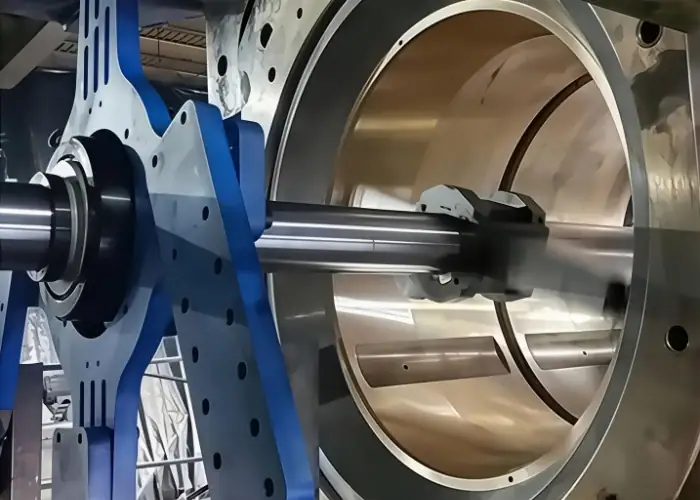
Boring is used when the existing hole still needs correction. The hole may be too small, out-of-round, slightly misaligned, or not accurate enough for the final function. Boring gives the machinist more control over diameter and geometry.
Reaming is used when the hole is already close to correct. The main goal is to improve final size, smoothness, and repeatability. It is not designed to make large changes to the hole path or geometry.
A simple way to remember the difference is this: use boring when the hole needs to be fixed, and use reaming when the hole needs to be finished. This logic helps engineers and buyers choose the right process before production.
Tool Design: Reamer Vs Boring Bar
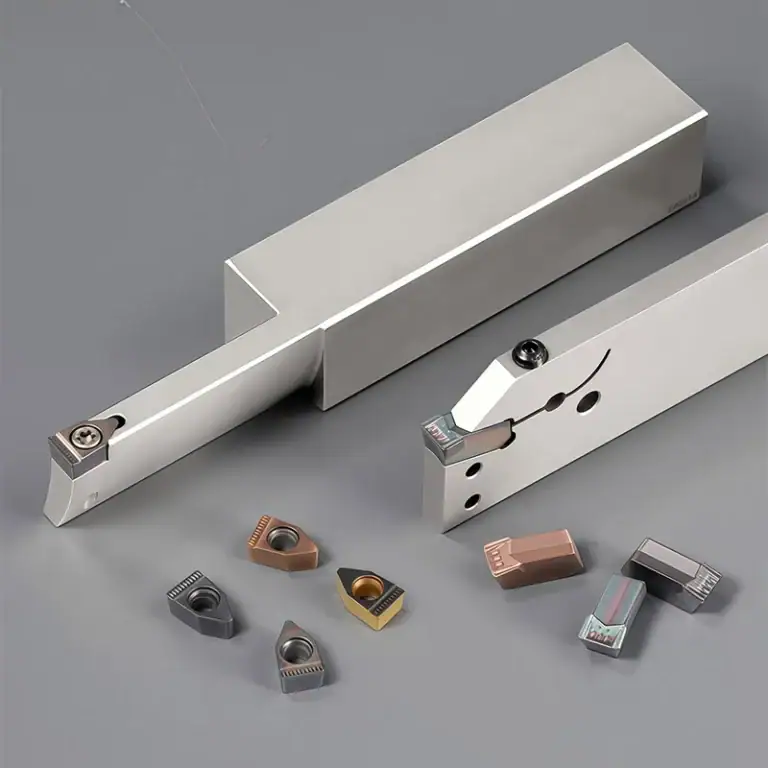
A boring bar usually has one cutting edge and can be adjusted to different hole sizes. This makes it flexible, especially for custom diameters and larger holes. However, because it often uses a long tool body, rigidity can become a problem in deep holes.
A reamer has multiple cutting edges arranged around the tool body. This design helps the reamer guide itself through a prepared hole and produce a consistent diameter. Reamers are usually less adjustable, but they are efficient for repeated holes of the same size.
The reamer vs boring bar comparison is important for process planning. A boring bar gives flexibility and correction ability. A reamer gives repeatability and finishing efficiency when the hole condition is already good.
Material Removal And Cutting Action
Boring can remove more material than reaming. It is suitable for enlarging a hole, cleaning up a rough internal diameter, or correcting the hole before final finishing. The cutting action is controlled by tool position and machine movement.
Reaming removes only a small amount of material. It is not meant for heavy cutting. If the reamer is forced to remove too much stock, it can chatter, wear quickly, or produce poor surface finish. If it removes too little stock, it may rub and fail to control the diameter.
This difference affects cost and quality. If the hole is far from the final requirement, boring should usually be used first. If the hole is already prepared correctly, reaming can finish it more efficiently.
Hole Accuracy And Surface Finish
Boring is stronger for controlling hole geometry. It can improve roundness, straightness, and alignment, especially when the hole must match another machined feature. This makes boring important for housings, bearing bores, and mechanical assemblies.
Reaming is stronger for final diameter consistency and surface finish. A properly reamed hole can have a smoother surface than a drilled hole and better repeatability across multiple parts. This is valuable for dowel pins, press fits, and locating features.
Surface finish also depends on material, tool sharpness, coolant, feed rate, speed, and chip evacuation. Reaming usually produces a cleaner finish when conditions are controlled, but boring can also produce a good result with rigid tooling and fine cutting parameters.
How To Choose Between Reaming And Boring
The right choice depends on what the hole needs to achieve. Before choosing a process, look at the drawing, tolerance, fit type, hole depth, surface finish requirement, material, and production quantity.
Choose Boring When The Hole Needs Correction
Choose boring when the existing hole is not accurate enough in position, diameter, roundness, or alignment. Boring is the better choice when the hole needs geometric control before final finishing.
For example, a bearing seat needs accurate diameter and alignment. If the bore is not round or not aligned with the shaft, the bearing may wear unevenly or fail early. Boring helps create a more controlled internal geometry.
Boring is also useful when the hole size is large, non-standard, or needs adjustment during machining. It is a practical choice for prototypes, custom CNC parts, machine components, and low-volume production where flexibility matters.
Choose Reaming When The Hole Needs Final Precision
Choose reaming when the hole is already close to the correct size and position but needs a better final diameter and smoother surface finish. This is common for holes that control assembly location or fit.
Dowel pin holes are a typical example. The hole must be accurate enough to locate parts during assembly. Reaming can create a stable diameter and smooth wall that support repeatable pin fit.
Reaming is also useful for repeated holes. If a batch of parts needs the same precise hole size, reaming can be more efficient than adjusting a boring bar for every hole. This makes it a good choice for production parts with stable machining conditions.
Use Both When The Hole Needs Correction And Finish
In many precision parts, the best answer is not reaming or boring alone. The best answer is the right sequence. A hole may need drilling to create the opening, boring to correct geometry, and reaming to finish the final size.
This is common when both alignment and final surface quality matter. Boring prepares the hole, and reaming finishes it. Using reaming without boring may fail if the hole is not straight or round enough.
For high-value CNC parts, this sequence can reduce rework and inspection problems. It may add machining steps, but it can improve final reliability and reduce the risk of poor assembly fit.
Material And Design Factors That Affect The Process Choice
The same hole process can perform differently depending on the material and part design. Aluminum, stainless steel, titanium, copper, brass, and engineering plastics all respond differently to boring and reaming.
Material Hardness, Heat, And Chip Control
Aluminum is generally easier to machine, but it can smear or build up on cutting edges if the tool is not sharp or coolant is not suitable. This can affect surface finish during both boring and reaming.
Stainless steel can work-harden if cutting conditions are poor. A dull reamer or light rubbing cut can make the hole surface harder and more difficult to finish. In this case, proper feed, sharp tooling, and coolant are important.
Titanium generates heat and has lower thermal conductivity. Heat control becomes critical because excessive heat can damage tools and affect hole quality. Copper and some soft materials can also create chip control problems. For plastics, heat and clamping pressure must be managed to avoid deformation.
Hole Depth And Tool Rigidity
Hole depth affects the choice between boring and reaming. Deep holes are more difficult because tools may deflect, chips may pack inside the hole, and coolant may not reach the cutting zone effectively.
In boring, a long boring bar may chatter if the tool overhang is too large. This can create poor surface finish, inconsistent diameter, and roundness errors. Using the shortest possible tool, rigid holding, and suitable cutting parameters can help.
In reaming, the tool also needs stable guidance. If the hole is deep, misaligned, or full of chips, the reamer may not cut evenly. Good hole preparation and chip evacuation are important for maintaining reamed hole tolerance.
Tolerance, Fit, And Inspection Requirements
Tolerance should guide the process choice. A simple clearance hole may only need drilling. A hole for a pin, bearing, bushing, or sealing feature may need boring, reaming, or both.
Fit type also matters. Clearance fits allow more space between parts. Press fits need tighter size control. Locating fits need both position and diameter accuracy. The more important the fit is, the more carefully the hole process must be planned.
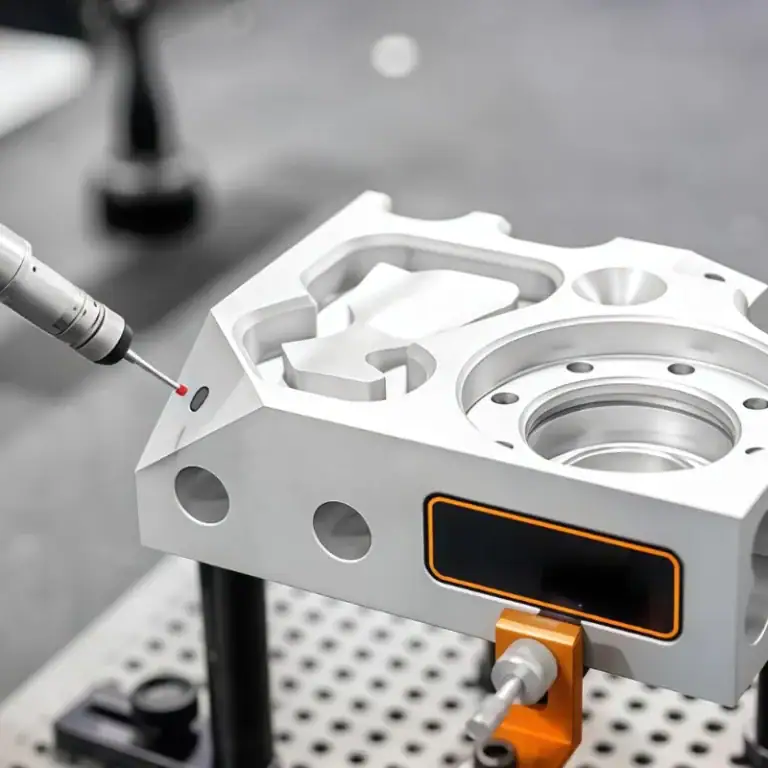
Inspection should match the requirement. Plug gauges, bore gauges, pin gauges, CMM inspection, and surface roughness checks may all be used depending on the part. Without proper inspection, it is difficult to confirm whether boring or reaming has achieved the required result.
Common Mistakes When Choosing Reaming Or Boring
Many hole quality problems happen because the correct process is used at the wrong time. Reaming and boring are both useful, but each has limits. Understanding these limits helps reduce rework and cost.
Using Reaming To Fix A Bad Hole
One common mistake is using reaming to fix a badly drilled hole. Reaming can improve final size and finish, but it usually follows the existing hole. If the hole is misaligned, crooked, or seriously out-of-round, reaming may not solve the problem.
In this case, boring should usually be used first. Boring can correct the hole geometry and create a better foundation for final finishing. After that, reaming can be used if final diameter and finish require it.
This mistake often happens when a manufacturer tries to save machining time. But skipping the correction step can lead to scrap, assembly problems, and customer complaints.
Leaving The Wrong Stock Before Reaming
Another common mistake is leaving the wrong amount of material before reaming. If too much stock is left, the reamer may cut too heavily. This can cause chatter, poor finish, oversize holes, or tool damage.
If too little stock is left, the reamer may rub instead of cutting properly. Rubbing can create heat, poor size control, and a rough surface. It may also reduce tool life.
The correct stock allowance should be planned before machining. It depends on the hole size, material, tool design, and tolerance requirement. For stable production, the pre-hole process must be controlled as carefully as the reaming operation itself.
Ignoring Tool Rigidity During Boring
Boring quality depends heavily on rigidity. A weak setup can make even a good boring tool produce poor results. Long overhang, poor clamping, worn holders, or unstable fixtures can all cause vibration.
Chatter marks inside a bore are not only cosmetic. They can affect fit, sealing, bearing performance, and inspection results. For precision bores, stable tooling and proper machine setup are essential.
This is especially important for deep holes, large bores, and hard materials. Good process planning should consider tool length, holder strength, cutting load, coolant access, and inspection method before production begins.
Choosing Only By Machining Cost
Choosing only by the cost of one operation can be risky. Reaming may look faster than boring, but it cannot replace boring if the hole needs correction. Boring may look more expensive, but it can prevent rework when geometry matters.
The better approach is to choose the process based on part function. If the hole is only for clearance, a simple drilled hole may be enough. If it controls assembly alignment, fit, or movement, a more controlled process is needed.
A reliable process may include more than one step. The goal is not just to reduce machining time, but to produce a hole that passes inspection and works correctly in the final product.
FAQs
What is the difference between boring and reaming?
The main difference is the purpose. Boring corrects the hole geometry, while reaming finishes the hole. Boring can remove more material and improve hole position, roundness, and alignment. Reaming removes only a small amount of material and is used when the hole is already close to the final size.
What are common reaming mistakes?
Common reaming mistakes include using reaming to fix a badly misaligned hole, leaving too much or too little stock before reaming, using a dull reamer, choosing the wrong speed or feed, poor chip evacuation, and unstable clamping. These problems can cause oversize holes, poor surface finish, chatter, tool wear, or inconsistent tolerance.
Why use a reamer instead of a drill bit?
A drill bit is used to create the initial hole, but it may not provide high accuracy or a smooth internal surface. A reamer is used after drilling to improve the hole diameter, surface finish, and fit consistency. For precision pin holes, press-fit holes, or locating holes, reaming usually gives better results than drilling alone.
How much material can a reamer remove?
A reamer should remove only a small amount of material from an existing hole. It is designed for finishing, not heavy cutting. If too much stock is left before reaming, the tool may chatter, wear quickly, or create an oversized hole. If too little stock is left, the reamer may rub instead of cutting, causing poor surface finish and unstable tolerance.
Conclusion
Reaming vs boring is not about which process is always better. Boring is better when an existing hole needs diameter correction, alignment improvement, or better roundness. Reaming is better when the hole is already close to size and needs final accuracy, smoother surface finish, and repeatable tolerance control.
In CNC machining, the best choice depends on the actual function of the hole. A simple clearance hole may only need drilling. A bearing bore may need boring. A dowel pin or press-fit hole may need reaming. Some precision parts may require drilling, boring, and reaming in the same process sequence.
At TiRapid, we provide precision CNC machining services for parts that require accurate holes, stable tolerances, and reliable surface quality. Whether your part needs drilling, boring, reaming, or a combined hole machining process, our team can help evaluate the material, drawing, tolerance, hole depth, and application before production.