Copper parts are widely used in mechanical manufacturing, electronic equipment, automotive components, and new energy industries. Due to copper’s excellent electrical conductivity, thermal conductivity, and corrosion resistance, it has become an ideal material for many high-performance components. However, copper machining is not as simple as it may seem, especially when strict dimensional accuracy is required. Problems such as burrs, deformation, and dimensional deviations can easily occur if the machining process is not properly controlled. For customers, machined parts must not only meet drawing requirements but also maintain consistency during mass production. Through proper process planning, equipment selection, and strict inspection, precision machining can effectively improve the quality and reliability of copper components.
Why Do Copper Material Characteristics Affect Machining Accuracy?
Although copper is considered a relatively easy-to-machine metal, its unique properties can still create challenges during processing. Especially in precision part manufacturing, a lack of understanding of material behavior may lead to unstable machining results. Therefore, a suitable machining strategy should be developed based on copper characteristics before production begins.
Copper’s Softness Can Cause Machining Problems
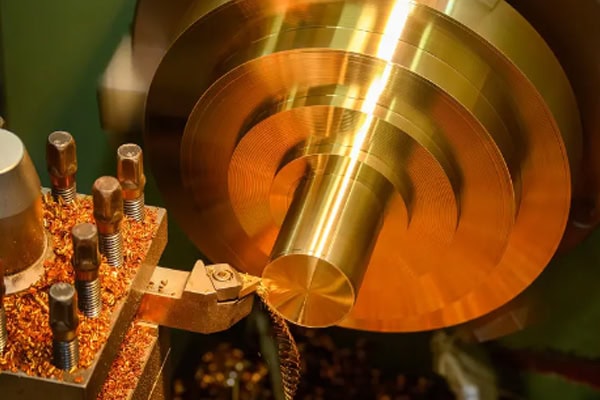
Copper has excellent ductility, which is one of the reasons it is widely used. However, this softer material characteristic may affect dimensional control during cutting operations.
- Deformation may occur during machining due to cutting forces.
- Tool pressure can create burrs on part edges.
- Surface marks may appear and affect appearance quality.
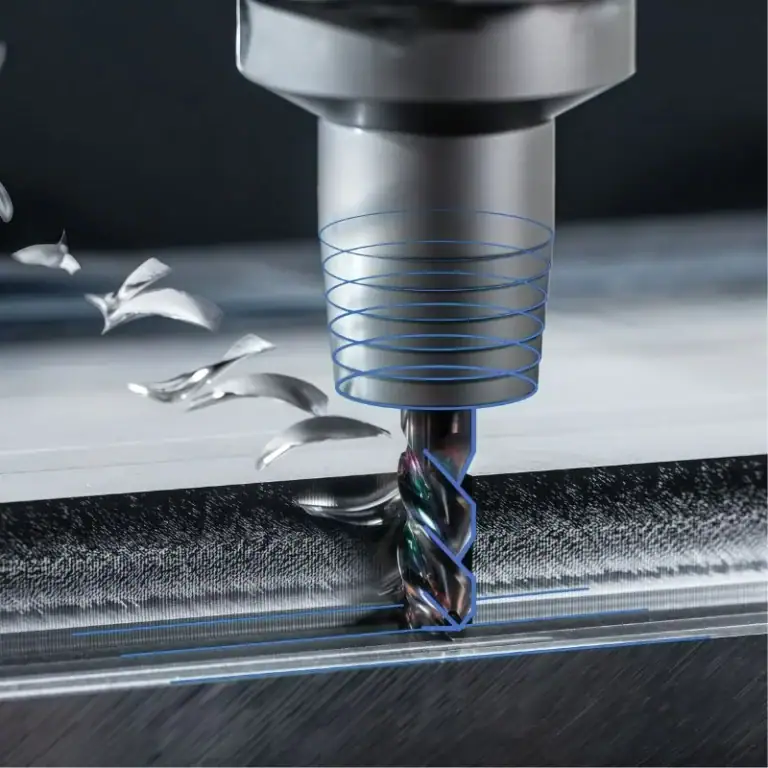
To solve these issues, proper tool selection and cutting parameter adjustments are necessary. Excessive cutting force can easily deform copper parts and affect final dimensions. In precision machining, the process must be optimized according to copper properties to achieve stable results.
Copper’s Thermal Conductivity Affects Machining Stability
Copper has excellent thermal conductivity, but heat changes during high-speed machining can still influence part accuracy. This is especially true for small and complex components that are more sensitive to temperature variations.
- Long machining cycles may cause dimensional changes.
- Thermal expansion and contraction can affect measurement results.
- Improper cooling methods may reduce machining stability.
To minimize temperature-related effects, machining time, cooling methods, and inspection conditions must be properly controlled. Stable machining conditions are an important foundation for achieving high-quality precision machining.
Different Copper Alloys Have Different Machining Challenges
Copper is not a single material. Different copper alloys, such as brass, bronze, and pure copper, have different hardness levels and machining characteristics.
- Select suitable tools based on material type.
- Adjust machining parameters according to material hardness.
- Analyze material characteristics before processing.
Understanding material properties is an important step in improving copper part accuracy. Only by selecting the right machining strategy can manufacturers reduce errors and achieve the quality requirements expected by customers.
How Does Copper Precision Machining Control Dimensional Accuracy?
Copper part accuracy is affected by many factors, from equipment condition to machining processes. To maintain stable dimensions, manufacturers need to manage the entire production process, including preparation before machining, process control during production, and continuous technical optimization.
Select High-Precision CNC Machining Equipment
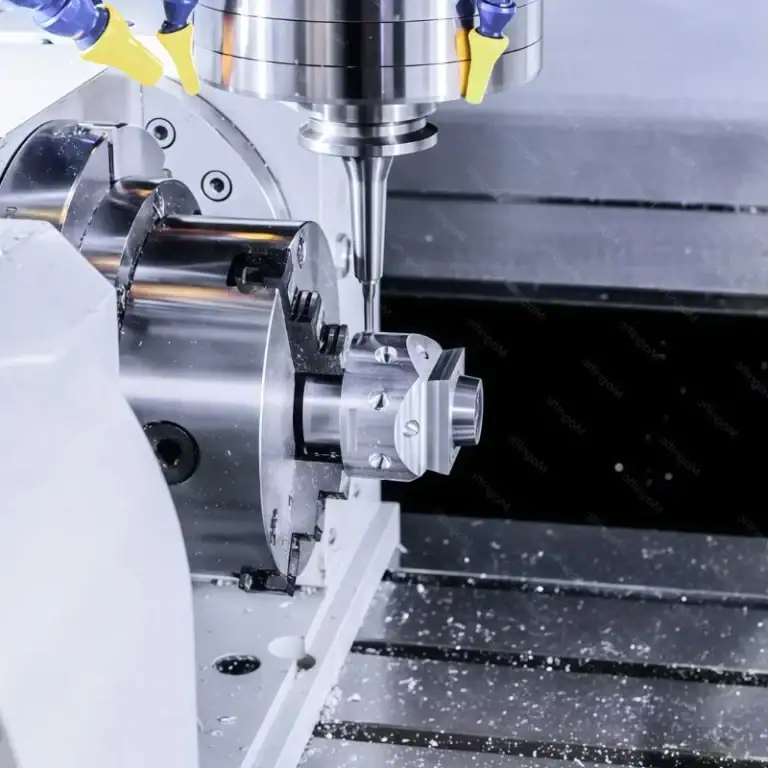
Equipment accuracy is one of the most important factors affecting copper machining quality. For high-precision parts, standard machines may not be sufficient, and more stable CNC machining equipment is required.
- Improve part positioning accuracy.
- Reduce errors caused by manual operations.
- Ensure stable machining of complex structures.
- Maintain consistency during batch production.
High-precision CNC equipment makes the machining process more controllable. Especially for small and highly accurate copper components, it can effectively reduce dimensional deviations and improve precision machining efficiency.
Properly Set Tools and Machining Parameters
Copper machining performance is closely related to tool conditions and parameter settings. Incorrect parameters may reduce machining efficiency or lead to unstable part quality.
- Use sharp cutting tools suitable for copper materials.
- Control cutting speed to reduce heat generation.
- Adjust feed rate to prevent surface damage.
Proper machining parameters can reduce tool wear and improve cutting stability. At the same time, optimizing tool paths according to part structures can further enhance copper machining accuracy.
Optimize Fixturing Methods to Reduce Part Deformation
Many precision copper components are small in size, and improper fixturing can cause slight deformation under pressure. Although these changes may not be visible, they can result in dimensional deviations.
- Design suitable fixtures according to part structures.
- Reduce deformation caused by excessive clamping force.
- Maintain stable part positioning during machining.
Proper fixturing is an important step in maintaining machining accuracy. By reducing external influences during production, copper parts can remain stable and achieve better final quality.
How Can Inspection Ensure Copper Machining Quality?
Completing machining does not always mean a part is qualified, especially in precision machining. Inspection is equally important. Through professional measuring equipment and strict quality management, manufacturers can identify problems early and prevent defective parts from reaching later production stages.
Strengthen Dimensional Inspection During Machining
In-process inspection helps engineers identify deviations quickly. If problems are discovered only after all parts are completed, additional rework costs and production delays may occur.
- Regularly check critical dimensions.
- Adjust machining parameters based on inspection results.
- Identify equipment or tool problems in time.
Adding inspection steps during copper machining improves production stability and keeps the process within controlled limits.
Use Professional Measuring Equipment for Verification
High-precision components require more accurate inspection methods. Traditional measuring tools may not provide enough accuracy for demanding applications.
- Use coordinate measuring machines for complex dimensions.
- Inspect hole positions, flatness, and geometric tolerances.
- Confirm that parts meet design specifications.
Professional measurement equipment provides reliable data for precision machining quality control and helps engineers further optimize machining processes.
Establish a Complete Quality Management Process
Stable machining quality does not depend on one single step. It requires a complete production management system.
- Confirm materials and drawing requirements before machining.
- Record and monitor machining conditions during production.
- Perform comprehensive inspections after machining.
A complete quality management process reduces uncertainty during manufacturing and helps maintain high consistency across every batch of copper parts, meeting long-term customer requirements.
How Does Precision Machining Improve Copper Part Manufacturing?
As industrial products demand higher accuracy, copper machining is no longer only about basic cutting operations. Modern manufacturing focuses more on stability, efficiency, and quality control. Through advanced precision machining technology, manufacturers can overcome traditional machining challenges and provide more reliable solutions.
Improve Complex Copper Part Machining Capability
The development of modern equipment and machining technology allows more complex copper components to be manufactured with higher quality.
- Support machining of complex shapes and structures.
- Meet customized low-volume production requirements.
- Increase design flexibility for different applications.
Through precision machining technology, manufacturers can better handle complex copper part structures, improve product performance, and meet the manufacturing needs of different industries.
Ensure Consistency in Mass Production
For industrial customers, producing one qualified part is not enough. The key is maintaining stable quality throughout long-term production.
- Reduce dimensional differences between batches.
- Improve production efficiency.
- Minimize rework and material waste.
Stable machining capability helps customers receive reliable and consistent part supply, which is also an important indicator of a manufacturer’s production strength.
Improve Overall Part Reliability
High-precision copper components are often used in applications with strict performance requirements, meaning machining quality directly affects product performance.
- Improve dimensional matching accuracy.
- Enhance surface machining quality.
- Extend part service life.
Through optimized processes and strict control, precision machining enables copper parts to achieve higher manufacturing standards and provides customers with more reliable components.
Ensuring accuracy in copper machining requires control over material analysis, equipment selection, machining processes, and quality inspection. Only through continuous process optimization can manufacturers reduce dimensional deviations and improve part stability. Tirapid specializes in precision machining services, providing high-precision CNC copper part machining solutions to help customers achieve reliable and high-quality custom manufacturing.