Tirapid

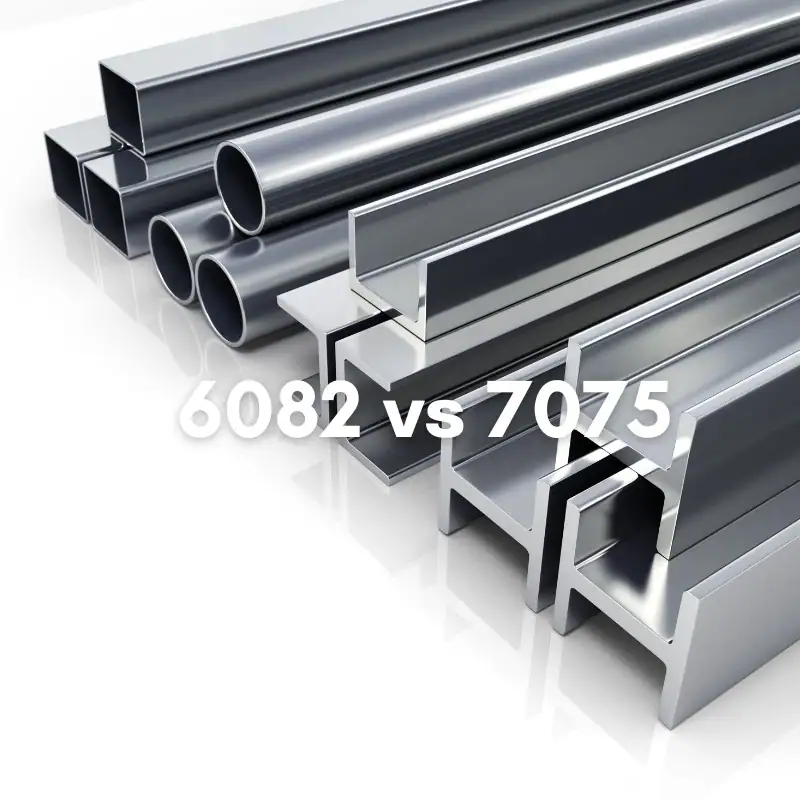
Comparison of 6082 and 7075 aluminum alloy materials for CNC machining and industrial applications

Aluminium 6082 vs 7075: Which Alloy Should You Choose?

Aluminium 6082 and 7075 are both widely used engineering aluminium alloys, but they are not designed for the same type of project. 6082 is usually selected for structural parts that need good corrosion resistance, weldability, and balanced machinability, while 7075 is chosen when high strength and a strong strength-to-weight ratio are the top priorities. In

Aluminium 6082 vs 7075: Which Alloy Should You Choose? Read More »
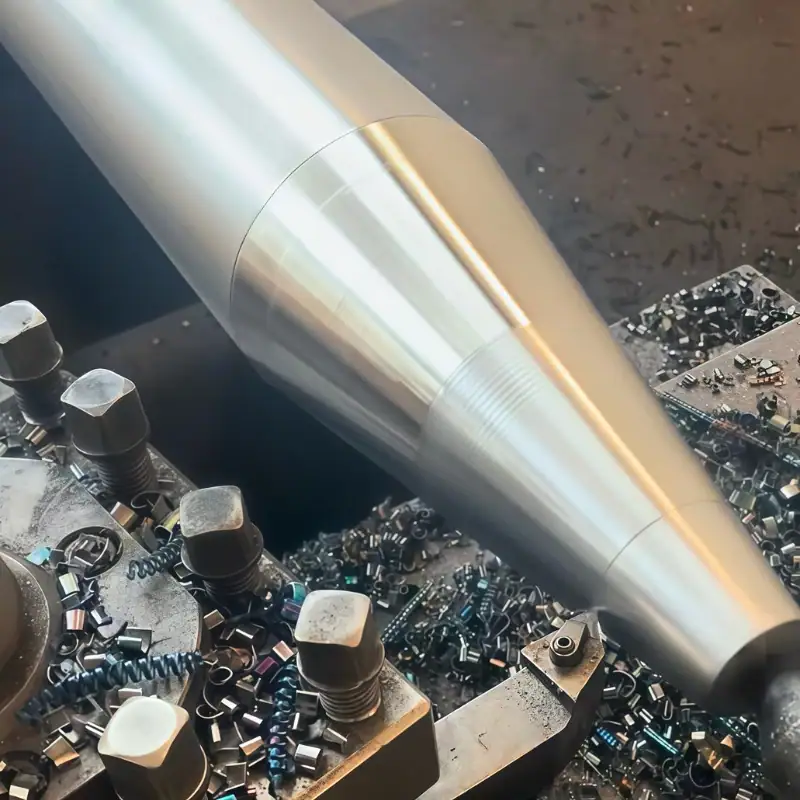
External Taper Turning of Metal Long Shaft

Taper Turning Methods for Accurate CNC Machined Parts

Taper turning is a CNC and lathe machining process used to create conical, angled, or gradually changing diameters on round parts. It is widely used for shafts, pins, tool holders, nozzles, bushings, valve parts, and mechanical components that require accurate alignment, sealing, locking, or assembly fit. A well-machined taper helps parts locate smoothly, transfer load

Taper Turning Methods for Accurate CNC Machined Parts Read More »

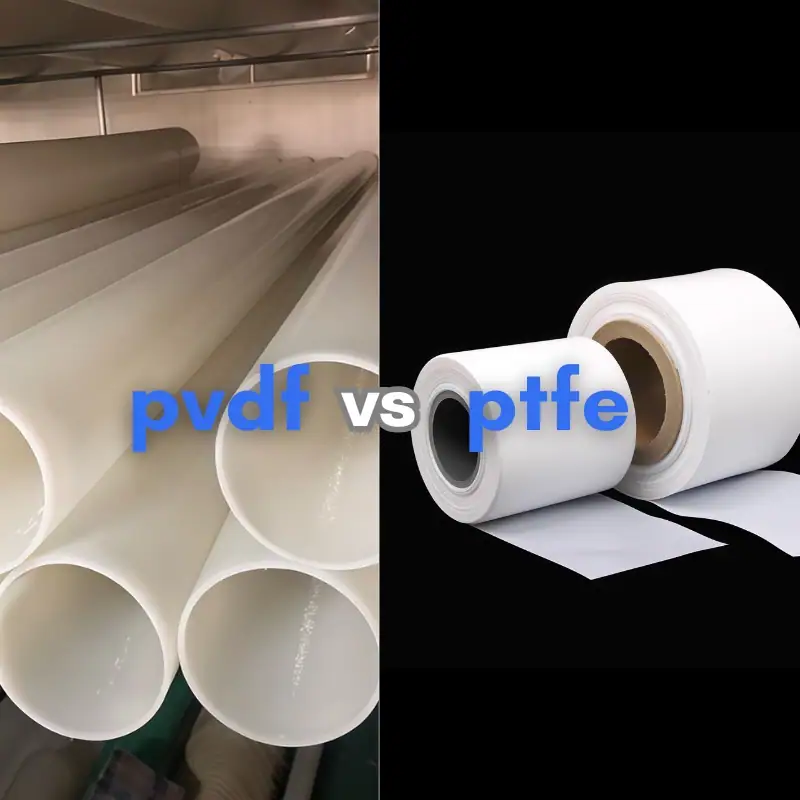
PVDF Extruded Tubes vs PTFE Film Rolls

PVDF vs PTFE: Properties and Material Selection

PVDF vs PTFE is an important material comparison for chemical processing, fluid handling, semiconductor, medical, and industrial plastic parts. PTFE is often used for extreme chemical resistance and low friction, while PVDF is preferred when stiffness, strength, and easier machining are also important. This guide explains the key differences between PVDF and PTFE, including chemical

PVDF vs PTFE: Properties and Material Selection Read More »

What Are the Early Signs of Tool Wear When CNC Machining Plastics

What Are the Early Signs of Tool Wear When CNC Machining Plastics?

In plastic CNC machining, tool condition directly affects part surface quality, dimensional accuracy, and overall processing efficiency. Unlike metal machining, plastics are characterized by low hardness and poor thermal conductivity. As a result, the window between the onset of tool wear and noticeable degradation in machining results is often quite narrow. Catching tool wear at

What Are the Early Signs of Tool Wear When CNC Machining Plastics? Read More »

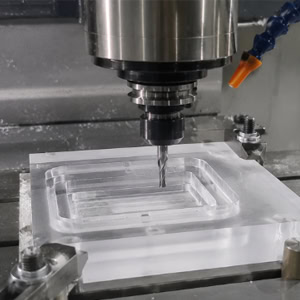
CNC milling machine precision metal milling.

What Is the Role of Digital Management in CNC Milling?

For many customers, what really matters in CNC milling is not just whether a part can be made, but whether it can be made correctly and consistently in batches, while still keeping delivery times under control. This is especially important for precision structural parts, assembly parts, and appearance parts. Once dimensional drift, increased rework, or

What Is the Role of Digital Management in CNC Milling? Read More »

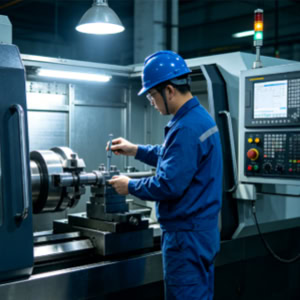
Detailed Explanation of the CNC Turning Machining Process

Detailed Explanation of the CNC Turning Machining Process

CNC turning is one of the most widely used precision manufacturing technologies in modern industries. By using computer numerical control systems to manage machine movements, CNC turning allows cutting tools to accurately remove material from rotating workpieces according to programmed paths. Compared with traditional turning methods, CNC turning provides higher machining accuracy, more stable production

Detailed Explanation of the CNC Turning Machining Process Read More »

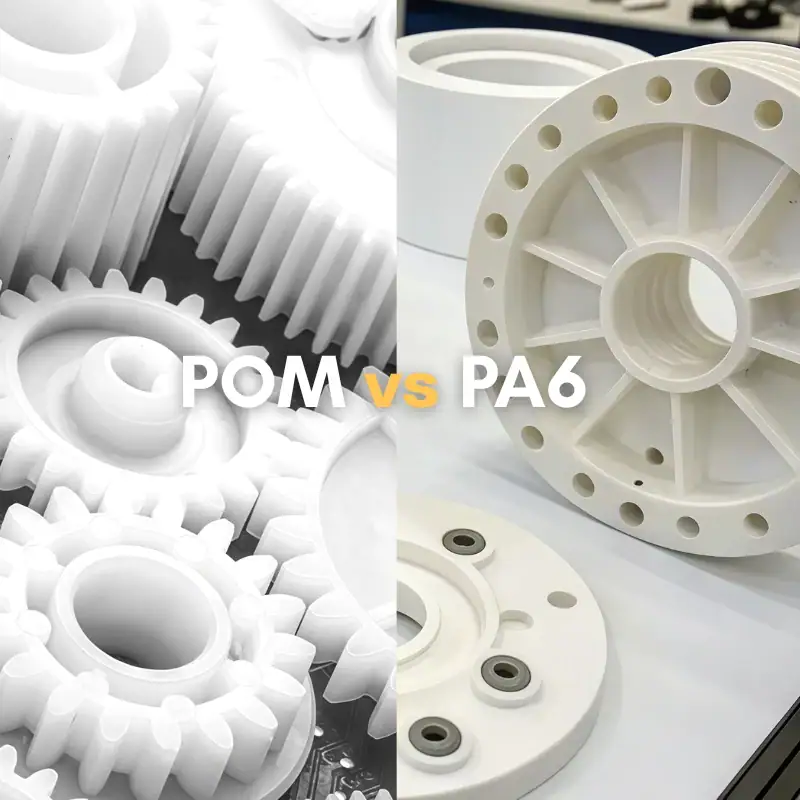
POM vs PA6 raw materials for engineering plastic comparison and CNC machining material selection

POM vs PA6: Key Differences, Properties, and Applications

POM vs PA6 is a common engineering plastic comparison because both materials are widely used for gears, bushings, bearings, sliding parts, housings, and CNC machined components. POM is usually selected for low friction, dimensional stability, wear resistance, and clean machining, while PA6 is chosen for toughness, impact resistance, fatigue performance, and cost-effective mechanical parts. In

POM vs PA6: Key Differences, Properties, and Applications Read More »

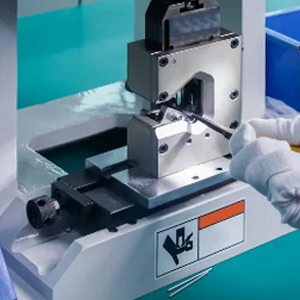
Operating Procedures for Precision Instruments

What Are the Requirements for Medical-Grade Titanium Alloy Machining?

In the medical device industry, titanium alloy has always been an important material. It is widely used in orthopedic implants, surgical instruments, and precision components for advanced medical equipment due to its high strength, lightweight properties, corrosion resistance, and excellent biocompatibility. However, many customers discover that titanium alloy is not as easy to machine as

What Are the Requirements for Medical-Grade Titanium Alloy Machining? Read More »

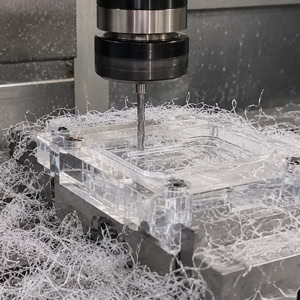
CNC milling machine for metal cutting.

How Does CNC Milling Improve Machining Reliability?

For many customers, machining reliability is often more important than low price alone. Whether a part can be manufactured consistently according to the drawing, whether dimensions remain stable, and whether deviations occur during batch production are all factors that directly affect project progress, rework costs, and delivery confidence. This is especially true for precision structural

How Does CNC Milling Improve Machining Reliability? Read More »

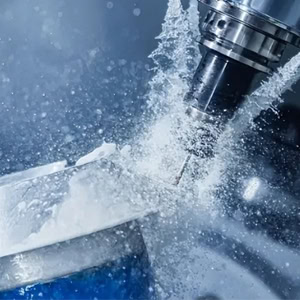
CNC Machining Status of Plastic Materials

How Can Plastic CNC Machining Cutting Conditions Be Judged Through Chips?

During plastic CNC machining, chip morphology is one of the most direct signals reflecting the cutting condition. By observing the shape, size, color, and uniformity of chips, operators can quickly determine whether machining parameters are reasonable, whether the tool is functioning properly, and whether the material is within the ideal cutting range without interrupting the

How Can Plastic CNC Machining Cutting Conditions Be Judged Through Chips? Read More »

Applications of CNC Turning in Automotive Parts Manufacturing

Applications of CNC Turning in Automotive Parts Manufacturing

The automotive industry has strict requirements for component accuracy, structural stability, and service life. With the rapid development of electric vehicles, intelligent vehicles, and high-performance automobiles, automotive component manufacturing is continuously moving toward higher precision, improved efficiency, and lightweight designs. CNC turning has become an essential machining technology in automotive parts production due to its

Applications of CNC Turning in Automotive Parts Manufacturing Read More »

Close-up of precision CNC machining

Why Do Mechanical Parts Have Errors After Machining?

During mechanical part manufacturing, many customers encounter the same issue: the dimensions shown on the drawing are correct, but the finished parts still have slight deviations. Some parts may only have small dimensional changes, while others may affect assembly performance or fail to meet application requirements. For high-precision industries such as aerospace, medical equipment, automotive

Why Do Mechanical Parts Have Errors After Machining? Read More »

Scroll to Top
Simplified Table

To ensure successful upload, please compress all files into one .zip or .rar file before uploading.
Upload CAD files (.igs | .x_t | .prt | .sldprt | .CATPart | .stp | .step | .pdf).