Tungsten metal is a dense, hard, high-melting-point refractory metal known for extreme heat resistance, high density, good wear resistance, and strong performance in demanding industrial environments. It has the chemical symbol W and is widely used in cutting tools, aerospace parts, electronics, medical shielding, counterweights, high-temperature furnace components, and tungsten alloys.
In this guide, we explain what tungsten metal is, why tungsten is classified as a metal, and how its density, melting point, properties, price factors, common uses, and alloys affect industrial applications.
What Is Tungsten Metal?
Tungsten metal is a naturally occurring metallic element with the chemical symbol W and atomic number 74. It is classified as a refractory metal because it can withstand extremely high temperatures while maintaining useful strength and stability.
Tungsten Symbol
The symbol for tungsten is W, and its atomic number is 74. It is located in the transition metal area of the periodic table and is known for high density, high melting point, and excellent high-temperature performance.
Tungsten has a density of about 19.25g/cm³, which makes it much denser than steel, titanium, aluminum, copper, and many other common engineering metals. Its melting point is about3422°C, one of the highest among all pure metals.
These basic facts explain why tungsten is used in extreme environments. It is selected when engineers need compact weight, high-temperature stability, radiation shielding, electrical performance, wear resistance, or special alloy behavior.
Why Is Tungsten Also Called Wolfram?
Tungsten is also called wolfram because wolfram was the historical name used in parts of Europe before tungsten became the common English name. The chemical symbol W comes from wolfram.
The name wolfram is still important in technical and chemical contexts. It appears in the symbol W, in mineral names, and in some industry documents related to tungsten ores and tungsten compounds.
For buyers and engineers, tungsten and wolfram usually refer to the same element. However, product descriptions should still confirm whether the material is pure tungsten, tungsten alloy, tungsten carbide, or another tungsten-based material.
Where Is Tungsten Found?
Tungsten is found mainly in mineral ores rather than as free pure metal in nature. The most important tungsten-bearing minerals are wolframite and scheelite, which are mined and processed to produce tungsten products.
Main Tungsten Minerals
The main tungsten minerals are wolframite and scheelite. These minerals contain tungsten in chemical compounds that can be processed into tungsten oxide, tungsten powder, tungsten metal, or tungsten alloys.
Wolframite is a major tungsten ore historically linked to the name wolfram. Scheelite is another important tungsten mineral and is often recognized by its fluorescence under ultraviolet light.
These minerals are not used directly as engineering metals. They must be mined, concentrated, chemically processed, reduced, and refined before tungsten can be used in manufacturing applications.
How Tungsten Is Mined And Processed
Tungsten is mined by extracting tungsten-bearing ore, then crushing, concentrating, refining, and converting it into tungsten powder or other usable tungsten products. Powder metallurgy is especially important for tungsten production.
Because tungsten has such a high melting point, it is difficult to process using ordinary melting and casting methods. Instead, tungsten is commonly produced through chemical processing, powder production, pressing, sintering, and finishing operations.
The final product may become pure tungsten parts, tungsten heavy alloys, tungsten carbide powder, rods, plates, sheets, electrodes, counterweights, or precision machined components.
Major Tungsten Producing Regions
Major tungsten producing regions include China and several other countries with tungsten ore deposits and processing capacity. China has historically played a dominant role in global tungsten supply.
This matters because tungsten is considered a critical industrial material in many supply chains. Aerospace, defense, electronics, mining, machining, energy, and medical sectors all depend on stable tungsten availability.
For manufacturers, supply risk should be considered early. Material grade, stock form, supplier location, certification, and lead time can all affect tungsten part production.
Key Properties Of Tungsten Metal
The key properties of tungsten metal are very high density, extremely high melting point, high hardness, strong heat resistance, good electrical conductivity, low thermal expansion, and useful wear resistance. These properties make tungsten suitable for severe environments.
Physical Properties Of Tungsten
The physical properties of tungsten include high density, gray-white metallic appearance, metallic luster, high melting point, and low vapor pressure at high temperature. These properties make it useful where mass and heat resistance are critical.
The density of tungsten metal is about19.25g/cm³. This is close to gold and much higher than steel, titanium, aluminum, and copper. A small tungsten component can provide significant weight in a compact space.
Its high melting point also makes tungsten valuable in high-temperature furnace parts, heating elements, electrodes, filaments, crucibles, and aerospace or defense-related systems exposed to severe heat.
Mechanical Properties Of Tungsten
The mechanical properties of tungsten include high hardness, high stiffness, high compressive strength, and good strength retention at elevated temperatures. However, pure tungsten can be brittle, especially at lower temperatures or under impact.
This means tungsten is strong in some ways but not easy to compare with ordinary structural metals. It can resist heat and wear, but it may crack if the design, processing, or loading condition is not suitable.
For precision parts, engineers should consider not only strength but also brittleness, stress concentration, grain structure, machining method, and whether a tungsten alloy would be safer than pure tungsten.
Chemical Properties Of Tungsten
The chemical properties of tungsten include good resistance to many acids and corrosion environments under normal conditions, along with the ability to form stable compounds such as oxides and carbides.
Tungsten does not oxidize rapidly at room temperature, but it can oxidize at elevated temperatures in air. In high-temperature service, atmosphere control, coating, or material selection may be needed.
Chemical stability is one reason tungsten is used in industrial, electrical, and high-temperature applications. However, actual chemical compatibility should always be checked by concentration, temperature, and exposure time.
Thermal Properties Of Tungsten
The thermal properties of tungsten are among its strongest advantages. Tungsten has the highest melting point of pure metals, low thermal expansion, and strong high-temperature stability.
The melting point of tungsten metal is about3422°C. This allows tungsten to perform in environments where many metals soften, melt, creep, or lose strength.
Low thermal expansion also helps tungsten maintain dimensional stability under heat. This makes it useful for high-temperature tooling, furnace components, electrodes, and parts that need stable geometry during thermal cycling.
Electrical Properties Of Tungsten
The electrical properties of tungsten include useful conductivity, high-temperature electrical stability, and resistance to thermal damage. Tungsten is not as conductive as copper or silver, but it performs well under heat.
This combination explains why tungsten has been used in light bulb filaments, electrodes, vacuum tubes, electrical contacts, and high-temperature electrical components. It can carry current while resisting thermal deformation.
In modern applications, tungsten may be selected when electrical performance must be combined with heat resistance, wear resistance, or arc erosion resistance.
| Property | Tungsten Metal Data | Engineering Meaning |
| Material Type | Refractory transition metal | Tungsten is used where common metals cannot handle high heat, density, or wear conditions. |
| Chemical Symbol | W | The symbol comes from “wolfram,” another historical name for tungsten. |
| Atomic Number | 74 | Identifies tungsten as a chemical element on the periodic table. |
| Density | About 19.25g/cm³ | Tungsten is much denser than steel, titanium, aluminum, and copper, making it useful for compact weights and shielding parts. |
| Melting Point | About 3422°C | Tungsten has one of the highest melting points of all pure metals, making it suitable for high-temperature applications. |
| Hardness | High | Tungsten resists wear better than many common metals, especially in tungsten carbide form. |
| Strength | High at elevated temperatures | Tungsten keeps useful strength in hot environments where many metals soften or lose stability. |
| Thermal Expansion | Low | Tungsten can maintain dimensional stability during heating and cooling cycles. |
| Electrical Conductivity | Moderate to good | Tungsten can be used in electrodes, contacts, filaments, and high-temperature electrical parts. |
| Corrosion Resistance | Good in many normal environments | Tungsten is chemically stable in many conditions, but oxidation can occur at high temperatures in air. |
| Machinability | Difficult | Tungsten is hard, dense, and sometimes brittle, so CNC machining, grinding, EDM, and 5-axis machining require careful process control. |
| Main Limitation | High cost and processing difficulty | Tungsten is usually selected only when density, heat resistance, or wear resistance justifies the cost. |
Tungsten Metal Vs Other Common Metals
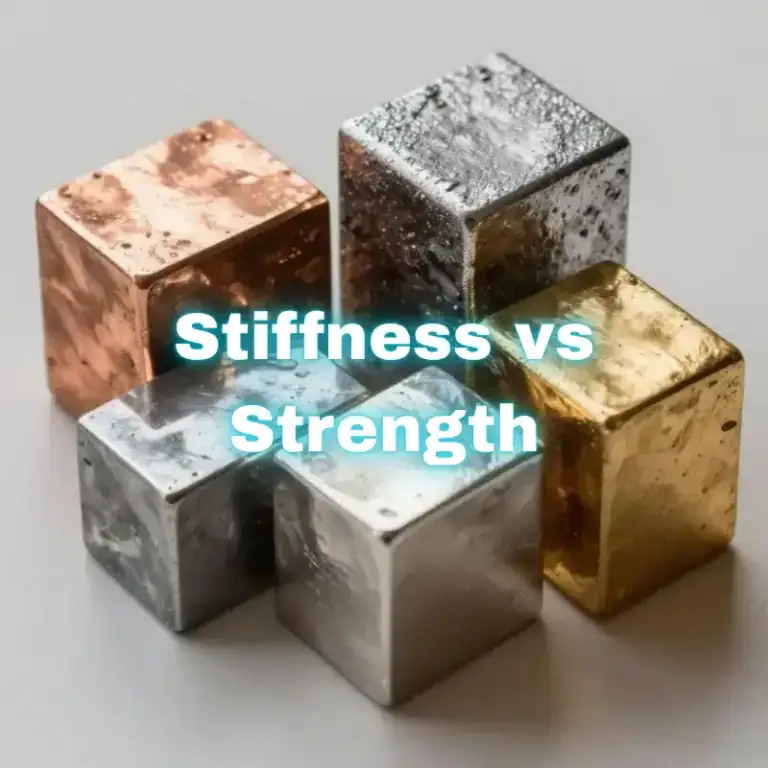
Tungsten metal differs from common metals because it is much denser, more heat resistant, and harder to machine than aluminum, steel, titanium, nickel, and copper. It is selected for extreme requirements rather than general-purpose fabrication.
Tungsten Vs Steel
Tungsten is much denser and more heat resistant than steel, while steel is generally tougher, cheaper, easier to machine, and better for large structural parts. The two materials serve different engineering needs.
Steel is widely used for frames, shafts, brackets, housings, tools, and machine structures because it offers strong mechanical performance at reasonable cost. Tungsten is more specialized.
Tungsten may be chosen over steel when the part needs extreme density, high-temperature strength, radiation shielding, or wear resistance. Steel is usually better when toughness, weldability, and cost are more important.
Tungsten Vs Aluminum
Tungsten is far denser, harder, and more heat resistant than aluminum, while aluminum is much lighter, easier to machine, more formable, and better for weight-saving structures.
Aluminum is commonly selected for aerospace housings, electronics, brackets, enclosures, and lightweight CNC parts. Tungsten is selected when weight concentration, shielding, heat resistance, or wear resistance is needed.
The difference is simple: aluminum helps reduce weight, while tungsten helps add compact mass and withstand extreme conditions.
Tungsten Vs Titanium
Tungsten is much denser and more heat resistant than titanium, while titanium offers a better strength-to-weight ratio, corrosion resistance, and lower mass for aerospace and medical applications.
Titanium is selected when strong, lightweight, corrosion-resistant parts are needed. Tungsten is selected when high density, high melting point, and extreme wear or heat resistance are more important.
In the question “which metal is stronger titanium or tungsten,” the answer depends on the property. Tungsten can be harder and more heat resistant, but titanium is often better for lightweight structural strength.
Tungsten Vs Nickel
Tungsten is denser and more heat resistant than nickel, while nickel alloys are often easier to fabricate and better for corrosion-resistant high-temperature structural applications.
Nickel alloys are common in chemical processing, gas turbines, heat exchangers, and harsh environments. They combine heat resistance with ductility and corrosion performance.
Tungsten is more specialized. It is chosen when melting point, density, wear, and high-temperature stability are more important than general manufacturability.
Tungsten Vs Copper
Tungsten is much denser and more heat resistant than copper, while copper is far better for electrical and thermal conductivity. Each metal has a very different role.
Copper is selected for electrical contacts, busbars, heat sinks, wires, and conductive parts. Tungsten is selected for high-temperature electrodes, arc-resistant contacts, wear parts, and dense components.
Tungsten-copper composites can combine some advantages of both materials. These composites are useful when heat resistance, electrical performance, and controlled thermal expansion are needed together.
Tungsten Vs Molybdenum
Tungsten is denser and has a higher melting point than molybdenum, while molybdenum is often easier to process and lighter. Both are refractory metals used in high-temperature applications.
Molybdenum may be selected for furnace parts, electronics, glass processing, and high-temperature fixtures where lower density and easier processing are useful.
Tungsten is selected when higher density, higher melting point, and more extreme heat performance are required. The choice depends on temperature, load, cost, and manufacturability.
Tungsten Metal Density, Strength, And Melting Point
Tungsten metal density, strength, and melting point are the main reasons it is used in demanding industrial parts. It is extremely dense, has a very high melting point, and maintains useful performance at high temperatures.
Density Of Tungsten Metal
The density of tungsten metal is about19.25g/cm³. This very high density allows tungsten to provide significant weight in a small volume.
This property is useful for counterweights, balancing parts, ballast, vibration control, radiation shielding, defense components, and compact high-mass industrial parts.
Compared with steel at about7.8g/cm³ and aluminum at about2.7g/cm³, tungsten is dramatically heavier for the same volume. This makes tungsten useful when space is limited but mass is required.
Melting Point Of Tungsten Metal
The melting point of tungsten metal is about3422°C. This is one of the highest melting points among pure metals and one of tungsten’s most important engineering advantages.
This high melting point allows tungsten to perform in furnace components, heating elements, filaments, electrodes, aerospace systems, and other applications exposed to extreme temperatures.
However, the same high melting point also makes tungsten difficult to cast and process by ordinary methods. Powder metallurgy, sintering, grinding, EDM, and specialized machining are often required.
Hardness Of Tungsten Metal
Tungsten metal has high hardness compared with many common metals, but tungsten carbide is much harder than pure tungsten. This distinction is important for tool and wear applications.
Pure tungsten provides hardness, heat resistance, and density, but it can be brittle. Tungsten carbide combines tungsten with carbon and is widely used in cutting tools, drills, inserts, wear parts, and mining tools.
For engineering selection, pure tungsten, tungsten heavy alloy, and tungsten carbide should not be treated as the same material. Their hardness, toughness, and machinability differ significantly.
Strength Of Tungsten Metal
The strength of tungsten metal is high in compression and at elevated temperatures, but pure tungsten can be brittle under some conditions. This means it is strong but not always tough.
Tungsten can maintain useful mechanical performance at temperatures where many metals lose strength. This makes it valuable in thermal, electrical, furnace, and aerospace-related applications.
However, if the part must resist impact, bending, vibration, or complex loading, tungsten alloy may be better than pure tungsten. Design geometry and processing quality are critical.
Is Tungsten The Heaviest Metal?
Tungsten is not the absolute heaviest metal, but it is one of the densest commonly used engineering metals. Its density is about19.25g/cm³, which is close to gold and higher than lead, steel, titanium, and copper.
Metals such as osmium and iridium are denser than tungsten, but they are rare, expensive, and not as commonly used in industrial parts.
For practical manufacturing, tungsten is often chosen when engineers need very high density in a usable industrial material. This is why it is common in counterweights, shielding, and balancing components.
Is Tungsten The Strongest Metal?
Tungsten is not always the strongest metal by every definition, but it is one of the strongest and most heat-resistant metals in specific conditions. It has exceptional high-temperature strength and hardness.
“Strongest” can mean tensile strength, yield strength, compressive strength, hardness, impact toughness, or temperature resistance. Tungsten performs extremely well in some of these categories but not all.
For example, tungsten is very hard and heat resistant, but it can be brittle. Steel or titanium alloys may perform better in applications requiring toughness, ductility, or lightweight strength.
Tungsten Metal, Tungsten Alloys, And Composites
Tungsten metal, tungsten alloys, and composites are different material forms designed for different performance needs. Pure tungsten offers extreme heat resistance, while alloys and composites improve toughness, machinability, density control, or wear performance.
Pure Tungsten Metal
Pure tungsten metal is tungsten with very low levels of added alloying elements. It is used when very high melting point, high density, and high-temperature stability are the main requirements.
Pure tungsten is suitable for filaments, furnace parts, electrodes, heating elements, evaporation boats, and some high-temperature components. It is valuable where heat resistance is more important than toughness.
Its limitation is brittleness and machining difficulty. Pure tungsten may crack if the design or machining process is not carefully controlled.
Tungsten Heavy Alloys
Tungsten heavy alloys are tungsten-based materials that usually contain nickel, iron, copper, or other elements to improve toughness and manufacturability. They still maintain very high density.
These alloys are commonly used for counterweights, radiation shielding, balancing components, aerospace parts, defense components, and vibration control parts.
Compared with pure tungsten, tungsten heavy alloys are often easier to machine and less brittle. They are useful when engineers need density but also need better mechanical reliability.
Tungsten Carbide
Tungsten carbide is a compound of tungsten and carbon known for extreme hardness and wear resistance. It is one of the most important tungsten-based materials in manufacturing.
Tungsten carbide is widely used in cutting tools, drill bits, milling inserts, mining tools, dies, wear plates, nozzles, and precision wear components. It is much harder than pure tungsten metal.
However, tungsten carbide is also brittle compared with many steels. Tool geometry, binder content, coating, and operating conditions affect its performance.
Tungsten-Nickel-Iron Alloys
Tungsten-nickel-iron alloys are high-density tungsten heavy alloys that use nickel and iron as binder elements. They provide good density, strength, and toughness compared with pure tungsten.
These alloys are commonly used for counterweights, radiation shielding, balancing parts, kinetic energy components, and industrial tooling where high mass is required.
They are often selected when density and mechanical performance must work together. They can also be machined more practically than pure tungsten in many cases.
Tungsten-Nickel-Copper Alloys
Tungsten-nickel-copper alloys are tungsten heavy alloys that use nickel and copper as binder elements. They are often selected where magnetic properties must be reduced or controlled.
These alloys provide high density, useful machinability, and good corrosion behavior in selected applications. They are used in shielding, counterweights, electronic parts, and precision components.
Compared with tungsten-nickel-iron alloys, tungsten-nickel-copper alloys may be preferred in applications where non-magnetic behavior matters.
Tungsten-Rhenium Alloys
Tungsten-rhenium alloys combine tungsten with rhenium to improve high-temperature ductility and thermoelectric performance. They are used in extreme temperature and specialized electrical applications.
These alloys can perform in thermocouples, aerospace systems, heating elements, and high-temperature instruments. Rhenium can improve the behavior of tungsten under demanding thermal conditions.
Because rhenium is expensive and supply-limited, tungsten-rhenium alloys are usually used only when their unique performance is necessary.
Tungsten-Silver Alloys
Tungsten-silver alloys combine tungsten’s heat and arc resistance with silver’s electrical and thermal conductivity. They are used in electrical contacts and switching applications.
These materials can resist welding, erosion, and heat damage during electrical arcing. Silver improves conductivity, while tungsten improves wear and temperature resistance.
They are selected for specialized electrical systems, not general structural components.
Tungsten-Tantalum Alloys
Tungsten-tantalum alloys combine two refractory metals for high-temperature and corrosion-resistant applications. They are used where extreme heat, strength, and stability are required.
Tantalum can improve certain processing or corrosion characteristics depending on composition and application. These alloys may be considered for aerospace, nuclear, and high-temperature systems.
Like other advanced tungsten alloys, they require careful sourcing, process control, and design review.
Tungsten Alloy Composition And Properties
Tungsten alloy composition and properties are designed to improve pure tungsten’s limitations while keeping its high density, heat resistance, and wear-related advantages. Alloying can improve toughness, machinability, corrosion behavior, or electrical performance.
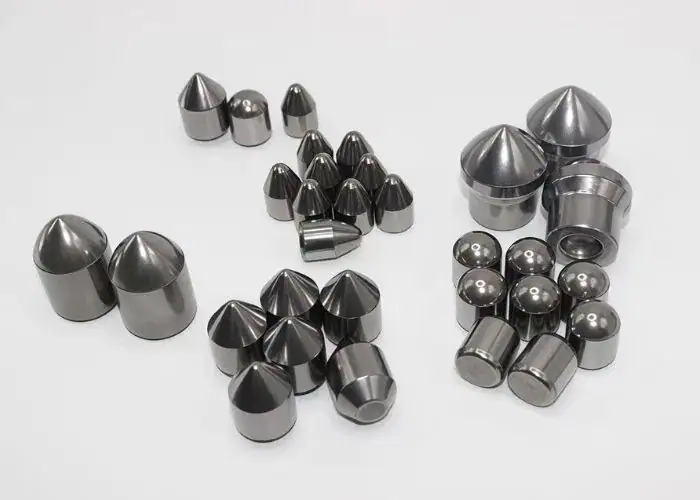
Common Elements In Tungsten Alloys
Common elements in tungsten alloys include nickel, iron, copper, rhenium, silver, tantalum, and carbon. These elements are added to improve specific properties.
Nickel and iron improve toughness and machinability in heavy alloys. Copper can reduce magnetism and improve conductivity. Carbon forms tungsten carbide for extreme hardness.
Because alloy composition affects performance strongly, suppliers should provide material certification, density, hardness, mechanical properties, and processing history when precision parts are required.
Strength-To-Weight Ratio
Tungsten alloys can provide very high strength in a compact volume, but they are not lightweight materials. Their value comes from high density, not weight reduction.
A tungsten heavy alloy part can provide more mass in less space than steel or copper. This is useful for balancing, counterweights, shielding, and compact kinetic components.
For applications where low weight is important, titanium or aluminum may be better. For applications where compact mass is important, tungsten alloy is often better.
Corrosion Resistance And Chemical Stability
Tungsten and tungsten alloys provide useful corrosion resistance and chemical stability in many environments, but performance depends on alloy type, temperature, and exposure conditions.
Pure tungsten is stable in many normal environments, while tungsten heavy alloys may behave differently because of binder metals such as nickel, iron, or copper.
For corrosive applications, engineers should review the full alloy composition. The binder phase may control corrosion behavior more than tungsten itself.
High Temperature And Pressure Resistance
Tungsten alloys are valuable in high-temperature and high-pressure applications because tungsten maintains stability under extreme thermal conditions. This is one of the strongest reasons to use tungsten materials.
High-temperature furnace parts, electrodes, aerospace components, and thermal processing tools can benefit from tungsten’s melting point and low thermal expansion.
However, high temperature can also increase oxidation risk in air. Protective atmospheres, coatings, or alternative materials may be required depending on service conditions.
Wear Resistance And Impact Resistance
Tungsten-based materials can offer strong wear resistance, especially tungsten carbide and selected tungsten alloys. They are widely used in tools and components exposed to abrasion.
Tungsten carbide provides outstanding wear performance but can be brittle. Tungsten heavy alloys may offer a better balance between density, toughness, and machinability.
For impact-heavy conditions, material selection should consider toughness and fracture risk. Hardness alone does not guarantee reliable performance.
Tungsten Metal In Manufacturing
Tungsten metal in manufacturing is used when parts need high density, heat resistance, wear resistance, electrical performance, radiation shielding, or special alloy behavior. It is not a general-purpose easy-to-machine metal.
Machining Tungsten Metal
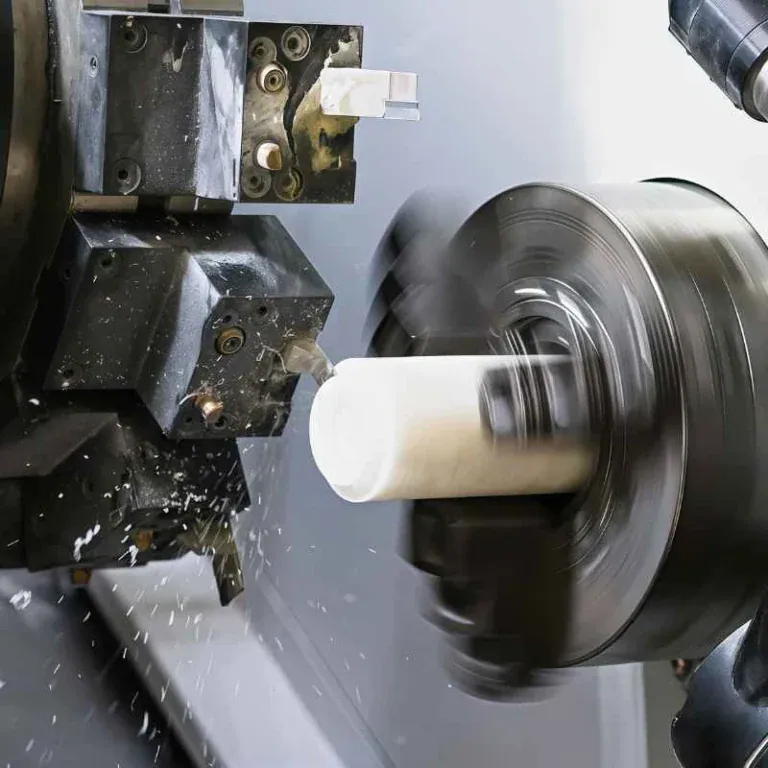
Machining tungsten metal is difficult because tungsten is dense, hard, heat resistant, and can be brittle. It requires rigid setups, suitable tools, controlled cutting parameters, and careful handling.
Tungsten may be CNC milled, turned, drilled, ground, EDM cut, or finished depending on material form and part geometry. Tungsten heavy alloys are generally easier to machine than pure tungsten.
Machining strategy should reduce vibration, heat buildup, sharp internal corners, and excessive cutting pressure. Poor process control can cause cracking, chipping, burrs, tool wear, or dimensional error.
CNC Machining Tungsten And Tungsten Alloys
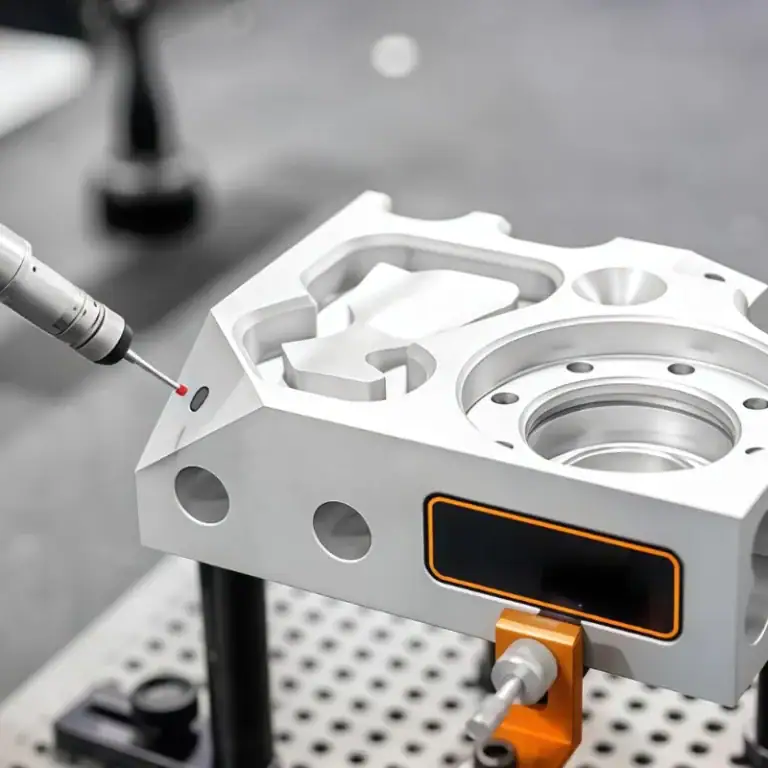
CNC machining tungsten and tungsten alloys is used to produce dense, precise, and high-performance parts with tight geometry requirements. It can include CNC milling, CNC turning, drilling, boring, tapping, profiling, and 5-axis CNC machining.
5-axis CNC machining is useful for complex tungsten parts with angled features, curved surfaces, multi-side access, and tight datum relationships. It can reduce repeated setups and improve geometric consistency.
Because tungsten materials are difficult to cut, machining usually requires carbide or diamond tools, proper coolant, slow and stable cutting conditions, strong fixturing, and careful inspection of critical surfaces.
Grinding And EDM For Tungsten Parts
Grinding and EDM are important for tungsten parts because tungsten can be difficult to machine by ordinary cutting methods. These processes help produce precise shapes, fine features, and controlled surfaces.
Grinding is used for flatness, tight tolerances, surface finish, and hard tungsten components. EDM is useful for complex profiles, small features, internal shapes, and materials that are difficult to cut mechanically.
For high-precision parts, CNC machining, grinding, and EDM may be combined. The best process depends on thickness, tolerance, surface finish, feature size, and production quantity.
Powder Metallurgy And Sintering
Powder metallurgy and sintering are common methods for making tungsten materials because tungsten has an extremely high melting point. Instead of melting tungsten like ordinary metals, powder is pressed and sintered.
This process allows tungsten powder to become solid stock, blanks, rods, plates, or near-net-shape components. It is also used for tungsten heavy alloys and tungsten carbide materials.
Sintering quality affects density, grain structure, strength, porosity, and machinability. For demanding applications, material certification and inspection are important.
Surface Finishing And Inspection
Surface finishing and inspection are important for tungsten parts because surface quality affects wear, fit, electrical contact, corrosion behavior, and fatigue performance. Tungsten parts may need grinding, polishing, lapping, cleaning, or coating.
Inspection may include dimensional measurement, surface roughness testing, density verification, hardness testing, visual inspection, and material certification review.
For CNC machined tungsten parts, burr control, edge quality, flatness, parallelism, hole accuracy, and surface finish should be defined clearly on the drawing.
Major Applications Of Tungsten Metal
Major applications of tungsten metal include cutting tools, aerospace components, defense parts, electronics, medical imaging, radiation shielding, counterweights, high-temperature furnace components, filaments, heating elements, and jewelry.
Cutting Tools And Machining Tools
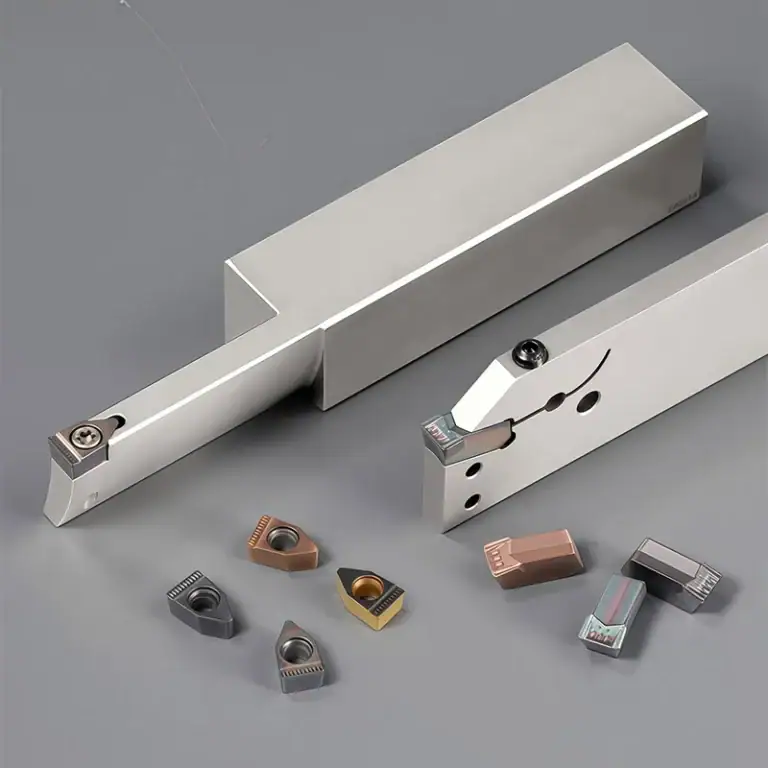
Tungsten is used in cutting tools mainly through tungsten carbide. Tungsten carbide provides high hardness, wear resistance, and cutting performance for machining, drilling, milling, and mining.
Carbide drill bits, milling inserts, turning inserts, end mills, reamers, and wear tools depend on tungsten carbide for durability and cutting edge stability.
This is one of the largest and most important tungsten applications in manufacturing. It supports machining across steel, stainless steel, cast iron, titanium, aluminum, and other materials.
Aerospace And Defense Components
Tungsten is used in aerospace and defense components because it offers high density, high-temperature resistance, and strong performance in extreme environments. It can provide compact mass and thermal stability.
Applications may include counterweights, balancing parts, radiation shielding, kinetic components, thermal parts, and high-density assemblies.
Designers must consider brittleness, cost, machining difficulty, and supply risk. Tungsten is powerful but must be applied carefully.
Electronics And Electrical Contacts
Tungsten is used in electronics and electrical contacts because it resists heat, arcing, and wear better than many softer conductive metals. It can work in harsh electrical conditions.
Tungsten, tungsten-copper, and tungsten-silver materials may be used in contacts, electrodes, semiconductor equipment, heat spreaders, and electrical discharge components.
The best material depends on conductivity, thermal expansion, arc resistance, contact pressure, and operating temperature.
Medical Imaging And Radiation Shielding
Tungsten is used in medical imaging and radiation shielding because of its high density and ability to attenuate radiation. It can sometimes replace lead in shielding applications where toxicity or space is a concern.
Applications may include collimators, shielding blocks, imaging equipment parts, radiotherapy components, and radiation protection assemblies.
Tungsten shielding can provide compact protection, but manufacturing cost and machining difficulty must be considered.
Automotive And Transportation Parts
Tungsten is used in automotive and transportation parts when compact weight, balancing, vibration control, or wear resistance is needed. It is not used for ordinary vehicle structures.
Applications may include counterweights, balancing parts, racing components, vibration damping systems, and specialized wear parts.
Because tungsten is expensive and dense, it is selected only where performance justifies the added cost and weight.
Industrial Counterweights And Balancing Parts
Tungsten is used for industrial counterweights and balancing parts because its high density allows a lot of mass in a small space. This is one of the clearest uses of tungsten metal.
Counterweights may be used in aerospace systems, robotics, precision instruments, motors, rotating equipment, and vibration control assemblies.
Tungsten heavy alloy is often preferred because it provides high density with better machinability and toughness than pure tungsten.
High-Temperature Furnace Components
Tungsten is used in high-temperature furnace components because it can withstand extreme heat better than most metals. It is suitable for selected vacuum and controlled-atmosphere furnace applications.
Applications may include heating elements, support rods, furnace shields, trays, crucibles, and thermal processing fixtures.
In oxidizing atmospheres, tungsten may oxidize at high temperature. Furnace atmosphere and protective design are therefore important.
Light Bulbs, Filaments, And Heating Elements
Tungsten is used in light bulbs, filaments, and heating elements because it can become extremely hot without melting. This is one of the most famous historical tungsten applications.
Tungsten filaments helped make incandescent light bulbs practical because they could glow at high temperature and maintain stability.
Although many lighting technologies have changed, tungsten remains important in specialized lamps, heating elements, and high-temperature electrical systems.
Jewelry, Rings, And Consumer Products
Tungsten is used in jewelry and rings mainly in the form of tungsten carbide, not pure tungsten metal. Tungsten carbide rings are valued for hardness, scratch resistance, and heavy feel.
Tungsten rings are popular because they feel dense and maintain a polished appearance. However, they are brittle compared with gold, platinum, or titanium and cannot be resized easily.
For consumer products, it is important to distinguish tungsten metal from tungsten carbide. The material name affects hardness, brittleness, appearance, and manufacturing method.
Tungsten Metal In Global Supply And Demand
Tungsten metal supply and demand are important because tungsten is a critical material for manufacturing, defense, energy, electronics, mining, and machining. Its market is smaller than steel or aluminum, but many industries depend on it.

Why Tungsten Is Considered A Critical Material
Tungsten is considered a critical material because it is difficult to replace in cutting tools, high-temperature components, defense applications, electronics, and heavy alloys. Its unique combination of density, melting point, and wear resistance is hard to duplicate.
Many industries rely on tungsten even though the market is relatively specialized. A disruption in tungsten supply can affect machining tools, mining tools, aerospace parts, electronics, and military systems.
This is why governments and manufacturers monitor tungsten supply, recycling, and strategic sourcing.
Chinese Dominance In Tungsten Supply
China has historically dominated tungsten mining and processing, which makes tungsten supply vulnerable to export policy, production changes, and geopolitical risk. This can affect price and availability.
For companies outside China, tungsten sourcing may require supplier diversification, inventory planning, recycling channels, and long-term supply agreements.
This supply structure is one reason tungsten metal price can become important for procurement planning and cost control.
Tungsten Metal Price Factors
Tungsten metal price is affected by ore supply, refining capacity, tungsten powder demand, carbide tool demand, energy costs, geopolitical risk, transportation, purity, product form, and order quantity.
A tungsten rod, plate, powder, alloy blank, or finished CNC machined part will not have the same cost structure. Processing difficulty and certification requirements also affect price.
For custom parts, the final cost includes material price, machining time, tool wear, grinding or EDM operations, inspection, finishing, and scrap risk.
Recycling And Tungsten Scrap Value
Tungsten recycling is important because tungsten scrap has value and can reduce dependence on primary mining. Tungsten carbide tools and industrial scrap are major recycling sources.
Recycled tungsten can return to powder, carbide, alloy, or other manufacturing routes. This supports cost control and resource efficiency.
For manufacturers, separating tungsten scrap properly can improve material recovery and reduce waste. Scrap value depends on tungsten content, contamination, form, and market conditions.
How To Choose Tungsten Metal For Industrial Parts?
Choose tungsten metal for industrial parts when high density, heat resistance, wear resistance, radiation shielding, or compact mass is more important than low cost, light weight, or easy machining. Tungsten is a performance-driven material.
Choose By Density Requirement
Choose tungsten by density requirement when the part must provide high mass in a small space. Tungsten’s density of about19.25g/cm³ makes it useful for compact weights and shielding parts.
This is valuable in aerospace balancing, precision instruments, robotics, counterweights, vibration control, and radiation shielding.
If the design needs lightweight performance, tungsten is usually not suitable. Aluminum, titanium, or engineering plastics may be better for weight reduction.
Choose By Heat Resistance Requirement
Choose tungsten by heat resistance requirement when the part must withstand temperatures that common metals cannot handle. Tungsten’s melting point is about3422°C.
This makes it useful for furnace parts, electrodes, filaments, heating elements, thermal shields, and high-temperature tooling.
However, oxidation at high temperature must be considered. Tungsten may need vacuum, inert gas, protective coating, or alternative material selection depending on the environment.
Choose By Wear Resistance Requirement
Choose tungsten by wear resistance requirement when the part faces abrasion, cutting, friction, or repeated contact. Tungsten carbide is especially important for wear and cutting applications.
For drill bits, cutting inserts, dies, mining tools, and wear plates, tungsten carbide often performs better than pure tungsten metal.
If impact toughness is also required, the binder composition, coating, geometry, and support structure must be reviewed carefully.
Choose By Corrosion Resistance Requirement
Choose tungsten by corrosion resistance requirement only after checking the exact alloy and environment. Pure tungsten has useful chemical stability, but tungsten alloys can behave differently.
Binder metals such as nickel, iron, or copper may influence corrosion behavior. This is especially important in chemical, marine, medical, or electrical environments.
For harsh corrosion exposure, testing or datasheet review is necessary. Do not assume every tungsten material has the same corrosion resistance.
Choose By Machining Difficulty
Choose tungsten by machining difficulty because tungsten can be expensive and difficult to process. Machining time, tool wear, grinding, EDM, scrap risk, and inspection can strongly affect cost.
Pure tungsten is harder and more brittle than many common metals. Tungsten heavy alloys are often easier to machine and may be better for custom CNC components.
Good design should avoid unnecessary sharp corners, deep narrow slots, unrealistic tolerances, and thin fragile walls. This improves manufacturability and reduces cost.
Choose By Cost And Availability
Choose tungsten by cost and availability because tungsten metal price and lead time can change with market demand, grade, purity, stock form, and global supply conditions.
A common tungsten alloy blank may be easier to source than a special pure tungsten or tungsten-rhenium material. Certification and traceability can also affect lead time.
For production planning, confirm material availability before finalizing the drawing. Early supplier communication can prevent delays and redesign.
FAQs
Is Tungsten An Expensive Metal?
Yes, tungsten is generally an expensive industrial metal compared with common metals such as steel, aluminum, brass, and copper. Its price is affected by ore supply, purity, powder processing, alloy composition, global demand, and machining difficulty. Tungsten has a density of about19.25g/cm³ and a melting point of about3422°C, so processing is more complex than standard metals. For custom parts, total cost also includes tool wear, grinding, EDM, inspection, and material waste.
Is Tungsten Stronger Than Titanium?
Tungsten is stronger than titanium in hardness, density, and high-temperature resistance, but titanium is better for lightweight structural strength. Tungsten has a density of about19.25g/cm³, while titanium is about4.5g/cm³, so tungsten is over4times heavier. Tungsten also has a melting point of about3422°C, much higher than titanium at about1668°C. Choose titanium for lightweight strength, and choose tungsten for compact weight, heat resistance, and wear resistance.
Is Tungsten A Ferrous Metal?
No, tungsten is not a ferrous metal because ferrous metals are iron-based materials, such as carbon steel, alloy steel, stainless steel, and cast iron. Tungsten is a transition metal with the chemical symbol W and atomic number74. It can be added to steel to improve hardness, wear resistance, and high-temperature performance, but pure tungsten itself is not iron-based. In manufacturing, tungsten is usually classified as a specialty refractory metal, not a ferrous metal.
Is Tungsten A Metal, Nonmetal, Or Metalloid?
Tungsten is a metal, not a nonmetal or metalloid. It is classified as a transition metal on the periodic table, with the chemical symbol W and atomic number74. Tungsten has typical metallic properties, including metallic luster, high density, electrical conductivity, thermal stability, and alloy-forming ability. With a density of about19.25g/cm³ and a melting point of about3422°C, tungsten is widely used for high-temperature, high-density, and wear-resistant industrial applications.
Conclusion
Tungsten metal is a high-performance refractory metal known for its extreme melting point, high density, hardness, heat resistance, and industrial value. It is not the cheapest or easiest metal to machine, but it solves problems that common metals cannot. From cutting tools and aerospace components to electronics, radiation shielding, counterweights, furnace parts, and tungsten alloys, tungsten is selected when density, temperature, wear, and reliability matter most.
At TiRapid, we provide precision CNC machining services for custom metal and plastic components used in demanding industrial applications. If your project involves tungsten, stainless steel, titanium, copper, aluminum, engineering plastics, tight tolerances, complex geometry, 5-axis CNC machining, EDM, grinding, or low-volume production, our team can support material selection, manufacturability review, and production-ready custom parts.