Tirapid

Highly integrated microelectronics manufacturing

What Are the Special Requirements for Semiconductor Parts Machining?

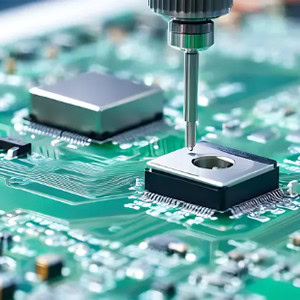
How can a small component only a few centimeters in size affect the performance of an entire semiconductor system? In traditional machining, small errors may not cause obvious problems, but in semiconductor manufacturing, even a few microns of deviation can impact equipment stability and product quality. Semiconductor parts may not always be large, but they

What Are the Special Requirements for Semiconductor Parts Machining? Read More »

5G communication base station components

5G Communication Base Station Components CNC Machining Solution

With the continuous expansion of 5G network construction, communication base stations have increasingly higher requirements for the precision, stability, and service life of components. A 5G base station contains many precision structural parts, such as heat dissipation components, antenna brackets, RF module housings, and connection parts. These components need to provide high dimensional accuracy, excellent

5G Communication Base Station Components CNC Machining Solution Read More »

Introduction to Common Cutting Tool Materials for CNC Turning

Introduction to Common Cutting Tool Materials for CNC Turning

During CNC turning operations, cutting tool materials have a direct impact on machining efficiency, component accuracy, and manufacturing costs. Different workpiece materials possess varying hardness, toughness, wear resistance, and thermal conductivity, making proper tool material selection essential for achieving stable machining performance. In modern precision manufacturing, cutting tools must not only deliver excellent cutting capability

Introduction to Common Cutting Tool Materials for CNC Turning Read More »

How to Use Flame Polishing After Plastic CNC Machining

How to Use Flame Polishing After Plastic CNC Machining?

After CNC machining, plastic parts typically show visible tool marks and a fine layer of surface roughness that can compromise both light transmission and the visual quality of transparent components. Mechanical polishing is the most common post-processing method, but for curved surfaces, irregular profiles, or larger production volumes, hand-polishing each part individually is slow and

How to Use Flame Polishing After Plastic CNC Machining? Read More »

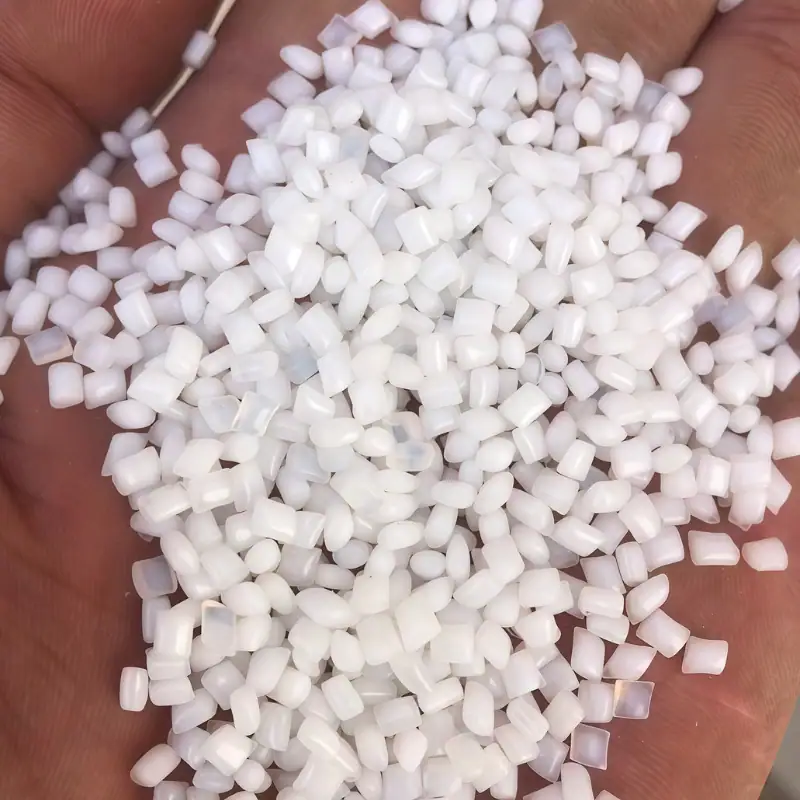
Milky white PBT engineering plastic resin pellets held as a raw material sample for injection molding production.

PBT Material Guide: Properties, Machining and Uses

PBT material is a semi-crystalline engineering thermoplastic valued for its dimensional stability, electrical insulation, chemical resistance, mechanical strength, and efficient injection molding performance. Manufacturers use it for connectors, sensor housings, switches, appliance components, valve parts, automotive electronics, and other components that must maintain reliable dimensions under changing temperature and humidity conditions. This guide explains what

PBT Material Guide: Properties, Machining and Uses Read More »

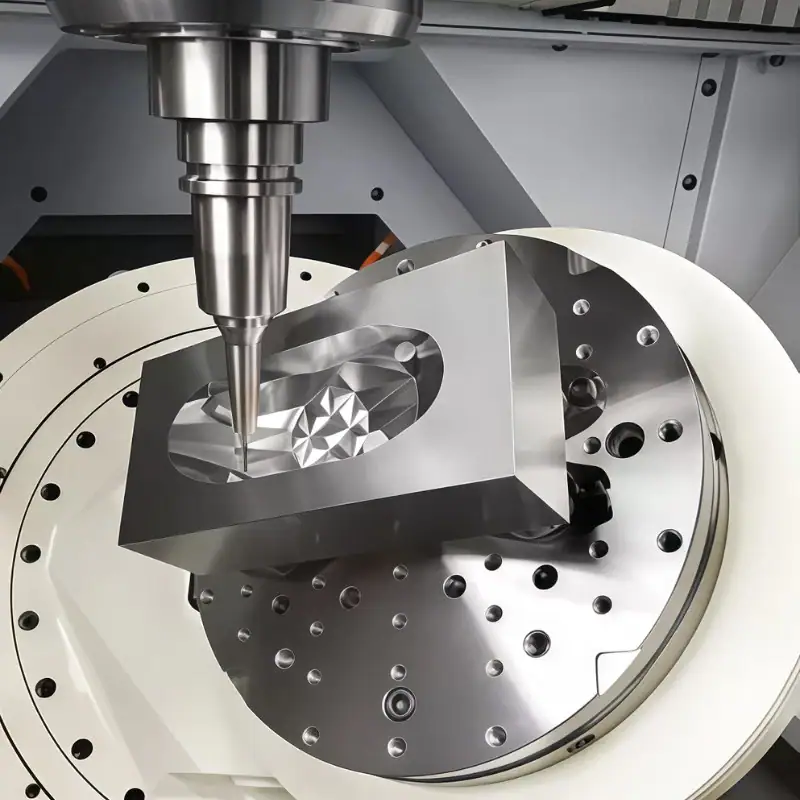
4-axis CNC machining center for workpiece milling

What Are the Precautions for Polycarbonate (PC) Machining?

High transparency, strong impact resistance, and lightweight properties make polycarbonate (PC) one of the most popular engineering plastics in industrial manufacturing. From electronic equipment housings and medical device components to automotive parts and industrial protection structures, PC materials are widely used due to their excellent overall performance. However, PC is not a material that can

What Are the Precautions for Polycarbonate (PC) Machining? Read More »

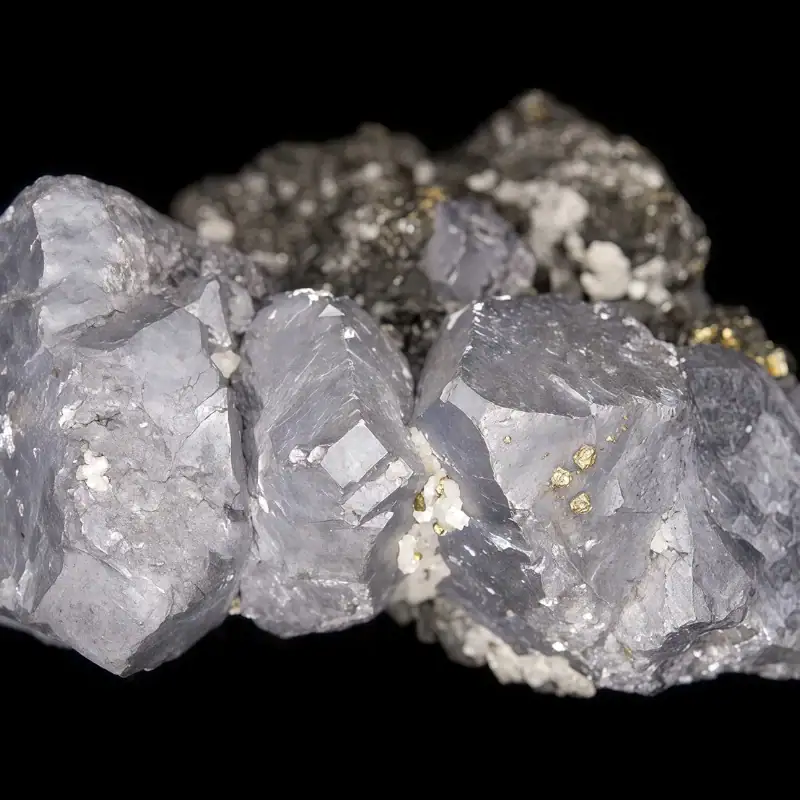
Raw lead material display

What Is Lead? Properties, Uses, and Safety Facts

Lead is a dense, soft, bluish-gray metal with the chemical symbol Pb and atomic number 82. It is known for its high density, low melting point, corrosion resistance, malleability, and strong radiation-shielding ability. These properties explain why lead has been used in batteries, shielding, ballast, construction, alloys, and many historical products. In this guide, we

What Is Lead? Properties, Uses, and Safety Facts Read More »

Carbon Steel CNC Turning Process Optimization

Carbon Steel CNC Turning Process Optimization

Carbon steel is one of the most widely used metal materials in manufacturing due to its excellent strength, toughness, machinability, and cost-effectiveness. It is extensively applied in mechanical manufacturing, automotive components, industrial equipment, structural parts, and automation systems. In modern precision manufacturing environments, companies need not only to focus on mechanical performance but also improve

Carbon Steel CNC Turning Process Optimization Read More »

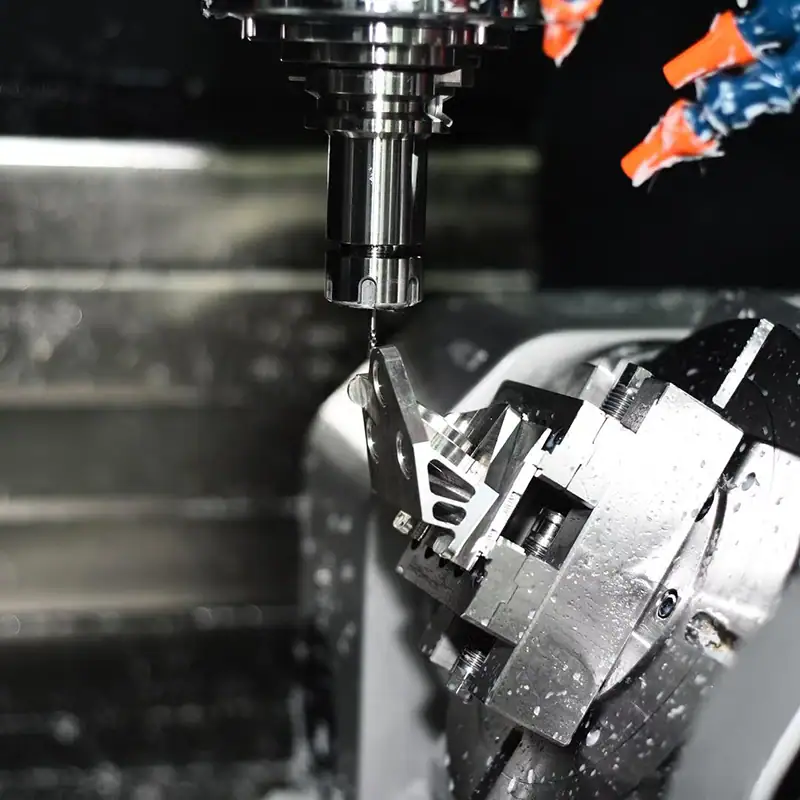
Vertical CNC machining center cutting process.

What Are the Machining Advantages of CNC Milling Machines?

In today’s parts manufacturing environment, where precision, lead time, and stability matter more than ever, what customers truly care about is often not whether a part can be made, but whether it can be made accurately, quickly, and consistently. Especially for structural parts, precision components, and custom non-standard parts, any dimensional deviation, batch inconsistency, or

What Are the Machining Advantages of CNC Milling Machines? Read More »

Scroll to Top
Simplified Table

To ensure successful upload, please compress all files into one .zip or .rar file before uploading.
Upload CAD files (.igs | .x_t | .prt | .sldprt | .CATPart | .stp | .step | .pdf).