Many people think plastic parts are simply injection-molded products, but in industrial manufacturing, ABS plastic can also be processed into high-precision and reliable functional components. ABS is widely used in automotive components, electronic housings, automation equipment, medical instruments, and many other applications. Although ABS is easier to machine compared with many engineering plastics, producing parts with stable dimensions and excellent surface quality still requires proper process control. Factors such as material properties, cutting tools, machining parameters, and inspection methods all influence the final results. For parts with strict requirements, a suitable precision machining process can improve product performance while reducing later modifications and rework costs.
What Are the Characteristics of ABS Plastic? Why Is It Widely Used for Parts Manufacturing?
ABS is a common engineering plastic made from acrylonitrile, butadiene, and styrene. It combines good strength, toughness, and processing performance, making it a popular material in industrial manufacturing. Different applications have different requirements for ABS performance, so understanding the material characteristics before machining is essential for developing a suitable manufacturing solution.
What Are the Advantages of ABS Material?
The biggest advantage of ABS is its balanced performance. It offers a good combination of strength, machinability, and cost, which makes it widely used in industrial products.
- Good impact resistance, suitable for long-term use in structural components.
- Excellent machinability, allowing milling, turning, drilling, and other processes.
- Good surface quality, supporting painting, electroplating, and other finishing treatments.
- Reasonable material cost, suitable for product development and mass applications.
These advantages make ABS a common choice for equipment covers, sensor housings, mounting brackets, and functional prototypes. Compared with some more difficult-to-machine engineering plastics, ABS allows faster manufacturing and is especially suitable for product development and design verification.
What Challenges Exist When Machining ABS Plastic?
Although ABS is considered relatively easy to machine, precision manufacturing still requires attention to several potential issues. If the machining process is not properly controlled, problems such as poor accuracy or surface defects may occur, especially for complex structures or parts with tight tolerances.
- Excessive machining temperature may soften the material.
- Thin-wall structures can deform under cutting forces.
- Long-term storage or environmental changes may affect dimensional stability.
During actual production, ABS parts cannot simply be machined without considering material behavior. Proper process planning helps maintain better dimensional consistency and improves the final assembly performance.
What Are the Common Machining Methods for ABS Plastic Parts?
There are several manufacturing methods available for ABS parts, and each process is suitable for different production requirements. During product development, customers often focus on speed and flexibility, while mass production requires better cost control and efficiency. Selecting the right manufacturing method affects not only part quality but also the overall project schedule.
CNC Precision Machining for ABS Parts
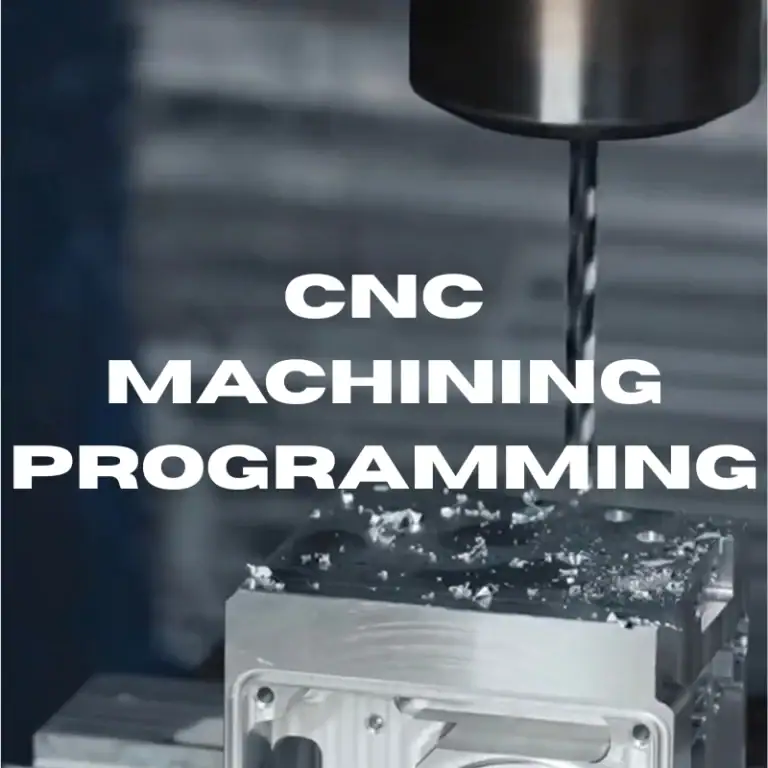
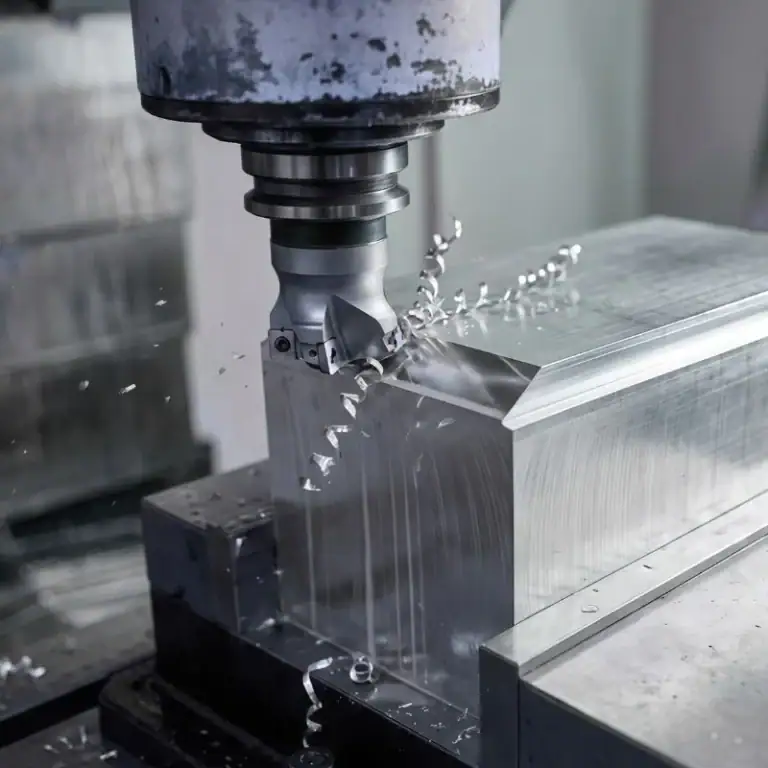
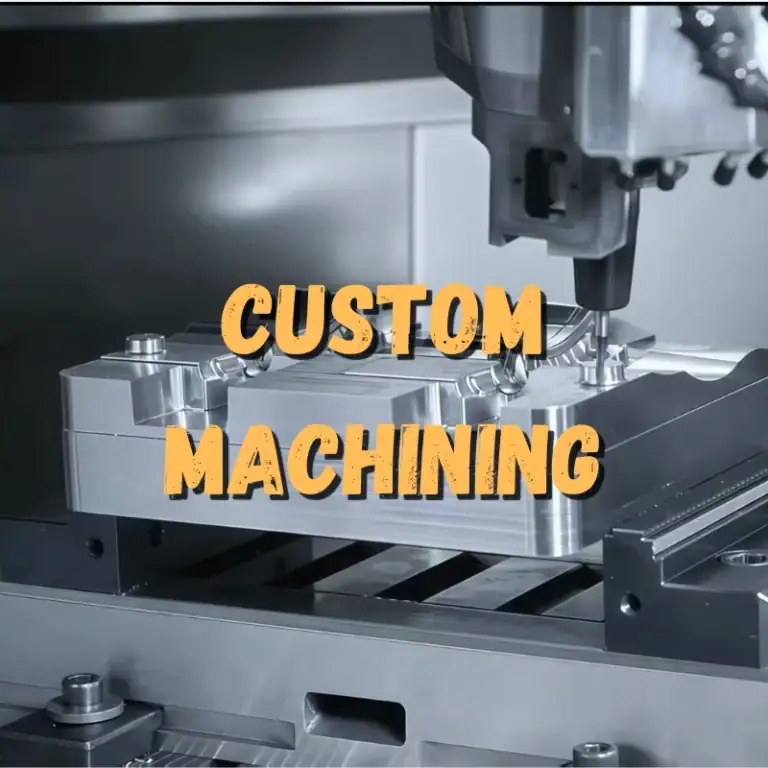
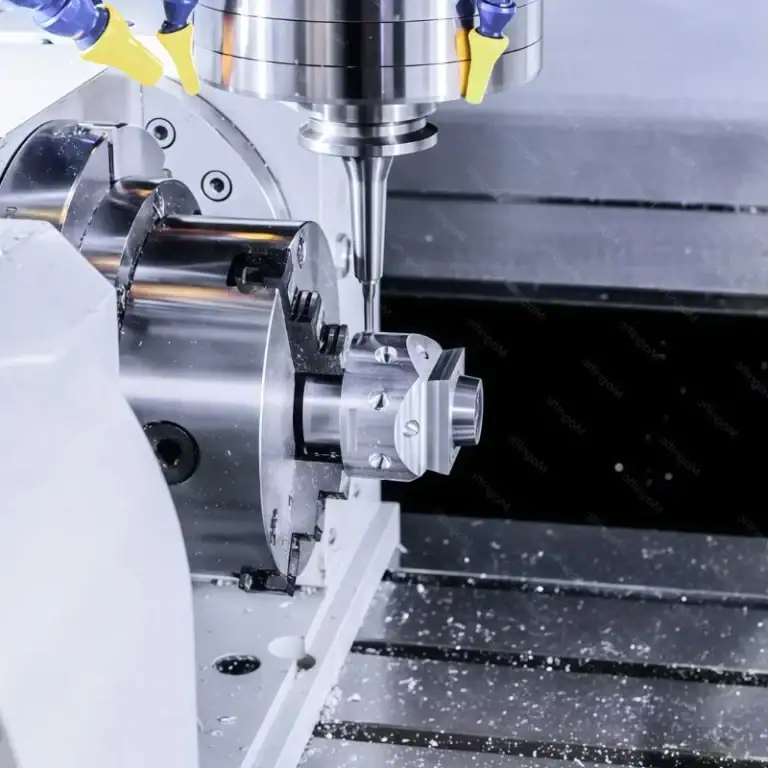
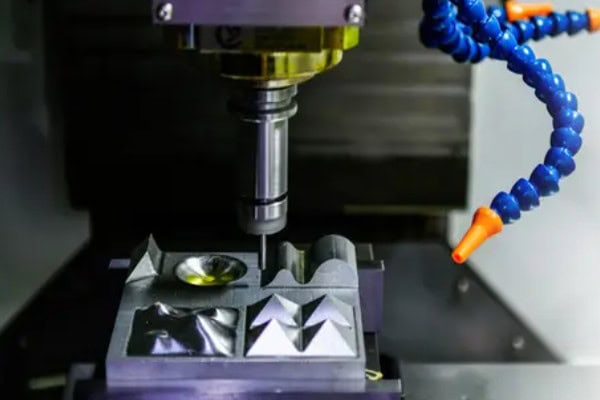
CNC machining is one of the most common methods for customized ABS plastic parts, especially for prototypes, small-batch production, and complex structures. By using computer-controlled tool movement, CNC machining provides stable dimensional control while reducing errors caused by manual operations.
- Capable of machining complex shapes, holes, grooves, and curved surfaces.
- No mold investment required, making it suitable for rapid prototype production.
- Allows quick design adjustments during development.
- Can achieve higher dimensional accuracy for demanding applications.
The main advantage of CNC machining ABS is its flexibility. When customers are still testing product designs, CNC machining can quickly produce real-material parts for assembly testing and performance verification. This helps engineering teams identify potential design issues earlier and reduce risks during later production stages.
ABS Injection Molding
For large-volume ABS parts, injection molding usually provides higher production efficiency. By creating a mold in advance, manufacturers can produce large quantities of identical parts quickly.
- Suitable for stable mass production.
- Provides consistent part quality.
- Reduces manufacturing cost per unit.
However, injection molding requires mold investment and has a longer preparation cycle. If product designs are still changing, CNC machining is often a more flexible option during the early development stage.
ABS 3D Printing
3D printing is another method for producing ABS parts, especially during early design verification. It allows engineers to quickly test product appearance and structural concepts.
- Fast production speed for rapid testing.
- No traditional mold required.
- Suitable for complex structures.
However, compared with CNC precision machining, 3D printing may have limitations in dimensional accuracy and surface finish. For ABS parts requiring precise assembly, different manufacturing methods should be selected according to actual application requirements.
What Should Be Considered During CNC Precision Machining of ABS Plastic?
Although ABS offers good machinability, achieving stable machining results requires careful control of the entire process. Tool selection, cutting parameters, cooling methods, and machining conditions all affect the final part quality. For precision components, even small dimensional errors can influence assembly performance.
How Can ABS Machining Deformation Be Controlled?
Unlike metal materials, ABS plastic has lower rigidity and can be affected by temperature and cutting forces during machining. Proper process planning is needed to reduce deformation and maintain dimensional accuracy.
- Control cutting speed to prevent excessive heat generation.
- Use suitable clamping methods to reduce stress on parts.
- Adjust machining sequences according to part structure.
A stable machining process can reduce deformation risks and help ABS components maintain better dimensional accuracy, making them suitable for automation equipment and precision instruments.
How Should Cutting Tools Be Selected for ABS Machining?
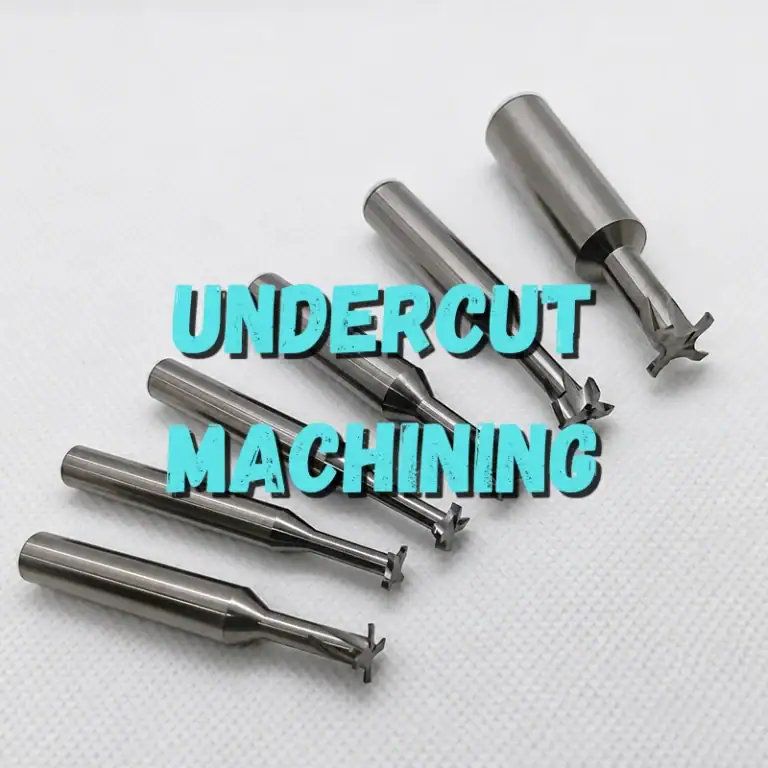
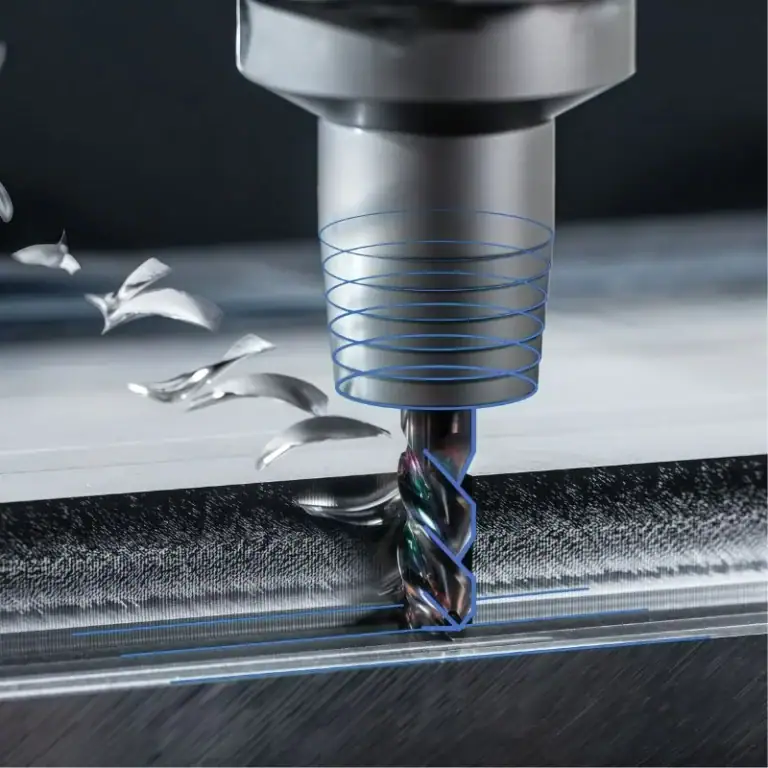
Tool quality directly affects the surface finish of ABS parts. If the tool is not sharp enough, machining may cause burrs, stringing, or uneven surfaces.
- Use sharp tools to reduce cutting resistance.
- Select suitable tools according to part geometry.
- Regularly check tool wear conditions.
A proper tooling strategy improves machining efficiency and surface quality, helping ABS parts achieve better appearance and functional performance.
Why Do ABS Parts Need Inspection After Machining?
Precision plastic parts also require strict quality inspection. Although ABS is lightweight and cost-effective, dimensional errors in equipment applications may affect assembly relationships and overall performance.
- Inspect critical dimensions and mounting positions.
- Check surface defects and machining burrs.
- Verify consistency during batch production.
A complete inspection process helps identify machining problems early, improves product reliability, and reduces future assembly issues.
How to Choose the Right ABS Part Manufacturing Solution?
Different projects have different requirements for ABS parts. Some customers need rapid prototype production, while others focus on long-term manufacturing stability. When selecting a machining solution, factors such as application, production volume, accuracy requirements, and budget should all be considered instead of focusing only on price.
Choose the Process Based on Product Development Stage
Different development stages require different manufacturing approaches. Proper process planning can shorten development time and improve project efficiency.
- CNC machining is suitable for prototype testing.
- Customized machining works well for small-batch production.
- Injection molding is suitable for mature products.
Choosing the right manufacturing method according to project progress helps connect design, testing, and production more smoothly.
Select the Machining Method According to Part Structure
The complexity of ABS part structures directly affects manufacturing difficulty. Early design optimization can reduce machining problems and improve production stability.
- Simple structural parts can use standard machining methods.
- Complex structures with multiple holes are suitable for CNC machining.
- Parts with high appearance requirements may require additional surface finishing.
Combining optimized design with suitable machining methods can reduce manufacturing costs while improving overall part quality.
Why Choose a Professional Machining Team?
ABS plastic machining requires not only advanced equipment but also experience with material behavior. A professional team can provide suitable recommendations, improve production efficiency, and reduce unnecessary trial and error.
- Provide machining process optimization suggestions.
- Support prototype development and small-batch manufacturing.
- Offer dimensional inspection and quality control.
From design evaluation to final delivery, professional precision machining services help customers complete projects more efficiently and ensure ABS parts meet real application requirements.
ABS plastic is widely used in automotive, electronics, automation equipment, and many other industries due to its toughness, machinability, and cost advantages. However, producing high-quality ABS parts requires proper machining methods and strict process control. Tirapid specializes in precision machining of ABS and engineering plastics, providing reliable and high-accuracy custom part manufacturing solutions.