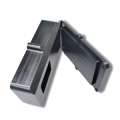
PEEK and POM are both widely used engineering plastics in CNC machining, but they are designed for very different working conditions. PEEK is selected for high-temperature, high-strength, and demanding industrial environments, while POM is valued for low friction, easy machining, and cost-effective wear-resistant parts.
Choosing between PEEK and POM depends on your part’s operating temperature, load, wear conditions, tolerance requirements, and production budget. This guide compares their properties, machining behavior, applications, cost, and material selection tips to help engineers choose the right plastic for custom parts.
What Is PEEK?
PEEK, or Polyetheretherketone, is a high-performance engineering thermoplastic known for excellent heat resistance, mechanical strength, chemical resistance, and dimensional stability. It is often used in aerospace, medical, semiconductor, oil and gas, automotive, and industrial applications where standard plastics may fail under heat, pressure, or harsh chemicals.
Compared with many engineering plastics, PEEK can maintain stable performance under elevated temperatures and demanding mechanical loads. It also provides good wear resistance and excellent fatigue performance, making it suitable for components exposed to long-term operation, repeated movement, or continuous stress in precision assemblies.
However, PEEK is more expensive than most plastics and requires more controlled machining conditions. Its high material cost means it is usually selected when the application truly needs heat resistance, strength, chemical stability, or long-term reliability that lower-cost materials such as POM cannot provide.
What Is POM?
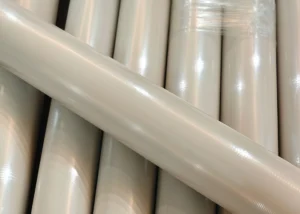
POM, also known as Polyoxymethylene or acetal, is an engineering plastic known for low friction, excellent machinability, good wear resistance, and stable dimensional performance. It is commonly used for gears, bushings, rollers, bearings, spacers, valve parts, and precision machined components in automation and industrial equipment.
POM is popular in CNC machining because it cuts cleanly and supports efficient production. The material offers low cutting resistance, stable chip formation, and good surface finish, making it a practical choice for prototype and batch production when parts require smooth motion, tight tolerances, and consistent mechanical performance.
Compared with PEEK, POM is much more economical and easier to machine, but it cannot provide the same high-temperature resistance or chemical stability. Engineers usually choose POM for moderate working environments where wear resistance, low friction, and cost control are more important than extreme thermal performance.
PEEK vs POM Quick Comparison
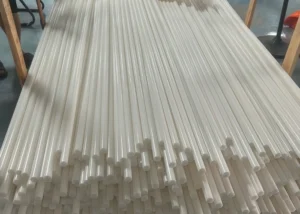
Before choosing between PEEK and POM, engineers usually compare their thermal performance, strength, wear behavior, machinability, chemical resistance, and cost. These differences directly affect material selection, CNC machining strategy, product lifespan, and the final cost of custom plastic parts.
| Property | PEEK | POM |
| Heat Resistance | Excellent | Moderate |
| Mechanical Strength | Excellent | Good |
| Wear Resistance | Excellent | Excellent |
| Friction Performance | Good | Excellent |
| Chemical Resistance | Excellent | Good |
| Dimensional Stability | Excellent | Very Good |
| Machinability | More Difficult | Easier |
| Moisture Absorption | Low | Very Low |
| Material Cost | High | Lower |
| Typical Use | High-performance parts | Motion and wear parts |
Key Differences Between PEEK and POM
Although PEEK and POM are both engineering plastics, their performance priorities are very different. PEEK is designed for demanding thermal and mechanical conditions, while POM is optimized for smooth movement, wear resistance, and efficient machining in moderate industrial environments.
These differences matter because material choice affects not only part performance but also machining cost, tool wear, tolerance control, and long-term reliability. A part that works well in POM may fail under heat or chemicals, while a PEEK part may be unnecessarily expensive if the operating environment is not demanding.
For CNC machining projects, the right choice should be based on real working conditions rather than material grade alone. Engineers should evaluate temperature, load, sliding contact, chemical exposure, dimensional accuracy, assembly requirements, and production volume before selecting PEEK or POM.
Heat Resistance
PEEK offers much higher heat resistance than POM and can maintain mechanical strength in elevated-temperature environments. This makes it suitable for aerospace components, semiconductor fixtures, medical devices, and industrial parts exposed to continuous heat, hot fluids, or repeated thermal cycling.
POM performs well in normal industrial temperatures but is not designed for long-term use in high-heat applications. When exposed to excessive temperature, POM may soften, deform, or lose dimensional stability, especially in parts that must maintain tight tolerance or mechanical fit during continuous operation.
If the part will operate near heat sources or experience repeated temperature changes, PEEK is usually the safer choice. If the application remains within moderate temperature ranges and mainly requires wear resistance or smooth motion, POM can provide reliable performance at a lower cost.
Mechanical Strength
PEEK provides higher tensile strength, rigidity, and load-bearing capability than POM. It is often selected for structural plastic components that need to resist stress, pressure, and long-term mechanical loading without significant deformation or loss of performance.
POM still offers good strength for many precision parts, especially in gears, rollers, sliding blocks, and bushings. Its toughness and dimensional stability make it reliable for repeated motion systems, but it is not ideal for highly loaded components exposed to heat or aggressive operating conditions.
For applications where strength and temperature resistance must work together, PEEK has a clear advantage. For parts mainly requiring smooth motion, moderate strength, and lower production cost, POM remains a practical and widely used engineering plastic.
Wear Resistance and Friction
Both PEEK and POM offer good wear resistance, but they behave differently in moving assemblies. POM has excellent low-friction performance, making it ideal for gears, bushings, rollers, and sliding components that require smooth movement and reduced mechanical noise.
PEEK also provides excellent wear resistance, especially under higher temperature, heavier load, or chemically demanding conditions. It is often used in bearings, seals, valve seats, and high-performance sliding parts where standard plastics cannot maintain reliable wear performance over time.
In general, POM is the better choice for cost-effective low-friction motion parts in moderate environments. PEEK is more suitable when wear resistance must be combined with high heat resistance, chemical stability, and long-term mechanical strength.
Chemical Resistance
PEEK has excellent chemical resistance and performs well against many solvents, fuels, oils, acids, and industrial chemicals. This makes it suitable for oil and gas equipment, medical systems, semiconductor components, chemical processing parts, and high-performance fluid-handling applications.
POM also provides good resistance to many oils, fuels, and common industrial fluids, but it is less suitable for aggressive chemicals or high-temperature chemical exposure. In harsh chemical environments, POM may experience swelling, degradation, or dimensional changes depending on the chemical concentration and operating conditions.
When chemical exposure is a major design concern, PEEK is usually the safer material choice. POM is more appropriate for general mechanical systems where the chemical environment is controlled and the main requirements are low friction, machinability, and cost efficiency.
Moisture Absorption and Dimensional Stability
POM has very low moisture absorption, which helps it maintain stable dimensions in humid environments and repeated-use industrial systems. This makes it useful for precision components that require consistent fit, smooth movement, and predictable tolerance control over time.
PEEK also provides excellent dimensional stability and low moisture absorption, but its main advantage appears in more demanding environments involving heat, load, or chemicals. It maintains tight tolerances better than many plastics when the part is exposed to combined thermal and mechanical stress.
For moderate environments, both materials can support stable dimensional performance. POM is often preferred when low moisture absorption and efficient machining are the main priorities, while PEEK is selected when dimensional stability must be maintained under more severe operating conditions.
PEEK vs POM CNC Machining
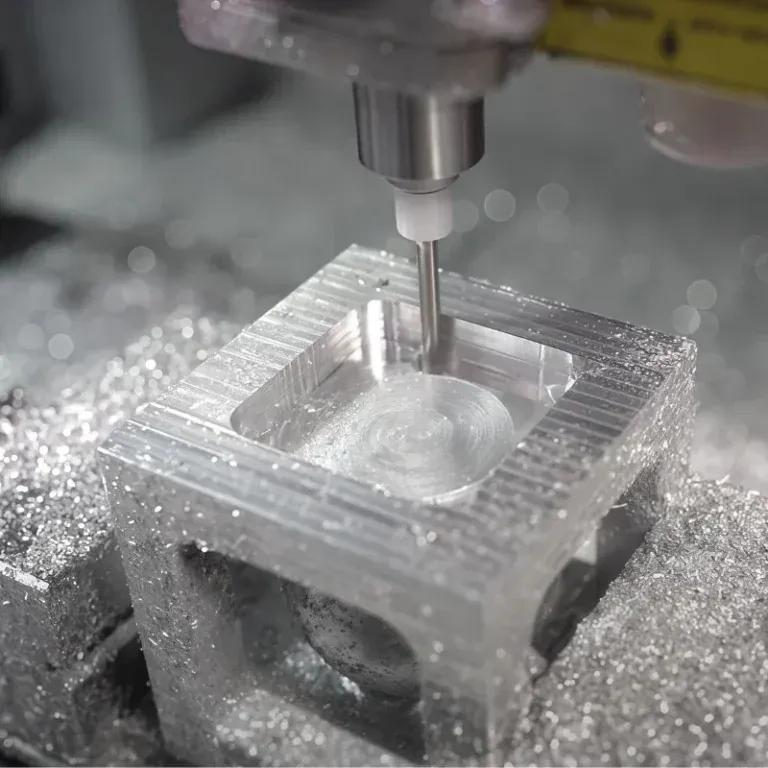
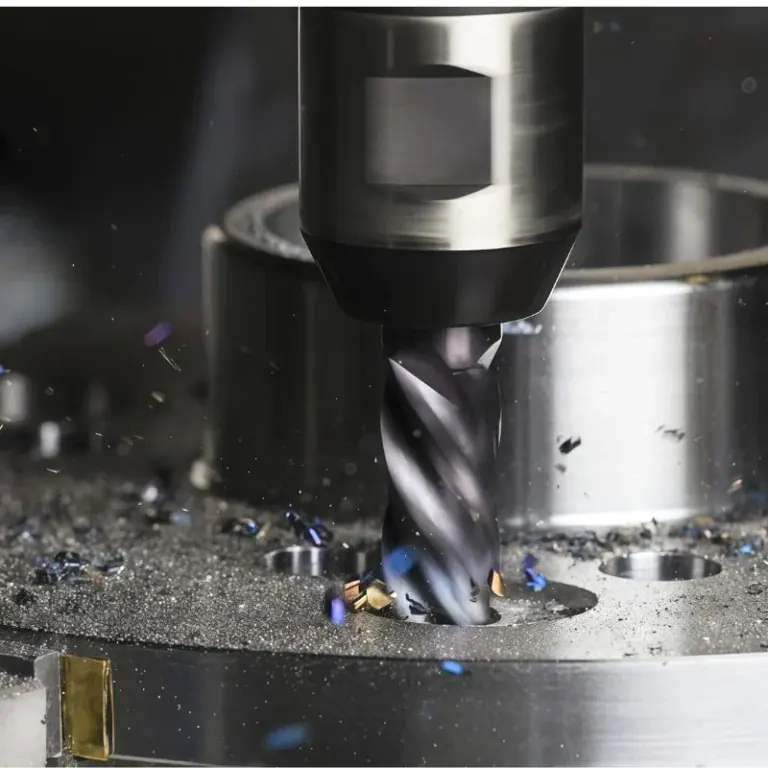
PEEK and POM both support CNC machining, but their machining behavior is different. POM is generally easier to machine and more suitable for fast production, while PEEK requires more careful process control because of its higher cost, strength, and thermal characteristics.
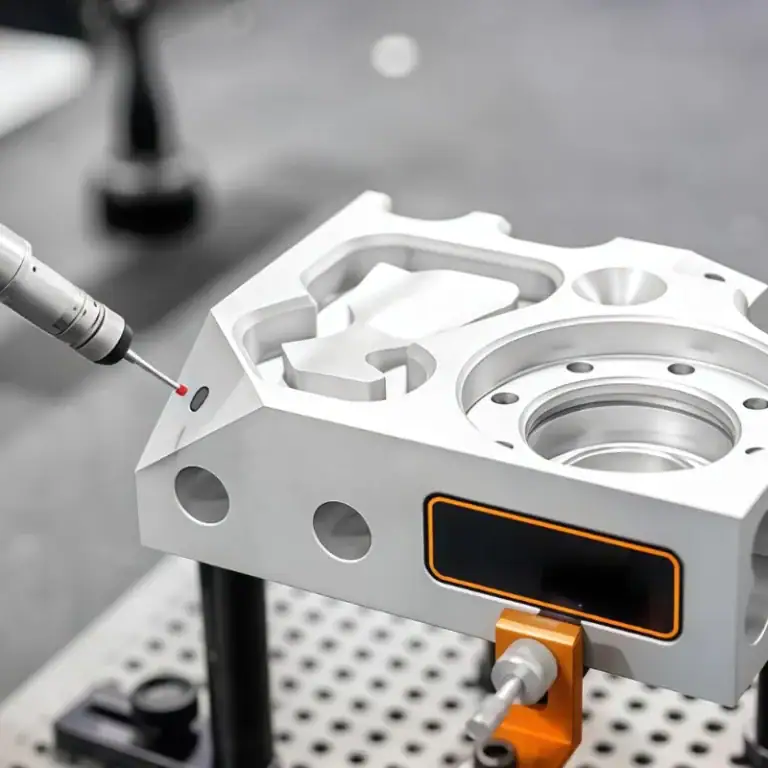
For custom plastic parts, machining strategy affects surface finish, tolerance accuracy, production efficiency, and scrap rate. Sharp tools, stable workholding, controlled cutting parameters, and proper chip evacuation are important for both materials, especially when parts have thin walls, tight tolerances, or fine details.
Manufacturers should also consider production quantity and final application. POM is often preferred for cost-effective prototypes and wear-resistant mechanical parts, while PEEK is used when the component must meet more demanding performance requirements in high-value industrial systems.
Machining PEEK Parts
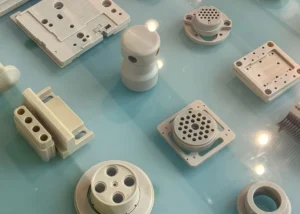
PEEK is more challenging to machine than POM because it has higher strength, higher temperature resistance, and greater material cost. During machining, excessive cutting force or poor heat control may affect dimensional accuracy, surface quality, and part stability, especially on thin-wall or complex components.
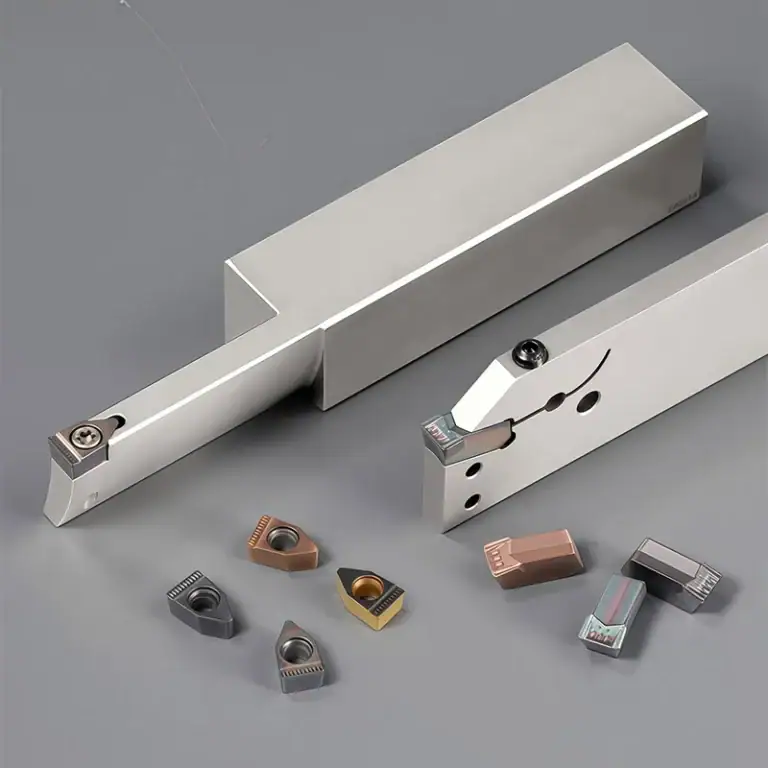
Manufacturers often use sharp carbide tools, stable fixturing, balanced feeds and speeds, and controlled finishing passes when machining PEEK. Proper process planning helps reduce internal stress, burr formation, and surface defects while improving repeatability in precision CNC machining projects.
Although machining PEEK requires more care, it is widely used for high-performance parts where reliability is critical. Aerospace brackets, medical components, semiconductor fixtures, seals, valve parts, and high-temperature industrial assemblies often justify the higher machining cost because of PEEK’s strong material performance.
Machining POM Parts
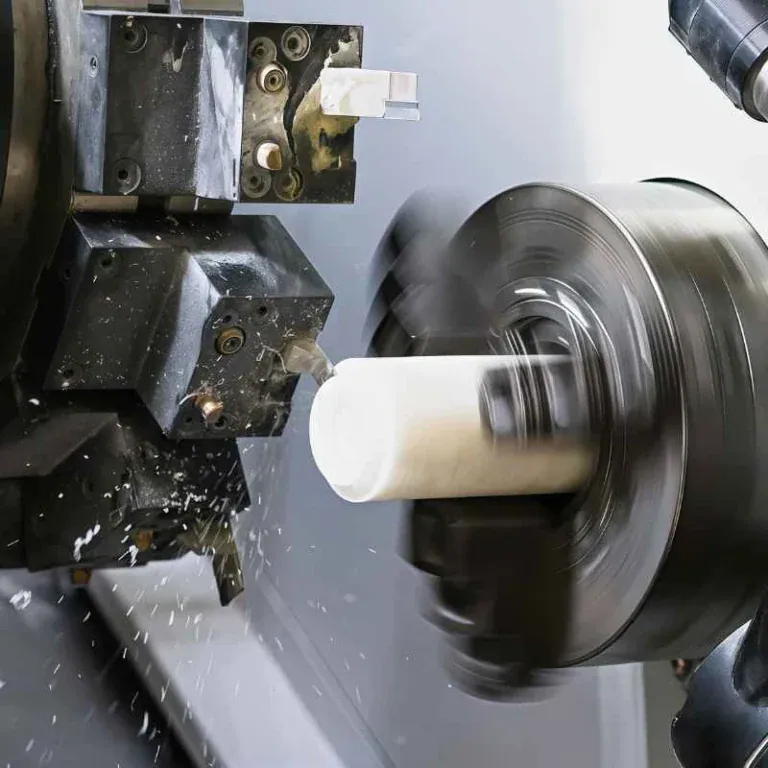
POM is considered one of the easiest engineering plastics to machine. It cuts cleanly, produces stable chips, and allows efficient milling, turning, drilling, and boring operations. This makes it suitable for fast prototyping and batch production of precision plastic components.
Because POM has low cutting resistance and good dimensional stability, it can achieve smooth surface finishes and consistent tolerances with relatively low tool wear. It is commonly used for gears, bushings, spacers, rollers, guide parts, and other mechanical components that require repeatable movement.
However, machining heat still needs to be controlled during high-speed production. If feeds, speeds, or tool geometry are not properly managed, localized heat may affect surface quality or dimensional accuracy. Balanced machining parameters help maintain clean finishes and stable part performance.
Tool Wear and Surface Finish
Tool wear is usually higher when machining PEEK compared with POM because PEEK has greater strength and heat resistance. Worn tools may increase cutting stress, create burrs, reduce surface quality, or cause dimensional variation on precision PEEK components.
POM generally produces smoother surfaces with less machining difficulty. Its stable cutting behavior and low friction characteristics allow manufacturers to achieve clean edges and good cosmetic quality with fewer finishing challenges, especially in production runs requiring consistent part appearance.
For both materials, final surface finish depends on tool sharpness, machine stability, feed rate, cutting speed, and workholding method. Careful machining control is especially important for tight-tolerance parts, sliding surfaces, and components requiring smooth assembly with mating parts.
Common Applications of PEEK and POM
PEEK and POM are used in many industries, but they serve different engineering purposes. PEEK is usually selected for demanding high-performance environments, while POM is commonly used for practical mechanical components that need low friction, wear resistance, and cost-effective production.
The final choice often depends on whether the part must withstand high temperature, chemicals, load, and long service life, or whether it mainly needs smooth movement and efficient machining. Understanding application requirements helps avoid overengineering or selecting a material that cannot meet long-term performance needs.
Both materials can replace metal in certain applications to reduce weight, noise, corrosion risk, or maintenance requirements. However, engineers should always confirm tolerance, load, temperature, chemical exposure, and assembly fit before replacing metal components with PEEK or POM.
Aerospace and Semiconductor Applications
PEEK is commonly used in aerospace and semiconductor industries because it maintains high strength, thermal stability, and chemical resistance under demanding conditions. It is suitable for insulation parts, brackets, seals, fixtures, and components exposed to heat or aggressive cleaning environments.
In semiconductor equipment, PEEK is often selected for precision fixtures and fluid-handling parts that require chemical stability and dimensional accuracy. Its ability to perform under heat and harsh process environments makes it more suitable than POM for many high-value production systems.
POM may still be used in non-critical aerospace or equipment support components where low friction, lightweight performance, and machining efficiency are important. However, for high-temperature or chemically sensitive applications, PEEK usually provides greater reliability.
Industrial and Automation Applications
POM is widely used in industrial automation systems because it offers low friction, wear resistance, good machinability, and stable performance at moderate temperatures. Gears, rollers, bushings, guide blocks, conveyor components, and sliding parts commonly use POM for smooth operation.
Its low moisture absorption and stable dimensions help maintain consistent performance in moving assemblies. For high-volume custom parts, POM also supports efficient CNC machining, helping manufacturers reduce production cost while maintaining reliable part quality.
PEEK is selected in industrial systems when the part must handle higher load, elevated temperature, or chemical exposure. It is often used for seals, bearing components, valve seats, pump parts, and structural plastic parts where POM may not provide enough long-term reliability.
Medical and Fluid-Handling Applications
PEEK is widely used in medical and fluid-handling applications because of its high strength, chemical resistance, sterilization compatibility, and biocompatibility potential depending on grade and certification. It is commonly used for surgical instruments, medical device parts, and high-performance fluid components.
POM may be used for medical device mechanisms, handles, guide components, and low-friction moving parts when the application does not require high-temperature sterilization or aggressive chemical resistance. Its machinability and dimensional stability make it suitable for many supporting mechanical elements.
When parts need repeated sterilization, chemical exposure, or long-term performance under demanding conditions, PEEK is usually preferred. When the main need is smooth movement, cost control, and good mechanical performance in moderate environments, POM can be a practical option.
PEEK vs POM Cost Comparison
Cost is one of the biggest differences between PEEK and POM. PEEK is a premium high-performance plastic with a much higher raw material cost, while POM is more economical and widely available for cost-sensitive machined components.
The total part cost also depends on machining time, tooling, scrap risk, tolerance requirements, and production volume. PEEK usually requires slower machining, more careful inspection, and tighter process control, which can increase manufacturing cost beyond the raw material price.
POM is often the better choice when the application does not require extreme heat resistance or chemical stability. However, if a lower-cost material fails during operation, the replacement, downtime, or safety risk may be more expensive than choosing PEEK from the beginning.
How to Choose Between PEEK and POM?
There is no single better material for every project. PEEK is better when the part must handle high temperature, strong chemicals, heavy load, or long-term performance requirements. POM is better when the part needs low friction, wear resistance, easy machining, and lower production cost.
Choose PEEK for aerospace parts, semiconductor fixtures, medical components, fluid-handling systems, high-temperature seals, valve seats, and industrial assemblies exposed to demanding operating conditions. These applications usually require performance that justifies the higher material and machining cost.
Choose POM for gears, rollers, bushings, spacers, guide blocks, conveyor components, and automation parts operating in moderate environments. Final material selection should also consider tolerance, mating parts, load, temperature, chemical exposure, certification requirements, and production quantity.
FAQs
Does POM-H or POM-C provide the better alternative to PEEK?
POM-H generally provides higher stiffness, strength, and creep resistance, while POM-C usually offers better resistance to hydrolysis, hot water, strong alkalis, and thermal oxidation. The correct comparison depends on the operating environment rather than the generic POM name.
Can PEEK and POM hold a ±0.02mm CNC tolerance?
Localized tolerances may be achievable on suitable geometry under controlled machining and inspection conditions. However, wall thickness, stock stress, thermal expansion, clamping, feature size, and operating temperature determine whether the tolerance remains stable after machining and during service.
Does filled PEEK machine differently from unfilled PEEK?
Yes. Glass- and carbon-filled grades are more abrasive and may create greater tool wear, edge breakout, and directional dimensional behavior. Tooling and cutting parameters should be selected for the exact reinforcement system.
Is PEEK always better for bearings and wear parts?
No. POM can provide lower-cost, reliable sliding performance under moderate temperature and load. PEEK becomes more valuable when wear resistance must be combined with heat, chemicals, pressure, or higher mechanical stress. The final choice requires grade-specific PV and wear data.
Conclusion
PEEK and POM serve different engineering requirements. PEEK is the stronger choice when a component must retain mechanical performance under elevated temperature, aggressive chemicals, steam, pressure, or long-term load. POM is usually more economical for gears, rollers, bushings, guides, and precision motion parts operating under moderate conditions. Final selection should identify the exact PEEK, POM-H, or POM-C grade rather than relying only on the material family name.
At TiRapid, we provide precision CNC machining services for custom PEEK, POM, and other engineering plastic parts, helping customers evaluate material grade, stock form, machining stability, dimensional accuracy, surface quality, and functional performance for demanding applications.