High transparency, strong impact resistance, and lightweight properties make polycarbonate (PC) one of the most popular engineering plastics in industrial manufacturing. From electronic equipment housings and medical device components to automotive parts and industrial protection structures, PC materials are widely used due to their excellent overall performance. However, PC is not a material that can be machined perfectly without proper control. Because of its flexibility, heat sensitivity, and unique machining characteristics, problems such as dimensional changes, surface scratches, burrs, and edge cracks may occur during CNC machining. For parts requiring high-precision assembly, proper cutting parameters, suitable tooling, and professional precision machining experience are essential to ensure stable quality.
What Are the Characteristics of Polycarbonate PC Material? What Should Be Considered Before Machining?
Before machining PC parts, understanding the material properties is very important. Unlike ordinary plastics, PC is a high-performance engineering plastic that combines mechanical strength, transparency, and impact resistance. However, these advantages also mean that more careful process control is required during machining, especially when producing precision components where material behavior can directly affect final quality.

Why Is PC Material Widely Used?
Polycarbonate PC is widely used because it provides a good balance between strength, heat resistance, and machinability. For products that require lightweight construction while maintaining reliable mechanical performance, PC is often an ideal material choice.
- Strong impact resistance, making it suitable for protective components and structural parts.
- Excellent transparency, suitable for viewing windows, transparent covers, and equipment protection panels.
- Good dimensional stability, maintaining structural performance under certain temperature conditions.
- Good electrical insulation properties, making it suitable for electronic and electrical components.
These advantages allow PC materials to be widely used in industrial applications. Especially for products that require both appearance and functionality, PC can provide reliable structural performance while maintaining a high-quality appearance.
What Challenges Exist When Machining PC Materials?
Although PC is easier to machine compared with many high-performance plastics, it still requires careful process control during production. If machining methods are not properly selected, problems may occur that affect part accuracy and final assembly performance.
- Excessive heat during machining may soften the material and cause dimensional deviations.
- Due to its toughness, improper cutting methods may create burrs or stringing.
- The surface hardness is limited, making it easier to develop scratches during machining.
For precision parts, PC machining is not only about creating the correct shape but also about maintaining dimensional accuracy, surface quality, and material properties. This is why many companies choose experienced machining partners for PC manufacturing.
What Are the Common Machining Methods for PC Plastic Parts?
Polycarbonate PC parts can be manufactured using different methods, and each process is suitable for different production requirements. When selecting a manufacturing method, customers usually need to consider production volume, structural complexity, accuracy requirements, and product development stage. Choosing the right process can help balance efficiency, cost, and quality.
CNC Precision Machining for PC Parts
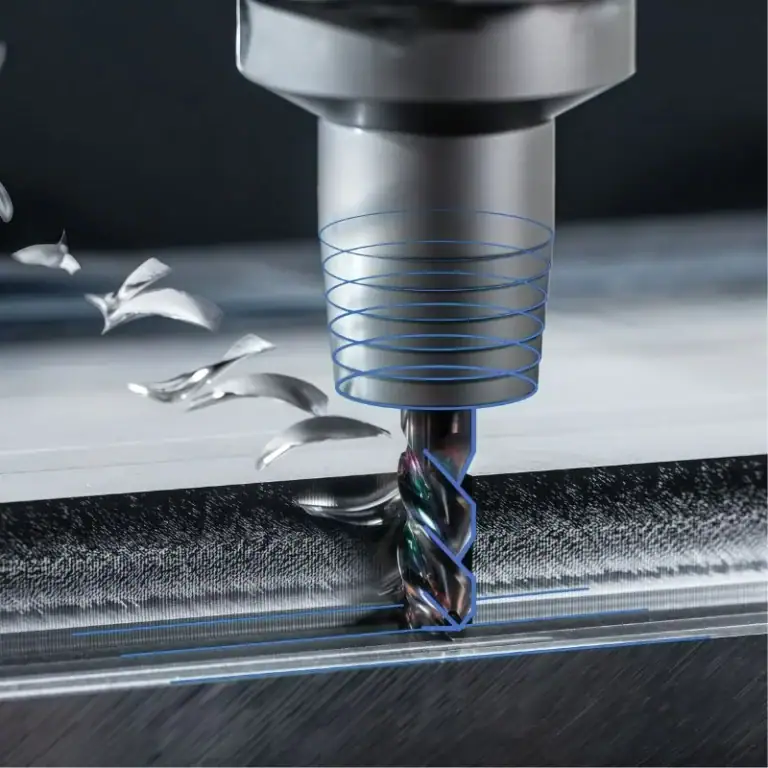
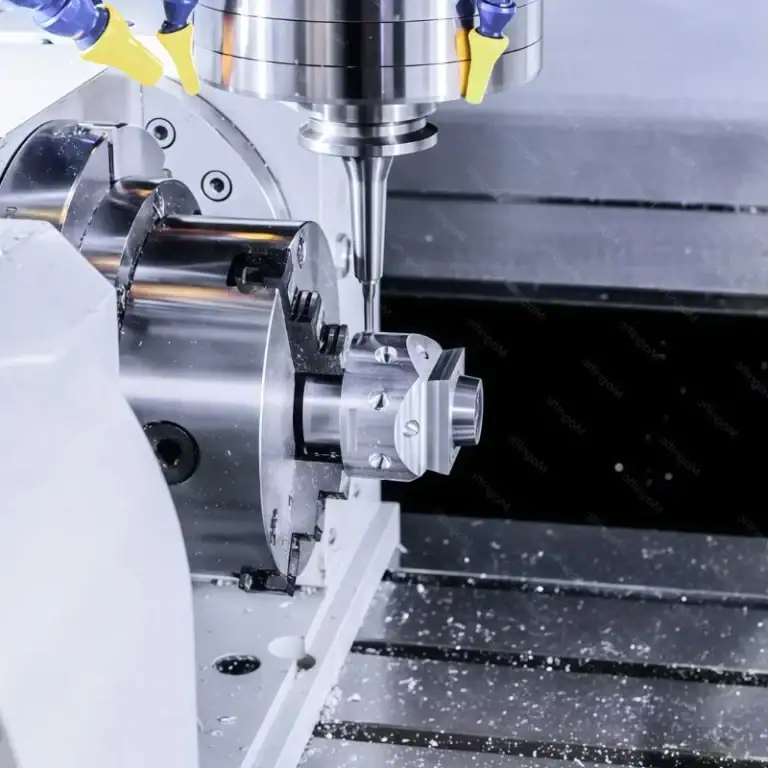
CNC machining is one of the most common methods for customized PC parts, especially for prototypes, small-batch production, and complex structural components. By controlling tool movement through CNC programming, manufacturers can achieve stable dimensional accuracy while reducing errors caused by manual operations.
- Capable of machining complex shapes, holes, grooves, and mounting structures.
- No mold production required, making it suitable for product development.
- Allows quick design modifications during the development process.
- Meets the requirements of high-precision component manufacturing.
The biggest advantage of CNC machining PC parts is flexibility. When customers are still developing their products, CNC machining allows them to quickly obtain prototypes made from real materials for assembly testing and performance verification. This helps engineering teams identify design issues earlier and reduce development risks.
PC Injection Molding
For mature products and large-volume production, injection molding is often an efficient manufacturing method. By using molds, manufacturers can quickly produce large quantities of identical PC components.
- Suitable for long-term mass production.
- Provides good part consistency.
- Reduces unit production costs.
However, injection molding requires upfront mold investment. If product designs are still changing, frequent mold modifications can increase project time and expenses. Many companies choose CNC machining for initial validation before moving to mass production.
PC Laser Machining and Special Processing Methods
Some PC products, especially thin sheets, transparent components, or parts with special structures, may use laser machining or other specialized methods. These processes are mainly applied in specific situations.
- Suitable for thin material processing.
- Provides faster processing speed.
- Enables special contour cutting.
However, for PC components requiring high dimensional accuracy and assembly performance, CNC precision machining usually provides more stable manufacturing results.
What Should Be Considered During CNC Machining of PC Materials?
The key challenge in PC machining is not whether the material can be processed, but how to maintain consistent quality throughout the process. Unlike metal materials with higher rigidity, PC can be affected by cutting forces, temperature, and clamping methods. Achieving high-quality parts requires careful control of multiple factors.
How to Control Machining Parameters and Prevent Material Deformation?
Machining parameters directly influence the final quality of PC parts. Excessive cutting speed may generate too much heat, while excessive cutting force can cause deformation. Parameters need to be adjusted according to part structure and accuracy requirements.
- Control cutting speed to reduce heat accumulation.
- Adjust feed rates to avoid excessive cutting pressure.
- Optimize machining sequences according to part thickness and structure.
Proper parameter settings can reduce dimensional changes during machining and improve part stability. This is especially important for thin-wall PC components and high-precision structural parts.
How to Select Suitable Cutting Tools for Better Surface Quality?
Tool selection directly affects PC machining performance. If the cutting tool is not sharp enough, it may reduce machining efficiency and create burrs, rough surfaces, or poor finishing quality.
- Use sharp cutting tools to reduce cutting resistance.
- Select suitable tools according to part geometry.
- Regularly inspect tool wear and replace tools when necessary.
- Optimize tool paths to improve machining stability.
A proper tooling strategy makes PC machining smoother while improving surface finish and helping parts meet higher quality requirements.
How to Reduce Defects After PC Machining?
After PC machining, some parts may experience burrs, scratches, or uneven edges. Although these details may seem minor, they can affect the final performance of precision assemblies.
- Optimize tool paths to reduce material tearing.
- Control clamping force to prevent marks on the surface.
- Perform necessary surface inspections after machining.
A complete machining process helps reduce defects and ensures that PC parts achieve both functional reliability and good appearance.
Why Is Inspection Important for Precision PC Machining?
For PC components used in medical equipment, electronics, or automation systems, dimensional inspection is an essential step. Even small dimensional deviations can affect installation and overall equipment performance.
- Check critical dimensions and hole positions.
- Inspect surface quality and machining defects.
- Verify consistency during batch production.
Strict inspection procedures help identify potential problems before delivery and ensure every PC component meets design requirements.
How to Improve the Quality of PC Plastic Part Machining?
The final quality of PC parts depends not only on equipment accuracy but also on machining experience, design optimization, and process planning. Many machining problems are actually caused by early design or process decisions. Proper preparation can reduce manufacturing risks and improve project efficiency.
Develop Machining Solutions Based on Part Applications
Different applications have different requirements for PC components. A suitable manufacturing plan should be developed according to the actual working environment and product purpose.
- Protective components focus on strength and impact resistance.
- Precision structural parts require dimensional stability.
- Appearance-focused parts need better surface finishing.
Selecting the right process based on application requirements allows PC materials to perform better while avoiding unnecessary manufacturing costs.
Optimize Product Design to Reduce Machining Difficulty
Good design plays an important role in successful machining. Considering manufacturing factors during the design stage can reduce production problems and improve efficiency.
- Avoid overly thin structures that may affect machining stability.
- Design reasonable wall thickness and corner radii.
- Reduce unnecessary complex machining areas.
Combining optimized design with proper machining processes improves product quality and helps shorten development cycles.
Choose an Experienced Machining Partner
Although PC is widely used, achieving high-precision manufacturing still requires professional experience. An experienced machining team can provide suitable recommendations based on material characteristics and optimize the entire manufacturing process.
- Provide machining process analysis.
- Support prototype development and small-batch production.
- Complete dimensional inspection and quality control.
From design evaluation to final production, professional precision machining services help customers manufacture PC parts more efficiently and reliably.
Polycarbonate PC is widely used in many industries due to its high strength, impact resistance, and excellent overall performance. However, producing reliable PC components requires proper material understanding, suitable machining processes, and strict quality control. Tirapid specializes in precision machining of PC and engineering plastics, providing high-accuracy and reliable custom part manufacturing solutions.