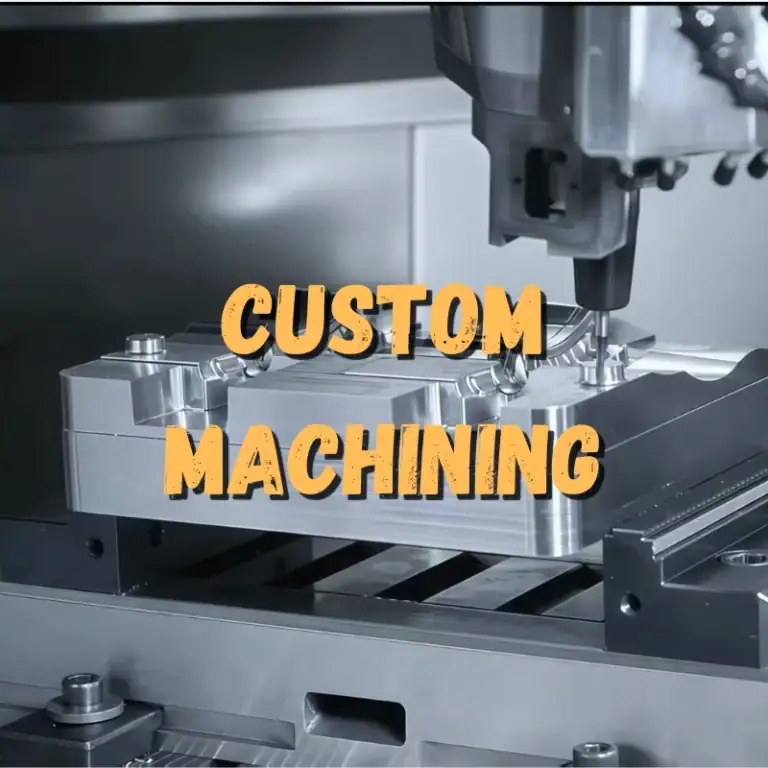
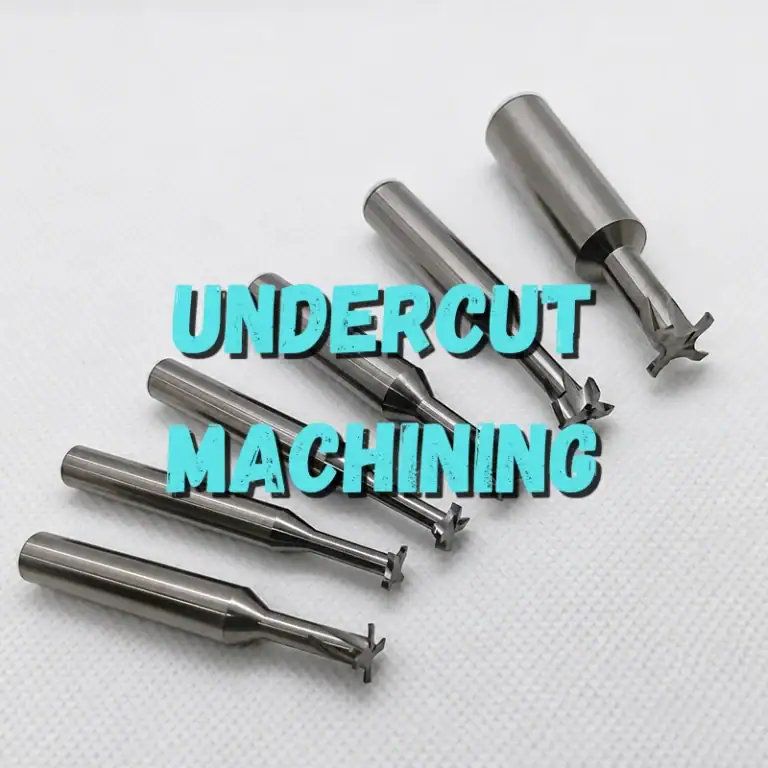
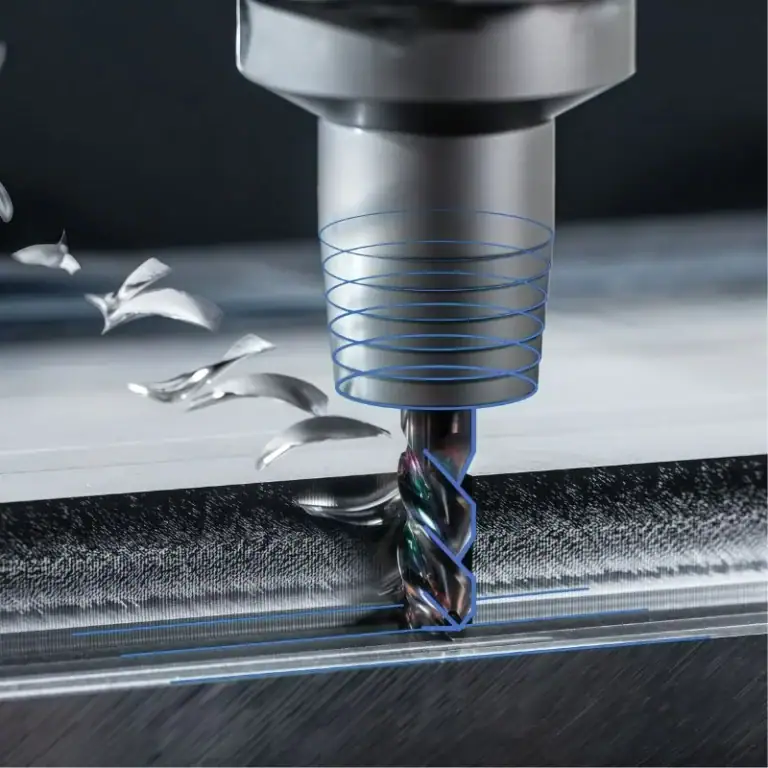
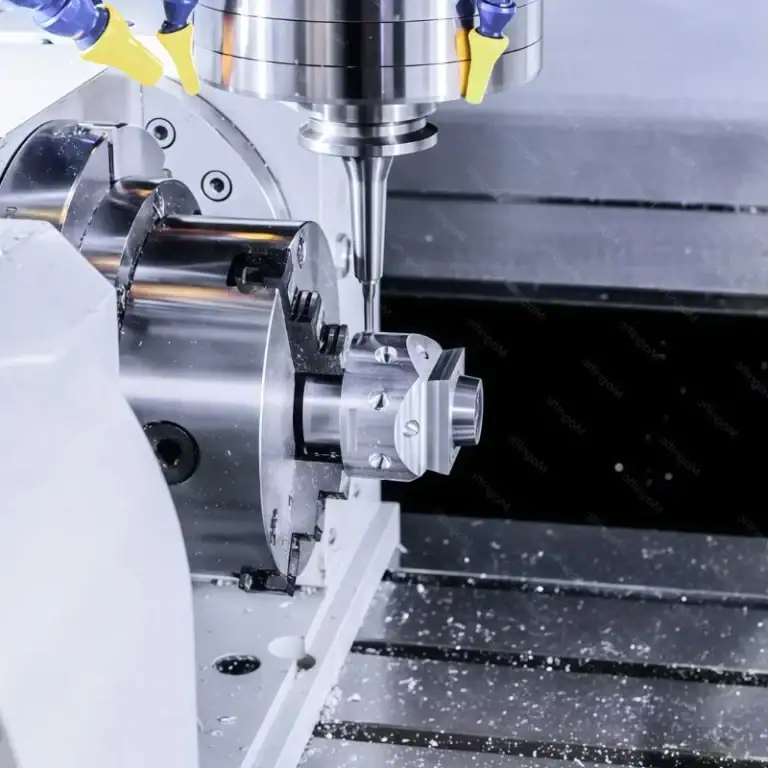
In today’s parts manufacturing environment, where precision, lead time, and stability matter more than ever, what customers truly care about is often not whether a part can be made, but whether it can be made accurately, quickly, and consistently. Especially for structural parts, precision components, and custom non-standard parts, any dimensional deviation, batch inconsistency, or delivery delay can directly affect assembly and project progress. With high-precision control and flexible CNC milling capabilities, CNC milling machines are becoming an important way to improve manufacturing competitiveness.
CNC Milling Machines Make Machining Accuracy More Stable
For customers, accuracy is not only related to whether a part itself is qualified, but also directly affects subsequent assembly, functional performance, and overall project quality. The advantage of CNC milling machines is first reflected in their stable control of critical dimensions.
Critical Dimensions Are Easier to Keep Consistent
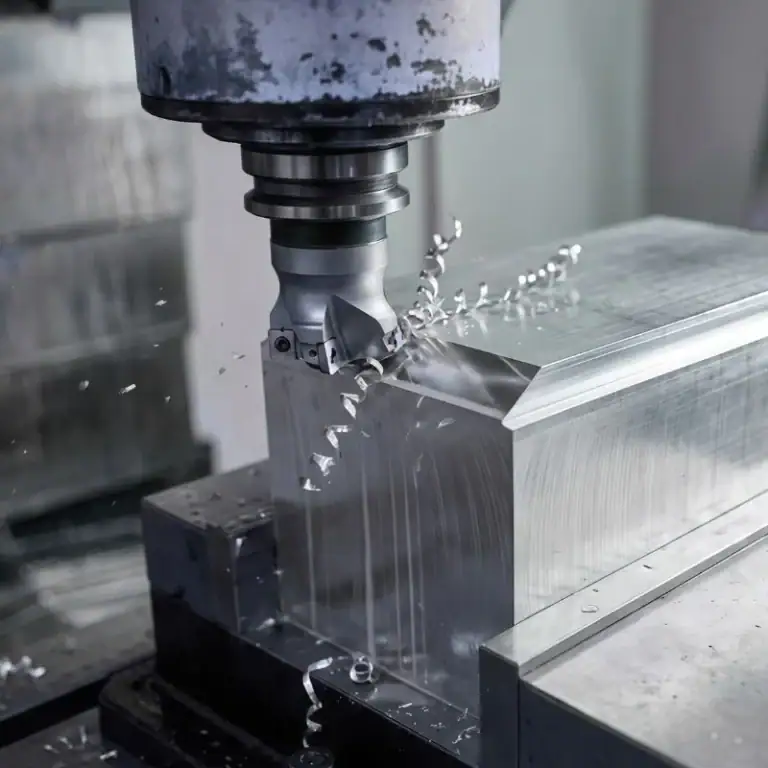
CNC milling uses programmed control of tool paths, spindle speed, and feed rate, which reduces fluctuations caused by manual operation and keeps hole positions, slot positions, flatness, and other critical dimensions closer to design requirements. For parts that require tight fits, this stability is especially important.
- Suitable for parts with strict tolerance requirements, effectively reducing the impact of dimensional deviation on assembly and functional performance.
- Dimensional variation between different batches is smaller, making it easier for customers to establish unified quality management standards.
- Helps improve assembly success rates and finished product qualification rates, reducing rework and repeated verification costs.
For projects that require long-term stable supply, CNC milling machines can better ensure dimensional consistency and are also more suitable for manufacturing scenarios with high requirements for quality stability.
Complex Structures Can Also Be Completed Efficiently
When facing thin-walled parts, irregular parts, deep cavity parts, and other complex structures, CNC milling machines can complete machining through multi-axis coordination and well-planned tool paths, reducing errors caused by repeated clamping.
- Reduces cumulative errors caused by multiple positioning steps, allowing parts to maintain higher consistency throughout different machining stages.
- Makes parts that originally required multiple processes easier to complete in one setup, reducing intermediate transfers and manual intervention.
- Provides greater room for product design optimization, making complex parts easier to realize.
This machining capability makes CNC milling suitable not only for standard parts, but also for products with complex structures and high precision requirements, especially for projects that demand strong process stability.
Stronger Batch Replication Capability
After sample validation is successful, CNC milling can quickly replicate the mature process into subsequent batches, ensuring that each batch of parts maintains the same machining results as much as possible.
- Suitable for repeat orders and long-term supply projects, continuously delivering stable production capacity while maintaining consistent quality.
- Makes production rhythm more stable and delivery schedules more controllable, helping customers better arrange assembly, testing, and delivery plans.
- Helps customers move into mass production with greater confidence and reduces quality risks caused by process fluctuations.
Because of this strong replication capability, CNC milling machines perform with greater reliability in batch manufacturing and are especially suitable for industrial parts machining with high consistency requirements.
CNC Milling Machines Can Shorten Lead Time and Reduce Costs
In project execution, lead time and cost are often the two most sensitive indicators for customers. The value of CNC milling machines lies not only in strong machining capability, but also in their ability to optimize both time and expense at the same time, helping companies achieve a better balance between efficiency and budget.
Faster Prototyping
For customers in the R&D stage, time is competitiveness. CNC milling does not require complex mold making, and once the drawings are confirmed, machining can begin quickly, making it especially suitable for new product validation and structural testing.
- Samples are delivered faster, allowing engineers to check assembly, function, and appearance effects earlier.
- After drawing revisions, only the program and parameters need to be adjusted for revalidation, without going through a complex mold development process again.
- Helps shorten the cycle from design to trial production, making product development more efficient.
This fast response capability helps customers identify problems earlier and adjust solutions in time, improving project execution efficiency and making communication during R&D and trial production smoother.
Reduces Rework and Material Waste
Confirming the program, tools, and process before machining can significantly reduce trial-and-error costs and make project budgets more controllable. Through standardized programs and stable processes, CNC milling machines reduce repeated machining caused by human judgment errors, thereby improving overall manufacturing efficiency. They can reduce repeated clamping and repeated machining, avoid extra time loss caused by unstable processes, and at the same time lower material scrap and labor loss, allowing raw materials to be used more efficiently. This also makes quoting, scheduling, and delivery easier to manage, giving companies clearer cost forecasting and progress control. When the machining process becomes more stable, companies not only save costs, but also improve overall production efficiency and delivery certainty, strengthening customer confidence in project execution capability.
CNC Milling Machines Are Better Suited for Diverse and Customized Needs
Today, many customers no longer only need standard parts, but are paying more attention to non-standard customization, functional optimization, and fast response. The flexibility of CNC milling perfectly meets this market shift and gives companies greater adaptability when handling multi-variety, small-batch orders.
Wider Material Compatibility
CNC milling machines can process a variety of materials such as aluminum alloys, stainless steel, copper, and engineering plastics, and can adjust tools and parameters according to material characteristics.
- Adapts to materials with different hardness and cutting performance, giving companies stronger machining compatibility when facing diverse part requirements.
- Expands the range of orders a company can take, allowing machining services to cover more industry applications.
- Gives product development greater freedom in material selection, helping customers make more reasonable choices based on performance, cost, and operating environment.
This broad material compatibility allows CNC milling to cover more industries and more types of part requirements, while also giving companies greater flexibility in market competition.
Faster Customization Response
For non-standard parts and personalized solutions, CNC milling can quickly adjust machining plans according to drawings to meet different customer requirements for structure, dimensions, and function.
- Suitable for small-batch, multi-variety orders, enabling fast switching between different products and making production planning more flexible.
- Makes it easier to modify versions quickly based on market feedback, improving product iteration efficiency.
- Helps companies build differentiated competitive advantages and establish a more professional image in the custom manufacturing field.
As customized demand continues to grow, CNC milling machines help companies complete the transition from design to delivery more quickly, making non-standard machining more efficient and controllable.
Surface Quality Is Easier to Control
Many customers care not only about dimensions, but also about the appearance of the part. Through tool selection and parameter optimization, CNC milling machines can produce smoother surfaces and fewer burrs, improving the overall quality feel of the part.
- Enhances the visual and tactile quality of parts, making products more in line with customer expectations.
- Reduces subsequent grinding and finishing work, lowering manual processing time and simplifying the production flow.
- More suitable for products with high appearance requirements, especially parts that need direct display or high-standard assembly.
Good surface quality not only affects product appearance, but also directly influences subsequent assembly and user experience, which is why it has important value in many precision manufacturing scenarios.
CNC Milling Machines Make Project Implementation Smoother
From R&D to mass production, what customers want most is a machining process that is transparent, flexible to modify, and traceable in quality. The advantages of CNC milling machines in these areas can significantly improve the cooperation experience and make project execution more stable and controllable.
Design Changes Are Easier to Respond To
Drawing revisions are common during the R&D stage, and CNC milling only requires adjustments to the program and process to quickly adapt to new requirements. Compared with machining methods that require remolding or major process changes, CNC milling machines are more flexible when responding to design changes and are better suited to fast-iterating product development workflows. They help keep design, process, and production more smoothly connected, reduce waiting time caused by plan adjustments, and lower the additional cost of drawing revisions, making project execution more efficient. For products that require frequent validation and continuous optimization, this responsiveness is especially important because it not only helps customers complete version updates faster, but also lowers the cost of trial and error during the R&D stage.
Quality Is Easier to Trace
By recording programs, tools, parameters, and inspection results, customers can better understand the machining status of each batch of parts. For projects that require long-term cooperation or have high quality requirements, this traceability not only helps with problem diagnosis, but also improves transparency across the entire supply chain.
- Makes problem location and root cause analysis easier, allowing abnormal issues to be identified and corrected more quickly.
- Improves quality management transparency, giving customers a clearer understanding of the machining process, inspection results, and batch differences.
- Strengthens customer trust in suppliers, making cooperation more stable and supporting long-term project execution.
When the machining process has stronger traceability, customers feel more confident in project management and quality control, which is also one of the increasingly important capabilities in modern manufacturing services.
Conclusion
The advantages of CNC milling machines are not just that they “can machine parts,” but that they can achieve a better balance among precision, lead time, cost, and customization. For companies looking to improve product competitiveness, choosing stable and reliable CNC milling services often means fewer reworks, faster response, and greater delivery certainty. TiRapid can provide high-precision, fast-response CNC milling services to help your projects move forward more efficiently.