Tirapid

Application of CNC iron machines in manufacturing

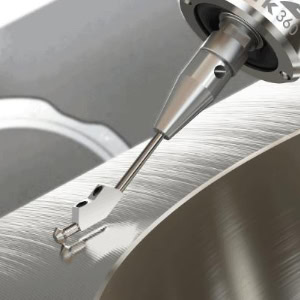
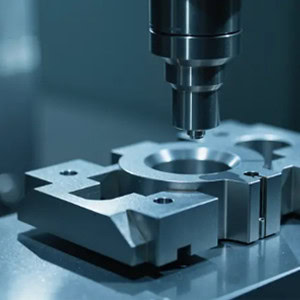
How Is Flatness Ensured in Precision Machining?

In many high-precision equipment systems, a part surface may look simply “flat,” but the actual machining requirements can be extremely strict. Components such as mounting bases, positioning plates, mold parts, and equipment structural components rely on accurate flatness to achieve proper assembly and stable operation. Many customers encounter a common situation during machining: all dimensions

How Is Flatness Ensured in Precision Machining? Read More »
Check thread size accuracy

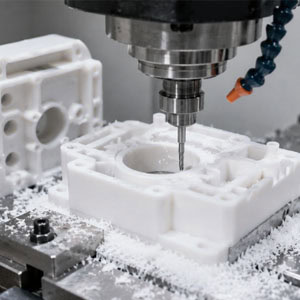
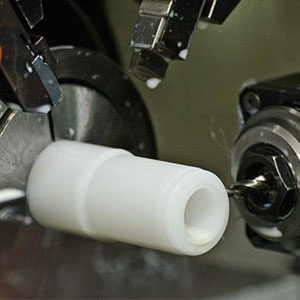
How to Machine Plastic Threads Using CNC Machining?

Plastic thread machining is a relatively common precision machining process in CNC machining. It is widely used in mechanical parts, electronic equipment, medical devices, automotive components, and industrial equipment. Compared with metal materials, plastics have advantages such as lightweight, corrosion resistance, and excellent electrical insulation properties. However, machining threads in plastic materials also presents certain

How to Machine Plastic Threads Using CNC Machining? Read More »

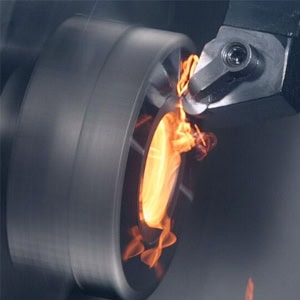
What Should You Do When the Surface of a CNC-Turned Part Turns Black

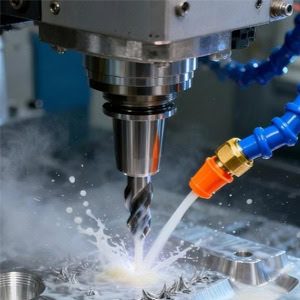
What Should You Do When the Surface of a CNC-Turned Part Turns Black?

Blackening, blue discoloration, yellowing, or other abnormal color changes on the surface of CNC-turned components are common issues in machining production, particularly when processing stainless steel, alloy steel, carbon steel, and certain high-strength metal materials. Surface blackening is usually associated with excessive cutting temperature, tool wear, insufficient coolant supply, improper cutting parameters, poor chip evacuation,

What Should You Do When the Surface of a CNC-Turned Part Turns Black? Read More »

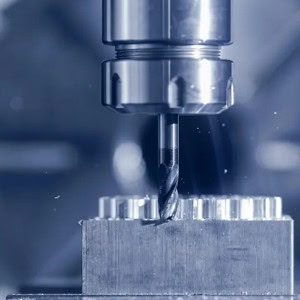
Precision milling of metal workpieces.

What Are the Engineering Solutions to Delamination and Burrs in Carbon Fiber Composite Milling?

Carbon fiber composites are widely used in aerospace, automotive, drones, medical devices, and high-end equipment manufacturing due to their high strength, lightweight properties, and excellent corrosion resistance. However, during CNC milling, the machining stability of these materials is far lower than that of metals. Even slight improper operation can easily lead to delamination, burrs, fiber

What Are the Engineering Solutions to Delamination and Burrs in Carbon Fiber Composite Milling? Read More »

CNC milling machine

How Is Stress Relief Done in Precision Machining?

In precision machining, many parts may appear to meet requirements after processing, but problems such as dimensional changes, deformation, or reduced accuracy can occur during later assembly or long-term operation. One of the main causes behind these issues is residual stress inside the material. This is especially common in large structural components, thin-walled parts, high-hardness

How Is Stress Relief Done in Precision Machining? Read More »
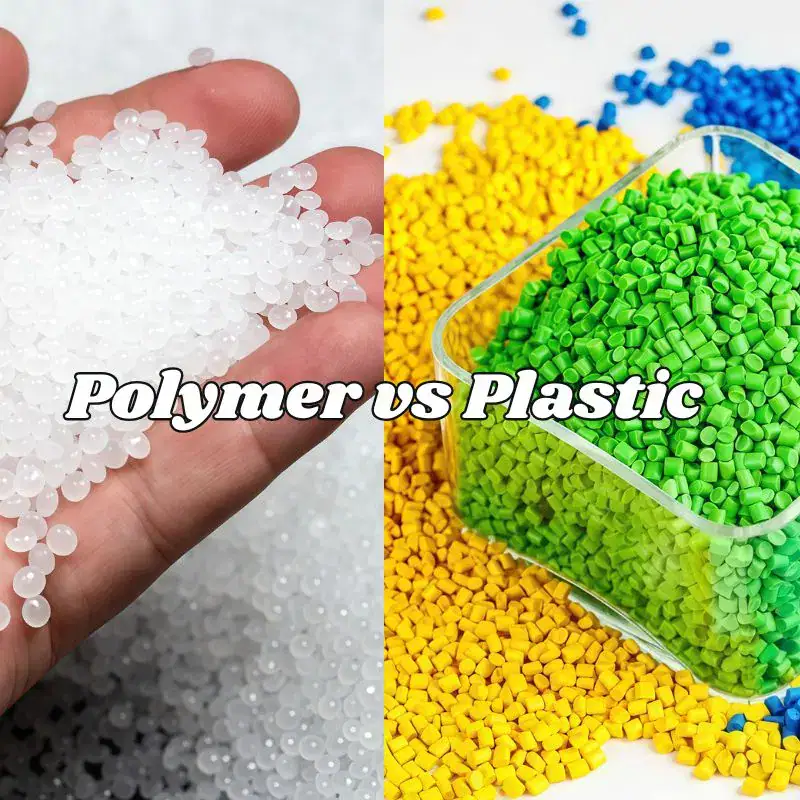
white polymer‑plastic vs yellow, green, blue polymer‑plastic raw materials

Polymer vs Plastic: Key Differences, Properties, and Uses

Polymer vs plastic mainly differs in scope: a polymer is a broad class of natural or synthetic materials made of large molecular chains, while plastic is a polymer-based material formulated and processed into usable products. All plastics are based on polymers, but not all polymers are plastics. Cellulose, proteins, DNA, and natural rubber are familiar

Polymer vs Plastic: Key Differences, Properties, and Uses Read More »

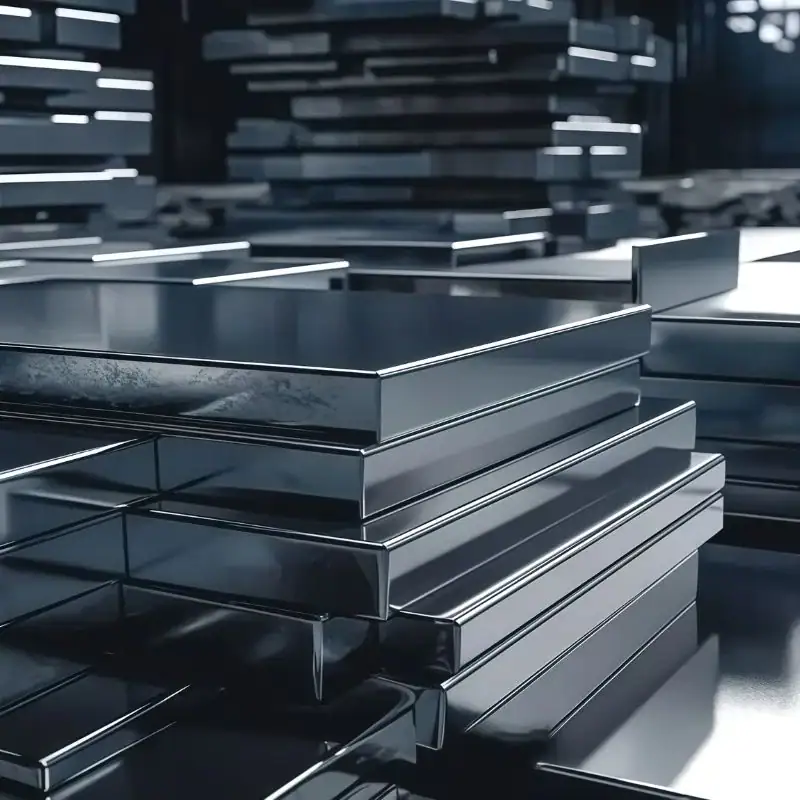
Black‑metal stainless steel raw material stock display

Ferrous Metals: Types, Properties, Uses, And Benefits

Ferrous metals are iron-based metals and alloys widely used for their strength, durability, wear resistance, heat resistance, and broad manufacturing capability. Common ferrous metals include carbon steel, stainless steel, alloy steel, tool steel, cast iron, and wrought iron. They are widely used in CNC machining, automotive components, industrial equipment, construction, tooling, transportation, and heavy machinery.

Ferrous Metals: Types, Properties, Uses, And Benefits Read More »

Introduction to CNC Turning Inspection Methods

Introduction to CNC Turning Inspection Methods

Inspection is an essential part of CNC turning because it verifies dimensional accuracy, geometric accuracy, surface quality, and overall machining stability. For shafts, sleeves, flanges, threaded components, precision connectors, and automation equipment parts, following a machining program and maintaining stable machine operation alone cannot guarantee that every finished component meets drawing requirements. Professional measuring instruments

Introduction to CNC Turning Inspection Methods Read More »

Why Do White Plastic Parts Easily Turn Yellow After Machining

Why Do White Plastic Parts Easily Turn Yellow After Machining?

White plastic parts may develop yellowing, localized yellow discoloration, or differences in color between the machined area and the original material after CNC machining, milling, turning, or drilling. For white appearance parts, precision plastic parts, and products that need to maintain their original color, yellowing not only affects appearance but may also lead customers to

Why Do White Plastic Parts Easily Turn Yellow After Machining? Read More »

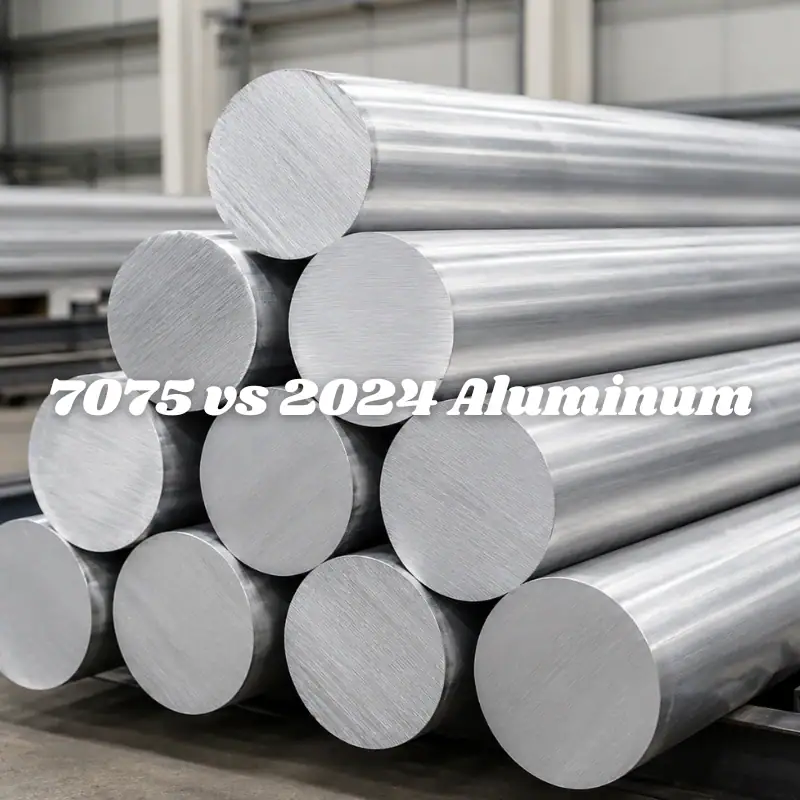
7075 vs 2024 aluminum comparison cover with stacked aluminum round bars

7075 vs 2024 Aluminum: Strength, Machining & Applications

7075 and 2024 are two high-strength, heat-treatable aluminum alloys widely considered for aerospace and demanding machined components. Both provide excellent strength-to-weight ratios, but they differ in alloy chemistry, achievable strength, machining behavior, corrosion performance, and common tempers. This guide explains 7075 vs 2024 aluminum in terms of mechanical properties, fatigue behavior, CNC machinability, corrosion resistance,

7075 vs 2024 Aluminum: Strength, Machining & Applications Read More »

Is There a Solution to Chipping Problems in High Speed Milling of Titanium Alloys

Is There a Solution to Chipping Problems in High-Speed Milling of Titanium Alloys?

Titanium alloys are widely used in aerospace, medical devices, automotive, and high-end equipment manufacturing due to their high strength, low density, and excellent heat and corrosion resistance. However, these properties also make them one of the more difficult materials to machine in CNC milling. During high-speed milling, tools are prone to chipping, accelerated wear, and

Is There a Solution to Chipping Problems in High-Speed Milling of Titanium Alloys? Read More »

Scroll to Top
Simplified Table

To ensure successful upload, please compress all files into one .zip or .rar file before uploading.
Upload CAD files (.igs | .x_t | .prt | .sldprt | .CATPart | .stp | .step | .pdf).