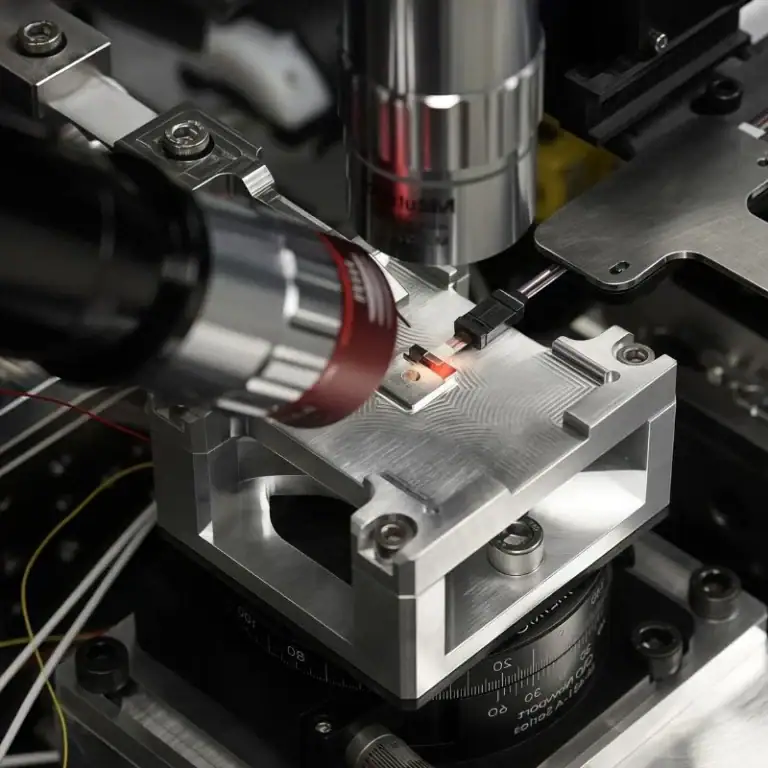
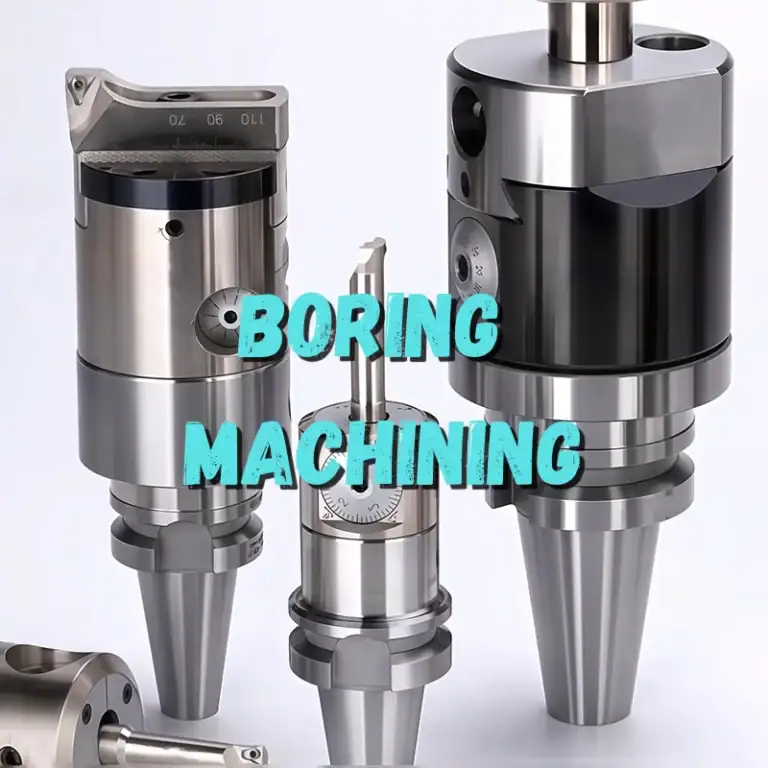
Plastic thread machining is a relatively common precision machining process in CNC machining. It is widely used in mechanical parts, electronic equipment, medical devices, automotive components, and industrial equipment. Compared with metal materials, plastics have advantages such as lightweight, corrosion resistance, and excellent electrical insulation properties. However, machining threads in plastic materials also presents certain challenges, such as thermal deformation, burr formation on thread surfaces, and reduced dimensional accuracy. Therefore, when using CNC machines to process plastic threads, it is necessary to select suitable tools, cutting parameters, and machining methods according to the characteristics of the plastic material. CNC machining of plastic threads requires adjustments based on the hardness, toughness, and heat resistance of the plastic. Common machining methods include CNC lathe thread machining, CNC milling thread machining, and thread milling cutter processing. By reasonably controlling cutting speed, feed rate, and cooling methods, plastic thread components with stable dimensions and smooth surfaces can be produced to meet the requirements of different industrial applications.
Preparation Before Plastic Thread Machining
Confirm Plastic Material Characteristics
There are many types of plastic materials, and their performance during CNC machining varies significantly. Before machining, it is necessary to understand the material’s hardness, heat resistance temperature, shrinkage rate, and toughness to prevent dimensional changes during processing. Common plastics used for CNC machining include POM, PEEK, ABS, PVC, nylon, and PTFE. Among them, POM has good mechanical strength and dimensional stability, making it suitable for precision thread components. Although PEEK has excellent high-temperature resistance, its material cost is relatively high, and sharper cutting tools are required during machining. For example, when machining POM plastic threads, a higher cutting speed can be used, while machining PEEK threads requires reducing cutting heat to prevent surface burning or deformation.
Design a Suitable Thread Structure
Plastic thread design needs to consider material strength and cannot completely follow metal thread standards. Since plastics have lower hardness, thread teeth are more likely to be damaged under pressure. Therefore, the thread tooth thickness and engagement length usually need to be increased appropriately. During the product design stage, it is necessary to determine the thread type, pitch, diameter, and tolerance requirements. For example, threads used for connecting plastic housings can adopt a larger pitch to improve assembly efficiency. Plastic threads used in precision equipment require tighter dimensional control to ensure stable connections.

Selecting Suitable CNC Machining Methods
Using CNC Lathe for Plastic Thread Machining
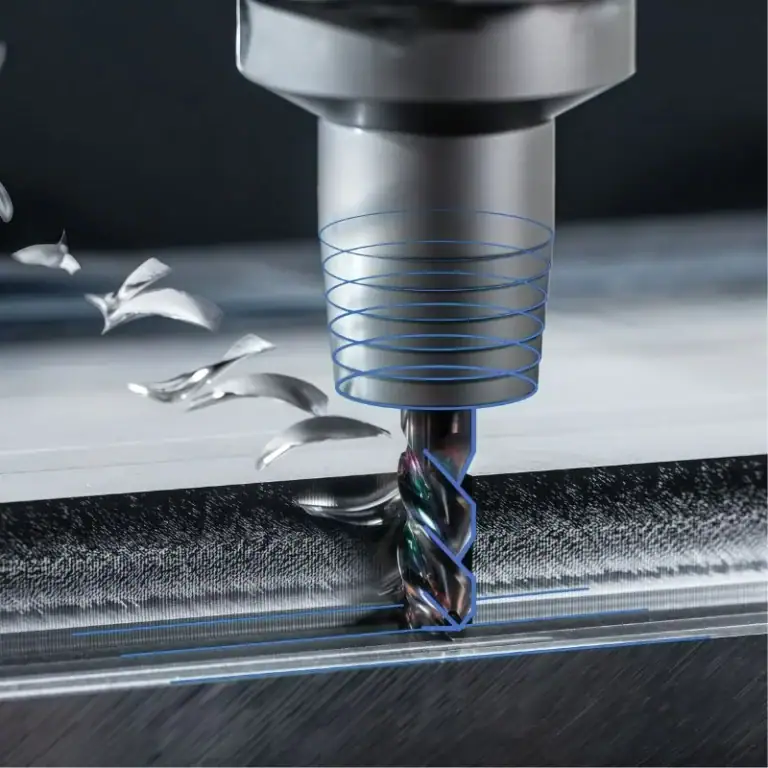
A CNC lathe is a commonly used machine for processing cylindrical plastic thread parts, especially suitable for rotating components such as screws, nuts, and connecting sleeves. During machining, the tool is controlled by a program to move along a preset path, creating continuous threads on the plastic surface. When machining plastic threads with a CNC lathe, special thread tools should be selected, and spindle speed and feed rate should be adjusted properly. Since plastics have poor thermal conductivity, excessive machining speed can generate heat, causing changes in thread dimensions.
Using CNC Milling for Internal and External Thread Machining
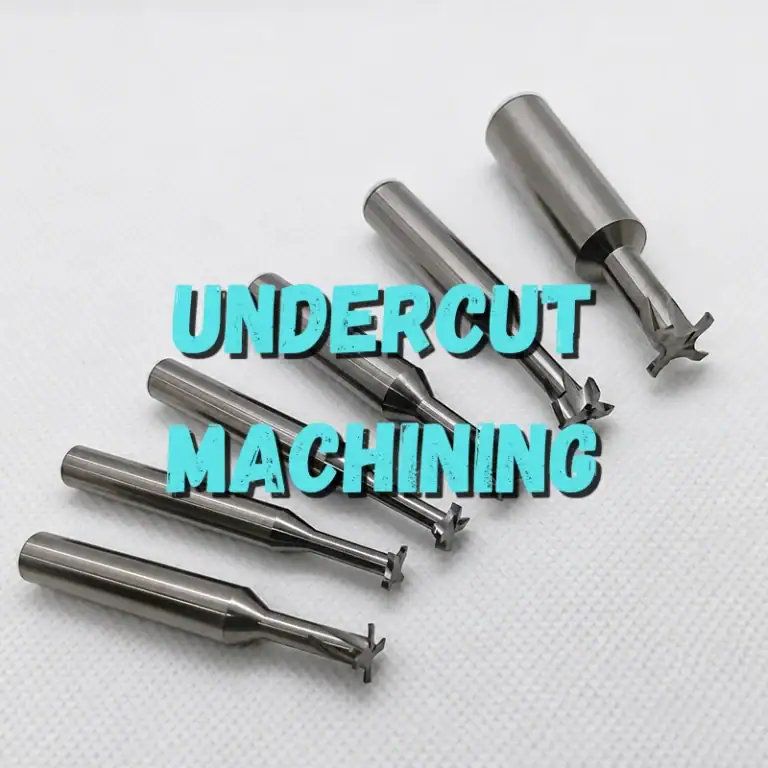
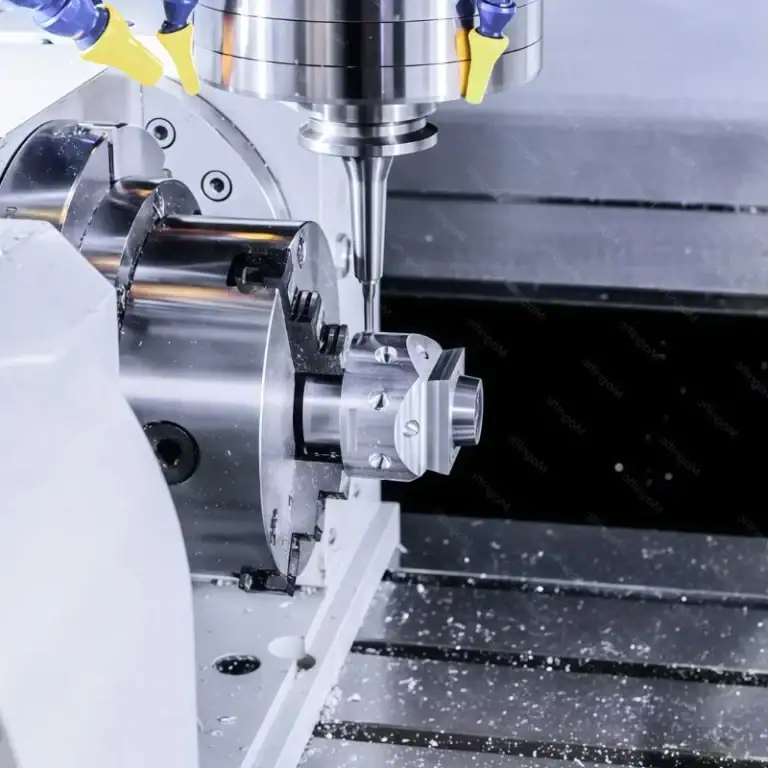
For complex structures or non-rotating parts, CNC thread milling is an effective processing method. Thread milling cutters can machine threads in different directions through multi-axis movement, including internal threads, external threads, and special thread structures. Compared with traditional tapping, thread milling is more suitable for plastic materials and can reduce the risk of cracks caused by material extrusion. At the same time, milling provides better control over thread dimensions and is suitable for manufacturing high-precision components.
Process Points for CNC Plastic Thread Machining
Select Sharp and Wear-Resistant Cutting Tools
Plastic machining requires sharp cutting tools to reduce cutting resistance. If the tool is too dull, friction will increase and generate more heat, causing problems such as plastic melting, tool sticking, or rough thread surfaces. Common tools include carbide tools, high-speed steel tools, and specialized plastic machining tools. The tool rake angle is usually designed to be larger, helping cutting materials discharge smoothly. For example, when machining nylon threads, using a sharp single-edge tool can reduce plastic fiber pulling and improve the integrity of thread edges.
Control Cutting Parameters to Prevent Deformation
Plastic materials do not dissipate heat as easily as metals, so machining parameters need to be adjusted properly. Cutting speed, feed rate, and cutting depth all affect the final thread quality. During processing, if the feed rate is too high, thread teeth may crack; if the cutting depth is too large, the part may deform due to excessive stress.
Inspection and Quality Control After Machining
Check Thread Dimensional Accuracy
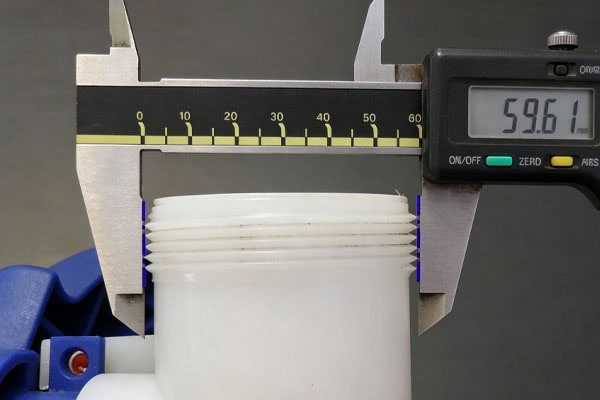
After plastic thread machining is completed, it is necessary to inspect thread diameter, pitch, thread profile, and fitting performance. Common inspection tools include thread gauges, micrometers, and coordinate measuring machines. Since some plastics may absorb moisture and experience thermal expansion or contraction, dimensions may change slightly after machining. Therefore, inspection is a very important step.
Remove Thread Surface Burrs
After plastic machining, small burrs may appear along thread edges and require cleaning. Common methods include manual deburring, pneumatic tool processing, and secondary precision machining. Maintaining a smooth thread surface can reduce assembly resistance and improve component service life. For example, if plastic threaded housings used in electronic devices have burrs, they can affect not only assembly performance but also the appearance quality of the product.
Common Questions
Q: Why do plastic threads easily deform during CNC machining?
A: Plastic materials can soften when exposed to heat, and clamping forces and cutting pressure generated during machining may also cause deformation. Therefore, it is necessary to reduce cutting heat, design suitable fixtures, and use segmented machining methods.
Q: Can ordinary metal cutting tools be used for plastic thread machining?
A: Some metal cutting tools can process plastics, but the results are usually not as good as those achieved with dedicated plastic machining tools. Plastic machining requires sharper cutting edges to reduce friction and heat while improving surface quality.
Q: Which plastics are suitable for precision thread machining?
A: Materials such as POM, PEEK, and PEI have good dimensional stability and are suitable for precision thread components. PEEK is suitable for high-temperature and high-strength environments, while POM is more suitable for general mechanical connection parts.
Conclusion
CNC machining of plastic threads is a process that requires a combination of experience and technical expertise. Unlike metal materials, plastics have lower rigidity, so greater attention must be paid to heat control, reducing cutting pressure, and selecting machining methods suitable for plastic characteristics. Different plastic materials are usually selected according to the application requirements of the parts. Each material requires different machining methods, and identical processing parameters cannot be applied universally. Through CNC machining, plastic threaded components can achieve small-batch production and high-precision manufacturing while meeting complex structural requirements. Proper use of thread milling, CNC turning, and precision inspection technologies can effectively improve product reliability.