Tirapid

From Raw Stock to Finished Product1

From Raw Stock to Finished Product: What Steps Are Involved in Metal Part Machining?

A metal part that looks simple on the outside often goes through several machining and inspection stages before it becomes a finished product that meets engineering requirements. In CNC metal machining, dimensions, geometry, surface roughness, and tolerances all need to be carefully controlled. The exact machining process varies depending on the material, part geometry, and

From Raw Stock to Finished Product: What Steps Are Involved in Metal Part Machining? Read More »
Why Do Burrs Appear on Machined Metal Parts1

Why Do Burrs Appear on Machined Metal Parts? Common Causes and Solutions

Burrs are a common problem in CNC metal machining. After milling, turning, drilling, or cutting, small protrusions, rough edges, or excess metal may remain around the edges of a machined part. Although burrs may seem like a minor issue, they can affect assembly, dimensional accuracy, surface quality, and even the safety of the finished product

Why Do Burrs Appear on Machined Metal Parts? Common Causes and Solutions Read More »

What Factors Affect CNC Metal Machining Costs 1

What Factors Affect CNC Metal Machining Costs?

CNC metal machining cost is one of the most important factors customers consider when choosing a manufacturing solution. The same part can have significantly different prices depending on the material, machining equipment, manufacturing process, and other requirements. While many people assume that CNC machining cost mainly depends on material price, the actual cost is influenced

What Factors Affect CNC Metal Machining Costs? Read More »

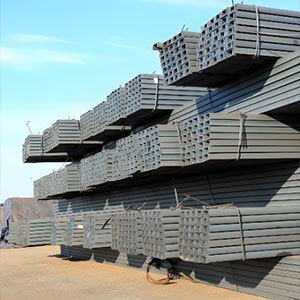
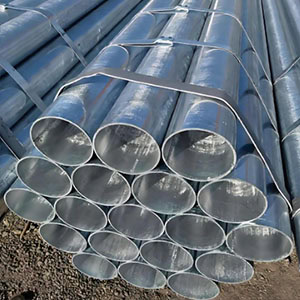
Aluminum Steel or Stainless Steel1

Aluminum, Steel, or Stainless Steel: How to Choose the Right Metal for Machining?

Material selection is one of the most important decisions in a metal machining project. It can directly affect the strength, weight, corrosion resistance, machinability, and overall cost of the finished part. Aluminum, steel, and stainless steel are all widely used in CNC metal machining, but their properties and applications are quite different. Focusing only on

Aluminum, Steel, or Stainless Steel: How to Choose the Right Metal for Machining? Read More »

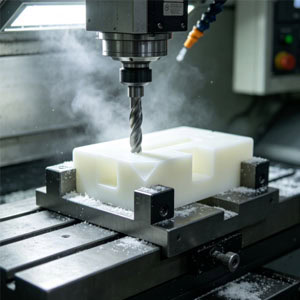
How to Chamfer Plastic Parts in CNC Machining

How to Chamfer Plastic Parts in CNC Machining?

When machining plastic parts with CNC, chamfering is a common finishing process mainly used to remove sharp edges from parts, improve the overall appearance of products, and reduce the risk of scratches during assembly. Plastic materials are significantly different from metal materials. They generally have lower hardness and weaker thermal conductivity, making them more sensitive

How to Chamfer Plastic Parts in CNC Machining? Read More »

Cavity milling of aluminum alloy parts.

How Much Better Is Adaptive Feed Compared with Constant-Speed Cutting?

In CNC milling, constant-speed cutting is widely used, but when the tool enters corners, deep cavities, narrow slots, or areas with significant variations in material allowance, the actual load on the tool changes continuously. Adaptive feed strategies dynamically adjust the feed rate through real-time or toolpath-based load analysis, allowing the tool to maintain a more

How Much Better Is Adaptive Feed Compared with Constant-Speed Cutting? Read More »

What Factors Determine CNC Turning Machining Costs

What Factors Determine CNC Turning Machining Costs?

CNC turning machining costs are influenced by several production conditions, including component structure, raw material prices, machining time, machine type, tool consumption, machining accuracy, order quantity, and post-processing requirements. Even when two components have similar dimensions, their final machining costs can differ significantly if their materials, tolerances, structural complexity, or production quantities are different. CNC

What Factors Determine CNC Turning Machining Costs? Read More »

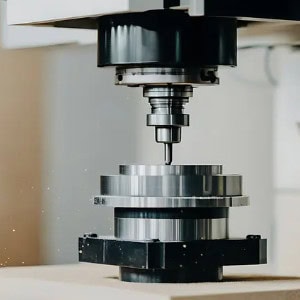
High-tech CNC precision machining work scene

How to Prevent Deformation in Precision Machining of Thin-Walled Parts?

Thin-walled parts are becoming increasingly common in modern manufacturing industries. From aerospace structural components to precision parts used in automation equipment, these components offer advantages such as lightweight design and compact structures. However, compared with standard parts, thin-walled components are much more difficult to machine. Many customers encounter issues where the dimensions meet requirements before

How to Prevent Deformation in Precision Machining of Thin-Walled Parts? Read More »

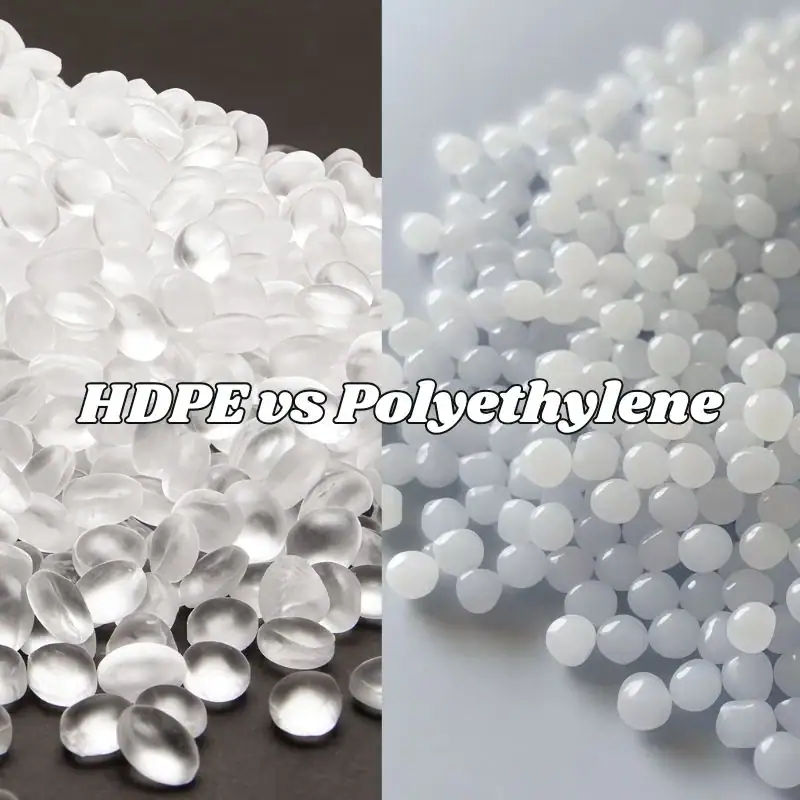
hdpe versus polyethylene raw material comparison

HDPE vs Polyethylene: Key Differences, Properties, and Uses

HDPE vs polyethylene is a comparison between a specific high-density grade and the broader polyethylene family. HDPE has a more linear, tightly packed molecular structure, giving it higher density, stiffness, strength, and temperature resistance. Other polyethylene grades, especially LDPE, are generally softer and more flexible. This guide explains HDPE vs polyethylene by structure, properties, processing,

HDPE vs Polyethylene: Key Differences, Properties, and Uses Read More »

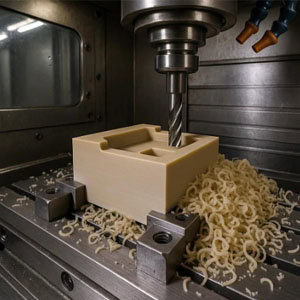
How Does the Feed Rate Influence CNC Machining Plastic

How Does the Feed Rate Influence CNC Machining Plastic?

During CNC plastic machining, the feed rate is one of the key parameters affecting machining quality, production efficiency, and dimensional stability of parts. The feed rate refers to the speed at which the cutting tool moves relative to the plastic workpiece. It determines the amount of material removed by the tool within a specific period

How Does the Feed Rate Influence CNC Machining Plastic? Read More »

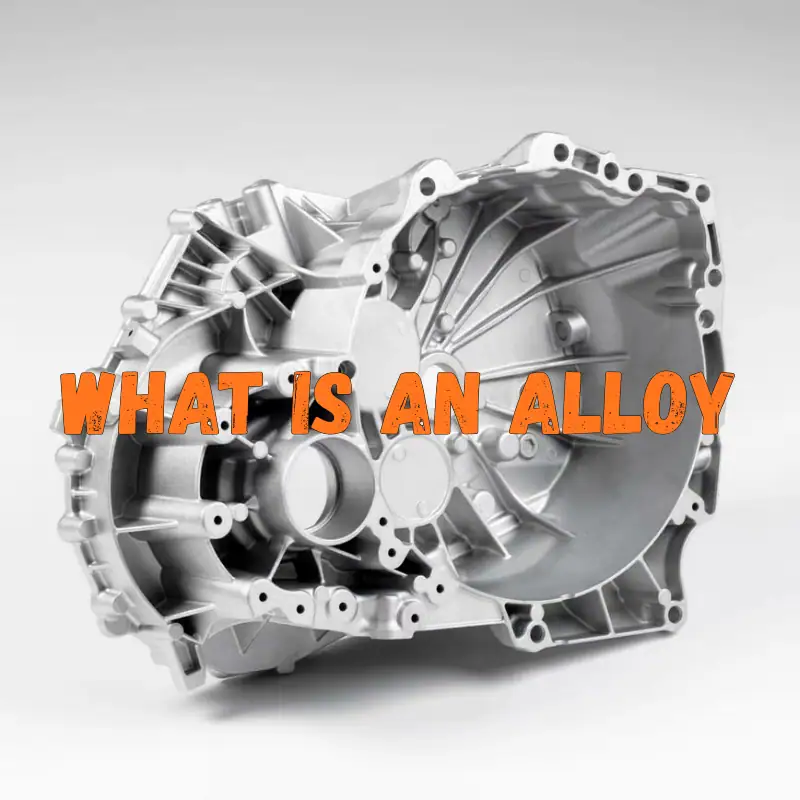
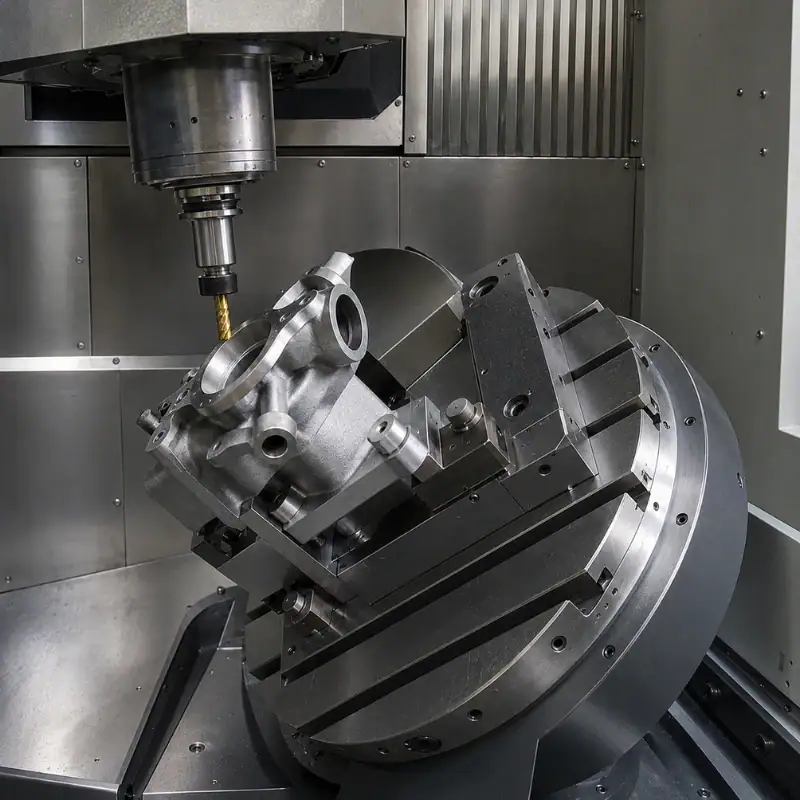
Simultaneous 5-Axis Machining of Complex Metal Housing

Simultaneous 5-Axis Machining for Precision CNC Parts

Simultaneous 5-axis machining is an advanced CNC milling process in which three linear axes and two rotary axes move together during cutting. This coordinated motion allows the tool to follow curved surfaces, maintain a controlled cutting angle, and reach multiple sides of a complex component without repeatedly repositioning the workpiece. This guide explains how simultaneous

Simultaneous 5-Axis Machining for Precision CNC Parts Read More »

Scroll to Top
Simplified Table

To ensure successful upload, please compress all files into one .zip or .rar file before uploading.
Upload CAD files (.igs | .x_t | .prt | .sldprt | .CATPart | .stp | .step | .pdf).