CNC machining is widely used because it offers high precision, repeatability, and production flexibility across many manufacturing projects. It is especially valuable for custom parts, prototypes, and precision components that need reliable tolerances and consistent quality without dedicated tooling.
In this guide, we explain the main advantages of CNC machining, where it performs best, how it compares with conventional machining, and when it is the right choice for prototypes, low-volume production, and critical precision parts.
What Is CNC Machining?
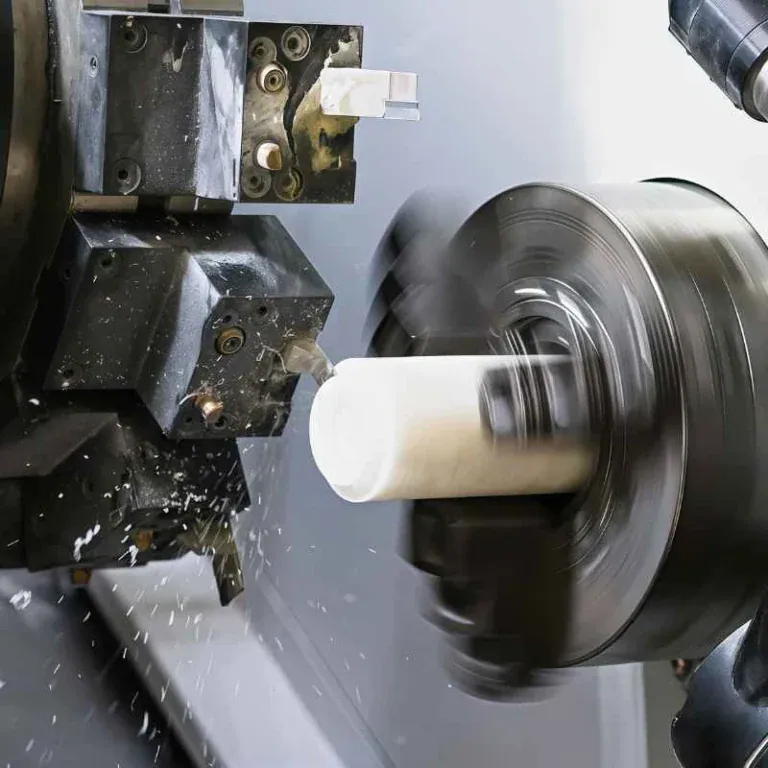
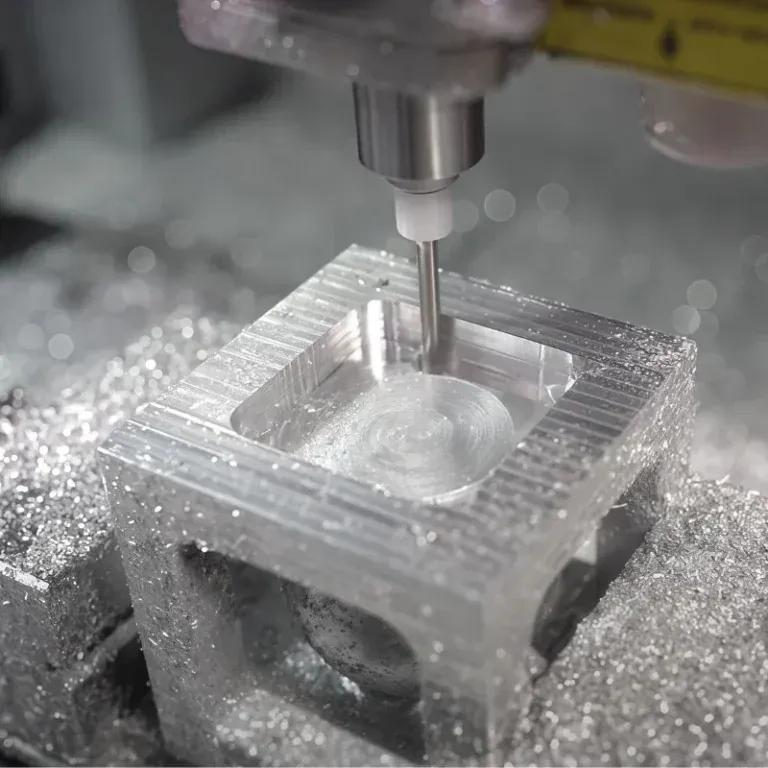
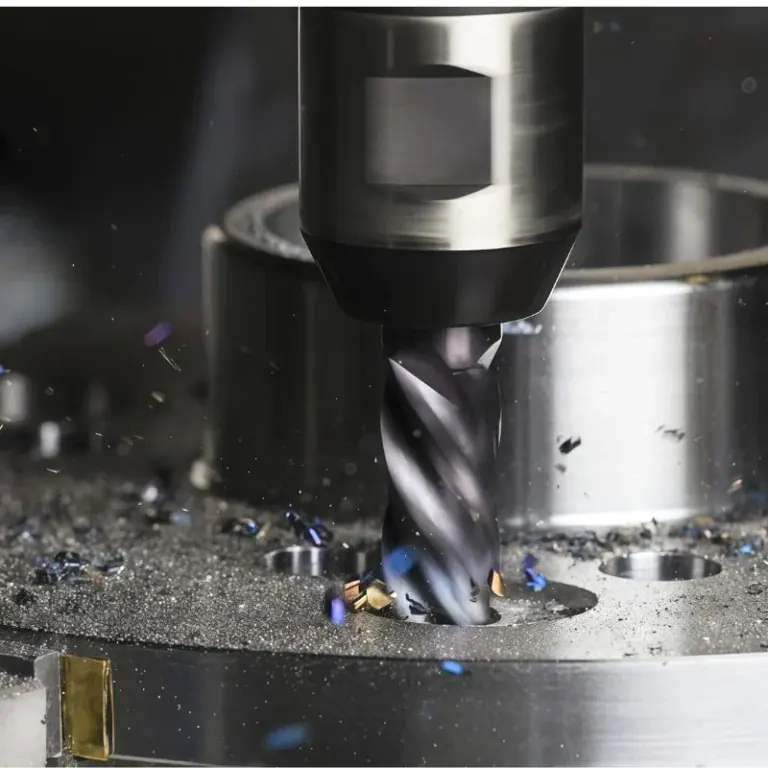
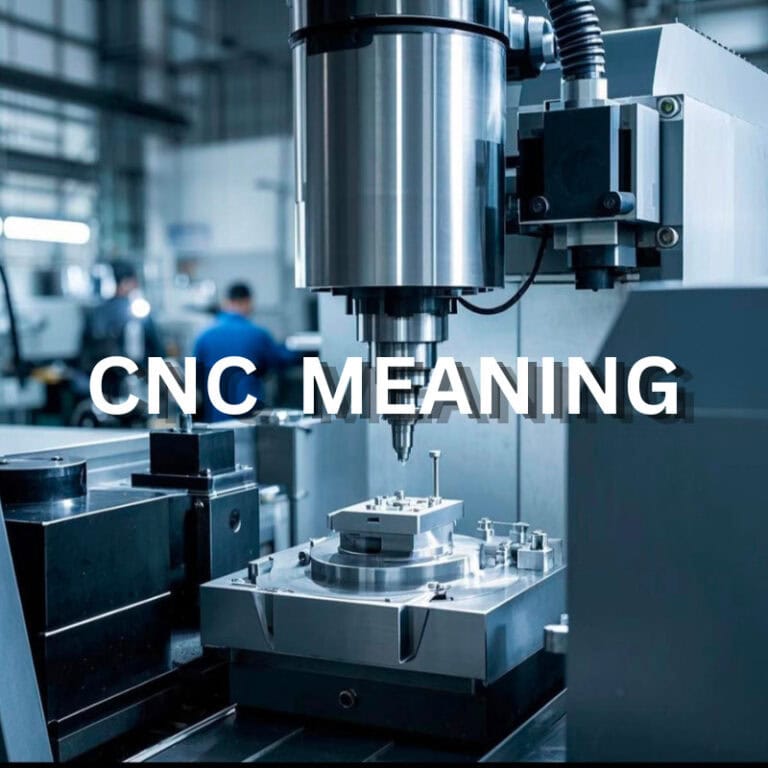
CNC machining is a manufacturing process in which machine tools are controlled by computer-programmed instructions to cut, drill, mill, or turn material into the required shape. Instead of depending mainly on manual handwheel control, the machine follows digital commands, which allows it to produce parts more accurately and more consistently.
This process is widely used for both metal and plastic parts because it combines engineering precision with production efficiency. Once a machining program is prepared, the same instructions can be repeated across multiple parts, which makes CNC machining especially useful for prototypes, custom parts, and low- to medium-volume production.
In modern manufacturing, CNC machining is often chosen when the part requires tight tolerances, reliable repeatability, and more material realism than some alternative methods can provide. That is why it remains one of the most common processes for precision engineering work.
Why CNC Machining Is So Widely Used
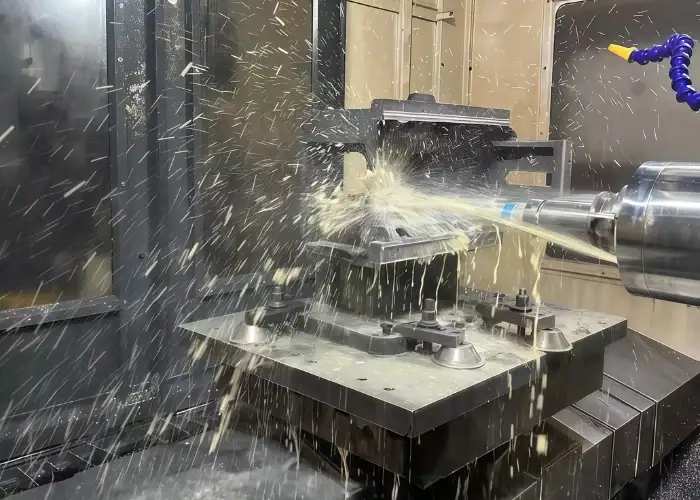
CNC machining is widely used because it solves several manufacturing problems at the same time. It helps companies produce accurate parts, reduce variation, shorten lead times, and support a wide range of materials without needing expensive production tooling. For many engineering projects, that combination makes it one of the most practical manufacturing options available.
Another reason for its popularity is that it works well across different project stages. Teams can use CNC machining for early prototypes, bridge production, replacement parts, and repeat batches of precision components. This flexibility makes it valuable not only for design validation, but also for real production supply.
Compared with more manual machining methods, CNC systems also improve process control. Because motion is driven by digital instructions, part quality depends less on manual repetition and more on program accuracy, setup quality, and machine capability. That gives manufacturers a stronger base for consistency and quality assurance.
Main Advantages of CNC Machining
The value of CNC machining does not come from one benefit alone, but from a combination of accuracy, repeatability, speed, and manufacturing flexibility. Looking at these advantages one by one makes it easier to understand why CNC machining is so widely used for prototypes, custom parts, and precision production across many industries.
High Precision and Accuracy
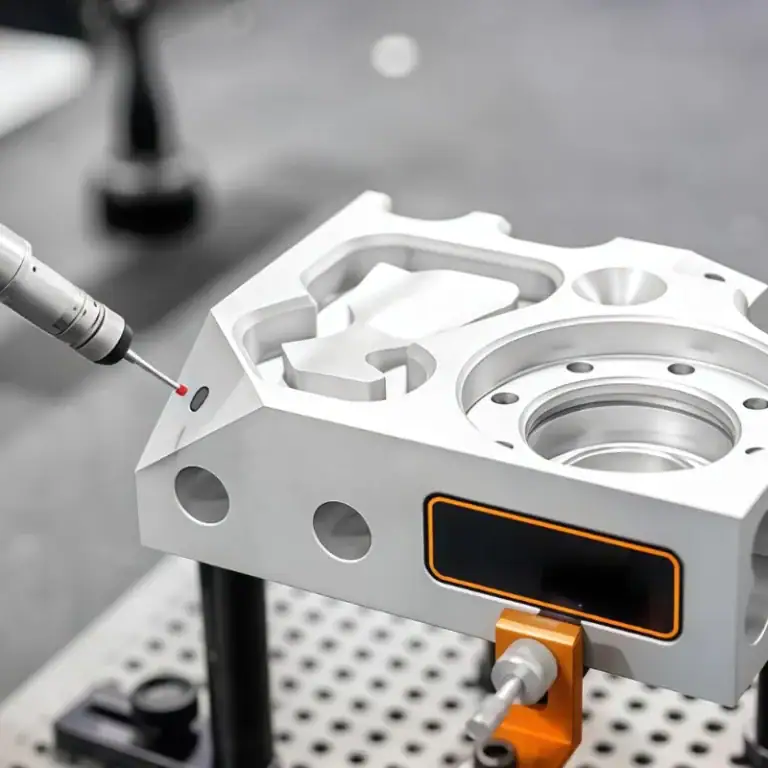
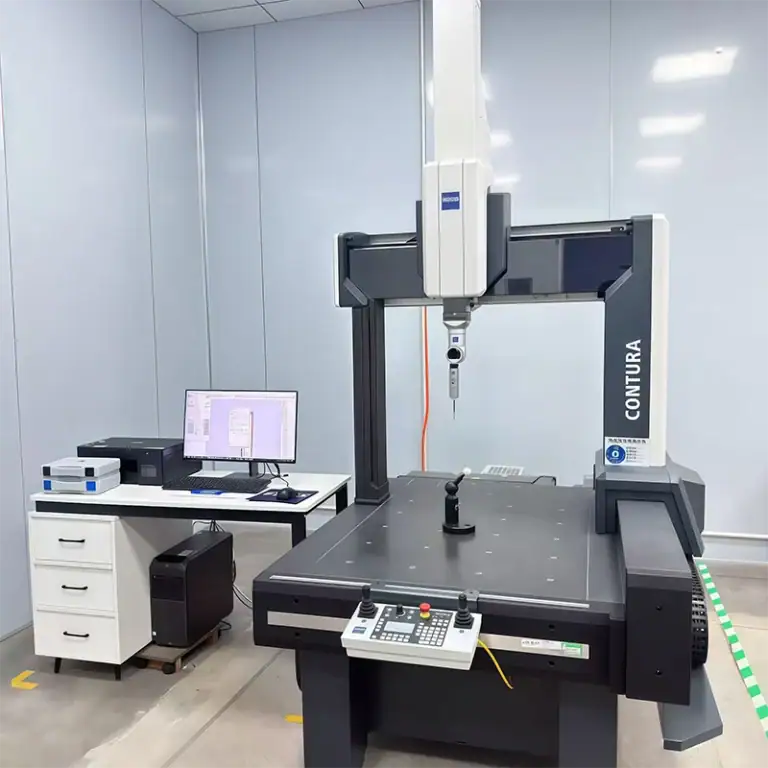
One of the biggest advantages of CNC machining is its high precision. CNC machines can hold tight tolerances and produce parts with a level of dimensional control that is difficult to achieve consistently by manual machining. This is especially important for aerospace, medical, automotive, and industrial applications where part accuracy directly affects fit and function.
This precision also helps at the development stage. When engineers need prototypes or validation parts that closely match the CAD design, CNC machining provides a more reliable way to test actual geometry, mating features, and functional dimensions. A part that is dimensionally correct gives better feedback than one that only approximates the design.
For buyers and manufacturers, this means lower risk in critical dimensions and stronger confidence in the finished result. Precision is not only a performance benefit. It is also a quality and decision-making benefit throughout the project.
Excellent Repeatability and Consistency
Another major advantage of CNC machining is repeatability. Once the machining program and setup are confirmed, the same machine can produce the same geometry again and again with much smaller variation than typical manual methods. This is one of the reasons CNC machining is so valuable in low- and medium-volume production.
Consistency is important because many parts do not fail as single pieces. They fail when repeated units are slightly different from each other and no longer assemble, seal, or perform the same way. CNC machining helps reduce that risk by following the same programmed path across repeated parts.
This advantage supports better quality control, easier inspection planning, and more stable production outcomes. For projects where every part needs to match the previous one closely, repeatability is one of the strongest reasons to choose CNC machining.
Faster Lead Times
CNC machining is also known for fast lead times, especially compared with processes that require dedicated tooling. Because there is no mold to build, production can begin once the CAD file, manufacturing review, and machining setup are ready. This makes CNC machining highly effective for urgent prototypes and fast-turn custom parts.
This speed becomes even more valuable when a design changes. If a part needs revision, the team can update the program and machine a new version without restarting an expensive tooling cycle. That makes CNC machining especially attractive in development work where iteration speed affects the overall project schedule.
For many manufacturers, shorter lead time means faster decisions, faster testing, and faster delivery to customers. Even when unit cost is not the absolute lowest option, the time advantage can make CNC machining the better business choice.
Wide Material Compatibility
CNC machining supports a wide range of materials, which is another important advantage. It can be used with aluminum, steel, stainless steel, brass, titanium, and many engineering plastics, depending on the machine and application. This makes it useful for many industries and product types.
Material flexibility matters because many projects need prototypes or low-volume parts made from real engineering materials rather than substitute materials. This allows teams to evaluate strength, wear resistance, thermal behavior, corrosion performance, or assembly behavior more realistically.
As a result, CNC machining can support both design validation and more production-like functional evaluation. That gives it an advantage over processes that may be faster in some cases but less representative in material behavior.
Strong Design Flexibility
CNC machining offers strong design flexibility for custom parts and changing requirements. It is especially useful when projects involve unique part geometries, multiple revisions, or smaller production quantities that do not justify hard tooling. This makes it well suited to engineering development and custom manufacturing work.
It also supports a wide mix of part types, from simple brackets and plates to more complex turned or milled components. While there are still design-for-machining rules to consider, CNC machining remains one of the most practical ways to make highly customized components with real production quality.
For product teams, this means fewer restrictions at the early decision stage. A design can often move forward without waiting for high-volume economics to make the project viable. That flexibility is one reason CNC machining stays so important in modern product development.
Better Surface Finish and Less Manual Dependency
CNC machining can also provide good surface finish quality, depending on the process, tooling, setup, and material. In many applications, the machined surface is already suitable for engineering use or can be prepared efficiently for secondary finishing such as anodizing, polishing, plating, or coating.
Another related advantage is reduced dependence on manual repetition. CNC systems automate the motion path, which helps lower variation caused by hand-controlled machining. This does not eliminate the need for skilled setup and programming, but it does reduce reliance on manual consistency during the cutting process itself.
Together, these benefits improve both part appearance and process stability. For many custom and precision parts, that combination makes CNC machining a more reliable route to quality than conventional manual machining alone.
Limitations of CNC Machining
CNC machining has many advantages, but it is not the best choice for every project. One common limitation is cost at higher production volumes. Because each part still requires machine time, tooling wear, setup, and material removal, CNC machining can become less economical than molding or casting when quantities rise significantly. In those cases, a tooling-based process may offer a lower unit cost.
Another limitation is material waste. CNC machining is a subtractive process, which means the machine cuts material away from a larger block or bar. This is highly effective for precision, but it also produces chips and scrap, especially on parts with high stock removal. Compared with additive methods, that can make material usage less efficient for some geometries.
Geometry can also influence process suitability. CNC machining handles many complex parts well, but very deep internal cavities, highly organic shapes, or features that are difficult to reach with standard cutting tools may be better suited to additive manufacturing or other specialized processes. Programming quality, setup strategy, and machine capability still have a strong effect on the final result.
CNC Machining vs Conventional Machining
Although both CNC machining and conventional machining can produce usable parts, they do not offer the same strengths in practice. The difference becomes more obvious when projects require tighter tolerances, better repeatability, or more stable production control. Comparing them directly helps clarify where CNC truly adds value.
| Comparison Area | CNC Machining | Conventional Machining |
| Precision and Accuracy | Better suited for tight tolerances and precise dimensions. It is more reliable when parts must closely match CAD data or functional design requirements. | Can produce accurate parts in skilled hands, but it is generally harder to maintain the same level of precision consistently across repeated parts. |
| Repeatability | Strong repeatability because the same programmed toolpath can be used again and again with lower variation. | More dependent on operator control, so repeated parts may show greater variation. |
| Production Consistency | Better for batch production where part-to-part consistency matters for assembly, inspection, and quality control. | More suitable for one-off or lower-consistency tasks where repeat production is not the main priority. |
| Automation Level | Higher automation reduces dependence on manual movement during the cutting process. | More manual involvement, which can be practical for simple work but less stable for complex repeated tasks. |
| Complexity of Parts | Better for more complex geometries and multi-step machining paths that benefit from digital control. | More practical for simpler features or straightforward repair work. |
| Setup and Programming | Requires programming and setup before machining begins, which adds preparation time but improves control later. | Often faster to start for very simple manual tasks because there is no CNC program to prepare. |
| Best Use Case | Best for precision parts, prototypes, repeat batches, and projects that need quality stability. | Best for simple repair work, low-complexity one-off jobs, or situations where full CNC workflow is unnecessary. |
Best Applications for CNC Machining
CNC machining is not equally valuable in every manufacturing situation. Its strongest advantages appear in projects that require precision, flexibility, and controlled repeatability rather than the lowest possible unit cost at very high volume. Looking at the best-fit applications makes it easier to see where CNC machining delivers the most practical benefit.
Prototypes and Product Development
CNC machining is highly effective for prototypes because it can deliver accurate parts quickly without mold tooling. This makes it ideal for engineers who need to test dimensions, fit, mechanical behavior, or functional geometry before moving into larger-scale production. It is especially useful when the prototype needs to be made from a real engineering material rather than a substitute.
It also supports design iteration well. When the CAD model changes, the machining program can be updated and a new version produced much faster than restarting a tooling-based method. This helps shorten development cycles and improve decision-making during product validation.
For this reason, prototypes and pre-production validation remain some of the strongest application areas for CNC machining. It allows teams to test real parts with a high level of confidence before committing to the next manufacturing stage.
Low-Volume and Bridge Production
CNC machining is also a strong choice for low-volume production and bridge manufacturing. When part quantities are too high for one-off prototyping but too low to justify dedicated tooling, CNC offers a practical middle ground. It supports custom batches, production launches, and transitional supply without the large upfront investment of molding.
This is especially valuable for custom equipment, industrial parts, replacement components, and products that may still change before long-term production is locked in. CNC machining gives manufacturers a way to supply usable parts while keeping flexibility.
In that sense, CNC machining is not only a prototype tool. It is also an important production solution for projects that live between early development and full-scale manufacturing.
Precision Parts for Critical Industries
CNC machining is widely used for precision parts in aerospace, medical, automotive, industrial equipment, and electronics. These industries often require tight tolerances, reliable repeatability, and strong material performance, all of which align well with CNC capability.
In these sectors, part failure or dimensional inconsistency can create major functional or safety problems. CNC machining helps reduce those risks by delivering more controlled geometry and better consistency across repeated components.
That is why CNC machining remains a preferred solution whenever engineering requirements are high and the part must do more than simply exist at low cost. It is often chosen because the project needs predictable quality, not just a manufactured shape.
When Should You Choose CNC Machining?
You should choose CNC machining when precision is a priority. If the part includes tight tolerances, critical fit features, or engineering dimensions that strongly affect assembly or performance, CNC machining is often the right choice because of its accuracy and repeatability.
It is also a strong option when lead time is short or the design is still changing. Since CNC machining does not require production tooling, it supports faster iteration and faster delivery for custom parts, prototypes, and low-volume projects. That makes it especially useful in development work and urgent production needs.
CNC machining is also the better choice when material realism matters. If the project needs actual metal or engineering plastic performance rather than approximate prototype behavior, CNC machining can provide more meaningful validation. However, if the project moves into very high-volume production and the geometry fits tooling-based processes well, another method may become more economical.
FAQs
Can CNC machining reduce part-to-part variation in small batches?
Yes. One of the biggest practical benefits of CNC machining is its ability to follow the same programmed toolpath across repeated parts. That helps reduce variation in low- and medium-volume production, which is especially valuable when assemblies, inspection consistency, and dimensional repeatability matter.
Does CNC machining work well for both metal and plastic parts?
Yes. CNC machining is widely used for metals such as aluminum, steel, stainless steel, brass, and titanium, as well as many engineering plastics. This material flexibility is one reason it is so useful for prototypes, custom components, and functional production parts.
When does CNC machining become less cost-effective?
CNC machining often becomes less economical when production volume increases enough to justify dedicated tooling. In those cases, processes such as injection molding, die casting, or other tooling-based methods may offer a lower unit cost, even if the upfront investment is higher.
Can CNC machining be used for production parts, not just prototypes?
Yes. Although CNC machining is widely used for prototypes, it is also a strong option for bridge production, low-volume manufacturing, custom parts, replacement components, and precision parts used in critical industries. Its value is not limited to development work alone.
Conclusion
The advantages of CNC machining come from its combination of precision, repeatability, speed, and production flexibility. It is not always the lowest-cost option for every quantity level, but it is one of the most effective manufacturing methods for prototypes, low-volume runs, and precision parts that demand strong dimensional control.
At TiRapid, we provide precision CNC machining services for metal and plastic parts used in industries such as automation, electronics, industrial equipment, medical, and aerospace, helping customers move from prototype to production with reliable machining quality.