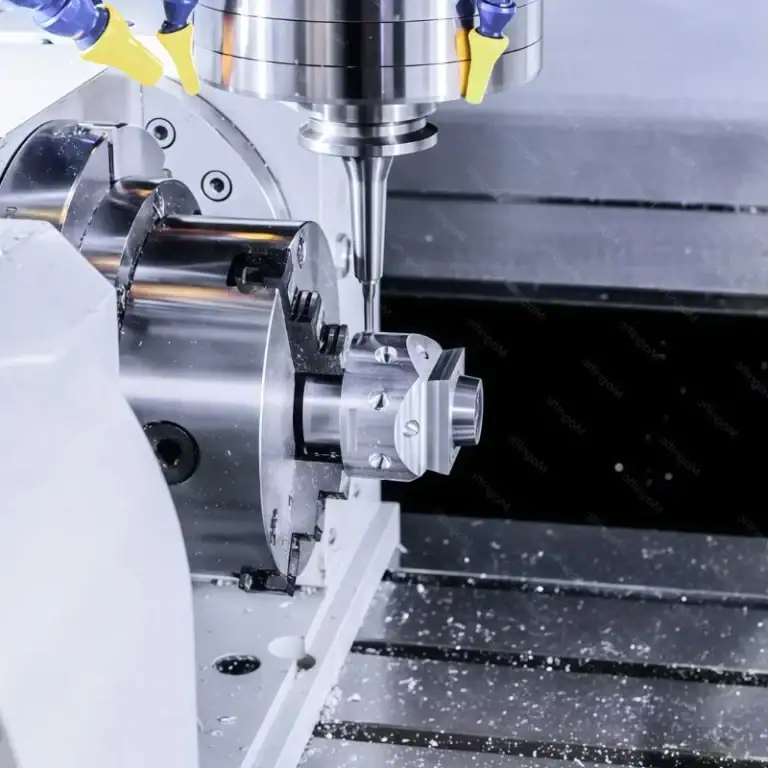
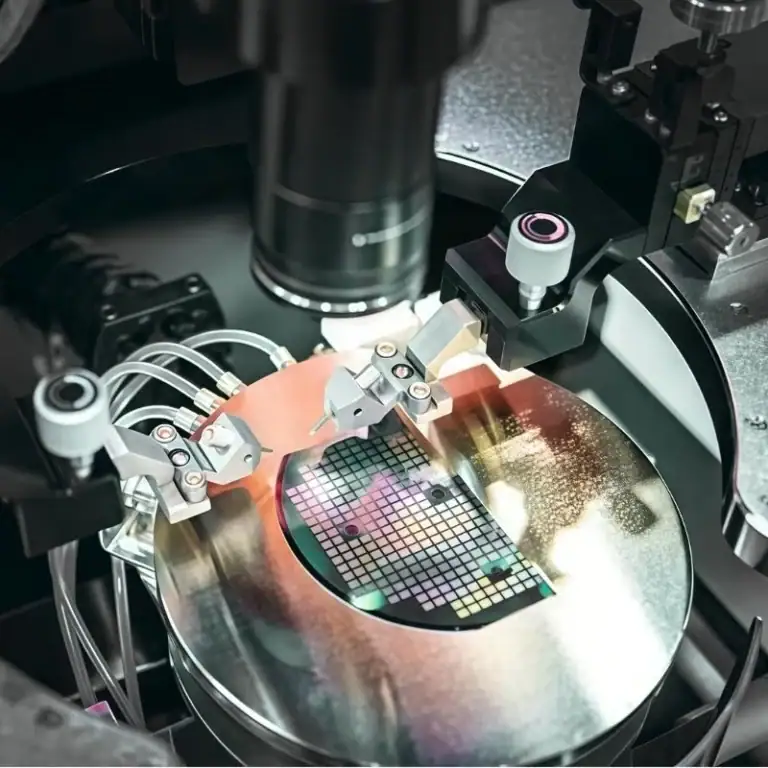
As industrial technology continues to advance, modern manufacturing is shifting from traditional mass production toward high-precision, high-performance, and intelligent manufacturing. Today, industries such as new energy vehicles, aerospace equipment, medical devices, industrial robotics, and semiconductor products all demand extremely high levels of component accuracy. Even the slightest dimensional deviation can affect operational stability, service life, and overall product performance. As a result, precision machining is no longer just a manufacturing process — it has become a critical foundation for the operation of modern industry.
Precision Machining Determines Product Quality and Performance
Modern products are becoming increasingly complex, requiring higher standards for dimensional accuracy, surface quality, and assembly stability. Precision machining is the key to achieving these requirements.
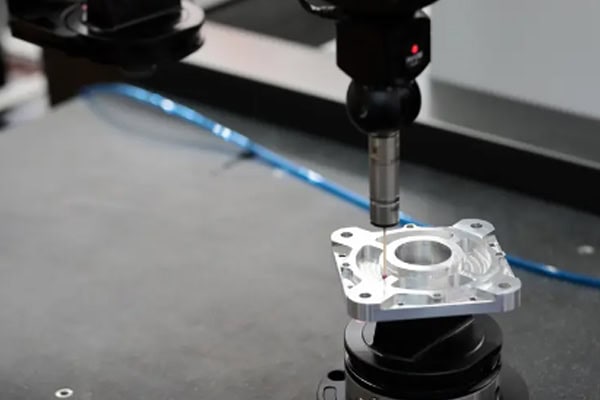
Improving dimensional accuracy and assembly stability
- Precision machining can control dimensional tolerances at the micron level, ensuring tighter and more accurate component fitting while reducing assembly gaps and operational deviation
- In aerospace engines and medical devices, highly precise components help reduce vibration and wear, improving long-term equipment stability
- For complex structural parts, multi-axis precision machining minimizes cumulative errors caused by repeated clamping processes
- Higher machining accuracy also reduces post-processing and rework, improving production efficiency while lowering manufacturing costs
Enhancing surface quality and product lifespan
- Precision machining significantly reduces surface roughness, minimizing friction loss and improving mechanical efficiency
- Smoother surfaces improve wear resistance and fatigue strength, extending overall product lifespan
- For precision molds and high-end electronic products, superior surface finishes also enhance product appearance and quality perception
- In high-speed operating equipment, optimized surface treatment reduces heat accumulation and improves long-term operational reliability
Ensuring batch consistency
- Modern manufacturing increasingly relies on automated production, which requires highly consistent components
- Precision machining ensures uniform dimensions across large production batches, reducing manual adjustment during assembly
- In automotive, new energy, and electronics industries, consistency directly translates into lower defect rates and more stable performance
- Stable product quality also strengthens a company’s brand competitiveness and customer trust
Precision machining determines not only whether a product can be manufactured, but whether it can perform reliably over time.
Increasing Complexity and Miniaturization Drive the Need for Precision Machining
As industrial products become more complex, lightweight, and compact, traditional machining methods are no longer sufficient for modern manufacturing requirements.
Supporting complex structures and difficult components
- Modern industrial products increasingly feature complex curved surfaces and irregular geometries, which multi-axis precision machining can produce efficiently
- In aerospace applications, highly complex parts must achieve both lightweight structures and high strength, which traditional machining struggles to maintain consistently
- Precision machining reduces the need for multiple process transfers, improving overall production efficiency for complex parts
- For critical components in advanced equipment, high-precision manufacturing also improves structural reliability and operational safety
Meeting miniaturization and high-integration demands
- Smartphones, medical devices, and semiconductor products are becoming increasingly compact, requiring much higher machining precision
- Small-scale components often have highly complex geometries, making precision machining essential for stable production
- Highly integrated products require tighter assembly tolerances, which precision machining helps achieve
- In electronics manufacturing, improved machining accuracy also enhances overall product reliability and performance
Promoting high-end manufacturing upgrades
- Precision machining is a defining capability of advanced manufacturing and a core driver of industrial upgrading toward higher added value
- Industries such as semiconductors, optical equipment, and industrial robotics all rely on precision components as their foundation
- Companies with strong precision machining capabilities can enter higher-end and more profitable markets
- At the national level, precision machining capability is also an important indicator of industrial and technological strength
The direction of modern manufacturing increasingly depends on advanced precision machining capabilities.
The Era of Intelligent Manufacturing Depends Even More on Precision Machining
With the rise of Industry 4.0 and intelligent manufacturing, precision machining has evolved from a standalone process into a key part of integrated smart manufacturing systems.
Improving automation stability
- Automated equipment requires extremely consistent components, and precision machining ensures smoother automated assembly processes
- High-precision components reduce equipment calibration time and improve production line efficiency
- In industrial robots and intelligent equipment, precision machining improves motion control accuracy and long-term operational stability
- More stable machining quality also reduces manual intervention and increases automation efficiency
Deep integration with digital manufacturing
- CNC systems enable highly accurate automatic control and improve machining repeatability
- Real-time machining data collection helps optimize process parameters and workflows
- Digital twin technology can simulate machining processes in advance, reducing trial-and-error costs
- Intelligent monitoring systems can predict equipment conditions and reduce unexpected downtime
Enhancing overall business competitiveness
- High-precision manufacturing capability allows companies to secure more advanced and higher-value projects
- Stable product quality helps build long-term customer trust
- In global manufacturing competition, precision machining capability has become a major competitive threshold
- As demand for high-performance products continues to grow, precision machining will remain a core manufacturing advantage
Modern manufacturing cannot function without precision machining because industrial products are becoming more complex, precise, and intelligent, placing much higher demands on accuracy, stability, and consistency. From complex component production to automated manufacturing systems, from miniaturized products to advanced industrial equipment, precision machining has become an irreplaceable foundation of modern industry. Tirapid focuses on precision machining technologies and manufacturing solutions, providing companies with more efficient and stable machining support to help drive the continued advancement of high-end manufacturing.