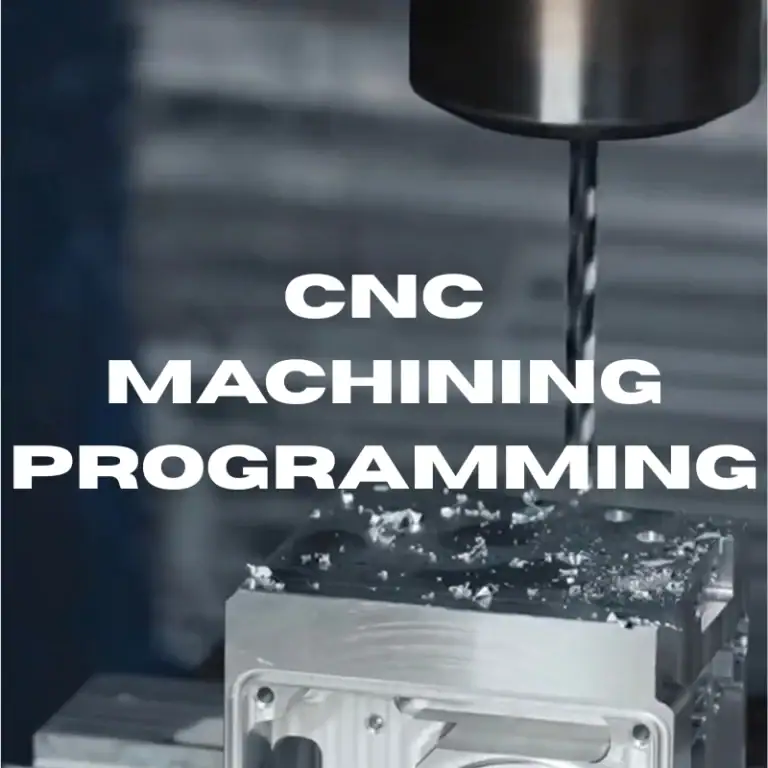
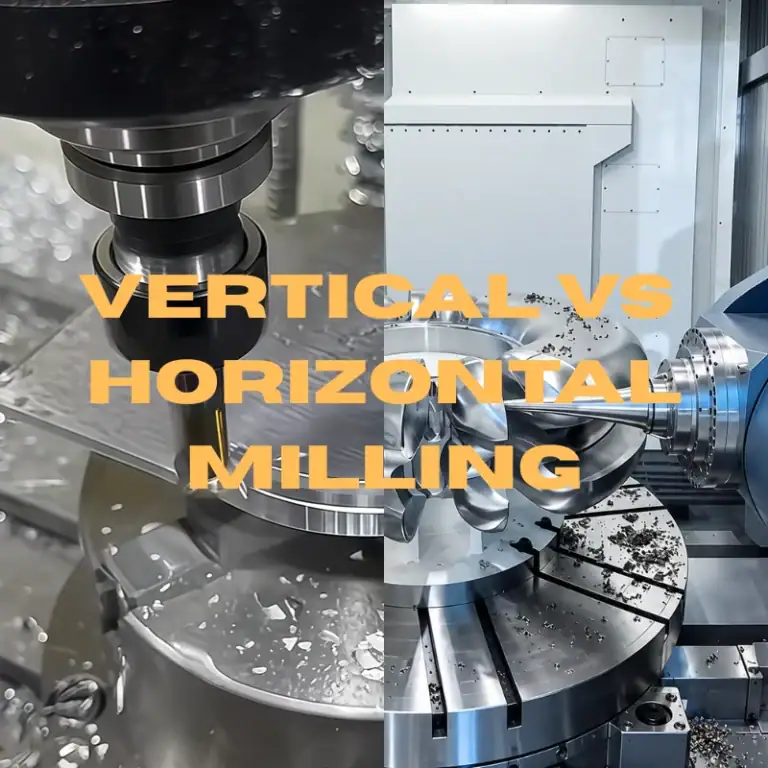
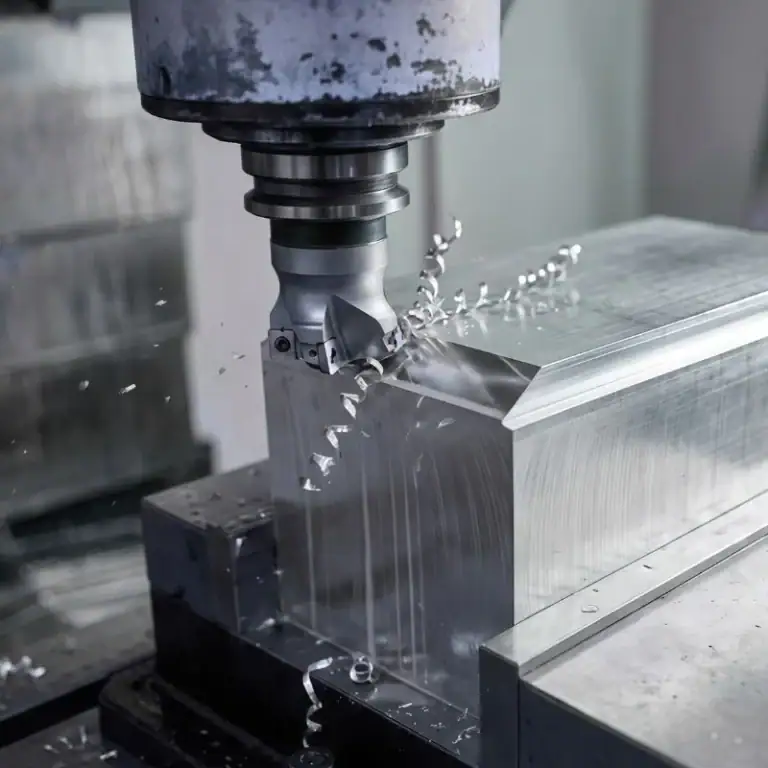
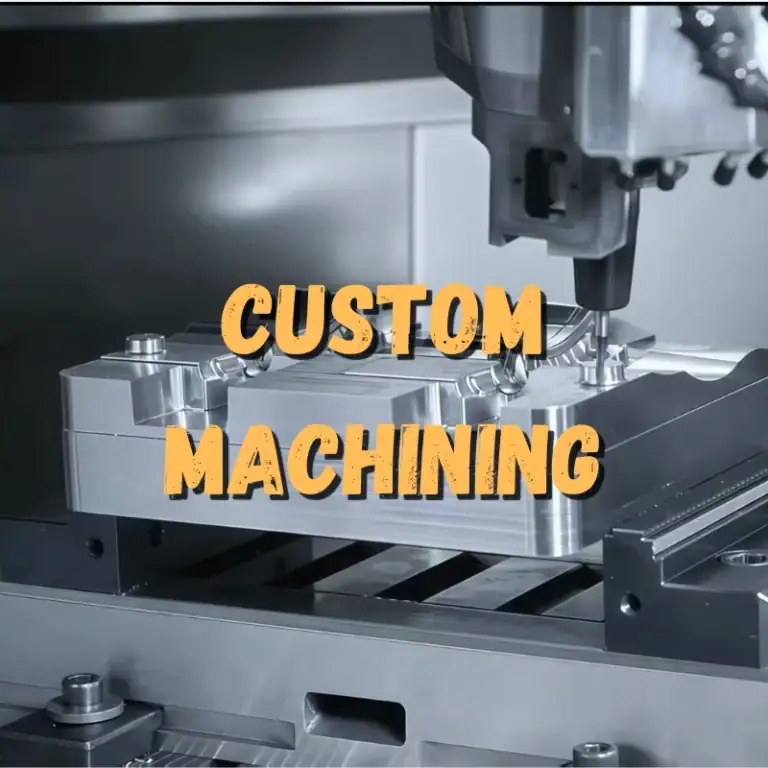
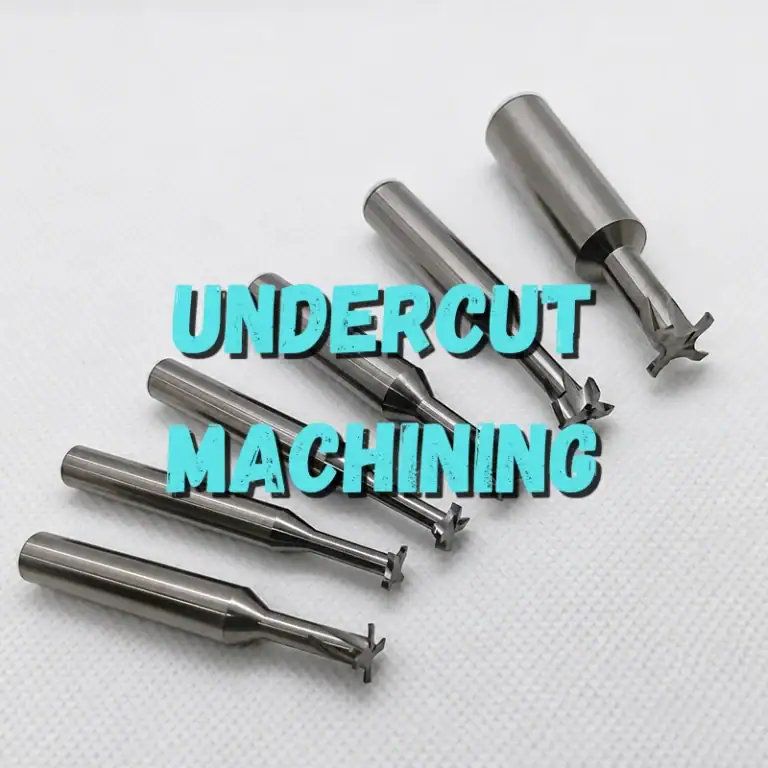
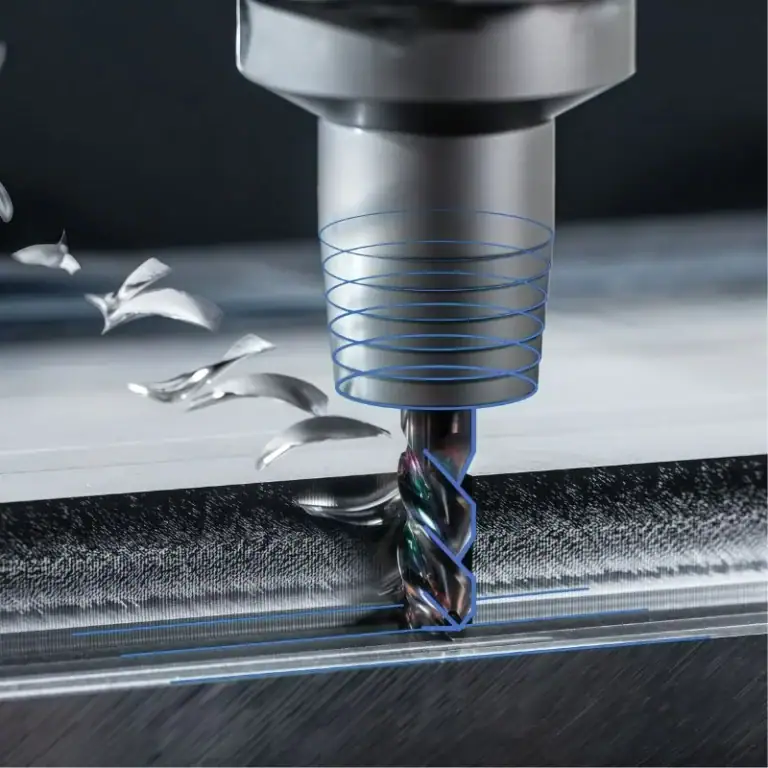
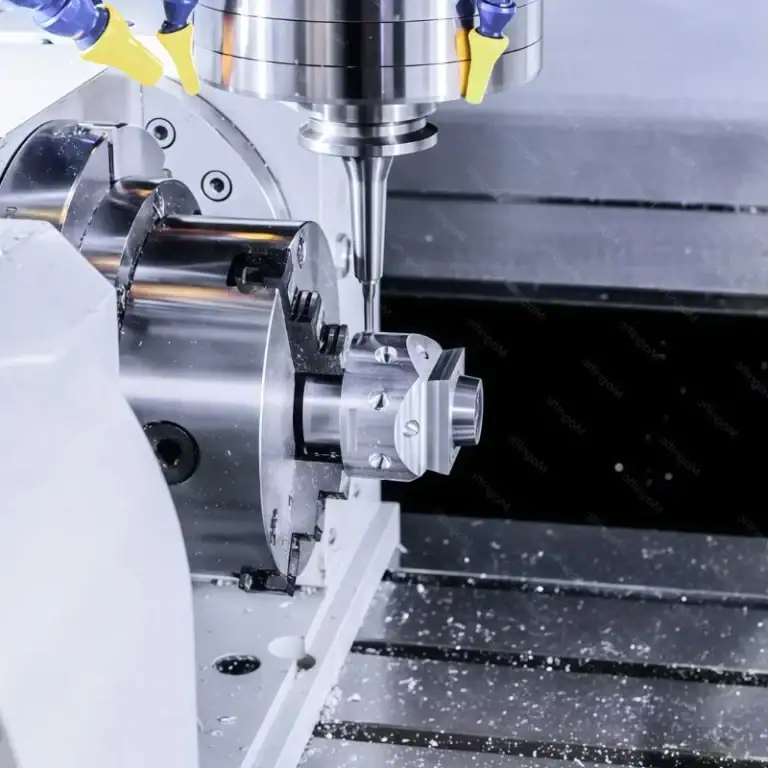
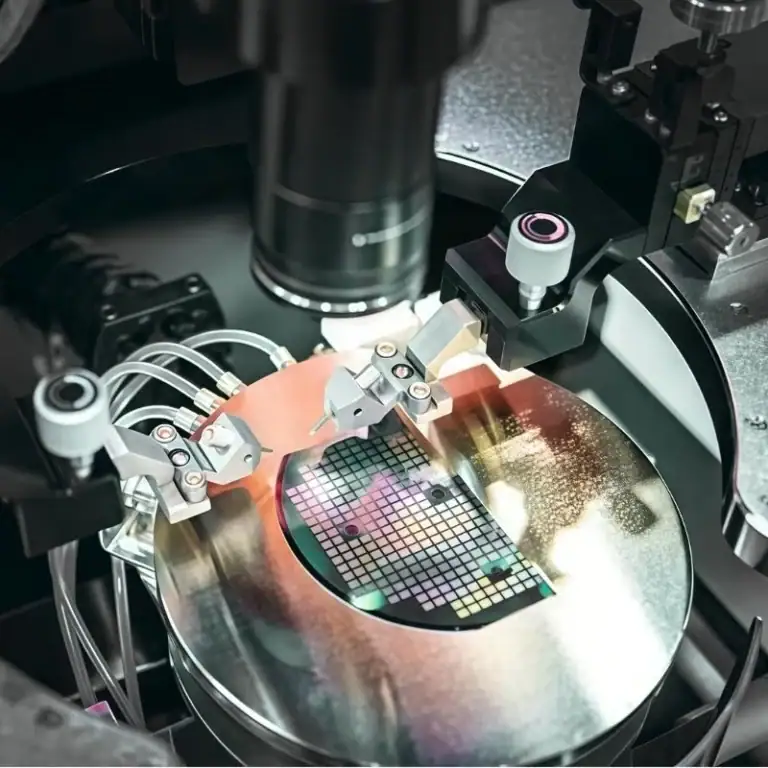
As the high-end manufacturing industry continues to evolve, CNC precision machining has become one of the most important manufacturing methods in modern industry. Compared with traditional machining processes, CNC machining not only offers higher dimensional accuracy and stability, but also adapts to the production requirements of a wide range of complex materials. From common metals to high-performance engineering plastics and difficult-to-machine composite materials, the application range of CNC precision machining continues to expand. Since different materials vary greatly in hardness, thermal conductivity, cutting performance, and surface finishing requirements, selecting the proper machining process and equipment is critical to achieving high-quality results.
Common Metal Materials for CNC Precision Machining
Metal materials remain the most widely used category in CNC machining, with different industries selecting materials based on strength, weight, and corrosion resistance requirements.
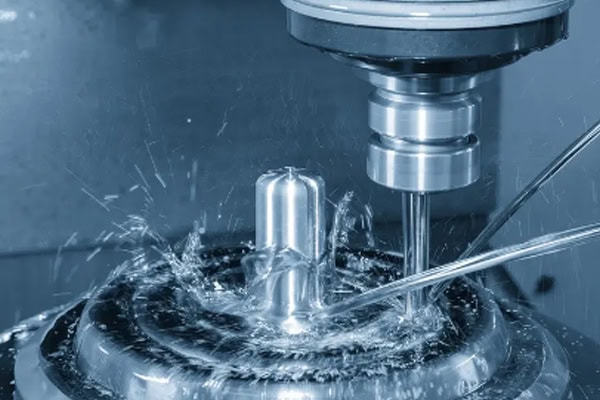
Aluminum alloys
- Aluminum alloys are lightweight yet strong, making them widely used in aerospace, automotive components, and electronic housings
- Excellent machinability improves production efficiency while reducing tool wear
- Aluminum also has outstanding heat dissipation performance, making it ideal for structural parts requiring thermal conductivity
- After anodizing, aluminum parts gain improved corrosion resistance and enhanced surface appearance
Stainless steel
- Stainless steel offers excellent corrosion resistance and is widely used in medical devices, food equipment, and industrial machinery
- Its relatively high hardness requires more stable cutting parameters and cooling control during machining
- Precision machining ensures dimensional stability and minimizes deformation issues
- Polishing processes further improve surface finish and durability
Titanium alloys and high-temperature alloys
- Titanium alloys provide high strength, heat resistance, and corrosion resistance, making them essential in aerospace applications
- These materials are difficult to machine and demand strict control over tooling and machining stability
- CNC precision machining effectively controls thermal deformation and machining errors
- Titanium alloys are also widely used in medical implants because of their excellent biocompatibility
Copper and brass materials
- Copper has excellent electrical and thermal conductivity, making it common in electronic and electrical components
- Brass offers good machinability and is suitable for complex precision parts
- CNC machining improves dimensional consistency and surface quality for copper components
Metal materials continue to dominate CNC precision machining, while the use of advanced high-performance metals is steadily increasing.
Engineering Plastics and Composite Material Machining
In addition to metals, lightweight and high-performance materials are increasingly being processed using CNC precision machining.
Engineering plastics such as ABS and POM
- ABS provides stable machining performance and is widely used for housings and industrial prototyping
- POM features low friction characteristics, making it suitable for gears, sliders, and precision structural parts
- Engineering plastics are lightweight and help reduce the overall load of equipment
- CNC machining ensures dimensional accuracy and assembly consistency for plastic components
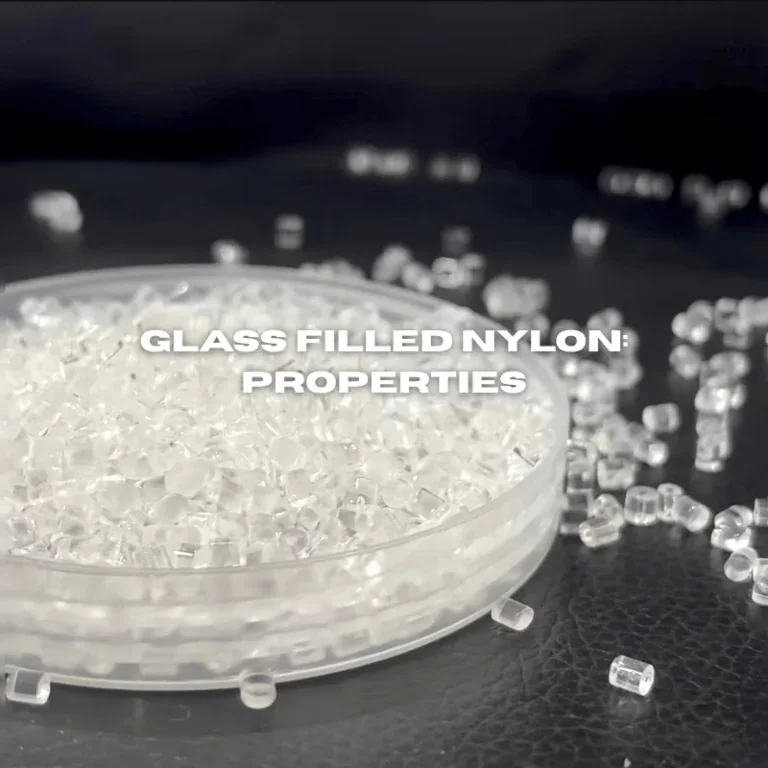
Nylon and high-performance plastics such as PEEK
- Nylon offers excellent wear resistance and toughness for mechanical moving parts
- PEEK is highly resistant to heat and corrosion and is widely used in medical and semiconductor industries
- High-performance plastics require strict temperature control during machining
- Precision machining reduces deformation and burr formation on plastic parts
Carbon fiber and composite materials
- Carbon fiber materials provide high strength with low weight and are commonly used in aerospace, racing, and high-end equipment
- Composite materials are prone to delamination and edge chipping during cutting, requiring specialized tooling
- CNC machining enables complex structures and high-precision contour shaping
- Accurate machining improves the structural stability of composite components
The trend toward lightweight manufacturing is driving rapid growth in engineering plastics and composite materials.
Special Materials and Advanced Manufacturing Applications
As industrial technology advances, more specialized materials are entering the CNC precision machining field, placing higher demands on equipment and processes.
Ceramics and brittle materials
- Industrial ceramics offer high temperature resistance, wear resistance, and extreme hardness
- Brittle materials are prone to cracking during machining and require highly stable cutting control
- High-precision machining minimizes edge chipping and surface damage
- Ceramic materials are increasingly used in semiconductor and precision optical industries
Magnesium alloys and lightweight materials
- Magnesium alloys are even lighter than aluminum and are widely used in drones and consumer electronics
- They provide high machining efficiency but require stricter safety and heat management measures
- Precision machining improves structural stability and assembly accuracy
Superhard materials and special alloys
- Certain industrial equipment requires materials with extremely high hardness and wear resistance
- Special alloys are difficult to cut and demand highly stable machining processes
- CNC precision machining improves the ability to manufacture complex structures
- Advanced tooling and machining strategies help minimize processing errors
As material science continues to evolve, the application range of CNC precision machining will continue expanding.
CNC precision machining has become a core technology in modern manufacturing because it can adapt to the machining requirements of many complex materials. From conventional metals to advanced plastics, composite materials, and special alloys, each material places different demands on machining precision, stability, and process control. Only by combining the right equipment, tooling, and machining strategies can manufacturers fully utilize material performance advantages. Tirapid focuses on CNC precision machining and advanced manufacturing solutions, providing high-precision, multi-material, and highly stable machining support for increasingly complex product manufacturing needs.