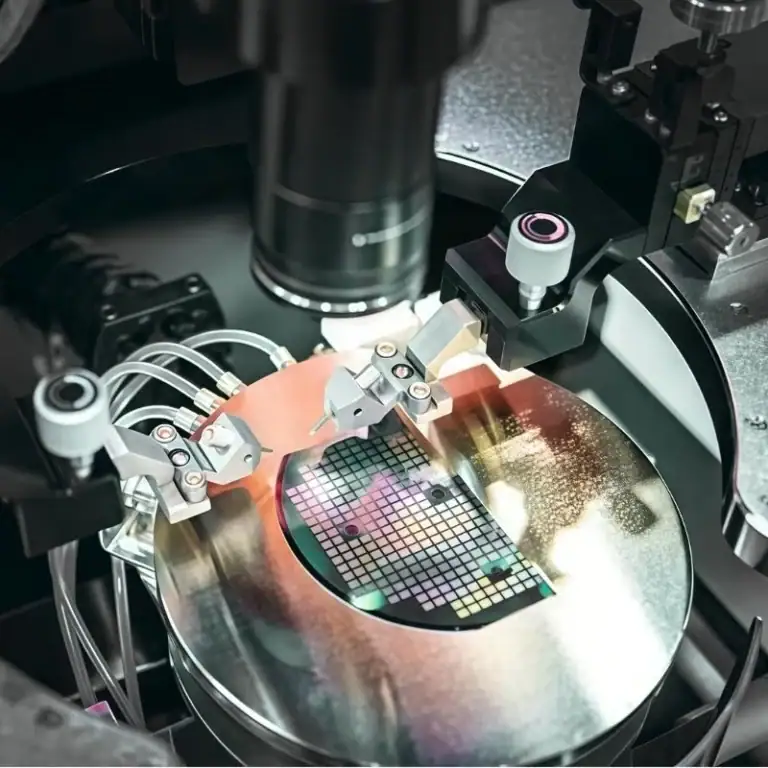
As manufacturing continues evolving toward higher performance, miniaturization, and greater structural complexity, traditional machining methods are increasingly unable to meet modern industrial demands for accuracy, stability, and complex geometries. Industries such as new energy vehicles, aerospace, medical devices, and intelligent equipment all rely heavily on high-precision components to ensure performance and reliability. In this context, precision machining is becoming more important than ever. It not only affects product quality, but has also become a key indicator of manufacturing capability and market competitiveness.
Modern Products Require Increasingly Higher Precision
Today’s industrial products are no longer designed simply to “function.” Greater emphasis is now placed on stability, precise assembly, and long-term reliability.
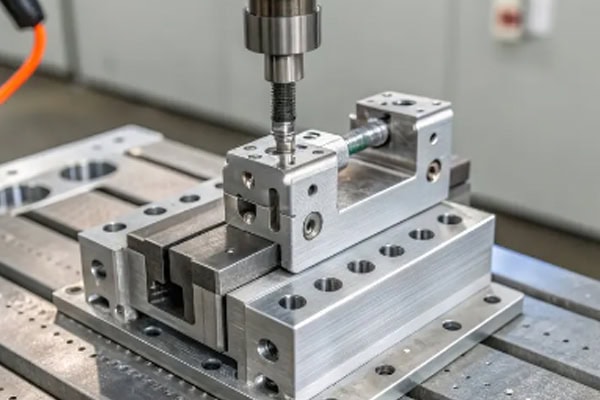
High-end manufacturing increasingly depends on micron-level accuracy
- Aerospace components require extremely tight tolerances because even tiny deviations can affect assembly performance
- Precision medical device components demand strict dimensional control, where small errors may impact operational safety
- Electric drive systems and transmission structures in new energy vehicles also rely on high-precision machining for stable performance
- As smart devices continue shrinking in size, internal component clearances become smaller, creating higher machining accuracy requirements
Product structures are becoming more complex
- Modern industrial design emphasizes lightweight structures and integrated functionality
- Many components now include deep cavities, curved surfaces, and irregular contours instead of simple flat geometries
- Traditional machining methods struggle to process these complex spatial structures consistently
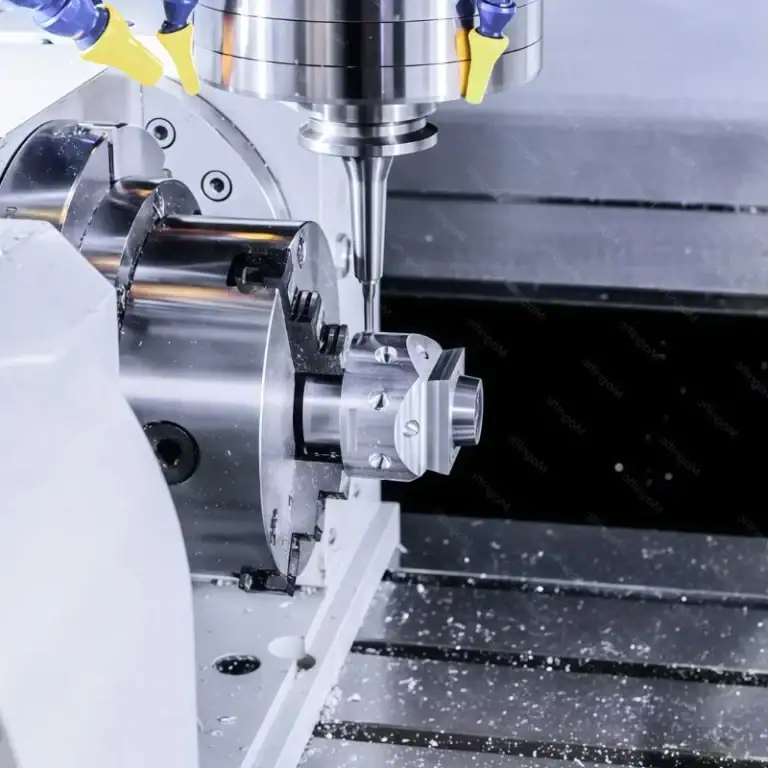
- Precision technologies such as 5-axis CNC machining are better suited for advanced geometric designs
Customer expectations for quality continue to rise
- Consumers increasingly value durability and operational stability
- High-quality assembly depends on highly accurate components
- Surface finish, dimensional consistency, and smooth operation all affect user experience
- Companies seeking stronger brand competitiveness must improve manufacturing precision
The evolution of modern manufacturing is fundamentally driving precision machining into a core industrial capability.
Precision Machining Directly Affects Product Performance and Reliability
In many cases, product performance differences are caused not by design, but by manufacturing precision.
Higher precision improves operational stability
- More accurate component fitting results in smoother equipment operation
- Critical parts such as gears and bearings require strict dimensional control
- Reduced machining errors lower vibration and noise levels
- Improved stability over long operating periods also reduces maintenance costs
Reduces assembly errors and failure rates
- Inconsistent part dimensions create assembly difficulties
- High-consistency machining reduces adjustment and rework requirements
- Precision assembly minimizes loosening and positional deviation problems
- Stable assembly is especially critical for automation equipment
- In batch production, consistency determines overall product quality stability
Enables manufacturing of advanced products
- Many high-end products rely on complex internal structures
- Precision machining makes these advanced designs manufacturable at scale
- Microstructures and ultra-thin components require higher machining capability
- High-precision processes support the development of more innovative products
The higher the manufacturing precision, the greater the control over product performance.
Advanced Manufacturing Industries Are Driving Precision Machining Upgrades
The rapid growth of emerging industries is continuously increasing the importance of precision machining.
Rapid expansion of the new energy vehicle industry
- Motors, battery housings, and structural components require high-precision machining
- Lightweight design trends increase the use of complex aluminum alloy structures
- High-speed rotating parts require stricter dimensional and balance control
- The new energy supply chain places strong emphasis on batch consistency
Rising demand in aerospace and medical industries
- Aerospace components are typically high-difficulty, high-precision parts
- Medical implants require extremely high surface and dimensional accuracy
- Advanced materials continue increasing machining difficulty
- These industries prioritize long-term reliability and stability
Growth of automation and intelligent equipment
- Automated equipment requires large numbers of precision transmission components
- Robotic structures demand high repeatability accuracy
- Intelligent manufacturing is pushing machining toward even tighter tolerances
- Competition among high-end equipment manufacturers is increasingly based on manufacturing precision
The growth of advanced manufacturing sectors continues expanding the demand for precision machining.
Precision Machining Has Become Part of Corporate Competitiveness
Today, manufacturing capability is no longer simply about production capacity—it is about precision manufacturing capability.
High-precision manufacturing attracts higher-value projects
- High-end industries place greater importance on supplier machining capability
- Precision machining companies typically possess stronger technical barriers
- Micron-level machining capability improves market competitiveness
Precision manufacturing reduces overall costs
- Stable accuracy significantly lowers rework and scrap rates
- High-consistency production reduces assembly adjustment time
- Over the long term, overall manufacturing efficiency improves
- Better product reliability also reduces after-sales problems
Supports industrial upgrading toward high-end manufacturing
- Precision machining capability reflects a company’s technical strength
- Enables manufacturers to handle more complex and higher-value projects
- Helps establish long-term customer partnerships
- Creates stronger advantages in global manufacturing competition
Future manufacturing competition will largely be a competition in precision manufacturing capability.
Precision machining is becoming increasingly important not simply because it produces “finer parts,” but because modern industry is rapidly moving toward higher performance, greater complexity, and stronger reliability requirements. Product quality, assembly stability, and corporate competitiveness are all becoming more dependent on precision manufacturing capability. As industries such as new energy vehicles, aerospace, medical devices, and intelligent manufacturing continue to grow, precision machining is evolving from a “high-end option” into a fundamental pillar of modern manufacturing. Companies like Tirapid, specializing in precision machining and complex component manufacturing, are helping businesses achieve more reliable production through stable processes and advanced manufacturing capabilities.