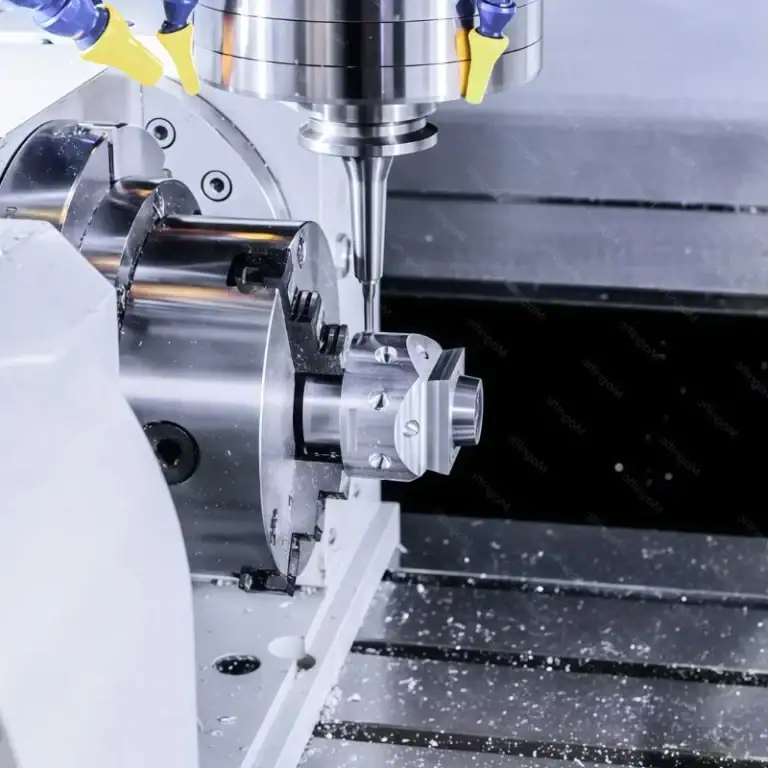
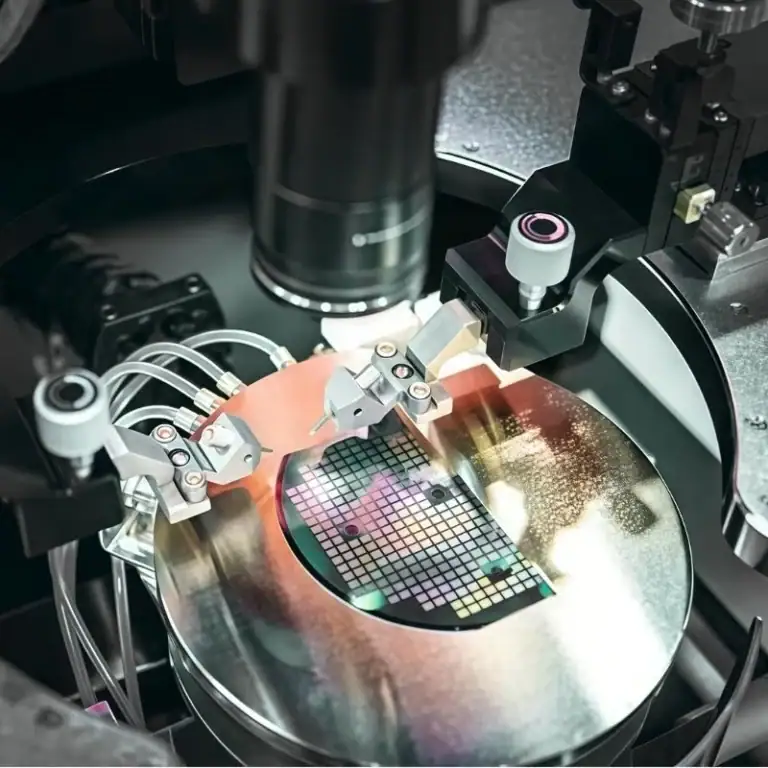
As product development cycles continue to accelerate, prototype development has become an essential part of modern manufacturing. Whether for new energy vehicle components, medical device housings, or automation equipment structures, companies want to verify design feasibility and assembly performance before mass production begins. Among the many manufacturing methods available, precision machining is becoming an increasingly popular solution for prototype development because of its high accuracy, flexibility, and wide material compatibility.
Why Is Precision Machining Suitable for Prototype Development?
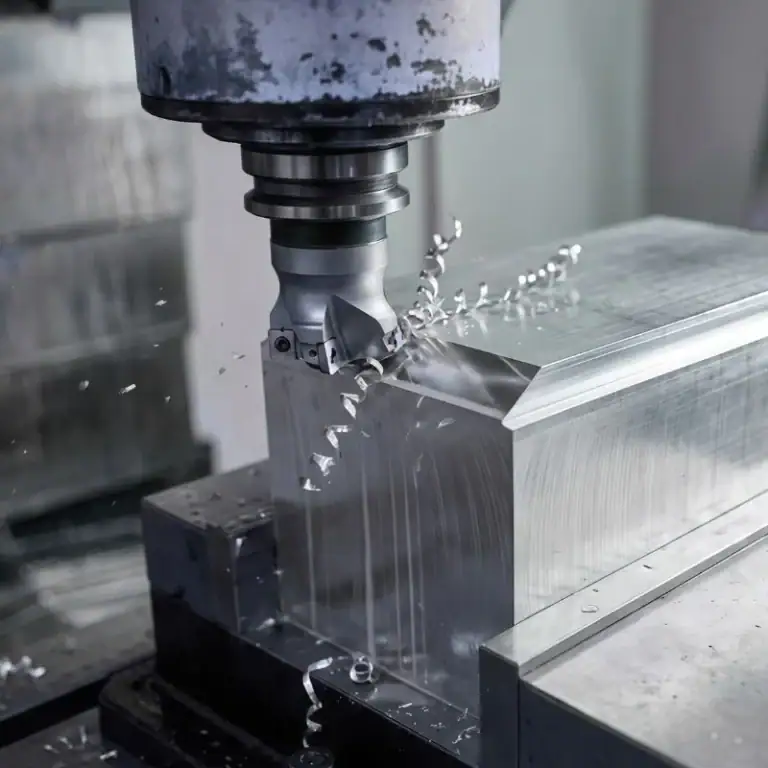
Compared with traditional mold-based production, precision machining offers much greater flexibility during the development stage.
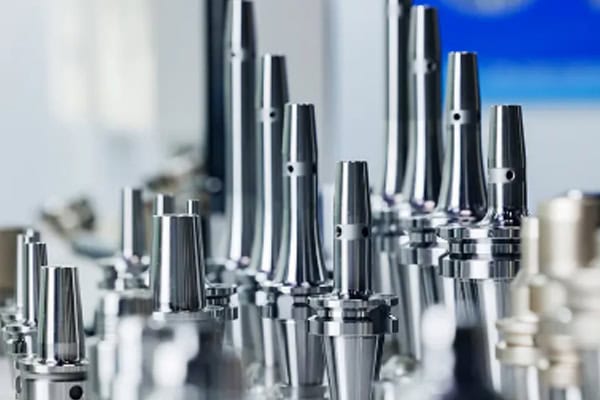
Fast manufacturing without mold creation
- Traditional mold production requires long lead times and high upfront investment
- Precision machining can manufacture parts directly from 3D CAD data, greatly shortening development cycles
- For projects where designs are still evolving, there is no need to repeatedly modify expensive molds
- It is especially suitable for low-volume trial production and functional validation
- Companies can evaluate physical products much faster, improving R&D efficiency
Accurately reproduces real product designs
- Precision machining can directly produce complex curves and irregular geometries
- Prototype parts are structurally much closer to final production components
- This provides more reliable assembly verification, motion testing, and strength evaluation
- It helps avoid testing deviations caused by process differences
- High-precision prototypes make it easier to identify hidden design flaws early
Supports validation with different materials
- Precision machining can process aluminum alloys, stainless steel, titanium alloys, engineering plastics, and more
- Development teams can compare performance differences between materials during the prototype stage
- Helps verify weight, strength, and thermal performance in advance
- Particularly valuable for functional product development
One of the biggest advantages of precision machining is that it allows design validation to closely match real production conditions.
Practical Advantages of Precision Machining in Prototype Development
In addition to flexibility, precision machining significantly improves overall product development quality.
Higher dimensional accuracy
- Many prototype-stage problems are related to dimensional deviations
- High-precision machining provides a more realistic representation of final assembly conditions
- Precision components help verify whether tolerances are properly designed
- Especially important for automation equipment and precision transmission systems
- Detecting tiny errors early reduces mass-production risks later
Better for complex structural products
- 5-axis CNC machining can produce highly complex freeform surfaces
- Deep cavities, angled surfaces, and intricate internal structures can be machined directly
- There is no need to split parts into multiple sections for verification
- Particularly beneficial for aerospace components and robotic structures
Greater flexibility for design changes
- Prototype development often requires multiple design iterations
- Precision machining allows quick program adjustments and rapid remanufacturing
- No additional mold modification costs are involved
- This helps shorten product development timelines
- Companies can optimize and upgrade products more efficiently
Surface quality closer to final products
- Precision machining can achieve excellent surface finishes
- Prototype appearance and tactile quality are closer to production-ready products
- More suitable for customer presentations and market evaluation
- Secondary processes such as coating and plating can also be tested more realistically
High-quality prototypes often directly improve the success rate of new product development.
Which Industries Rely More on Precision Machining for Prototypes?
As manufacturing industries continue upgrading, more sectors are adopting precision machining for prototype development.
New energy vehicle industry
- Battery housings and electric drive systems require highly accurate validation
- Lightweight structures are often complex and demand advanced machining capability
- Rapid vehicle development cycles require fast prototyping capability
- Functional and assembly testing rely heavily on precision prototypes
Medical devices and aerospace industries
- Medical components require extremely high dimensional and surface accuracy
- Aerospace parts often feature complex structures and advanced materials
- Difficult-to-machine materials such as titanium alloys require real manufacturing validation
- High safety requirements demand more rigorous testing standards
- Prototype parts frequently need to approach final production quality
Automation and intelligent equipment industries
- Robotic components require highly consistent assembly verification
- Automation equipment often contains complicated transmission structures
- Prototype stages require frequent internal design optimization
- Precision machining supports rapid iterative development more effectively
Consumer electronics and industrial equipment
- Miniaturization trends continue increasing precision requirements
- Exterior components require high surface quality standards
- Complex internal structures must be validated for manufacturability in advance
- High-precision prototypes help prepare for future mass production planning
The more complex the prototype, the more valuable precision machining becomes.
Precision machining is becoming increasingly suitable for prototype development not only because of its high accuracy, but because it makes product development more flexible, realistic, and efficient. From design validation and functional testing to assembly verification and appearance evaluation, high-precision prototypes help companies identify problems earlier, shorten development cycles, and reduce future mass-production risks. As manufacturing continues moving toward greater complexity and higher performance, precision machining has become a fundamental capability for modern prototype development. Companies like Tirapid, specializing in precision machining and complex component manufacturing, are supporting businesses with rapid response capability and multi-process integration to deliver more efficient and reliable prototype development solutions.