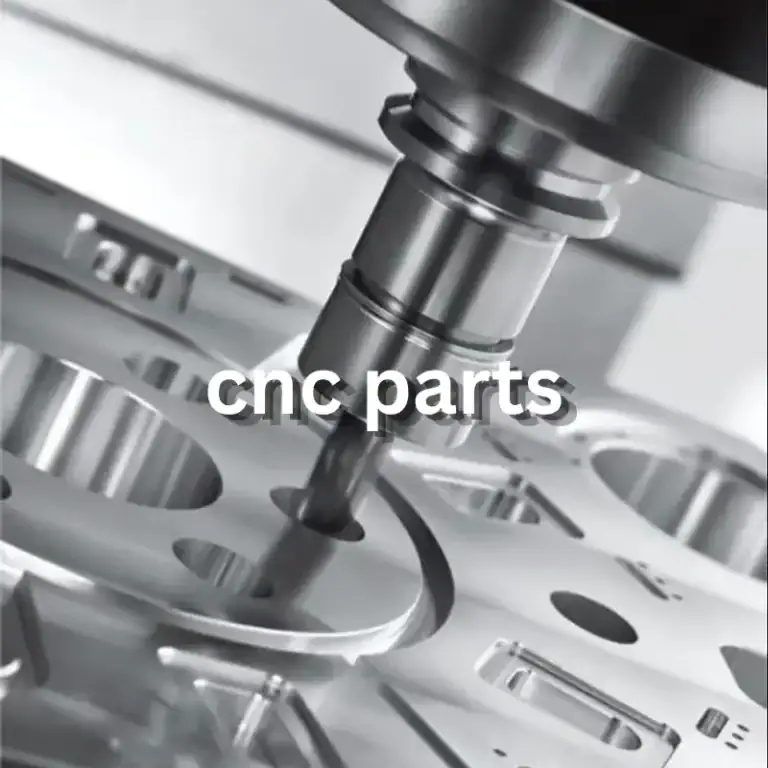
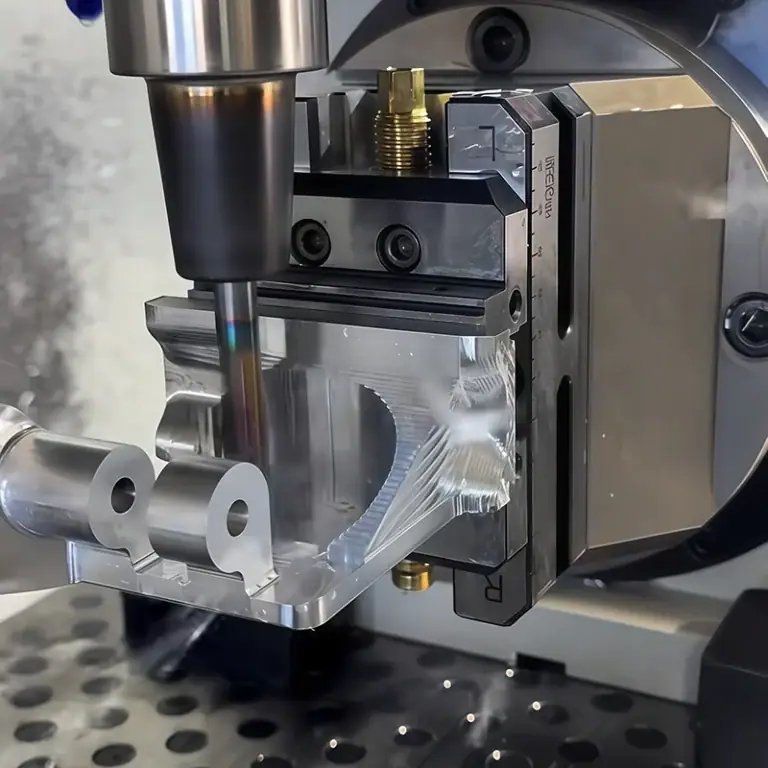
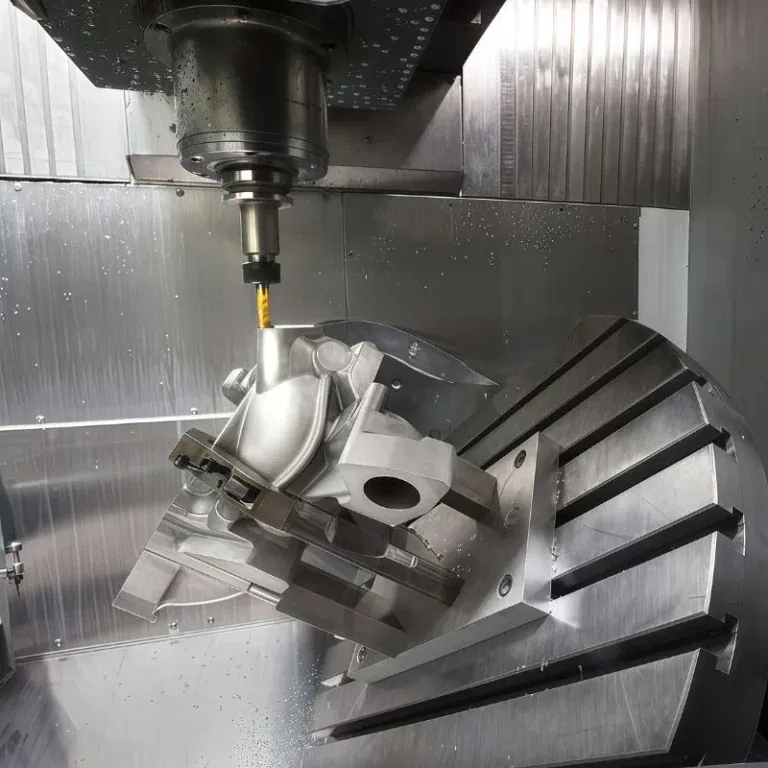
In the field of modern precision manufacturing, CNC milling machines have become essential tools for achieving high-accuracy machining across a wide range of industries. Whether producing aerospace components, automotive structural parts, medical devices, or high-end electronic products, manufacturers continue to demand higher levels of machining quality. During actual production, attention is often focused on cutting tool performance, machining parameters, and control systems, while machine rigidity is frequently overlooked. In reality, machine rigidity not only determines the structural stability of the machine tool but also directly influences machining accuracy, surface finish, and long-term production consistency. Understanding the relationship between machine rigidity and machining quality is crucial for improving modern manufacturing capabilities.
Machine Rigidity Affects Machining Accuracy
A stable machine structure is a fundamental requirement for maintaining dimensional accuracy.
Reducing Machining Vibration
Vibration is one of the key factors that affects dimensional precision. When a machine has higher rigidity, it can better resist the impact of cutting forces, reducing vibration during machining and maintaining a more stable cutting process. Improvements achieved through vibration control include:
- Reduced dimensional deviations, helping parts meet tighter tolerance requirements.
- Improved positioning accuracy, allowing tools to follow programmed paths more precisely.
- Reduced contour errors, ensuring the quality of complex geometries and curved surfaces.
- Enhanced cutting stability, minimizing fluctuations during machining.
- Improved product consistency, supporting stable quality in mass production.
- Lower risk of rework and scrap, increasing overall production efficiency.
- Greater process controllability, providing support for precision manufacturing.
A stable cutting environment helps maintain higher dimensional accuracy in machined components.
Minimizing Structural Deformation
The deformation of a machine under load can significantly affect machining results. During the machining of large components or hard materials, machine tools are subjected to substantial cutting forces. A highly rigid structure minimizes deformation and maintains a stable relationship between the cutting tool and the workpiece. Benefits of structural stability include:
- Maintaining dimensional consistency to meet strict tolerance requirements
- Reducing displacement caused by cutting forces.
- Improving machining reliability during extended production runs.
- Minimizing cumulative errors across multiple machining operations.
- Enhancing the ability to machine complex features such as deep cavities, thin walls, and irregular shapes.
- Increasing overall machine stability for precision manufacturing.
- Improving consistency across production batches.
- Reducing rework and scrap rates while lowering manufacturing costs.
Lower structural deformation contributes directly to higher overall machining quality.
Improving Repeat Positioning Accuracy
Repeat positioning accuracy plays a critical role in production quality. High-rigidity machines maintain stable motion system performance, ensuring consistent positioning accuracy throughout repeated machining cycles. The value of repeat positioning includes:
- Improved batch consistency across different production runs.
- Reduced rework caused by dimensional deviations.
- Enhanced assembly accuracy through better component fit.
- Increased production efficiency by minimizing adjustments and downtime.
- Stable long-term machining performance.
- Improved product reliability and service life.
- Reduced influence of human factors on production outcomes.
- Higher customer satisfaction and stronger market competitiveness.
Reliable positioning capability supports high-quality mass production, and greater machine rigidity generally leads to more stable dimensional control.
Machine Rigidity Affects Surface Finish
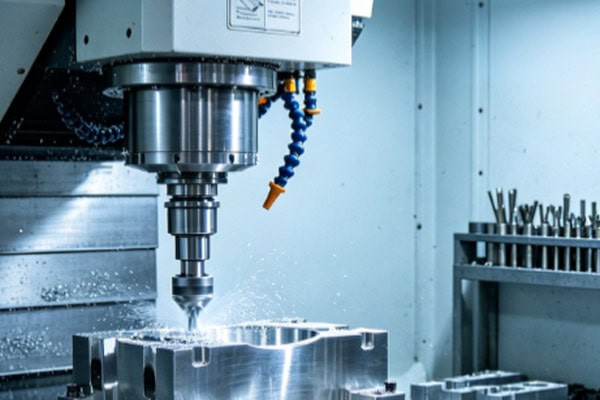
High-quality surface finishes depend on a stable machining environment.
Reducing Tool Chatter
Tool behavior directly affects the surface quality of a workpiece. When machine rigidity is insufficient, chatter can occur during cutting, resulting in surface waviness and visible tool marks. Benefits of reducing chatter include:
- Improved surface smoothness
- Reduced vibration marks
- Better machining quality
- Less need for secondary polishing operations
- Enhanced product appearance
Stable cutting conditions help achieve superior surface finishes.
Improving Cutting Continuity
Continuous cutting contributes to better surface consistency. High-rigidity machines keep cutting tools operating smoothly, reducing localized impacts and interruptions during machining. Indicators of improved cutting continuity include:
- Reduced machining fluctuations
- Better surface uniformity
- Improved contour quality
- Fewer machining defects
- Higher finished-part quality
Smooth machining processes improve the overall quality of manufactured components.
Enhancing Complex Surface Machining
Complex surfaces require a high degree of machine stability. In the machining of molds, aerospace components, and precision structural parts, high-rigidity equipment ensures more accurate tool paths. Advantages of machining complex surfaces include:
- Improved contour accuracy
- Better surface quality
- Reduced machining errors
- Increased process reliability
Support for high-end manufacturing requirements
A stable machine structure enables superior results when machining complex geometries, and excellent surface quality is often built upon a foundation of high machine rigidity.
Machine Rigidity Affects Tool Life
Tool performance is closely related to machine capability.
Reducing Abnormal Tool Wear
Unstable cutting conditions can accelerate tool wear. High-rigidity machines reduce cutting impacts and distribute cutting forces more evenly, extending tool service life. Benefits of reduced wear include:
- Extend tool life: Reduces wear caused by abnormal vibration and impact, allowing tools to maintain stable cutting performance for longer periods.
- Reduce tool change frequency: Minimizes downtime caused by frequent tool changes, improving continuous equipment operation.
- Improve machining efficiency: Maintains stable cutting conditions, reducing machining interruptions and rework due to tool problems.
- Reduce production costs: Reduces tool consumption and maintenance expenses while improving material utilization.
- Enhance machining stability: Makes the entire machining process smoother, contributing to consistent machining quality and dimensional accuracy.
Even force distribution helps maximize tool utilization.
Lowering the Risk of Tool Chipping
Tool damage can disrupt production continuity. Vibrations caused by insufficient machine rigidity may create excessive localized stress on cutting tools, leading to chipping. Benefits of reducing tool chipping include:
- Improve processing safety: Stable cutting conditions can reduce the risk of sudden tool damage and ensure safer equipment and operating processes.
- Reduce downtime: When tools are kept in good working condition, production interruptions caused by failures can be reduced and equipment utilization can be improved.
- Improve production efficiency: The processing process is more continuous and stable, helping to shorten the production cycle and improve production capacity performance.
- Reduce tool consumption: Reduce abnormal wear and chipping, which can effectively extend the service life of tools and reduce procurement costs.
- Improve processing quality: A stable cutting environment helps maintain dimensional accuracy and surface quality, and improve product qualification rate.
Stable machines help protect cutting tools and maintain reliable operation.
Supporting High-Speed Machining
High-speed cutting places greater demands on machine performance. High-rigidity machine tools remain stable at elevated spindle speeds, allowing cutting tools to perform at their full potential. Advantages of high-speed machining include:
- High-efficiency cutting capability: Improves material removal rate, increasing production efficiency while ensuring machining quality.
- Optimized production cycle time: Shortens machining cycles, helping companies complete order delivery faster.
- Guaranteed stable precision: Maintains machining accuracy, ensuring parts dimensions and geometric tolerances meet requirements.
- Continuously increased capacity: Enhances production capacity to meet the demands of high-volume and high-efficiency machining.
- Strengthened market competitiveness: Enhances market competitiveness, creating more business development opportunities for the company.
Machine rigidity is a key requirement for successful high-speed machining, and stable tool performance further enhances overall machining quality.
Machine Rigidity Affects the Ability to Machine Complex Parts
Modern manufacturing increasingly emphasizes the production of complex structures.
Improving Deep Cavity Machining Stability
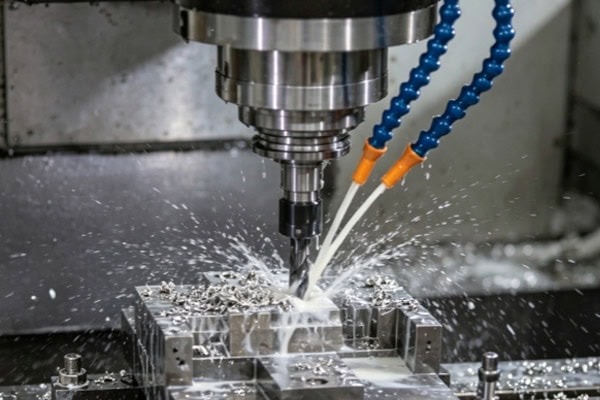
Deep cavity machining is highly susceptible to vibration. High-rigidity machines reduce tool deflection and vibration when using long cutting tools, improving machining quality in deep cavities. Improvements include:
- Higher dimensional accuracy
- Reduced machining errors
- Better surface quality
- Enhanced structural stability
- Increased acceptance rates
Stable equipment is better suited to handling complex machining challenges.
Supporting the Machining of Hard Materials
High-strength materials generate greater cutting loads.High-rigidity machine tools can withstand higher cutting forces while maintaining stable machining conditions.
Advantages of machining hard materials include:
- Improved machining reliability
- Reduced machine deformation
- Better dimensional control
- Increased tool utilization
- Support for specialized industry requirements
Enhanced machine performance expands the capability to process advanced engineering materials.
Improving Multi-Axis Machining Performance
Complex components often require coordinated multi-axis machining. During multi-axis operations, machine rigidity helps maintain precision across all motion axes. Benefits of multi-axis machining include:
- Improved quality of complex surfaces
- Reduced positioning errors
- Higher machining efficiency
- Better product consistency
- Support for high-precision manufacturing requirements
High-rigidity machines maximize the advantages of multi-axis technology, and the ability to machine complex structures has become a critical competitive advantage in modern manufacturing.
Conclusion
Although machine rigidity may not receive as much attention as control systems or cutting tools, it remains one of the most important factors influencing CNC milling quality. From dimensional accuracy and surface finish to tool life and the machining of complex components, rigidity affects nearly every stage of the machining process. For manufacturers pursuing high-quality production, highly rigid machines provide a more stable cutting environment while helping reduce errors, improve efficiency, and enhance product consistency. By continuously improving overall machine stability, companies can achieve more reliable machining performance and establish a solid foundation for producing complex components and high-end products.