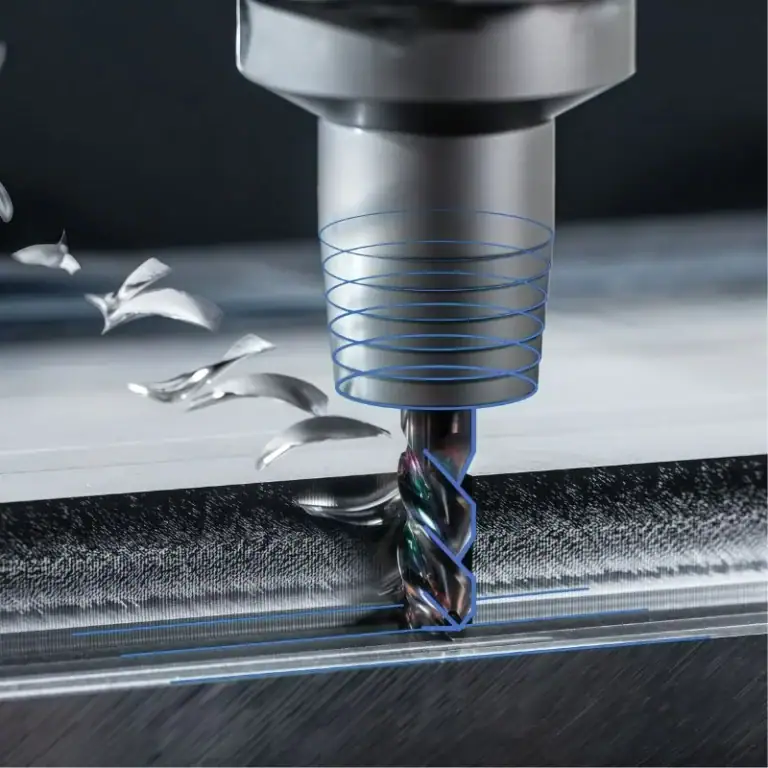
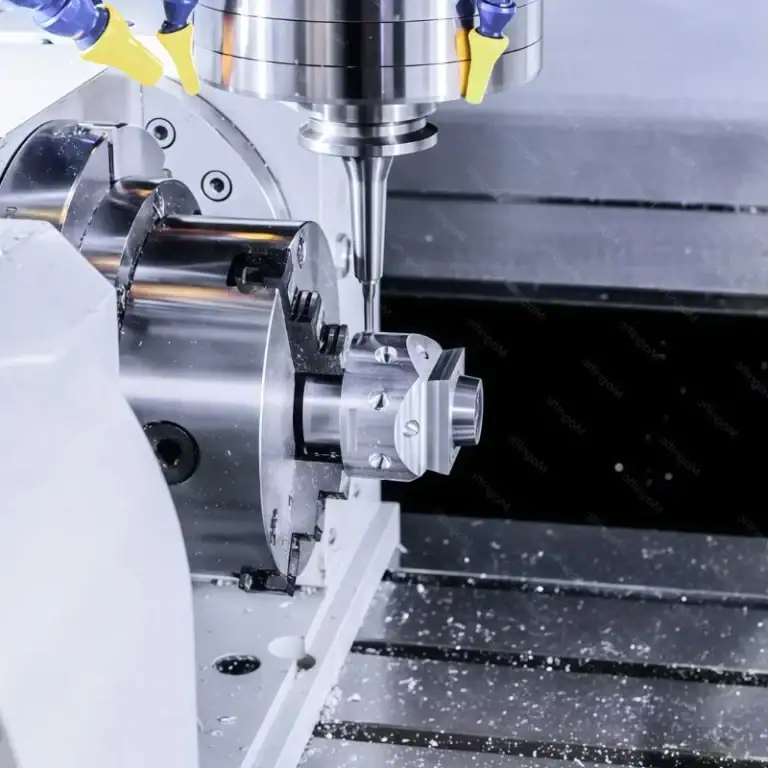
Aluminum plate vs sheet is mainly a comparison of thickness, strength, forming behavior, machining performance, and final application. Aluminum sheet is usually thinner and better for bending, forming, panels, enclosures, and lightweight covers, while aluminum plate is thicker and better for structural parts, CNC machining, fixtures, tooling plates, and load-bearing components.
This guide explains the main differences between aluminum plate and aluminum sheet, including thickness standards, production process, mechanical properties, surface finish, cost, common alloys, and best uses.
What Is An Aluminum Plate?
An aluminum plate is a thicker flat aluminum product used when a part needs higher strength, rigidity, load-bearing capacity, CNC machining stability, or structural performance. It is usually selected for heavy-duty components that must resist deformation during assembly, machining, or service.
Common Thickness Range Of Aluminum Plate
Aluminum plate is commonly defined as aluminum material thicker than6mm, or about0.25inch in many North American references. Chalco states that aluminum plate is defined as more than6mm in many markets, while North America often uses more than6.35mm or0.25inch.
In real purchasing, plate thickness can range from several millimeters to very thick sections for tooling, aerospace, marine, and heavy machinery applications. For CNC machining, the required plate thickness should include final part thickness, facing allowance, clamping allowance, and any flatness requirement after machining.
Main Features Of Aluminum Plate
The main features of aluminum plate are higher rigidity, better load-bearing capacity, stronger machining support, and better suitability for structural parts. It is selected when the part must hold holes, threads, pockets, flatness, and assembly surfaces more reliably than thin sheet.
Aluminum plate is usually better for machined brackets, equipment bases, tooling plates, molds, fixture plates, aerospace parts, marine structures, heavy panels, and industrial frames. It can also support tighter machining features because the material is thick enough to allow controlled cutting depth and stable clamping.
What Is An Aluminum Sheet?
An aluminum sheet is a flat aluminum product that is thinner than aluminum plate and commonly used for bending, forming, stamping, panels, covers, and lightweight fabricated parts. In many general industry references, aluminum sheet is commonly described as material below about6mm thick, although exact definitions may vary by region or standard.
Common Thickness Range Of Aluminum Sheet
Aluminum sheet is commonly defined as aluminum material with a thickness from about0.2mm to6mm. Worthwill lists aluminum sheet as usually ranging from0.2mm to6mm, while aluminum plate is usually greater than6mm.
In North American usage, the dividing line is often close to0.25inch, or about6.35mm. This is why some suppliers may define sheet and plate slightly differently. For procurement, always confirm the exact thickness, tolerance, alloy, temper, and applicable material standard before ordering.
Main Features Of Aluminum Sheet
The main features of aluminum sheet are light weight, good formability, smooth surface quality, easy cutting, and practical corrosion resistance. It is better for manufacturing processes where the material must be bent, stamped, rolled, punched, or formed into thin shapes.
Compared with plate, aluminum sheet is easier to handle and often more suitable for parts with large surface area but limited load requirement. It is commonly used for covers, cabinets, wall panels, vehicle panels, electronic housings, appliance shells, and decorative aluminum products.
Aluminum Plate Vs Sheet At A Glance
Aluminum plate vs sheet can be quickly understood this way: sheet is thinner and easier to form, while plate is thicker and stronger for machining and structural use. Thickness is the first difference, but the real selection should also consider load, surface finish, fabrication process, cost, and application.
| Requirement | Better Choice | Reason |
| Thin panels and covers | Aluminum Sheet | Easier to bend, cut, and form |
| Sheet metal enclosures | Aluminum Sheet | Better for fabrication and lightweight design |
| Decorative surfaces | Aluminum Sheet | Smooth surface and easier finishing |
| High load-bearing parts | Aluminum Plate | Higher rigidity and thickness |
| CNC machined components | Aluminum Plate | More stable for milling, drilling, and tapping |
| Fixture plates and tooling | Aluminum Plate | Better flatness, strength, and machining allowance |
| Lower weight panels | Aluminum Sheet | Thin section reduces material weight |
| Structural machine parts | Aluminum Plate | Better resistance to deformation |
Key Differences Summary
The key difference between aluminum sheet and aluminum plate is thickness, but that thickness changes strength, forming behavior, machining method, cost, weight, and application. Sheet focuses more on formability and surface quality, while plate focuses more on strength, toughness, and structural performance.
For simple selection, use aluminum sheet for thin formed parts and use aluminum plate for thick machined or load-bearing parts. If the design includes deep pockets, threaded holes, high clamping load, or flatness control, plate is usually safer.
Main Similarities Between Sheet And Plate
Aluminum sheet and aluminum plate are similar because both are flat aluminum stock forms produced from aluminum alloy materials. Both can be cut, machined, welded, anodized, painted, brushed, polished, and used across industrial, transportation, electronic, marine, and construction applications.
They can also share the same alloy family. Chalco lists common alloys for sheet and plate, including grades such as 5052, 6061, 6082, and 7075 in different product forms.
Core Difference: Thickness
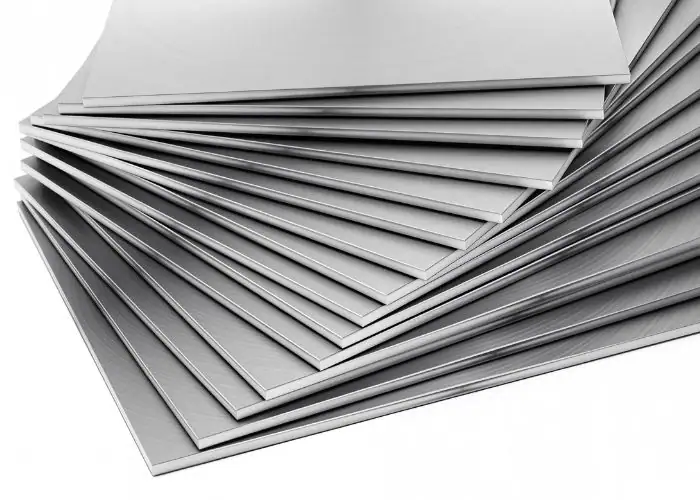
The core difference between aluminum plate and sheet is thickness. Aluminum sheet is usually thinner, while aluminum plate is thicker and more suitable for structural and machined components.
Standard Thickness Difference
The standard thickness difference is usually around6mm, or about0.25inch depending on the region. Worthwill lists aluminum sheet as0.2mm–6mm and aluminum plate as greater than6mm, while also noting an ASTM-related dividing line around0.249inch or about6.32mm.
This means a5mm aluminum product is usually treated as sheet in many markets, while an8mm or10mm product is usually treated as plate. However, buyers should not rely only on naming. A supplier’s stock category may vary by country, industry, and processing capability.
How Thickness Affects Strength And Weight
Thickness affects strength and weight because a thicker section is usually stiffer, heavier, and more resistant to bending than a thinner section of the same alloy. Aluminum plate can carry higher loads simply because it has more cross-sectional material.
For example, a6mm or10mm aluminum plate will usually be much more rigid than a1.5mm or3mm aluminum sheet. This matters for equipment bases, brackets, machine panels, structural supports, and components that must remain flat after machining or assembly.
How Thickness Affects Cost And Processing
Thickness affects cost and processing because thicker aluminum uses more material, takes longer to cut, may require heavier equipment, and often needs more machining time. Aluminum sheet is usually easier to shear, punch, bend, and form, while aluminum plate may require sawing, CNC machining, waterjet cutting, or heavy-duty milling.
The finished part cost depends on more than raw material price. Cutting method, tolerance, burr removal, machining allowance, flatness requirement, surface finish, and scrap rate can all change the final cost.
Measuring Aluminum Sheet And Plate Thickness
Aluminum sheet and plate thickness should be measured by the specified unit, tolerance, and standard rather than by product name alone. Some sheet products are measured by gauge, while plate is usually specified directly by millimeters or inches.
For international projects, millimeter thickness is often clearer than gauge because gauge can vary by material type. For CNC machining projects, thickness tolerance and flatness tolerance are especially important because they influence machining setup, final dimensions, and inspection results.
Different Raw Materials And Production Processes
Aluminum sheet and plate are both produced from aluminum alloy raw materials, but their production routes can differ after casting. Sheet is usually rolled thinner for formability and surface quality, while plate is rolled or forged thicker for strength and toughness.
Common Starting Point: Casting
The common starting point for aluminum sheet and plate is casting. Molten aluminum alloy is cast into ingots, slabs, or other semi-finished forms before further rolling, heat treatment, finishing, and packaging.
At this stage, alloy chemistry is already important. Elements such as magnesium, silicon, copper, manganese, and zinc can be added depending on whether the final product needs formability, corrosion resistance, high strength, heat treatment, or machining performance.
Aluminum Sheet Production Process
Aluminum sheet is usually produced by rolling aluminum into thinner gauges. It may be hot rolled first and then cold rolled to improve thickness control, surface smoothness, and dimensional accuracy.
Cold rolling can improve surface finish and thickness precision, but it also work-hardens the material. Depending on the alloy and temper, annealing may be used to restore ductility and make the sheet easier to bend, stamp, or deep draw.
Aluminum Plate Production Process
Aluminum plate is usually produced by hot rolling thick slabs to the required thickness, and some heavy-duty or critical plate products may use forging or special processing. This route focuses more on strength, toughness, internal quality, and performance under load.
For CNC machined parts, plate production quality matters because internal porosity, residual stress, and flatness can affect machining accuracy. A stable plate helps reduce warping, tool vibration, and dimensional movement after rough machining.
Rolling, Hot Rolling, Cold Rolling, And Forging Differences
Rolling reduces aluminum thickness by passing the material through rollers, while forging uses high pressure to shape and densify the material for high-performance applications. Worthwill describes sheet production as typically involving hot rolling and cold rolling, while heavy plate production may involve hot rolling and forging for critical strength requirements.
Hot rolling is useful for reducing thick slabs and producing plate or thicker sheet. Cold rolling is useful for thinner sheet with improved surface and dimensional control. Forging is used when the final part requires high strength, dense structure, and better internal integrity.
How Production Process Affects Performance
The production process affects performance by changing thickness control, surface quality, internal stress, grain structure, flatness, and mechanical behavior. Sheet production usually supports smooth surfaces and forming performance, while plate production supports strength and structural reliability.
For precision manufacturing, these differences matter. A formed enclosure needs bendability and surface appearance. A machined fixture plate needs stable thickness, internal quality, and resistance to deformation. The correct process route helps reduce defects before machining or fabrication begins.
Aluminum Plate Vs Sheet Properties
Aluminum plate vs sheet properties differ mainly because of thickness, alloy, temper, and production method. Sheet usually provides better formability and surface quality, while plate usually provides better rigidity, load capacity, and machining stability.
Mechanical Properties
Mechanical properties depend on alloy, temper, and thickness, but aluminum plate is usually selected for higher structural performance while aluminum sheet is selected for forming and lightweight fabrication. Worthwill summarizes sheet as focusing on formability and surface smoothness, while plate focuses on strength, toughness, and fatigue resistance.
For engineering design, tensile strength, yield strength, elongation, hardness, fatigue resistance, and flatness all matter. A thin sheet can be strong enough for a cover, but it may not be suitable for a threaded mounting plate or heavy bracket.
Strength And Load-Bearing Capacity
Aluminum plate usually has better load-bearing capacity than aluminum sheet because it is thicker and more rigid. When the same alloy is used, increasing thickness improves stiffness and resistance to bending.
This is why plate is often used for machine frames, mold plates, equipment bases, fixture plates, aerospace structures, marine decks, and industrial supports. Sheet is better for non-load-bearing or light-load applications such as covers, enclosures, panels, trim, and housings.
Formability And Bendability
Aluminum sheet usually has better formability and bendability than aluminum plate because it is thinner and easier to deform with standard sheet metal equipment. It is more suitable for bending, stamping, punching, rolling, and deep drawing.
Plate can be bent, but it needs more forming force, larger bend radii, and more careful control of alloy and temper. Thick plate bending may also require specialized equipment and may not be practical for all CNC or fabrication shops.
Thermal And Electrical Conductivity
Thermal and electrical conductivity depend more on alloy than on whether the product is sheet or plate. High-purity aluminum alloys usually provide better conductivity, while stronger alloyed grades may sacrifice some conductivity for strength.
For heat sinks, cooling plates, electrical panels, battery trays, and conductive components, thickness must be matched with alloy selection. A thick plate can improve heat spreading and mechanical support, while a thin sheet may be better for lightweight shields or enclosures.
Surface Finish And Appearance
Aluminum sheet usually provides better surface appearance for decorative and formed products, while aluminum plate may require additional machining or finishing when a precision surface is needed. Sheet is often used where smooth appearance, coating, brushing, polishing, or anodizing matters.
Plate may show rolling marks or surface variation, especially in thick stock. For CNC parts, surface finish is usually created by machining, sanding, blasting, brushing, anodizing, or coating after the part is cut.
Corrosion Resistance
Corrosion resistance depends mainly on alloy, environment, and surface treatment, not only on sheet or plate form. Aluminum naturally forms an oxide layer, but alloy elements, temper, coating, exposure, and galvanic contact can change durability.
For marine or outdoor sheet parts, alloys such as 5052 and 5083 are often reviewed. For structural machined parts, 6061 plate may be selected with anodizing or coating. The safest choice should consider moisture, salt spray, chemicals, fasteners, and service life.
Advantages And Disadvantages Of Aluminum Sheet
Aluminum sheet is advantageous when a part needs low weight, easy forming, good surface appearance, and efficient sheet metal fabrication, but it is less suitable for heavy load, thick sections, deep CNC pockets, and high structural rigidity.
Advantages Of Aluminum Sheet
The main advantages of aluminum sheet are light weight, strong formability, smooth surface, easy cutting, easier bending, and efficient production for large flat or formed parts. It can reduce material weight and simplify fabrication.
Aluminum sheet is also suitable for high-volume production because it can be cut, punched, stamped, folded, coated, and assembled efficiently. For decorative or visible parts, its surface finish can be easier to control than thick plate.
Disadvantages Of Aluminum Sheet
The main disadvantages of aluminum sheet are lower stiffness, lower load-bearing capacity, limited thickness, and higher risk of deformation under assembly load. Thin sheet may bend, warp, dent, or vibrate if it is used where a structural plate is required.
Sheet is also not ideal when the part needs deep threaded holes, thick bosses, heavy pockets, precision datum surfaces, or strong clamping resistance. In these cases, aluminum plate is usually a better starting material.
Best Manufacturing Conditions For Aluminum Sheet
Aluminum sheet is best used when the manufacturing process includes shearing, punching, bending, stamping, rolling, deep drawing, laser cutting, coating, or light welding. It performs best when the design uses thin sections and formed geometry instead of heavy machined features.
Before production, engineers should confirm sheet thickness, bend radius, grain direction, alloy, temper, coating, flatness, and cosmetic surface requirements. These details reduce cracking, oil canning, warping, and visible finish defects.
Advantages And Disadvantages Of Aluminum Plate
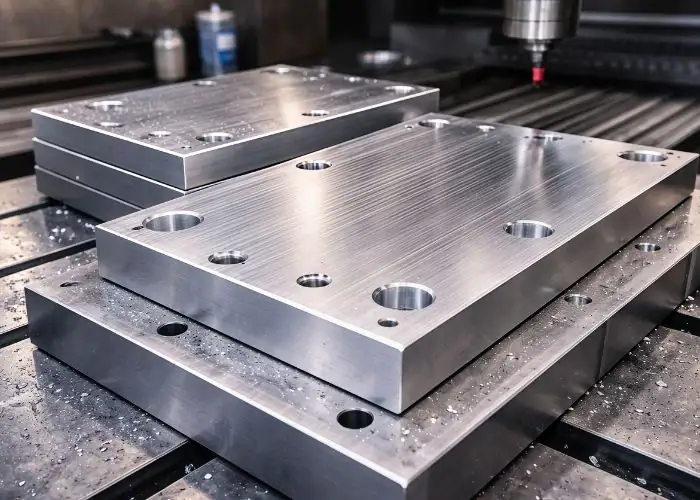
Aluminum plate is advantageous when a part needs strength, thickness, rigidity, CNC machining, and load-bearing performance, but it is heavier, more expensive, and harder to form than sheet.
Advantages Of Aluminum Plate
The main advantages of aluminum plate are higher rigidity, better load-bearing capacity, stronger machining support, and better suitability for structural applications. It can hold threads, pockets, holes, and assembly surfaces more reliably than thin sheet.
Plate also provides machining allowance, which helps create tight tolerance surfaces, flat mounting faces, counterbores, and precise assembly features. For prototypes, fixtures, automation parts, and equipment components, plate is often the more reliable stock form.
Disadvantages Of Aluminum Plate
The main disadvantages of aluminum plate are higher material cost, higher weight, longer cutting time, greater machining time, and more difficult forming. Thick plate often needs sawing, waterjet cutting, CNC milling services, or heavy-duty machining.
Plate may also require stress relief, roughing and finishing passes, or flatness control for precision parts. If the design only needs a thin cover or simple panel, plate can create unnecessary cost and weight.
Best Manufacturing Conditions For Aluminum Plate
Aluminum plate is best used when the manufacturing process includes CNC milling, drilling, tapping, boring, facing, pocketing, waterjet cutting, or structural assembly. It works well when the part needs thickness, flatness, stiffness, or reliable mechanical features.
For CNC machining projects, confirm alloy, temper, thickness tolerance, flatness, grain direction, internal stress condition, and finishing requirements. These details affect dimensional stability and final part quality.
Common Applications Of Aluminum Sheet
Aluminum sheet is commonly used for lightweight formed parts, panels, enclosures, decorative surfaces, transportation skins, appliance covers, packaging-related parts, and architectural products. Its best uses are applications where thin, flat, or formed geometry is more important than heavy structural load.
Sheet Metal Enclosures And Panels
Aluminum sheet is ideal for sheet metal enclosures and panels because it is easy to cut, bend, punch, and form. It is widely used for control cabinets, equipment covers, electronic housings, machine guards, and lightweight industrial panels.
For enclosures, bendability and surface finish often matter more than high tensile strength. A well-selected sheet alloy can reduce cracking, improve appearance, and simplify coating or anodizing.
Automotive And Transportation Parts
Aluminum sheet is used in automotive and transportation parts because it provides lightweight panels, covers, skins, shields, and formed components. It helps reduce vehicle weight while still offering practical corrosion resistance and fabrication performance.
Worthwill lists transportation-related sheet applications such as automobile bodies, train and subway outer shells, and luggage cases.
Electrical And Electronic Housings
Aluminum sheet is suitable for electrical and electronic housings because it is lightweight, easy to form, and compatible with common finishes. It can be used for laptop housings, device covers, control panels, lighting housings, and electrical cabinets.
For electronics, designers should consider conductivity, grounding, shielding, coating, corrosion resistance, and assembly method. If the housing needs machined bosses or thick mounting features, aluminum plate or machined inserts may be required.
Decorative And Architectural Parts
Aluminum sheet is often used for decorative and architectural parts because it has good surface appearance and can be brushed, polished, painted, anodized, or coated. It is suitable for signs, wall panels, ceiling panels, partitions, trim, and façade components.
Thin sheet allows designers to create large visible surfaces without excessive weight. However, surface scratches, flatness, coating uniformity, and installation support should be controlled for cosmetic applications.
Lightweight Formed Components
Aluminum sheet is best for lightweight formed components because it can bend and shape more easily than thick plate. It is used for covers, shields, trays, formed brackets, duct parts, and shallow drawn components.
For formed parts, alloy and temper are critical. Softer tempers improve formability, while stronger tempers may require larger bend radii or more controlled tooling to avoid cracking.
Common Applications Of Aluminum Plate
Aluminum plate is commonly used for structural parts, CNC machined parts, aerospace components, marine structures, tooling plates, machine bases, heavy equipment, and fixtures. Its best uses are applications where thickness, strength, rigidity, and machining stability matter.
Structural Parts And Load-Bearing Components
Aluminum plate is suitable for structural parts and load-bearing components because it provides the thickness and stiffness needed to resist bending, vibration, and assembly force. It can be used for brackets, supports, base plates, frames, and reinforced panels.
For structural projects, alloy selection is just as important as thickness. 6061, 6082, 5083, and 7075 plates may be considered depending on load, corrosion, weldability, and machining requirements.
CNC Machined Parts
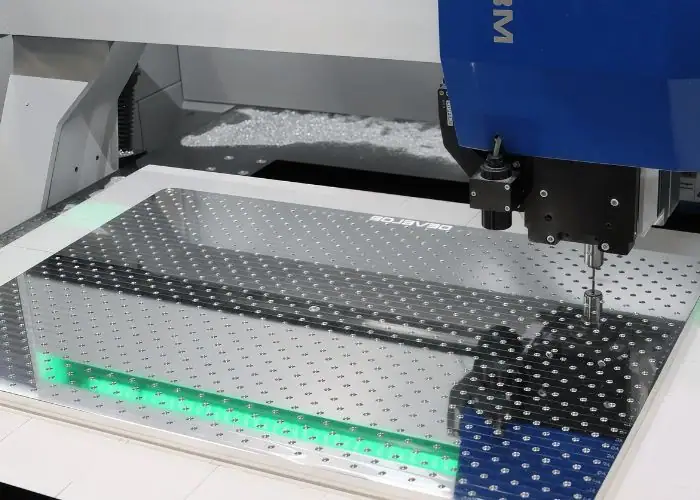
Aluminum plate is one of the most common starting materials for CNC machined parts because it provides enough thickness for pockets, holes, threads, counterbores, and precision surfaces. It supports stable clamping and repeatable machining.
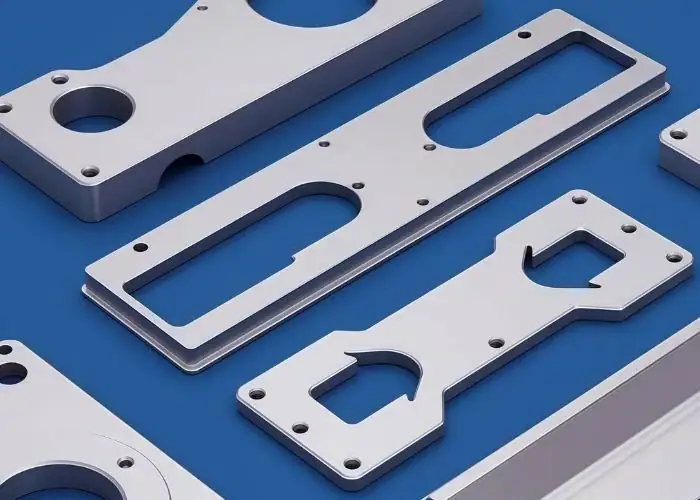
For CNC milling, plate is usually better than sheet when the part needs flatness, dimensional control, and detailed features. Common parts include housings, mounting plates, fixtures, brackets, adapter plates, tooling blocks, and automation components.
Aerospace And Marine Components
Aluminum plate is used in aerospace and marine components because it can provide structural strength, corrosion resistance, and thickness for load-bearing designs. Aerospace applications may use plate for frames, spars, fittings, and structural sections.
Marine applications may use plate for decks, hull parts, offshore structures, and reinforced equipment panels. For marine parts, corrosion-resistant alloys and proper surface treatment are important.
Industrial Equipment And Tooling Plates
Aluminum plate is used for industrial equipment and tooling plates because it provides rigidity, machining allowance, and assembly stability. It is suitable for machine platforms, inspection fixtures, jigs, test plates, molds, and support structures.
Tooling plates may require flatness control, stress relief, and consistent thickness. These requirements should be confirmed before machining to reduce rework and inspection problems.
Mold, Fixture, And Machine Base Applications
Aluminum plate is suitable for mold, fixture, and machine base applications because it can maintain shape under machining and assembly loads. It provides enough material for threaded holes, guide features, datum surfaces, and reinforcement ribs.
For precision bases and fixtures, 6061 or tooling-grade aluminum plates are often reviewed. Surface finishing, flatness, and heat treatment condition should be confirmed before production.
Common Alloy Selection For Aluminum Sheet And Plate
Common alloy selection for aluminum sheet and plate depends on strength, corrosion resistance, formability, machining, weldability, surface finish, and cost. The same alloy may be available in both sheet and plate forms, but its best use depends on thickness and temper.
1100 Aluminum Sheet And Plate
1100 aluminum is best for sheet applications that need excellent formability, conductivity, corrosion resistance, and surface appearance. It is not a high-strength alloy, so it is usually selected for non-structural parts.
In sheet form, 1100 can be used for reflectors, nameplates, decorative panels, cookware, chemical equipment, and lightweight formed parts. In plate form, it is less common for structural use because its strength is low.
3003 Aluminum Sheet And Plate
3003 aluminum is commonly used for sheet applications that need better strength than pure aluminum while keeping good formability and corrosion resistance. It is often selected for general sheet metal work.
Typical uses include tanks, covers, panels, duct parts, appliance components, and general formed products. It is more practical than 1100 when moderate strength is needed but heavy structural performance is not required.
5052 Aluminum Sheet And Plate
5052 aluminum is often used for sheet and plate parts that need good corrosion resistance, formability, and weldability. It is a strong choice for marine panels, enclosures, tanks, covers, and formed or welded assemblies.
For sheet metal fabrication, 5052 is often selected because it bends well and resists corrosion. For plate applications, it can be used where corrosion resistance matters more than maximum CNC machinability.
6061 Aluminum Sheet And Plate
6061 aluminum is widely used in plate form for CNC machining, structural parts, fixtures, brackets, frames, and industrial equipment. It offers a good balance of strength, machinability, corrosion resistance, availability, and cost.
6061 sheet can also be used, but 6061-T6 is not always ideal for tight bending. For machined aluminum plate components, 6061 is often one of the first materials engineers review.
7075 Aluminum Plate
7075 aluminum plate is used when high strength is required, especially in aerospace, tooling, and performance parts. It is much stronger than many general-purpose aluminum alloys but has lower corrosion resistance and weldability than some 5000 and 6000 series grades.
7075 is usually selected for high-load machined components rather than formed sheet metal parts. Cost, availability, machining stress, surface treatment, and inspection requirements should be reviewed carefully.
How Alloy Choice Changes Performance
Alloy choice changes performance because each aluminum grade has a different balance of strength, corrosion resistance, formability, machinability, weldability, conductivity, and surface finish. Thickness only defines sheet or plate, alloy defines how the material actually behaves.
For example, a thin 5052 sheet may bend well and resist corrosion, while a thick 6061 plate may machine well and carry load. The best selection must combine alloy, temper, thickness, and manufacturing process.
Cost Comparison: Aluminum Sheet Vs Plate
Aluminum sheet vs plate cost depends on thickness, alloy, temper, stock size, quantity, cutting method, machining time, finishing, inspection, and delivery requirements. Sheet is usually more efficient for thin formed parts, while plate is more cost-effective for machined structural parts.
Material Cost Difference
Material cost is usually higher for aluminum plate because plate uses more aluminum per part and may require thicker stock, tighter flatness, or specific alloy grades. Sheet can be more economical for lightweight panels and high-volume formed parts.
However, material cost should be compared by finished part function. A thin sheet may be cheaper, but it cannot replace plate when the part needs structural stiffness or deep machined features.
Processing Cost Difference
Processing cost differs because sheet and plate require different equipment and production methods. Sheet can often be sheared, punched, stamped, bent, or laser cut efficiently. Plate may require sawing, waterjet cutting, CNC milling, drilling, tapping, or heavy machining.
For CNC parts, plate may reduce risk because it supports stable clamping and accurate features. For formed parts, sheet may reduce cost because it is easier to bend and shape.
Weight, Thickness, And Transportation Cost
Weight, thickness, and transportation cost are connected because thicker aluminum plate is heavier than sheet for the same area. Plate may increase freight cost, handling requirements, and machine setup effort.
Sheet is easier to move, store, and process in large flat parts. Plate requires more careful handling, especially if flatness, surface condition, or edge protection matters.
Total Project Cost Considerations
Total project cost should include raw material, cutting, bending, machining, welding, finishing, inspection, packaging, freight, scrap, and rejection risk. The better material is the one that meets the performance requirement with the lowest total manufacturing risk.
For example, using thin sheet for a rigid machine base may lead to deformation. Using thick plate for a simple cover may waste cost and weight. The correct choice should follow the function of the part.
How To Choose Between Aluminum Sheet And Plate?
The choice between aluminum sheet and plate should be based on thickness, load, manufacturing process, alloy, surface finish, cost, and final application. Use sheet for formed lightweight parts and plate for machined or structural parts.
Choose Based On Application Requirements
Choose based on application requirements by selecting sheet for panels, covers, enclosures, decorative parts, and formed surfaces, and selecting plate for brackets, machine bases, fixtures, load-bearing parts, and thick machined components.
The part’s function should come before material habit. A cover does not need plate unless it carries load. A fixture should not use sheet if it needs threaded holes and flatness.
Choose Based On Mechanical And Structural Needs
Choose based on mechanical and structural needs by selecting plate when the part must resist bending, hold load, maintain flatness, or support assembly force. Select sheet when the part only needs light-duty coverage, forming, or surface protection.
Plate is usually better for mechanical stability. Sheet is usually better for weight reduction and fabrication speed. The wrong selection can create bending, vibration, distortion, or unnecessary cost.
Choose Based On Fabrication Or CNC Machining Process
Choose based on fabrication or CNC machining process by using sheet for bending, stamping, punching, rolling, and formed parts, and using plate for CNC milling, drilling, tapping, boring, and precision machining.
For CNC machining, plate allows machining allowance and stable clamping. For sheet metal fabrication, sheet allows efficient bending and forming. This process-first approach reduces rework.
Choose Based On Weight Requirements
Choose based on weight requirements by selecting sheet when reducing weight is critical and the part does not need heavy structural strength. Select plate when weight is acceptable and rigidity or machining depth is required.
Lightweight sheet is useful for transportation, covers, panels, and enclosures. Thicker plate is useful when mechanical stability matters more than mass reduction.
Choose Based On Surface Finish And Aesthetics
Choose based on surface finish and aesthetics by selecting sheet for large visible surfaces and selecting plate when the final surface will be machined, brushed, anodized, or coated after CNC processing.
If the part is cosmetic, confirm grain direction, surface protection film, coating compatibility, scratch control, and anodizing consistency. If the part is machined, confirm final tool marks, flatness, deburring, and finishing method.
Choose Based On Cost, Quantity, And Delivery Time
Choose based on cost, quantity, and delivery time by checking stock availability, required thickness, alloy, temper, machining hours, forming steps, surface treatment, and delivery schedule. Availability can strongly affect both price and lead time.
For high-volume formed parts, aluminum sheet is often more efficient. For low-volume precision machined parts, aluminum plate is often more practical. A DFM review before production can prevent costly material mistakes.
FAQs
Is Aluminum Stronger Than Sheet Metal?
Aluminum is not automatically stronger than sheet metal because sheet metal is a product form, not one specific material. Sheet metal can be aluminum, mild steel, stainless steel, copper, or brass. For example, 6061-T6 aluminum has about310MPa tensile strength, while mild steel sheet can reach about400–550MPa depending on grade. Aluminum is lighter, with a density around2.7g/cm³, but steel sheet is usually stronger in direct strength comparison.
Is Sheet Metal The Same As Aluminum?
Sheet metal is not the same as aluminum. Sheet metal means a thin, flat metal product, while aluminum is a material type. Aluminum can be made into sheet metal, but sheet metal can also be made from steel, stainless steel, copper, brass, titanium, or galvanized steel. In manufacturing, aluminum sheet is preferred for lightweight panels, enclosures, and corrosion-resistant parts, while steel sheet is often used when higher strength or lower cost is required.
Is Sheet Metal Cheaper Than Aluminum?
Sheet metal can be cheaper than aluminum if it is made from mild steel or galvanized steel. Aluminum sheet is usually more expensive per kilogram than common steel sheet, but it is about one-third the density of steel. This means aluminum can reduce part weight and shipping load. The final cost depends on thickness, alloy, quantity, cutting, bending, finishing, corrosion protection, and application. For lightweight or corrosion-resistant parts, aluminum may still be more cost-effective.
Can Aluminum Be Sheet Metal?
Aluminum can be sheet metal when it is rolled into thin, flat sheets for fabrication. Common aluminum sheet thickness is usually below about6mm, while thicker flat stock is usually called aluminum plate. Aluminum sheet is widely used for enclosures, panels, covers, appliance parts, automotive skins, signs, and decorative components. Grades such as 1100, 3003, 5052, and 6061 are common, with 5052 often used for bending and 6061 used when more strength is needed.
Conclusion
Aluminum sheet and aluminum plate are both useful flat aluminum materials, but they are not interchangeable in every project. Sheet is better for thin, lightweight, formed, decorative, and enclosure-type parts. Plate is better for thicker, stronger, machined, structural, and load-bearing components. The right choice depends on thickness, alloy, temper, strength, formability, machining needs, surface finish, cost, and final application.
At TiRapid, we provide precision CNC machining and manufacturing services for custom aluminum parts across multiple industries. If your project requires aluminum sheet parts, aluminum plate machining, prototype development, five-axis CNC machining, surface finishing, or DFM support, our team can help evaluate the best aluminum stock form, alloy, thickness, and manufacturing route for your final part.