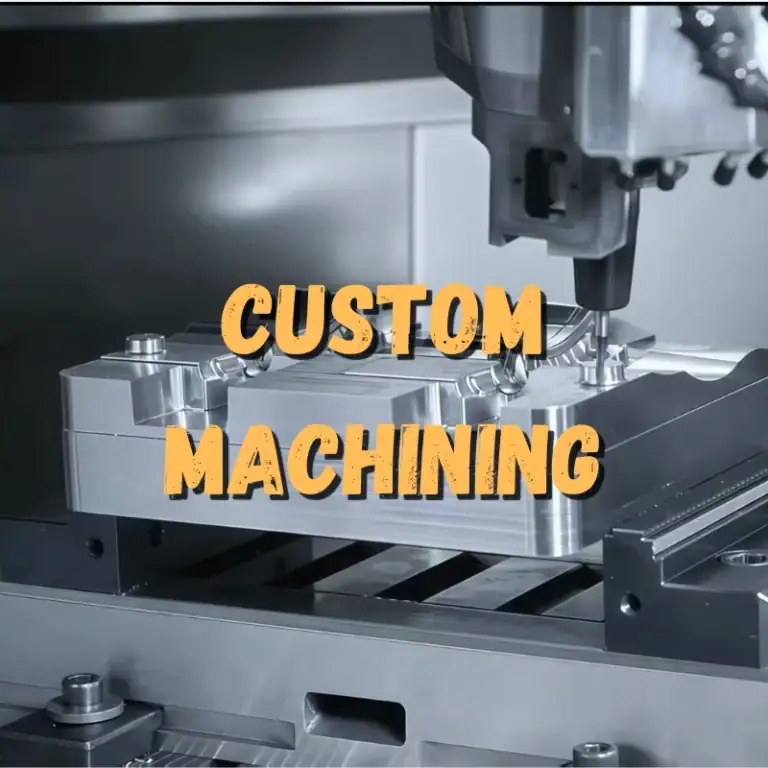
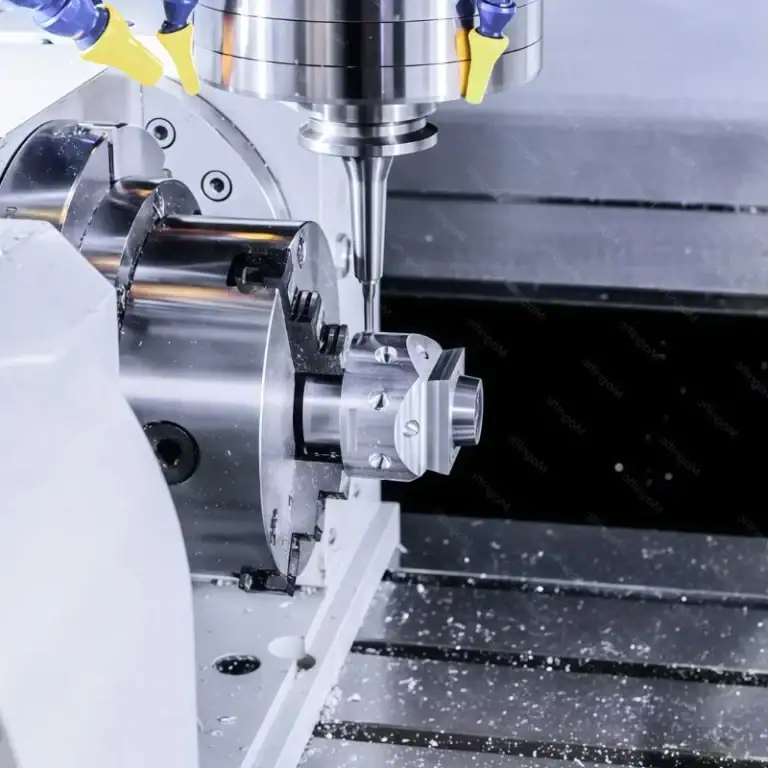
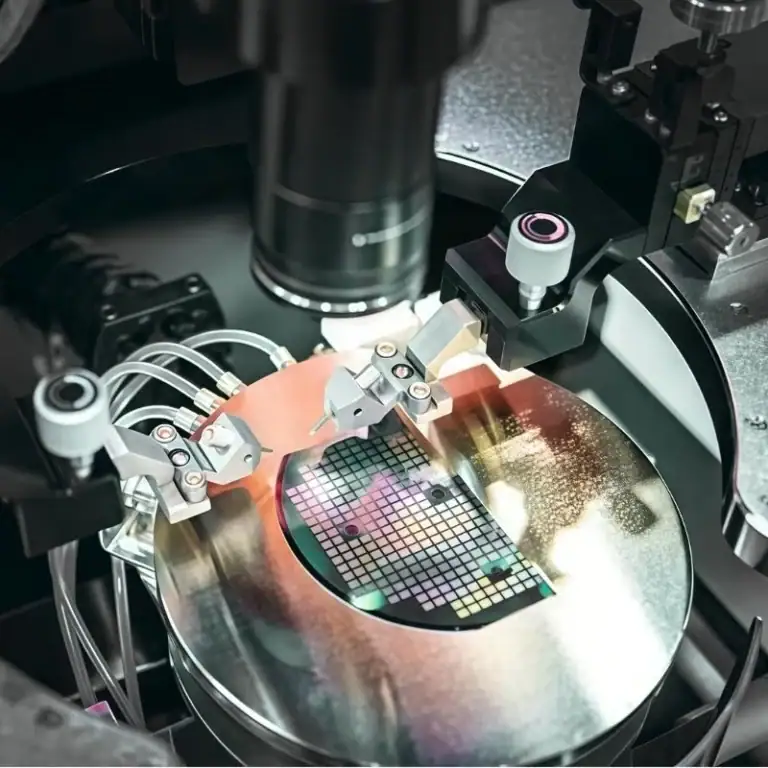
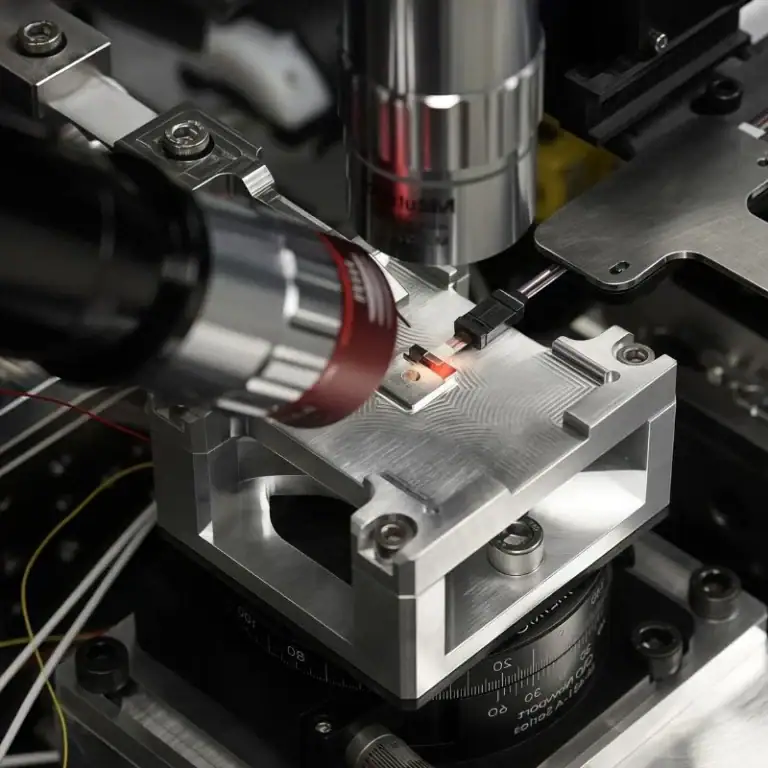
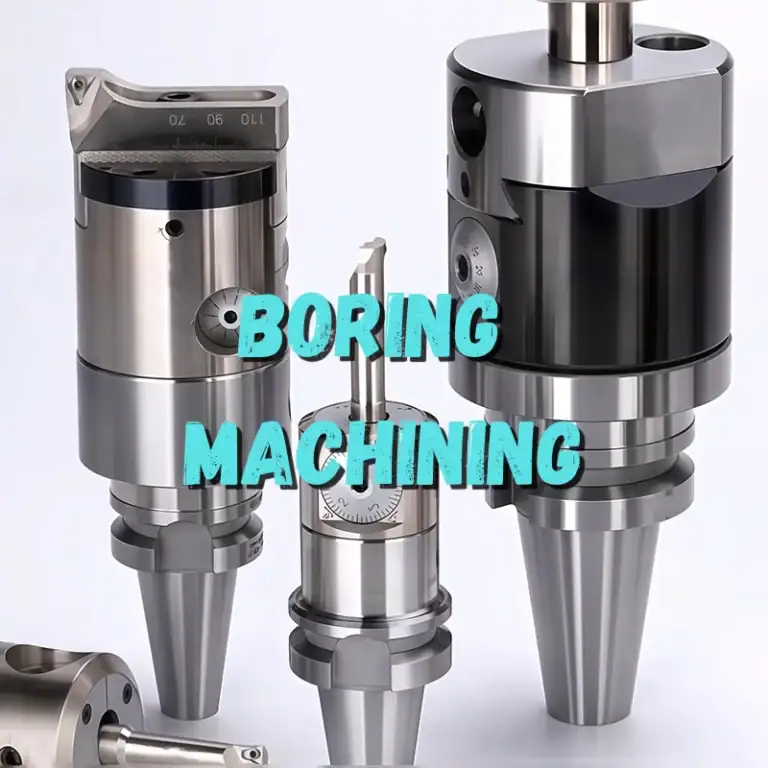
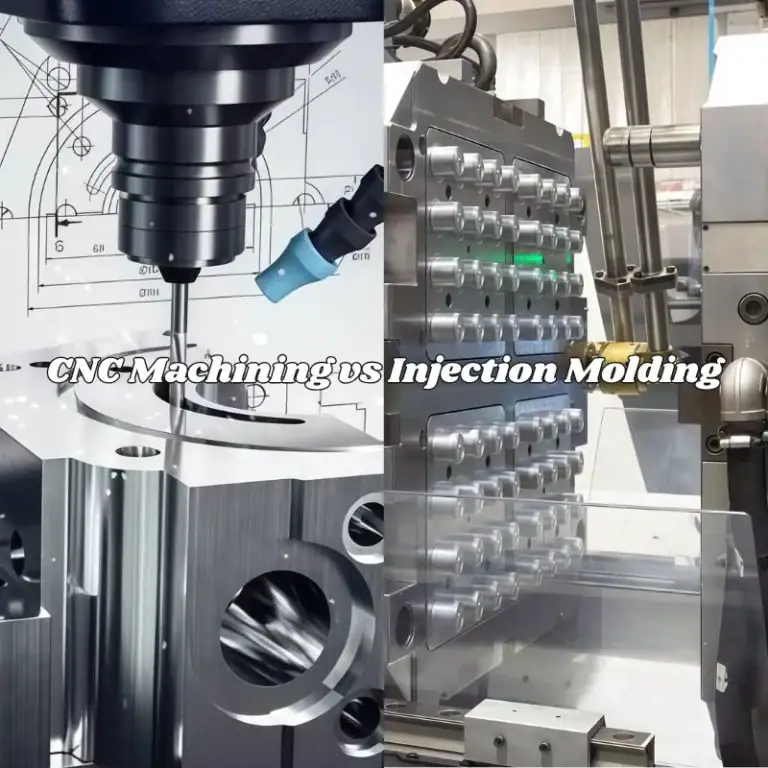
As industrial equipment continues to evolve toward higher performance and greater reliability, more and more companies are using high-temperature plastic sheets to replace certain metal components. Compared with conventional plastics, high-temperature plastics can withstand elevated operating temperatures for extended periods while maintaining excellent mechanical strength, corrosion resistance, and dimensional stability. As a result, they are widely used in aerospace, semiconductor equipment, medical devices, electronics and electrical systems, and automation equipment. With its advantages of high precision and flexibility, CNC machining has become an important manufacturing method for high-temperature plastic components.
What Are High-Temperature Plastic Sheets?
High-temperature plastic sheets refer to engineering plastic materials that can maintain stable performance over long periods in elevated-temperature environments. Compared with standard plastics, these materials offer superior heat resistance, higher mechanical strength, and better dimensional stability, making them suitable for demanding industrial applications.
What Are High-Temperature Plastic Sheets?
In industrial manufacturing, many types of equipment operate continuously under high-temperature conditions. Conventional plastics may soften, deform, or even fail under such environments, whereas high-temperature plastics can maintain structural stability, making them an important material choice for many critical components.
Common high-temperature plastics include:
- PEEK
- PEI
- PPS
- PAI
- PSU
These materials typically possess high heat deflection temperatures and excellent long-term thermal resistance.
Why Are High-Temperature Plastics Suitable for Precision Machining?
In addition to their excellent heat resistance, high-temperature plastics also offer good machinability. For products requiring tight dimensional control and complex structural designs, CNC machining can achieve excellent machining results.
Their advantages mainly include:
- Good dimensional stability
- Higher strength than conventional plastics
- Excellent wear resistance
- Low risk of deformation after machining
Therefore, they are widely used in the production of high-end equipment components.
Common Application Areas of High-Temperature Plastic Sheets
With the advancement of industrial technology, high-temperature plastic sheets have become widely used across numerous industries.
Common applications include:
- Semiconductor equipment components
- Aerospace parts
- Medical device components
- Automation equipment accessories
- Electrical insulation structures
- Mechanical parts used in high-temperature environments
These industries often have demanding requirements for both material performance and machining precision.
How Are High-Temperature Plastic Sheets CNC Machined?
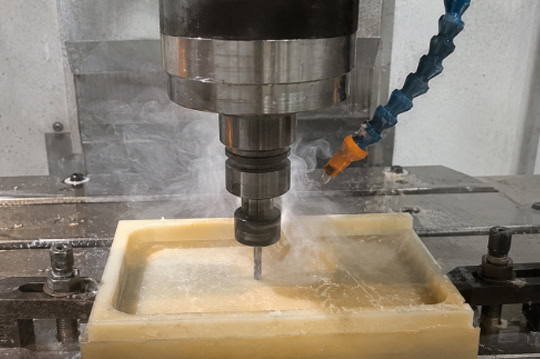
The CNC machining process for high-temperature plastic sheets is similar to that of conventional plastics. However, because these materials are more expensive and possess specialized properties, stricter process control is required. The complete machining process generally includes material preparation, programming, CNC machining, inspection, and delivery.
Material Selection and Preparation
Before machining begins, the appropriate high-temperature plastic material must be selected according to the product’s operating environment.
For example:
- PEEK for high-temperature environments
- PEI for electrical insulation applications
- PPS for chemically corrosive environments
After material selection, the sheet’s flatness, dimensions, and surface condition must be inspected to ensure compliance with machining requirements.
Product Drawing Analysis and Programming
Before machining, engineers develop a machining strategy based on the customer’s drawings.
- The main considerations include:
- Tool selection
- Machining sequence planning
- Cutting parameter settings
- Toolpath design
Proper programming not only improves machining efficiency but also reduces material waste.
Rough Machining and Finishing
High-temperature plastics are typically machined using a staged process.
The rough machining stage mainly focuses on:
- Removing excess material
- Machining the basic contour
- Forming the primary structure
The finishing stage focuses on:
- Product dimensions
- Hole position accuracy
- Surface quality
- Assembly features
Through multiple machining operations, the part gradually approaches its final dimensions.
Inspection and Post-Processing
After machining is completed, comprehensive quality inspection is required.
Inspection items typically include:
- Length, width, and height dimensions
- Hole diameter accuracy
- Flatness
- Surface roughness
- Visual appearance quality
Some products also undergo deburring, cleaning, and packaging before delivery to the customer.
What Are the Technical Considerations in CNC Machining High-Temperature Plastic Sheets?
Although high-temperature plastics offer excellent performance, many technical details must still be carefully managed during machining. Otherwise, product quality and dimensional stability may be affected.
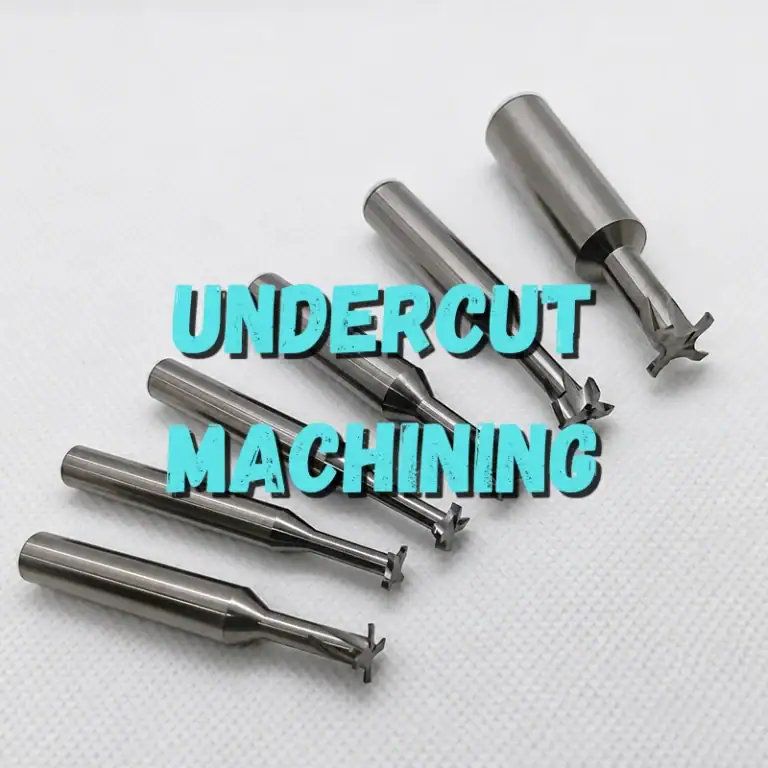
Proper Tool Selection
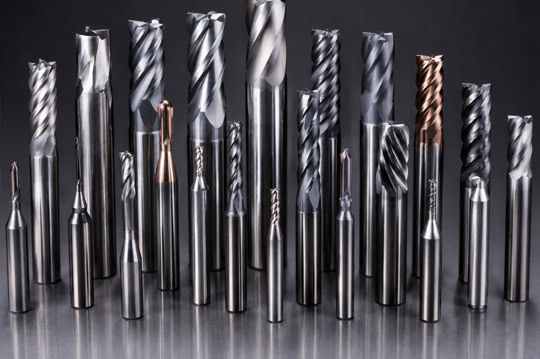
Due to the relatively high strength of high-temperature plastics, suitable cutting tools must be selected.
Common tools include:
- Carbide cutting tools
- Diamond-coated cutting tools
- High-sharpness single-flute cutters
Sharp tools reduce cutting resistance, minimize surface damage, and improve machining quality.
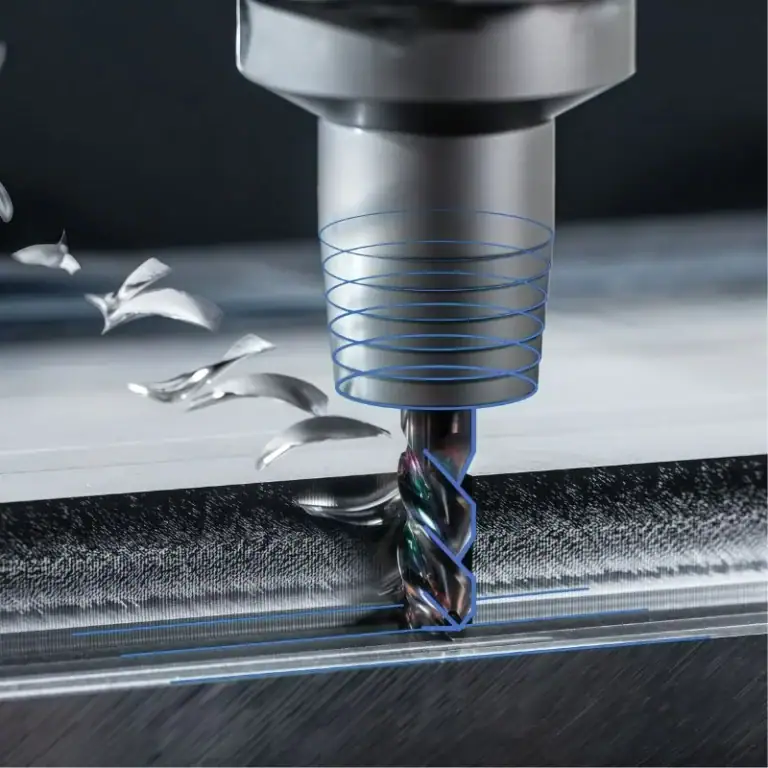
Controlling Cutting Heat
Although high-temperature plastics possess strong heat resistance, localized heat buildup can still affect dimensional accuracy.
Common methods used during machining include:
- High-speed cutting
- Appropriate feed rates
- Layered machining
- Compressed-air cooling
These measures help reduce heat accumulation and improve machining stability.
Preventing Internal Stress Release
Some high-temperature plastic sheets may contain residual internal stresses from the manufacturing process.If excessive material is removed in a single operation, the following problems may occur:
- Warping deformation
- Dimensional deviations
- Reduced flatness
Therefore, manufacturers commonly use:
- Multi-stage machining
- Finishing with machining allowance
- Annealing when necessary
- These methods help improve dimensional stability.
- Ensuring Surface Quality
For medical and semiconductor equipment components, surface quality is often extremely important.
Common optimization methods include:
- Using high-precision cutting tools
- Optimizing machining paths
- Reducing vibration
- Adding additional finishing operations
With proper process control, smooth and uniform machined surfaces can be achieved.
Frequently Asked Questions
Q1: Are high-temperature plastic sheets more difficult to machine than standard plastics?
A: Generally, yes. High-temperature plastics have higher strength and therefore require more demanding tooling and machining parameters.
Q2: Are high-temperature plastics prone to deformation after machining?
A: If the machining process is properly controlled, deformation is usually minimal. However, internal stress release should still be considered for thick sheets or large components.
Q3: Which high-temperature plastics are most suitable for CNC machining?
A: PEEK, PEI, and PPS are among the most commonly used high-temperature plastics today, offering excellent machinability and overall performance.
Q4: What level of machining accuracy can be achieved with high-temperature plastics?
A: The achievable accuracy depends on the product structure and dimensional requirements, but generally meets the needs of precision industrial components.
Q5: Can high-temperature plastics replace metal?
A: In many lightweight, insulating, and corrosion-resistant applications, high-temperature plastics have successfully replaced certain metal components.
Conclusion
In conclusion
CNC machining of high-temperature plastic sheets is a manufacturing method that combines precision, efficiency, and flexibility. Compared with traditional metal machining, high-temperature plastics are lighter in weight while offering outstanding heat resistance, corrosion resistance, and insulation properties. As a result, they are receiving increasing attention throughout the industrial manufacturing sector.For product development, low-volume production, and precision component manufacturing, CNC machining allows manufacturers to fully utilize the performance advantages of high-temperature plastic materials.Because different materials possess different machining characteristics, every step—from material selection and tooling configuration to cutting parameter optimization—must be carefully controlled.Only by combining appropriate machining processes with proper material selection can manufacturers produce components with stable dimensions, excellent surface quality, and performance that meets application requirements.