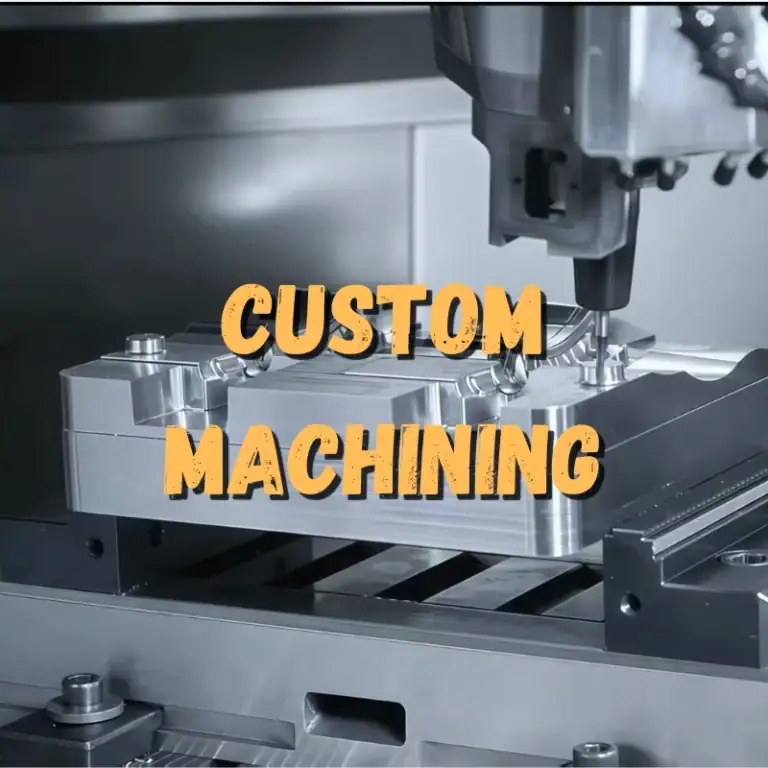
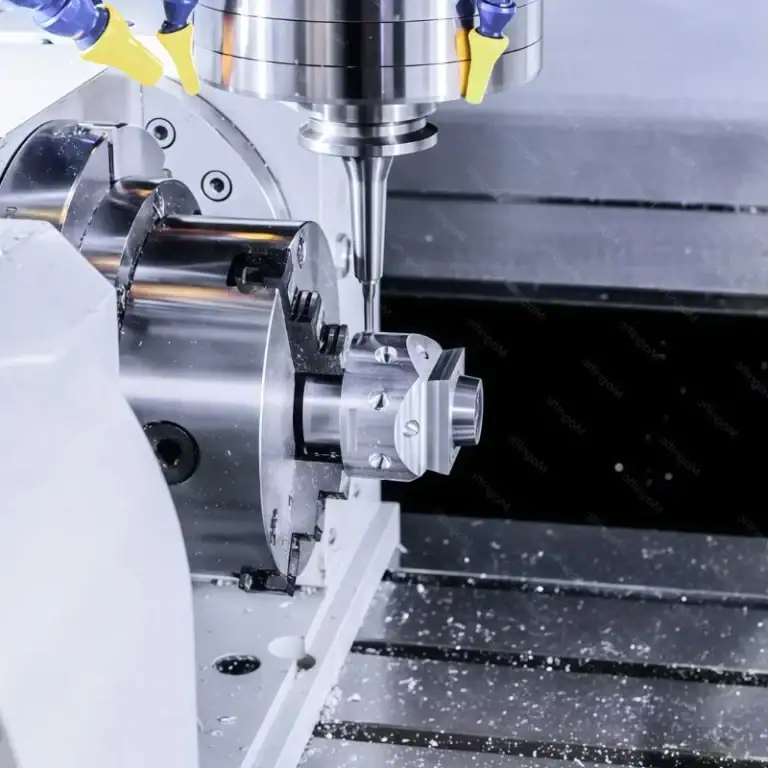
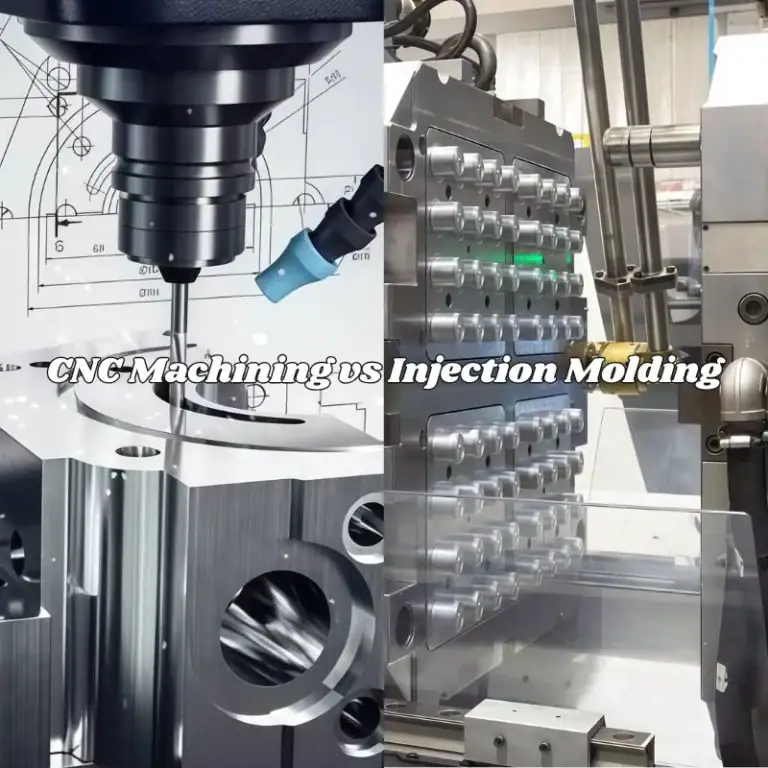
As industrial automation continues to advance, more and more equipment is adopting plastic parts to replace certain metal components. Compared with traditional metal materials, engineering plastics are not only lighter in weight, corrosion-resistant, and electrically insulating, but they also help reduce operational noise and maintenance costs. Consequently, plastic parts are increasingly used in automated production lines, robotic equipment, conveyor systems, inspection devices, and semiconductor equipment. To ensure these parts maintain long-term stable performance, precision control, material selection, and process optimization during CNC machining become especially critical. So, what are the CNC machining requirements for plastic parts in automation equipment?
Characteristics of Plastic Parts in Automation Equipment
Plastic parts in automation equipment typically serve functions such as support, guidance, insulation, transmission, or protection. Therefore, they demand high material performance and machining quality. Compared with ordinary plastic products, these parts place greater emphasis on precision, stability, and service life.
Why Do Automation Devices Use Plastic Parts?
With the trend toward lighter and more precise equipment, many automated devices increasingly use engineering plastics instead of some metal components. This approach not only reduces equipment weight but also improves operational performance. Key advantages include:
- Lighter weight
- Good wear resistance
- Excellent insulation
- Strong corrosion resistance
- Reduced operational noise
As a result, plastic parts are commonly found in many automated systems.
Common Plastic Parts in Automation Equipment
Different devices use different types of plastic components, which often require high machining precision and dimensional stability.
Common parts include:
- Guideway sliders
- Gear assemblies
- Insulating brackets
- Positioning blocks
- Limit devices
- Conveyor components
- Robotic grippers
- Protective cover structures
These parts are usually required to operate continuously for long periods, making machining quality extremely important.
Common Plastic Materials for Automation Equipment
To meet diverse operational requirements, automation equipment typically uses stable engineering plastics. Common materials include:
- POM (Polyoxymethylene)
- PEEK (Polyether Ether Ketone)
- PEI (Polyetherimide)
- Nylon (PA)
- UHMWPE (Ultra-High-Molecular-Weight Polyethylene)
- PTFE (Polytetrafluoroethylene)
Different materials are chosen based on their intended environment and functional requirements.
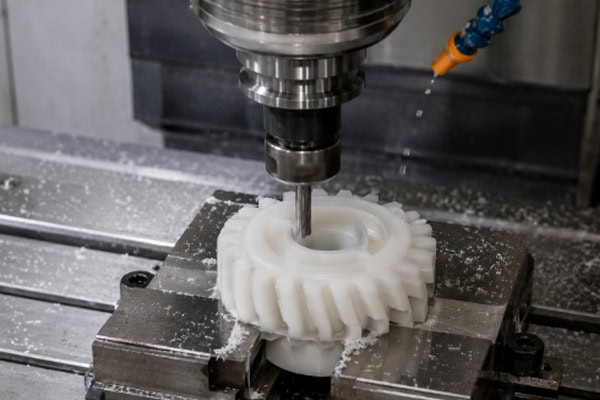
CNC Machining Steps for Plastic Parts in Automation Equipment
Plastic parts in automation equipment often need to withstand long-term mechanical loads. Therefore, each step in the CNC machining process must strictly control process parameters and machining accuracy. Important stages include:
Material Preparation and Preliminary Inspection
Before machining, suitable engineering plastics must be selected, and sheets or rods undergo preliminary inspection. Inspections include flatness, thickness uniformity, and surface defect checks to ensure the parts do not warp or get damaged during machining. Engineers may also perform pre-treatment such as annealing or cleaning to reduce the risk of deformation caused by internal stresses.
Programming Design and Tool Selection
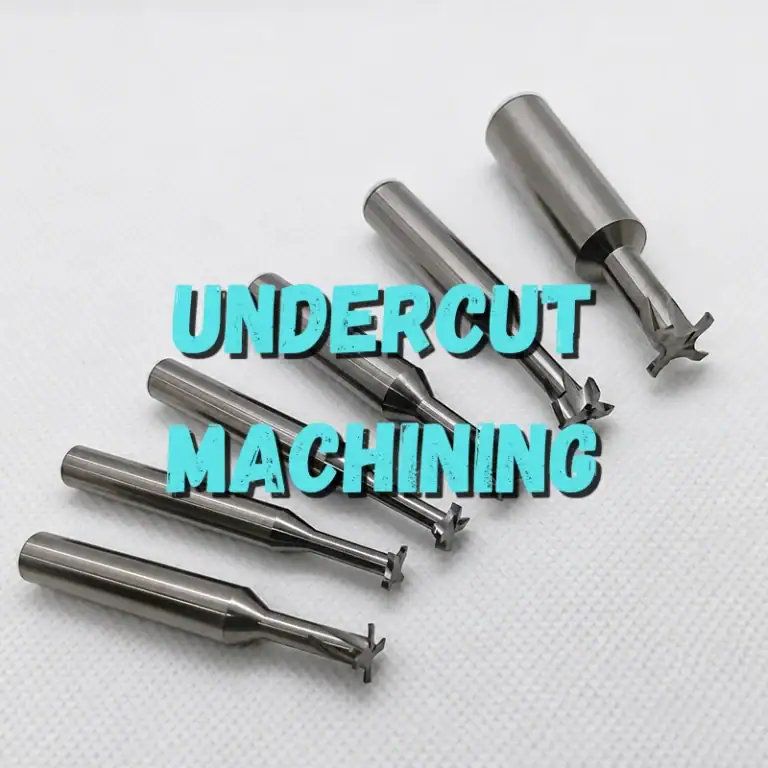
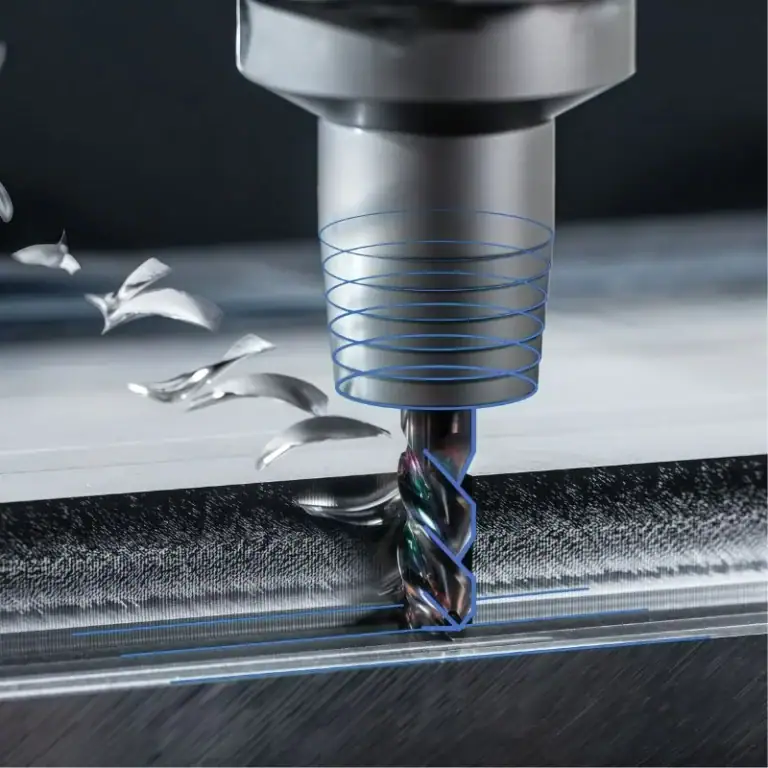
Once the material is confirmed, CNC programming is performed according to the customer’s drawings and the part’s function. Engineers plan toolpaths, cutting sequences, feed rates, and spindle speeds while selecting appropriate tooling. High-precision parts often use carbide or diamond-coated tools, while sliding or contact surfaces require sharp single-flute cutters to ensure smooth finishes. Proper programming and tool selection minimize vibration and heat accumulation, ensuring part accuracy.
Rough Machining and Finishing
CNC machining is generally divided into roughing and finishing stages. Rough machining quickly removes excess material to form the basic part shape. Finishing focuses on dimensional accuracy, hole positioning, and surface quality. Complex parts may require layered cutting or multiple setups to ensure deep holes, slots, or irregular structures meet design specifications. Continuous monitoring of machine status and cutting temperature is essential to prevent localized overheating, warping, or surface burning.
Inspection and Post-Processing
After machining, parts undergo thorough inspection, including dimensional tolerances, hole precision, flatness, and surface roughness. High-precision parts may also require deburring, chamfering, or cleaning to ensure smooth assembly and long-term stability. Only parts that pass inspection are packaged and shipped, making this the final checkpoint for CNC machining quality.
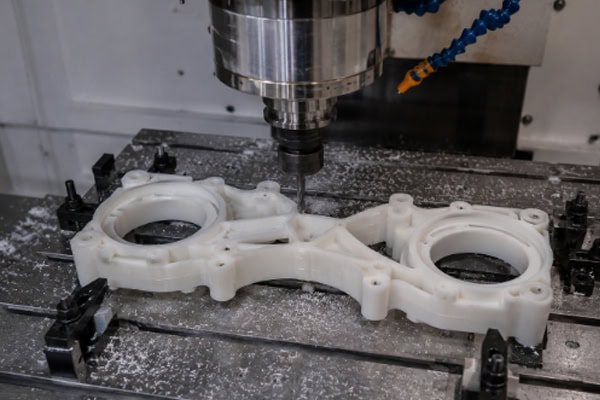
CNC Machining Requirements for Plastic Parts in Automation Equipment
Plastic parts in automation equipment must fit precisely with guideways, bearings, and motors, demanding very high dimensional accuracy. Hole diameters, spacing, and clearance must be tightly controlled to prevent friction, noise, or assembly issues. Heat and internal stress can arise during machining; if cutting sequence or material removal is not properly managed, parts may warp or deform. Solutions include staged cutting, finishing with machining allowance, and, when necessary, annealing to ensure dimensional stability. Surface quality significantly impacts part longevity, particularly for sliding or contact surfaces, which require optimized tooling, reduced vibration, and finishing for smooth, uniform surfaces. Hole alignment and assembly precision must meet coaxiality, perpendicularity, and dimensional consistency requirements. For batch production, every part must meet consistent dimensions to ensure stable equipment operation.
Frequently Asked Questions
Q1: Why do plastic parts in automation equipment require such high precision?
A: Many parts must interface with guideways, bearings, or motors, and insufficient precision directly affects equipment performance.
Q2: Can plastic parts replace metal components?
A: In many cases, yes. Engineering plastics offer clear advantages in insulation, corrosion resistance, weight reduction, and noise reduction.
Q3: Which plastics are most suitable for automation equipment?
A: POM, PEEK, and Nylon are commonly used; the choice depends on the specific operating conditions of the equipment.
Q4: Will plastic parts deform after machining?
A: Improper process control may lead to deformation. Staged machining and stress management are typically applied to prevent this.
Q5: Are plastic parts suitable for small-batch custom production?
A: Yes. CNC machining requires no molds, allowing fast production of prototypes and small batches.
Conclusion
Although plastic parts may not appear as “robust” as metal components, they play an increasingly important role in modern industrial manufacturing. As automation equipment demands higher precision, efficiency, and reliability, machining quality of plastic parts becomes a critical factor affecting overall performance. For CNC machining, it is not sufficient to simply shape the part; dimensional accuracy, hole precision, surface quality, and long-term dimensional stability must all be carefully controlled.