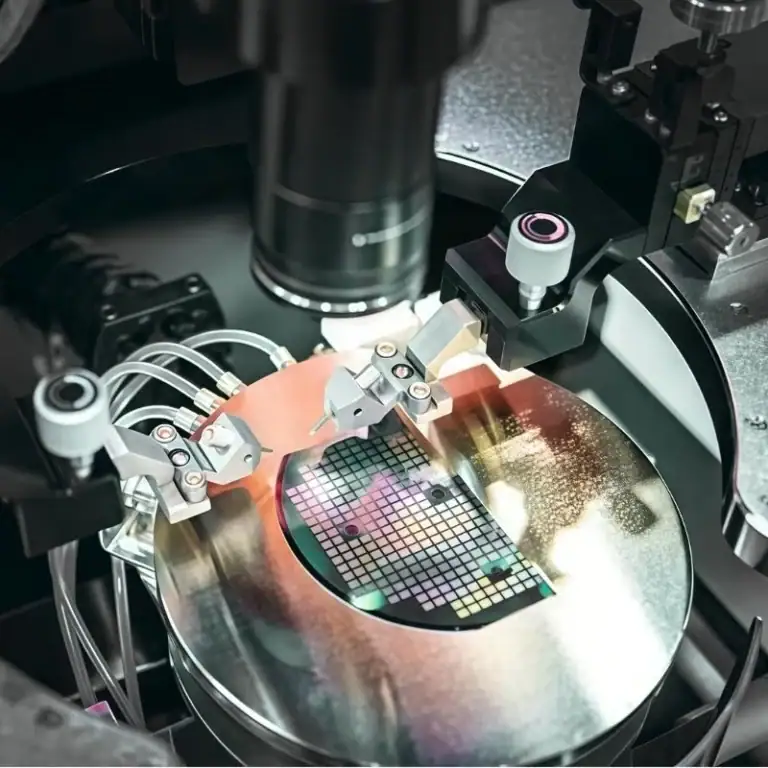
In ordinary machining environments, temperature changes are often overlooked. However, in precision machining, temperature directly affects whether a part can meet its final tolerance requirements. As manufacturing continues moving toward micron-level and even higher precision, environmental factors that were once considered minor have become critically important — especially temperature fluctuation.In industries such as aerospace, medical devices, optical components, and high-end mold manufacturing, even a temperature variation of just 1°C can cause noticeable dimensional deviation. For this reason, a temperature-controlled workshop is no longer simply a “high-end feature,” but an essential foundation for stable precision manufacturing.
Temperature Changes Directly Affect Machining Accuracy
Many dimensional deviations and instability problems in machining are not caused by the machine itself, but by environmental temperature fluctuations.
Thermal expansion and contraction change part dimensions
- Almost all metal materials expand when temperature rises and contract when temperature falls
- In conventional machining, these changes may seem insignificant, but in micron-level machining even tiny dimensional shifts can exceed tolerance limits
- Long components are especially sensitive because thermal expansion increases with overall length
- Materials such as aluminum alloys have high thermal expansion coefficients, making them more vulnerable to environmental temperature changes
- For precision assembly parts, even slight thermal deformation can affect final assembly performance
Machine tools themselves are affected by temperature
- High-speed spindle rotation continuously generates heat during machining
- Guide rails, ball screws, and transmission components expand slightly when heated, affecting motion accuracy
- Thermal deformation in machine structures usually accumulates gradually, making it difficult to detect immediately
- If workshop temperatures differ significantly between day and night, the same machining program may produce different dimensional results
- The higher the machine precision, the more obvious the temperature influence becomes
Tool conditions fluctuate with temperature
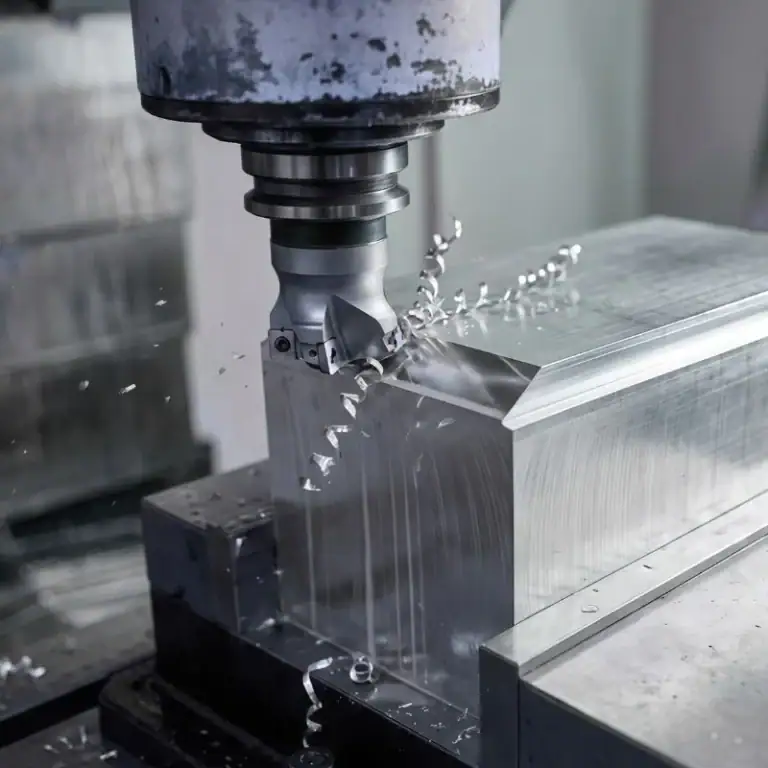
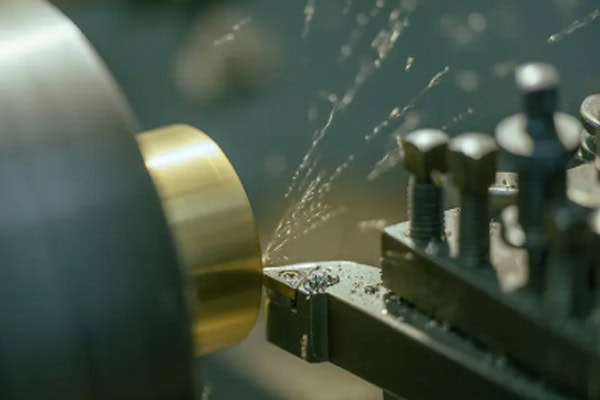
- High-speed cutting generates significant heat, especially when machining hard materials
- Heated cutting tools may slightly expand in length, affecting actual cutting depth
- Unstable temperatures can also change tool wear rates and reduce machining consistency
- Inconsistent cooling systems may create localized overheating and shorten tool life
- In micro-machining, even tiny tool changes directly affect surface quality and dimensional precision
Inspection results are also temperature-sensitive
- Precision measuring equipment is highly sensitive to environmental temperature
- A freshly machined workpiece may produce different measurements before and after cooling
- Differences between machining area temperature and inspection area temperature can create measurement errors
- Some high-precision industries require parts to stabilize before measurement to ensure reliable inspection data
Many companies believe their “machines are unstable,” while the actual issue often comes from poor temperature control.
A Temperature-Controlled Environment Improves Overall Stability
Precision manufacturing is not only about producing accurate parts once, but about maintaining stable and repeatable results over time.
Improves consistency in batch production
- A stable environment reduces dimensional drift during different production periods
- Batch-produced parts are easier to maintain within the same tolerance range
- Less machine recalibration and parameter compensation are required
- Stable environments significantly improve automated production consistency
- In high-precision assembly industries, consistency is often more important than single-part accuracy
Reduces the risk of workpiece deformation
- Stable temperatures minimize internal thermal stress changes
- Thin-wall and large structural components are less likely to warp
- Precision molds maintain dimensional stability more effectively in constant-temperature conditions
- High-value parts experience lower rework and scrap rates
- For aerospace and medical components, stability directly affects reliability and safety
Enhances long-term machine stability
- Temperature-controlled conditions help spindles maintain thermal balance
- Machines experience smaller accuracy fluctuations during long machining cycles
- Wear on guide rails and screws becomes more uniform
- Stable environments reduce the failure rate of precision equipment
- High-end machine tools generally achieve longer service life under controlled conditions
Improves process repeatability
- Stable environments make machining parameters easier to maintain over time
- Process validation results become easier to reproduce
- Variations between production batches are reduced
- Multi-factory manufacturing standards become easier to unify
A temperature-controlled workshop is ultimately about reducing uncertainty in precision manufacturing.
Which Industries Depend More on Temperature-Controlled Workshops?
As manufacturing precision requirements continue to increase, more industries now treat temperature-controlled environments as a standard condition.
Aerospace industry
- Aerospace components are often large but require extremely tight tolerances
- Even tiny dimensional deviations may affect overall assembly accuracy
- Materials such as titanium alloys are highly sensitive to temperature changes
- Many aerospace structures require full-process temperature-controlled machining and inspection
- Reliability standards are extremely strict, making environmental control critical
Medical devices and precision molds
- Medical components require long-term dimensional stability
- Small errors can directly affect device safety and performance
- Precision molds determine the consistency of mass-produced products
- Thermal deformation may reduce mold lifespan and product quality
Optical and semiconductor industries
- Optical components require extremely high surface and dimensional precision
- Semiconductor parts are often manufactured at micron or even nanometer scale
- Temperature fluctuation directly affects both machining and inspection results
- Temperature-controlled environments are already considered standard in the industry
- Some advanced workshops also control humidity and cleanliness simultaneously
The higher the required precision, the stronger the dependence on environmental stability becomes.
The purpose of a temperature-controlled workshop is not simply to create a more comfortable working environment. Its real value lies in reducing the impact of thermal expansion, machine drift, and measurement errors on machining results. In high-precision manufacturing, many subtle but critical problems are closely related to temperature fluctuation. As industries continue pursuing higher precision and greater consistency, temperature-controlled environments are becoming an essential part of advanced precision machining. Companies like Tirapid, which focus on precision machining and complex component manufacturing, increasingly emphasize stable environmental control and process consistency to provide more reliable manufacturing support.