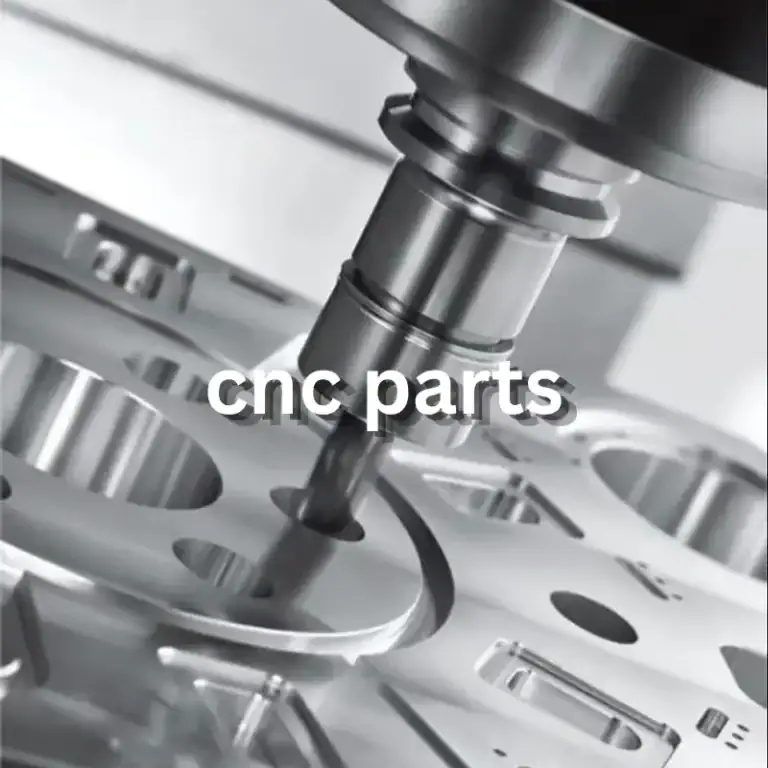
Complex surface components are widely used in aerospace, automotive manufacturing, medical devices, industrial equipment, and consumer electronics. These parts typically feature continuously changing contours, intricate spatial geometries, and strict dimensional requirements, making them far more challenging to machine than flat surfaces or simple profiles. Surface accuracy, finish quality, and contour consistency directly affect product performance, which is why complex surface machining remains a critical focus in precision manufacturing.
Multi-Axis Technology Enhances Complex Surface Machining
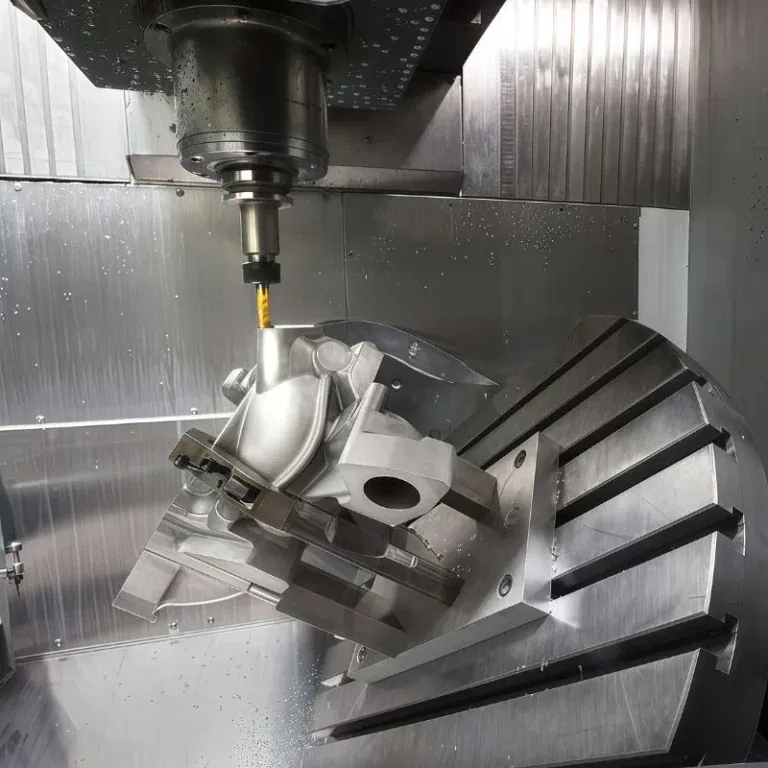
Multi-Axis Machining Makes Complex Structures More Flexible to Manufacture.
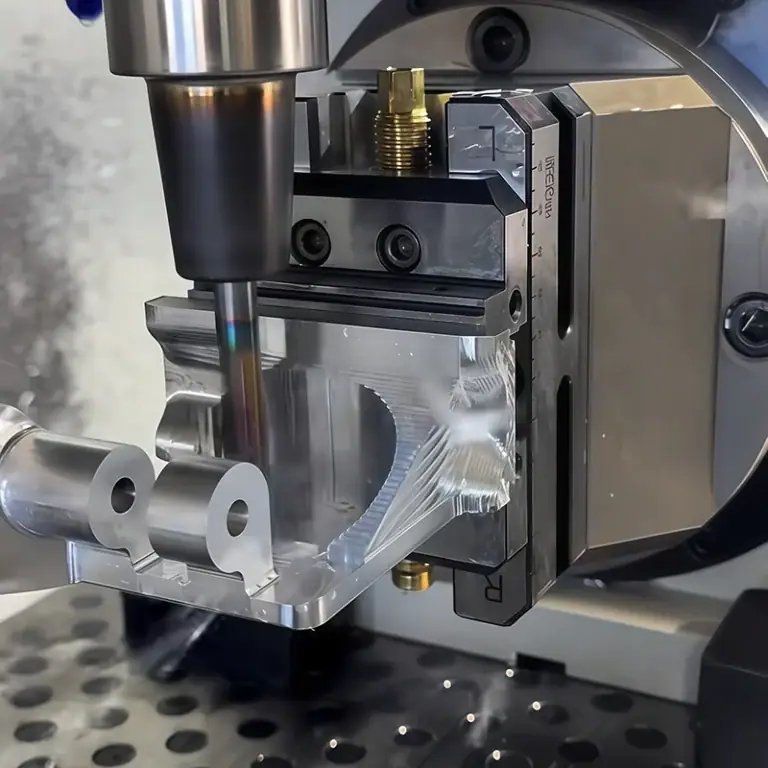
Improved Tool Angle Control
Complex surfaces often contain inclined planes, transition areas, and three-dimensional contours that can be difficult to machine using conventional methods due to tool angle limitations.Advantages of Multi-Axis Machining:
During complex surface machining, the contact relationship between the cutting tool and the workpiece continuously changes. Multi-axis technology can adjust tool orientation in real time according to surface characteristics, resulting in smoother cutting operations and improved contour reproduction.
- Improve surface contour reproduction capabilities, enabling more accurate representation of design requirements for complex freeform surfaces.
- Improve machining quality in complex areas, enhancing surface consistency and dimensional accuracy in details.
- Reduce machining dead angles, improving tool accessibility to deep cavities, narrow grooves, and special structural areas.
- Enhance cutting stability, reducing the adverse effects of vibration and impact on the machining process.
- Reduce local errors, ensuring smoother and more natural transitions in complex contours.
- Enhance overall surface machining accuracy, meeting the stringent appearance and performance requirements of high-end parts.
- Optimize multi-angle machining effects, reducing positioning deviations caused by repeated clamping.
- Enhance the forming capability of complex structures, improving product quality and production reliability.
More flexible angle control enables complex surfaces to achieve more uniform and stable machining results.
Reduced Errors Caused by Multiple Setups
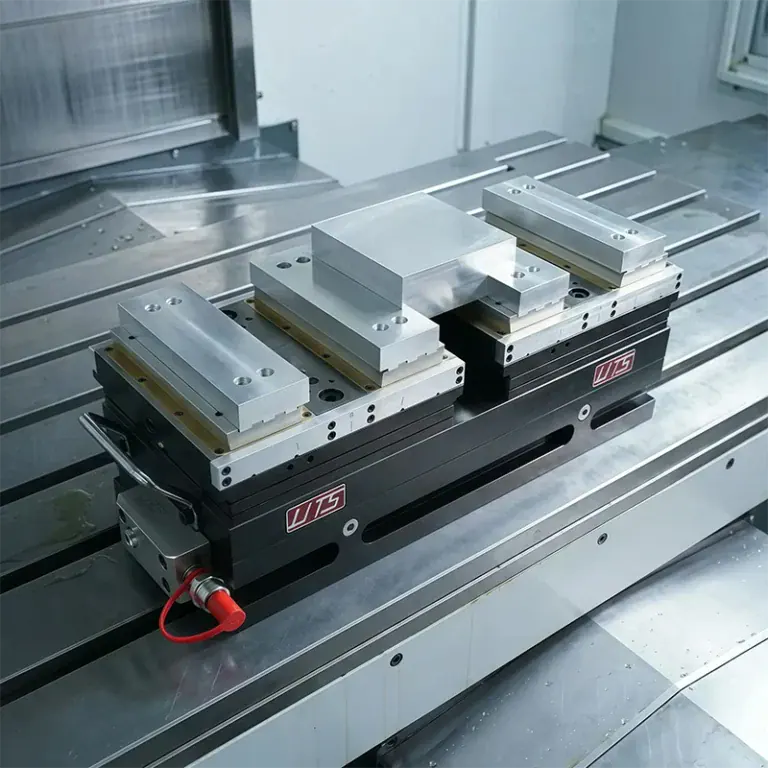
Complex surface components often require machining from multiple directions.Value of Single-Setup Machining:
For parts with intricate structures and tight tolerances, repeated setups can introduce cumulative errors. Multi-axis machines can complete machining operations from multiple angles after a single positioning process, reducing the impact of repeated alignment.
- Improve dimensional consistency to ensure stable dimensions for all parts during mass production.
- Reduce positioning deviations and minimize cumulative errors from multiple clamping operations.
- Increase machining efficiency and shorten the overall manufacturing cycle for complex parts.
- Improve surface continuity for smoother, more natural transitions in complex contours.
- Enhance overall precision and improve machining quality for key structures and mating parts.
- Reduce rework and finishing work, lowering production costs.
- Improve product assembly performance for smoother subsequent assembly processes.
- Optimize machining stability and enhance reliability during the machining of complex structures.
A more stable positioning method helps maintain precision consistency across all areas of a complex surface.
Enhanced Capability for Deep Cavities and Difficult Areas
Some surface structures contain deep cavities or challenging spatial locations.Practical Benefits of Multi-Axis Machining:
When dealing with deep cavities, reverse surfaces, and narrow regions, multi-axis equipment can adjust machining directions flexibly, allowing tools to reach areas that are difficult for conventional machines to access.
- Enhance deep cavity machining capabilities, enabling tools to more effectively access narrow and complex areas to complete machining tasks.
- Improve the quality of complex contours, ensuring smoother surface transitions and improving overall machining accuracy.
- Reduce interference risks, lowering the likelihood of tool-workpiece or fixture collisions.
- Enhance machining flexibility, meeting the machining needs of complex structures from multiple angles and directions.
- Strengthen structural integrity, ensuring dimensional stability of key components and improving overall product performance.
- Optimize machining process stability, reducing the impact of vibration on surface quality and dimensional accuracy.
- Increase the first-time setup completion rate, reducing error accumulation from repeated positioning.
- Shorten the machining cycle of complex parts, helping companies improve production efficiency and delivery capabilities.
- Improve surface finish performance, reducing the need for subsequent grinding and polishing processes.
- Enhance batch production consistency, ensuring stable machining quality across different workpieces.
Broader machining coverage enables manufacturers to complete more demanding surface machining projects.
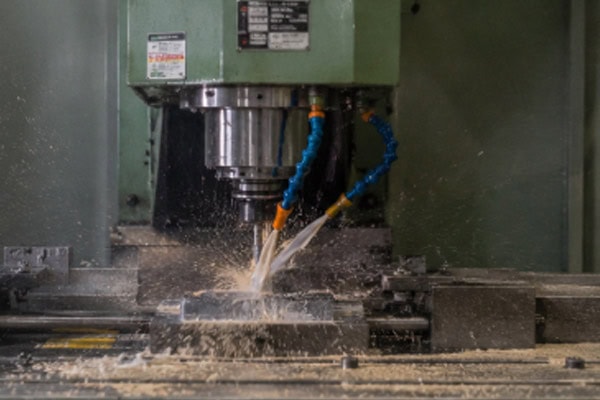
High-Precision Toolpath Optimization Improves Surface Quality
Scientific Programming Determines Surface Machining Performance.
Improved Surface Contour Fitting Accuracy
Complex surface machining relies heavily on high-quality toolpath planning.Importance of Toolpath Optimization:
Toolpaths influence not only machining efficiency but also the accuracy of contour reproduction. Advanced CAM software can automatically generate optimized machining trajectories based on model geometry, improving contour fitting precision.
- Improves contour accuracy
- Reduces path deviations
- Enhances surface continuity
- Increases machining stability
- Improves product consistency
More precise toolpath planning allows complex surfaces to closely match design specifications.
Reduced Sudden Tool Movements
Excessive changes in tool motion can negatively affect machining stability.Benefits of Smooth Toolpath Control:
Frequent stops and sharp directional changes can create vibration and impact during machining. Optimized toolpaths maintain smoother movement, improving overall process stability.
- Reduces vibration effects
- Improves surface finish quality
- Enhances machine stability
- Minimizes tool impact
- Increases machining efficiency
Smooth and continuous tool movement helps achieve finer surface finishes.
Improved Continuity in Complex Areas
Complex surfaces often contain numerous detailed features.Advantages of Continuous Machining:
In regions with significant curvature changes and intricate details, optimized toolpaths help maintain stable cutting conditions and reduce interruptions during machining.
- Improves detail machining capability
- Enhances local contour quality
- Reduces machining marks
- Improves surface uniformity
- Strengthens overall quality
A continuous and stable machining process significantly improves the overall quality of complex surfaces.
High-Performance Equipment Improves Machining Stability
Machine Performance Directly Influences Machining Results.
High-Speed Spindles Improve Cutting Performance
Complex surface machining requires highly stable cutting conditions.
Importance of High-Speed Spindles:
In the machining of complex curved surfaces, the cutting state needs to remain stable over a long period. High-speed spindles can provide more uniform cutting speeds, improving material removal efficiency and surface quality. Stable spindle speed output helps reduce fluctuations during machining, maintaining a smoother contact between the tool and workpiece, thereby reducing the probability of surface defects. Simultaneously, high-speed cutting enhances the machining of complex contours and freeform surfaces, resulting in a more uniform and delicate workpiece surface and enhancing the overall reliability of the machining process. A more stable cutting environment helps achieve the goal of high-quality curved surface machining.
High-Rigidity Structures Reduce Vibration
Machine rigidity plays a crucial role in complex surface machining.
Value of High-Rigidity Equipment:
Machining complex curved surfaces often requires long periods of continuous operation, and the stability of the equipment structure directly affects the machining results. High-rigidity machine tools can effectively suppress vibration, improve machining accuracy, and maintain a more stable cutting state during processing. Increased equipment rigidity helps reduce dimensional deviations and surface ripples, improves the forming quality of complex contours, and enhances consistency in mass production. For complex curved surface parts requiring high precision and high surface quality, a stable and reliable equipment foundation can improve machining efficiency and enhance operational reliability, providing a solid guarantee for obtaining excellent machining results.
High-Precision Control Systems Improve Motion Performance
Complex surfaces require extensive continuous motion control.Importance of Advanced Control Systems:
Complex surface machining involves countless subtle trajectory changes. High-performance control systems accurately execute programmed instructions, improving tool movement precision and responsiveness.
- Improves motion accuracy
- Enhances surface transitions
- Reduces trajectory deviations
- Improves machining stability
- Strengthens control of complex geometries
More precise motion control further enhances complex surface machining quality.
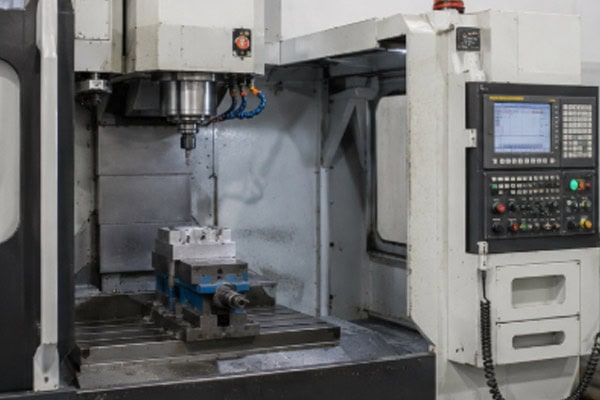
Proper Tool Selection Improves Surface Machining Quality
Tool Performance Influences Final Machining Results.
Selecting the Right Tools for Surface Machining
Different surface geometries require different tooling solutions.Importance of Tool Matching:
Complex surfaces feature varying curvature changes and machining requirements. Selecting the appropriate tool type based on specific geometry helps achieve better machining performance.
- Improves machining accuracy
- Enhances surface finish
- Reduces cutting loads
- Increases machining efficiency
- Improves process stability
Proper tool selection creates favorable conditions for complex surface machining.
Ball Nose End Mills Adapt Well to Complex Contours
Ball nose tools are commonly used in surface machining applications.Characteristics of Ball Nose Tools:
Their unique geometry allows them to adapt effectively to continuously changing surface contours while maintaining stable cutting conditions in complex regions.
- Improves adaptability to curved surfaces
- Enhances contour accuracy
- Reduces inaccessible areas
- Improves surface quality
- Strengthens detail machining capability
Proper use of ball nose tools can significantly improve complex surface machining performance.
Controlling Tool Wear Maintains Machining Accuracy
Tool condition continuously affects machining quality.Importance of Tool Management:
During extended machining operations, tool wear gradually impacts dimensional accuracy and surface finish. A comprehensive tool management system helps maintain machining stability.
- Improves dimensional consistency
- Reduces surface defects
- Enhances machining consistency
- Lowers error risks
- Improves product quality
Maintaining tools in good condition ensures consistent machining quality for complex surfaces.
Smart Manufacturing Technologies Drive Surface Machining Advancement
Digital Technologies Continue to Improve Machining Capabilities.
Simulation Technology Reduces Machining Risks
Complex surface machining often requires extensive program verification.Value of Simulation Systems:
Before actual machining begins, digital simulation systems can verify machining programs, identify potential issues, and optimize machining strategies to reduce production risks.
- Reduces collision risks
- Improves program reliability
- Shortens setup time
- Increases machining efficiency
- Enhances production stability
Comprehensive pre-machining verification improves the success rate and reliability of complex surface machining.
In-Process Inspection Improves Machining Accuracy
Real-time monitoring is becoming increasingly important during machining operations.Benefits of In-Process Inspection:
To ensure machining quality, real-time inspection systems continuously monitor critical dimensions and contour changes while providing immediate feedback on machining conditions.
- Improves dimensional control
- Enhances machining quality
- Reduces rework risks
- Increases production efficiency
- Improves product consistency
Real-time inspection systems help manufacturers achieve more stable machining results.
Automatic Compensation Improves Machining Stability
Complex surface machining often involves long production cycles and demanding stability requirements.Value of Automatic Compensation Technology:
Machining processes can be affected by temperature fluctuations, machine wear, and environmental conditions. Automatic compensation systems dynamically correct errors based on actual operating conditions, improving machining stability.
- Reduces thermal deformation effects
- Improves dimensional stability
- Enhances surface accuracy
- Reduces manual intervention
- Increases machining reliability
Intelligent compensation technologies continue to push complex surface machining capabilities to higher levels.
Conclusion
Complex surface machining places high demands on machine performance, tool control, toolpath planning, and process stability. CNC milling effectively addresses many of these challenges through multi-axis machining, high-precision control systems, and smart manufacturing technologies. These capabilities improve contour accuracy, surface quality, and production efficiency. By optimizing equipment configurations, machining strategies, and digital management systems, manufacturers can achieve more stable, reliable, and high-quality machining results for complex surface components.