Polysulfone is a high-performance engineering plastic known for its heat resistance, chemical stability, mechanical strength, and long-term dimensional reliability. Compared with many general plastics, PSU can maintain stable performance in more demanding environments, making it a practical choice for precision parts that need durability and safety.
In this guide, we will explain what is polysulfone, its key material properties, main benefits, processing considerations, and common applications. You will also learn why PSU is widely used in medical devices, water treatment, electronics, automotive components, and industrial precision parts.
What Is Polysulfone?
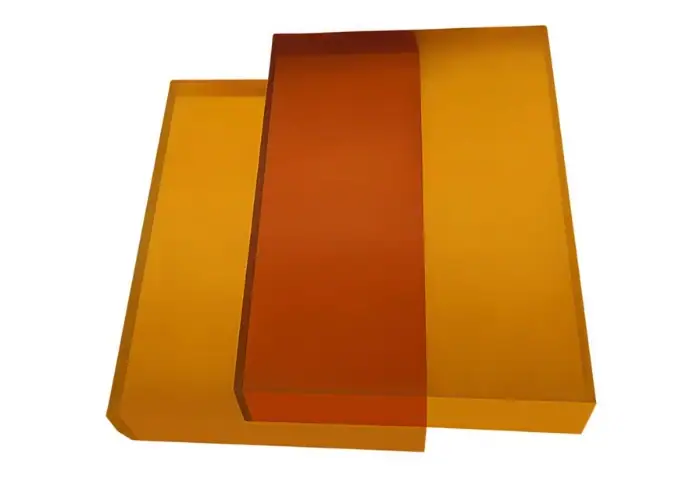
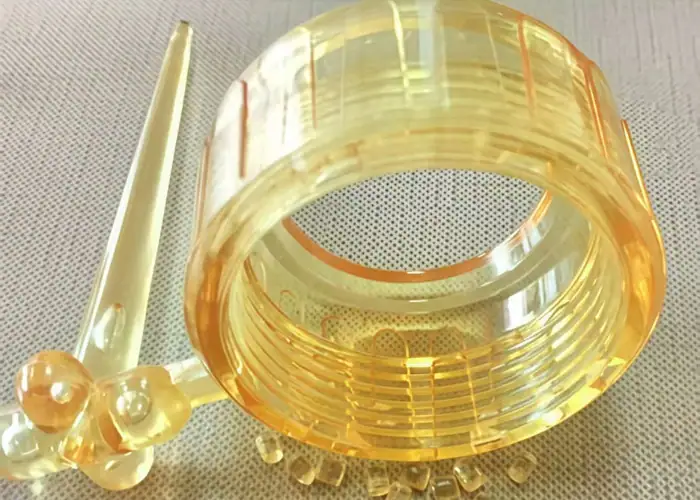
Polysulfone, often called PSU material, is a high-performance engineering thermoplastic known for its heat resistance, mechanical strength, chemical stability, and dimensional reliability. It is usually amber-transparent in appearance and can maintain stable performance in environments where many general plastics may soften, deform, or lose strength.
From a material structure perspective, polysulfone contains rigid aromatic groups and sulfone groups in its polymer chain. This polysulfone structure gives the material better thermal stability, oxidation resistance, and stiffness. Because of this, PSU is often selected for parts that need to work under heat, steam, pressure, or chemical exposure.
In practical manufacturing, polysulfone is used for medical device parts, water treatment components, electrical insulation parts, connectors, housings, manifolds, and industrial precision components. It can be processed through injection molding, extrusion, thermoforming, and CNC machining, depending on the part quantity, geometry, and tolerance requirements.
For engineers and buyers, understanding what is polysulfone is important because PSU sits between standard plastics and more advanced high-performance plastics. It offers stronger heat resistance and stability than many common plastics, while often being more cost-effective than some ultra-high-performance materials in suitable applications.
What Are the Key Properties of Polysulfone?
Polysulfone is valued because it combines heat resistance, chemical stability, mechanical strength, hydrolysis resistance, and electrical insulation. These properties make polysulfone suitable for precision parts that need to work reliably under heat, steam, pressure, or repeated use.
Heat Resistance
Polysulfone has excellent heat resistance compared with many standard plastics. It can maintain useful mechanical performance in high-temperature environments and is often used for parts exposed to hot water, steam, or heated operating conditions. This makes PSU material suitable for medical, water treatment, and industrial components.
Chemical Stability
Polysulfone has good resistance to many cleaning agents, acids, alkalis, salts, and common industrial fluids. This helps parts maintain their structure and performance when exposed to chemical environments. However, compatibility should still be checked when strong solvents or aggressive chemicals are involved.
Mechanical Strength
Polysulfone provides good rigidity, toughness, and dimensional reliability. It can withstand mechanical stress better than many general-purpose plastics, making it useful for housings, manifolds, connectors, brackets, and structural plastic components that need stable performance.
Hydrolysis and Steam Resistance
One important property of polysulfone is its resistance to hot water and steam. This is why it is often considered for medical devices, sterilizable parts, and water treatment components. It can support repeated exposure to moisture and heat without losing performance quickly.
Dimensional Stability
Polysulfone offers good dimensional stability, especially in applications where temperature and moisture may change during use. This helps machined or molded parts keep their shape and fit more reliably, which is important for precision assemblies and functional plastic components.
Electrical Insulation
Polysulfone has good electrical insulation performance, making it suitable for connectors, electronic housings, insulating blocks, and electrical components. It can provide both mechanical support and insulation protection in electrical and electronic applications.
What Is the Polysulfone Melting Point and Thermal Performance?
Polysulfone is an amorphous thermoplastic, so its thermal behavior is usually described by its glass transition temperature rather than a clear crystalline melting point. In many material references, the polysulfone melting point is often discussed as a processing-related concept, but PSU does not melt sharply like crystalline plastics such as nylon or POM.
Glass Transition Temperature
Polysulfone has a glass transition temperature of about 185°C. This means the material can maintain good rigidity and dimensional stability at temperatures where many standard plastics may soften. For parts exposed to heat, hot water, or steam, this thermal stability is one of the main reasons engineers choose PSU material.
Continuous Use Temperature
Polysulfone can usually support long-term service temperatures around 150°C, depending on grade, load, and environment. This makes it suitable for sterilizable medical parts, hot water components, electrical insulation parts, and industrial components that need stable performance under elevated temperatures.
Heat Deflection Performance
PSU has good heat deflection resistance, which means it can better retain its shape under heat and mechanical load. This is important for housings, manifolds, brackets, connectors, and precision assemblies where deformation may affect sealing, fit, or function.
Steam and Hot Water Resistance
One of the practical advantages of polysulfone is its resistance to hot water and steam. It can handle repeated exposure better than many general plastics, making it useful for medical devices, water treatment parts, and components that require cleaning or sterilization.
Processing Temperature
During injection molding or extrusion, polysulfone normally requires high processing temperatures, often above 300°C. This means mold design, material drying, machine settings, and thermal control must be carefully managed to avoid defects, stress, or poor surface quality.
What Are the Benefits of Polysulfone?
Polysulfone offers a strong balance of heat resistance, mechanical stability, chemical resistance, and processing flexibility. These benefits make it useful for precision plastic parts that need to work reliably in medical, industrial, electrical, and fluid-handling environments.
High Heat Resistance
One major benefit of polysulfone is its ability to maintain stable performance at elevated temperatures. With a glass transition temperature of about 185°C and long-term service capability around 150°C, PSU material is suitable for parts exposed to heat, hot water, or steam. This makes it more reliable than many common plastics in demanding thermal conditions.
Good Chemical and Hydrolysis Resistance
Polysulfone has good resistance to many cleaning agents, salts, acids, alkalis, and industrial fluids. It also performs well in hot water and steam environments, which is important for sterilizable parts and water-contact components. This helps reduce material degradation and supports longer part service life.
Strong Mechanical Performance
PSU material provides good rigidity, toughness, and dimensional reliability. It can withstand mechanical stress better than many general-purpose plastics, making it suitable for housings, manifolds, connectors, brackets, and structural plastic components. This strength helps parts maintain function under load and repeated use.
Suitable for Repeated Sterilization
Polysulfone is widely valued in medical-related applications because it can tolerate repeated steam sterilization and cleaning processes. This makes it useful for medical device housings, surgical instrument components, filtration parts, and reusable healthcare components where cleanliness and durability are both important.
Good Electrical Insulation
Polysulfone offers stable electrical insulation performance, making it suitable for connectors, insulating blocks, electronic housings, and electrical components. It can provide both mechanical support and insulation protection, especially in applications where heat resistance and dimensional stability are also required.
Useful for Precision Components
Because polysulfone has good dimensional stability and can be processed by CNC machining, injection molding, extrusion, and thermoforming, it is suitable for precision plastic components. For custom parts, prototypes, and small-batch production, PSU can help balance performance, reliability, and manufacturability.
What Are the Limitations of Polysulfone?
Although polysulfone offers strong heat resistance, chemical stability, and dimensional reliability, it is not suitable for every application. Engineers should consider cost, processing conditions, solvent exposure, wear performance, and design requirements before choosing PSU material.
Higher Material Cost
Polysulfone is more expensive than many general engineering plastics, such as ABS, PC, POM, or Nylon. This means it is usually selected when the part truly needs heat resistance, steam resistance, chemical stability, or long-term dimensional performance. For simple low-load parts, a lower-cost plastic may be more practical.
High Processing Temperature
PSU material usually requires higher processing temperatures during injection molding, extrusion, or thermoforming. If temperature control is not stable, parts may develop internal stress, surface defects, or dimensional variation. For CNC machined parts, cutting heat also needs to be controlled carefully to avoid deformation or poor edge quality.
Sensitivity to Some Solvents
Polysulfone has good resistance to many chemicals, but it is not resistant to all solvents. Some strong organic solvents, chlorinated solvents, or aggressive chemical environments may affect the material. Before using polysulfone in chemical-contact parts, compatibility testing or material confirmation is recommended.
Not Ideal for All Wear Applications
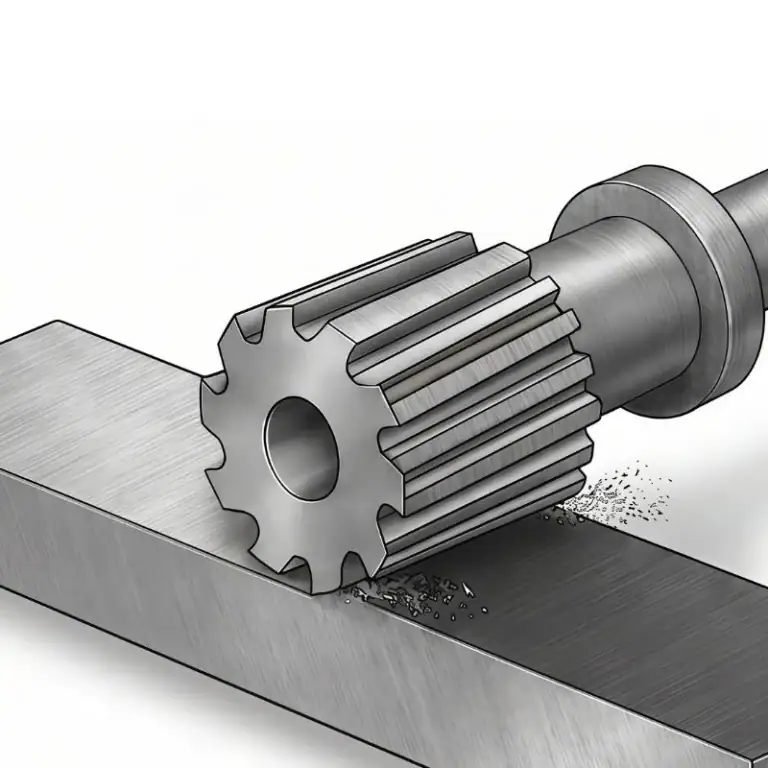
Although polysulfone has good strength and stability, it is not always the best choice for high-friction or heavy-wear parts. For sliding parts, gears, or bearing components, materials such as POM, Nylon, PTFE, or PEEK may perform better depending on load, speed, lubrication, and working temperature.
Design and Machining Control Requirements
Polysulfone parts require proper design and processing control. Sharp internal corners, thin walls, excessive clamping force, or unrealistic tolerances may increase the risk of stress cracking, warping, or poor dimensional stability. Balanced wall thickness, proper radii, and realistic tolerance planning can help improve final part quality.
How Is Polysulfone Processed?
Polysulfone can be processed by several manufacturing methods, depending on part geometry, production volume, tolerance requirements, and final application. Common methods include injection molding, CNC machining, extrusion, thermoforming, and post-processing. Because PSU material requires high processing temperatures, proper drying, temperature control, and stress management are important for stable part quality.
Injection Molding
Injection molding is commonly used for high-volume polysulfone parts with repeatable shapes and consistent dimensions. During molding, PSU material is heated to a high temperature and injected into a mold cavity under pressure. This method is suitable for medical device housings, connectors, filtration parts, electronic components, and industrial plastic parts.
Because polysulfone requires higher molding temperatures than many standard plastics, mold design and material drying must be carefully controlled. Poor drying or unstable temperature may cause bubbles, surface defects, internal stress, or dimensional changes. For large production runs, injection molding offers high efficiency and good repeatability.
CNC Machining
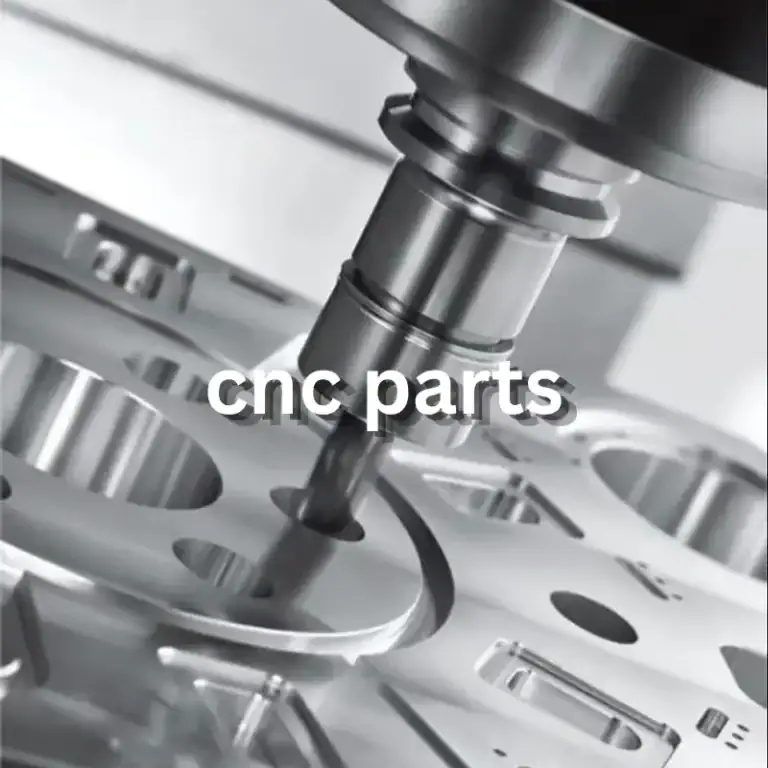
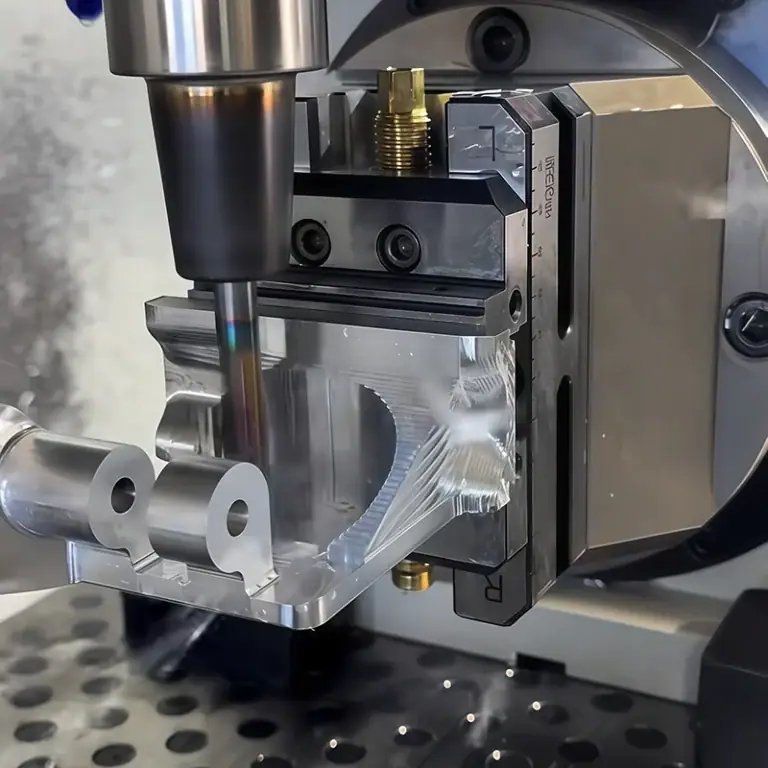
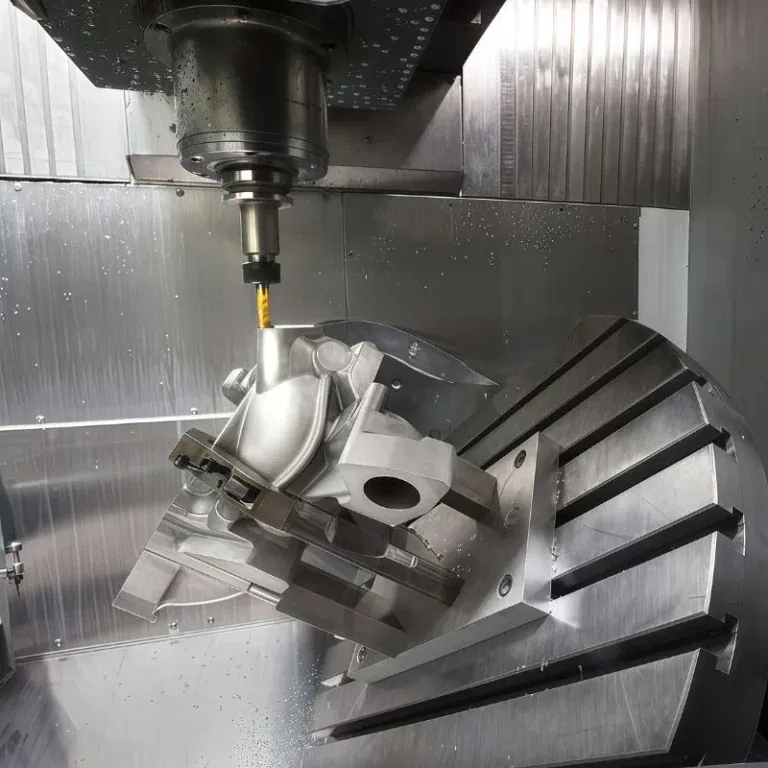
CNC machining is suitable for rapid prototypes, low-volume manufaturing parts, and precision polysulfone components that require tight dimensional control. PSU sheets, rods, or plates can be milled, turned, drilled, and cut into custom parts without mold tooling. This makes CNC machining practical for early product testing, replacement parts, and complex functional components.
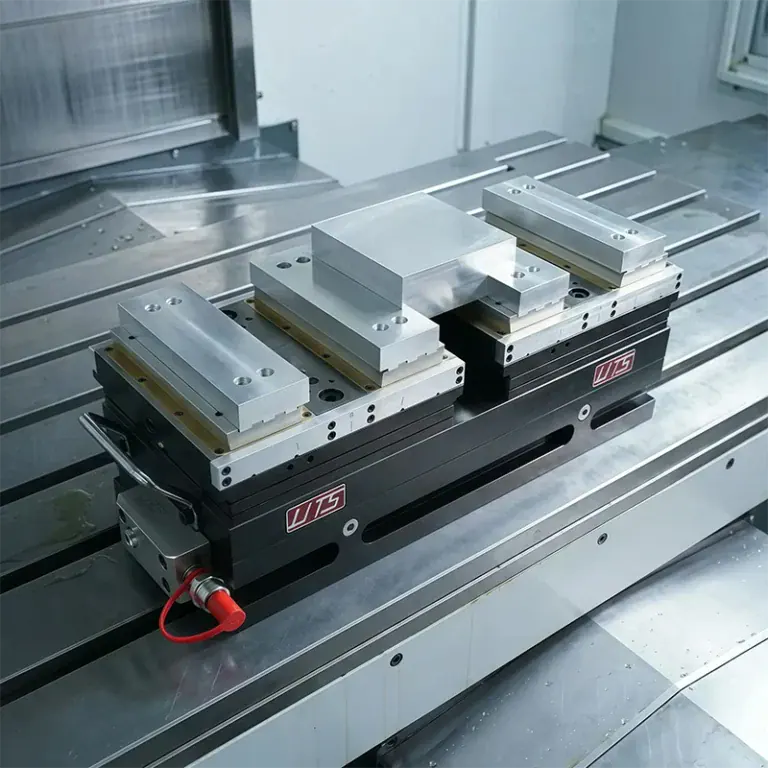
When machining polysulfone, sharp tools, stable clamping, and proper cutting parameters are important. Excessive cutting heat or aggressive machining may cause burrs, stress marks, or deformation. For high-precision parts, tolerance planning and stress control should be considered during both design and machining.
Extrusion
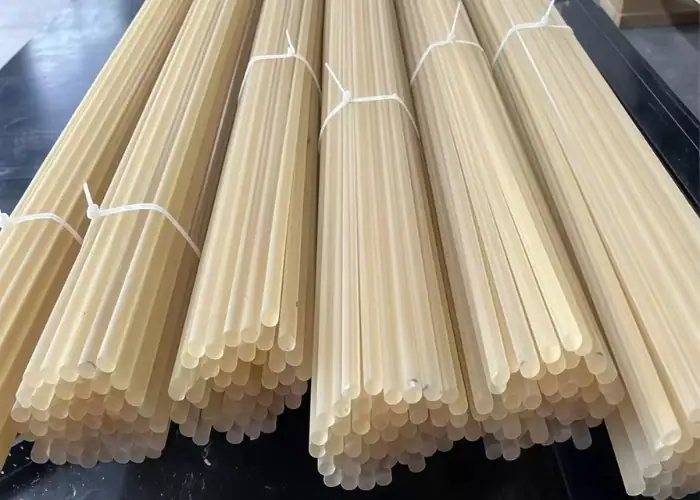
Extrusion is often used to produce polysulfone sheets, rods, tubes, and profiles. In this process, heated PSU material is pushed through a shaped die to form continuous stock material. These extruded materials can later be used for CNC machining, thermoforming, or secondary fabrication.
Extrusion is useful when consistent material shapes are needed before final processing. However, temperature control and cooling must be stable to reduce internal stress and maintain dimensional consistency in the finished stock.
Thermoforming
Thermoforming can be used for selected polysulfone sheets when the part requires a formed shape rather than a fully machined structure. The sheet is heated until it becomes formable, then shaped over a mold or tool. This method may be used for covers, trays, housings, or protective components.
Since polysulfone has high heat resistance, it requires controlled heating during thermoforming. Uneven heating or improper forming pressure may lead to thinning, stress, or poor shape accuracy.
Post-Processing and Finishing
After molding or machining, polysulfone parts may need deburring, edge finishing, polishing, cleaning, or inspection. For medical, electronic, or fluid-contact parts, cleaning and contamination control are especially important. In some precision applications, stress relief may also be used to improve dimensional stability.
The right processing method depends on the part’s quantity, tolerance, surface requirement, and working environment. For custom precision parts, CNC machining is often preferred, while injection molding is more efficient for large-volume production.
How Does Polysulfone Compare With Other Engineering Plastics?
Polysulfone is often compared with other engineering plastics because many materials can be used for heat-resistant, chemical-resistant, or precision plastic parts. The best choice depends on working temperature, chemical exposure, dimensional stability, mechanical load, sterilization needs, and cost.
| Material Comparison | Polysulfone Performance | Other Material Performance | Selection Guide |
| Polysulfone vs Polycarbonate | Polysulfone has better heat resistance, chemical stability, and steam resistance. | Polycarbonate has excellent impact strength, transparency, and lower cost, but lower long-term heat resistance. | Choose polysulfone for heat, steam, and chemical exposure. Choose PC for transparent, impact-resistant, and cost-sensitive parts. |
| Polysulfone vs PEEK | Polysulfone offers good heat resistance, dimensional stability, and lower cost than PEEK in many cases. | PEEK has stronger chemical resistance, higher temperature capability, and better wear performance. | Choose polysulfone for balanced performance and cost. Choose PEEK for harsher chemical, high-load, or high-temperature applications. |
| Polysulfone vs PPSU | Polysulfone has good heat and chemical resistance for many industrial and medical parts. | PPSU usually offers better impact strength, hydrolysis resistance, and repeated sterilization performance. | Choose polysulfone for general high-performance parts. Choose PPSU for demanding medical or repeated steam sterilization applications. |
| Polysulfone vs PEI | Polysulfone has good hydrolysis resistance and dimensional stability. | PEI, such as Ultem, usually provides higher stiffness, flame resistance, and stronger thermal performance. | Choose polysulfone for hot water, steam, and fluid-contact parts. Choose PEI for flame-resistant and high-stiffness applications. |
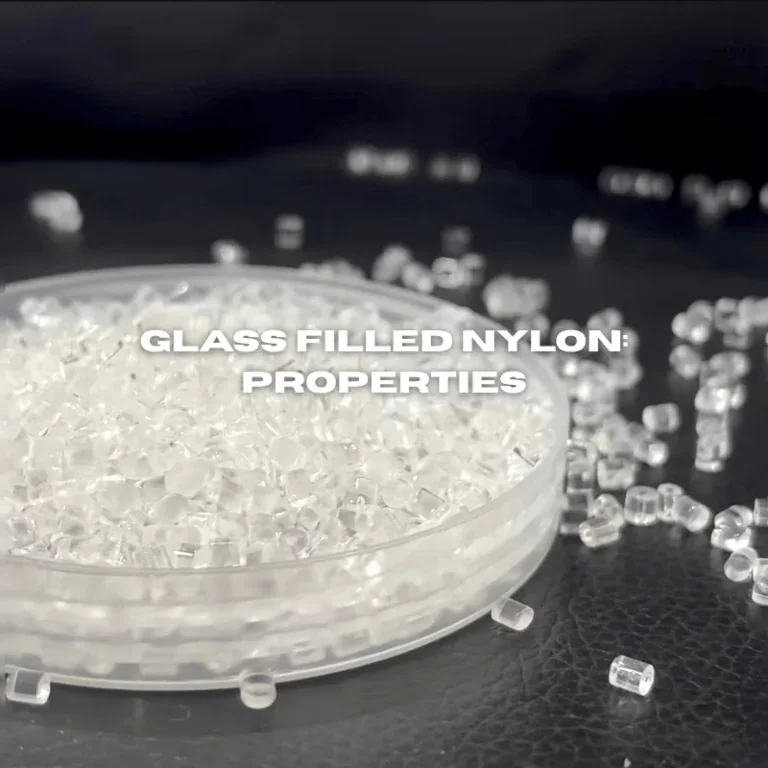
| Polysulfone vs Nylon | Polysulfone has better heat resistance, dimensional stability, and lower moisture-related movement. | Nylon has good wear resistance, toughness, and lower cost, but absorbs more moisture. | Choose polysulfone for precision, heat, and stability. Choose Nylon for wear parts, bushings, and cost-sensitive mechanical parts. |
| Polysulfone vs POM | Polysulfone performs better in high-temperature and steam-related applications. | POM has excellent machinability, low friction, and good dimensional stability at a lower cost. | Choose polysulfone for heat and steam resistance. Choose POM for gears, sliding parts, and precision mechanical components. |
Overall, polysulfone is a strong choice when parts need heat resistance, steam resistance, chemical stability, and reliable dimensions. However, it is not always the most suitable material. For higher wear resistance, lower friction, stronger sterilization resistance, or lower cost, materials such as PEEK, POM, PPSU, Nylon, or PC may be better depending on the application.
What Are the Common Applications of Polysulfone?
Polysulfone is used in applications that require heat resistance, chemical stability, dimensional accuracy, and long-term reliability. Because PSU material can withstand hot water, steam, cleaning agents, and demanding operating conditions, it is widely used in medical, industrial, electrical, and fluid-handling parts.
Automotive
Polysulfone can be used for sensor housings, electrical connectors, insulation parts, fluid-system components, and under-hood plastic parts. Its heat resistance and dimensional stability help parts work reliably near engines, battery systems, and control units.
Medical Devices
Polysulfone is widely used in medical device housings, sterilizable components, surgical instrument parts, filter housings, and dialysis-related components. Its resistance to steam, hot water, and repeated cleaning makes it suitable for reusable medical parts.
Water Treatment
Polysulfone is commonly used for filter housings, membrane support parts, pump components, valves, and fluid-handling parts. It performs well in hot water and many cleaning environments, making it useful for filtration and water treatment systems.
Electronics and Electrical Parts
Polysulfone can be used for connectors, sockets, insulating blocks, circuit board supports, protective covers, and electrical housings. Its electrical insulation, heat resistance, and dimensional stability help protect sensitive electronic systems.
Industrial Equipment
In industrial equipment, polysulfone is used for manifolds, valve parts, pump components, sight glasses, spacers, and precision housings. These parts often need to handle heat, pressure, chemicals, and repeated operation.
Food and Beverage Equipment
Polysulfone may be used for reusable food-contact parts, hot water components, fluid channels, and equipment housings. Its heat resistance and hydrolysis resistance make it suitable for applications that require repeated cleaning or exposure to warm liquids.
How to Choose the Right Polysulfone Material for Your Project?
Choosing the right polysulfone material should be based on the real working conditions of the part. Temperature, chemical exposure, sterilization, mechanical load, dimensional accuracy, and production method all affect whether PSU material is the best choice for your project.
Check the Operating Temperature
Polysulfone is suitable for parts exposed to heat, hot water, or steam. However, the actual operating temperature should still be confirmed before selection. If the part needs to work around 150°C for a long time, PSU can be a practical option. If the temperature is much higher, materials such as PEI or PEEK may need to be compared.
Confirm Chemical Exposure
PSU has good resistance to many cleaning agents, salts, acids, alkalis, and industrial fluids, but it is not suitable for all solvents. If the part will contact strong organic solvents, aggressive chemicals, or special cleaning fluids, material compatibility should be checked before production.
Consider Sterilization Requirements
For medical, laboratory, or food-related parts, sterilization resistance is an important selection factor. Polysulfone performs well in hot water and steam environments, making it suitable for reusable components. If the part requires repeated high-pressure steam sterilization, the sterilization cycle and temperature should be evaluated carefully.
Evaluate Mechanical Load
If the part must support pressure, impact, fastening force, or repeated assembly, mechanical strength should be reviewed. Polysulfone offers good rigidity and toughness, but for high-wear, heavy-load, or sliding applications, PEEK, POM, Nylon, or PTFE may be more suitable depending on the working condition.
Review Dimensional Accuracy
Polysulfone has good dimensional stability, but part design and processing method still matter. Thin walls, sharp corners, large flat surfaces, and tight tolerances can increase the risk of stress or deformation. For precision parts, tolerance requirements should be matched with material behavior and manufacturing capability.
Match the Manufacturing Process
Different production methods suit different project needs. CNC machining is better for prototypes, custom parts, and small batches. Injection molding is more suitable for high-volume production. Extrusion and thermoforming are often used for sheets, rods, tubes, covers, and formed parts. The right process helps balance cost, quality, and lead time.
FAQs
Is Polysulfone The Same As PSU?
Yes. Polysulfone is commonly abbreviated as PSU, so PSU material usually refers to polysulfone plastic. It is a high-performance engineering thermoplastic known for heat resistance, chemical stability, hydrolysis resistance, and dimensional reliability. In product drawings or material specifications, engineers may write either “polysulfone” or “PSU,” but the actual grade and supplier data sheet should still be confirmed before production.
Is Polysulfone Safe For Medical Devices?
Polysulfone is widely used in medical device applications because it can handle repeated cleaning, hot water, and steam exposure. It is commonly used for reusable medical components, filter housings, surgical instrument parts, and dialysis-related components. However, medical safety depends on the exact grade, supplier certification, sterilization method, and regulatory requirements, so material documents should always be checked before final use.
Can Polysulfone Be CNC Machined?
Yes. Polysulfone can be CNC machined from sheets, rods, or plates into custom precision parts. CNC machining is suitable for prototypes, replacement parts, small batches, and complex components that do not require injection molds. During machining, sharp tools, stable clamping, controlled cutting heat, and realistic tolerances are important to reduce burrs, stress marks, deformation, or dimensional movement.
Conclusion
Polysulfone is a high-performance engineering plastic with good heat resistance, chemical stability, hydrolysis resistance, electrical insulation, and dimensional reliability. It is widely used in medical devices, water treatment, electrical parts, and industrial precision components. When selecting PSU material, engineers should consider temperature, chemical exposure, sterilization needs, load, tolerance, and processing method.
At TiRapid, we provide precision CNC machining services for custom polysulfone and other engineering plastic parts, helping customers improve material selection, part quality, and production efficiency.