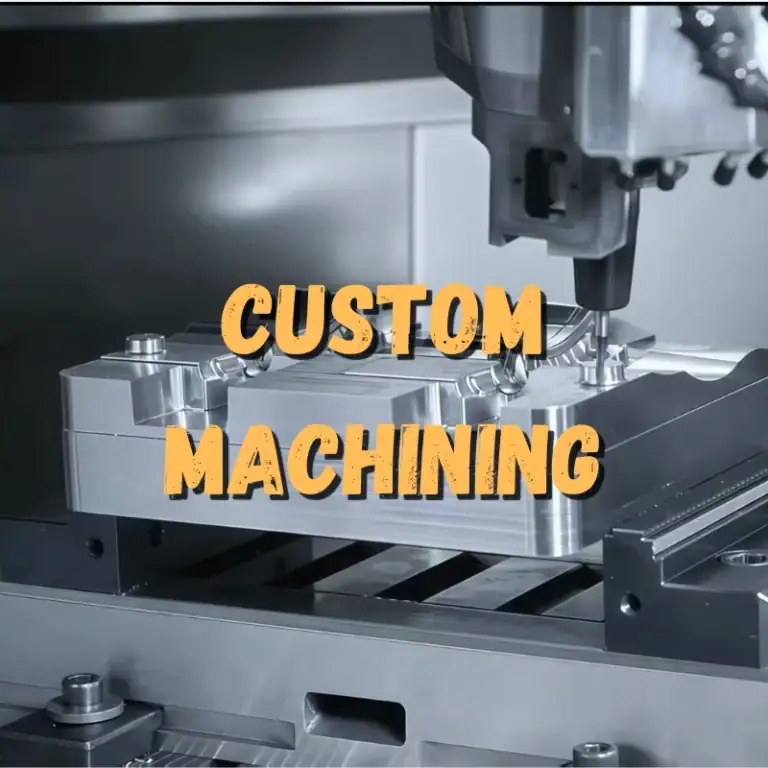
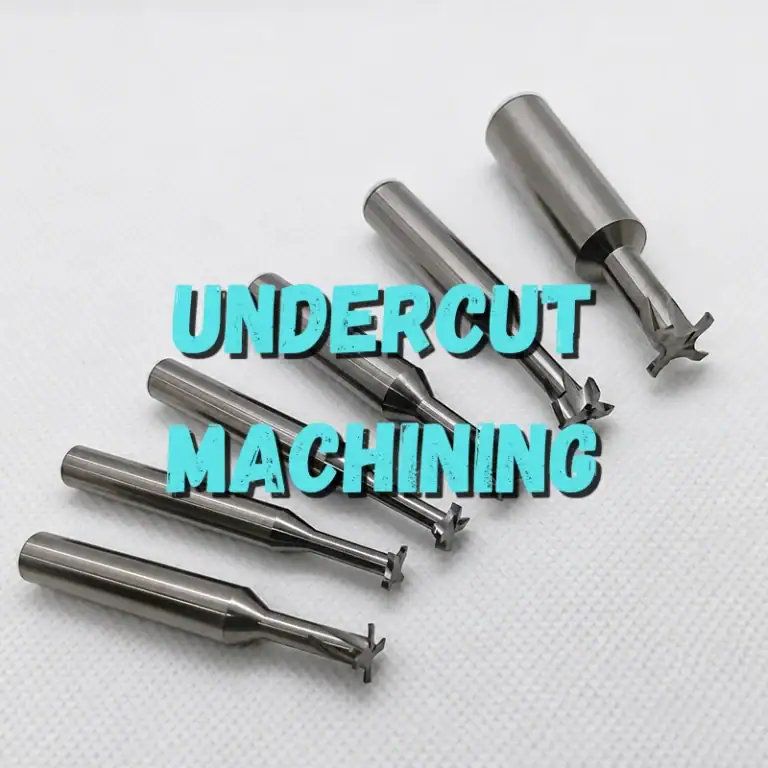
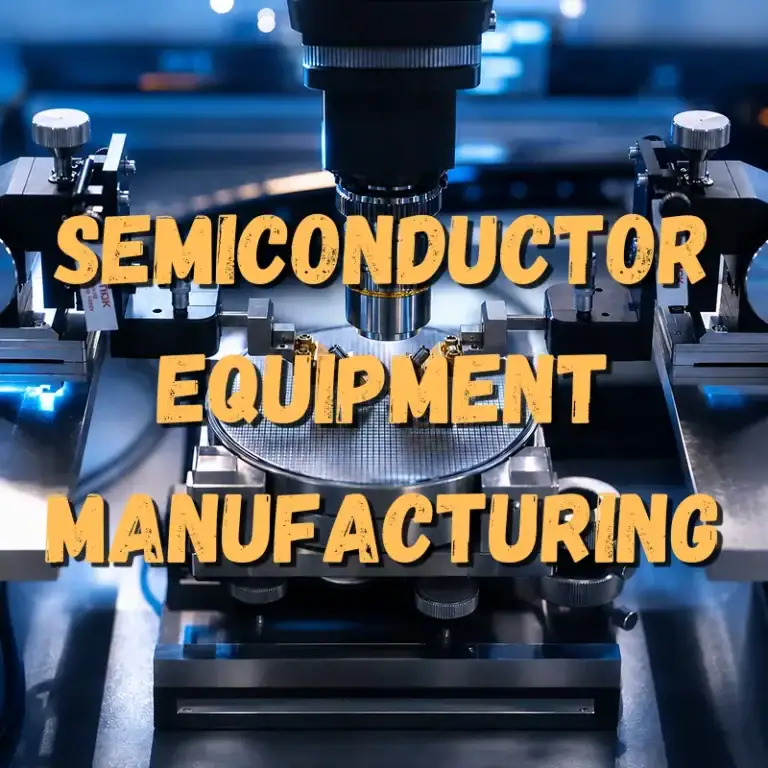
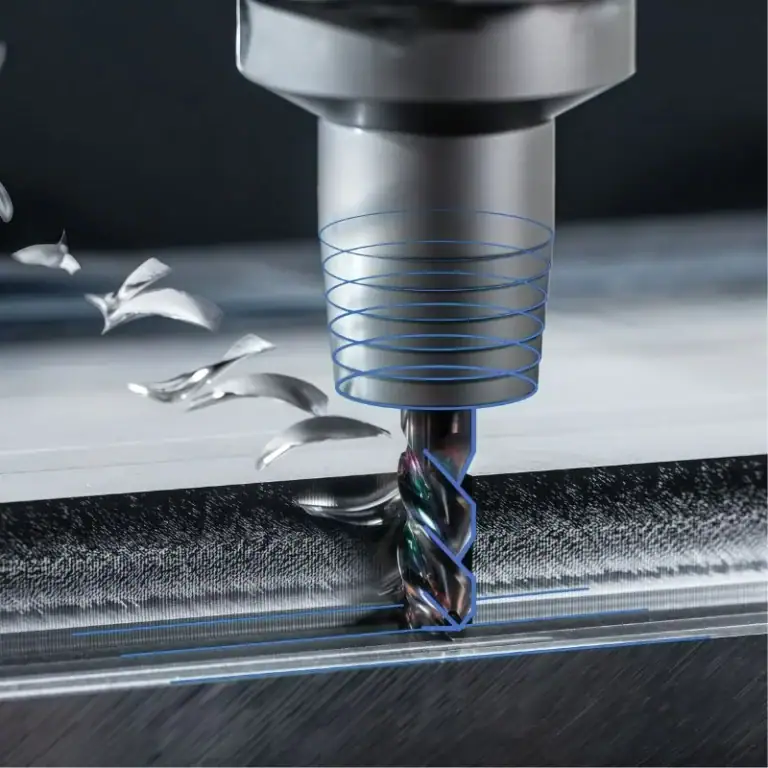
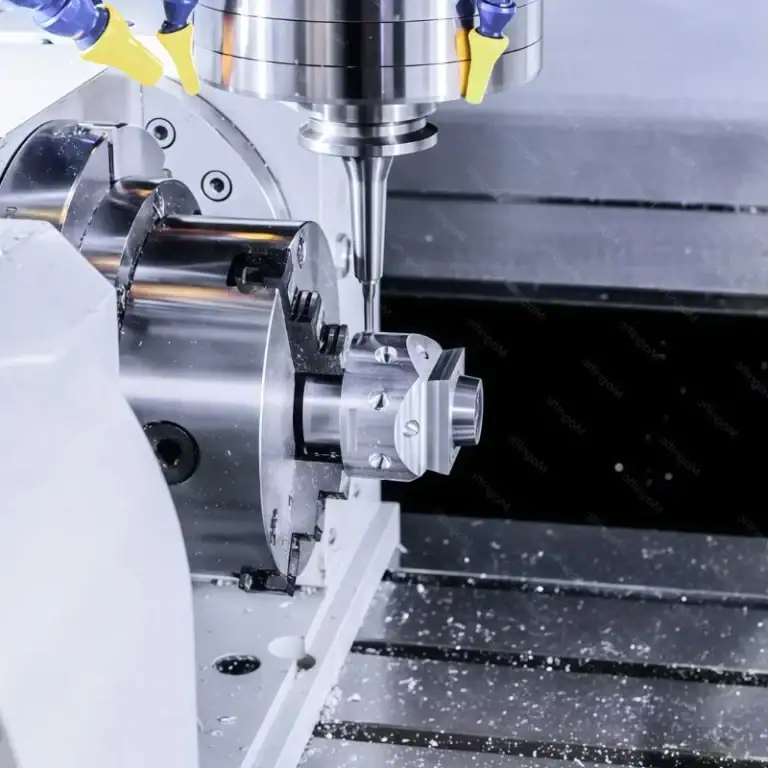
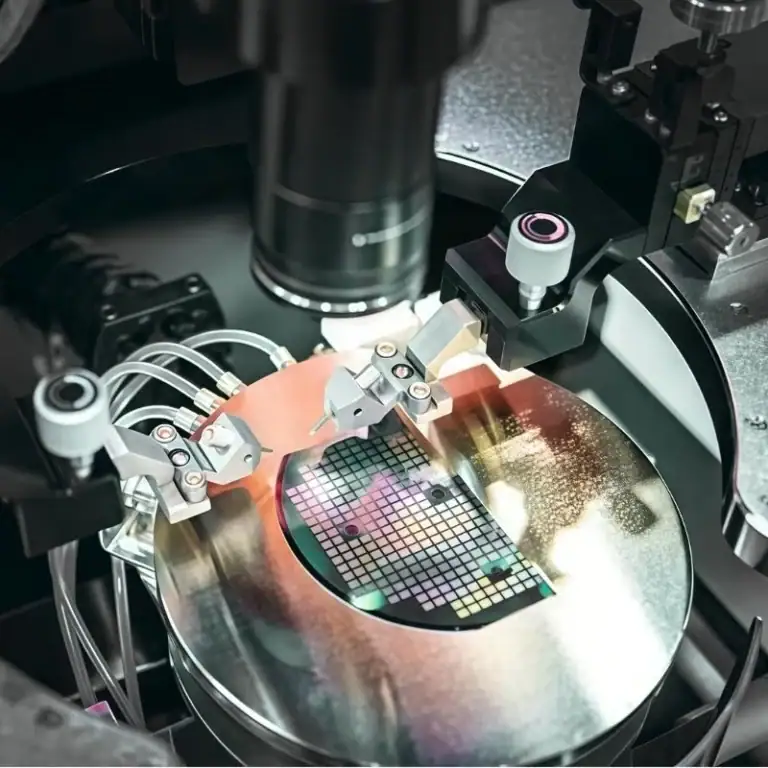
Electronics machining is the precision manufacturing of metal and plastic parts used in electronic products, assemblies, and equipment. It commonly involves CNC milling, turning, Swiss machining, micromachining, and related processes to produce parts such as housings, connectors, heat sinks, brackets, and miniature precision components.
In this guide, you’ll learn what electronics machining is, which processes are commonly used, what benefits it offers, and where it is applied. You’ll also see how materials, finishes, prototyping speed, and supplier capability affect project success.
What Is Electronics Machining?
Electronics machining is the precision manufacturing process for components used in electronic devices. It ensures high accuracy, fine tolerances, and excellent surface quality for reliable performance. Techniques include CNC milling, turning, EDM, laser cutting, and micro-drilling.
Key aspects of electronics machining:
- Materials: Metals like aluminum and copper, and engineering plastics.
- Components: PCB housings, heat sinks, and connectors.
- Precision: Tight tolerances and smooth surfaces for functional assemblies.
This process is widely applied in aerospace, medical, automotive, and consumer electronics where precision and repeatability are critical.
What Machining Processes Are Commonly Used in the Electronics Industry?
The most common processes used in the electronics industry are CNC milling, CNC turning, Swiss turning, micromachining, and injection molding for certain plastic parts. Each process fits different part geometries, tolerance requirements, and production goals. In many projects, more than one process is used to complete the final product.
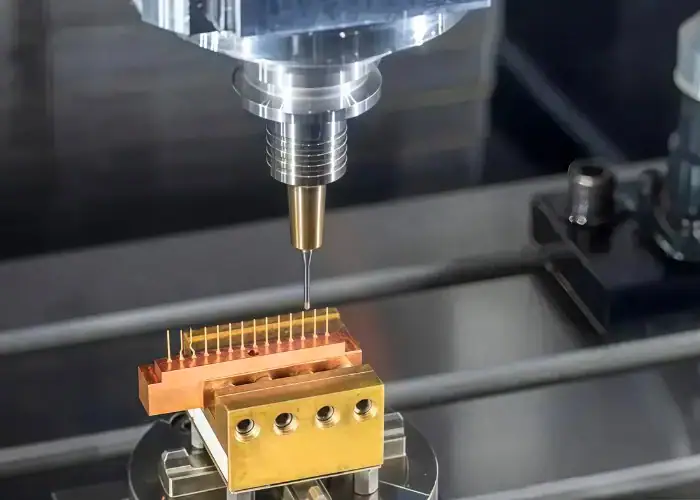
5-Axis CNC Machining
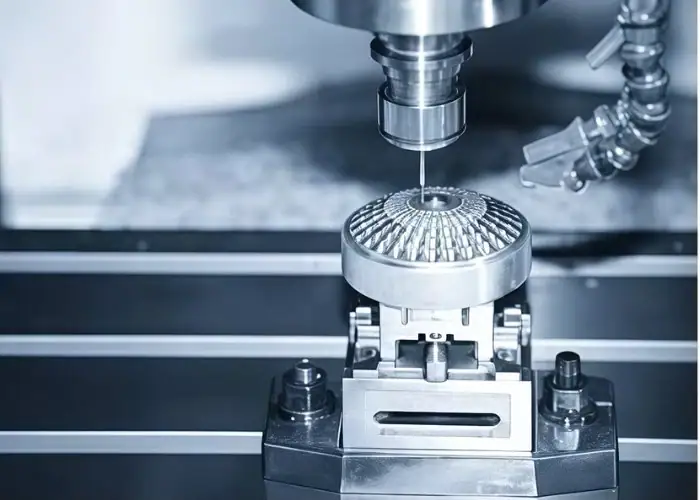
5-axis CNC machining is used for complex electronics parts that require angled features, multiple machined faces, deep cavities, or precise feature relationships. It can machine several sides of a component in one setup, reducing repositioning errors and improving production efficiency.
- Commonly used for complex housings, cooling components, optical mounts, RF parts, and precision equipment frames
- Suitable for angled holes, compound surfaces, deep cavities, and multi-face geometries
- Reduces repeated setups and helps maintain feature-to-feature accuracy
- Allows shorter cutting tools to reach difficult areas with improved stability
- Supports complex aluminum, stainless steel, copper, and engineering plastic components
CNC Milling
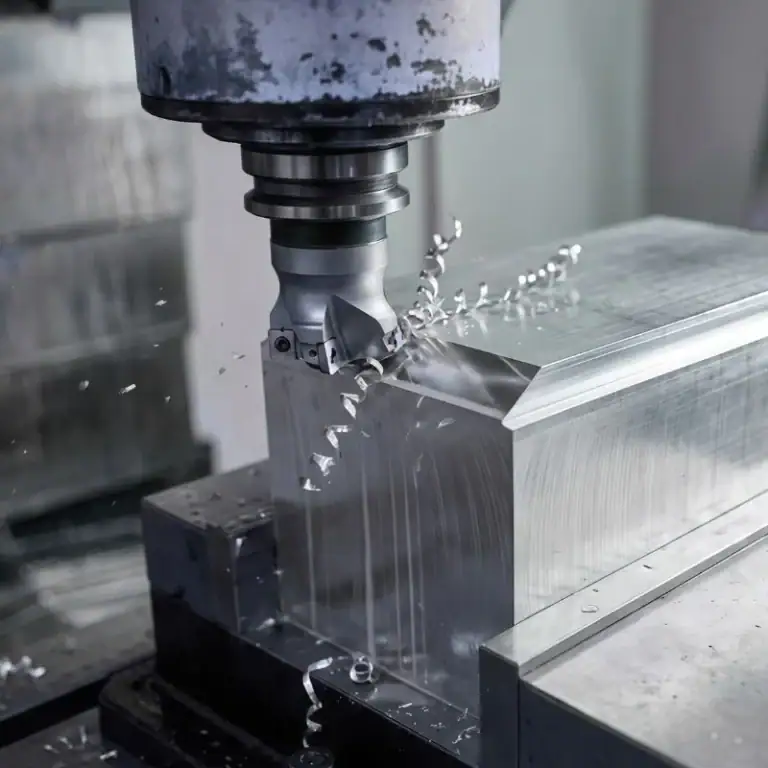
CNC milling is widely used for electronics parts with flat surfaces, pockets, mounting patterns, and complex outer contours. It is especially useful when a part requires accurate planar features, multi-face machining, or refined exterior geometry.
- Commonly used for housings, brackets, frames, bezels, and heat sinks
- Suitable for flat surfaces, internal pockets, slots, and mounting features
- Supports rapid design changes during prototyping and low-volume production
- Works well for both internal structural parts and visible exterior components
- Compatible with surface finishes such as anodizing, polishing, and bead blasting
CNC Turning
CNC turning is used for round or rotational electronics parts such as spacers, bushings, terminals, standoffs, and cylindrical connectors. It is efficient when diameters, bores, threads, and concentricity are important.
- Commonly used for spacers, bushings, terminals, sleeves, and threaded standoffs
- Best suited to cylindrical or rotational geometries made from bar stock
- Provides stable repeatability for parts used in repeated assemblies
- Efficient for production runs that require high consistency
- Often selected when diameter control and thread quality are critical
Swiss Turning
Swiss turning is commonly used for very small, slender, and high-precision electronic parts. It is especially valuable when a part is too delicate or too narrow for stable machining by standard turning methods.
- Commonly used for miniature pins, sockets, contacts, and connector elements
- Well suited to long, thin, and small-diameter precision parts
- Helps reduce deflection by supporting the material close to the cutting zone
- Improves dimensional control on miniature cylindrical features
- Often used in connector systems, compact assemblies, and micro electronic hardware
Micromachining
Micromachining is important when feature size becomes extremely small and conventional machining becomes less effective. It is used for highly detailed components that require tight tolerances at micro scale.
- Commonly used for miniature sensor parts, tiny connector details, and fine precision components
- Suitable for very small holes, thin walls, and micro-scale features
- Supports electronics products that continue to shrink in size
- Helps maintain precision where standard tools may be too large or less effective
- Often used in medical electronics, semiconductor equipment, and advanced compact devices
| Process | Best For | Typical Electronics Uses | Main Strength |
| 5-Axis CNC Machining | Complex multi-face and angled geometries | RF housings, optical mounts, cooling parts, precision frames | Fewer setups and accurate complex features |
| CNC Milling | Flat and complex geometries | Housings, brackets, heat sinks, frames | Flexible geometry and strong prototype support |
| CNC Turning | Rotational parts | Spacers, bushings, terminals, standoffs | Efficient production of cylindrical features |
| Swiss Turning | Small precision cylindrical parts | Pins, sockets, miniature connectors | Better control of slender miniature parts |
| Micromachining | Microscale features | Sensor parts and microprecision details | Extremely small features and tight tolerances |
What Types of Parts Are Commonly Machined for Electronics?
The parts most commonly machined for electronics include connectors, mounting parts, housings, casings, heat sinks, brackets, and small precision components. These parts may be structural, conductive, insulating, or thermal in function, but all require controlled geometry and dependable performance.
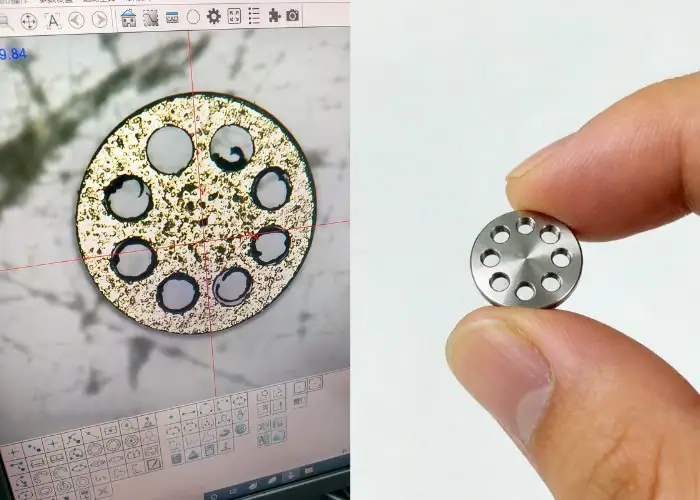
Connectors and Mounting Parts
Connectors and mounting components provide secure mechanical connections and alignment for electronics assemblies. They are essential for ensuring reliable electrical connectivity and structural stability. Examples include standoffs, battery contacts, terminal blocks, cable clamps, and sensor holders. CNC machining allows precise dimensions and consistent surface finish, ensuring high repeatability and long-term reliability.
Key considerations:
- Dimensional precision for tight fits
- Surface smoothness to avoid electrical interference
- Material selection for conductivity, insulation, or thermal stability
Housings and Casings
Housings and casings protect internal electronics from mechanical damage, dust, moisture, and electromagnetic interference. They also contribute to the overall structural integrity of the device. CNC machining can produce enclosures for smartphones, laptops, RF modules, and power supply shells with complex geometries, precise wall thicknesses, and smooth surfaces.
Important points:
- Shielding for RF-sensitive electronics
- Complex mounting features for assembly alignment
- Fine surface finish for aesthetics and thermal management
Heat Sinks and Thermal Management Parts
Heat sinks and other thermal management components are critical for maintaining optimal operating temperatures in high-power electronics. CNC machining allows accurate fin geometries, uniform surfaces, and precise interfaces for efficient heat transfer. Aluminum and copper are common materials due to their thermal conductivity and machinability.
Key requirements:
- Accurate thermal interface surfaces for optimal contact
- Fine detail machining for narrow fins and grooves
- Material selection balancing thermal performance and machinability
Brackets and Structural Components
Brackets, support frames, and internal structural parts provide mechanical support for PCBs, displays, sensors, and other internal modules. They must withstand vibration, assembly stress, and repeated handling. CNC machining ensures alignment, high dimensional accuracy, and optimized material use for lightweight and strong components.
Main considerations:
- Mechanical strength under vibration and dynamic loads
- Lightweight and high-strength materials
- Tight tolerance control for assembly fit and structural integrity
Small Precision Parts
Small precision parts, such as pins, terminals, and sensor carriers, often play critical roles in electrical and mechanical functionality despite their size. CNC machining provides consistent dimensions, tight tolerances, and high-quality surface finishes. Even sub-millimeter deviations can affect assembly, electrical performance, or thermal management.
Examples:
- Connector pins for electronics devices
- Sensor carriers for automotive or medical applications
- Micro terminals, springs, and miniature structural parts
Common Part Examples
- Smartphone housings
- Laptop frames
- Precision connector pins
- Aluminum heat sinks
- Sensor brackets
- Shielding covers
- Mounting standoffs
What Materials Are Commonly Used in Electronics Machining?
The materials most commonly used in electronics machining include metals, engineering plastics, conductive or insulating materials, UL 94 rated plastics, ESD-safe materials, and fiber-reinforced materials. Material choice matters because electronics parts often need a specific mix of mechanical, electrical, and thermal properties.
Metal Materials
Metal materials are widely used in electronics machining because they offer strength, thermal conductivity, and structural reliability. They are often selected for parts that need heat dissipation, mechanical support, stable dimensions, or long-term durability in demanding environments.
Common examples include aluminum, brass, stainless steel, and steel.
Typical uses include:
- Aluminum for heat sinks, lightweight housings, and structural frames
- Brass for terminals, connectors, and other conductive precision parts
- Stainless steel for corrosion-resistant structural parts and hardware
- Steel for durable support components and load-bearing parts
Engineering Plastics
Engineering plastics are widely used in electronics machining because they offer insulation, low weight, chemical resistance, and good functional versatility. They are often selected for parts that need electrical isolation, reduced friction, environmental resistance, or lightweight structural support.
Common examples include ABS, POM, Nylon, PTFE, and PEEK.
Typical uses include:
- ABS for covers, housings, and general-purpose protective components
- POM for precision mounts, bushings, rollers, and low-friction functional parts
- Nylon for support components, insulators, sleeves, and wear-resistant parts
- PTFE for seals, insulating elements, and chemically resistant low-friction components
- PEEK for high-performance electronics parts that require thermal stability, strength, and chemical resistance
Conductive and Insulating Materials
Electronics machining often requires a choice between conductive and insulating materials. Conductive materials are used for grounding, shielding, or thermal functions, while insulating materials are used when electrical isolation is necessary.
UL 94 Rated Materials
UL 94 rated materials are used in electronics because flammability performance is an important design requirement. In many electronics applications, flame-retardant plastics are selected to meet safety standards.
ESD Materials
ESD materials are used to protect sensitive components from electrostatic discharge. Conductive or dissipative plastics are often used for fixtures, housings, and parts near static-sensitive assemblies.
Fiber-Reinforced Materials
Fiber-reinforced materials are used when higher stiffness or dimensional stability is needed. In electronics, some plastics are reinforced with glass fiber to improve structural performance.
Quick Material Comparison
| Material Type | Main Advantage | Typical Uses |
| Aluminum | Lightweight and good heat transfer | Heat sinks, lightweight housings, structural frames |
| Brass | Conductivity and easy machinability | Terminals, connectors, conductive precision parts |
| Stainless Steel | Corrosion resistance and durability | Structural parts, hardware, corrosion-resistant components |
| Steel | Strength and wear resistance | Durable supports, load-bearing parts, internal structural components |
| Engineering Plastics | Insulation and low weight | Supports, covers, mounts, insulating components |
| UL 94 Plastics | Flame resistance | Safety-critical housings, protective covers, electrical enclosures |
| ESD Materials | Static protection | Fixtures, sensitive enclosures, parts near static-sensitive assemblies |
What Material Factors Matter Most in Electronics Machining?
The most important material factors in electronics machining are electrical behavior, thermal performance, strength, weight, environmental resistance, machinability, and cost. The best material is usually selected not for one property alone, but for the balance it offers in the final product.
Electrical Insulation or Conductivity
Selecting the correct electrical property is critical in electronics machining. Components may need to insulate high-voltage circuits, conduct signals or power, or dissipate static charges. Insulating materials like PEI or PEEK prevent short circuits and ensure safety, while conductive metals like copper or aluminum enable precise signal routing and current flow. Correct electrical design prevents component failure, improves reliability, and meets industry safety standards.
Thermal Management
Effective heat management is essential as modern electronics generate significant heat within compact assemblies. Heat-sensitive components such as chips, power modules, and LEDs require materials and designs that efficiently conduct and dissipate heat. Metals like aluminum and copper are often used for heat sinks, spreaders, or thermal pads, while thermally stable polymers like PEEK or polyimide maintain structural integrity under high temperatures. Proper thermal planning reduces thermal drift, prevents premature failure, and ensures long-term performance.
Strength and Durability
Electronics components must withstand mechanical stresses from assembly, vibration, transportation, and repeated use. Choosing materials with adequate tensile strength, impact resistance, and stiffness is crucial. High-performance plastics, aluminum alloys, and reinforced composites offer the necessary strength without significantly increasing weight. Durability considerations also include dimensional stability under thermal cycling and exposure to mechanical loads, ensuring functional reliability throughout the product’s lifecycle.
Weight Considerations
Weight reduction is increasingly important in portable electronics, automotive modules, aerospace systems, and wearable devices. Lightweight metals like aluminum or magnesium, as well as high-strength engineering plastics such as PEEK and PEI, reduce mass while maintaining structural integrity. Lower weight contributes to energy efficiency, easier handling, improved ergonomics, and enhanced system performance, particularly in battery-powered and airborne applications.
Corrosion and Chemical Resistance
Electronics components often face environmental exposure including humidity, cleaning solvents, chemical residues, and industrial atmospheres. Materials with high chemical and corrosion resistance, such as stainless steel, titanium, or specialized polymers, help prevent degradation, surface pitting, or swelling. Selecting corrosion-resistant materials extends the operational life of components, ensures consistent performance, and reduces maintenance or replacement costs in industrial, automotive, or medical applications.
Machinability and Cost
Material machinability directly affects production efficiency, tool wear, and cost. Metals like aluminum or brass are easy to machine and suitable for tight tolerances, while high-performance polymers such as PEEK or PEI require specialized tooling and careful process control. Balancing material performance with ease of machining helps reduce lead times, minimize tool costs, and achieve consistent part quality. Understanding the trade-offs between cost, processability, and final performance ensures optimal material selection for electronics manufacturing.
What Are the Main Benefits of Electronics Machining?
The main benefits of electronics machining are speed, flexibility, support for complex designs, strong finish quality, low-quantity feasibility, and fast product iteration. These advantages make machining especially useful for electronics development and precision production.
What Challenges Are Common in Electronics Machining?
The main challenges in electronics machining are miniaturization, material complexity, high finish and assembly requirements, and short development cycles. These issues do not make machining unsuitable, but they do make process control and supplier capability more important.
Miniaturization and Tight Tolerances
Electronics components are becoming increasingly compact, which significantly raises the difficulty of machining. Smaller parts require ultra-precise dimensions, often in the sub-millimeter range, making traditional inspection methods insufficient. Tolerances of ±0.01 mm or tighter are common, and even minor deviations can affect assembly fit, electrical performance, or thermal management. Manufacturers must employ high-precision CNC equipment, multi-axis machining, and advanced measurement techniques to meet these strict requirements.
Complex Material Selection
Selecting the right material for electronics components is a multifaceted challenge. Parts often need a balance of:
- Thermal stability to handle operating temperatures
- Electrical insulation or conductivity
- Chemical resistance for long-term reliability
- Mechanical strength for structural integrity
- Cost-effectiveness to remain competitive
This complexity means suppliers must have expertise in engineering plastics, high-performance metals, and hybrid composites to ensure optimal performance without overengineering.
High Surface and Assembly Requirements
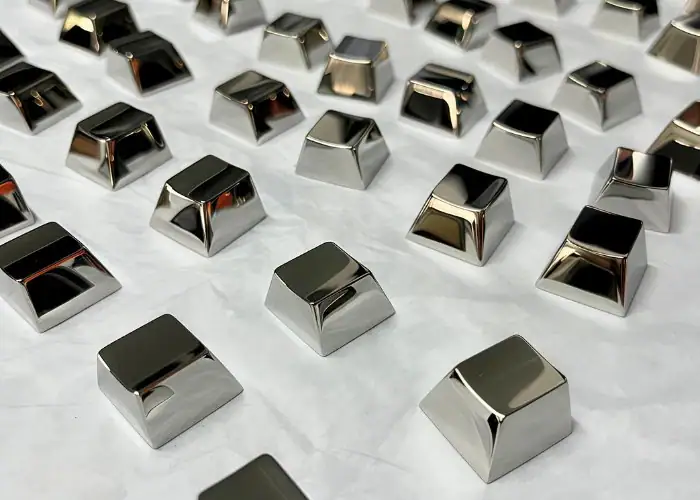
Electronics components must not only perform functionally but also meet aesthetic and assembly standards. Smooth surfaces, precise dimensions, and high-quality finishes are critical for enclosures, connectors, and user-facing parts. Misalignment, rough surfaces, or burrs can lead to electrical shorting, assembly failures, or poor product perception. Precision CNC machining, combined with post-processing like polishing, anodizing, or coating, ensures parts meet both functional and cosmetic specifications.
Short Development Cycles
The rapid pace of electronics development requires suppliers to operate with speed and accuracy. Prototyping, quotation, process planning, and production scheduling must all be tightly coordinated. Delays in any step can affect time-to-market, especially for consumer electronics, medical devices, or automotive electronics. Rapid iteration with CNC machining and low-volume production support allows teams to test, refine, and scale designs efficiently while controlling costs.
Where Is Electronics Machining Commonly Applied?
Electronics machining is commonly applied in consumer devices, telecommunications, semiconductor equipment, medical electronics, automotive electronics, and aerospace electronics. These sectors all rely on precise, reliable, and often compact machined parts.
Semiconductor and Automation
Semiconductor fabrication and automation systems depend on machined frames, wafer carriers, precision mounts, alignment fixtures, and other tolerance-critical components. High precision and stable surfaces are essential to maintain micro-scale alignment, repeatable motion, and process reliability. Components often must withstand chemical exposure, high temperatures, and cleanroom environments.
Aerospace
Aerospace electronics demand precision-machined casings, mounting brackets, shielding enclosures, connectors, and structural supports for avionics, satellites, UAVs, and flight control systems. Components must withstand extreme temperature ranges, high vibration, and mechanical loads while providing consistent dimensional stability and high surface quality for reliable operation in mission-critical environments.
Medical
Medical electronics require machined housings, mounting features, compact connectors, sensor supports, and other high-precision parts. These components must operate reliably in controlled or sterilized environments, with excellent dimensional stability, biocompatibility, and consistent surface finish. Applications include diagnostic devices, imaging systems, patient monitoring equipment, and surgical instruments.
Automotive
Automotive electronics integrate machined parts for sensor mounts, control unit enclosures, thermal management components, connectors, and structural supports. These components must endure vibrations, temperature fluctuations, moisture, and long-term mechanical stress while maintaining precise alignment for safety-critical systems, including ADAS sensors, engine control modules, and infotainment hardware.
Consumer
Consumer electronics rely on CNC-machined components for products such as smartphone shells, laptop bodies, camera housings, display frames, and internal structural supports. These parts demand high visual quality, tight tolerances, and durability. Precision machining ensures seamless assembly, aesthetic finishing, and structural integrity for devices that undergo daily handling and mechanical stress.
Telecommunications and Networking
Telecommunications and networking equipment require machined RF housings, shielding components, connectors, mounting brackets, and chassis parts. These components must meet strict electromagnetic interference (EMI) shielding requirements while maintaining dimensional accuracy to ensure signal integrity and reliable long-term performance in servers, routers, antennas, and base stations.
Why Is Rapid Prototyping Important in Electronics Product Development?
Rapid prototyping is important in electronics product development because it shortens development time, supports design verification, and reduces the cost of design mistakes. It is one of the reasons machining remains so valuable in the electronics industry.
Shorter Development Cycles
Rapid prototyping allows engineering teams to move from initial concept to functional test parts much faster than traditional tooling or production methods. This accelerated cycle is crucial for electronics products, which often face tight market launch deadlines. Early access to physical components helps designers and engineers identify potential issues sooner, shortening overall project timelines and enabling faster iterations.
Design Verification
Prototypes provide a tangible means to verify the fit, assembly, functionality, and performance of components under real-world conditions. For electronics, this can include testing thermal management, structural stability, electrical connectivity, and component integration. By validating these aspects early, teams can ensure that the final product meets specifications and regulatory requirements, reducing the risk of costly redesigns during mass production.
Lower Trial-and-Error Cost
CNC machining reduces trial-and-error costs by eliminating the need for new molds or tooling for each design revision. Parts can be quickly adjusted, remade, and tested, allowing multiple iterations without significant financial impact. This flexibility is particularly valuable for low- to mid-volume production runs or complex electronics parts, where minor design changes could otherwise result in expensive delays or scrap. By combining rapid prototyping with precise CNC machining, teams can optimize design performance while controlling project budgets.
How Does Electronics Machining Compare With Other Manufacturing Methods?
Electronics machining, injection molding, die casting, and sheet metal fabrication differ mainly in tooling investment, suitable production volume, available materials, geometric capability, and unit cost. The best method depends on the part design, required quantity, tolerance, and material.
| Method | Tooling Investment | Suitable Volume | Geometry And Materials | Typical Electronics Uses | Main Limitation |
| CNC Machining | Low; usually requires fixtures and cutting tools rather than dedicated molds | Prototypes, low-volume, and selected medium-volume production | Supports metals and engineering plastics with complex 3D features and tight tolerances | Precision housings, heat sinks, connector parts, optical mounts, and replacement components | Unit cost remains relatively high because every part requires machining time |
| Injection Molding | High due to mold design, manufacturing, and validation | Medium-to-high-volume plastic production | Best for repeatable plastic parts with uniform walls, draft angles, and moldable features | Covers, handheld housings, button carriers, insulators, and light-guide components | Design changes after mold production are slow and expensive |
| Die Casting | High due to metal dies and process setup | High-volume production | Suitable mainly for aluminum, zinc, and other low-melting non-ferrous alloys with thin walls | Metal enclosures, thermal frames, structural housings, and integrated hardware | Porosity, alloy restrictions, and tooling cost can limit design and application |
| Sheet Metal Fabrication | Low to moderate, depending on tooling and forming requirements | Prototypes through medium-to-high-volume production | Best for constant-thickness parts formed by cutting, bending, punching, and joining | Chassis, panels, brackets, cabinets, covers, and ventilated enclosures | Cannot easily produce deep cavities, complex curved solids, or varying wall thicknesses |
How Do You Choose a Reliable Electronics Machining Partner?
A reliable electronics machining partner should have industry experience, CNC capability, strong quality control, material knowledge, prototype support, and dependable communication. In electronics, the supplier is not only a producer, but often a practical engineering partner.
Industry Experience
Experience in electronics machining is critical because electronics components often involve tight tolerances, high complexity, delicate geometries, and specialized materials. Suppliers with experience in aerospace electronics, medical devices, or semiconductor components understand the nuances of thermal management, insulation, and miniaturization requirements. This expertise ensures fewer errors, faster iteration cycles, and more predictable outcomes in production runs.
CNC Machining Capabilities
A supplier’s capability determines whether they can handle your part requirements efficiently. Advanced electronics parts may require multiple processes such as:
- Milling for housings, brackets, and connectors
- Turning for shafts, pins, and fasteners
- Swiss-type machining for small, precision cylindrical parts
- Micromachining for sub-millimeter features and high-precision tolerances
Choosing a supplier with a broad CNC process range ensures flexibility for both prototype and production needs.
Quality Control Standards
Dimensional accuracy and surface quality are critical in electronics because even minor deviations can affect assembly, conductivity, or thermal performance. Suppliers should have:
- Documented inspection protocols such as CMM, optical measurement, and surface roughness checks
- Traceable quality records for each batch
- Compliance with standards like ISO 9001 or IPC requirements for electronics
These practices minimize defects, rework, and assembly failures in sensitive electronics applications.
Material and Engineering Knowledge
Electronics machining is not only about cutting metal or plastic; it requires deep understanding of material behavior. Important considerations include:
- Electrical insulation and conductivity
- Thermal management for heat-sensitive components
- Flammability and UL ratings for electronic housings
- ESD-sensitive materials for semiconductors and PCB components
A supplier with engineering knowledge can recommend the best material, surface finish, or post-processing treatment for your design requirements.
Prototyping and Low-Volume Support
Early-stage electronics development often requires rapid prototyping or small-volume runs. Suppliers who can seamlessly handle:
- Prototype parts for testing and verification
- Low-volume production with consistent quality
- Scalable transition to full production
help reduce lead times, avoid costly tooling changes, and ensure a smooth product ramp-up.
Lead Time and Communication
Fast response and clear communication are essential because electronics development often follows tight schedules. Key capabilities include:
- Accurate lead time estimates
- Timely progress updates
- Quick engineering feedback to resolve design or material issues
A responsive supplier reduces the risk of delays, miscommunication, and project cost overruns.
Supplier Checklist for Electronics CNC Machining
Before selecting a supplier, ensure they can provide:
- Proven experience with electronics projects
- Comprehensive CNC process capabilities
- Documented quality control procedures
- Material and finishing expertise for electronics applications
- Support for prototypes and low-volume production
- Reliable lead times and scheduling
- Clear and responsive engineering communication
FAQs
Can Electronics Machining Achieve Tight Tolerances?
Yes. Electronics machining can typically hold tolerances around ±0.01 mm to ±0.05 mm, depending on the material, geometry, and feature size. Tighter tolerances are possible, but they usually increase machining difficulty and cost.
Aluminum or PEEK for Electronics Machining?
Aluminum is better for heat dissipation, lightweight housings, and structural strength. PEEK is better when electrical insulation, chemical resistance, or high-performance plastic properties are more important.
Electronics Machining or Injection Molding for Housings?
Electronics machining is usually better for prototypes and low-volume housings because it avoids tooling and supports faster design changes. Injection molding is more suitable for high-volume production once the housing design is finalized.
Anodizing or Powder Coating for Electronics Housings?
Anodizing is often preferred for aluminum housings when dimensional accuracy and a clean metallic finish matter. Powder coating is a better choice when stronger surface coverage and more color options are needed.
How Fast Is Electronics Machining for Prototypes?
Electronics machining is generally fast for prototypes because no mold is required. Simple parts can often be completed within a few days, while complex geometries or special finishes may take longer.
Conclusion
Electronics machining helps manufacturers produce precision parts for structural support, thermal management, shielding, and assembly in a wide range of electronic applications. The right electronics machining solution depends on factors such as part geometry, material selection, tolerance requirements, surface finish, production volume, and overall project needs.
At TiRapid, we provide precision CNC machining for custom electronics parts across multiple industries. Upload your design to get a tailored solution for your electronics manufacturing project.