Type 2 and Type 3 anodize are both widely used on aluminum parts, but they are not selected for the same reason. Type 2 is often chosen when a project needs corrosion resistance, decorative appearance, and broader color flexibility, while Type 3 is more often used when wear resistance, surface hardness, and long-term durability matter more than visual finish.
In this guide, we compare Type 2 vs Type 3 anodize in process intent, performance, appearance, dimensional impact, cost, and applications. The goal is to help engineers and buyers choose the anodizing type that fits the real service conditions of the part instead of selecting a finish by habit alone.
What Is Anodizing?
Anodizing is an electrochemical process used to create a controlled oxide layer on the surface of aluminum. Instead of adding a separate coating on top of the part, the process changes the metal surface itself, which helps improve corrosion resistance and can also improve wear performance and electrical insulation characteristics.
This matters in machining because many aluminum parts need more than just good dimensional accuracy. They may also need a more durable surface, better environmental protection, or a finish that supports appearance requirements. Anodizing helps bridge that gap between machined geometry and final-use surface performance.
Among the most common options, Type 2 and Type 3 anodize are the two choices most often compared for machined aluminum parts. Although both create protective oxide layers, they differ in thickness, hardness, aesthetics, and intended use.
What Is Type 2 Anodize?
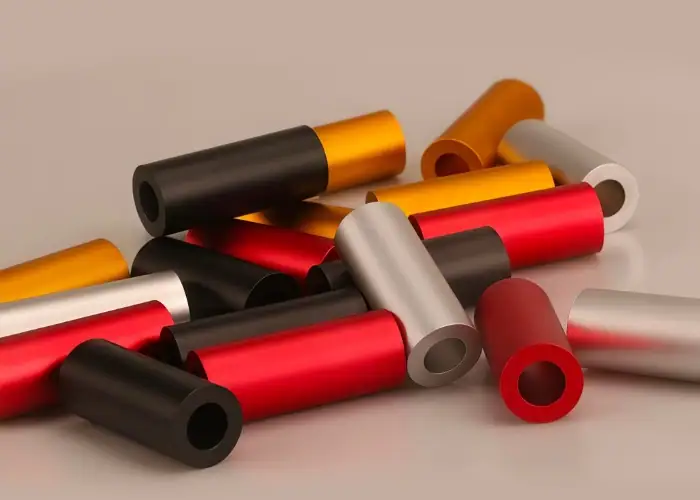
Type 2 anodize, often called sulfuric acid anodize, is the more common general-purpose option. It creates a thinner oxide layer than Type 3 and is often selected when a project needs corrosion resistance, a cleaner decorative appearance, and more flexibility in dyeing or color matching.
Because the coating is thinner and more porous, Type 2 tends to accept dyes better than Type 3. That makes it a practical choice for parts that need black, clear, or other cosmetic colors while still benefiting from improved corrosion resistance and moderate wear performance.
In practical manufacturing, Type 2 is often used for housings, visible aluminum components, trim pieces, electronics parts, consumer products, and general industrial parts that need a balanced finish rather than maximum hardness.
What Is Type 3 Anodize?
Type 3 anodize, often called hardcoat anodize or hard anodizing, is used when the surface must perform under more demanding mechanical conditions. It creates a much thicker and denser oxide layer than Type 2, which is why it is associated with stronger wear resistance, greater hardness, and better durability in harsh service environments.
This denser layer is one of the main reasons Type 3 is often chosen for industrial, aerospace, automotive, and other functional applications where abrasion, friction, or repeated contact can wear down a softer finish. It is generally less about decorative appeal and more about functional protection.
Type 3 can also be dyed, but the thicker and denser oxide layer does not accept color as easily as Type 2. As a result, color options are usually more limited and tend to stay in darker shades such as black, dark gray, or other industrial-looking tones.
Type 2 vs Type 3 Anodize: The Main Difference
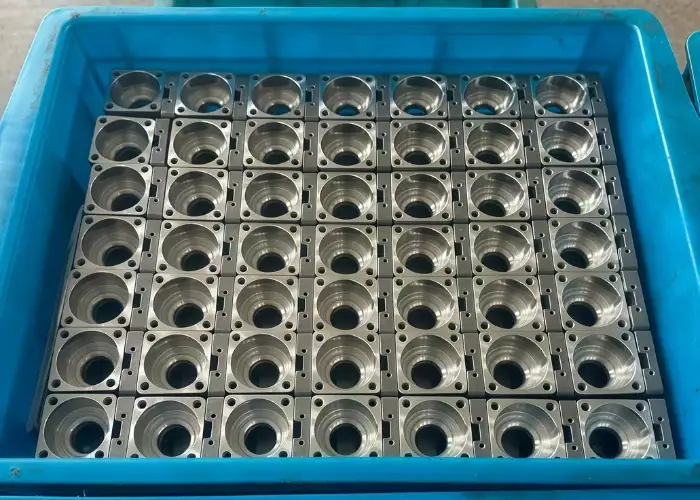
Before comparing use cases in detail, it helps to look at the two finishes side by side. Although both are anodizing types for aluminum, their differences are not minor process details. They affect how the part looks, how it wears, how much the coating influences dimensions, and how much the finish is likely to cost.
| Comparison Area | Type 2 Anodize | Type 3 Anodize |
| Main Purpose | General corrosion resistance and decorative finish | Harder, thicker, more wear-resistant functional finish |
| Coating Thickness | Thinner oxide layer | Thicker and denser oxide layer |
| Wear Resistance | Good to moderate | Higher, especially for abrasion-heavy use |
| Hardness | Lower than Type 3 | Higher than Type 2 |
| Color Capability | Better dye absorption and more color options | More limited color range, usually darker tones |
| Appearance | More suitable for visible or decorative parts | More industrial appearance |
| Dimensional Impact | Lower | Higher, so tolerance planning matters more |
| Cost | Usually lower | Usually higher |
| Best Fit | Cosmetic and general-purpose aluminum parts | Heavy-duty and wear-sensitive aluminum parts |
This comparison shows why the choice is usually driven by function. Type 2 is not simply a cheaper version of Type 3, and Type 3 is not simply a stronger version of Type 2 for every project. Each finish is better suited to a different balance of appearance, durability, tolerance sensitivity, and cost.
Which Is Better for Appearance and Color?
If appearance is a major requirement, Type 2 is usually the better choice. Its thinner and more dye-friendly oxide layer supports a wider range of color options and more decorative finishes, which is why it is widely used for visible aluminum parts in consumer, architectural, electronics, and trim-related applications.
Type 3 can still be dyed, but it is generally not the first choice for projects that depend on bright or highly controlled cosmetic color. The coating tends to be darker and more industrial in appearance, and the denser layer limits color flexibility compared with Type 2.
So when the main goal is visual consistency, branded color, or a cleaner decorative finish, Type 2 is usually the more practical option. When function matters more than color range, Type 3 becomes more attractive.
Which Is Better for Wear Resistance and Hardness?
For wear resistance, abrasion resistance, and surface hardness, Type 3 is usually the stronger option. The thicker and denser oxide layer is specifically why hardcoat anodizing is selected for components exposed to friction, repeated contact, or more aggressive service conditions.
Type 2 still improves the aluminum surface and can provide useful corrosion and scratch resistance, but it is not normally the finish chosen when the part must withstand more severe mechanical wear. In those cases, Type 3 is usually the better engineering answer.
This is why parts such as industrial machine components, heavily used fittings, and wear-sensitive aluminum features more often move toward Type 3, while Type 2 stays common on parts where appearance and general environmental resistance matter more than maximum durability.
How Do They Affect Dimensions and Tolerances?
One of the most practical differences between Type 2 and Type 3 is dimensional impact. Because Type 3 creates a thicker oxide layer, it can influence final dimensions more than Type 2. That means tolerance planning becomes more important when hardcoat anodizing is specified on close-fit parts.
Type 2 also adds thickness, but the effect is usually smaller and easier to accommodate in general-purpose designs. For many cosmetic or moderate-performance parts, this makes it the easier finish to apply without major concern about coating growth on tight features.
For engineers, the key point is simple: the finish cannot be treated as an afterthought. If the part includes precision bores, mating diameters, threads, or contact surfaces, the anodizing type should be considered during design instead of only at the finishing stage.
Which Costs More?
Type 3 anodize generally costs more than Type 2. The process conditions are more demanding, the oxide layer is thicker, and the overall treatment is more time- and energy-intensive. That is why Type 3 is usually chosen only when the extra performance is worth the added cost.
Type 2 is usually the more cost-effective choice for projects that need corrosion protection and appearance improvement without the heavier-duty wear requirements of hardcoat. For many general aluminum parts, it provides a more balanced result between finish quality, performance, and budget.
So the cost question should be tied to function, not only price. Choosing Type 3 for a decorative part can overspecify the finish, while choosing Type 2 for a wear-critical part can underspecify it. The better decision depends on the real working environment of the component.
Typical Applications of Type 2 and Type 3 Anodize
Looking at real applications is one of the clearest ways to understand the difference between Type 2 and Type 3 anodize. Although both finishes are used on aluminum parts, they are usually selected for different service priorities. In practical manufacturing, the right choice depends less on the finish name itself and more on whether the part needs better appearance, better wear resistance, or a more balanced combination of both.
Common Applications of Type 2 Anodize
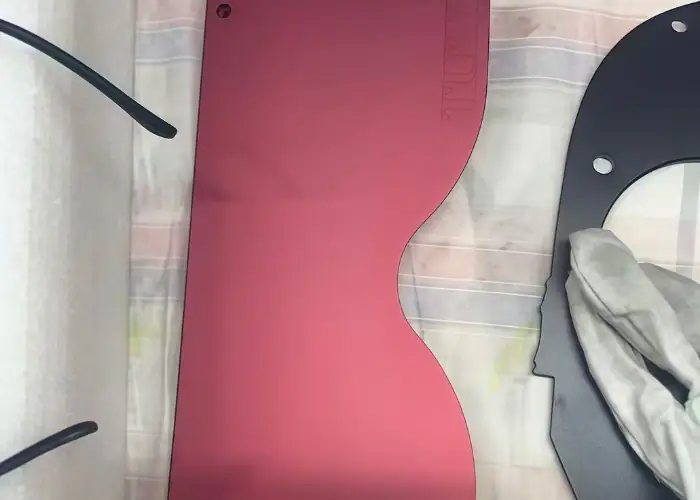
Type 2 anodize is commonly used for aluminum parts that need corrosion resistance, decorative appearance, and broader color flexibility. It is often selected for consumer products, electronics housings, architectural components, trim parts, and visible industrial parts where the surface needs to look clean while still gaining added protection from oxidation and general environmental exposure.
This finish is also a practical choice for projects where visual consistency matters more than maximum wear resistance. Because Type 2 accepts dyes more easily, it is often preferred for black, clear, or other colored finishes on machined aluminum parts. That makes it especially useful when branding, product appearance, or cosmetic surface quality is part of the design requirement.
In real production, Type 2 is usually the better fit when the part will not face heavy friction, repeated abrasion, or severe mechanical wear. If the goal is a balanced finish that improves corrosion resistance while supporting decorative requirements, Type 2 is often the more practical and more cost-effective anodizing option.
Common Applications of Type 3 Anodize
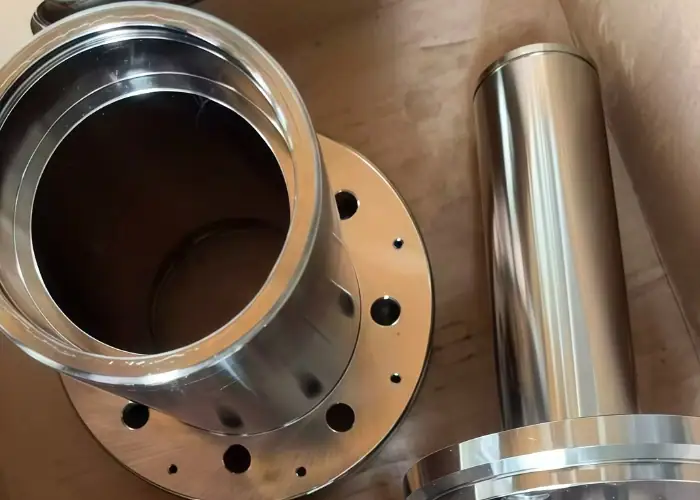
Type 3 anodize is more commonly used for aluminum parts that must perform under harder service conditions. It is often specified for aerospace parts, automotive components, industrial equipment, machine parts, valve bodies, fittings, and other functional components where surface hardness, wear resistance, and long-term durability are more important than decorative appearance or wide color choice.
This finish is especially useful when the part will be exposed to repeated contact, friction, sliding movement, or harsher operating environments. Because Type 3 creates a thicker and denser oxide layer, it is better suited to parts that need stronger surface protection rather than only moderate corrosion resistance. In these cases, the finish is chosen more for performance than for appearance.
In practical engineering applications, Type 3 is usually the better choice when the aluminum part must keep working reliably despite abrasion, load, or aggressive service conditions. If the design priority is functional durability rather than color flexibility or cosmetic finish, Type 3 anodize is often the stronger long-term solution.
What Materials Are Suitable for Type 2 and Type 3 Anodize?
Type 2 and Type 3 anodize are both mainly used on aluminum and aluminum alloys. In practical manufacturing, the alloy affects coating appearance, hardness, color response, and overall finish quality. That is why anodizing type should be considered together with material choice instead of being treated as a separate finishing decision after machining.
Materials Commonly Used for Type 2 Anodize
Type 2 anodize is commonly used on aluminum alloys when the project needs corrosion resistance, decorative appearance, and better color flexibility. It is often applied to housings, panels, handles, trim parts, and other visible aluminum components where the finish needs to look clean while also improving surface protection.
This finish is especially practical for commonly machined aluminum alloys such as 6061 and other general-purpose grades that respond well to sulfuric acid anodizing. These materials are often chosen because they offer a good balance of machinability, anodizing consistency, and finished appearance, especially when dyed colors are required.
In real production, Type 2 is usually the better fit for aluminum parts that are decorative, customer-facing, or exposed to moderate service conditions. If the design priority is appearance, color, and general corrosion resistance rather than maximum wear performance, an anodizable aluminum alloy is usually the right material choice.
Materials Commonly Used for Type 3 Anodize
Type 3 anodize is also mainly used on aluminum and aluminum alloys, but it is more often selected for parts that must perform under harder service conditions. It is commonly applied to industrial, aerospace, automotive, and equipment-related aluminum parts where wear resistance and surface hardness matter more than decorative finish.
This finish is usually paired with aluminum alloys used for functional machined parts such as housings, fittings, valve bodies, and mechanical components. In these cases, the material must support not only anodizing compatibility, but also the stronger surface protection needed for repeated contact, friction, or abrasion in service.
In practical engineering work, Type 3 is best suited to anodizable aluminum alloys used in performance-focused applications. If the part needs stronger durability and a harder oxide layer instead of broad color flexibility, the material should be chosen with hardcoat performance in mind from the beginning.
How to Choose Between Type 2 and Type 3 Anodize?
The first question should be what the part needs to do in service. If the finish mainly needs to improve corrosion resistance, support color, and protect the part in moderate environments, Type 2 is often the better fit. If the part must resist heavy wear, repeated friction, or more severe service conditions, Type 3 is usually the stronger choice.
When to Choose Type 2 Anodize
Type 2 is usually the better choice when the finish mainly needs to improve corrosion resistance, support color, and protect the part in moderate service environments. It is especially suitable for decorative aluminum parts, visible components, and projects where appearance, color flexibility, and lower cost matter more than maximum wear resistance.
When to Choose Type 3 Anodize
Type 3 is usually the better choice when the part must resist heavier wear, repeated friction, or more severe service conditions. It is more suitable for functional aluminum parts where surface hardness, abrasion resistance, and long-term durability are more important than decorative finish or broad color options.
When Tolerance and Cost Should Influence the Choice
Tolerance and budget should also influence the decision. If the design includes close-fit features or the project is cost-sensitive, Type 2 is often easier to manage because its coating is thinner and usually less expensive. If the part would fail too quickly without stronger wear protection, Type 3 may still be the more appropriate option despite the added thickness and cost.
FAQs
Does Type 3 anodize always justify the extra cost?
Not always. Type 3 usually costs more because the coating is thicker and the process is more demanding. If the part mainly needs corrosion resistance, color, and general surface protection, Type 2 may be enough. Type 3 is more justified when the part will face abrasion, repeated contact, or harder service conditions.
Which anodizing type is better for cosmetic aluminum parts?
Type 2 is usually the better choice for cosmetic parts because it offers better dye absorption and a wider range of decorative color options. If the project depends on visible finish quality or color consistency, Type 2 is generally more practical than Type 3.
When should dimensional growth be a bigger concern?
Dimensional growth becomes more important when the part includes tight bores, close-fit diameters, threads, or mating surfaces. In those cases, Type 3 usually needs more attention because its thicker coating has a greater effect on the final dimensions than Type 2.
Can one part use Type 2 in one project and Type 3 in another?
Yes. The right anodizing type depends on the service condition of the part, not only on the part name or material. The same aluminum component may use Type 2 in a decorative or light-duty application and Type 3 in a more wear-sensitive or industrial environment.
Conclusion
Type 2 vs Type 3 anodize is not just a finish comparison. It is a design and performance decision. Type 2 is usually the better choice for decorative aluminum parts that need corrosion resistance and color flexibility, while Type 3 is usually the better choice for parts that need more hardness, abrasion resistance, and long-term durability in demanding conditions.
At TiRapid, we help customers choose practical anodizing options for CNC machined aluminum parts based on real design requirements, surface performance, and production goals.