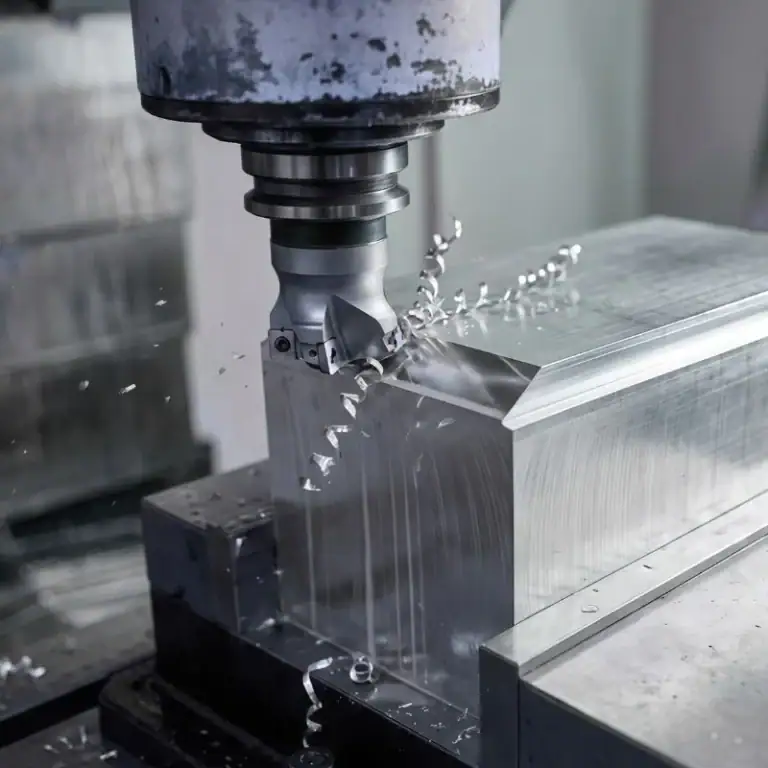
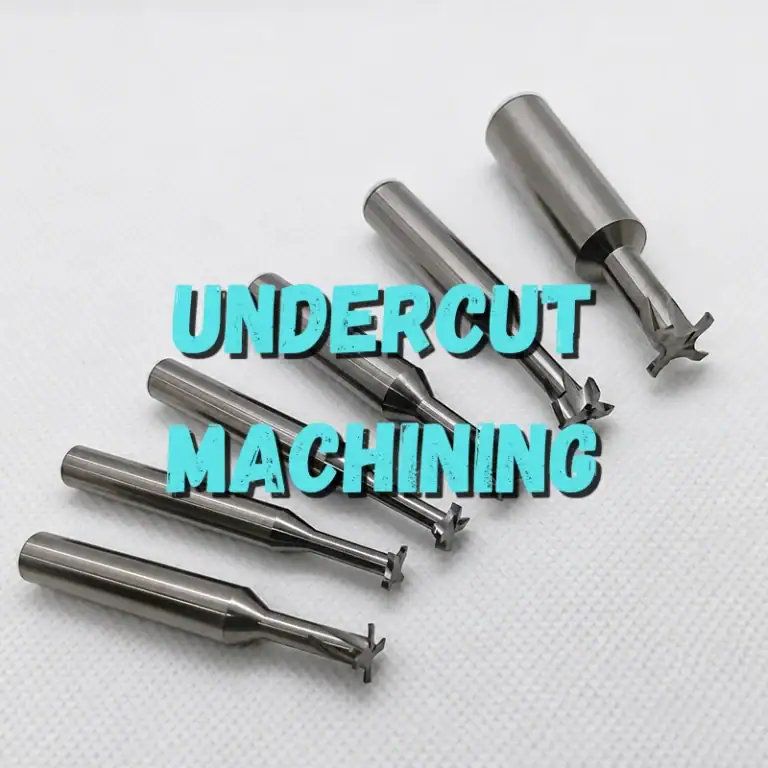
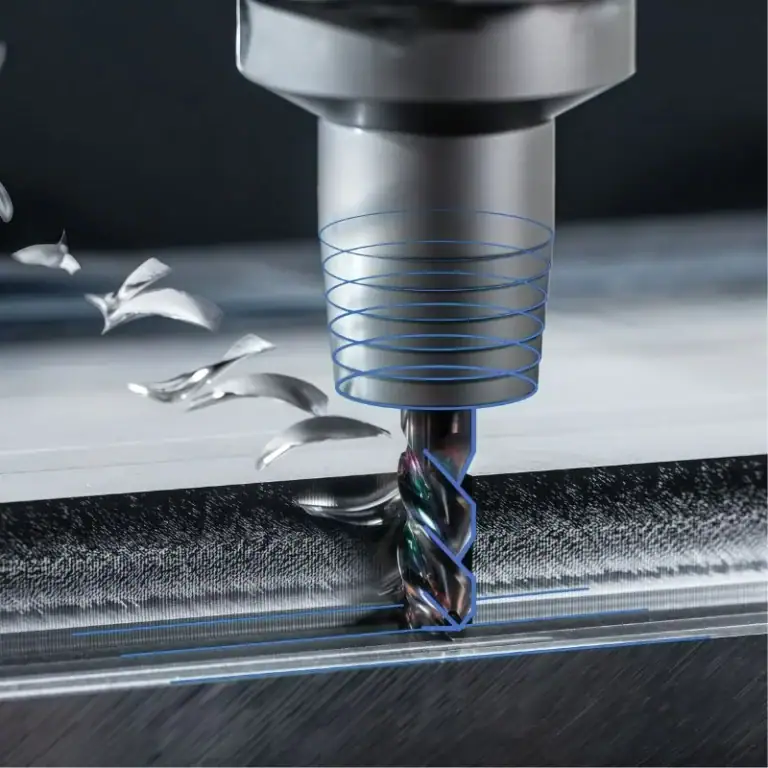
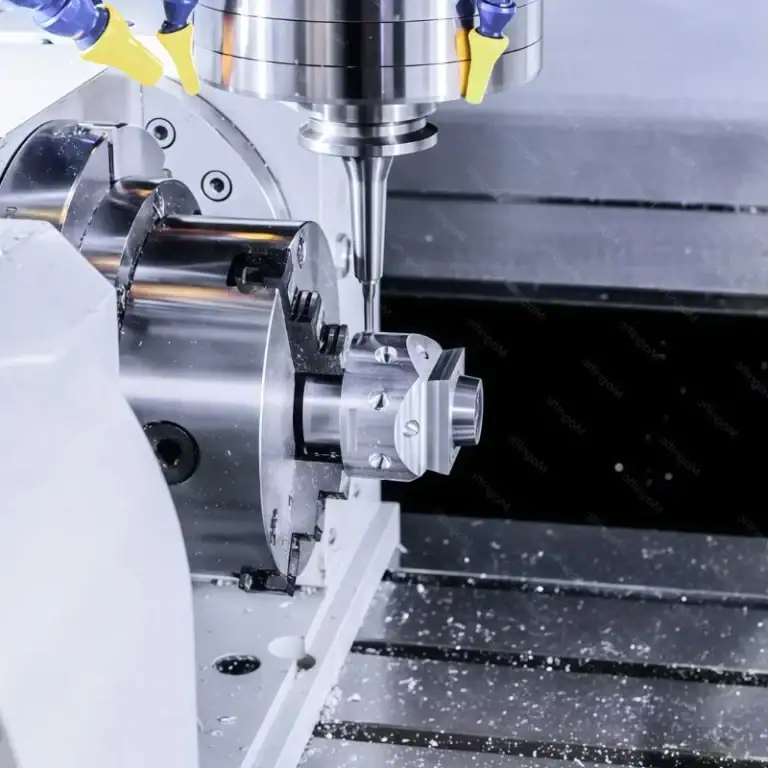
Precision machining requires extremely high standards for dimensional accuracy, surface quality, and structural stability. Even the smallest deviation can affect assembly performance or the operation of an entire machine. In real manufacturing environments, many companies are not struggling with whether a part can be machined, but whether it can be produced consistently and reliably over time. Complex structures, thin-walled components, and high-hardness materials are especially likely to expose machining challenges. Understanding these common issues helps reduce scrap rates while improving production quality and efficiency.
Dimensional Errors and Unstable Accuracy
Dimensional precision is one of the most important indicators in precision machining, but it is also one of the easiest aspects to be affected by multiple factors.
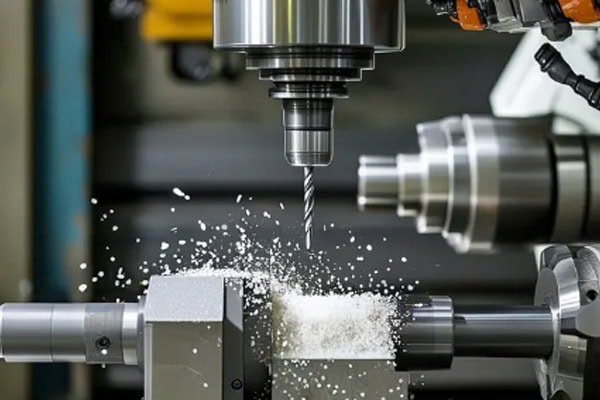
Machine accuracy limitations causing cumulative errors
- Guideways and ball screws gradually wear after long-term operation, reducing positioning accuracy
- Spindle runout at high speed can lead to unstable dimensions
- Multi-axis machining of complex surfaces requires extremely precise synchronization
- Long continuous machining cycles may also cause thermal expansion and dimensional drift
Tool wear affecting machining results
- As cutting edges wear down, dimensional stability decreases
- Hard materials significantly accelerate tool wear
- Changes in cutting force caused by worn tools can create localized dimensional deviations
Improper machining parameter settings
- Excessive cutting depth increases the risk of material deformation
- Unstable feed rates can cause dimensional fluctuations
- Using the same parameters for different materials often leads to machining errors
- Poor toolpath planning may result in overcutting or undercutting
- Without intermediate inspections, errors can gradually accumulate and expand
Dimensional issues are rarely caused by a single factor; they usually result from the combined effects of machines, tooling, and process settings.
Workpiece Deformation and Structural Instability
For thin-wall parts, long shafts, and large structural components, deformation is often more difficult to control than dimensional accuracy itself.
Internal stress release in materials
- Metals naturally contain residual stress from rolling, forging, or casting processes
- After large amounts of material are removed, stress redistribution can cause warping
- Low-rigidity materials such as aluminum alloys are more prone to deformation
- Without stress-relief treatment after rough machining, finishing stability decreases significantly
Improper clamping methods
- Excessive clamping force can directly deform the workpiece
- Uneven support point distribution creates localized stress concentration
- Standard fixtures may cause collapse in thin-wall structures
- Repeated setups can also introduce positioning errors
Thermal deformation problems
- High-speed cutting rapidly increases local temperatures
- Thermal expansion and contraction easily lead to dimensional shifts
- Uneven coolant application creates thermal stress differences
- Temperature-controlled environments significantly improve machining stability
- Continuous spindle heating can also affect overall precision
Many deformation problems only become visible after machining is completed, making them more difficult to control.
Surface Quality and Roughness Problems
In high-end manufacturing, surface quality affects not only appearance but also service life and operational reliability.
Surface roughness not meeting requirements
- Worn tools often leave visible tool marks on surfaces
- Spindle vibration can create surface waviness
- Improper finishing allowance control affects final smoothness
- Different materials require different surface machining parameters
Burrs and edge defects
- Small holes and thin edges are most likely to generate burrs
- Incomplete deburring can affect assembly accuracy
- Precision sealing structures require extremely clean and smooth edges
Surface burning and oxidation
- Excessive cutting temperature may cause surface burns
- Stainless steel and similar materials are more likely to show oxidation marks
- Burned surfaces may experience changes in material properties
- Localized hardening can increase the difficulty of later machining steps
Vibration marks and machining traces
- Insufficient machine rigidity can create vibration marks
- Excessive tool overhang reduces machining stability
- Interrupted cutting paths may produce uneven surface patterns
- High-speed machining can amplify vibration-related issues
- Even microscopic vibration marks may affect precision fitting performance
Surface problems are often treated as minor details, but they frequently determine whether a component can actually be used in practice.
Machining Efficiency and Cost Challenges
Some manufacturers can produce high-precision parts but still struggle to remain competitive because of efficiency and cost issues.
Long machining cycles
- High-precision machining usually requires multiple coordinated processes
- Finishing operations involve light cuts and slower speeds
- Complex parts often require frequent tool changes and inspections
- Multiple setups further increase production time
High tooling and equipment investment
- Premium cutting tools are expensive and require frequent replacement
- Five-axis machines have high maintenance costs
- Hard materials accelerate tool wear significantly
- Precision inspection equipment also requires substantial investment
- Small production batches make it difficult to spread equipment costs
Difficulty controlling consistency and scrap rates
- Tiny errors can result in complete part rejection
- Consistency becomes harder to maintain in batch production
- Complex parts often allow little or no rework space
- High-precision industries enforce extremely strict inspection standards
High-precision manufacturing challenges not only machining capability but also overall production management.
Problems in precision machining are rarely caused by a single factor. Instead, they result from the interaction of machines, materials, processes, and environmental conditions. Dimensional errors, workpiece deformation, surface defects, and cost-efficiency challenges are all critical areas that manufacturers must continuously optimize. Only by building a stable machining system and improving process control can companies consistently achieve high precision and manufacturing reliability. Service systems like Tirapid, which focus on precision machining and complex component manufacturing, provide more stable and reliable support through multi-process coordination and extensive machining expertise.