Ultem 1000 machining is widely used for parts that need high heat resistance, strong mechanical performance, and stable dimensional accuracy. As a high-performance PEI material, Ultem 1000 is often chosen for demanding applications where standard plastics may not perform well enough.
This guide explains what makes Ultem 1000 suitable for machining, how it performs in real applications, and what to consider when selecting it for precision plastic parts.
What Is Ultem 1000?
Ultem 1000 is an unfilled PEI, or polyetherimide, engineering plastic known for its high heat resistance, mechanical strength, and dimensional stability. It is part of the Ultem material family and is often selected for precision parts that need to perform under heat, stress, or strict functional requirements.
Unlike common plastics, Ultem 1000 can maintain stable performance in demanding environments. It offers good stiffness, flame resistance, electrical insulation, and chemical resistance, making it suitable for components used in aerospace, medical, electronics, automotive, and industrial equipment.
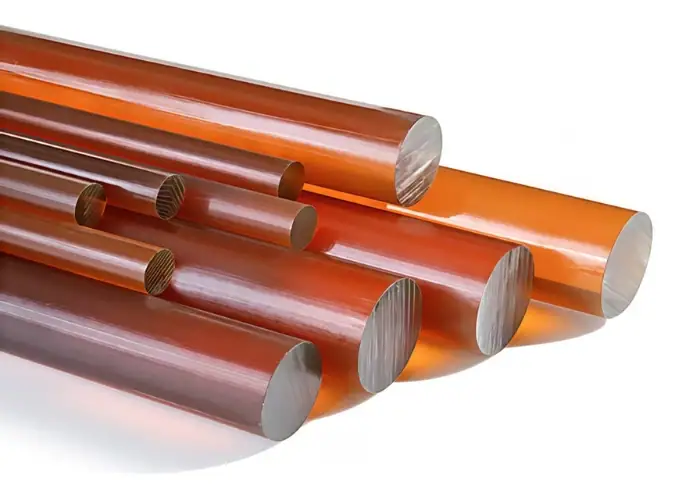
In manufacturing, ultem 1000 machining is commonly used to produce custom parts from rods, sheets, or plates. CNC machining allows engineers to create precise housings, insulators, brackets, spacers, connectors, and other functional components without the need for expensive molds.
Because Ultem 1000 combines heat resistance, strength, and stability, it is often used when standard plastics such as ABS, PC, POM, or Nylon cannot meet performance requirements. However, it also requires careful machining control, because cutting heat, internal stress, and clamping pressure can affect final part accuracy.
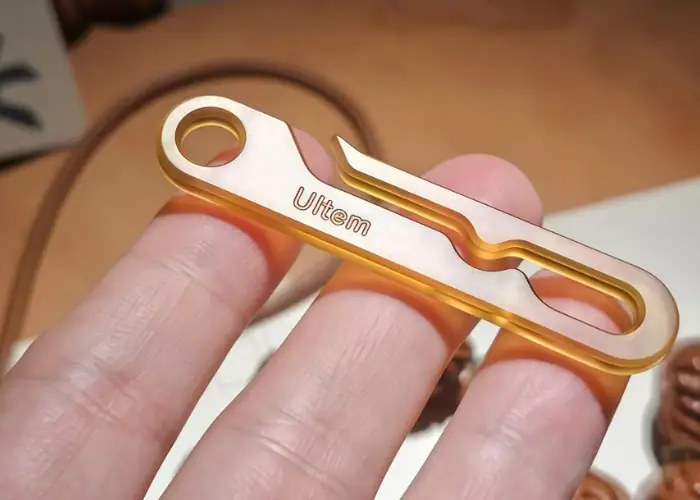
What Are the Key Properties of Ultem 1000?
Ultem 1000 is valued because it combines heat resistance, mechanical strength, dimensional stability, flame resistance, and electrical insulation in one high-performance plastic. These properties make it suitable for precision CNC machined parts used in demanding environments.
High Heat Resistance
Ultem 1000 has excellent thermal stability and can maintain its performance under continuous high-temperature conditions. This makes it suitable for parts used near heat sources, electrical systems, engines, and industrial equipment. For CNC machined parts, good heat resistance helps reduce the risk of softening, deformation, or early failure during service.
Good Mechanical Strength
Ultem 1000 offers strong mechanical performance, including good stiffness, tensile strength, and impact resistance. It can support functional loads better than many standard plastics, which makes it useful for brackets, housings, spacers, fixtures, and structural plastic components. This strength is one reason why Ultem 1000 is often chosen for high-value engineering parts.
Dimensional Stability
Dimensional stability is one of the key advantages of Ultem 1000. Compared with some plastics that easily expand, shrink, or absorb moisture, Ultem 1000 can hold tighter dimensions under many working conditions. This is especially important for precision CNC parts that require stable assembly fit, repeatable performance, and reliable tolerance control.
Electrical Insulation
Ultem 1000 provides excellent electrical insulation performance, making it suitable for connectors, sockets, circuit board supports, insulators, and electronic housings. It helps protect electrical systems while still offering enough strength for mechanical support. This balance is valuable in electronics, automation, medical equipment, and aerospace components.
Flame Resistance
Ultem 1000 is known for its flame-resistant performance and low smoke characteristics. This makes it suitable for applications where safety and material behavior under heat are important. Aerospace interiors, transportation parts, electrical components, and industrial equipment often benefit from this property.
Chemical Resistance
Ultem 1000 has good resistance to many common chemicals, cleaning agents, and industrial fluids. This helps machined parts maintain performance in environments where they may contact oils, fuels, detergents, or sterilization-related media. However, chemical compatibility should still be checked for aggressive solvents or harsh operating conditions.
Why Is Ultem 1000 Suitable for CNC Machining?
Ultem 1000 is suitable for CNC machining because it combines high strength, heat resistance, dimensional stability, and good machinability. These properties allow it to be processed into precise functional parts without the need for injection molds, making it practical for prototypes, small-batch production, and custom engineering components.
Stable Performance for Precision Parts
Ultem 1000 maintains good dimensional stability during and after machining, which is important for parts that require accurate assembly or tight tolerances. Compared with many standard plastics, it performs better under heat, stress, and demanding working conditions. This makes it useful for spacers, brackets, housings, insulators, and structural plastic parts.
Suitable for CNC Milling and Turning
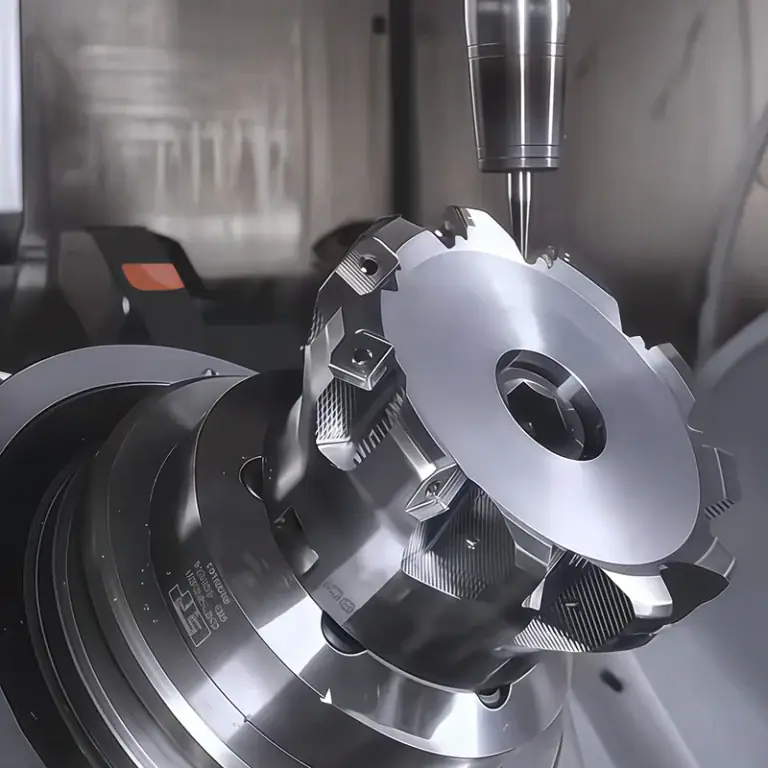
Ultem 1000 can be CNC milled, turned, drilled, and cut from sheets, rods, or plates. This gives engineers more flexibility when producing low-volume parts or complex geometries. With proper tool selection, stable clamping, and controlled cutting parameters, ultem 1000 machining can achieve clean surfaces and reliable part accuracy.
Good Choice for Prototypes and Low-Volume Production
For product development, CNC machining Ultem 1000 avoids the cost and lead time of mold manufacturing. This is especially useful when engineers need to test part geometry, assembly fit, thermal performance, or electrical insulation before mass production. Design changes can also be made faster through CAD updates and new machining programs.
Strong Functional Performance After Machining
Ultem 1000 machined parts can retain many of the material’s key properties, including heat resistance, flame resistance, electrical insulation, and mechanical strength. This makes ultem cnc machining suitable for aerospace, medical, electronics, automotive, and industrial components where the part must do more than simply hold shape.
Important Machining Control
Although Ultem 1000 is suitable for CNC machining, it still requires careful process control. Excessive cutting heat, poor clamping, or unsuitable tools may cause deformation, stress marks, or surface defects. For high-precision parts, sharp tools, proper feeds and speeds, coolant control, and stress-relief planning are important.
What Are the Advantages of Ultem 1000 Machining?
Ultem 1000 machining offers several advantages for precision parts that need strength, heat resistance, electrical insulation, and dimensional stability. Compared with molding, CNC machining is especially useful for prototypes, small batches, and custom components because it avoids mold cost and allows faster design changes.
High Precision for Functional Parts
CNC machining can produce Ultem 1000 parts with accurate dimensions and stable repeatability. This is important for components such as insulators, spacers, brackets, connectors, and housings that must fit correctly during assembly. With proper machining control, Ultem 1000 can meet the needs of many high-performance functional parts.
Strong Heat and Mechanical Performance
Ultem 1000 maintains good strength and stiffness in demanding working conditions. Its heat resistance makes it suitable for parts used near engines, electrical systems, industrial equipment, and high-temperature environments. For applications where ordinary plastics may soften or deform, machined Ultem 1000 can provide better long-term reliability.
Excellent Electrical Insulation
Ultem 1000 has strong electrical insulation properties, making it useful for electronic and electrical components. CNC machining can turn Ultem 1000 sheets, rods, or plates into custom sockets, circuit board supports, insulating blocks, and connector components. This makes it valuable for electronics, automation, medical equipment, and aerospace applications.
No Mold Cost for Low-Volume Production
One major advantage of ultem 1000 machining is that it does not require injection molds. This helps reduce upfront cost and lead time for prototypes, engineering samples, replacement parts, and low-volume production. If the design changes, the part can often be updated by modifying the CAD file and machining program.
Suitable for Complex Custom Parts
Ultem 1000 can be CNC milled, turned, drilled, and cut into complex shapes. This makes it suitable for parts with holes, slots, pockets, steps, threads, and assembly features. For custom engineering components, CNC machining gives designers more flexibility than many mold-based processes.
Reliable Performance in High-Value Industries
Because Ultem 1000 combines strength, heat resistance, flame resistance, and insulation, it is widely used in industries where material failure can be costly. Aerospace, medical, electronics, automotive, and industrial equipment projects often choose Ultem 1000 when standard plastics cannot meet performance requirements.
What Are the Limitations of Ultem 1000 Machining?
Although Ultem 1000 is a high-performance engineering plastic, it is not the best choice for every part. Its higher material cost, machining sensitivity, and design requirements should be considered before selecting it for CNC machined components.
Higher Material Cost
Ultem 1000 is more expensive than many standard engineering plastics such as ABS, PC, POM, or Nylon. This makes it more suitable for parts that truly need heat resistance, flame resistance, electrical insulation, or long-term dimensional stability. For simple low-load parts, a lower-cost plastic may be more practical.
More Demanding Machining Control
Ultem 1000 requires careful CNC machining control. Excessive cutting heat, dull tools, aggressive cutting, or poor clamping may cause stress marks, deformation, burrs, or surface defects. Compared with easier-to-machine plastics, it requires more experience in tool selection, feed rates, cutting speeds, and fixture design.
Internal Stress and Warping Risk
Like many high-performance plastics, Ultem 1000 can have internal stress from material production or previous processing. When material is removed during machining, this stress may be released and cause slight warping or dimensional movement. For tight-tolerance parts, annealing or stress-relief planning may be needed.
Limited Flexibility for Some Designs
Thin walls, sharp internal corners, deep pockets, and large unsupported areas can increase machining difficulty. These features may lead to vibration, cracking, or dimensional instability. To improve part quality, designs should use proper radii, balanced wall thickness, and realistic tolerance requirements.
Not Always Better Than Other Plastics
Ultem 1000 offers strong overall performance, but it is not always superior to other materials. PEEK may be better for stronger chemical resistance and higher-end performance. POM may be better for low moisture absorption and dimensional stability. Nylon may be more cost-effective for wear parts. The final choice should depend on the real working environment.
Material Availability and Lead Time
Ultem 1000 sheets, rods, and plates may not always be available in every size, thickness, or color. This can affect lead time, especially for urgent projects or large custom parts. Before starting production, material availability should be confirmed to avoid delivery delays.
How Does Ultem 1000 Compare With Other Engineering Plastics?
Ultem 1000 is often compared with PEEK, POM, Nylon, and PC because these materials are also used for CNC machined plastic parts. The best choice depends on heat resistance, strength, dimensional stability, chemical exposure, cost, and the final working environment.
| Material Comparison | Ultem 1000 Performance | Other Material Performance | Selection Guide |
| Ultem 1000 vs PEEK | Ultem 1000 offers good heat resistance, flame resistance, electrical insulation, and dimensional stability. | PEEK usually provides stronger chemical resistance, higher wear performance, and better high-end mechanical strength. | Choose Ultem 1000 for insulation, flame resistance, and cost balance. Choose PEEK for harsher chemical, wear, or high-load conditions. |
| Ultem 1000 vs POM | Ultem 1000 performs better in high-temperature and flame-resistant applications. | POM has lower moisture absorption, better machinability, and excellent dimensional stability for precision mechanical parts. | Choose Ultem 1000 for heat and insulation. Choose POM for precision gears, sliding parts, and cost-sensitive components. |
| Ultem 1000 vs Nylon | Ultem 1000 has better heat resistance, flame resistance, and dimensional stability. | Nylon offers good toughness, wear resistance, and lower cost, but absorbs more moisture. | Choose Ultem 1000 for high-temperature or electrical parts. Choose Nylon for wear parts, bushings, and lower-cost mechanical applications. |
| Ultem 1000 vs Polycarbonate | Ultem 1000 has higher heat resistance, better flame resistance, and stronger electrical insulation. | Polycarbonate has excellent impact strength and optical clarity but lower heat resistance. | Choose Ultem 1000 for functional high-temperature parts. Choose PC for transparent covers, impact-resistant housings, and visual components. |
| Ultem 1000 vs PTFE | Ultem 1000 has better strength, rigidity, and dimensional stability. | PTFE has extremely low friction and excellent chemical resistance, but lower mechanical strength. | Choose Ultem 1000 for structural and insulating parts. Choose PTFE for seals, low-friction parts, and chemical contact applications. |
Overall, Ultem 1000 is a strong choice when a part needs heat resistance, flame resistance, electrical insulation, and reliable dimensional stability. However, it is not always the best or most cost-effective option. For wear, chemical resistance, low friction, or extreme precision, materials such as PEEK, POM, Nylon, or PTFE may be better depending on the application.
What Design Tips Should You Follow for Ultem 1000 CNC Machined Parts?
Good design is important for ultem 1000 machining because the material is strong and stable, but it still reacts to cutting heat, clamping pressure, and internal stress. A well-planned design can reduce deformation, improve tolerance control, and make the CNC machining process more reliable.
Avoid Sharp Internal Corners
Sharp internal corners can create stress concentration, especially in parts exposed to load, heat, or repeated assembly. Adding proper internal radii helps reduce cracking risk and also makes CNC machining easier. In most cases, the internal corner radius should match the cutter size or be slightly larger for better tool access and surface quality.
Keep Wall Thickness Balanced
Uneven or very thin walls can increase the risk of vibration, bending, or dimensional movement during machining. For Ultem 1000 parts, a balanced wall thickness helps maintain strength and improves machining stability. If thin-wall features are required, the design should allow enough support and avoid aggressive material removal in one operation.
Use Realistic Tolerances
Ultem 1000 can be machined accurately, but plastic tolerances should still consider material behavior. Cutting heat, clamping force, stress release, and part geometry can all affect final dimensions. Instead of applying extremely tight tolerances to every feature, it is better to define critical dimensions clearly and keep non-critical areas more flexible.
Plan for Stress Relief
For high-precision or large Ultem 1000 parts, stress relief may be needed before or after CNC machining. This helps reduce warping, cracking, or dimensional change caused by internal stress. If the part has tight tolerances, deep pockets, or large material removal, annealing or controlled machining steps should be considered early in the design stage.
Improve Clamping and Support Areas
Parts with small contact areas, thin edges, or irregular shapes can be difficult to clamp securely. Poor clamping may cause vibration, tool marks, or dimensional errors. Adding proper flat surfaces, support areas, or temporary machining tabs can help improve fixture stability and make the machining process more consistent.
Consider Final Working Conditions
The design should also match the actual operating environment. If the part will be used near heat, electrical systems, chemicals, or repeated mechanical load, the structure should support those requirements. For example, insulation parts may need stable wall thickness, while heat-resistant brackets may need enough radius and support around mounting holes.
What Surface Finishes Are Available for Ultem 1000 Machined Parts?
Surface finishing for Ultem 1000 machined parts usually focuses on improving edge quality, appearance, cleanliness, and functional performance. Since Ultem 1000 is often used in precision, electrical, medical, and high-temperature applications, the finish should be selected based on the part’s assembly needs, surface contact, and working environment.
As-Machined Finish
An as-machined finish is the most common option for Ultem 1000 CNC parts. It keeps the natural machined surface from milling, turning, or drilling, which is often enough for functional components such as spacers, brackets, insulators, and housings. This finish is cost-effective and suitable when appearance is not the main priority.
Deburring and Edge Finishing
Deburring removes sharp edges, small burrs, and machining marks left after CNC cutting. This is important for Ultem 1000 parts used in assembly, electrical insulation, or handling-sensitive applications. Proper edge finishing can improve safety, reduce assembly interference, and help prevent local stress concentration around holes, slots, and corners.
Polishing or Surface Smoothing
Polishing or smoothing can be used when the part requires a cleaner appearance, lower surface friction, or better contact performance. It is suitable for visible parts, sliding contact surfaces, or components that need reduced surface roughness. However, polishing should be controlled carefully to avoid changing critical dimensions.
Cleaning and Contamination Control
For medical, electronic, or aerospace-related Ultem 1000 parts, cleaning is often more important than appearance. Dust, oil, coolant residue, or machining chips should be removed before final delivery. Depending on the application, controlled cleaning can help improve reliability, insulation performance, and product safety.
Coating or Marking
Some Ultem 1000 parts may require marking, labeling, or special surface identification for assembly and traceability. Coating is less common than with metals, but selected markings can help identify part numbers, orientation, or inspection information. Any marking method should be checked to ensure it does not affect material performance.
What Are the Common Applications of Ultem 1000 Machining?
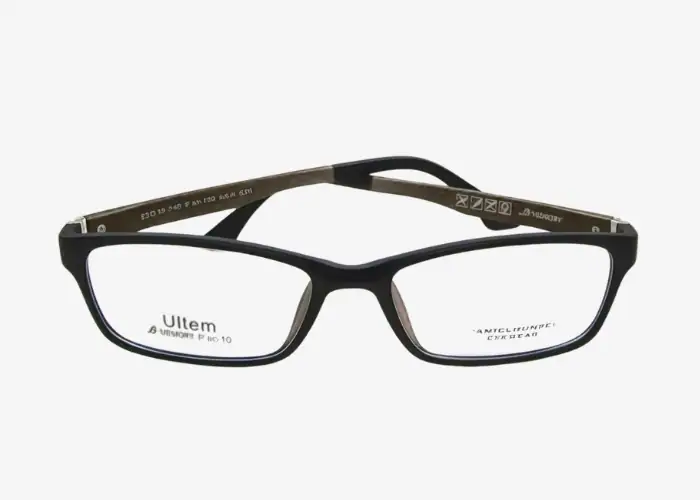
Ultem 1000 machining is widely used for precision parts that need heat resistance, mechanical strength, electrical insulation, flame resistance, and dimensional stability. Because it can be CNC machined into complex custom parts without mold tooling, it is especially useful for prototypes, low-volume production, and high-performance functional components.
Automotive
In automotive applications, Ultem 1000 is often used for sensor housings, electrical insulation parts, under-hood brackets, connectors, and heat-resistant support components. Its heat resistance and dimensional stability make it suitable for parts used near engines, battery systems, or electronic control modules.
Medical
In medical equipment, Ultem 1000 can be used for device housings, sterilizable components, surgical instrument parts, diagnostic equipment components, and insulating parts. Its strength, heat resistance, and good dimensional stability make it useful for applications that require clean, reliable, and precise plastic components.
Aerospace
Aerospace applications often require materials with low weight, flame resistance, and stable mechanical performance. Ultem 1000 can be machined into interior components, electrical insulation parts, lightweight brackets, spacers, and non-critical structural parts where heat resistance and safety performance are important.
Automation
In automation systems, Ultem 1000 is used for precision fixtures, positioning parts, insulation components, sensor holders, and custom machine parts. Its CNC machinability allows engineers to create accurate parts for automated production lines, especially when fast design changes or small-batch production are required.
Electronics
Ultem 1000 is highly suitable for electronic and electrical parts because of its insulation performance and heat resistance. Common applications include connectors, sockets, circuit board supports, insulating blocks, protective housings, and electrical test fixtures.
Industrial Equipment
Ultem 1000 machined parts are commonly used in industrial equipment for fixtures, spacers, insulation blocks, structural supports, and machine components. These parts often need stable performance under heat, mechanical load, and repeated use, making Ultem 1000 a practical choice for demanding production environments.
What Are the Main Challenges in Machining Ultem 1000?
Although Ultem 1000 is suitable for CNC machining, it is more demanding than many standard plastics. Its high performance also means that heat control, stress management, tool selection, and dimensional planning must be handled carefully during machining.
Heat Buildup During Cutting
Ultem 1000 has good heat resistance in use, but excessive cutting heat during machining can still affect part quality. If the tool generates too much heat, the part may show surface marks, edge deformation, or dimensional variation. Using sharp tools, proper feed rates, and controlled cutting speeds helps reduce heat buildup.
Internal Stress and Deformation
Ultem 1000 blanks may contain internal stress from material production or previous processing. During CNC machining, material removal can release this stress and cause slight warping or dimensional movement. For high-precision parts, stress relief or annealing may be needed before or after machining to improve dimensional stability.
Tool Selection and Wear Control
Ultem 1000 requires sharp cutting tools and stable machining conditions. Dull tools can increase friction, heat, burrs, and poor surface quality. Carbide tools are commonly used because they offer better wear resistance and cutting stability. Tool condition should be checked regularly, especially for tight-tolerance or batch production parts.
Clamping and Part Support
Improper clamping can deform Ultem 1000 parts, especially thin-walled or complex components. Too much pressure may leave marks or change part dimensions, while weak clamping can cause vibration and poor accuracy. A stable fixture and balanced clamping force are important for maintaining precision.
Tolerance and Dimensional Control
Plastic materials behave differently from metals during machining. Ultem 1000 may respond to cutting heat, clamping pressure, and stress release, so tolerance planning should be realistic. For precision parts, the design should consider wall thickness, machining sequence, inspection method, and final working environment.
Coolant and Contamination Concerns
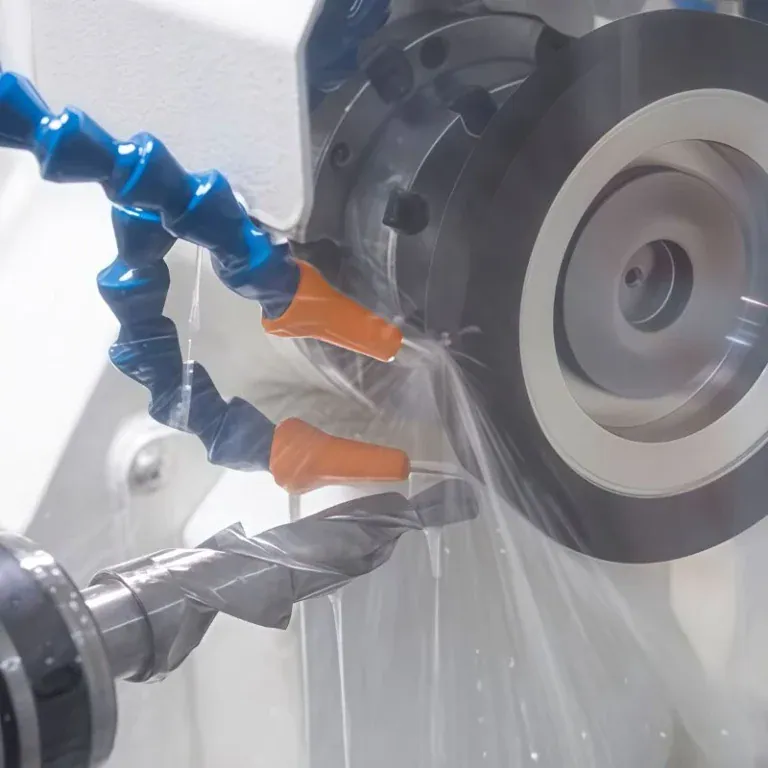
Coolant can help control temperature and improve surface quality, but the selected coolant must be compatible with Ultem 1000 and the final application. For medical, electronic, or high-cleanliness parts, contamination control is especially important. In some cases, dry machining or controlled coolant use may be preferred.
How to Choose the Right Ultem 1000 Machining Supplier?
Choosing the right supplier is important because ultem 1000 machining requires more than basic CNC capability. A qualified supplier should understand engineering plastics, control machining heat, manage stress and deformation, and provide stable quality for precision parts.
Experience With Engineering Plastics
A good supplier should have real experience machining high-performance plastics, not only metals. Ultem 1000 reacts differently to cutting heat, clamping pressure, and internal stress, so the supplier must understand tool selection, feed rates, cutting speeds, and plastic-specific machining control.
Material Knowledge and Traceability
The supplier should understand the properties of Ultem 1000 and help confirm whether it is suitable for your part. For demanding applications, material traceability, grade confirmation, and inspection records are also important, especially for medical, aerospace, electronics, and industrial equipment projects.
DFM Support for Ultem CNC Machining
A reliable supplier should review your design before production and provide DFM suggestions. For example, they may recommend larger internal radii, better wall thickness, adjusted tolerances, or stress-relief planning. This helps reduce deformation, cracking, machining marks, and unnecessary production costs.
Precision and Quality Inspection Capability
Ultem 1000 parts are often used in functional assemblies, so dimensional accuracy matters. The supplier should have proper inspection equipment and quality control procedures to check key dimensions, surface quality, flatness, hole locations, and assembly-related features.
Prototype and Small-Batch Production Capability
Many Ultem 1000 projects start with prototypes or low-volume production. A suitable supplier should be flexible enough to support design changes, small batches, urgent samples, and later production scaling. This is especially helpful for R&D, testing, and custom engineering projects.
Communication and Engineering Response
Good communication can prevent many machining problems. The supplier should respond clearly to material questions, tolerance concerns, surface finish requirements, and delivery risks. For complex Ultem 1000 parts, fast engineering feedback often matters as much as machining capability.
FAQs
Is Ultem 1000 Better Than PEEK?
Ultem 1000 is not always better than PEEK. It is often preferred for flame resistance, electrical insulation, and more balanced cost. PEEK is usually better for harsh chemical, high-wear, and high-load environments. The right choice depends on temperature, load, chemical exposure, and budget.
What Should Be Considered When Machining Ultem 1000?
When machining Ultem 1000, focus on 5 key factors: sharp tools, cutting heat, clamping force, tolerance planning, and stress control. Excessive heat may cause surface marks or dimensional movement, while poor clamping can deform thin-wall parts. For precision parts, annealing and coolant compatibility should also be considered.
Can You Laser Cut Ultem 1000?
Yes, Ultem 1000 can be laser cut in some sheet applications, but CNC machining is usually better for precision functional parts. Laser cutting may cause heat-affected edges, discoloration, or dimensional variation. For holes, threads, pockets, tight tolerances, or 3D features, CNC machining is normally preferred.
Is Ultem 1000 RoHS Compliant?
Yes, standard Ultem 1000 resin is generally RoHS compliant. However, colored grades, additives, or supplier-specific materials should still be checked case by case. For regulated projects, it is best to request the latest material certificate or compliance document before production.
Conclusion
Ultem 1000 is a high-performance PEI material suitable for CNC machined parts that require heat resistance, mechanical strength, electrical insulation, flame resistance, and dimensional stability. For reliable ultem 1000 machining, factors such as tool selection, cutting heat, clamping method, tolerance planning, and stress control should be carefully managed.
At TiRapid, we provide precision CNC machining services for custom Ultem 1000 and other engineering plastic parts. Our team helps customers optimize material selection, improve part quality, and move from prototypes to low-volume production with reliable manufacturing support.