PEI material is widely used in aerospace, electronics, medical, and semiconductor industries because of its high heat resistance, dimensional stability, flame resistance, and electrical insulation properties. Compared with standard engineering plastics, PEI performs more reliably in demanding thermal and mechanical environments.
However, PEI is not suitable for every application. Its higher material cost, machining difficulty, and brittleness mean engineers must evaluate performance requirements, manufacturing methods, and long-term operating conditions before selecting PEI for a project.
What Is PEI Material?
PEI stands for Polyetherimide, a high-performance amorphous engineering thermoplastic designed for applications requiring heat resistance, mechanical strength, flame resistance, and dimensional stability. PEI is commonly recognized under the trade name Ultem®, although multiple manufacturers produce PEI materials for industrial applications.
Unlike many standard plastics, PEI maintains stable performance under elevated temperatures and repeated thermal cycling. It also provides good electrical insulation and natural flame resistance without requiring additional flame-retardant additives, making it suitable for safety-critical applications.
PEI is commonly used when engineers need a material that balances thermal performance, strength, lightweight properties, and electrical reliability. It is widely applied in aerospace, semiconductor, medical, automotive, and industrial equipment manufacturing where lower-grade plastics may fail under demanding conditions.
Key Properties of PEI Material
The properties of PEI material are the main reason it is used in high-performance engineering applications. Compared with standard plastics, PEI offers a better balance of thermal stability, mechanical strength, flame resistance, and electrical insulation for demanding industrial environments.
High Heat Resistance
PEI offers excellent heat resistance compared with many engineering plastics. It can maintain dimensional stability and mechanical performance under continuous high-temperature exposure, making it suitable for applications near heat sources or elevated operating temperatures.
Its high glass transition temperature allows PEI to perform well in aerospace, automotive, electronics, and industrial systems where lower-temperature plastics may soften or deform. This thermal stability helps reduce dimensional variation and long-term material failure risk.
Because of its heat resistance, PEI is often used in sterilizable medical equipment, semiconductor fixtures, electrical insulation systems, and industrial machinery components exposed to repeated thermal cycling or high operating temperatures.
Mechanical Strength and Rigidity
PEI material provides high strength and rigidity while remaining relatively lightweight compared with metals. This combination allows engineers to reduce part weight without sacrificing structural stability in demanding mechanical applications.
Its stiffness helps maintain dimensional accuracy during machining, assembly, and operation. This is important for electrical housings, aerospace interiors, semiconductor tooling, and industrial fixtures requiring stable tolerances and consistent geometry.
However, PEI is more brittle than some engineering plastics such as nylon or polycarbonate. Engineers should carefully consider wall thickness, corner radius, and stress concentration during part design to reduce cracking risk under mechanical load.
Electrical Insulation Properties
PEI provides excellent electrical insulation performance across a wide temperature range. This makes it suitable for connectors, insulators, semiconductor fixtures, electrical housings, and electronic assemblies requiring stable dielectric properties.
The material maintains reliable insulation behavior even under elevated temperature and humid operating conditions. Because of this, PEI is often selected for aerospace electronics, industrial control systems, and semiconductor manufacturing equipment.
Its combination of electrical insulation and flame resistance also helps manufacturers meet strict safety requirements. PEI components are widely used in transportation, medical, and industrial electrical systems where fire safety and reliability are important.
Flame Resistance and Low Smoke Generation
PEI naturally offers flame resistance without additional additives. This characteristic helps simplify material selection for industries where strict flammability standards and smoke generation requirements must be controlled carefully.
Compared with many engineering plastics, PEI generates relatively low smoke during combustion. This makes it valuable for aerospace interiors, transportation systems, electrical housings, and enclosed environments where passenger safety is critical.
Its flame resistance also helps improve long-term reliability in electrical systems exposed to heat or high operating temperatures. Because of this, PEI is commonly used in safety-critical applications requiring both thermal stability and fire resistance.
Dimensional Stability
Dimensional stability is one of the most important properties of PEI material. The material maintains consistent geometry under temperature variation, mechanical stress, and long-term operating conditions better than many standard plastics.
This stability is especially important for semiconductor fixtures, precision machined components, aerospace assemblies, and electrical insulation parts where even small dimensional changes can affect system performance or assembly accuracy.
However, machining stress, moisture absorption, and thermal expansion still need to be controlled carefully. Proper material conditioning, machining parameters, and part design help manufacturers maintain dimensional consistency during production and operation.
Why Is PEI Used in Engineering Applications?
PEI is commonly selected for applications where standard plastics cannot maintain stable performance under heat, stress, or electrical exposure. Its combination of thermal resistance, strength, and flame resistance helps engineers reduce failure risk in demanding environments.
Lightweight Metal Replacement
PEI is often used as a lightweight alternative to metal components in aerospace, electronics, and industrial equipment. Replacing metal with PEI can reduce overall product weight while still maintaining good structural rigidity and thermal performance.
This lightweight advantage is especially valuable in aerospace and transportation applications where reducing mass improves fuel efficiency and system performance. PEI also provides electrical insulation, which many metal components cannot offer without additional coatings or assemblies.
However, PEI cannot replace metal in every situation. Engineers must evaluate mechanical load, wear conditions, thermal expansion, and long-term stress before using PEI as a structural replacement material in critical applications.
Long-Term Thermal Performance
One reason PEI is widely used in engineering applications is its ability to maintain stable performance during long-term heat exposure. Many standard plastics soften, deform, or lose strength under elevated temperatures, while PEI remains dimensionally stable.
This makes PEI suitable for semiconductor processing equipment, electrical systems, aerospace interiors, and medical devices exposed to repeated thermal cycling. Its thermal stability helps reduce maintenance frequency and improve long-term reliability.
For manufacturers, thermal stability also improves dimensional consistency during machining and assembly. Parts that maintain stable geometry under temperature variation are easier to assemble accurately and perform more reliably in service.
Reliability in Electrical Systems
PEI is widely used in electrical and electronic applications because it combines electrical insulation, flame resistance, and dimensional stability. These properties are important in systems operating under heat, voltage, or tight safety requirements.
The material performs reliably in connectors, insulation components, electronic housings, test fixtures, and semiconductor equipment where electrical stability must be maintained over long operating periods. Its low smoke generation also supports fire safety compliance.
Compared with many standard engineering plastics, PEI provides better long-term insulation performance at elevated temperatures. This makes it useful for aerospace electronics, industrial automation equipment, and high-performance electrical systems.
Common Types of PEI Material
PEI materials are available in different grades depending on the application requirements, machining conditions, and structural performance needs. Choosing the correct PEI grade helps balance strength, machinability, dimensional stability, and manufacturing cost.
Unfilled PEI
Unfilled PEI provides a balanced combination of heat resistance, electrical insulation, strength, and machinability. It is commonly used for precision machined components, semiconductor fixtures, electrical housings, and medical equipment parts.
Compared with reinforced grades, unfilled PEI is generally easier to machine and may provide better surface finish quality during CNC processing. It also offers semi-transparent appearance characteristics that can be useful in specialized applications.
However, unfilled PEI may not provide enough stiffness for applications involving high mechanical load or large structural parts. Engineers should evaluate stress conditions carefully before selecting this grade for demanding assemblies.
Glass-Filled PEI
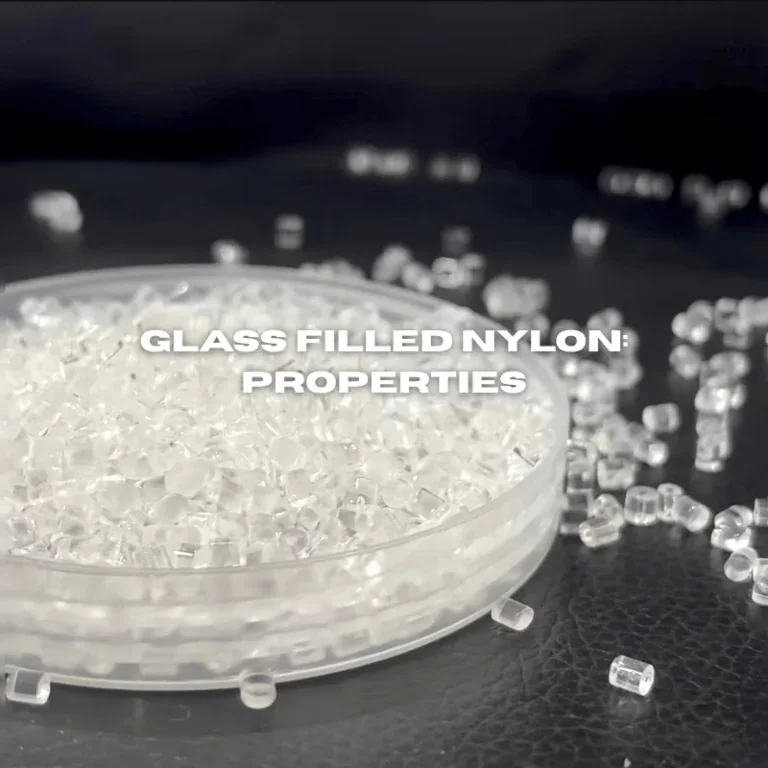
Glass-filled PEI contains glass fiber reinforcement to improve stiffness, dimensional stability, and structural strength. This type of PEI is often selected for industrial fixtures, aerospace brackets, and components exposed to higher thermal or mechanical stress.
Compared with unfilled PEI, glass-filled grades provide lower thermal expansion and better rigidity. This helps improve dimensional consistency in applications requiring tight tolerances or stable alignment under varying temperatures.
The disadvantage is increased machining difficulty. Glass fibers can accelerate tool wear and may reduce surface finish quality if cutting tools and machining parameters are not optimized correctly during production.
Carbon-Filled PEI
Carbon-filled PEI grades are designed to improve stiffness, wear resistance, and dimensional stability while reducing thermal expansion. These grades are commonly used in semiconductor manufacturing, electronics handling systems, and specialized industrial equipment.
The added carbon reinforcement can also help improve static dissipation properties in certain applications. This is useful for semiconductor fixtures and electronic handling components where electrostatic discharge must be controlled carefully.
However, carbon-filled PEI is generally more expensive and may increase machining complexity compared with standard grades. Engineers should balance performance requirements with production cost and machining difficulty before material selection.
Transparent PEI Grades
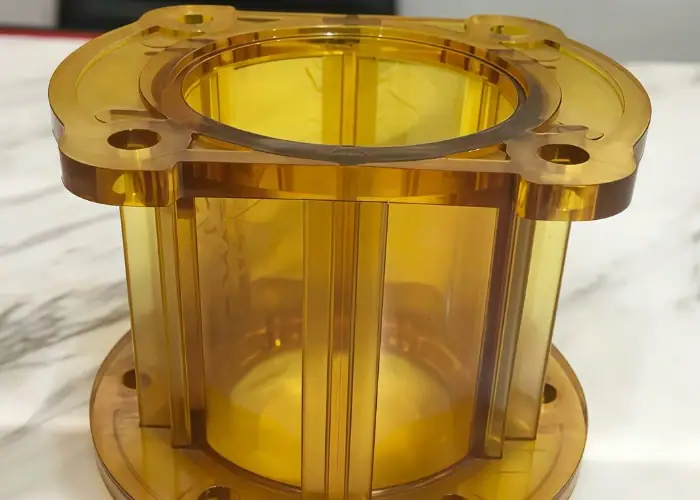
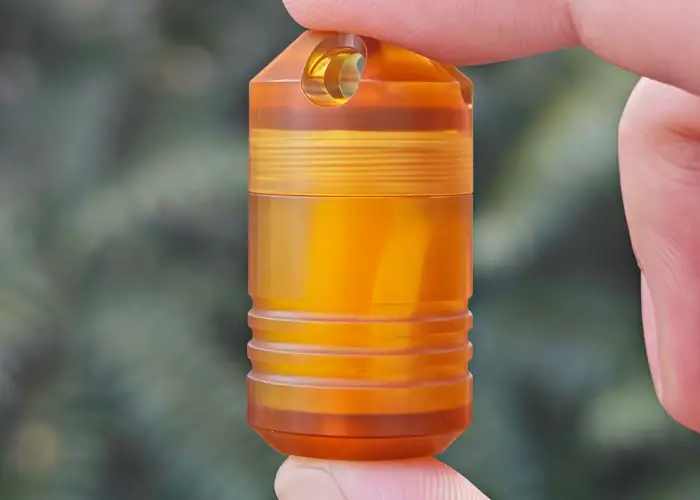
Some PEI materials are available in semi-transparent grades that allow limited visibility through the component. These grades are used in medical equipment, laboratory systems, inspection covers, and specialized engineering assemblies.
Transparent PEI combines heat resistance and flame resistance with optical visibility, making it suitable for environments where operators need to observe internal processes while maintaining thermal and mechanical performance.
Although transparent PEI offers unique advantages, surface scratches and machining marks may affect appearance more easily than opaque grades. Careful machining, handling, and finishing control are important for cosmetic applications.
PEI Machining and Manufacturing Methods
PEI can be processed using multiple manufacturing methods depending on production volume, tolerance requirements, part geometry, and final application. CNC machining, injection molding, and 3D printing are the most common processing methods for PEI components.
PEI CNC Machining
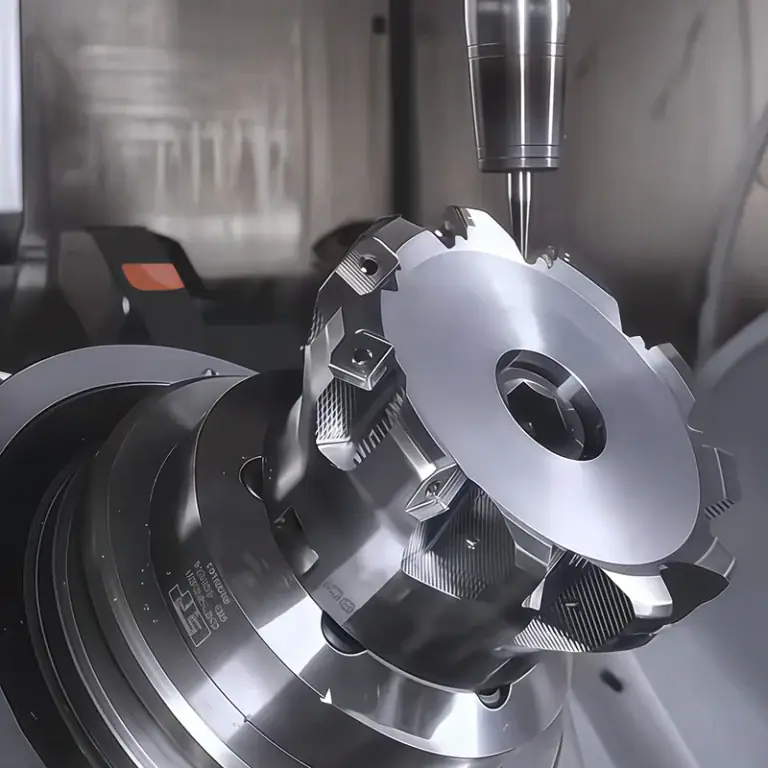
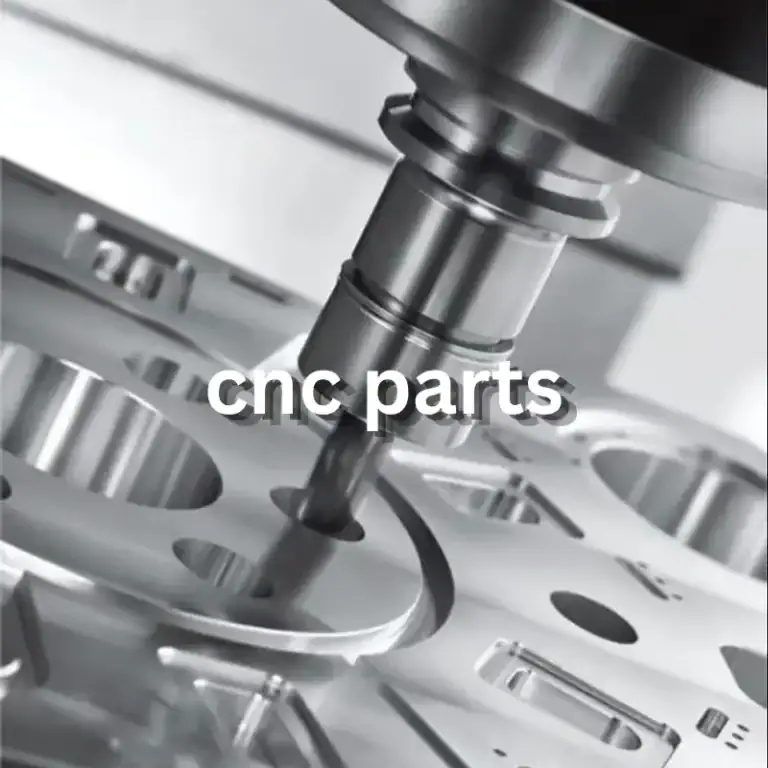
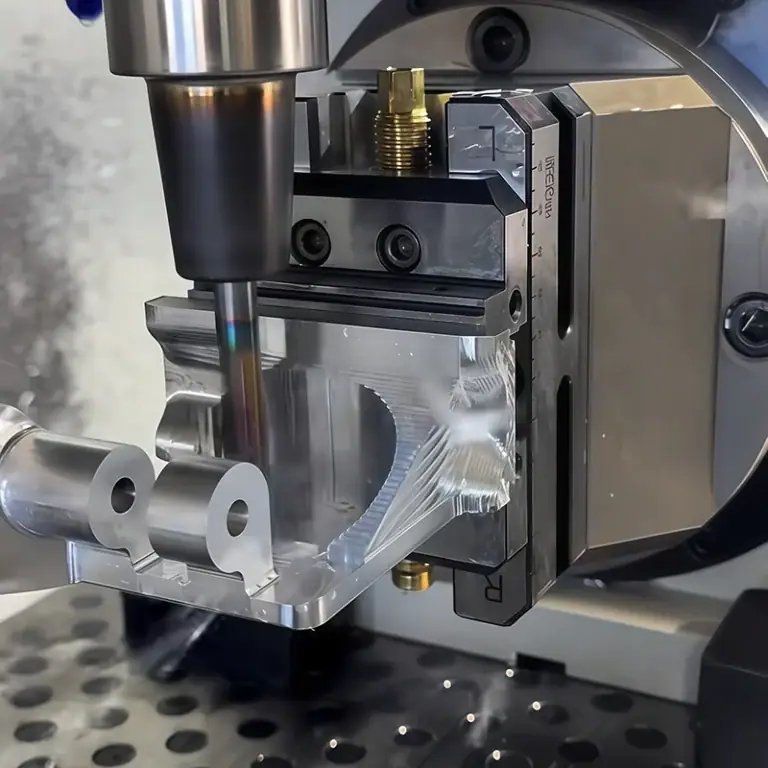
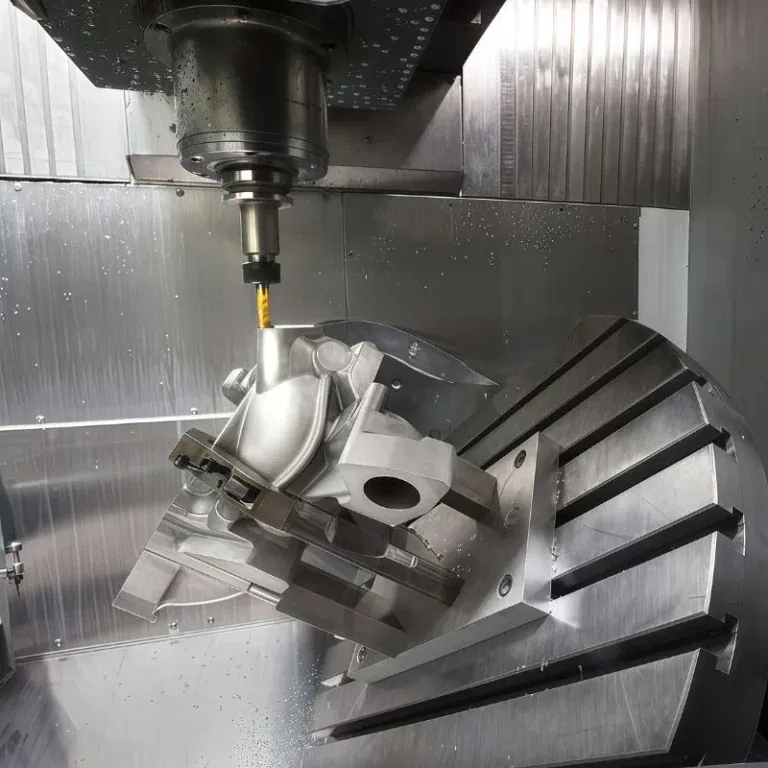
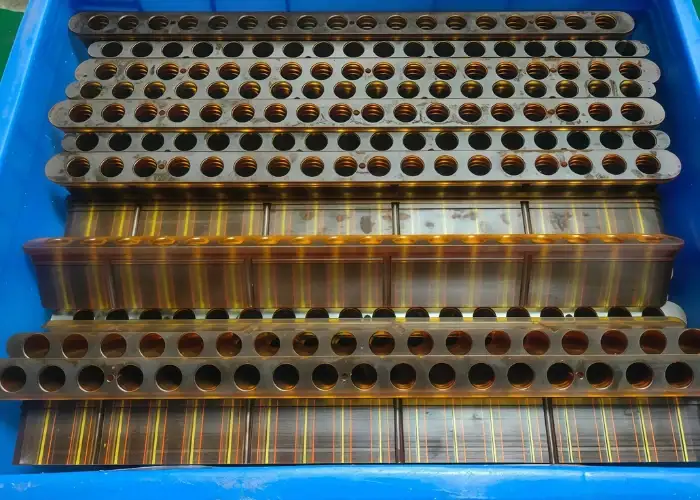
PEI CNC machining is commonly used for prototypes, low-volume production, and precision components requiring tight tolerances. CNC machining allows manufacturers to produce custom PEI parts without the tooling investment required for injection molding.
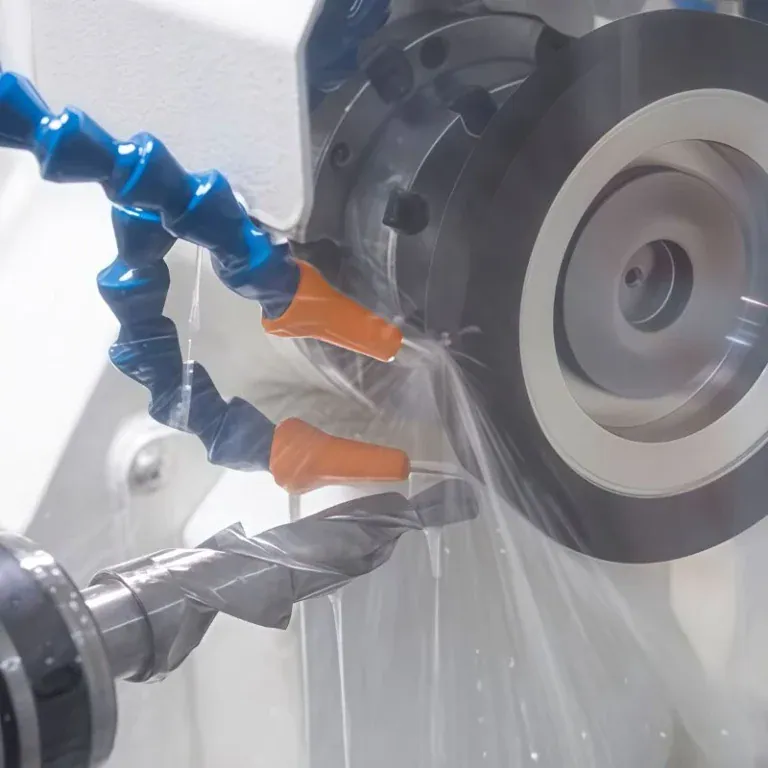
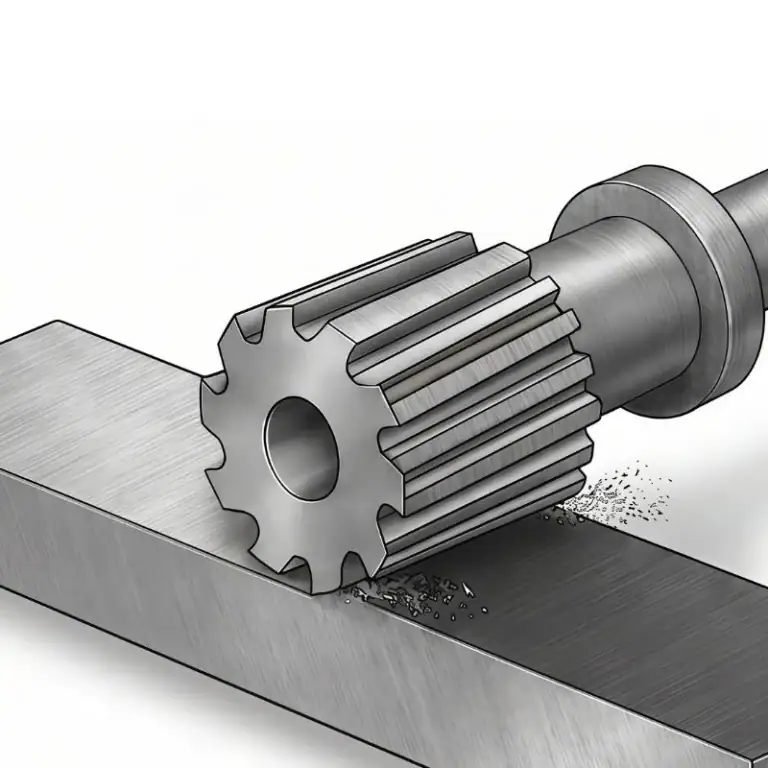
During machining, PEI requires careful control of cutting speed, feed rate, heat generation, and tool sharpness. Excessive heat buildup may create surface defects, internal stress, dimensional variation, or edge chipping if machining conditions are too aggressive.
PEI is often machined into semiconductor fixtures, electrical insulation parts, aerospace brackets, medical device components, and industrial tooling where dimensional stability and thermal resistance are important. Proper fixture support and machining allowance help improve part quality and consistency.
PEI Injection Molding
Injection molding is widely used for high-volume PEI component production because it supports repeatable quality and efficient manufacturing. PEI injection molded parts are common in aerospace interiors, electrical housings, medical devices, and industrial assemblies.
However, PEI requires relatively high processing temperatures compared with standard engineering plastics. Mold temperature, cooling rate, gate location, and material drying must be controlled carefully to reduce internal stress, warping, or cosmetic defects.
Because of its flame resistance and dimensional stability, PEI injection molding is often selected for safety-critical applications where long-term reliability is important. Proper mold design also helps maintain dimensional consistency and reduce production defects.
PEI 3D Printing
PEI is also used in high-temperature 3D printing applications for aerospace, medical, industrial, and prototype development projects. Its heat resistance and mechanical performance make it suitable for functional prototypes and lightweight engineering components.
However, PEI printing requires specialized equipment capable of maintaining stable chamber temperature and high nozzle heat. Improper temperature control may cause warping, poor layer adhesion, or dimensional instability during printing.
Although 3D printing provides excellent design flexibility, CNC machining and injection molding are still preferred for many production applications requiring tighter tolerances, smoother surfaces, and higher manufacturing consistency.
Challenges of Machining PEI Material
Although PEI offers excellent engineering performance, it is more difficult to machine than many standard plastics. Heat buildup, brittleness, dimensional stress, and tool wear can affect machining quality if cutting parameters are not controlled correctly.
Heat Generation During Machining
Heat generation is one of the main challenges during PEI machining. Because PEI has high thermal resistance, cutting heat may remain concentrated near the cutting area instead of dissipating quickly like some metals.
Excessive heat buildup can affect dimensional stability, create surface melting, or increase internal stress inside the part. Improper machining conditions may also reduce surface quality and affect final tolerance accuracy during precision machining operations.
To reduce heat-related problems, manufacturers often use sharp cutting tools, moderate cutting speeds, stable feed rates, and controlled machining passes. Good chip evacuation also helps reduce heat concentration around the cutting area.
Cracking and Edge Chipping
PEI is more brittle than some engineering plastics, which increases the risk of cracking or edge chipping during machining. Sharp internal corners, thin walls, and aggressive cutting parameters can increase stress concentration during processing.
Small holes, threaded features, and thin-edge geometries are especially sensitive to machining stress. If the cutting tool applies excessive force, the part may crack near corners or edges during finishing operations or assembly.
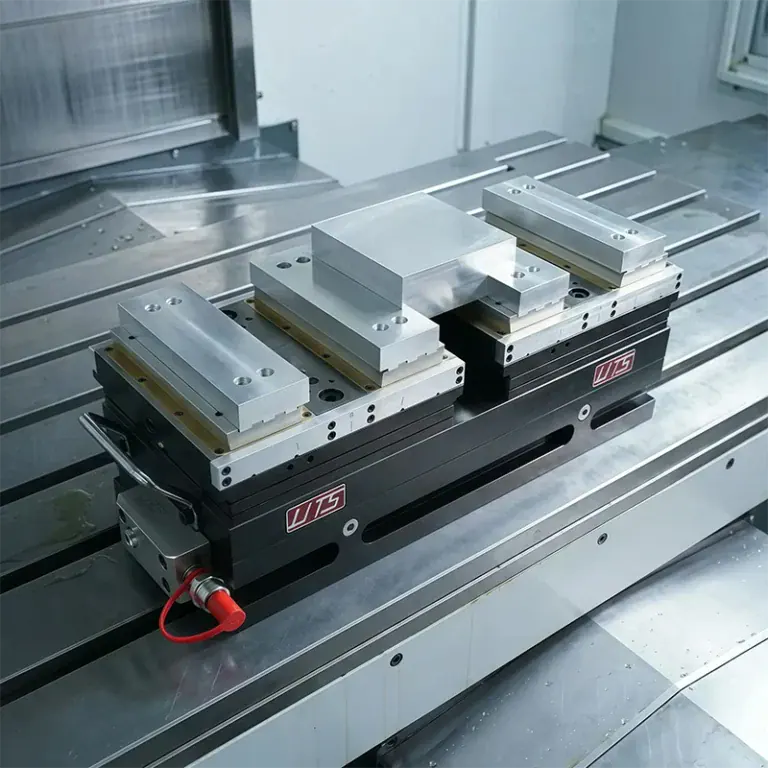
Engineers can reduce cracking risk by adding corner radii, controlling machining allowance, optimizing feed rates, and avoiding unnecessary sharp transitions in part design. Proper workholding also helps prevent vibration-related damage during machining.
Tool Wear and Surface Finish
Tool wear can become significant when machining reinforced PEI grades, especially glass-filled or carbon-filled materials. Reinforcement fibers increase abrasion during cutting and may shorten tool life compared with unfilled PEI.
As tools wear, surface finish quality and dimensional accuracy may decline. Dull tools can also increase heat generation and machining stress, leading to burrs, rough surfaces, or edge defects on precision components.
Manufacturers often use carbide tooling and optimized machining parameters to improve cutting stability and maintain consistent surface quality. Monitoring tool condition during production helps reduce dimensional variation and machining defects.
Moisture and Dimensional Stability
Although PEI absorbs less moisture than many engineering plastics, moisture control still affects machining quality and dimensional stability. Improper material storage may influence final part consistency during precision manufacturing.
If PEI material absorbs excessive moisture before processing, dimensional variation or surface defects may appear during machining or molding. Drying the material properly before manufacturing helps improve stability and reduce production risk.
Dimensional stability is especially important for semiconductor fixtures, electrical housings, and aerospace assemblies requiring tight tolerances. Proper material conditioning and controlled manufacturing environments help maintain reliable part accuracy.
PEI vs Other Engineering Plastics
PEI is often compared with other engineering plastics such as PEEK, nylon, PPS, and polycarbonate. Each material offers different advantages in heat resistance, strength, machinability, dimensional stability, chemical resistance, and production cost.
| Comparison | PEI Material | Other Engineering Plastic | Selection Advice |
| PEI vs PEEK | PEI offers excellent heat resistance, flame resistance, dimensional stability, and electrical insulation at a lower cost than PEEK. | PEEK provides better chemical resistance, wear resistance, toughness, and performance in extreme environments. | Choose PEI for electrical insulation, flame resistance, and cost control. Choose PEEK for aggressive chemicals, high wear, and extreme mechanical demands. |
| PEI vs Nylon | PEI has better heat resistance, flame resistance, dimensional stability, and electrical insulation, especially at elevated temperatures. | Nylon is tougher, more impact resistant, easier to machine, and lower in cost, but it absorbs more moisture. | Choose PEI for high-temperature and precision applications. Choose nylon for lower-cost parts needing toughness and impact resistance. |
| PEI vs Polycarbonate | PEI offers much higher heat resistance, better flame performance, and stronger dimensional stability under thermal exposure. | Polycarbonate provides better impact resistance, easier processing, and lower cost for transparent or consumer-facing parts. | Choose PEI for high-temperature industrial, aerospace, and electrical parts. Choose polycarbonate for impact-resistant, lower-temperature applications. |
| PEI vs PPS | PEI provides strong electrical insulation, flame resistance, dimensional stability, and good mechanical performance. | PPS offers excellent chemical resistance, low moisture absorption, and strong dimensional stability in chemically aggressive environments. | Choose PEI for electrical and flame-resistant applications. Choose PPS for chemical exposure and harsh industrial environments. |
Common Applications of PEI Material
PEI is widely used in industries requiring high heat resistance, electrical insulation, flame resistance, and dimensional stability. Its ability to maintain stable performance under demanding conditions makes it suitable for both structural and electrical applications.
Aerospace Applications
The aerospace industry uses PEI for cabin interior parts, brackets, electrical housings, insulation components, and lightweight structural assemblies. Its flame resistance and low smoke generation help support strict aerospace safety regulations.
PEI also helps reduce aircraft weight compared with some metal components while maintaining dimensional stability and thermal performance. This combination improves fuel efficiency and long-term reliability in aerospace systems.
In aerospace interiors, PEI is often selected for applications requiring stable performance under repeated thermal cycling, vibration, and elevated operating temperatures. Its lightweight characteristics also support modern aircraft weight reduction strategies.
Medical Equipment Applications
PEI is widely used in medical equipment because of its heat resistance, dimensional stability, and ability to withstand repeated sterilization cycles. It is commonly used for surgical instrument handles, trays, housings, and diagnostic equipment components.
The material performs reliably in environments requiring repeated cleaning and high-temperature sterilization without significant dimensional change. This helps improve equipment reliability and long-term performance in medical applications.
PEI also provides good strength and electrical insulation, making it suitable for specialized medical electronics and laboratory systems. However, engineers must still confirm regulatory and biocompatibility requirements for specific medical applications.
Electronics and Semiconductor Applications
PEI is commonly used in electronics and semiconductor manufacturing because of its excellent electrical insulation and thermal stability. The material performs reliably in environments requiring precise dimensional control and stable dielectric performance.
Semiconductor applications include wafer handling fixtures, test sockets, insulation components, and precision tooling exposed to elevated temperatures during manufacturing processes. PEI helps maintain consistent geometry and electrical reliability in these environments.
Its low smoke generation and flame resistance also support use in electrical housings and industrial electronics where fire safety standards are important. The combination of insulation performance and thermal resistance makes PEI valuable for sensitive electronic systems.
Automotive Applications
Automotive manufacturers use PEI for electrical insulation parts, lighting components, sensor housings, and under-hood applications exposed to elevated temperatures. The material’s heat resistance helps improve reliability in demanding operating environments.
Compared with heavier materials, PEI can also help reduce component weight while maintaining structural performance. This supports fuel efficiency and modern lightweight vehicle design strategies across automotive applications.
However, PEI is generally used in specialized automotive applications rather than large-volume low-cost components. Engineers typically select PEI when thermal stability, flame resistance, or dimensional accuracy are more important than material cost.
Industrial Equipment Applications
Industrial equipment manufacturers use PEI for fixtures, insulation systems, precision machined parts, and components exposed to heat or electrical stress. Its dimensional stability helps maintain consistent performance during long production cycles.
PEI also performs well in automation systems, electrical controls, testing equipment, and high-temperature industrial assemblies where standard plastics may deform or fail under demanding operating conditions.
Because of its balance of strength, heat resistance, and electrical insulation, PEI is often selected for custom industrial components requiring long-term reliability and stable performance in complex manufacturing environments.
FAQs
Can PEI material be used for custom low-volume parts?
Yes. PEI is suitable for low-volume custom parts when the design requires heat resistance, electrical insulation, and dimensional stability. CNC machining is often more practical than injection molding for prototypes, replacement parts, fixtures, and small-batch engineering components.
What should engineers consider before choosing PEI instead of a cheaper plastic?
Engineers should confirm whether the part really needs PEI’s heat resistance, flame resistance, electrical insulation, or dimensional stability. If the part works at room temperature with low load and no strict safety requirements, a lower-cost plastic may be more economical.
Does PEI need special handling before machining or molding?
PEI should be stored and processed carefully to reduce moisture-related issues and dimensional variation. For molded parts, proper drying is especially important. For machined parts, stable material conditioning, sharp tools, and controlled cutting heat help improve accuracy.
What information should be included in a PEI machining RFQ?
A clear RFQ should include 2D drawings, 3D files, PEI grade, tolerance requirements, surface finish, quantity, operating temperature, and any critical features such as thin walls, tight holes, insulation areas, or assembly surfaces.
Conclusion
PEI material is a high-performance engineering thermoplastic known for heat resistance, dimensional stability, flame resistance, and electrical insulation. It is widely used in aerospace, semiconductor, electronics, and medical industries where standard plastics cannot provide reliable long-term performance under demanding conditions.
At TiRapid, we provide precision CNC machining services for high-performance plastic materials, helping customers manufacture reliable PEI components with excellent dimensional accuracy, surface quality, and engineering performance for demanding industrial applications.