MIG Welding vs TIG Welding: Key Differences and Uses
MIG welding and TIG welding are two common arc welding methods used in metal fabrication. Both use heat and shielding gas to join metals, but they differ in electrode type, filler control, welding speed, appearance, and skill requirements. MIG welding is usually faster and easier to learn, while TIG welding provides better control and cleaner welds for precision work.
Choosing between MIG welding vs TIG welding depends on the part material, thickness, production volume, appearance needs, and functional requirements. For B2B manufacturing, the right choice is not only about weld strength. It also affects cost, lead time, surface quality, distortion control, and whether the welded part needs further machining or finishing.
What Is MIG Welding?
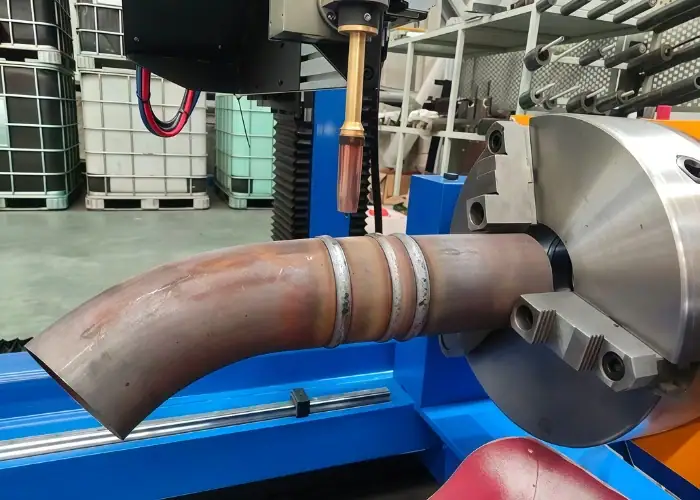
MIG welding, also called gas metal arc welding, uses a continuously fed consumable wire electrode to form the weld. The wire works as both the electrode and the filler material, while shielding gas protects the molten weld pool from contamination. TWI describes MIG as a semi-automatic or fully automatic arc process using consumable wire and shielding gas.
Because the filler wire is fed automatically, MIG welding is usually easier to operate than TIG welding. It is widely used for steel fabrication, aluminum welding, repair work, structural parts, automotive components, and medium-to-large assemblies where speed and productivity are important.
MIG welding is often a practical choice for thicker materials and longer weld runs. It can create strong welds quickly, but it may produce more spatter and a less refined weld appearance than TIG. For parts that will be ground, coated, painted, or post-processed, this may not be a major limitation.
What Is TIG Welding?
TIG welding, also called gas tungsten arc welding, uses a non-consumable tungsten electrode to create the arc. A separate filler rod may be added manually when extra material is needed. TWI notes that TIG uses a tungsten electrode and a separate filler material, which usually requires both hands during welding.
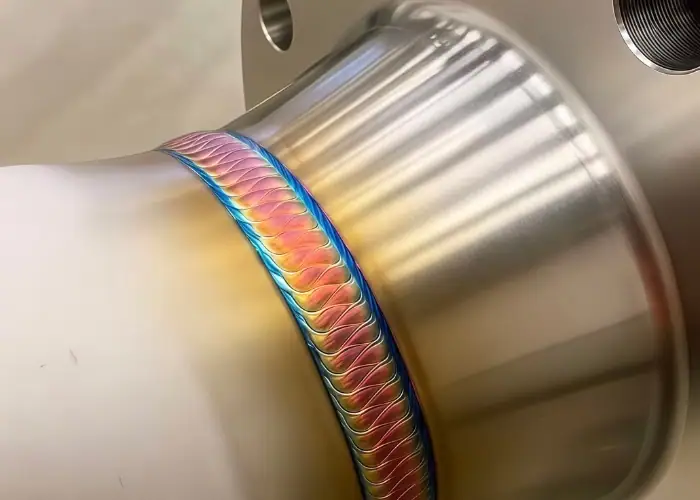
TIG welding gives the welder more control over heat input, weld pool size, filler addition, and bead appearance. This makes it suitable for thin materials, stainless steel, aluminum, titanium, copper alloys, visible welds, and high-precision fabrication work.
The main limitation is speed and skill requirement. TIG welding is slower than MIG welding and usually requires a more experienced operator. However, when the project requires clean welds, low spatter, good appearance, or better control on thin sections, TIG is often the better choice.
MIG Welding vs TIG Welding: Key Differences
MIG and TIG welding can both create strong metal joints, but they are optimized for different production goals. The table below gives a clear comparison for process selection.
| Comparison Point | MIG Welding | TIG Welding |
| Full process name | Metal Inert Gas / Gas Metal Arc Welding | Tungsten Inert Gas / Gas Tungsten Arc Welding |
| Electrode type | Consumable wire electrode | Non-consumable tungsten electrode |
| Filler material | Wire feed acts as filler | Separate filler rod, optional in some cases |
| Welding speed | Faster and better for long runs | Slower but more controlled |
| Skill requirement | Easier to learn and operate | Requires higher skill and hand control |
| Weld appearance | Functional but may need cleanup | Cleaner, neater, more cosmetic |
| Best material thickness | Medium to thick materials | Thin to medium materials |
| Heat control | Less precise than TIG | Better heat and puddle control |
| Spatter level | More spatter is common | Low spatter when done correctly |
| Typical use | Production, repair, structural fabrication | Precision, visible welds, thin parts |
In simple terms, MIG is usually chosen for speed, productivity, and ease of use. TIG is usually chosen for precision, appearance, thin materials, and better control. TWI also summarizes MIG as faster and easier to learn, while TIG provides greater precision and is better for thinner or more delicate work.
Materials Suitable for MIG and TIG Welding
Material selection is one of the most important factors when comparing MIG welding vs TIG welding. Both processes can weld common metals, but the actual result depends on material thickness, alloy type, surface condition, joint design, and weld quality requirements. The sections below explain where each method is more suitable.
Common Materials for MIG Welding
MIG welding is commonly used for mild steel, stainless steel, aluminum, and many general industrial metals. It is especially practical for carbon steel structures, brackets, frames, housings, repair parts, and medium-to-large welded assemblies where productivity matters.
The process works well when the material is thick enough to handle higher heat input. Continuous wire feeding allows longer weld runs and higher deposition rates, making MIG suitable for production environments and parts that need strong, efficient welds rather than highly cosmetic weld beads.
However, MIG may be less ideal for very thin sheets, small precision parts, or visible welds that require a clean appearance. It can create more spatter and may need cleanup before coating, painting, or assembly, depending on the final product requirements.
Common Materials for TIG Welding
TIG welding is commonly used for stainless steel, aluminum, titanium, copper alloys, and thin metal sections. It is often selected for materials that require better heat control, cleaner weld appearance, or more precise filler addition during welding.
Because the welder can control the arc and filler rod separately, TIG is well suited for thin sheets, precision joints, cosmetic welds, and high-value metal parts. It is also useful when the weld bead will remain visible or when the part cannot tolerate heavy distortion.
TIG is often used in aerospace, medical, custom aluminum parts, stainless steel assemblies, and high-end metal fabrication. The process is slower than MIG, but it can deliver better control when material quality, weld appearance, and dimensional stability matter more than speed.
Advantages and Limitations of MIG Welding
MIG welding is widely used because it offers speed, productivity, and relatively simple operation. It is often selected for projects where weld efficiency, structural strength, and production output are more important than a highly refined weld appearance.
Advantages of MIG Welding
The biggest advantage of MIG welding is speed. Continuous wire feeding allows longer welds and higher deposition rates, which can reduce production time. This makes MIG useful for frames, brackets, industrial assemblies, repair parts, and other medium-to-large welded structures.
MIG welding is also easier to learn than TIG welding. The wire feed and filler material are controlled through the welding gun, so the operator does not need to manually feed a separate filler rod. This makes it practical for production environments and repeat welding tasks.
With proper joint design, shielding gas, welding parameters, and surface preparation, MIG can produce strong welds with good penetration. It is a cost-effective choice when the welded part will be ground, painted, powder coated, or further assembled after welding.
Limitations of MIG Welding
MIG welding gives less control over heat input and weld bead shape than TIG welding. This can make it less suitable for thin materials, small precision joints, or welds where appearance is a major requirement. Higher heat input can also increase the risk of distortion.
Another limitation is spatter. MIG welding often produces more spatter than TIG, especially if parameters, gas coverage, or surface preparation are not well controlled. Extra cleanup may be needed before finishing, coating, or assembly.
MIG is not always the best option for high-end visible welds, delicate parts, or heat-sensitive materials. If the customer needs a smooth weld bead, lower spatter, or better control over thin sections, TIG welding is usually the better choice.
Advantages and Limitations of TIG Welding
TIG welding is often selected when weld quality, appearance, and control are more important than production speed. It is slower than MIG welding, but it can produce clean, accurate welds when performed by skilled operators.
Advantages of TIG Welding
The main advantage of TIG welding is control. The welder can manage the arc, heat input, and filler material separately, which is useful for thin materials, precision joints, visible welds, and parts with strict appearance requirements.
TIG welding can create clean welds with very little spatter when performed correctly. This can reduce post-weld cleanup and help maintain better surface quality, especially on stainless steel, aluminum, titanium, and other high-value metal parts.
It is also suitable when the weld affects sealing, alignment, strength, or final product appearance. For aerospace components, medical parts, custom aluminum assemblies, and high-end stainless steel structures, TIG often provides better control and a more refined finish.
Limitations of TIG Welding
The main limitation of TIG welding is speed. Since the welder often controls the torch, filler rod, and heat input at the same time, the process is slower than MIG welding. This can increase labor time and make TIG less efficient for long welds.
TIG welding also requires more operator skill. Good results depend on stable hand control, clean material surfaces, correct filler selection, and accurate heat management. Poor technique can lead to weak welds, contamination, or inconsistent bead quality.
For large weldments, thick steel structures, or high-volume production, TIG is usually less economical than MIG. It is best used where precision, appearance, or heat control adds real value to the final part or welded assembly.
MIG Welding vs TIG Welding for Different Applications
Application choice depends on what the welded part needs to do after manufacturing. Strength, appearance, tolerance, material thickness, finishing process, and production volume should all be considered before selecting the welding method.
Automotive and Industrial Fabrication
MIG welding is widely used in automotive and industrial fabrication because it is fast and suitable for many steel and aluminum structures. It works well for frames, brackets, machine guards, repair parts, and assemblies where productivity and strength are important.
TIG welding may be used for custom automotive parts, visible joints, thin tubing, stainless steel exhaust parts, or aluminum components that need better appearance and heat control. The choice depends on whether the project prioritizes speed or finish quality.
Aerospace, Medical, and Precision Parts
TIG welding is often preferred for aerospace, medical, and high-precision metal parts because these applications may require controlled heat input, clean welds, and low distortion. TWI notes that TIG is widely used where precision is required, including aerospace and motorsport applications.
MIG welding can still be used in precision manufacturing when the part design, material, and tolerance requirements allow it. However, for thin sections, high-value materials, or visible welds, TIG usually gives better control.
Sheet Metal and Welded Assemblies
For sheet metal parts, TIG is often better when the material is thin or the weld bead must remain clean and visible. It helps reduce the risk of burn-through and gives better control over small joints, corners, and edges.
For larger welded assemblies, MIG is often more efficient. It can join thicker parts faster and is practical when the weld will be ground, painted, powder coated, or hidden inside the final product.
Cost Considerations for MIG and TIG Welding
Cost is not only about the welding machine. It includes labor time, operator skill, filler material, shielding gas, preparation, cleanup, inspection, and whether the welded assembly needs further machining or surface finishing.
MIG welding is usually more cost-effective for higher-volume production and longer welds because it is faster and easier to operate. TWI also notes that TIG typically costs more per foot of weld due to lower deposition rates, more preparation, and more skilled labor requirements.
TIG welding may cost more, but it can reduce rework when precision and appearance are critical. If a clean TIG weld avoids grinding, polishing, sealing issues, or part distortion, the higher welding cost may be justified by better final performance.
How to Choose Between MIG and TIG Welding
There is no single best answer in the MIG welding vs TIG welding comparison. The right process depends on the part design, material, thickness, weld location, production quantity, and whether the weld is structural, cosmetic, or both.
Choose MIG welding when the part is medium to thick, the weld run is long, production speed matters, and the final appearance is not the highest priority. MIG is also a practical option when the welded assembly will be coated, painted, or further processed.
Choose TIG welding when the part is thin, the weld is visible, the material needs careful heat control, or the project requires a cleaner bead with less spatter. TIG is better for precision fabrication, high-value parts, and applications where weld quality affects function or appearance.
FAQs
Can MIG and TIG welding be used on the same assembly?
Yes. Some welded assemblies may use MIG for longer structural welds and TIG for visible, thin, or precision areas. This mixed approach can balance cost, speed, and weld quality when different sections of the same product have different requirements.
Which welding method is better for parts that need machining after welding?
It depends on the welded structure and the machining requirement. MIG may be efficient for building the assembly quickly, while TIG may reduce distortion in thinner or more precise welded sections. For machined weldments, weld placement, allowance, and distortion control should be planned before production.
Does TIG welding always create stronger welds than MIG welding?
Not always. TIG can produce very high-quality welds when done by a skilled welder, but MIG can also produce strong welds with proper joint design, penetration, settings, and preparation. The final strength depends on material, joint design, process control, and inspection standards.
What should be included in an RFQ for welded parts?
A clear RFQ should include drawings, material grade, thickness, quantity, weld locations, surface finish, tolerance requirements, inspection needs, and whether the welds are cosmetic or structural. This helps the manufacturer choose MIG, TIG, or a combined welding plan.
Conclusion
MIG welding and TIG welding both create strong metal joints, but they do not serve the same manufacturing purpose. MIG is better for speed, thicker materials, and production efficiency, while TIG is better for precision, thin materials, clean welds, and visible joints. The right choice depends on material, thickness, weld appearance, cost target, and how the welded part will be used in service.
At TiRapid, we provide precision CNC machining services and manufacturing support for custom metal parts and welded assemblies, helping customers control weld quality, dimensional accuracy, and functional performance for demanding engineering applications.