Ultem 1000 vs 2300 is a common PEI material comparison because both grades belong to the Ultem family, but they are designed for different engineering goals. Ultem 1000 is usually selected for balanced performance, electrical insulation, chemical resistance, and easier machining, while Ultem 2300 is chosen for higher stiffness, better dimensional stability, and stronger load-bearing performance.
In this guide, we compare Ultem 1000 vs 2300 by material structure, mechanical strength, thermal performance, electrical properties, machinability, surface finish, applications, and selection rules to help you choose the right PEI grade for your project.
What Is Ultem?
Ultem is a high-performance thermoplastic based on PEI, or polyetherimide. It is known for high heat resistance, good mechanical strength, excellent flame resistance, and reliable dimensional stability. Compared with many common engineering plastics, Ultem can keep useful performance at higher temperatures and in more demanding working environments.
Ultem is widely used in aerospace, electronics, medical devices, automotive parts, industrial equipment, and precision machined components. It is often selected when a project needs a plastic material that can handle heat, stress, electrical insulation, and tight tolerance requirements at the same time.
Common advantages of Ultem include:
- High heat resistance
- Good dimensional stability
- Strong electrical insulation
- Good chemical resistance
- Excellent flame resistance
- Suitable for CNC machining
- Good strength-to-weight performance
- Useful for precision plastic components
The practical rule is simple: choose Ultem when a standard plastic cannot meet the thermal, mechanical, or electrical requirements, but a metal material may be too heavy, conductive, or expensive to machine.
What Is Ultem 1000?
Ultem 1000 is an unfilled PEI grade. It does not contain glass fiber reinforcement, so it provides a balanced combination of strength, toughness, electrical insulation, thermal stability, and machinability. It is one of the most commonly used Ultem grades for precision plastic parts.
Ultem 1000 is often selected when the part needs stable performance but does not require maximum stiffness. It is also a strong option for parts where electrical insulation, clean machining, and stable dimensions are more important than very high rigidity.
Key Features Of Ultem 1000
Ultem 1000 offers a useful balance of mechanical, thermal, and electrical properties. Because it is unfilled, it is generally easier to machine than glass-filled grades and can produce better surface quality in many CNC applications.
Common advantages of Ultem 1000 include:
- Unfilled PEI material
- Good machinability
- Excellent electrical insulation
- Good toughness
- Good chemical resistance
- High heat resistance
- Lower tool wear than glass-filled Ultem
- Suitable for precision insulating components
Ultem 1000 is commonly used for electrical insulators, connectors, housings, medical device components, aerospace parts, and custom CNC machined plastic parts that need a stable engineering thermoplastic.
What Is Ultem 2300?
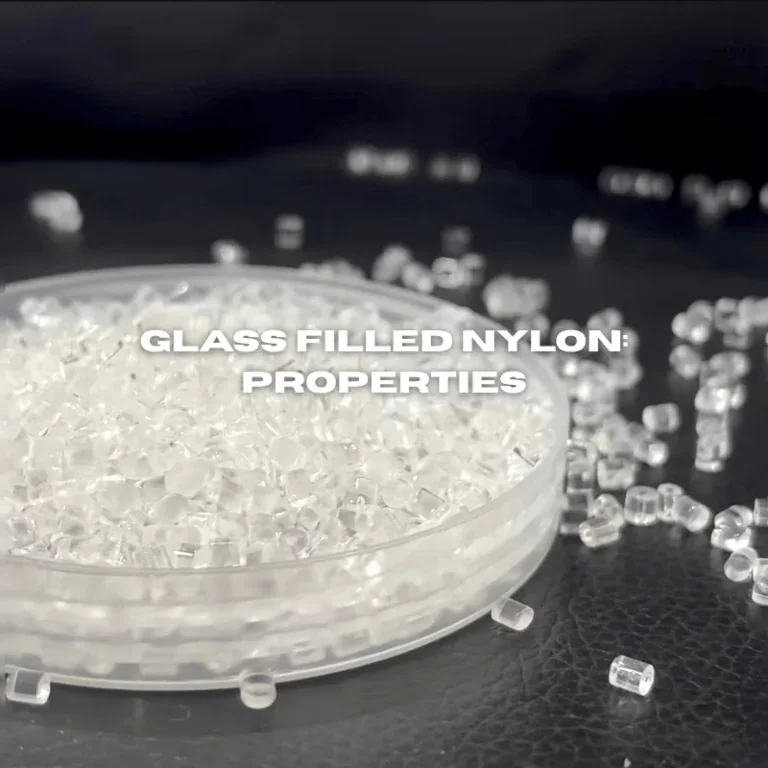
Ultem 2300 is a 30% glass-filled PEI grade. The glass fiber reinforcement increases stiffness, strength, and dimensional stability compared with unfilled Ultem 1000. This makes Ultem 2300 more suitable for structural parts, load-bearing components, and applications where deformation control is important.
However, the glass fiber content also changes the machining behavior. Ultem 2300 is more abrasive than Ultem 1000, so tool wear, surface finish, edge quality, and machining parameters must be controlled carefully.
Key Features Of Ultem 2300
Ultem 2300 is valued when a project requires a stronger and more rigid plastic material. It can perform well in parts that must resist bending, creep, or dimensional movement under mechanical load or elevated temperature.
Common advantages of Ultem 2300 include:
- 30% glass-filled PEI material
- Higher stiffness than Ultem 1000
- Better dimensional stability
- Improved load-bearing performance
- Lower thermal expansion
- Good heat resistance
- Good chemical resistance
- Suitable for structural plastic components
Ultem 2300 is commonly used for brackets, supports, structural insulators, aerospace components, equipment parts, and high-rigidity machined plastic components.
How Do Ultem 1000 And 2300 Differ In Material Structure?
Ultem 1000 and Ultem 2300 differ mainly in reinforcement. Ultem 1000 is an unfilled PEI grade, while Ultem 2300 contains 30% glass fiber. This difference affects strength, stiffness, thermal expansion, machinability, surface finish, and long-term dimensional stability.
The base PEI material gives both grades high heat resistance, flame resistance, and electrical insulation. The glass fiber in Ultem 2300 increases rigidity and stability, but it also makes the material more abrasive during machining.
| Structure Factor | Ultem 1000 | Ultem 2300 |
| Base material | Unfilled PEI | 30% glass-filled PEI |
| Main priority | Balanced performance | High stiffness and stability |
| Stiffness | Good | Higher |
| Machinability | Easier | More abrasive |
| Surface finish | Usually better | More difficult to keep smooth |
| Dimensional stability | Good | Better |
| Typical use | Insulators and general parts | Structural and load-bearing parts |
The practical rule is simple: choose Ultem 1000 when balanced performance and cleaner machining are important, choose Ultem 2300 when stiffness, strength, and dimensional stability are more important.
What Are The Mechanical Properties Of Ultem 1000 vs 2300?
The mechanical properties of Ultem 1000 vs 2300 differ mainly in stiffness, strength, deformation resistance, and load-bearing capability. Ultem 2300 is generally stronger and more rigid because of its glass fiber reinforcement, while Ultem 1000 provides better toughness and more balanced machining behavior.
For many engineering projects, the choice depends on whether the part must resist load and deformation or provide stable insulation and easier machining. Both grades can be used for precision components, but they are not interchangeable in every design.
Tensile Strength And Flexural Modulus
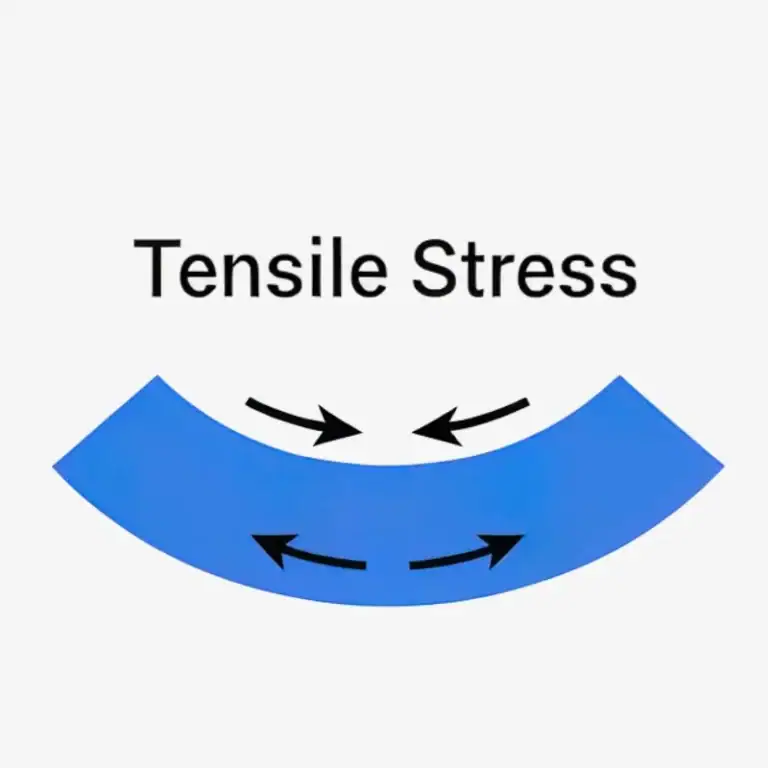
Tensile strength shows how much pulling force a material can withstand before failure. Flexural modulus shows how resistant the material is to bending. In most structural applications, Ultem 2300 performs better because the glass fiber reinforcement increases stiffness and helps the part resist bending under load.
Ultem 1000 is still strong enough for many plastic components, especially when the part is used as an insulator, housing, connector, spacer, or precision machined component. However, when the design needs stronger load support or lower deflection, Ultem 2300 is usually the better choice.
| Property Focus | Ultem 1000 | Ultem 2300 |
| Tensile strength | Good | Higher |
| Flexural stiffness | Good | Higher |
| Load-bearing ability | Moderate to good | Better |
| Toughness | Better balance | More rigid |
| Best use | Insulating and general components | Structural and high-rigidity parts |
Hardness And Wear Behavior
Ultem 2300 is generally harder and more rigid than Ultem 1000. This helps it resist deformation, especially in parts that face clamping force, assembly pressure, or repeated mechanical loading. It is useful for brackets, support parts, fixtures, and structural plastic components.
Ultem 1000 is less abrasive and more balanced for general machining. It may be preferred when the part needs cleaner edges, smoother surfaces, or features that are easier to machine without excessive tool wear.
Weight vs Strength Tradeoff
Ultem 1000 and Ultem 2300 are both lightweight compared with metals, but Ultem 2300 provides better stiffness for the same part size. This can be useful when the design needs a lightweight plastic component with improved rigidity.
However, higher stiffness is not always the best choice. If the part must provide electrical insulation, clean machining, good toughness, and lower machining risk, Ultem 1000 may be more practical. If the part must stay rigid under load or temperature, Ultem 2300 may provide better performance.
How Do Ultem 1000 And 2300 Compare In Thermal Properties?
Ultem 1000 and Ultem 2300 both offer strong thermal performance because they share the same PEI base. Both materials can handle elevated temperatures better than many common plastics, making them useful for aerospace, electronics, automotive, and industrial applications.
The main difference is dimensional movement under heat. Ultem 2300 usually has better dimensional stability and lower thermal expansion because the glass fiber reinforcement helps control movement. Ultem 1000 still performs well, but it may move more under heat or mechanical load.
Heat Resistance And Dimensional Stability
Both grades are suitable for parts exposed to heat, but Ultem 2300 is often better when tight dimensions must be maintained under temperature changes. This makes it a good choice for precision structural parts, thermal fixtures, and components that must resist distortion.
Ultem 1000 is a good option when the part needs heat resistance but does not require maximum rigidity. It is commonly used for electrical and insulating components where thermal stability and dielectric performance are both important.
Thermal Expansion Differences
Thermal expansion affects how much a part changes size when temperature changes. Ultem 2300 typically has lower thermal expansion than Ultem 1000 because the glass fiber reinforcement limits material movement.
This difference matters for tight-tolerance parts, assemblies with metal components, and applications where dimensional drift can cause fit or performance problems. If thermal movement is a major concern, Ultem 2300 is usually safer.
Heat Deflection And Long-Term Performance
Heat deflection is important when a plastic part must carry load at elevated temperature. Ultem 2300 usually performs better in this area because its higher stiffness helps the part resist deformation.
Ultem 1000 remains a strong choice for high-temperature insulating parts, covers, connectors, and housings. The better choice depends on whether the part is mainly insulating or structurally loaded.
How Do Ultem 1000 And 2300 Compare In Electrical Properties?
Ultem 1000 and Ultem 2300 both provide good electrical insulation, which is one reason Ultem is widely used in electrical and electronic applications. Both grades can be used for insulators, connectors, housings, sockets, and components that require stable dielectric performance.
Ultem 1000 is often preferred when electrical insulation is the main requirement. Because it is unfilled, it provides a more balanced insulation profile and is commonly selected for precision electrical parts.
Electrical Insulation And Dielectric Strength
Ultem 1000 is a strong choice for electrical insulators, terminal blocks, connectors, and components that require stable dielectric properties. It can be CNC machined into complex shapes while maintaining good insulation performance.
Ultem 2300 can also be used for electrical applications, especially when the part also needs higher rigidity. However, when the main design priority is electrical insulation rather than stiffness, Ultem 1000 is usually the more straightforward choice.
Applications In Electrical Components
For electrical housings, insulating plates, spacers, and connector parts, Ultem 1000 is often practical because it balances machinability, insulation, and thermal resistance. It is also easier to machine cleanly than glass-filled material.
Ultem 2300 may be selected when the electrical component must also support load, resist bending, or maintain shape under clamping pressure. In this case, the added stiffness can improve assembly reliability.
How Do Ultem 1000 And 2300 Compare In Chemical Resistance And Flame Retardancy?
Ultem 1000 and Ultem 2300 both provide good resistance to many chemicals and excellent flame resistance. These properties make them suitable for aerospace, electronics, medical device, and industrial equipment applications where safety and material stability are important.
The main selection difference is usually not basic chemical resistance or flame resistance. Instead, engineers usually choose between these two grades based on stiffness, machinability, dimensional control, and end-use loading conditions.
Chemical Resistance
Both grades resist many cleaning agents, oils, fuels, and industrial fluids better than many standard plastics. This makes Ultem useful for parts that may contact chemicals or operate in demanding service environments.
However, chemical compatibility should always be reviewed for the exact fluid, concentration, temperature, and exposure time. A material that works in one chemical environment may not perform the same way in another.
Flame Resistance
Ultem is widely used in applications that require strong flame resistance and low smoke performance. This makes it valuable for aerospace interiors, electrical parts, transportation components, and safety-related assemblies.
Both Ultem 1000 and Ultem 2300 can be suitable for flame-resistant applications. The final selection should consider the required rating, part thickness, certification needs, and supplier datasheet values.
Aerospace-Related Stability
Ultem is commonly considered for aerospace and high-performance applications because it offers a useful balance of heat resistance, flame resistance, dimensional stability, and weight reduction compared with metals.
Ultem 1000 may be used for electrical insulation, housings, and non-load-bearing aerospace components. Ultem 2300 is more suitable when stiffness, load support, and dimensional control are more important.
How Do Ultem 1000 And 2300 Compare In Machinability?
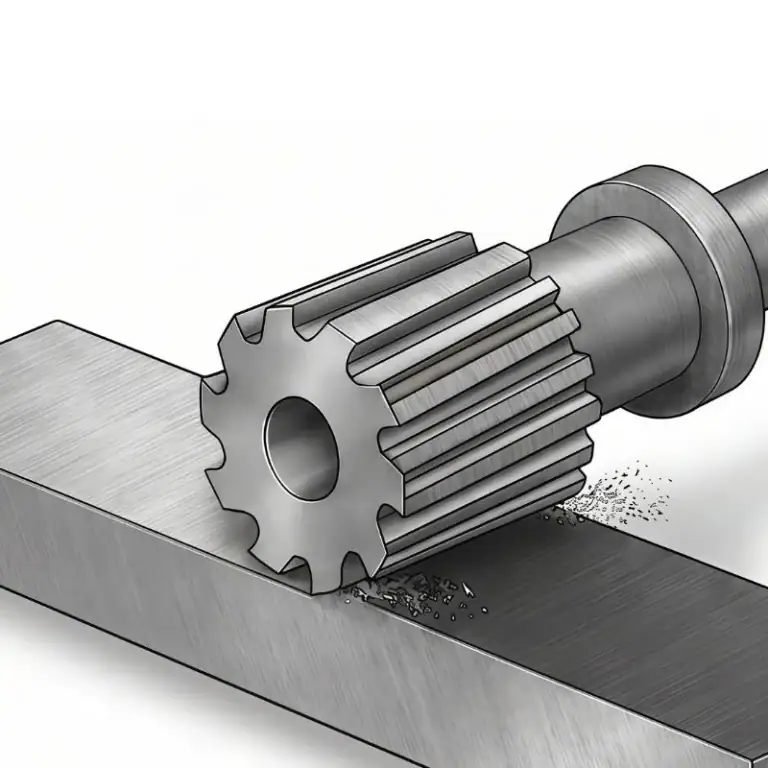
Ultem 1000 and Ultem 2300 can both be CNC machined, but their machining behavior is different. Ultem 1000 is generally easier to machine because it is unfilled. Ultem 2300 is more rigid and dimensionally stable, but the glass fiber reinforcement makes it more abrasive to cutting tools.
The best choice depends on whether the project values clean machining, surface finish, tool life, rigidity, or tight tolerance stability. For precision CNC plastic parts, material grade and machining strategy should be considered together.
CNC Machining Performance Of Ultem 1000
Ultem 1000 machines well for precision plastic components, especially when the design includes insulating features, housings, spacers, bushings, plates, or complex milled geometry. It is usually easier to cut than glass-filled PEI and can provide better surface finish in many cases.
Because Ultem is a high-performance thermoplastic, machining still needs careful control. Sharp tools, stable fixturing, proper feeds and speeds, and heat control are important to reduce stress, burrs, and dimensional movement.
Ultem 1000 is suitable for:
- Electrical insulators
- Connector components
- Precision spacers
- Medical device parts
- Aerospace insulating parts
- Housings and covers
- Low-to-medium load components
CNC Machining Performance Of Ultem 2300
Ultem 2300 is better for machined components that need higher stiffness and improved dimensional stability. It is often selected for structural plastic parts, load-bearing brackets, support blocks, and precision components that must resist deformation.
The main machining challenge is glass fiber reinforcement. The material is more abrasive, so tool wear can increase. Carbide tools, controlled cutting parameters, suitable coolant or air blast, and good chip evacuation help improve machining quality.
Ultem 2300 is suitable for:
- Structural plastic brackets
- Load-bearing supports
- High-rigidity insulators
- Precision fixtures
- Aerospace components
- Industrial equipment parts
- Tight-tolerance structural components
Surface Finish And Tool Wear
Ultem 1000 usually provides a cleaner machined surface because it does not contain glass fiber. This makes it a better option for parts where surface quality, small features, and edge appearance are important.
Ultem 2300 can also be machined accurately, but the surface may appear less smooth because of glass fiber content. Tool wear is also higher, so finishing passes and tool condition should be monitored carefully.
Important machining factors include:
- Tool sharpness
- Tool material
- Cutting speed
- Feed rate
- Coolant or air cooling
- Fixturing stability
- Stress-relief strategy
- Finishing pass design
Chip Formation And Heat Control
Chip formation affects surface quality, dimensional stability, and machining efficiency. Ultem 1000 usually produces more manageable chips, while Ultem 2300 can be more abrasive and may require more careful chip control.
Heat control is important for both grades. Excessive heat can increase internal stress, affect surface quality, and cause dimensional problems. For tight-tolerance parts, machining should avoid aggressive heat buildup.
Annealing And Stress Relief
Annealing can help reduce internal stress before or after machining. This is especially useful for tight-tolerance Ultem parts, thin-wall components, and parts with large material removal.
A proper stress-relief process can reduce warpage, improve dimensional stability, and help the part maintain tolerance after machining. The exact annealing process should follow material supplier recommendations and the part geometry.
Surface Finish Options For Ultem Machined Parts
Ultem machined parts are often used with an as-machined finish, especially for functional components where appearance is not the main priority. However, some projects may require additional finishing depending on cosmetic, assembly, or surface texture requirements.
Common surface finish options include:
- As-machined finish
- Light deburring
- Bead blasting
- Tumbling
- Polishing for selected surfaces
Ultem 1000 is usually easier to finish cleanly. Ultem 2300 can be finished, but the glass fiber content may limit how smooth or uniform the final surface can appear.
Where Are Ultem 1000 And 2300 Used?
Ultem 1000 is mainly used for balanced, insulating, and precision machined components. Ultem 2300 is mainly used for higher-stiffness, load-bearing, and dimensionally stable components. Both materials serve demanding industries where standard plastics may not provide enough thermal or mechanical performance.

Aerospace Applications
Ultem 1000 can be used for aerospace electrical insulators, housings, connectors, and lightweight non-structural components. Its flame resistance, insulation, and thermal performance make it useful in demanding aerospace environments.
Ultem 2300 is more suitable for aerospace parts that need better rigidity, dimensional stability, and load-bearing performance. It may be used for brackets, supports, structural insulators, and precision components where deformation control matters.
Electronics And Electrical Applications
Ultem 1000 is commonly used for electrical insulators, sockets, connector bodies, terminal blocks, and electronic housings. It provides strong insulation and can be machined into detailed features.
Ultem 2300 may be used when the electrical part also needs mechanical support. For example, a structural insulating bracket may benefit from the higher stiffness of glass-filled PEI.
Medical Device Applications
Ultem 1000 is often considered for medical device components that need heat resistance, dimensional stability, and good machinability. It can be used for housings, fixtures, instrument parts, and non-implantable components depending on the application requirements.
Ultem 2300 may be selected for medical or laboratory equipment parts that need higher rigidity and better dimensional control. Material certification, cleaning method, and regulatory requirements should always be confirmed before production.
Automotive And Transportation Applications
Ultem can be used in automotive and transportation applications where parts face heat, electrical requirements, or mechanical stress. Ultem 1000 is suitable for insulating parts, housings, connectors, and components that need balanced performance.
Ultem 2300 is better for higher-rigidity parts, brackets, supports, and components that must resist deformation under load or temperature. It can help replace metal in selected applications where weight reduction and insulation are important.
Industrial Equipment Applications
In industrial equipment, Ultem 1000 is useful for spacers, insulators, covers, bushings, and precision machined parts. It provides a strong balance of heat resistance, electrical insulation, and machinability.
Ultem 2300 is useful for structural supports, fixtures, machine components, and parts that require higher stiffness. It is a better option when the component must keep shape under assembly pressure or operational load.
How Do Cost And Availability Compare Between Ultem 1000 And 2300?
Ultem 1000 and Ultem 2300 are both high-performance engineering plastics, so they are usually more expensive than standard plastics such as nylon, acetal, ABS, or polycarbonate. The final cost depends on material grade, stock form, part size, tolerance, machining time, tool wear, and inspection requirements.
Ultem 1000 may be more cost-effective for many machined parts because it is easier to machine and causes less tool wear. Ultem 2300 may cost more to machine because the glass fiber reinforcement is more abrasive, but it can reduce performance risk when higher stiffness is required.
Material Cost Considerations
Material price is only one part of the total cost. For CNC machined Ultem parts, machining time, tolerance requirements, surface finish, scrap risk, and inspection can strongly affect the final price.
If the design does not need high stiffness, Ultem 1000 may provide better overall value. If the part must resist bending, creep, or dimensional movement, Ultem 2300 may be more cost-effective in the long term because it improves performance reliability.
Availability Of Rods, Plates, And Molded Stock
Ultem 1000 is commonly available in rods, plates, sheets, and molded stock forms. This makes it practical for CNC machining prototypes and custom precision parts.
Ultem 2300 is also available in common stock forms, but availability may vary depending on supplier, region, thickness, diameter, and certification requirements. For urgent projects, material availability should be checked early.
| Stock Form | Ultem 1000 | Ultem 2300 |
| Rods | Common | Available |
| Plates | Common | Available |
| Sheets | Common | Available in selected sizes |
| CNC machining stock | Very suitable | Suitable but more abrasive |
| Molded production | Suitable | Suitable for rigid molded parts |
Cost-Effectiveness For CNC Machining
For CNC machining, Ultem 1000 is often more efficient when the part needs precision, insulation, and a clean finish. It usually reduces tool wear and may simplify surface finishing.
Ultem 2300 can be more expensive to machine, but it may be the better economic choice when part failure, deformation, or tolerance drift would create higher downstream costs. For critical structural components, material performance may matter more than initial machining cost.
How Should You Choose Between Ultem 1000 And 2300?
You should choose Ultem 1000 when balanced performance, electrical insulation, machinability, and surface quality are the main priorities. You should choose Ultem 2300 when stiffness, load-bearing ability, and dimensional stability are more important.
A practical material choice should not depend on one property alone. Engineers should compare load, temperature, tolerance, electrical requirements, chemical exposure, machining difficulty, and cost before confirming the final grade.
Choose Ultem 1000 For Balanced Performance And Insulation
Ultem 1000 is the better choice when the part needs reliable PEI performance without maximum stiffness. It is especially suitable for electrical and thermal insulating components, precision plastic parts, and machined components with detailed features.
Choose Ultem 1000 when the project needs:
- Electrical insulation
- Good machinability
- Cleaner machined surface
- Good toughness
- Heat resistance
- Chemical resistance
- Precision plastic components
- Low-to-medium load applications
Choose Ultem 2300 For Stiffness And Structural Stability
Ultem 2300 is the better choice when the part needs higher rigidity and better dimensional control. It is especially useful for structural plastic components that must resist bending, creep, or thermal movement.
Choose Ultem 2300 when the project needs:
- Higher stiffness
- Load-bearing performance
- Better dimensional stability
- Lower thermal expansion
- Structural brackets
- Support components
- High-rigidity insulating parts
- Tight-tolerance parts under load
Consider Machining, Tolerance, Cost, And End-Use Conditions
Material selection should consider the full manufacturing and working environment. A stronger material is not always better if it increases tool wear, surface roughness, cost, or machining risk without improving part performance.
| Requirement | Recommended Grade |
| Best machinability | Ultem 1000 |
| Better surface finish | Ultem 1000 |
| Strong electrical insulation | Ultem 1000 |
| Higher stiffness | Ultem 2300 |
| Better dimensional stability | Ultem 2300 |
| Lower thermal expansion | Ultem 2300 |
| Structural load support | Ultem 2300 |
| General precision PEI part | Ultem 1000 |
Common Selection Mistakes To Avoid
Common selection mistakes happen when buyers treat all Ultem grades as the same. Ultem 1000 and Ultem 2300 may look similar, but their performance priorities and machining behavior are different.
Avoid these mistakes:
- Choosing Ultem 1000 for a high-load part without checking deflection
- Choosing Ultem 2300 only for strength when surface finish is more important
- Ignoring tool wear when machining glass-filled PEI
- Selecting material before confirming tolerance and temperature
- Assuming both grades machine the same way
- Comparing material cost without considering machining cost
- Ignoring annealing or stress relief for tight-tolerance parts
- Using datasheet values without checking supplier certification
FAQs
Is Ultem 2300 Better Than PEEK?
Ultem 2300 is not always better than PEEK. It is better when the part needs 30% glass-filled stiffness, good flame resistance, dimensional stability, and lower material cost. However, PEEK usually performs better in high-temperature, high-wear, and harsh chemical environments. For structural insulating parts, Ultem 2300 is practical,for extreme service conditions, PEEK is often safer.
Is Ultem 2300 Natural?
Ultem 2300 is not a natural unfilled grade. It is a 30% glass-filled PEI material, so it is more rigid and opaque than natural Ultem 1000. The glass fiber improves stiffness, dimensional stability, and load-bearing performance, but it also makes machining more abrasive and surface finish harder to control.
What Are The Disadvantages Of Ultem?
Ultem’s main disadvantages are high material cost, machining sensitivity, and lower wear or chemical resistance compared with PEEK. During CNC machining, heat control, sharp tools, and stable fixturing are important. For Ultem 2300, the 30% glass fiber improves stiffness but increases tool wear and may reduce surface finish quality.
Conclusion
Ultem 1000 and Ultem 2300 are both high-performance PEI materials, but they are not the same in engineering use. Ultem 1000 is better for balanced performance, electrical insulation, cleaner machining, and general precision plastic components. Ultem 2300 is better for higher stiffness, load-bearing structures, better dimensional stability, and parts that must resist deformation under heat or mechanical stress.
At TiRapid, we provide precision CNC machining services for custom Ultem components across multiple industries. If you are comparing Ultem 1000 vs 2300 for a machined part, upload your drawing or share your material requirements to get a tailored manufacturing solution.