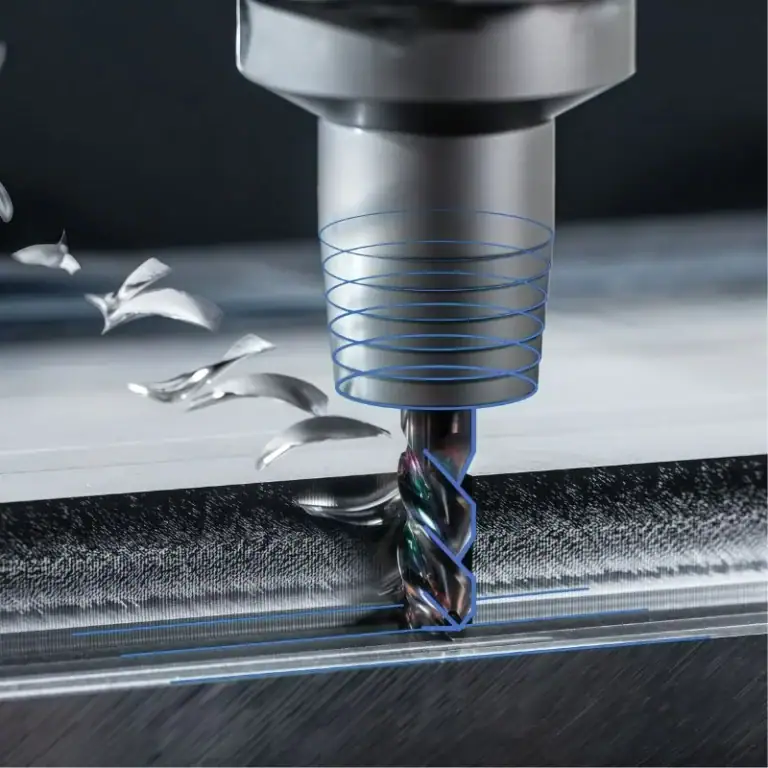
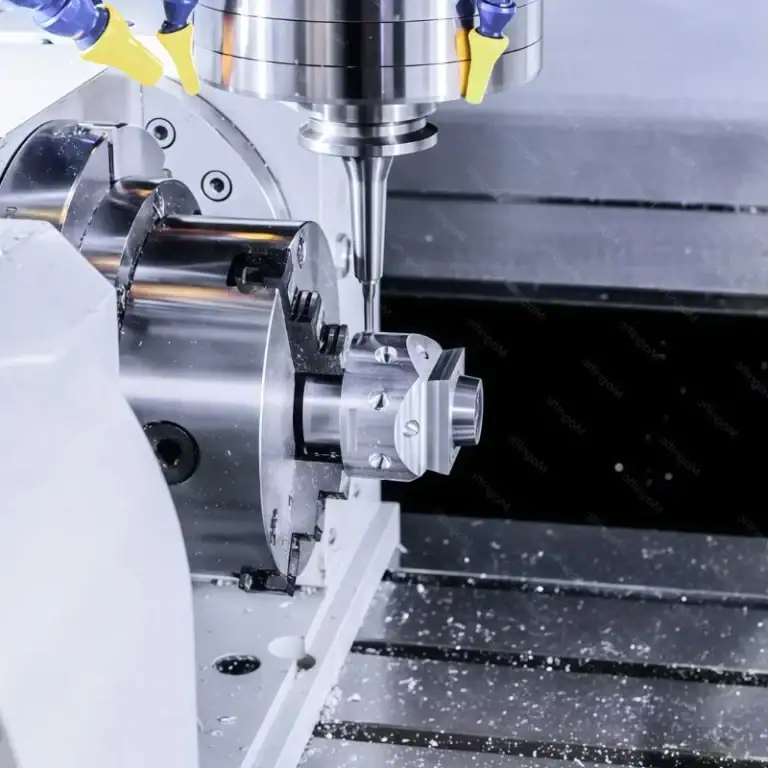
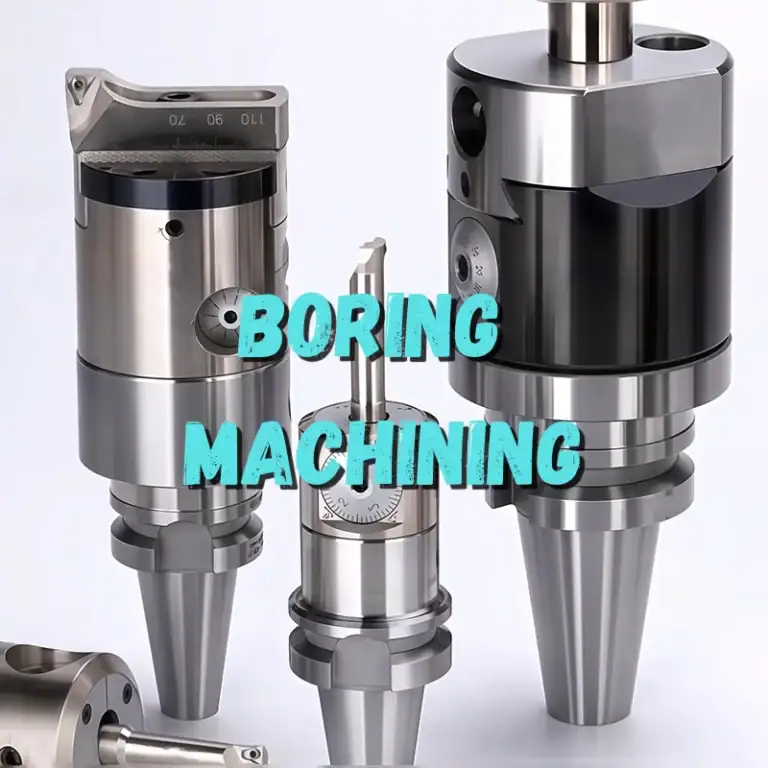
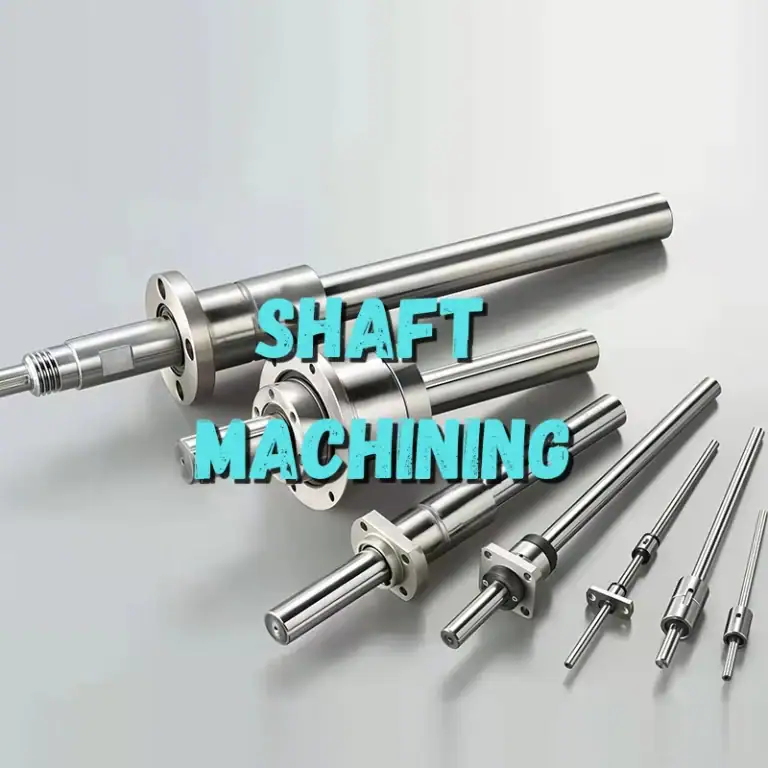
In modern defense systems, equipment performance directly determines combat capability and operational reliability. From aerospace engine components to missile guidance structures and naval precision parts, even the smallest component can influence the stability and performance of the entire system. Military products require extremely high standards of accuracy, strength, and consistency. Therefore, precision machining has become an indispensable manufacturing technology. It not only determines product quality but also defines the upper limit of overall system performance.
Extreme Precision Requirements in Military Applications
Military equipment operates in highly complex environments, where even minimal dimensional deviations can cause system-level failures.
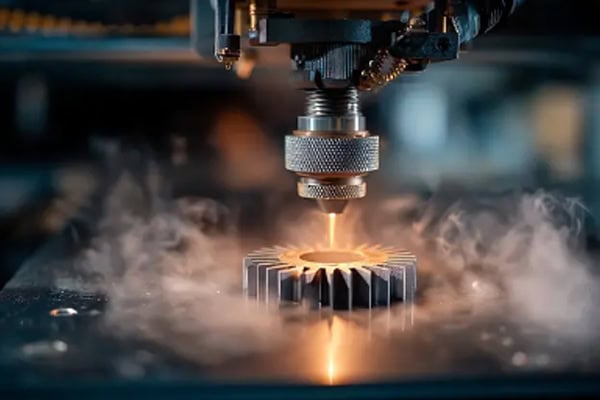
Ultra-high precision requirements for weapon systems
- Missile and fire control systems are extremely sensitive to dimensional errors
- Minor deviations may affect trajectory stability or guidance accuracy
- Precision machining ensures stable operation under extreme conditions
- Improves system accuracy and overall reliability
Complex aerospace structural components
- Aircraft components must withstand high temperature, pressure, and airflow
- Lightweight and complex geometries increase machining difficulty
- Precision machining enables consistent surface geometry and structural stability
- Ensures flight safety and long-term operational reliability
Strict accuracy requirements for propulsion systems
- Engine turbines and blades require extremely tight fitting tolerances
- Excessive gaps can lead to vibration, efficiency loss, or failure
- Precision machining reduces variation and improves energy conversion efficiency
- Extends the service life of core propulsion systems
In military applications, precision is fundamentally a guarantee of both safety and performance.
Capability for Complex Structures and Special Materials
Military products often feature complex geometries and advanced materials, requiring exceptional machining capability.
Machining complex structural components
- Military equipment includes deep cavities, thin walls, and irregular geometries
- Traditional machining methods struggle to maintain overall consistency
- Precision machining enables multi-angle and spatially complex processing
- Reduces part assembly and improves structural integrity
- Enhances system integration and stability
Processing high-performance materials
- Common materials include titanium alloys, high-strength steels, and composites
- These materials are difficult to machine due to hardness and low machinability
- Precision machining uses specialized tools and controlled processes to ensure stability
- Maintains material performance while achieving required accuracy
Adaptability to extreme environments
- Military components must operate in high-temperature and high-load conditions
- Small machining errors can be amplified under extreme stress
- Precision machining improves structural stability and fatigue resistance
- Ensures long-term reliable operation in harsh environments
Complex structures and special materials make precision machining a foundational capability in military manufacturing.
Consistency and Reliability Define Combat Capability
Military products require not only high precision at the individual level but also consistency and reliability across batches.
Strict batch consistency requirements
- Equipment of the same model must maintain identical performance
- Precision machining ensures dimensional and functional consistency across batches
- Prevents performance variation between units
- Improves overall standardization of military systems
Enhanced system reliability and safety
- Failures in military equipment can have severe consequences
- High-precision parts reduce wear and structural fatigue
- Improves long-term operational stability and impact resistance
- Reduces failure rates and increases mission success probability
Support for complex system integration
- Modern military systems are highly integrated
- Subsystems must fit together with extreme accuracy
- Precision machining ensures interface consistency and assembly precision
- Improves overall system coordination efficiency
Consistency and reliability are core standards that distinguish military manufacturing from general industrial production.
Military products rely heavily on precision machining because they demand zero tolerance for error and extreme reliability. From weapon systems to propulsion units and structural components, precision machining ensures that every part performs reliably under extreme conditions, defining the upper limit of overall system capability. As advanced manufacturing continues to evolve, service providers like Tirapid, specializing in high-precision machining and complex component production, are providing stable manufacturing support for high-reliability defense equipment.