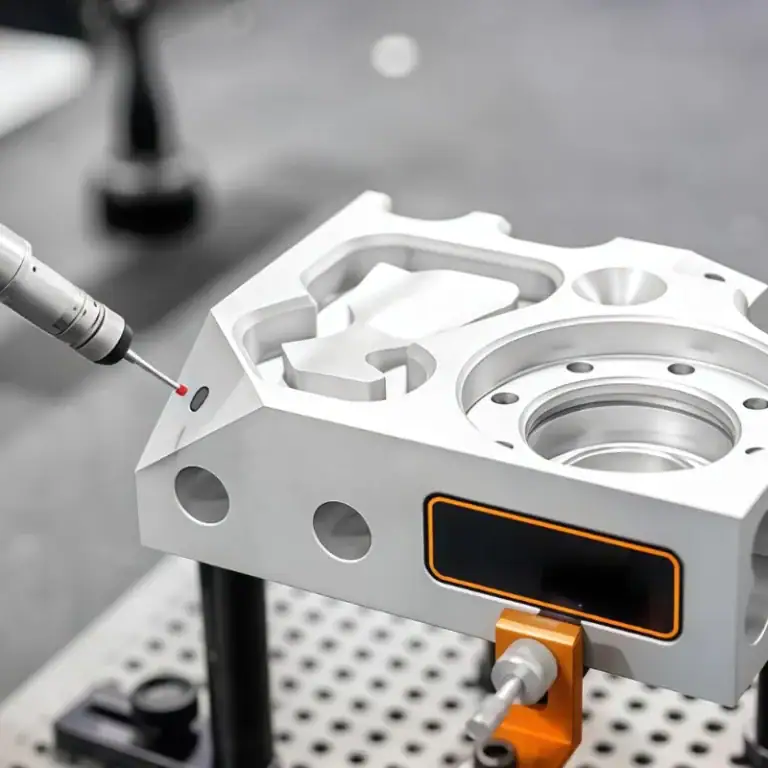
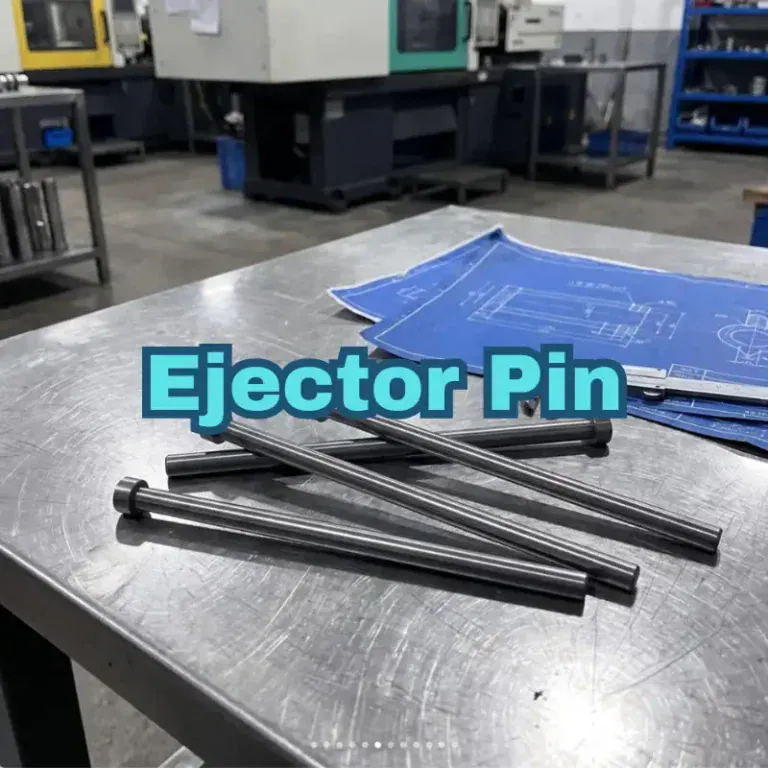
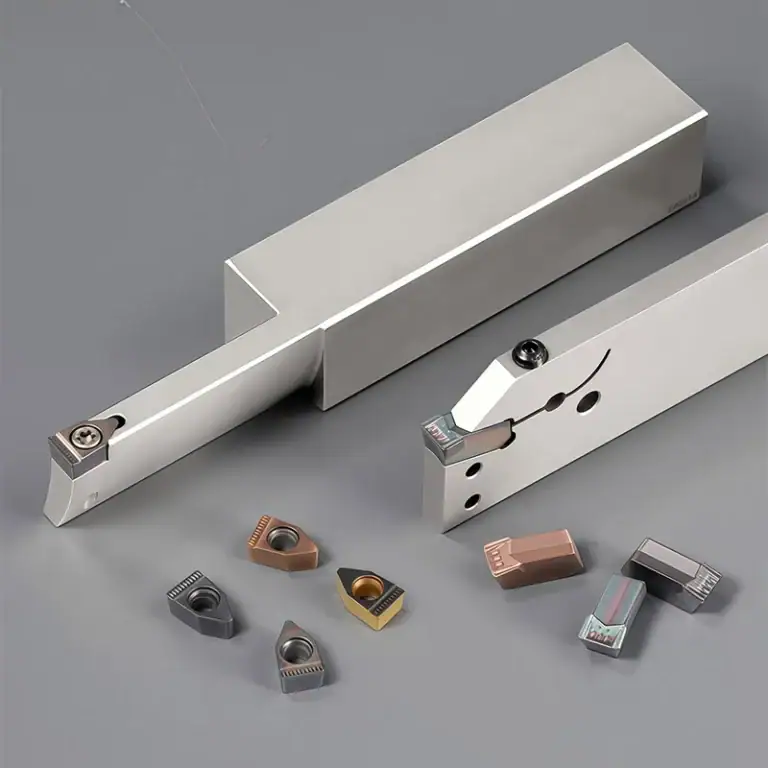
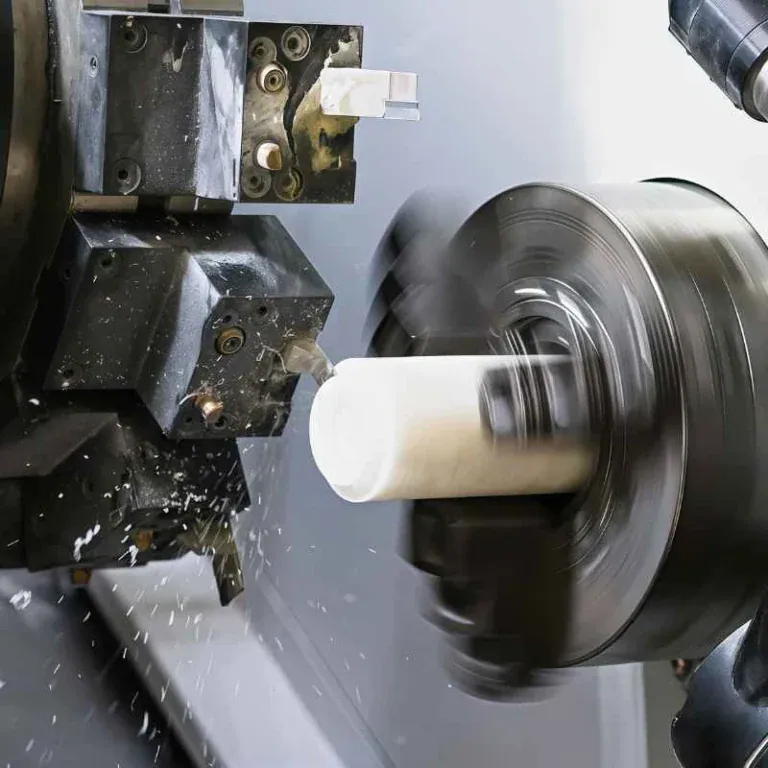
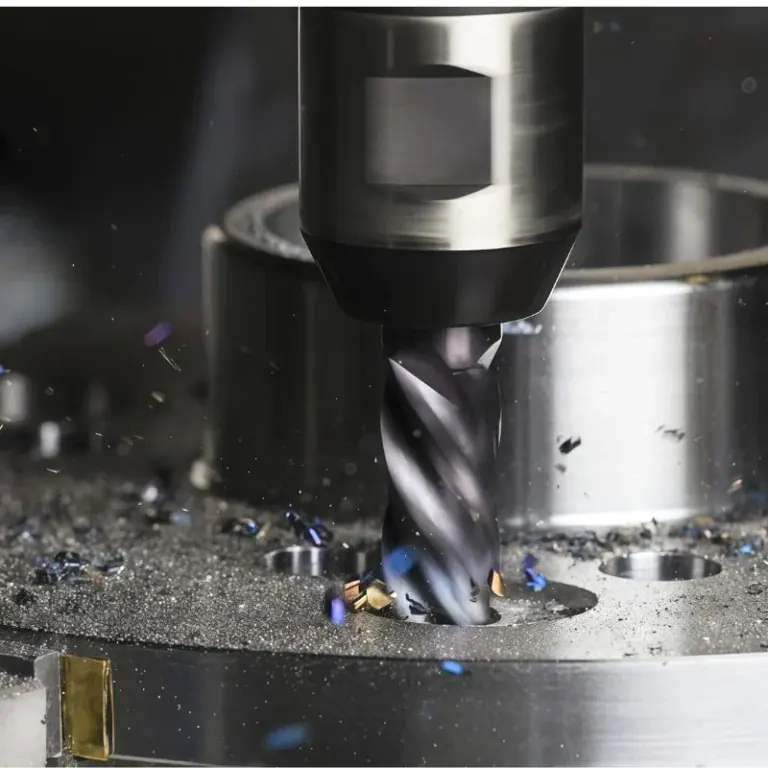
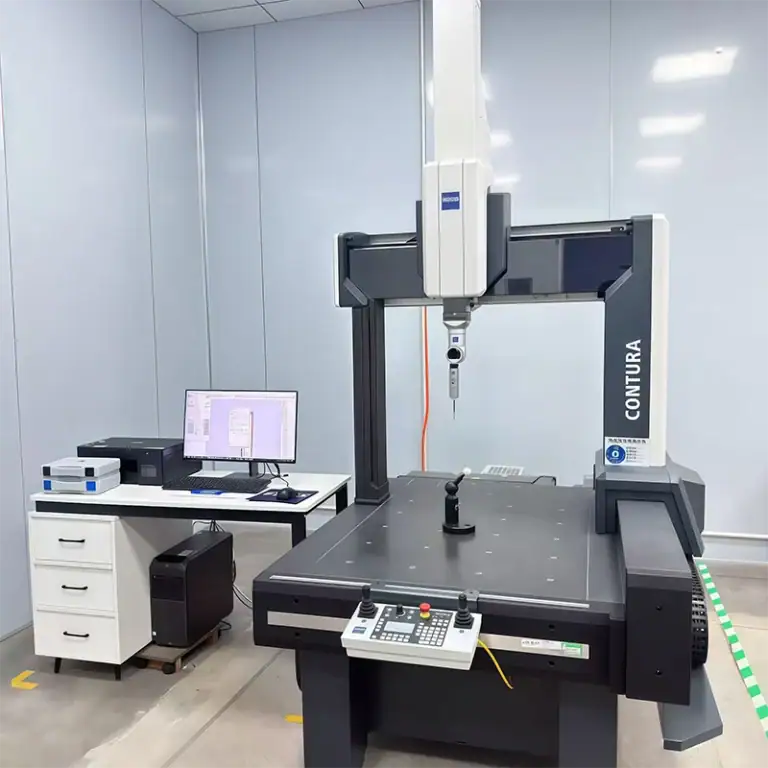
In the field of precision machining, components are required not only to meet strict dimensional tolerances but also to maintain stable surface quality and long-term reliability. However, even with advanced equipment, various defects can still occur due to materials, machining processes, or environmental factors. These issues can affect product performance while increasing rework and scrap costs. Therefore, understanding common precision machining defects and their causes is essential for improving machining quality and reducing production risks.
Dimensional and Geometric Accuracy Defects
Dimensional and geometric errors directly affect assembly accuracy and operational stability, making them some of the most critical issues in precision machining.
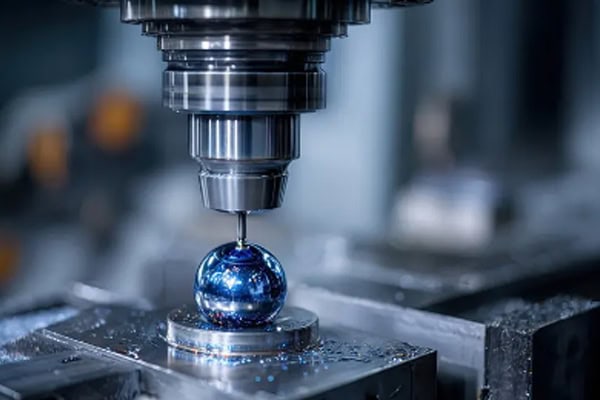
Dimensional Tolerance Deviations
Although dimensional deviations may appear small, they can create major problems in high-precision assemblies.
- Tool wear can gradually shift machining dimensions away from design specifications
- Long continuous machining cycles may create thermal expansion errors
- Improper CNC parameter settings can also cause dimensional deviations
- Even slight tolerance issues may prevent proper part assembly
Dimensional control capability often determines the overall quality level of precision-machined products.
Hole Position and Concentricity Errors
Hole accuracy and concentricity issues usually affect the stability of rotating components and assembly systems.
- Multiple setups increase positioning errors
- Insufficient fixture rigidity can cause workpiece movement
- Poor spindle accuracy may lead to misaligned holes
- Concentricity deviations in shaft components can affect rotational stability
- In automated systems, such defects may reduce overall service life
Accurate positioning and stable fixturing are essential for minimizing these defects.
Flatness and Perpendicularity Problems
Flatness and perpendicularity errors often have a direct impact on assembly precision.
- Excessive cutting force can deform certain areas of the workpiece
- Thin-wall parts are more prone to warping
- Internal stress release may cause unstable surfaces after machining
- Perpendicularity deviations can affect subsequent assembly accuracy
Proper cutting force control and machining sequence optimization help improve overall part stability.
Surface Quality Defects Analysis
Besides dimensional precision, surface quality also determines wear resistance, sealing performance, and product appearance.
Excessive Surface Roughness
Surface roughness problems directly affect product performance and lifespan.
- Dull cutting tools can create unstable cutting conditions
- Improper cutting parameters may leave visible tool marks
- Spindle vibration can generate wave patterns on surfaces
- Rough surfaces negatively affect sealing and wear resistance
- In industries such as medical and aerospace, rough surfaces may even impact safety performance
Stable cutting conditions are critical for achieving high-quality surface finishes.
Burrs and Edge Defects
Although burrs are small defects, they cannot be ignored in precision machining.
- Changes in cutting force at the end of machining can create burrs
- Small parts are more likely to experience edge curling
- Incomplete burr removal may interfere with assembly
- Tiny burrs in precision components can even cause equipment jamming
Effective deburring processes are extremely important for improving part reliability.
Surface Scratches and Impact Damage
Surface damage not only affects appearance but may also reduce component performance.
- Improper clamping can leave pressure marks on surfaces
- Lack of protection during transportation may cause scratches
- Residual chips in the machining environment may damage parts again
For high-end precision components, surface integrity is considered a critical quality indicator.
Burn Marks and Thermal Discoloration
Poor heat control is one of the most overlooked issues in precision machining.
- High-speed cutting generates significant heat
- Insufficient cooling may burn the workpiece surface
- Local overheating can alter material microstructure
- Thermal discoloration affects both appearance and material strength
- Long-term heat accumulation may also reduce dimensional stability
Scientific cooling and heat dissipation strategies effectively reduce thermal defect risks.
Deformation and Stability Problems
Many parts may pass dimensional inspection immediately after machining but still deform later during actual use.
Thin-Wall Part Deformation
Thin-wall structures are more likely to deform due to insufficient rigidity.
- Thin-wall components are highly sensitive to cutting forces
- Uneven force distribution during machining can cause warping
- Rapid material removal may release internal stress more aggressively
- Complex thin-wall parts often require staged machining processes
Layered cutting and proper material allowance strategies help maintain thin-wall stability.
Thermal Deformation Issues
Temperature changes have a significant effect on precision part dimensions.
- Long machining cycles continuously increase workpiece temperature
- Thermal expansion changes actual dimensions
- Precision machining usually requires temperature-controlled environments
- Even small temperature differences can affect micron-level precision parts
A stable machining environment is essential for maintaining high accuracy.
Clamping Deformation and Springback
Improper clamping methods can create hidden machining errors.
- Excessive clamping force may deform localized areas of the workpiece
- Some materials experience springback after fixture release
- Incorrect fixture positioning changes stress distribution
- Complex parts often require dedicated fixtures for stability
- Different materials require different clamping methods
Optimized fixturing strategies effectively reduce post-machining dimensional deviations.
Poor Long-Term Stability
Some parts may initially meet dimensional requirements but gradually deform over time.
- Residual internal stress is one of the primary causes
- Heat treatment and aging processes can improve stability
- Uneven material structures may affect long-term dimensional consistency
- Long-term stability is especially critical in aerospace and defense industries
Long-term stability often tests machining capability more than short-term dimensional accuracy.
Defects in precision machining are not caused solely by equipment limitations. In many cases, they result from the combined effects of materials, processes, environment, and production management. Only by building a complete system covering design, machining, inspection, and quality control can manufacturers truly reduce defects and improve product stability. As high-precision manufacturing continues to advance, companies like Tirapid, specializing in complex component and precision machining solutions, are helping customers achieve more stable and reliable production through mature processes and strict quality control systems.