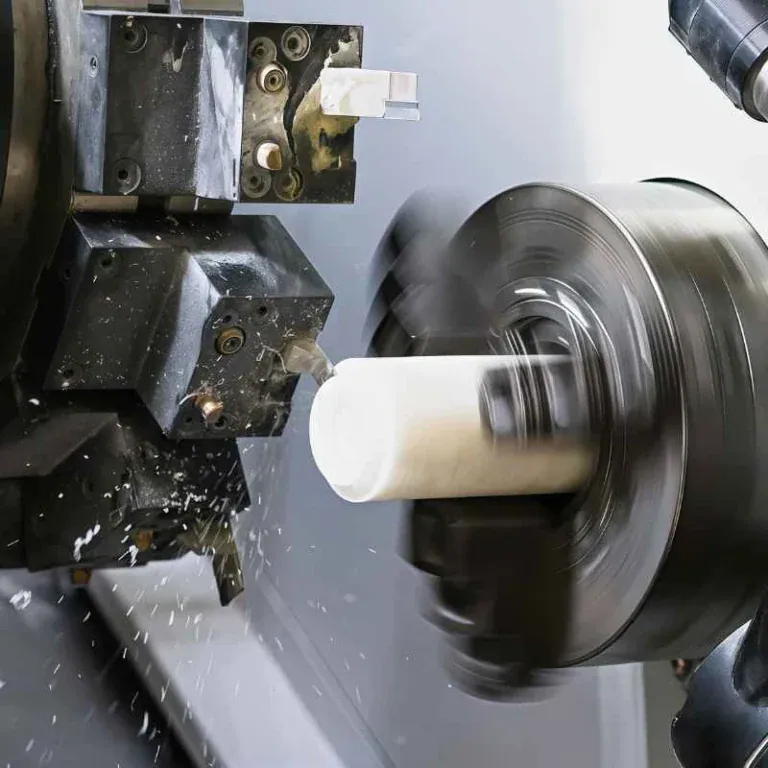
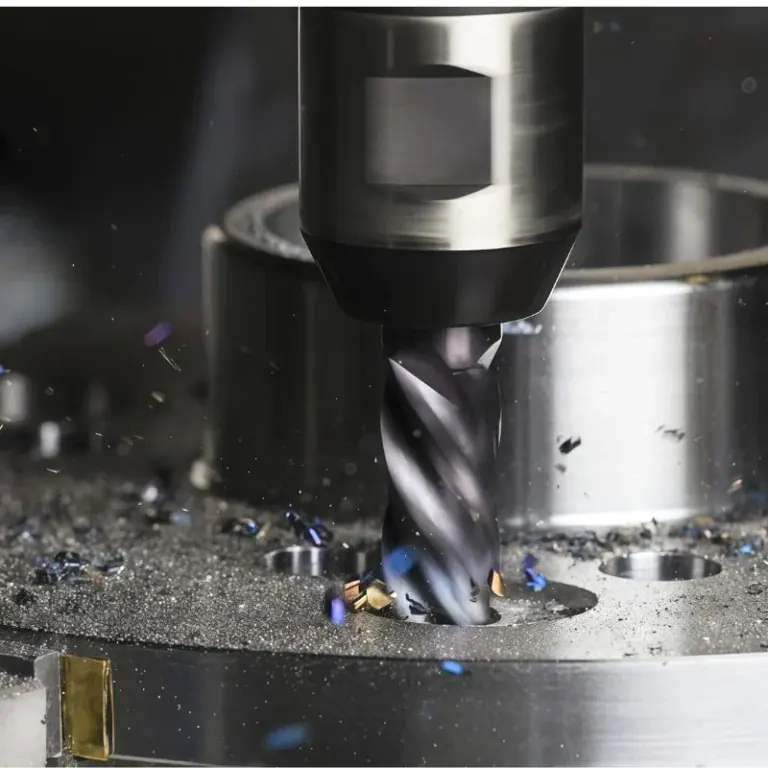
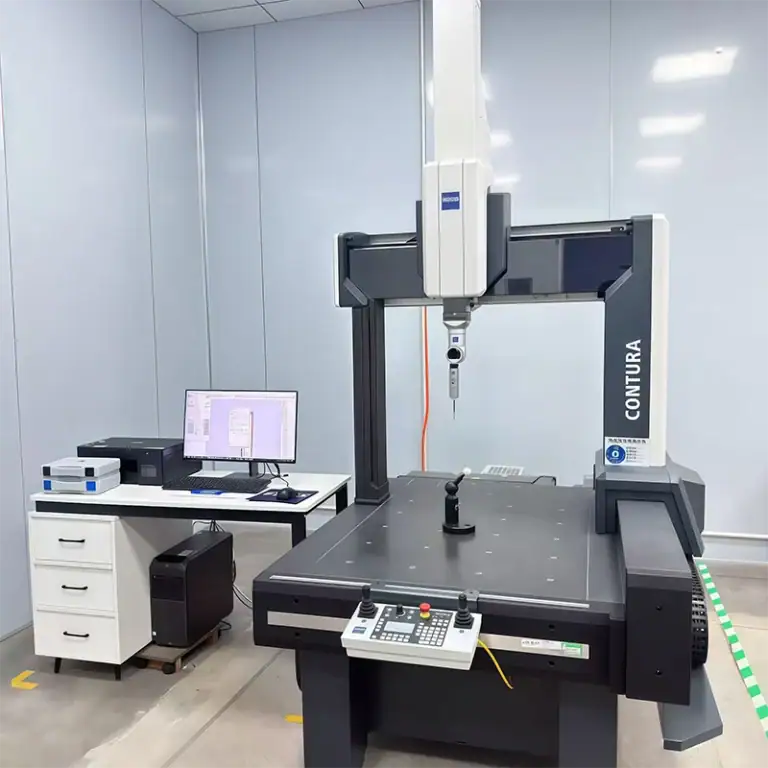
Turning machining accuracy directly affects assembly quality, service life, and overall product stability. In the machining industry, whether processing ordinary shaft parts, precision components, or high-requirement industrial parts, dimensional accuracy and surface quality are always critical. If dimensional deviation, roundness error, or unstable surface roughness occurs during machining, it may affect the final application performance. Improving turning accuracy requires not only stable equipment condition but also proper control of tooling, cutting parameters, clamping methods, and machining environment. Only when all key factors remain stable can machining quality continue to improve.
Machine Stability Affects Turning Accuracy
The machine tool is the core of turning operations. If machine rigidity is insufficient or the equipment suffers from long-term wear, machining accuracy will decrease. Especially during continuous machining and high-precision operations, machine condition directly affects tool movement trajectory.
Improve Machine Rigidity
The higher the machine rigidity, the smaller the vibration generated during machining. A stable machine structure reduces tool deviation during cutting while improving surface finish and dimensional stability. Especially in long shaft machining or large cutting-depth operations, insufficient rigidity easily causes vibration marks and dimensional errors. Therefore, improving overall machine stability is extremely important for precision machining.
Maintain Stable Machine Accuracy
After long-term operation, guideways, lead screws, and spindles gradually wear out, making regular maintenance necessary.
Common maintenance includes:
- Checking guideway clearance
- Adjusting lead screw accuracy
- Correcting spindle runout
- Maintaining stable lubrication
Once machine condition becomes stable, machining consistency improves significantly.
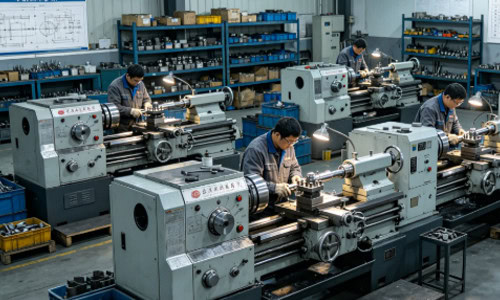
Tool Condition Significantly Affects Machining Accuracy
The cutting tool directly participates in the machining process, and tool sharpness and installation condition affect final dimensions and surface quality. Even when machine accuracy is high, severe tool wear may still cause machining errors.
Keep the Cutting Tool Sharp
Sharp cutting tools reduce cutting resistance and improve cutting stability.
This helps improve:
- Surface finish quality
- Dimensional consistency
- Cutting continuity
- Workpiece edge quality
Tools should be replaced in time after long machining periods.
Select Proper Tool Geometry
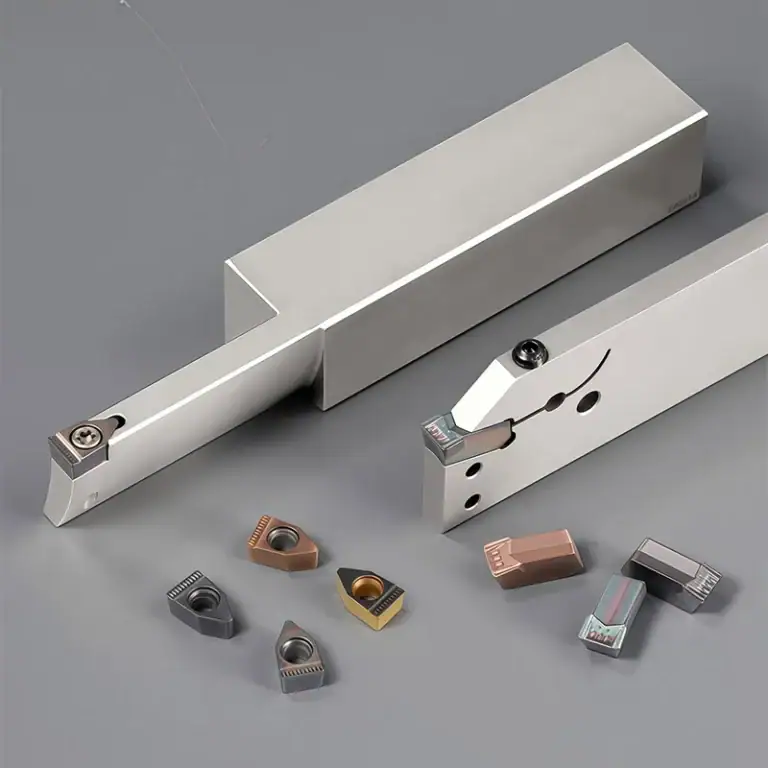
Tool rake angle, clearance angle, and nose radius all affect machining conditions. Different materials require different tool geometries. For example, stainless steel usually requires high-toughness tool geometry, while aluminum is better suited to sharper cutting edges. Proper tool geometry not only reduces cutting resistance but also minimizes workpiece deformation and surface roughness problems, improving machining accuracy.
Keep Tool Installation Stable
When tool installation is unstable, deviation may occur during cutting.
This may lead to:
- Unstable dimensions
- Surface vibration marks
- Toolpath changes
- Increased repeated errors
Problems become more obvious when tool holder rigidity is insufficient.
Cutting Parameters Must Be Properly Matched
Cutting parameters directly affect machining temperature, cutting force, and workpiece surface condition. Even with good machine and tool condition, improper parameter settings may still reduce machining accuracy.
Control Proper Cutting Speed
Excessively high cutting speed easily causes thermal deformation and tool wear.
This may result in:
- Dimensional drift
- Surface burn marks
- Reduced tool life
- Poor machining stability
Different materials require different speed ranges.
Maintain Stable Feed Rate
Feed rate affects cutting thickness and surface roughness.
For example:
- Excessive feed affects surface quality
- Too low feed creates friction cutting
- Feed fluctuation affects dimensional stability
- Finishing requires more stable feed
Stable cutting improves machining consistency.
Properly Control Cutting Depth
Large changes in cutting depth significantly affect tool loading. Rough machining usually requires larger cutting depth, while finishing requires more stable machining allowance. If cutting depth changes excessively, dimensional fluctuation and workpiece vibration easily occur. Therefore, properly arranging roughing and finishing allowance is very important for improving machining accuracy.
Workpiece Clamping Method Affects Machining Accuracy
Workpiece clamping condition directly affects machining stability. If clamping is unstable or positioning is inaccurate, movement may occur during machining. This effect becomes more obvious during precision machining and long slender workpiece machining.
Maintain Stable Clamping
Clamping force should remain moderate, firmly securing the workpiece without causing deformation.
This helps improve:
- Dimensional stability
- Concentricity
- Roundness accuracy
- Machining repeatability
Thin-walled parts are more sensitive to clamping force.
Use Consistent Positioning References
If positioning references are inconsistent, dimensional deviation easily occurs during batch machining.
Common problems include:
- Multiple setup errors
- Machining reference variation
- Reduced product consistency
- Increased correction difficulty
Consistent reference positioning reduces accumulated errors.
Reduce Long Workpiece Deformation
Long shaft parts are easily deformed under cutting force during machining.
Common methods include:
- Using tailstock support
- Applying steady rests
- Segmental cutting
- Reducing overhang length
These methods improve machining stability.
Temperature Changes Affect Machining Dimensions
Heat is continuously generated during turning operations. If temperature control becomes unstable, thermal deformation occurs in both the workpiece and machine structure, affecting machining dimensions. This influence becomes even more obvious during high-speed and long-duration machining.
Control Cutting Heat
When cutting zone temperature becomes too high, the workpiece easily expands.
This may cause:
- Oversized machining dimensions
- Dimensional change after cooling
- Surface discoloration
- Reduced machining accuracy
Thermal influence is more obvious during high-speed machining.
Maintain Stable Cooling
Coolant not only reduces temperature but also decreases friction.
Common methods include:
- Increasing coolant flow rate
- Adjusting spray position
- Using high-pressure cooling
- Maintaining continuous cooling
Stable cooling helps maintain dimensional consistency.
Maintain Stable Machine Warm-Up
When the machine is first started, spindle and guideway temperatures gradually change, causing machining accuracy fluctuation. Proper machine warm-up before machining allows the equipment to enter a stable operating condition, reducing thermal drift and improving precision machining stability.
Improving Turning Accuracy Requires Long-Term Stability
Improving turning machining accuracy does not rely on a single adjustment. Instead, equipment condition, tooling, process settings, and operating stability must remain consistent over time. During machining, dimensional variation and surface condition should be continuously monitored, while cutting parameters and tool condition should be adjusted in time. For high-precision components, stable machining standards and inspection procedures are also necessary to reduce human-related fluctuation.
As CNC machining technology continues to improve, modern turning equipment can achieve increasingly higher precision levels. However, machine capability can only be fully utilized when combined with proper machining processes.