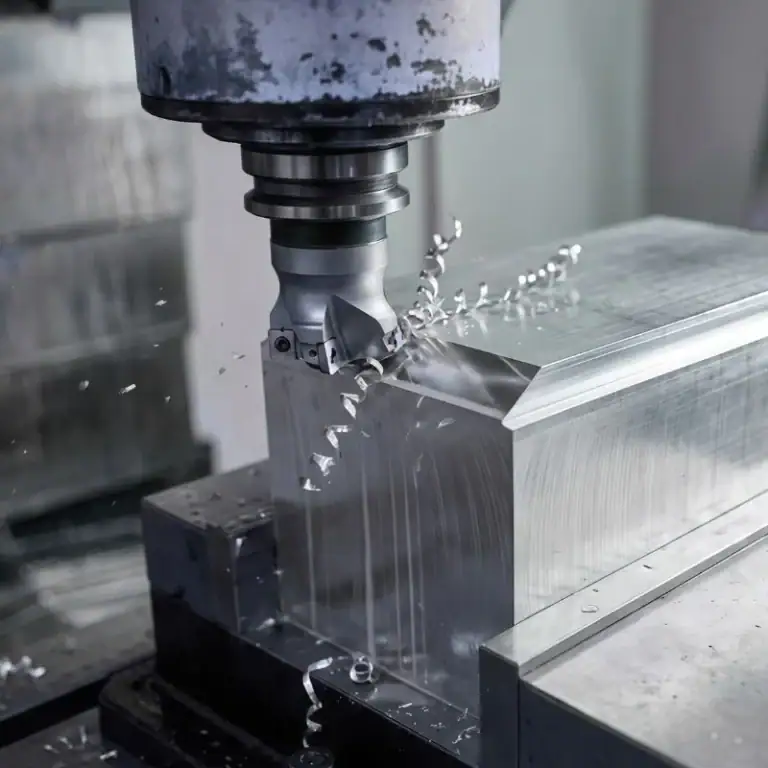
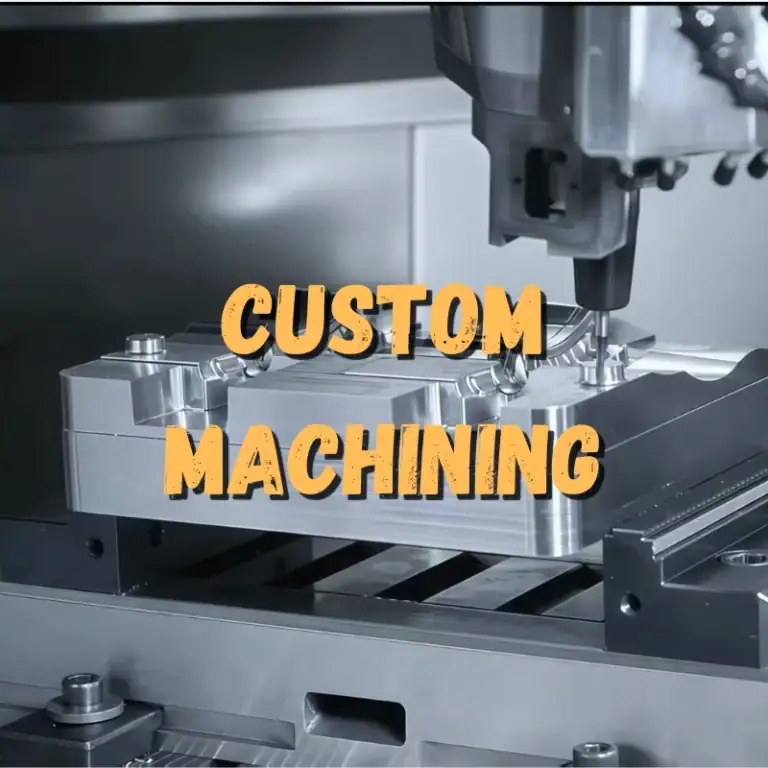
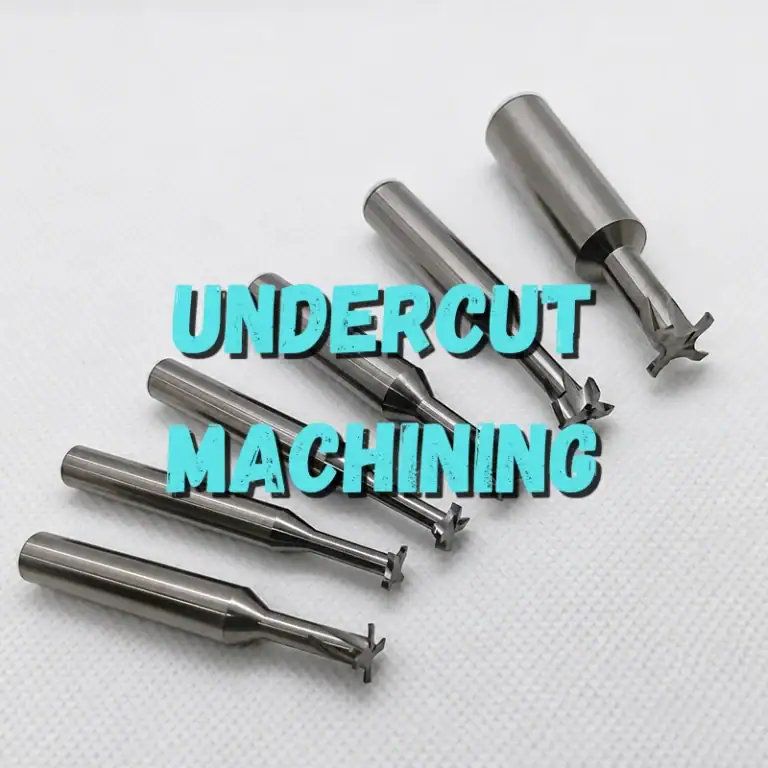
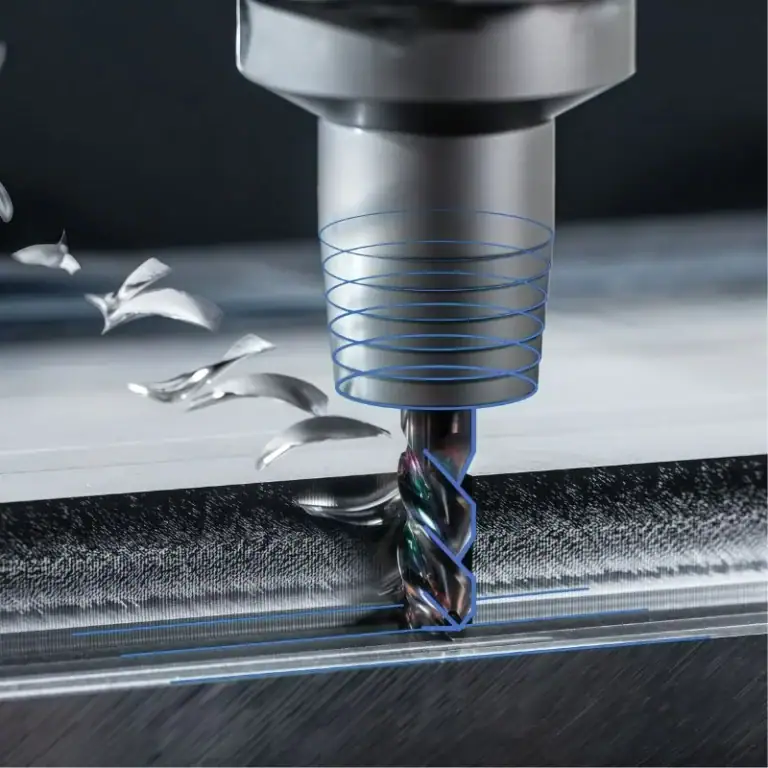
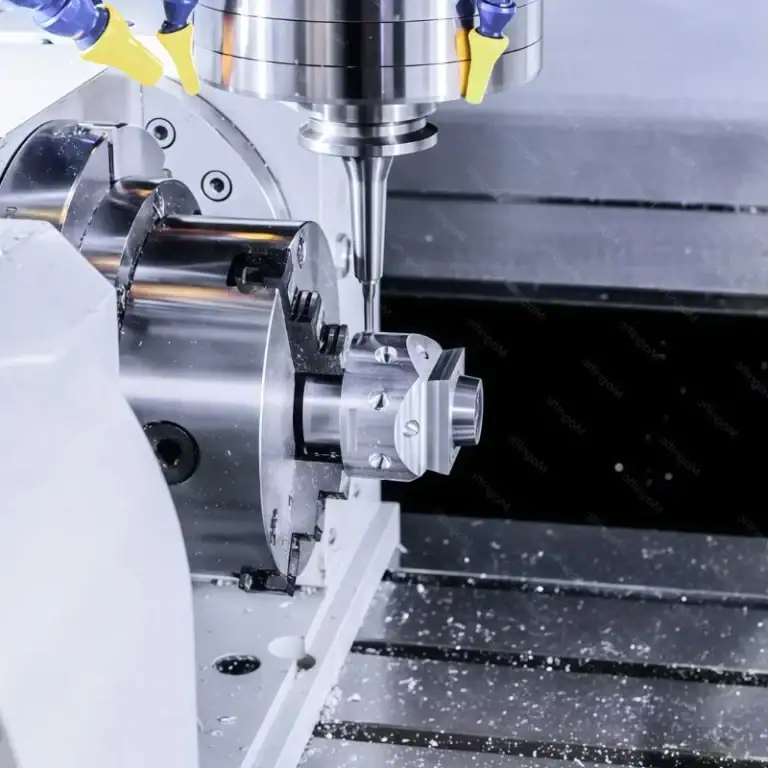
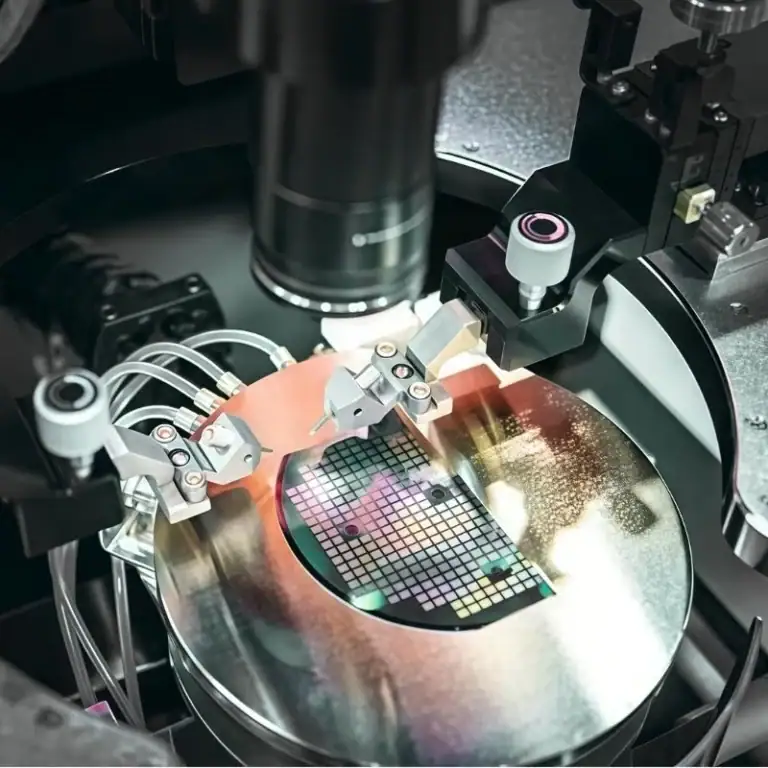
In precision manufacturing, there is actually no universal answer to the question “which machining method is the best.” Different processes are designed for different materials, structural complexities, and accuracy requirements. Some focus on efficiency, some on extreme precision, and others are specifically used to solve special structural challenges that conventional methods cannot handle.In real industrial production, high-quality parts are rarely the result of a single process. Instead, they are achieved through the proper combination of multiple machining technologies.
CNC Precision Machining: The Most Versatile High-Accuracy Method
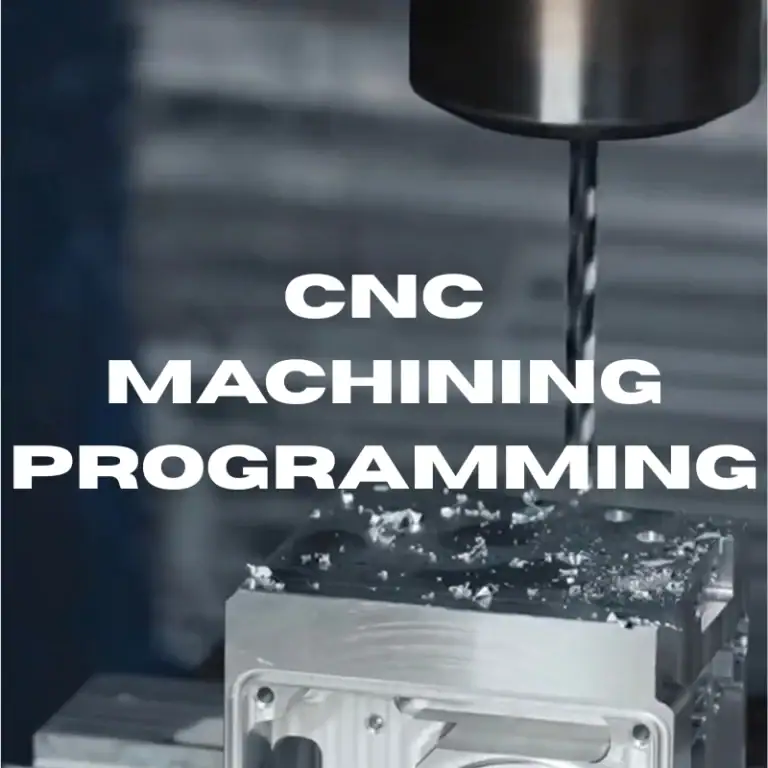
CNC machining is one of the most widely used precision manufacturing methods, covering everything from simple components to highly complex parts.
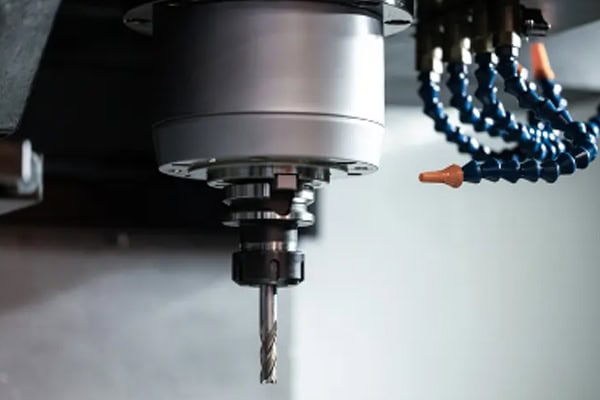
High versatility and complex geometry capability
- Capable of machining aluminum alloys, stainless steel, titanium alloys, and engineering plastics
- Multi-axis systems allow complex surfaces, angled holes, and irregular geometries
- Can complete most machining operations for moderately complex parts in a single setup
- Design changes only require program updates, no need for new tooling
Stable accuracy control capability
- CNC toolpaths reduce human error and improve consistency
- Can achieve stable micron-level precision under proper process design
- Excellent repeatability in mass production
- Especially suitable for components requiring high assembly accuracy
Balanced cost and efficiency
- Equipment investment is relatively moderate, suitable for most manufacturers
- Programs can be reused, reducing long-term production cost
- Suitable for prototyping and medium-volume production
- Highly adaptable in fast product iteration industries
The strength of CNC lies in its stability and versatility, not in extreme performance.
EDM (Electrical Discharge Machining): For High-Hardness and Complex Structures
When materials are too hard or geometries are too complex for cutting tools, EDM becomes an essential complementary process.
Suitable for high-hardness materials
- Can machine hardened steel and carbide materials
- Not dependent on mechanical cutting force, so material strength is not a limitation
- Especially suitable for mold steels and high-strength components
- Tool wear impact is minimal, enabling stable long-term processing
Strong capability for internal complex structures
- Can machine deep grooves, narrow slots, and intricate cavities
- Widely used in precision molds and micro-structured components
- Capable of highly accurate contour replication
- Can reach areas inaccessible to traditional cutting tools
Lower machining efficiency
- Processing speed is relatively slow, not suitable for large-scale production
- Requires longer machining time but offers high stability
- Mainly used for high-value or highly complex parts
- Often combined with CNC in hybrid manufacturing processes
The value of EDM lies in solving problems that CNC cannot handle.
Grinding and Ultra-Precision Machining: Ultimate Accuracy and Surface Quality
When requirements reach extremely high precision and surface finish levels, grinding becomes essential.
Extremely high dimensional and geometric accuracy
- Capable of achieving micron-level or even higher precision
- Commonly used for shafts, guide rails, and bearing components
- Effectively controls roundness, straightness, and other geometric tolerances
- Suitable for systems requiring long-term operational stability
Excellent surface finish quality
- Achieves very low surface roughness, even mirror-like finishes
- Reduces friction and wear, extending service life
- Improves stability in high-speed moving components
- Enhances overall assembly accuracy and smooth operation
Strong dependency on previous processes
- Mainly used as a finishing process, not for bulk material removal
- Requires stable reference surfaces from earlier machining stages
- Typically serves as the final precision refinement step
- Heavily dependent on upstream machining quality
Grinding acts more like a “precision enhancement stage” rather than a complete forming process.
How to Choose the Right Machining Method?
Based on material properties
- Standard materials: CNC is the primary choice
- High-hardness materials: EDM is more suitable
- Ultra-precision components: grinding is used for final finishing
Based on structural complexity
- Simple structures: CNC alone is sufficient
- Internal complex geometries: EDM has advantages
- High-precision mating structures: require grinding refinement
Based on production goals
- Rapid development: CNC offers higher efficiency
- Complex parts manufacturing: CNC + EDM combination is more stable
- High-end precision parts: CNC + grinding combination is more reliable
In real manufacturing practice, hybrid processes are far more common than single-method production.
There is no single “best” precision machining method. Each technology has its own strengths depending on material, structure, and precision requirements. CNC provides versatility and efficiency, EDM solves high-hardness and complex geometry challenges, while grinding delivers ultimate precision and surface quality. In advanced manufacturing systems, these processes are not competitors but complementary technologies. Tirapid focuses on precision machining and complex part manufacturing solutions, providing integrated multi-process support to achieve higher precision, stability, and manufacturing consistency.