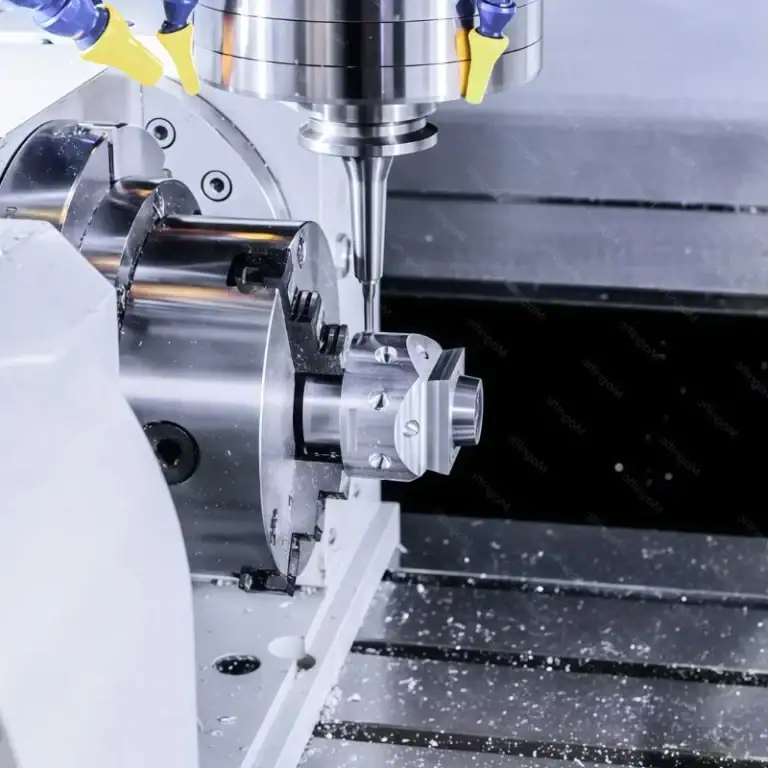
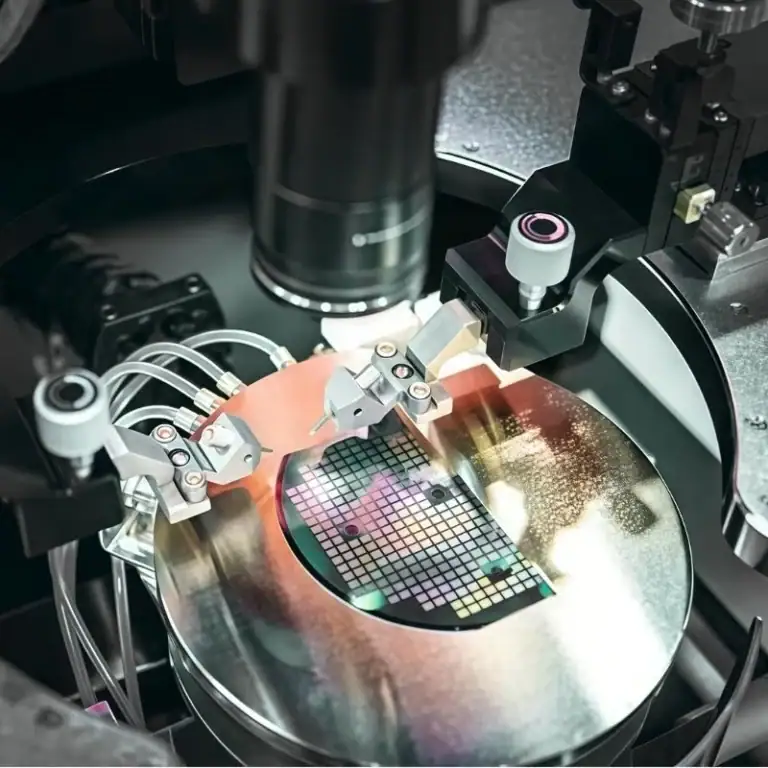
Aluminum 6061 is one of the most widely used aluminum alloys because it offers a practical balance of strength, corrosion resistance, machinability, and weldability. It is commonly used in aerospace, automotive, industrial equipment, electronics, and many other engineering applications where reliable all-around performance matters.
In this guide, we explain what Aluminum 6061 is, its composition, key properties, common tempers such as 6061-T6, machining characteristics, typical uses, and how to decide whether it is the right material for your project.
What Is Aluminum 6061?
Aluminum 6061 is a heat-treatable aluminum alloy in the 6xxx series. It is mainly alloyed with magnesium and silicon, which is one of the key reasons it is widely recognized as a versatile engineering material rather than only a general-purpose metal. In practical manufacturing, 6061 is often chosen when the project needs a useful balance of strength, low weight, corrosion resistance, and workability.
Unlike softer non-heat-treatable aluminum grades, 6061 can be strengthened through heat treatment and tempering. This gives it broader use across structural, machined, and fabricated parts. It is not the highest-strength aluminum alloy available, but it is often preferred because it performs well across more than one requirement at the same time.
That balance is exactly why Aluminum 6061 appears so often in CNC machining, welded assemblies, industrial fixtures, transportation parts, and general engineering applications. It is widely treated as one of the most practical aluminum alloys for projects that need dependable performance without moving into more specialized or less forgiving material grades.
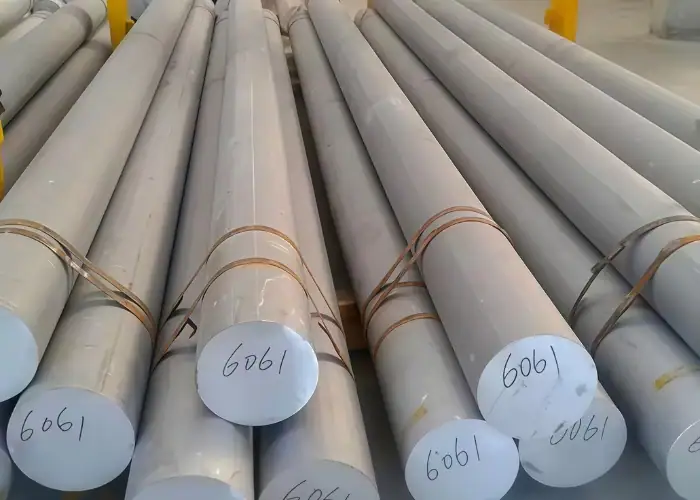
Chemical Composition of Aluminum 6061
The composition of Aluminum 6061 is one of the main reasons it performs so well across different engineering uses. Magnesium and silicon are the principal alloying elements, and together they help give the alloy its heat-treatable nature and balanced mechanical behavior. In addition to these main elements, smaller amounts of copper, chromium, iron, and other elements also contribute to the final property profile.
This composition matters because it supports a useful mix of properties instead of pushing the alloy too far toward only one advantage. It helps 6061 offer better strength than many simpler aluminum grades while still maintaining good corrosion resistance, practical machinability, and workable fabrication behavior. That is why it is often selected for structural and machined parts instead of only decorative or low-load components.
In practical terms, the chemistry helps explain why 6061 is so common in industry. Engineers do not choose it only because it is aluminum. They choose it because its composition gives them a well-balanced material that can be machined, welded, heat treated, and used in many service conditions without becoming too limited in one direction.
Main Properties of Aluminum 6061
Aluminum 6061 is widely used because it combines several useful properties in one material. It offers a good strength-to-weight ratio, useful corrosion resistance, strong machinability, and practical weldability. These qualities are the reason it appears so often in engineering work where the part must do more than simply remain lightweight.
Unlike aluminum grades that are chosen mainly for sheet forming or mainly for maximum strength, 6061 is valued because it stays useful across many manufacturing methods. It can support machining, fabrication, and structural use without becoming too specialized. That makes it highly practical in projects where the material has to satisfy both design and production needs.
To understand why 6061 is so widely used, it helps to look at its main properties one by one. In real selection work, the value of the alloy comes not from one outstanding feature alone, but from the way several important properties work together in a balanced way.
Good Strength-to-Weight Ratio
One of the biggest advantages of Aluminum 6061 is its good strength-to-weight ratio. It offers significantly better structural capability than very soft aluminum grades while still remaining much lighter than steel. This makes it useful in parts where weight reduction matters but the design still needs dependable mechanical performance.
That balance is one reason 6061 is widely used in transportation, aerospace-related components, machine structures, brackets, and general mechanical parts. A lighter material can reduce overall system weight, but if that material is too weak, the benefit disappears. 6061 remains popular because it gives a practical middle ground between low density and usable strength.
In real engineering work, that means 6061 is often selected for parts that must carry moderate load without the weight penalty of steel. It is not the strongest aluminum alloy available, but it is often strong enough for many structural and semi-structural applications while remaining easier to use than more extreme high-strength grades.
Good Corrosion Resistance
Aluminum 6061 also offers good corrosion resistance in many common service environments. This is one of the reasons it is widely used in outdoor equipment, industrial parts, transportation components, and general-purpose engineering applications where the part may face moisture or ordinary environmental exposure.
Its corrosion behavior is an important part of its appeal because it allows the material to be used beyond purely indoor or protected conditions. While it may still need surface treatment depending on the application, 6061 is generally viewed as a practical alloy when the project needs a balanced combination of strength and corrosion performance rather than only maximum mechanical strength.
This is also one of the reasons 6061 is often preferred over some stronger but less forgiving aluminum grades. In many applications, engineers do not need the highest possible strength if it creates tradeoffs in corrosion resistance, weldability, or production practicality. 6061 remains attractive because it avoids that imbalance.
Excellent Machinability
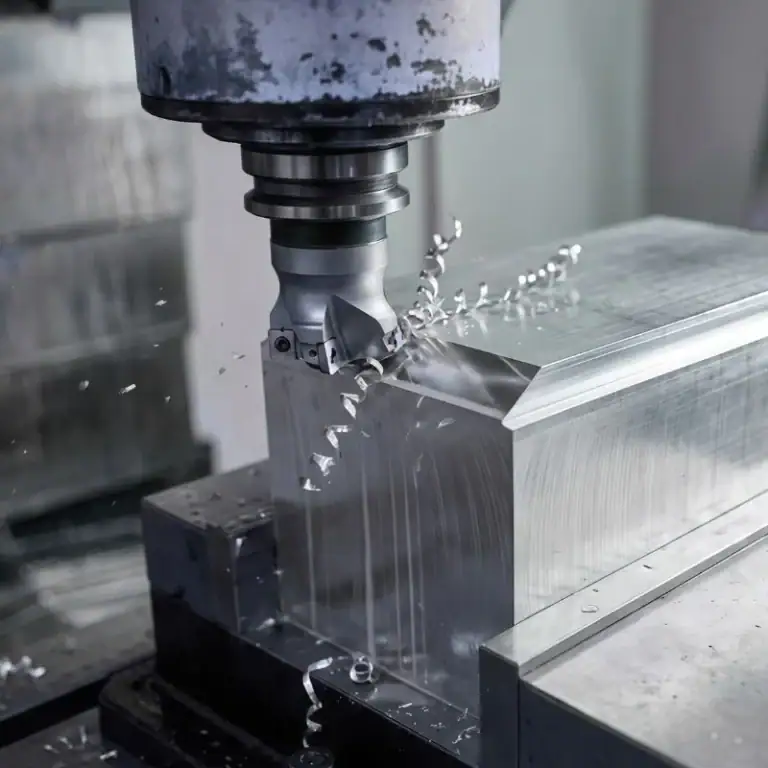
Aluminum 6061 is one of the most common choices in CNC machining because it is generally easy to cut and supports stable machining performance. It can be milled, turned, drilled, and machined into precise parts without creating the same level of difficulty that appears in some tougher or gummier materials. That makes it very practical for prototypes, custom parts, and repeat production.
Good machinability matters because it affects more than just cutting speed. It also influences tool life, surface finish, dimensional control, and overall manufacturing efficiency. In many shops, 6061 is preferred because it helps produce clean features and reliable parts without making the machining process unnecessarily difficult.
This is one reason 6061 appears so frequently in machined housings, fixtures, brackets, plates, and general structural components. When the project depends on CNC manufacturing, 6061 often becomes one of the most practical default choices because it combines ease of machining with strong all-around material behavior.
Good Weldability
Another important property of Aluminum 6061 is its good weldability. Compared with some higher-strength aluminum alloys, it is generally easier to weld successfully, which makes it useful in frames, supports, fabricated structures, and general welded assemblies. This is one of the reasons it is often chosen when both machining and fabrication may appear in the same project.
Weldability matters because many engineering parts are not only cut from stock. They may also need to be joined into larger structures or assemblies. An alloy that machines well but welds poorly can create unnecessary production difficulty. 6061 remains attractive because it supports a broader range of manufacturing methods without becoming too specialized in only one process.
That said, welding can affect the local mechanical properties of the alloy, especially in heat-treated conditions such as T6. This does not remove 6061’s value as a weldable material, but it does mean strength expectations around welded areas should be considered during design and fabrication planning.
Good Versatility
The overall versatility of Aluminum 6061 is one of its strongest selling points. It is used for machined parts, fabricated structures, welded assemblies, general-purpose components, and many products that need more than just one isolated property. Instead of being selected only for strength or only for corrosion resistance, it is often selected because it performs well enough in several areas at once.
This versatility is important in manufacturing because real projects rarely depend on a single material requirement. A part may need to be lightweight, reasonably strong, corrosion resistant, machinable, and available in common stock forms. 6061 works well in these mixed-priority situations, which is why it is so common in both prototypes and production parts.
In simple terms, Aluminum 6061 stays popular because it is practical. It may not dominate every individual performance category, but it solves enough engineering and manufacturing needs at the same time to remain one of the most useful aluminum alloys in everyday industrial work.
What Does 6061-T6 Mean?
The designation 6061-T6 refers to both the alloy and its temper condition. The number 6061 identifies the alloy family and composition, while T6 indicates that the material has been solution heat treated and artificially aged to develop a stronger final mechanical condition. This is one of the most common tempers for 6061, which is why the term 6061-T6 appears so often in engineering drawings, CNC machining, and material sourcing.
The temper matters because 6061 is a heat-treatable alloy, and its final performance depends not only on chemistry but also on processing condition. A part made from 6061-T6 will usually have higher strength than the same alloy in softer tempers, which is one reason T6 is widely used for structural and machined applications where better mechanical performance is required.
In practical manufacturing, this means engineers should not treat “6061” and “6061-T6” as exactly the same specification. The base alloy is the same, but the temper affects strength, workability, and how the material behaves in service. For many CNC machined and engineered parts, T6 is the condition most often selected because it offers a strong balance between performance and practical usability.
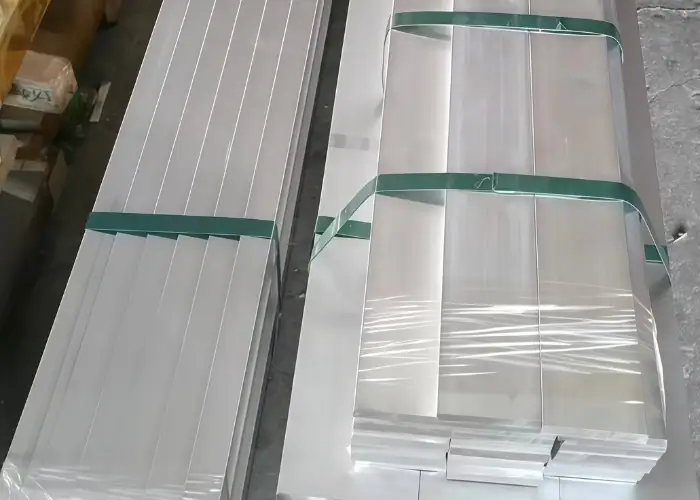
Aluminum 6061 vs Other Aluminum Alloys
Comparing Aluminum 6061 with other common aluminum grades helps explain why it is so widely used in engineering and manufacturing. It is not always the strongest alloy, the easiest to form, or the most appearance-focused option, but it is often chosen because it offers a more balanced combination of strength, corrosion resistance, machinability, and weldability than many other widely used aluminum materials.
| Comparison Area | Aluminum 6061 | Aluminum 6063 | Aluminum 7075 | Aluminum 5052 |
| Alloy Type | Heat-treatable 6xxx series alloy | Heat-treatable 6xxx series alloy | Heat-treatable 7xxx series alloy | Non-heat-treatable 5xxx series alloy |
| Main Strength | Balanced all-around engineering performance | Better surface appearance and extrusion suitability | Much higher strength | Good formability and corrosion resistance |
| Strength Level | Moderate to good | Lower than 6061 | Higher than 6061 | Lower than 6061 in many structural uses |
| Corrosion Resistance | Good | Good | Lower than 6061 in some service conditions | Good, especially in many sheet and marine-related uses |
| Machinability | Excellent for CNC machining | Good, but often used more in extrusion applications | Good, but usually less balanced for general use | Less often chosen as a first option for machined structural parts |
| Weldability | Good | Good | Generally less suitable than 6061 for welding-focused projects | Good |
| Best Manufacturing Fit | Machined parts, welded structures, general engineering uses | Architectural profiles, extrusions, appearance-focused applications | High-strength structural parts where maximum strength matters | Sheet metal, bent parts, formed panels, corrosion-focused fabricated parts |
| Better Choice When | The project needs balanced strength, machinability, weldability, and corrosion resistance | Surface finish and extrusion performance matter more than strength | Maximum strength is the top priority | Forming and bending are more important than higher structural strength |
| Main Tradeoff | Not the strongest or best-forming alloy in every case | Lower strength than 6061 | Less balanced for general machining and welding use | Not as strong or as versatile for many machined structural parts |
Is Aluminum 6061 Easy to Machine?
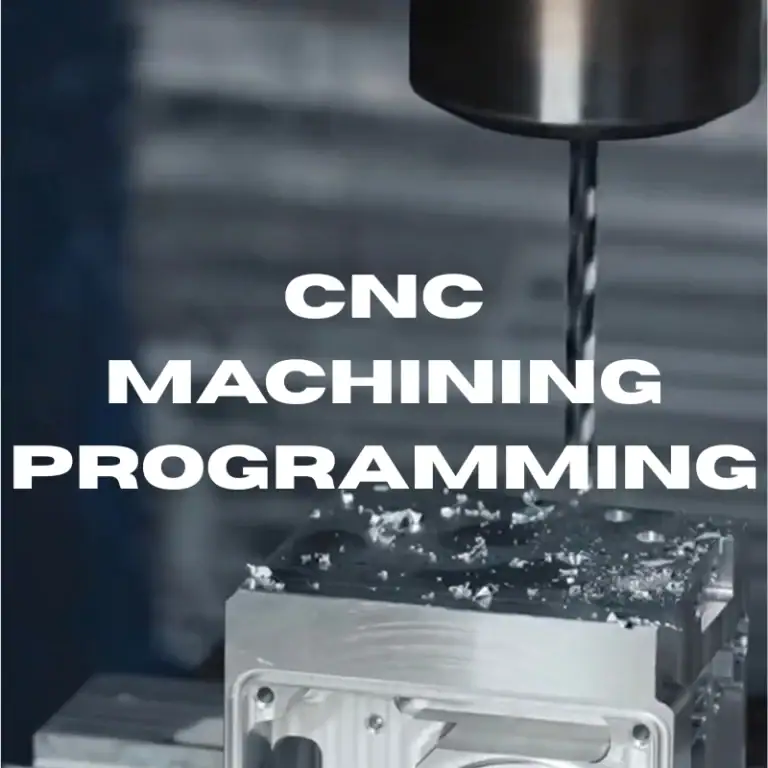
Aluminum 6061 is widely regarded as one of the most practical aluminum alloys for CNC machining. It cuts well, supports good surface finish, and is commonly used for milled, turned, and drilled parts across many industries. This is one of the main reasons it appears so often in machined housings, brackets, fixtures, plates, and custom structural components.
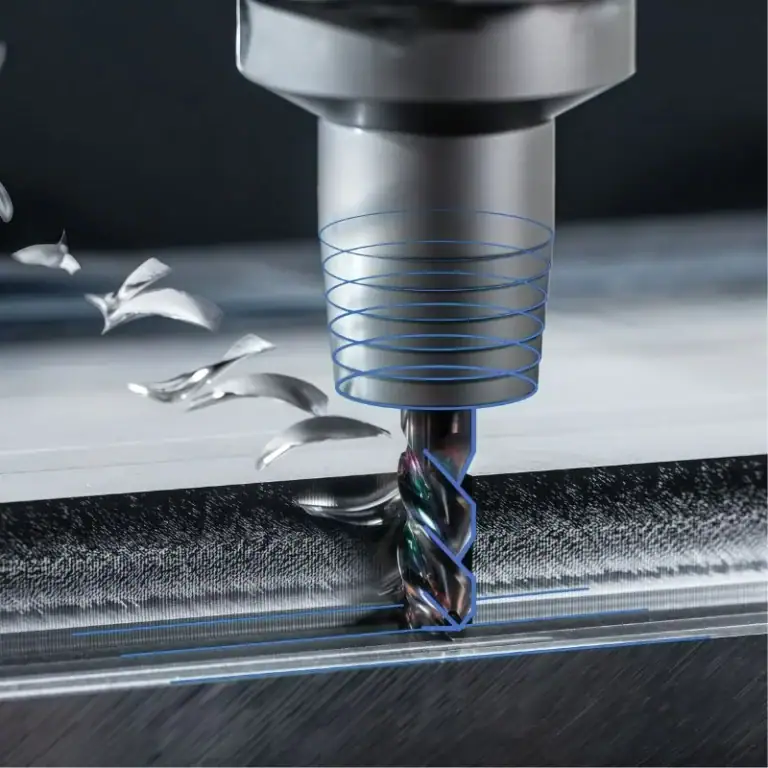
Its popularity in machining comes from more than just easy cutting. It also performs well in terms of dimensional stability, chip control, and general process reliability compared with more difficult alloys. For many shops, this makes 6061 a dependable material for both prototype work and repeat production.
To understand why 6061 is so common in CNC work, it helps to look at both the benefits and the practical considerations. The alloy is easy to use, but like any engineering material, it still performs best when tooling, design, and process planning are handled properly.
Why 6061 Is Popular in CNC Machining
One of the main reasons 6061 is so popular in CNC machining is that it offers a very workable balance of strength and cuttability. It is strong enough for many engineering parts, but not so difficult to machine that it creates unnecessary tool wear or unstable cutting behavior. That gives it a practical advantage in both development and production.
It also helps manufacturers achieve good surface finish and clean feature definition. This matters because machined parts often need more than basic geometry. They may require flatness, hole quality, accurate edges, and a finish that supports later anodizing, coating, or assembly. 6061 usually handles those needs well.
For engineering teams, this means 6061 is often a safe and efficient material choice when the part must be CNC machined from solid stock. Its behavior in the machine is one of the strongest reasons it has become a standard alloy in general machining work.
Typical Machined Parts in 6061
Aluminum 6061 is commonly used for machined parts such as brackets, housings, fixtures, plates, blocks, support structures, and general custom components. These parts often need a material that is light, strong enough for the application, and easy to machine with stable results. 6061 fits that requirement very well.
It is also frequently used for precision mechanical parts, structural supports, adapter plates, mounting hardware, and other CNC-made components where production flexibility matters. This is especially common in automation, electronics, industrial equipment, robotics, and transportation-related engineering work.
In practical shop use, 6061 becomes a natural choice whenever the project calls for a machined aluminum part that does not require the extreme strength of 7075 or the sheet-forming behavior of 5052. It often provides the best overall balance for general CNC manufacturing.
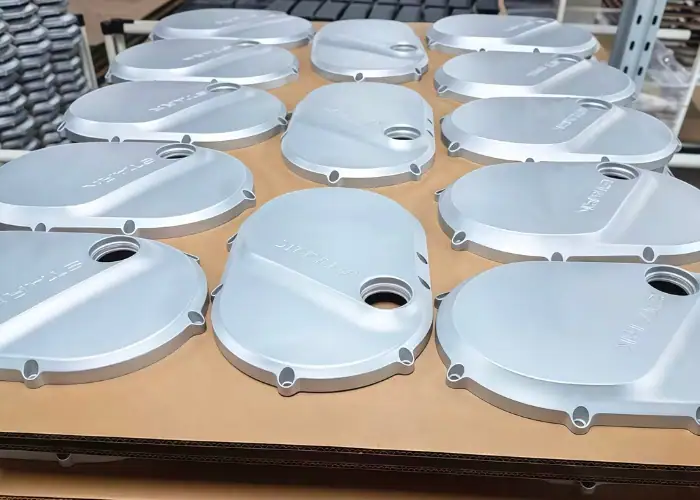
Practical Machining Considerations
Even though 6061 is easy to machine, process planning still matters. Tooling, spindle speed, feed rate, coolant use, and part geometry all affect the final result. Thin walls, deep pockets, and large flat areas can still create machining challenges if the design does not account for rigidity and stability during cutting.
Temper condition can also influence performance. For example, 6061-T6 is widely used because it offers strong all-around properties, but the chosen temper should still match the design intent and manufacturing method. Material specification should not be treated as separate from part function or process planning.
In practical production, 6061 is at its best when the design takes machining realities into account. The alloy itself is forgiving, but a well-planned part will still machine more efficiently, hold dimensions more reliably, and achieve better surface results than one designed without manufacturing logic in mind.
Is Aluminum 6061 Easy to Weld and Fabricate
Aluminum 6061 is widely used in welded and fabricated structures because it offers good weldability compared with many higher-strength aluminum alloys. This makes it useful for frames, supports, brackets, enclosures, and general fabricated components where welding is part of the production process.
Its fabrication value comes from the fact that it is not limited to one manufacturing route. A project may include both CNC machining and welding, and 6061 can support that mixed process flow better than alloys that machine well but are less practical to weld. This is one reason it is so common in structural and general engineering work.
However, welding can affect the mechanical properties of 6061, especially in heat-treated tempers such as T6. That means designers should not assume welded zones will keep the same strength as the original material condition. In many applications, the alloy is still an excellent fabrication choice, but the final design should account for the effect of welding on local performance.
Advantages and Limitations of Aluminum 6061
Aluminum 6061 remains one of the most popular engineering aluminum alloys because it solves several problems at once. It is light, reasonably strong, corrosion resistant, weldable, and easy to machine. For many projects, that combination is far more valuable than choosing a material that leads in only one category but creates tradeoffs in several others.
At the same time, 6061 is not perfect for every application. It does not have the highest strength among aluminum alloys, and it is not always the best option for every forming-heavy sheet metal project or every extreme-performance environment. Understanding both its strengths and its limits makes material selection more realistic and helps avoid overspecifying or underspecifying the alloy.
This is especially important in B2B manufacturing because buyers often need a material that is not only technically suitable, but also practical in machining, welding, surface treatment, and cost control. Looking at both sides of the alloy gives a clearer decision basis than only listing its advantages.
Advantages of Aluminum 6061
One of the biggest advantages of Aluminum 6061 is its overall balance. It provides good strength without becoming too difficult to machine, and it offers useful corrosion resistance without losing its suitability for fabrication and welded structures. This is why it is often treated as a go-to engineering aluminum for general-purpose structural and machined parts.
Another major advantage is production flexibility. 6061 can be machined, welded, and used in many stock forms, which makes it useful across prototypes, custom parts, and production components. A material that can perform across these different manufacturing routes saves time and simplifies sourcing decisions for many projects.
Its broad availability is also a practical benefit. Because 6061 is so widely used, it is often easier to source in common forms and easier to apply across different design scenarios than more specialized alloys. That availability supports faster development and more efficient production planning.
Limitations of Aluminum 6061
One limitation of Aluminum 6061 is that it is not the strongest aluminum alloy available. If the project is driven mainly by maximum strength and the design can accept other tradeoffs, a grade such as 7075 may be more suitable. In those cases, 6061 may be chosen too often simply because it is familiar, even when the application needs a different performance priority.
Another limitation is that welded areas may lose some strength compared with the original heat-treated condition. This does not make 6061 a poor welding alloy, but it does mean designers should think carefully about how welding affects final part performance. Material selection and fabrication planning should work together instead of being treated separately.
It is also not always the best option for sheet-metal-dominant projects where bending and forming are the main manufacturing priorities. In those cases, alloys such as 5052 may be more practical. That is why 6061 should usually be chosen for its balanced engineering profile, not assumed to be the best aluminum for every type of part.
When Should You Choose Aluminum 6061?
Aluminum 6061 is usually the right choice when the project needs a balanced combination of strength, corrosion resistance, machinability, and weldability. If the part must be lightweight but still structurally useful, and if the manufacturing route may include CNC machining or fabrication, 6061 is often one of the safest and most practical options.
It is also a strong choice when machining and welding are both important. Many parts are not purely machined or purely fabricated, and 6061 works well in projects where those process needs overlap. This makes it especially useful in brackets, supports, housings, frames, industrial equipment parts, and many custom engineering applications.
However, 6061 is usually not the best choice when the project mainly needs extreme strength or sheet-focused formability. If the design is dominated by bending requirements or if the application pushes closer to the strength limit of aluminum alloys, another grade may fit better. The best reason to choose 6061 is not that it is the best aluminum in one category, but that it is one of the best-balanced aluminum alloys for real manufacturing use.
FAQs
Can 6061 aluminum be anodized?
Yes. Aluminum 6061 can be anodized and is widely used for anodized machined parts because it supports good surface finishing and corrosion protection.
Does 6061 aluminum rust?
No. 6061 aluminum does not rust like steel, but it can still oxidize or corrode in certain environments. In general, it has good corrosion resistance for many engineering applications.
Can 6061 aluminum be bent?
Yes, but it is not always the best choice for heavy bending, especially in T6 temper. If forming is the main requirement, a grade such as 5052 may be more suitable.
How to heat treat 6061 aluminum?
6061 is a heat-treatable alloy. A common condition is 6061-T6, which means the material has been solution heat treated and artificially aged to improve strength.
Conclusion
Aluminum 6061 is one of the most practical engineering aluminum alloys because it combines strength, corrosion resistance, machinability, and weldability in a balanced way. It may not be the strongest or the easiest-forming aluminum in every case, but it remains one of the most useful choices for real-world machined and fabricated parts.
At TiRapid, we support CNC machining and fabrication projects in Aluminum 6061 and other engineering materials for customers who need practical manufacturing advice, stable machining quality, and material choices that fit real product requirements.