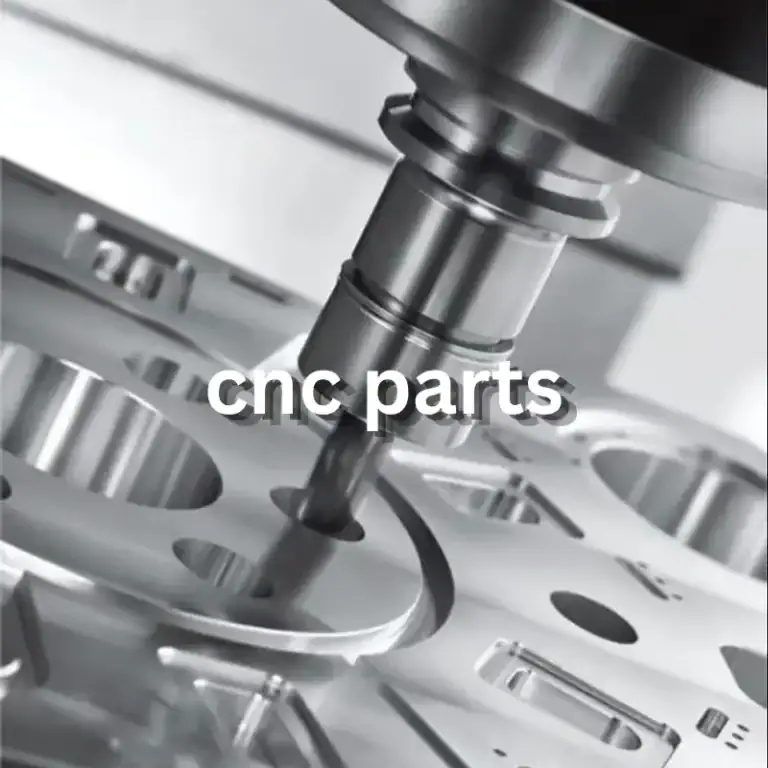
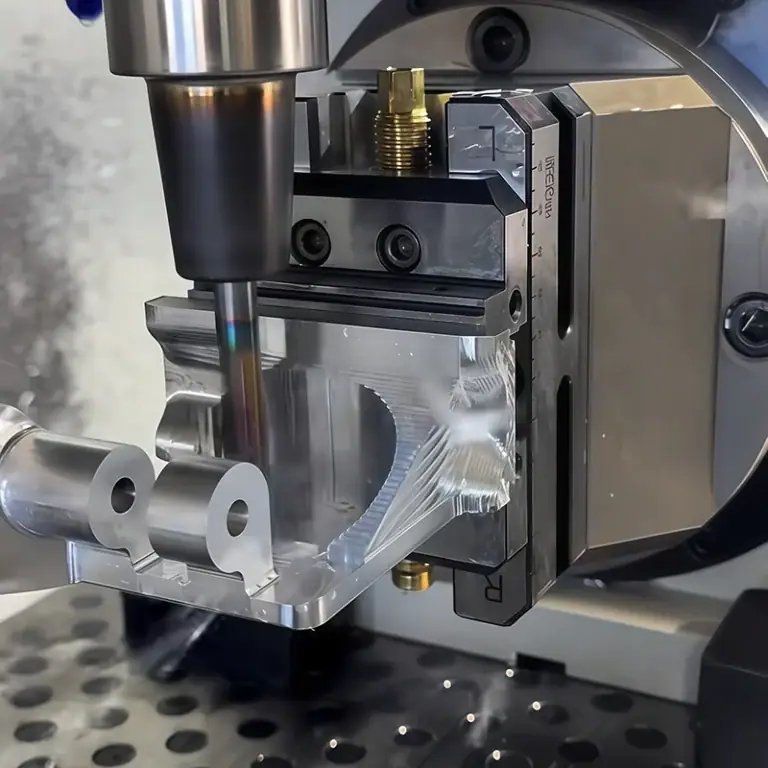
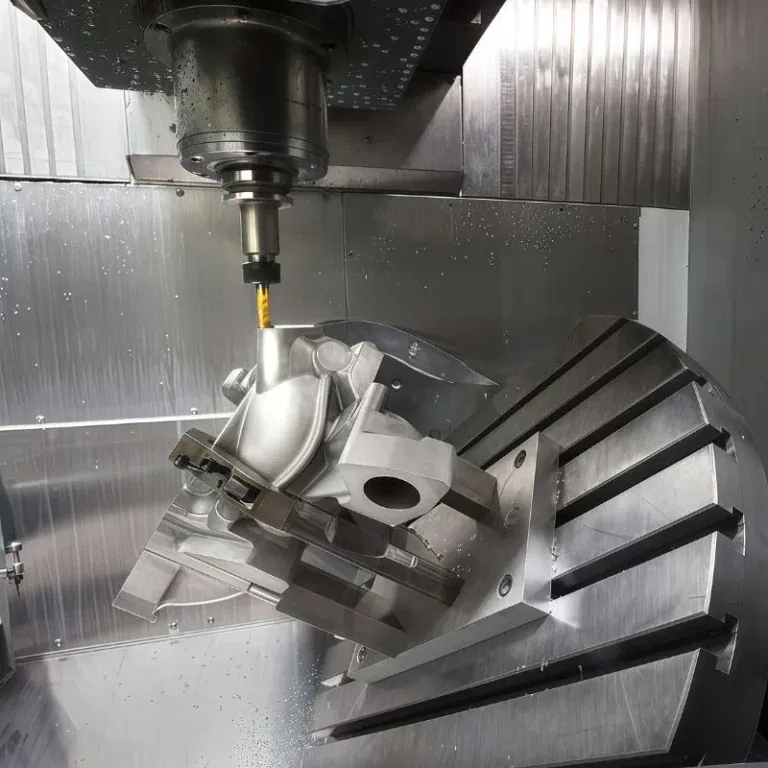
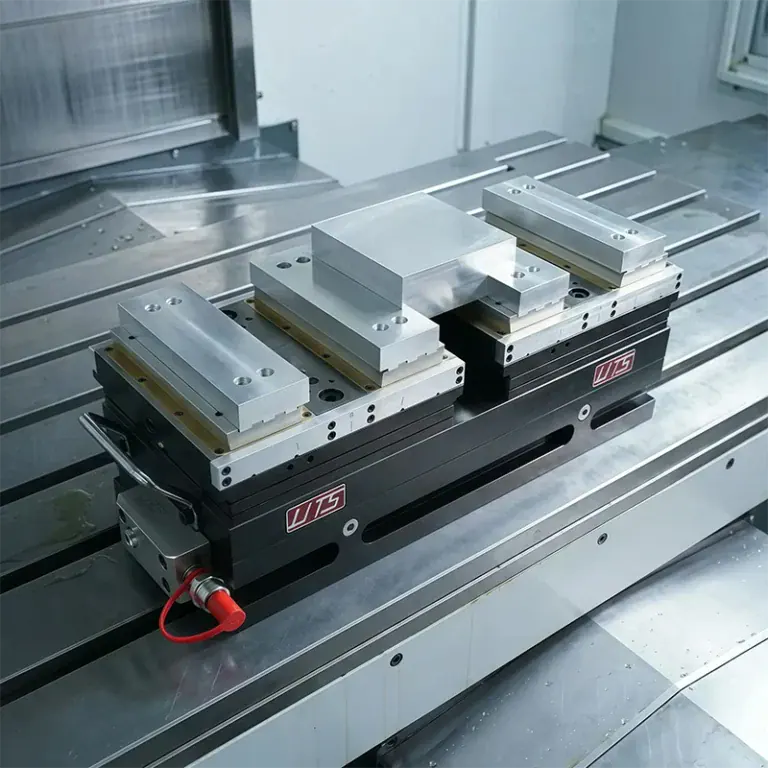
MC Nylon is a cast engineering plastic known for its wear resistance, mechanical strength, and good machinability. If you are searching for what is MC Nylon, it is important to understand that this material is often used as a lightweight alternative to metal in industrial parts such as gears, rollers, bushings, liners, and custom CNC components.
In this guide, we will explain what MC Nylon is, its key material properties, common benefits, limitations, machining considerations, and typical applications. Understanding these points can help engineers and buyers choose the right material for durable, wear-resistant, and cost-effective industrial parts.
What Is MC Nylon?
MC Nylon, also known as Monomer Cast Nylon, is a cast nylon engineering plastic made through a polymerization casting process. It belongs to the nylon family, but compared with many standard nylon materials, it is more commonly used for larger, stronger, and more wear-resistant industrial parts.
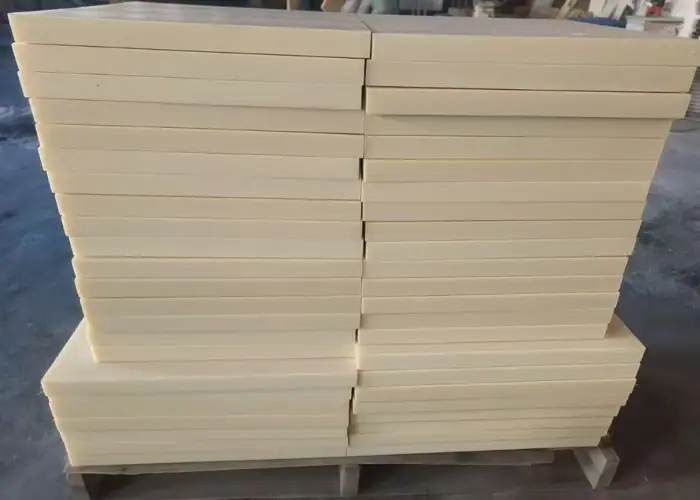
Unlike injection molded or extruded nylon, mc nylon material is produced by casting liquid monomer into a mold and allowing it to polymerize into a solid shape. This process makes it suitable for producing plates, rods, tubes, and large blanks that can later be machined into custom parts.
In practical manufacturing, mc nylon is valued for its good mechanical strength, toughness, machinability, and wear resistance. It can handle repeated movement, sliding contact, and moderate load conditions better than many ordinary plastics, making it useful for gears, rollers, bushings, guide rails, pulleys, liners, and wear pads.
Another reason MC Nylon is widely used is that it can replace metal in some mechanical applications. It is lighter than metal, generates less noise during movement, and offers better corrosion resistance in many working environments. For parts that require lower friction, easier machining, and reliable wear performance, MC Nylon is often a practical material choice.
What Are the Key Properties of MC Nylon?
MC Nylon is valued because it combines strength, wear resistance, low friction, and good machinability in one engineering plastic. Compared with many general plastics, mc nylon properties are more suitable for mechanical parts that need to handle sliding, rolling, impact, or repeated movement.
Mechanical Strength
MC Nylon has good mechanical strength, toughness, and load-bearing ability. It can withstand repeated movement and moderate impact without cracking easily. This makes it suitable for parts such as gears, rollers, bushings, guide blocks, and support components.
MC Nylon Density
The typical mc nylon density is about 1.15–1.16 g/cm³, which is much lighter than many metal materials. This lightweight property helps reduce part weight while still maintaining useful mechanical performance, especially in moving equipment and replacement metal parts.
MC Nylon Hardness
MC nylon hardness is commonly around Shore D 80–85, depending on the grade and testing method. This hardness gives the material good surface durability and helps it resist wear during sliding or rolling contact.
Wear Resistance and Low Friction
MC Nylon has strong wear resistance and good self-lubricating behavior. In many mechanical applications, it can reduce friction, lower running noise, and minimize metal-to-metal contact. This helps extend the service life of moving parts.
Machinability
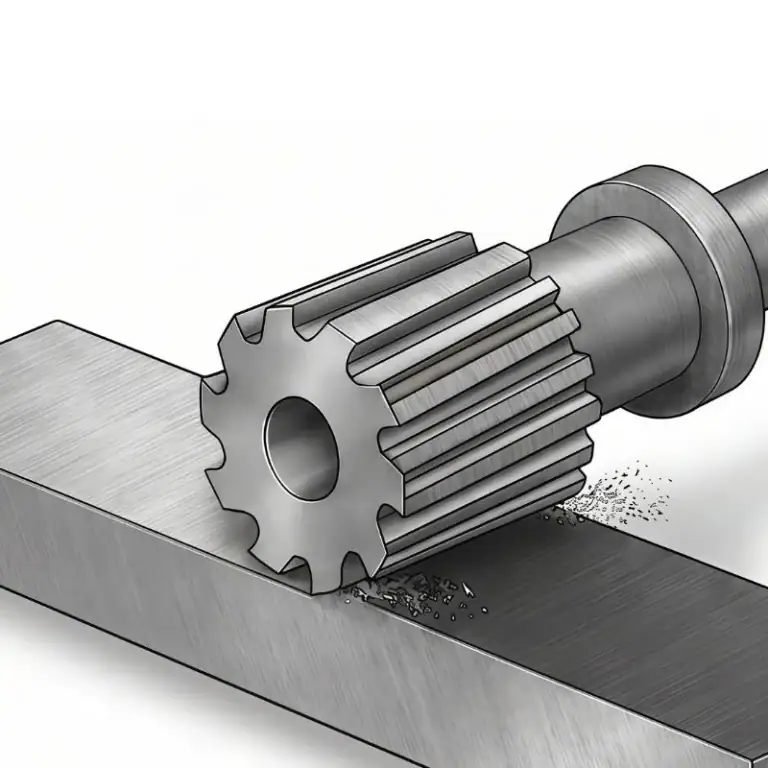
MC Nylon is suitable for CNC machining, turning, milling, drilling, and custom part production. It can be machined into complex shapes with good surface quality, making it useful for low-volume parts, replacement parts, and large plastic components.
Moisture Absorption
Like many nylon materials, MC Nylon can absorb moisture from the surrounding environment. This may cause slight dimensional changes, so moisture absorption should be considered when designing high-precision parts or parts used in humid conditions.
What Are the Common Types and Grades of MC Nylon?
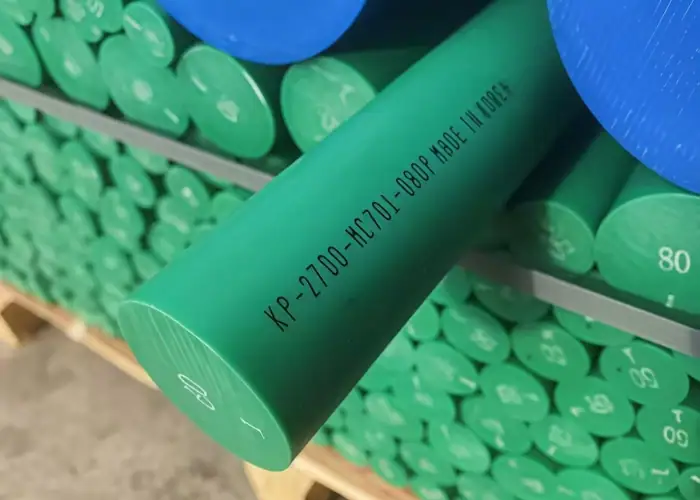
MC Nylon comes in different grades for different working conditions. Some grades focus on general mechanical strength, while others improve wear resistance, lubrication, electrical performance, or heat stability.
General-Purpose MC Nylon
General-purpose MC Nylon offers a balanced combination of strength, toughness, machinability, and wear resistance. It is commonly used for gears, rollers, bushings, guide blocks, spacers, pulleys, and wear pads when no special electrical, thermal, or extreme wear requirements are needed.
Oil-Filled or Self-Lubricating MC Nylon
Oil-filled or self-lubricating MC Nylon is designed to reduce friction and improve movement in sliding or rotating parts. It is often used for bearings, sliding plates, guide rails, rollers, and moving machine components where lower noise, less maintenance, and longer service life are important.
Wear-Resistant MC Nylon
Wear-resistant MC Nylon is suitable for parts exposed to continuous friction, repeated movement, or abrasive contact. Compared with standard grades, it offers better surface durability and is often used for liners, wear strips, conveyor parts, support blocks, wheels, and mechanical replacement parts.
Conductive or Anti-Static MC Nylon
Conductive or anti-static MC Nylon is used when the part needs to control static electricity or reduce charge buildup. It is commonly applied in electronics, automation equipment, semiconductor-related handling parts, and industrial fixtures where electrical stability matters.
Heat-Resistant or Special-Modified MC Nylon
Heat-resistant or special-modified MC Nylon is selected for applications that need better temperature resistance, weather resistance, or specific performance improvements. It can be used for custom machine parts, heavy-duty rollers, support components, and industrial parts that face more demanding working conditions.
What Are the Benefits of MC Nylon?
MC Nylon is widely used in industrial parts because it offers a strong balance of wear resistance, mechanical strength, low friction, and machinability. These benefits make it a practical material for custom CNC parts and metal replacement components.
Excellent Wear Resistance
One of the main benefits of mc nylon is its strong wear resistance. It performs well in parts that experience sliding, rolling, or repeated contact, such as gears, rollers, bushings, liners, and guide rails. This helps reduce surface wear and extend the service life of mechanical components.
Good Mechanical Strength
MC Nylon has good strength, toughness, and impact resistance compared with many general plastics. It can support moderate loads while remaining lighter than metal, making it useful for machine parts that need both durability and weight reduction.
Low Friction and Quieter Operation
MC Nylon has naturally low friction and good self-lubricating behavior. In moving parts, this can reduce noise, vibration, and direct metal-to-metal contact. For equipment that needs smoother operation, MC Nylon is often a more practical choice than some harder materials.
Lightweight Metal Replacement
Because MC Nylon is much lighter than steel or other metals, it can help reduce part weight without losing necessary performance in many applications. This makes it suitable for rollers, pulleys, support blocks, and other components where lighter weight can improve equipment efficiency.
Good Machinability
MC Nylon is suitable for CNC milling, turning, drilling, and custom machining. It can be processed into complex parts with good surface quality, which makes it useful for prototypes, small-batch production, replacement parts, and large-size plastic components.
Cost-Effective for Industrial Parts
Compared with some high-performance engineering plastics or metal parts, MC Nylon can offer a practical balance between performance and cost. For many wear-resistant and load-bearing components, it helps reduce maintenance needs, part weight, and long-term operating cost.
What Are the Limitations of MC Nylon?
Although MC Nylon has strong wear resistance and good machinability, it is not suitable for every working condition. Its performance can be affected by moisture, temperature, load, chemical exposure, and tolerance requirements, so these limits should be considered before material selection.
Moisture Absorption
MC Nylon can absorb moisture from the surrounding environment, which may cause slight dimensional changes. For parts that require tight tolerance or long-term dimensional stability, humidity and operating conditions should be evaluated in advance.
Limited Dimensional Stability
Compared with materials such as POM or some high-performance engineering plastics, MC Nylon may have less dimensional stability in humid or changing environments. This means it may not be the best choice for extremely precise parts without proper allowance and design control.
Not Suitable for Strong Acid Environments
MC Nylon has good resistance to many oils, greases, and common industrial media, but it is not ideal for strong acids or some aggressive chemicals. If the part will contact harsh chemical environments, chemical compatibility should be checked before use.
Heat Resistance Has Limits
MC Nylon can handle moderate working temperatures, but it is not designed for very high-temperature applications. Long-term exposure to excessive heat may reduce its mechanical strength, increase deformation risk, or shorten part service life.
Load and Creep Considerations
Under continuous heavy load, MC Nylon may experience creep or gradual deformation over time. For load-bearing parts, engineers should consider actual stress, working time, temperature, and part structure before using it as a metal replacement.
Processing and Design Control
MC Nylon is easy to machine, but poor tool selection, excessive cutting heat, or improper clamping can affect final part quality. For CNC machined MC Nylon parts, tolerance planning, wall thickness, moisture control, and stress relief should be considered during design and processing.
How Is MC Nylon Different From Other Nylon Materials?
MC Nylon belongs to the nylon family, but its cast polymerization process gives it different performance characteristics from common extruded or injection-molded nylon materials. The table below compares MC Nylon with several common nylon materials to help you understand their differences in processing, strength, wear resistance, dimensional stability, and typical use.
| Material | Main Difference | Key Advantages | Main Limitations | Typical Applications |
| MC Nylon | Made by cast polymerization and often used for larger machined parts | Good wear resistance, high strength, low noise, good machinability | Can absorb moisture and may need tolerance allowance | Gears, rollers, bushings, liners, guide rails |
| Nylon 6 | Common nylon material often made by extrusion or injection molding | Good toughness, impact resistance, and general processing performance | Lower wear resistance and load performance than many MC Nylon grades | General plastic parts, housings, connectors, brackets |
| Nylon 66 | Has higher heat resistance and stiffness than Nylon 6 in many cases | Good strength, hardness, and thermal performance | More difficult to process than Nylon 6 and may cost more | Mechanical parts, electrical parts, fasteners, structural components |
| Oil-Filled Nylon | Nylon modified with lubricant for lower friction | Better self-lubrication, smoother motion, reduced noise | Not always suitable for high-load or high-precision parts | Bearings, sliding parts, wear plates, rollers |
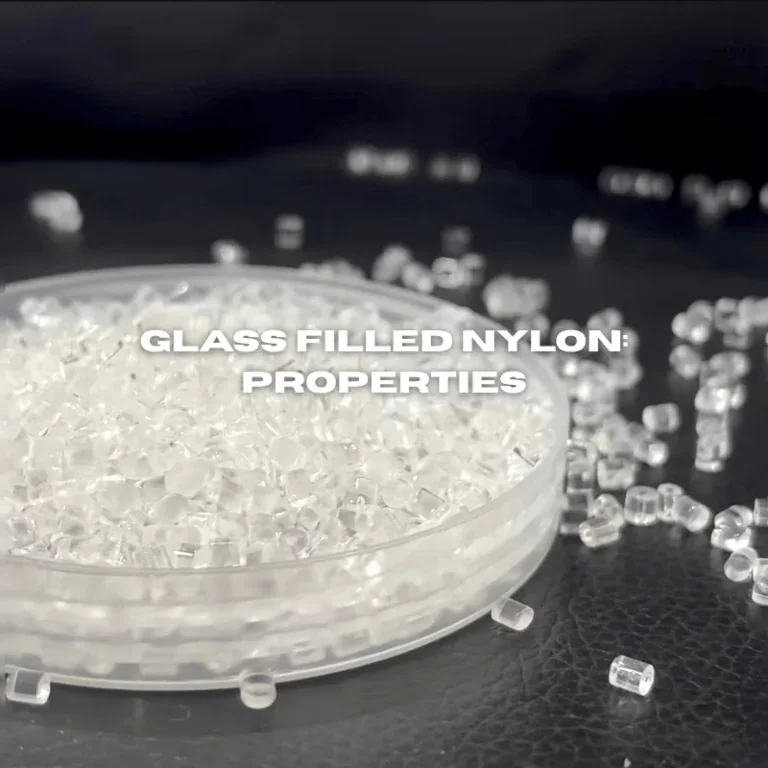
| Glass-Filled Nylon | Nylon reinforced with glass fiber for higher stiffness | Higher rigidity, strength, and dimensional stability | More abrasive to tools and less suitable for low-friction sliding contact | Structural parts, brackets, frames, load-bearing components |
| POM Compared With MC Nylon | POM is not nylon, but often used as an alternative engineering plastic | Better dimensional stability and lower moisture absorption | May have lower wear performance under some heavy-duty sliding conditions | Precision gears, small mechanical parts, fixtures, sliding components |
Why Is MC Nylon Suitable for CNC Machining?
MC Nylon is suitable for CNC machining because it combines good machinability, stable mechanical performance, and strong wear resistance. It can be processed into custom parts with different shapes and sizes, making it useful for prototypes, replacement parts, and low-volume industrial components.
Easy to Machine Into Custom Shapes
MC Nylon can be CNC milled, turned, drilled, and cut into a wide range of part geometries. Compared with many harder engineering plastics or metals, it is easier to process and places less stress on cutting tools. This makes it suitable for gears, rollers, bushings, guide rails, spacers, and other custom machined parts.
Good Surface Quality After Machining
With sharp tools and proper cutting parameters, MC Nylon can achieve a clean machined surface. This is important for parts that need smooth movement, low friction, or stable contact with other components. For rollers, liners, and sliding parts, a better surface finish can help reduce wear and noise during operation.
Suitable for Large and Low-Volume Parts
Because MC Nylon is often supplied as cast plates, rods, and tubes, it is practical for machining larger industrial parts. It is also suitable for low-volume production because CNC machining does not require expensive molds. This makes it useful for maintenance parts, machine upgrades, custom components, and early-stage product testing.
Strong Performance for Wear Parts
Many CNC machined MC Nylon parts are used in moving or load-bearing applications. Its wear resistance, toughness, and low friction help parts perform well in sliding, rolling, and repeated-contact conditions. This is why MC Nylon is often chosen for bushings, pulleys, wear pads, and mechanical replacement parts.
Important Machining Considerations
Although MC Nylon is easy to machine, process control is still important. Sharp cutters, stable clamping, proper feed rates, and heat control help avoid burrs, deformation, or poor surface quality. Since MC Nylon can absorb moisture, tolerance design and storage conditions should also be considered for precision parts.
What Are the Common Applications of MC Nylon?
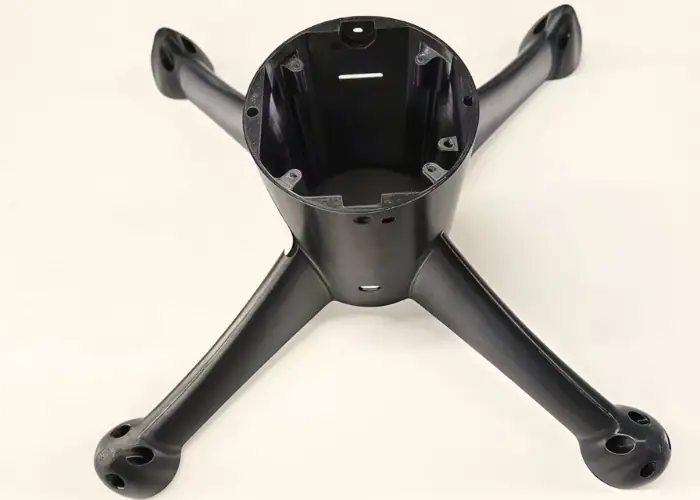
MC Nylon is widely used in industrial and mechanical applications because it offers good wear resistance, low friction, impact strength, and machinability. It is especially suitable for parts that need to move, slide, rotate, support loads, or replace metal components in a lighter and quieter way.
Automation
In automation systems, MC Nylon is often used for positioning blocks, guide components, sliding parts, rollers, and fixture elements. These parts need stable movement and repeatable performance, so MC Nylon is a practical choice for reducing friction, lowering wear, and improving system reliability.
Automotive
In the automotive industry, MC Nylon is commonly used for gears, bushings, rollers, guide blocks, wear pads, and lightweight mechanical parts. Its low friction and wear resistance help reduce noise and improve service life in moving assemblies. It is also useful for parts where reducing metal-to-metal contact is important.
Industrial Equipment
MC Nylon is widely used in industrial machinery for guide rails, pulleys, liners, bearings, conveyor rollers, support blocks, and replacement parts. These components often face repeated movement and friction, so MC Nylon helps improve durability, reduce maintenance, and support smoother machine operation.
Medical
In medical equipment, MC Nylon can be used for selected non-implant mechanical parts, support blocks, rollers, guides, and custom machined components. Its machinability and wear resistance make it useful for equipment parts that require stable movement and reliable dimensional performance, depending on the material grade and compliance requirements.
Electronics
MC Nylon can be used for insulating components, support parts, protective covers, and custom machined plastic parts in electronic equipment. Its electrical insulation and machinability make it suitable for applications where mechanical support and material stability are both required.
Aerospace
MC Nylon can be used in aerospace-related applications for lightweight spacers, rollers, bushings, insulation-related parts, and non-critical support components. Its low weight and good mechanical performance make it suitable for selected parts where metal replacement, noise reduction, and corrosion resistance are valuable.
Robotics
In robotics, MC Nylon is useful for rollers, bushings, low-friction joints, guide parts, lightweight brackets, and custom machined components. Since robotic systems often require repeated movement and stable mechanical performance, MC Nylon helps reduce friction, noise, and wear in moving assemblies.
Consumer Products
MC Nylon is also used in durable consumer products, such as wheels, sliding parts, handles, rollers, and wear-resistant components. It provides better strength and wear performance than many general plastics, making it suitable for products that need longer service life and smoother movement.
How to Choose the Right MC Nylon Material?
Choosing the right MC Nylon material depends on the working environment, part function, machining requirements, and expected service life. Since different MC Nylon grades offer different levels of wear resistance, friction performance, strength, and stability, material selection should be based on real application needs rather than material name alone.
Match the Grade to the Load Condition
For parts that need to support weight, pressure, or repeated mechanical stress, load capacity should be considered first. General-purpose MC Nylon can meet many moderate-load applications, while heavier-duty parts may need wear-resistant or reinforced grades. For bushings, rollers, and support blocks, the selected material should be able to maintain shape and strength under long-term working pressure.
Consider Friction and Wear Requirements
If the part will slide, rotate, or contact other components repeatedly, wear resistance and friction behavior become very important. Oil-filled or self-lubricating MC Nylon is often a better choice for moving parts because it can reduce friction, lower noise, and extend service life. This is especially useful for guide rails, rollers, bearings, and sliding plates.
Check Temperature and Working Environment
MC Nylon can perform well in many industrial environments, but temperature and humidity still need to be checked carefully. High temperature may reduce strength or increase deformation risk, while moisture absorption can affect dimensional stability. If the part will be used in humid, outdoor, or changing environments, tolerance allowance and material grade should be evaluated in advance.
Evaluate Chemical Contact
MC Nylon has good resistance to oils, greases, and many common industrial media, but it is not suitable for all chemicals. Strong acids, aggressive solvents, or harsh chemical environments may damage the material. Before selecting MC Nylon, it is important to confirm whether the part will contact chemicals during use, cleaning, or maintenance.
Consider CNC Machining Requirements
For CNC machined MC Nylon parts, design and machining conditions also affect material choice. Parts with tight tolerances, thin walls, deep holes, or large sizes may need more careful process planning. Good material selection should consider machinability, part geometry, clamping method, cutting heat, and final dimensional requirements.
Compare MC Nylon With Alternative Materials
MC Nylon is not always the only suitable material. For parts requiring better dimensional stability, POM may be considered. For very low friction, PTFE may be an option. For higher temperature or stronger chemical resistance, materials such as PEEK may be more suitable. Comparing MC Nylon with alternative materials helps avoid over-design or under-performance.
FAQs
Is Nylon 100% Polyester?
No, nylon is not 100% polyester. Nylon and polyester are two different synthetic polymers. Nylon is usually a polyamide, while polyester is mainly made from PET or related ester-based polymers. In engineering applications, nylon generally offers better toughness, wear resistance, and impact strength. Polyester often provides better dimensional stability and lower moisture absorption. For CNC machined parts, nylon is usually selected for gears, bushings, rollers, and wear components.
What Is High Density Nylon?
High density nylon usually refers to nylon materials with higher compactness, strength, and mechanical stability than standard grades. Common engineering nylon has a density around 1.13–1.16 g/cm³, depending on the grade, filler, and processing method. Glass-filled nylon or cast nylon grades may offer higher stiffness, wear resistance, and load-bearing performance. It is often used for industrial parts that need durability, sliding performance, and better resistance to deformation.
What Is The Best Grade Of Nylon?
There is no single best nylon grade for every application. The right choice depends on load, temperature, wear, moisture, and dimensional accuracy. Nylon 6 is commonly used for general toughness and machinability. Nylon 66 offers better heat resistance and stiffness. MC Nylon is often preferred for wear-resistant CNC parts, while glass-filled nylon is suitable for higher rigidity. For precision parts, engineers may also compare nylon with POM or PEEK.
Conclusion
MC Nylon is a strong, wear-resistant, and machinable engineering plastic for gears, rollers, bushings, liners, and other industrial parts. Before choosing it, factors like moisture absorption, tolerance, load, temperature, and chemical exposure should be considered.
At TiRapid, we provide precision CNC machining services for custom MC Nylon and other engineering plastic parts, helping customers improve material selection, part quality, and production efficiency.