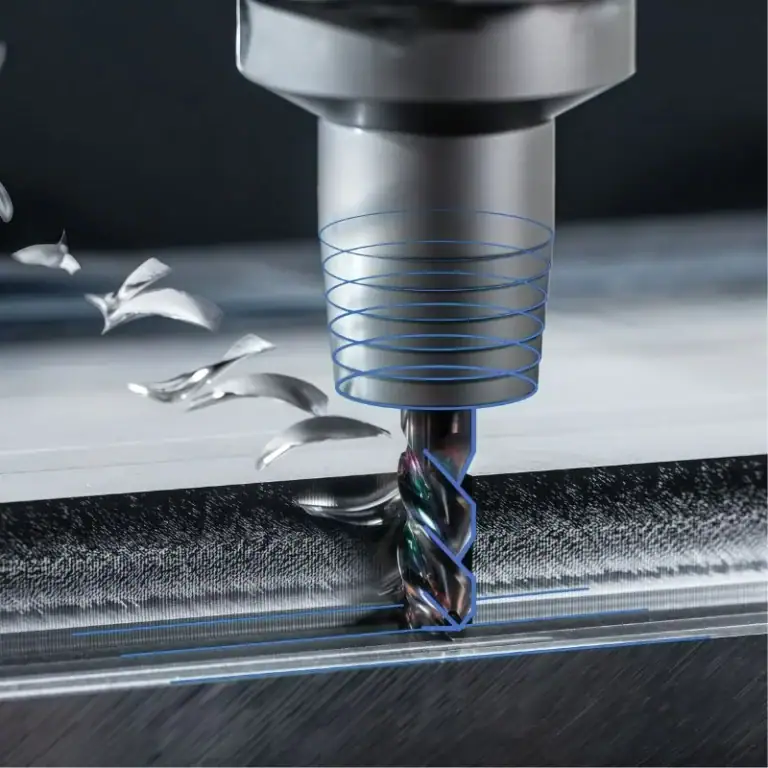
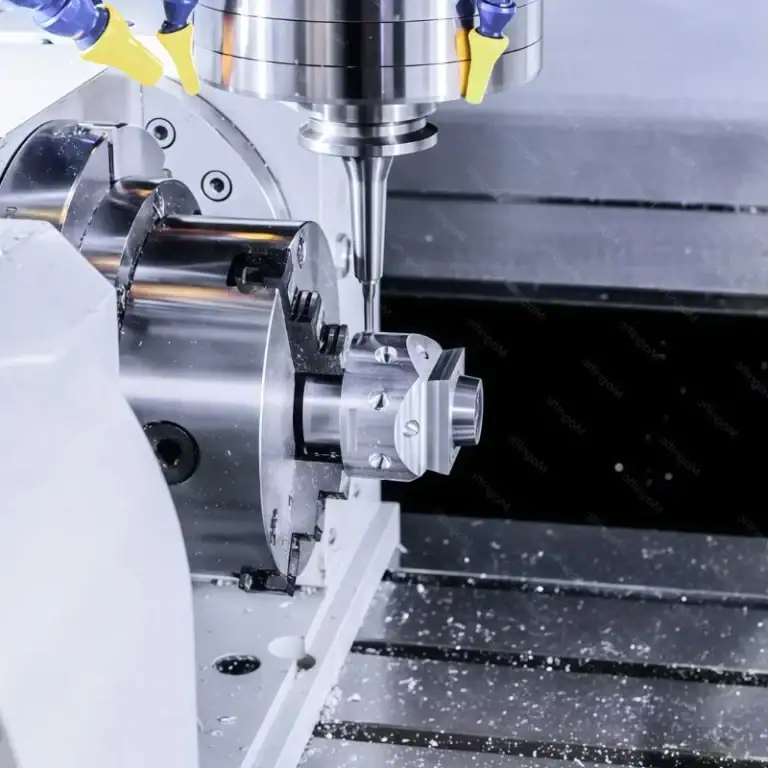
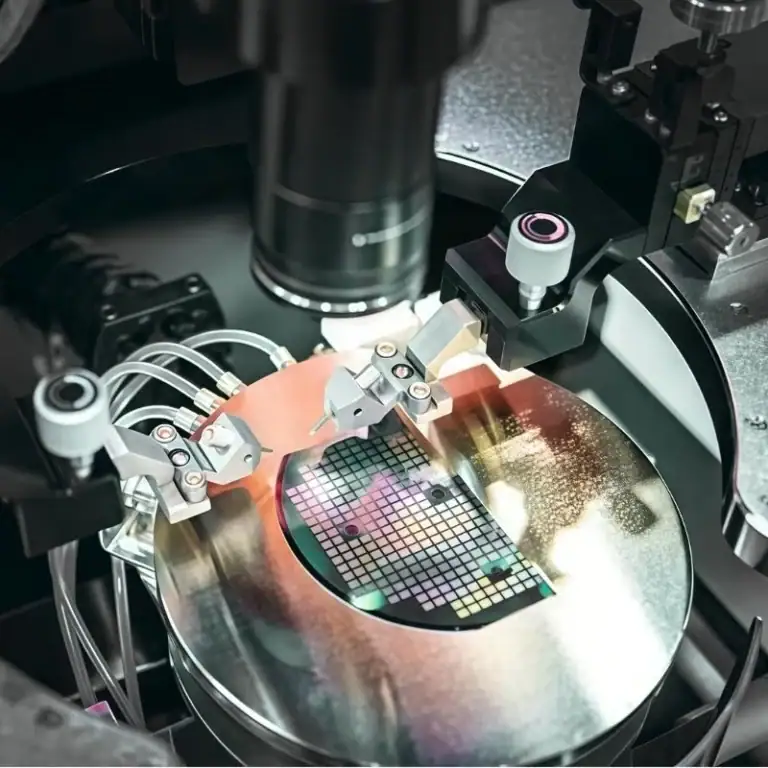
In high-end manufacturing, precision machining is no longer only about “achieving the required dimensions,” but about “maintaining dimensional stability after machining.” Many parts fully meet design requirements at the drawing stage, but during actual production they may still deform due to internal stress release, cutting force fluctuations, improper clamping, or temperature changes. This is especially critical for thin-walled structures, aerospace components, and high-precision molds, where even tiny deformation can affect assembly accuracy or overall functionality.Therefore, deformation control is not a single technical issue, but a systematic approach involving materials, processes, clamping, and environmental conditions.
Material Stability and Pre-Treatment: Controlling the “Starting Point” of Deformation
If the material itself is unstable, even the most precise machining process can only reduce the problem, not eliminate it.
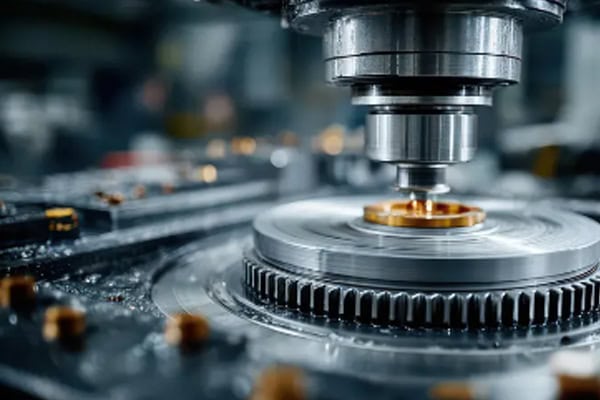
Selecting materials with lower internal stress
- Prefer metals that have undergone annealing or aging treatment to reduce residual stress
- Avoid using raw castings or untreated rolled materials, which often contain uneven internal stress
- For aluminum and titanium alloys, select batches with uniform structure and stable performance
Stress relief through heat treatment
- Use annealing or tempering to reduce internal stress concentration
- Apply staged heat treatment for large structural parts to release stress gradually
- Re-stabilize parts after rough machining to prevent dimensional drift
Controlling stock structure and machining allowance
- Excessive stock removal in one step can cause sudden stress release and deformation
- Uniform allowance design helps ensure smoother material removal
- Avoid large variations in wall thickness that may cause warping
- Add support allowance for thin-walled or slender structures to improve rigidity
The more stable the material condition is, the lower the risk of deformation later.
Machining Process Control: Making Stress Release Predictable
Machining is the stage where deformation is most likely to occur, as cutting forces and tool paths directly affect the workpiece.
Step-by-step machining control
- Remove most material quickly while maintaining structural integrity
- Follow with refinement machining to stabilize shape and gradually release stress
- Final machining focuses on minor corrections without aggressive cutting
- Allow time between stages for structural stabilization
Cutting parameter and force balance optimization
- Lower cutting force reduces deformation caused by stretching or compression
- Feed rate must be adjusted according to material rigidity
- Cutting depth should be controlled to avoid localized stress concentration
- Different materials require tailored machining parameters
Toolpath and motion optimization
- Climb milling provides smoother cutting with less vibration
- Avoid sudden direction changes that cause stress spikes
- Maintain continuous cutting paths for more stable force distribution
- Use smooth contour strategies for curved surfaces
Structural balance and machining sequencing
- Symmetrical machining helps reduce imbalance in thin-walled parts
- Machine rigid areas first to stabilize the overall structure
- Avoid prolonged machining on a single weak section
- Proper sequencing allows stress to distribute gradually
The key idea here is to make changes gradual instead of sudden.
Clamping and Environmental Control: Eliminating External Deformation Factors
Many deformation issues are not caused by cutting itself but by external forces and environmental instability.
Fixture structure and force distribution design
- Multi-point support fixtures help distribute clamping force evenly
- Vacuum or flexible clamping is often used for thin-walled parts
- Fixture design must match part geometry rather than using universal solutions
- Support points should not interfere with natural stress distribution
Clamping force and setup strategy control
- Excessive clamping force can directly deform the workpiece
- Insufficient force may lead to vibration during machining
- Clamping force should be adjusted based on material stiffness
- Reducing re-clamping helps avoid cumulative positioning errors
Machine tool dynamic performance
- High rigidity structures reduce vibration during cutting
- Precision guideways and ball screws improve motion stability
- Multi-axis synchronization reduces positioning errors
Temperature and environment control
- Constant temperature environments reduce thermal expansion effects
- Stable spindle temperature helps maintain dimensional consistency
- Cooling system uniformity affects thermal deformation level
- Smaller environmental fluctuations lead to higher stability
The goal is to ensure the workpiece is not disturbed during machining.
Deformation control in precision machining is ultimately a full-process engineering system involving materials, machining strategy, clamping design, and environmental stability. Any weak point in the chain can be amplified in the final result. Only through coordinated control across all stages can stable and high-precision manufacturing be achieved. As advanced manufacturing continues to evolve, deformation control has become one of the key indicators of machining capability and directly determines product quality and reliability. Tirapid focuses on precision machining and complex component manufacturing solutions, providing stable and reliable production support to help achieve higher accuracy and consistency in manufacturing.