As modern precision manufacturing continues to advance toward higher speeds and greater precision, machining stability has emerged as one of the key metrics for evaluating CNC milling performance. Under conditions involving high-speed cutting and prolonged continuous operation, significant heat is generated between the cutting tool and the workpiece; if this heat is not controlled in a timely manner, it will directly compromise machining accuracy and surface quality. The cooling system plays an indispensable role within the overall machining chain; it not only impacts cutting efficiency but also influences tool life and the operational stability of the equipment. In actual production environments, the cooling system is far more than a mere auxiliary device; it is a critical, integral component that permeates the entire machining process. Different materials, cutting parameters, and machining methods each impose distinct requirements on the effectiveness of the cooling system.
The Fundamental Function of Cooling Systems
The cooling system serves as a vital safeguard for the stable operation of CNC milling processes.
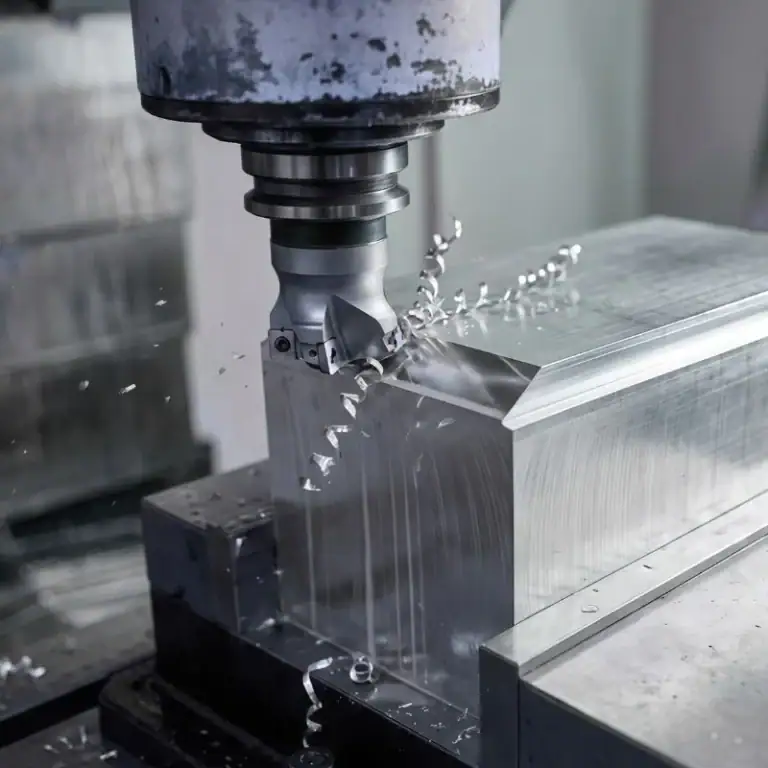
During machining, high-speed cutting generates substantial heat; if this heat is not dissipated promptly, it can lead to thermal deformation of the workpiece and accelerated wear of the cutting tool. By circulating a coolant fluid or gas, the cooling system effectively lowers the temperature within the machining zone, thereby ensuring a more stable cutting process. This stable temperature control establishes the foundational conditions necessary for high-precision machining.
The Working Principle of Cooling Systems
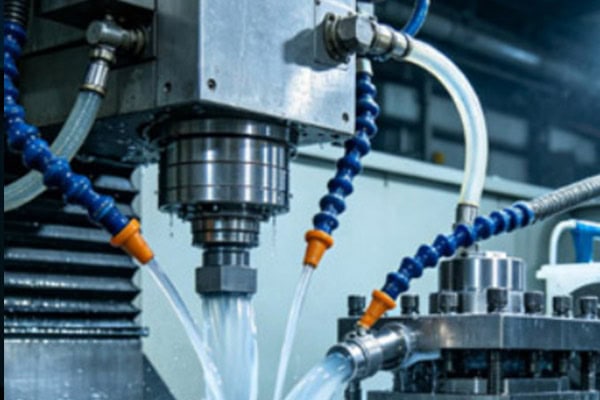
Cooling systems facilitate heat exchange through the circulation of a cooling medium.
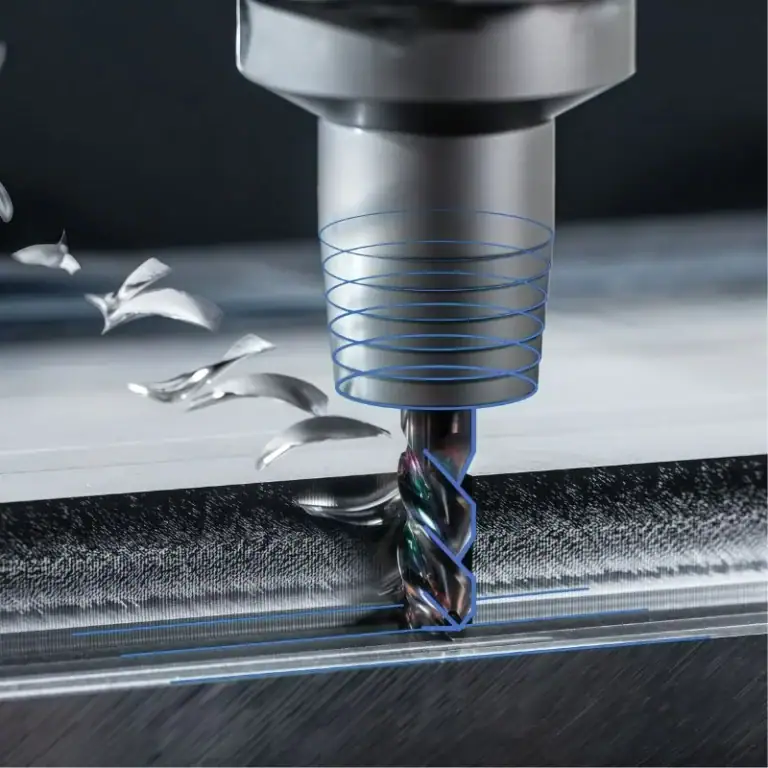
During the CNC milling process, coolant is delivered to the cutting zone, where it absorbs heat and carries away metal chips, thereby reducing the temperatures of both the cutting tool and the workpiece. Additionally, the coolant provides a degree of lubrication, which helps to minimize friction between the cutting tool and the material being machined.
This efficient heat exchange process significantly enhances overall machining stability.
Common Types of Cooling Systems
Different cooling methods are suited to different machining scenarios.
Common types of cooling systems include spray cooling, oil mist cooling, high-pressure cooling, and circulating cooling systems.
Spray Cooling Systems
The spray cooling system is the most basic and widely utilized method of cooling.
It employs a pump to deliver coolant to a nozzle, from which it is sprayed directly onto the cutting zone to achieve rapid cooling and lubrication. This system features a simple structure and low cost, making it suitable for the majority of standard CNC milling applications. In practical operation, it effectively dissipates cutting heat and flushes away metal chips, thereby keeping the machining zone clean.Due to its high reliability and stability, this cooling method is widely adopted across the general machining sector.
Oil Mist Cooling System
The oil mist cooling system achieves precise cooling effects through atomized lubrication.
This system utilizes compressed air to atomize minute quantities of lubricating oil, spraying the mist into the machining zone to simultaneously provide both cooling and lubrication. Compared to traditional flood cooling methods, it consumes significantly less coolant, making it particularly well-suited for precision machining environments. During high-speed cutting operations, the oil mist effectively reduces friction and improves surface finish quality.This method is frequently employed in the machining of precision components and in applications requiring high surface finish standards.
High-Pressure Cooling System
The high-pressure cooling system is designed for deep-hole drilling and challenging cutting applications.This system employs a high-pressure pump to deliver coolant into the cutting zone as a powerful, focused jet. This forceful stream rapidly penetrates the cutting interface and effectively flushes away chips, thereby preventing clogging issues. During high-speed machining or deep-hole operations, it significantly enhances chip evacuation efficiency and reduces tool temperatures.This cooling method plays a critical role in the machining of complex structural components.
Circulating Cooling System
The circulating cooling system ensures stable cooling performance through continuous recovery and filtration.Coolant used during the machining process is collected, filtered, and recirculated, thereby guaranteeing consistent cooling effectiveness while simultaneously minimizing resource consumption. Typically integrated with filtration units and temperature control modules, this system is ideal for production lines involving prolonged, continuous machining operations.This method offers superior economic efficiency and operational stability in large-scale manufacturing environments.
The Critical Role of Cooling Systems
(1) Cooling Systems Directly Impact Machining Accuracy and Surface Quality
In high-temperature environments, materials are prone to thermal expansion, which can compromise dimensional accuracy; cooling systems effectively regulate machining temperatures, ensuring that workpieces maintain stable dimensions. Furthermore, effective cooling helps mitigate issues such as surface burning and excessive roughness.
A stable thermal environment is a fundamental prerequisite for high-quality machining.
(2) Cooling Systems Extend Tool Lifespan
When subjected to high temperatures, cutting tools are susceptible to accelerated wear and even chipping. By lowering cutting temperatures and reducing friction, cooling systems effectively retard tool degradation, thereby helping to lower overall production costs.
Appropriate cooling strategies contribute to the overall economic efficiency of machining operations.
(3) Cooling Systems Enhance Chip Evacuation and Machining Efficiency
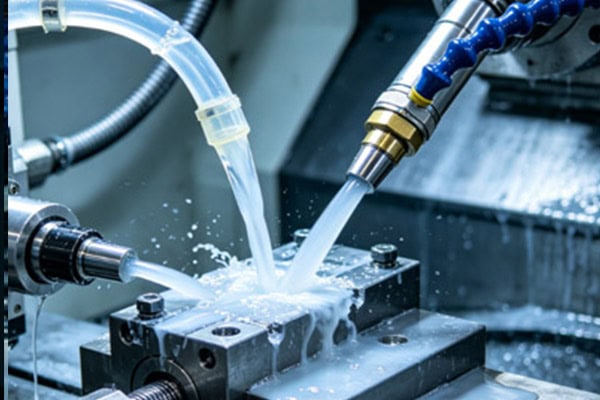
In addition to dissipating heat, the coolant stream flushes away chips and debris generated during cutting, preventing “re-cutting” issues and thereby enhancing the continuity and efficiency of the machining process.
Efficient chip evacuation capabilities ensure the smooth and uninterrupted execution of machining operations.
Advantages and Limitations of Cooling Systems
In CNC milling operations, the performance of the cooling system directly impacts overall machining quality and stability.
Advantages:
- Cooling systems offer significant advantages in modern CNC machining.
- Their primary benefits lie in improving machining stability, extending tool life, and enhancing surface quality; this renders the machining of complex parts more reliable while simultaneously facilitating the application of high-speed cutting processes.
- These advantages establish cooling systems as an indispensable component of high-precision machining.
Limitations:
- Cooling systems also present certain limitations in practical application.
- Improper management of cutting fluids can lead to environmental contamination or equipment corrosion. Furthermore, different materials impose varying requirements on cooling media, necessitating specific adjustments that increase process complexity.
- The proper management of the cooling system is, therefore, a critical factor in ensuring optimal machining results.
These limitations imply that the cooling system must be reasonably managed and optimized to achieve optimal performance.
Conclusion
Within the context of CNC milling operations, the cooling system serves not only to dissipate heat but also acts as a vital component influencing machining precision, tool longevity, and overall production efficiency. By maintaining stable temperature control within the machining zone, the system effectively mitigates thermal deformation and material stress fluctuations, thereby ensuring greater dimensional consistency in the finished parts. Concurrently, cooling systems play a pivotal role in enhancing surface quality and improving cutting stability, enabling the smoother execution of complex machining tasks. Moving forward, cooling technologies are poised to evolve toward greater efficiency, environmental sustainability, and intelligence in order to accommodate increasingly diverse machining requirements. Throughout the entire CNC milling ecosystem, cooling systems will continue to serve as a critical supporting pillar, providing a steadfast foundation for high-quality manufacturing while driving machining technology toward ever-higher levels of advancement.