Aluminum 5083 is widely used in applications that require strong corrosion resistance, good weldability, and reliable strength in harsh environments. Compared with many other aluminum alloys, it performs especially well in marine, industrial, and structural uses where durability matters.
This guide explains the key properties of aluminum 5083, how it is processed, where it is commonly used, and why it is often chosen for parts that need both strength and corrosion resistance.
What Is Aluminum 5083?
Aluminum 5083 is widely used in applications that require strong corrosion resistance, good weldability, and reliable strength. It is especially valued in marine, industrial, and structural environments where long-term durability matters.
Aluminum 5083 is a high-strength, non-heat-treatable aluminum alloy in the 5000 series. It is mainly alloyed with magnesium, which gives it excellent corrosion resistance, good weldability, and dependable performance in demanding environments. Because of this combination, 5083 aluminum is widely used in marine, industrial, transportation, and structural applications.
One of the most important features of aluminum 5083 is its strong resistance to seawater and industrial chemical exposure. Compared with many common aluminum alloys, it performs especially well in environments where moisture, salt, or corrosive conditions can shorten part life. This is why it is often described as a marine grade aluminum alloy.
Another key characteristic of aluminum 5083 is that it is not strengthened through heat treatment. Instead, its mechanical properties are adjusted through strain-hardened tempers such as H32, H116, and H321. This makes it a practical choice for welded structures, formed parts, and plate applications where both strength and corrosion resistance are important.
In real manufacturing, aluminum 5083 is commonly used for marine panels, pressure vessels, storage tanks, vehicle structures, and industrial equipment components. For projects that need reliable corrosion resistance, stable weld performance, and long-term durability, 5083 aluminum is often one of the most suitable alloy choices.
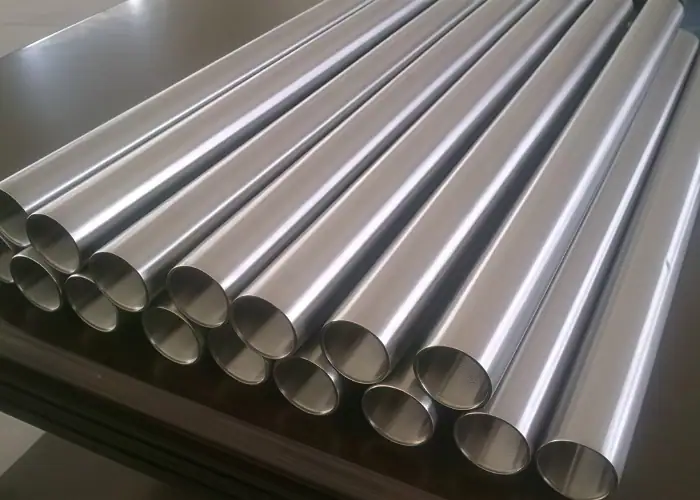
Aluminum 5083 Chemical Composition
The chemical composition of aluminum 5083 is one of the main reasons this alloy performs so well in corrosive and demanding environments. Its balance of magnesium and minor alloying elements gives it strong corrosion resistance, good weldability, and reliable mechanical performance.
Aluminum 5083 is primarily an aluminum-magnesium alloy. Magnesium is the main alloying element, and it plays a major role in improving strength and corrosion resistance, especially in marine and industrial environments. This is one reason 5083 aluminum is often selected for parts exposed to seawater, chemicals, or high humidity.
In addition to magnesium, aluminum 5083 also contains small amounts of manganese and chromium. These elements help improve the alloy’s overall stability and contribute to its performance in structural and welded applications. At the same time, elements such as copper are kept very low, which helps maintain better corrosion resistance compared with some other aluminum alloys.
The exact chemical composition may vary slightly within standard specification limits, but the overall alloy design remains focused on durability, corrosion resistance, and weldability rather than heat-treatable strength. That is why aluminum 5083 is widely recognized as a practical alloy for marine structures, storage tanks, pressure vessels, and industrial components.
For material selection, understanding chemical composition is important because it explains why 5083 behaves the way it does. When a project requires strong corrosion resistance, stable weld performance, and dependable use in harsh environments, the alloy’s composition becomes one of its biggest advantages.
What Are The Properties Of Aluminum 5083?
Aluminum 5083 is valued because it offers a strong balance of corrosion resistance, weldability, and mechanical strength. These properties make it a practical material for marine, industrial, transportation, and structural applications where long-term durability matters.
Excellent Corrosion Resistance
One of the most important properties of aluminum 5083 is its excellent corrosion resistance. It performs especially well in seawater and industrial chemical environments, which is why it is often classified as a marine grade aluminum alloy. For parts exposed to moisture, salt, or corrosive service conditions, this property is one of the main reasons 5083 is chosen over many other alloys.
High Strength Among Non-Heat-Treatable Alloys
Another key property is its relatively high strength among non-heat-treatable aluminum alloys. Although it is not strengthened by heat treatment, aluminum 5083 can still offer reliable mechanical performance through strain-hardened tempers such as H32, H116, and H321. This makes it useful for structural parts, welded assemblies, and plate applications that require both strength and corrosion resistance.
Good Weldability
Aluminum 5083 also has very good weldability, which is a major advantage in fabricated and welded structures. In many applications, the ability to weld the material while maintaining good corrosion resistance is just as important as strength itself. This is why 5083 is widely used for tanks, pressure vessels, marine panels, and transportation structures.
Good Formability And Practical Processing Performance
In addition to strength and corrosion resistance, aluminum 5083 offers good formability. This makes it easier to use in formed parts and fabricated structures where bending and shaping are required. For many manufacturers, this combination of forming ability and weldability makes 5083 a practical option for more complex parts and assemblies.
Reliable Performance In Demanding Conditions
Aluminum 5083 also performs well in demanding environments, including applications with low temperatures, moisture exposure, and long-term outdoor service. When all these characteristics are considered together, 5083 aluminum becomes a highly practical choice for parts that need durability, corrosion protection, and stable performance over time.
Common Tempers Of Aluminum 5083
The temper of aluminum 5083 affects its strength, formability, and suitability for different applications. Although 5083 is a non-heat-treatable alloy, its mechanical properties can still be adjusted through strain hardening and stabilization. That is why understanding common tempers is important when selecting the right material for marine, structural, and industrial parts.
5083-O
5083-O is the annealed temper and represents the softest condition of this alloy. It offers the best formability and is easier to bend or shape, but its strength is lower than the strain-hardened tempers. This temper is often considered when a part needs more forming flexibility before final use.
5083-H32
5083-H32 is one of the most common tempers for general engineering and fabricated parts. It is strain hardened and then stabilized, which gives it a good balance of strength, corrosion resistance, and workability. For many projects, H32 is a practical option when both structural performance and manageable forming are needed.
5083-H111
5083-H111 is a lightly strain-hardened temper that keeps more formability than stronger tempers. It is often chosen when some additional strength is needed compared with the annealed condition, but the part still requires bending or shaping during fabrication. This makes it useful for applications where both workability and corrosion resistance matter.
5083-H116
5083-H116 is commonly used in marine applications because it is designed for improved performance in seawater environments. It offers strong corrosion resistance together with good mechanical strength, making it a practical choice for shipbuilding, offshore structures, and other components exposed to saltwater conditions.
5083-H321
5083-H321 is similar to H116 but with controlled strain hardening and stabilization. It is also widely used in marine and welded structural applications where corrosion resistance and stable performance are important. This temper is often selected when the project requires dependable strength and long-term resistance in demanding environments.
Aluminum 5083 Plate, Sheet, And Product Forms
Aluminum 5083 is available in several product forms, and each form is suited to different fabrication needs. In practical applications, plate, sheet, and other rolled products are the most common options because they combine good corrosion resistance, weldability, and structural reliability.
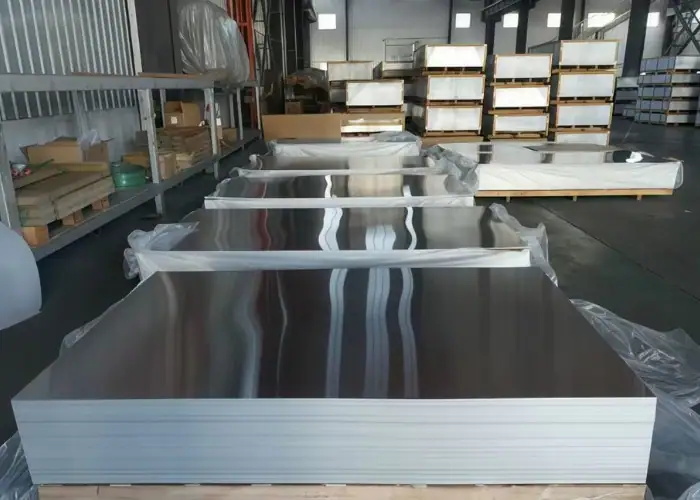
Aluminum 5083 Plate
Aluminum 5083 plate is commonly used when a project needs greater thickness, stronger structural support, and reliable performance in demanding environments. It is often selected for marine structures, pressure vessels, storage tanks, transportation equipment, and heavy-duty industrial parts.
Because of its strength and corrosion resistance, 5083 plate is especially practical for parts exposed to seawater, moisture, or industrial chemicals. It is also a common choice for welded structures where long-term durability is important.
Aluminum 5083 Sheet
Aluminum 5083 sheet is usually chosen for lighter sections and applications that require forming, bending, or easier handling during fabrication. Compared with thicker plate, sheet is better suited to parts that do not need the same level of structural mass but still benefit from the alloy’s corrosion resistance and weldability.
This makes 5083 sheet useful for panels, covers, enclosures, formed parts, and general fabricated components. In many projects, it offers a good balance of material performance and manufacturing flexibility.
Other Product Forms
In addition to plate and sheet, aluminum 5083 may also be supplied in other rolled or cut forms depending on the application. Product choice often depends on part size, design requirements, thickness range, and fabrication method.
For many engineering projects, selecting the right product form is just as important as selecting the right alloy. A plate may be better for strength and load-bearing use, while a sheet may be more suitable for lighter fabricated parts that need shaping or easier processing.
Why Product Form Matters
Choosing between aluminum 5083 plate, sheet, and other product forms affects both manufacturing and final part performance. Thickness, weight, welding needs, forming requirements, and structural load all influence which form is the best fit.
In real production, the right product form helps improve material efficiency, simplify fabrication, and ensure the final part performs as expected. That is why material form should always be considered together with alloy grade, temper, and application requirements.
How Is Aluminum 5083 Processed?
Aluminum 5083 can be processed through several common manufacturing methods, and its strong corrosion resistance and good weldability make it especially practical for structural and fabricated parts. In real production, the processing route usually depends on part shape, thickness, forming needs, and whether the project involves welding, machining, or assembly work.
CNC Machining
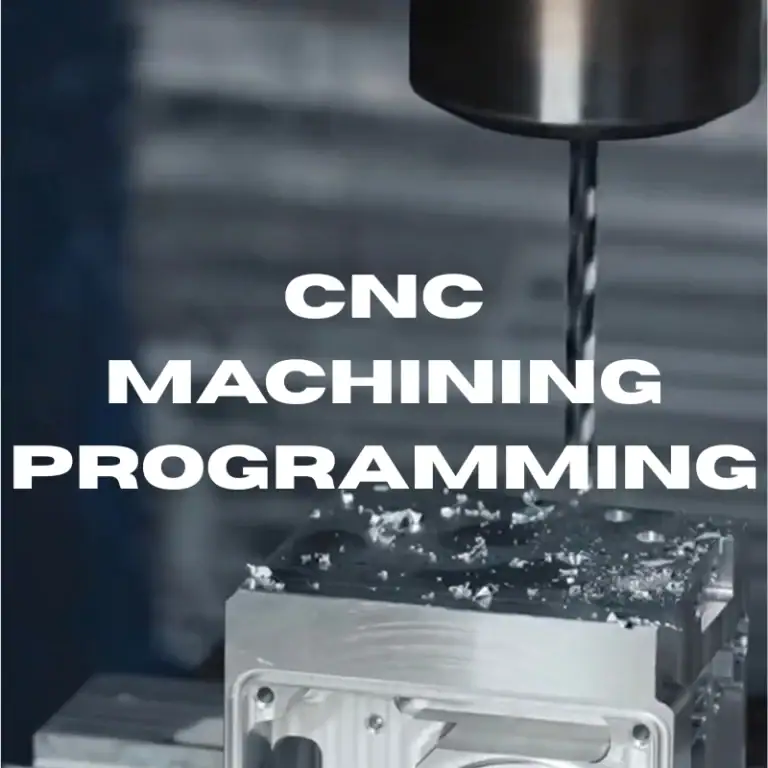
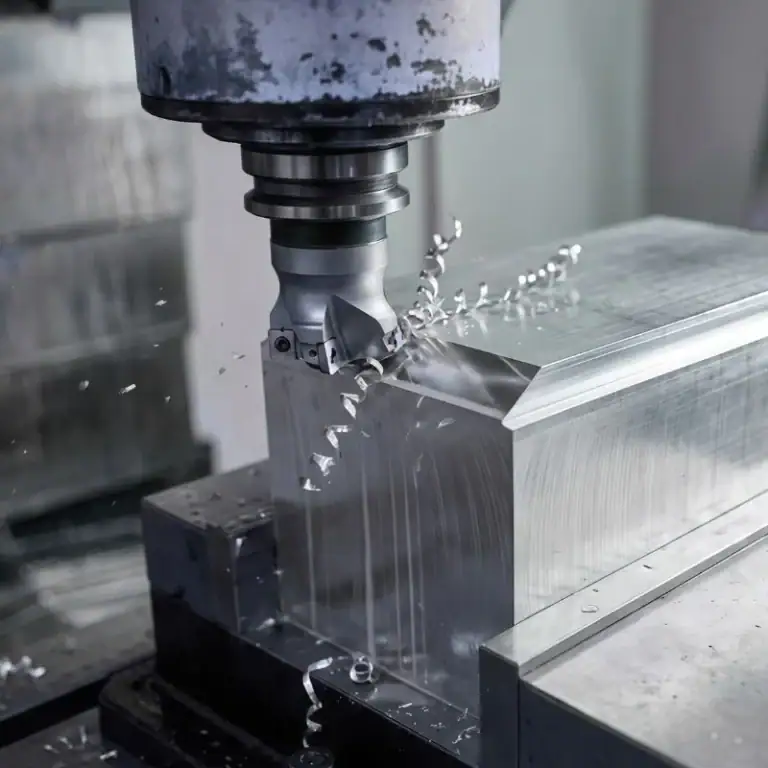
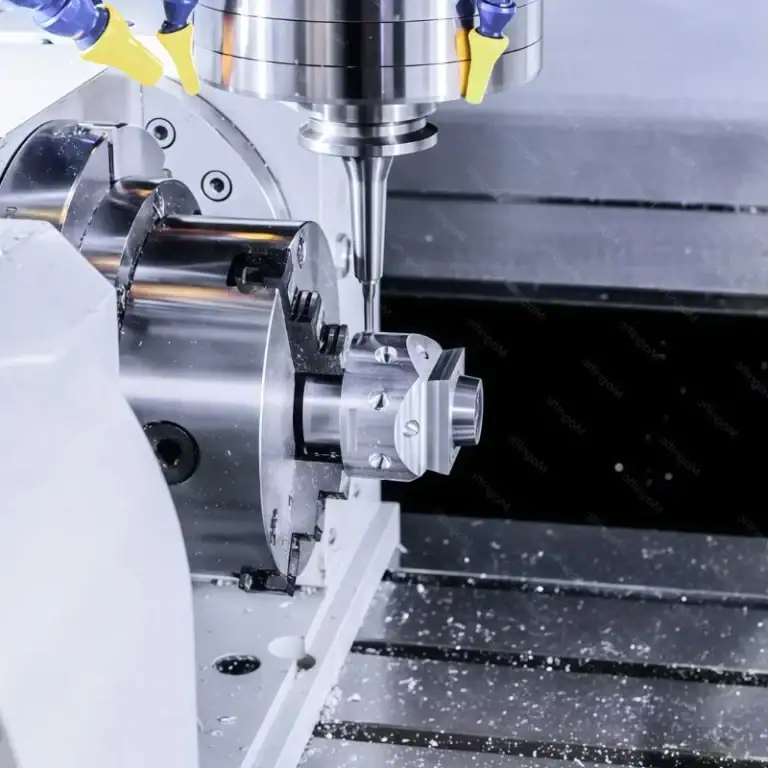
Aluminum 5083 can also be CNC machined into structural parts, housings, brackets, support components, and other custom parts. Although it is often chosen more for corrosion resistance and weldability than for machining alone, it still performs well in many precision and semi-structural applications.
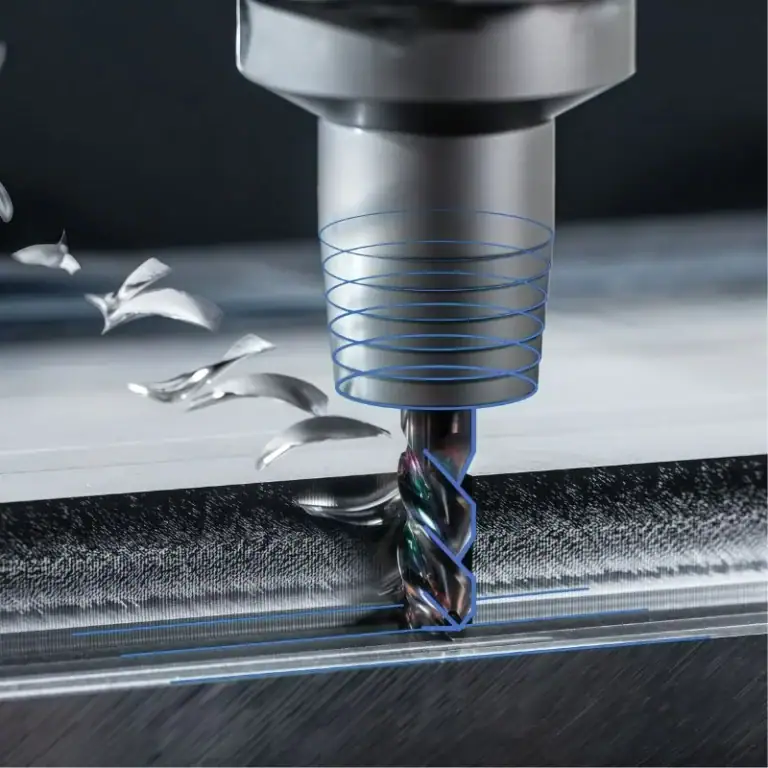
In actual machining, results depend on cutting parameters, tool condition, coolant strategy, and part geometry. For parts that need both custom machining and corrosion-resistant service performance, 5083 remains a useful option.
Welding
Welding is one of the most important processing methods for aluminum 5083. This alloy is well known for its good weldability, which is one reason it is widely used in marine structures, tanks, pressure vessels, and transportation equipment. In many applications, 5083 is selected specifically because it can maintain reliable performance after welding.
For fabricated structures, good weldability is often just as important as corrosion resistance. When a project involves large panels, frames, or welded assemblies, aluminum 5083 is often a practical material choice.
Cutting
Cutting is a common first step when processing aluminum 5083 plate or sheet. Depending on part size, thickness, and design, the material may be cut into blanks for further welding, bending, machining, or assembly. Accurate cutting is especially important for structural parts and fabricated panels where dimensional consistency matters.
This step is widely used in marine panels, industrial covers, transport components, and structural blanks. It helps prepare the material efficiently before additional manufacturing operations begin.
Bending And Forming
Aluminum 5083 also offers good bending and forming performance, especially in tempers that retain more workability. This makes it suitable for panels, covers, formed structures, and fabricated parts that need shape flexibility during production.
Compared with some stronger but less formable alloys, 5083 provides a more practical balance between strength and fabrication flexibility. That is why it is often used in parts that need both structural performance and shaping capability.
Rolling And Plate Fabrication
In some applications, aluminum 5083 is further processed through rolling-based fabrication or plate forming operations to create large structural sections, curved panels, and welded assemblies. This is common in marine, transport, and industrial equipment projects where the material is used in wider or thicker formats.
Because 5083 is available in both sheet and plate forms, it works well in fabrication processes that require both material consistency and corrosion resistance across large surfaces.
Where Is Aluminum 5083 Used In Different Industries?
Aluminum 5083 is used in a wide range of industries because it combines corrosion resistance, good weldability, and reliable strength. It is especially practical in environments where moisture, chemicals, or long-term outdoor exposure can affect part life. For many projects, 5083 is chosen not only for its material properties, but also for its ability to perform well in fabricated and welded structures.
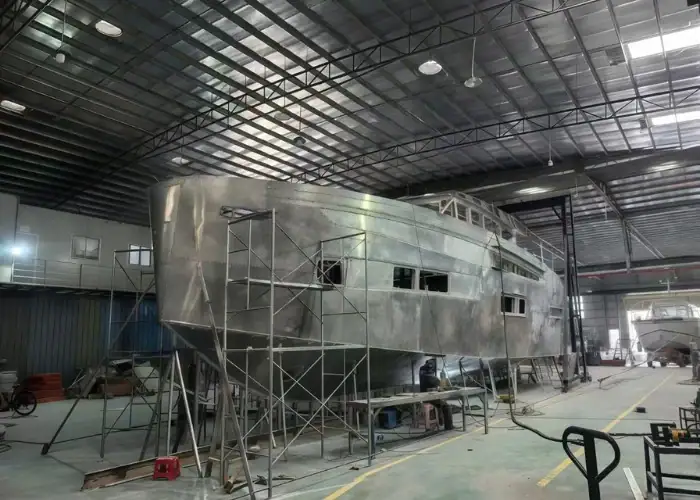
Marine Industry
The marine industry is one of the most common application areas for aluminum 5083. Because of its strong resistance to seawater and salt-rich environments, it is widely used for boat panels, hull structures, decks, gangways, and other marine components.
In these applications, corrosion resistance is critical. Aluminum 5083 helps parts maintain durability in wet and salty service conditions, which is why it is often recognized as a marine grade aluminum alloy.
Industrial Equipment
Aluminum 5083 is also widely used in industrial equipment, especially for parts that operate in corrosive or demanding environments. Common examples include tanks, covers, structural supports, frames, and fabricated panels.
Its combination of strength and corrosion resistance makes it a practical option for industrial parts that need reliable long-term performance. When equipment may be exposed to chemicals, moisture, or heavy service conditions, 5083 is often a dependable material choice.
Transportation Industry
In transportation, aluminum 5083 is often used for vehicle structures, truck bodies, rail components, and other fabricated parts that benefit from a balance of strength and low weight. It is especially useful where weldability and corrosion resistance are important.
For transport applications, the material helps reduce weight while still providing stable performance. This makes it suitable for parts that must remain durable in outdoor use and under repeated service conditions.
Pressure Vessels And Tanks
Another important use of aluminum 5083 is in pressure vessels, storage tanks, and similar fabricated structures. These parts often require good weldability, corrosion resistance, and dependable mechanical performance over time.
Because 5083 performs well in welded applications and harsh environments, it is often selected for tanks and vessels that must maintain structural reliability during long-term use.
Structural And Fabricated Parts
Aluminum 5083 is commonly used for structural sections, formed panels, brackets, support parts, and other fabricated components. In these applications, it offers a practical mix of strength, workability, and corrosion protection.
This makes it suitable for projects where the final part must be cut, formed, welded, and assembled while still maintaining good service performance. For many manufacturers, this flexibility is one of the main reasons to choose 5083.
Chemical And Processing Environments
Because of its resistance to industrial chemicals and aggressive service environments, aluminum 5083 is also used in processing systems and equipment exposed to corrosive conditions. It can be a good fit for plant equipment, containers, handling systems, and fabricated parts used in demanding industrial settings.
In these environments, material durability is often more important than appearance. That is where 5083 provides practical value through stable corrosion resistance and long-term reliability.
Why Its Uses Are So Broad
The reason aluminum 5083 is used across so many industries is simple: it offers a strong combination of corrosion resistance, weldability, and structural performance. Instead of being limited to one narrow field, it works well in many applications where fabricated aluminum parts must remain durable over time.
What Is The Difference Between Aluminum 5083 And 6061?
Aluminum 5083 and 6061 are both widely used, but they are designed for different needs. In general, 5083 is better for corrosion resistance and weldability, while 6061 is more often chosen for machining and general structural use.
| Comparison Item | Aluminum 5083 | Aluminum 6061 |
| Alloy Series | 5000 series | 6000 series |
| Main Alloying Element | Magnesium | Magnesium and silicon |
| Heat Treatability | Non-heat-treatable | Heat-treatable |
| Corrosion Resistance | Excellent, especially in seawater and chemical environments | Good, but generally lower than 5083 in harsh corrosive conditions |
| Weldability | Very good | Good |
| Strength Type | High strength among non-heat-treatable alloys | Good overall strength, especially in heat-treated tempers |
| Machinability | Moderate | Better than 5083 for general machining |
| Formability | Good | Good, but depends on temper |
| Marine Use | Commonly used and often considered marine grade | Used in some marine parts, but less preferred for severe marine exposure |
| Common Product Forms | Plate, sheet, welded structures | Extrusions, plate, machined parts, structural components |
| Best For | Marine structures, tanks, pressure vessels, corrosive environments | General engineering, CNC machined parts, structural frames, versatile applications |
| Main Advantage | Better corrosion resistance and weld performance | Better machining versatility and general-purpose use |
How To Choose Aluminum 5083 For Your Project ?
Choosing aluminum 5083 is not only about knowing its properties. The key is to understand whether its corrosion resistance, weldability, strength level, and product form match the actual needs of your project. When material selection is based on real application conditions, aluminum 5083 becomes a much more practical and reliable choice.
Consider The Service Environment
One of the first things to evaluate is where the part will be used. If the project involves seawater exposure, moisture, industrial chemicals, or outdoor conditions, aluminum 5083 is often a strong candidate because of its excellent corrosion resistance.
For parts used in harsh environments, corrosion resistance is often more important than appearance or even machining convenience. In these situations, 5083 can offer clear advantages over more general-purpose alloys.
Review Welding Requirements
If the part needs to be welded, aluminum 5083 is often a practical choice. Its good weldability makes it suitable for tanks, marine structures, pressure vessels, transport frames, and other fabricated assemblies.
For welded structures, the ability to maintain reliable performance after fabrication is a major advantage. This is one reason 5083 is widely used in structural and industrial projects where welding is part of the final design.
Check Strength And Formability Needs
Aluminum 5083 offers relatively high strength among non-heat-treatable alloys while still maintaining good formability. This makes it useful for parts that need structural reliability as well as bending, shaping, or fabrication during production.
If the design requires both durability and fabrication flexibility, 5083 can be a good fit. However, if the part is mainly chosen for machining ease or heat-treated strength, another alloy may be more suitable depending on the project.
Choose The Right Temper
Temper selection is just as important as alloy selection. Different tempers of aluminum 5083 affect strength, formability, and performance in service. For example, softer tempers are better for shaping, while stronger tempers are more suitable for structural or marine applications.
That is why material selection should include both the alloy grade and the temper condition from the beginning. A correct temper choice helps ensure the final part performs as expected.
Think About Long-Term Performance
The right material should not only meet immediate manufacturing needs, but also perform reliably over time. Aluminum 5083 is often chosen because it can maintain corrosion resistance, weld reliability, and structural durability in long-term service.
For projects where environmental exposure and service life are important, this long-term performance can be one of the strongest reasons to choose 5083.
FAQs
Is Aluminum 5083 A Marine Grade Alloy?
Yes. Aluminum 5083 is widely recognized as a marine grade aluminum alloy because of its excellent resistance to seawater and salt-rich environments. This is one of the main reasons it is frequently used in shipbuilding, offshore structures, and other marine-related applications.
Can Aluminum 5083 Be Welded?
Yes. Aluminum 5083 has very good weldability, which is one of its main advantages. It is commonly used in welded tanks, marine structures, pressure vessels, transport frames, and fabricated assemblies where reliable performance after welding is important.
Is Aluminum 5083 Heat Treatable?
No. Aluminum 5083 is a non-heat-treatable alloy. Its strength is not improved through heat treatment, but through strain hardening and temper control. This is why tempers such as H32, H116, and H321 are important when selecting the material for different applications.
Conclusion
Aluminum 5083 is a practical choice for parts that need strong corrosion resistance, good weldability, and reliable performance in demanding environments. It is widely used in marine, industrial, and structural applications where durability and long-term service life matter.
At TiRapid, we support customers with aluminum 5083 projects from material advice to machining, fabrication, and finishing. Whether you need prototypes or production parts, we help you choose the right process for stable quality and reliable results.