Milling vs welding is a common comparison in metal manufacturing because both processes are widely used to create functional parts and assemblies. However, they solve very different manufacturing problems. Milling removes material to create a precise shape, while welding joins separate parts together to form a strong structure.
In this guide, we explain the difference between milling and welding, including how they work, where they are used, and how to choose the right process.
What Is Milling?
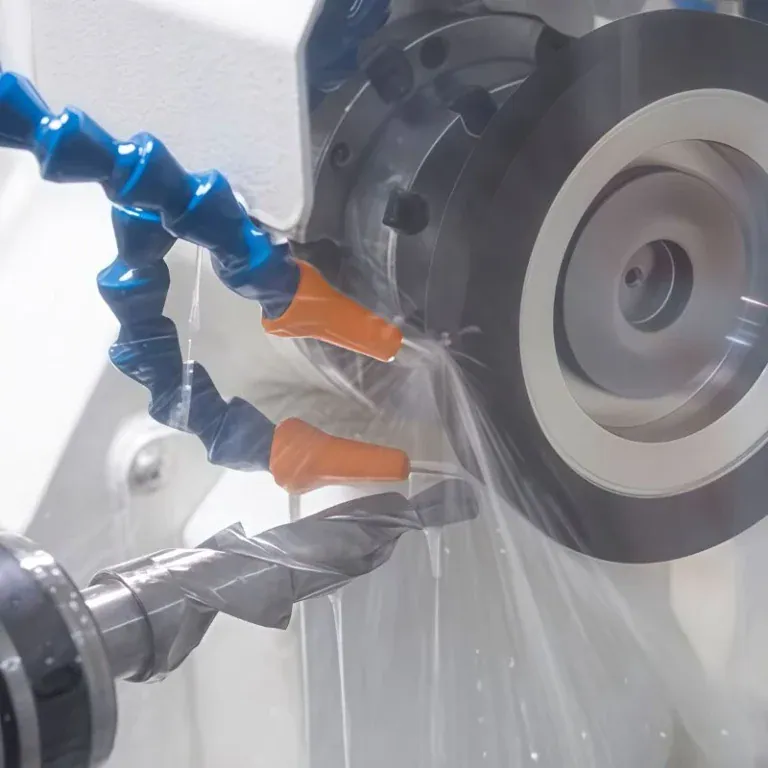
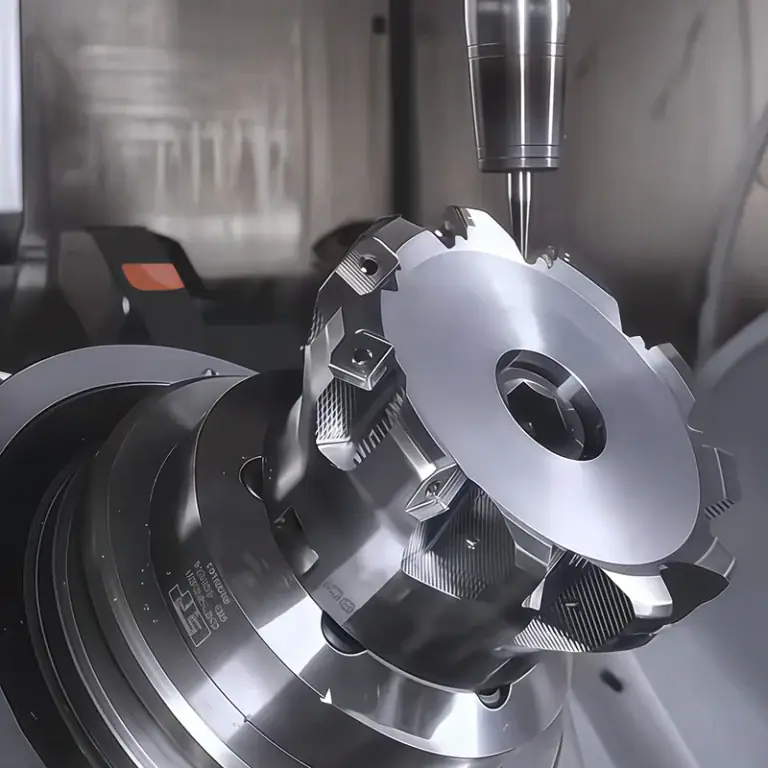
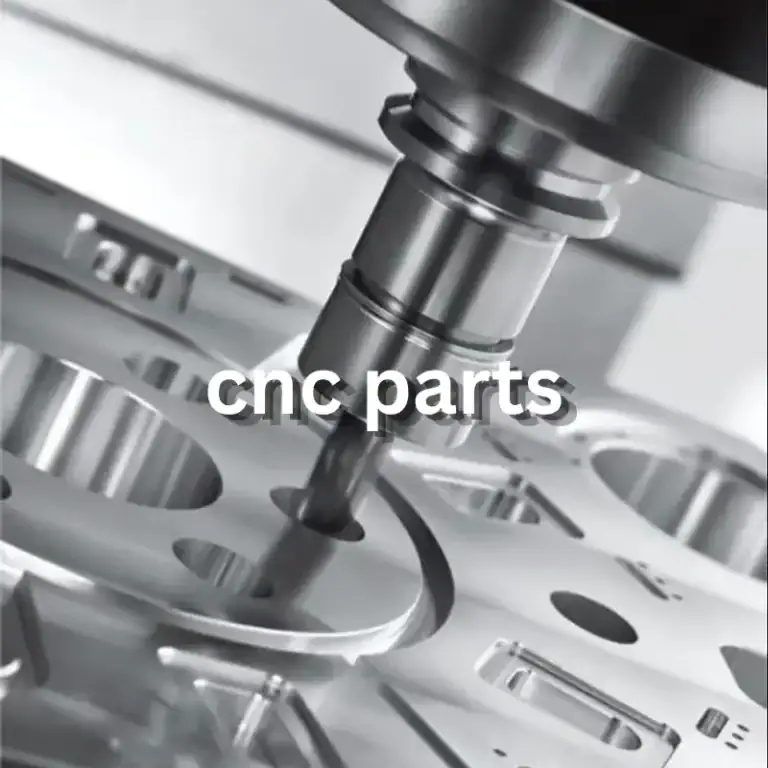
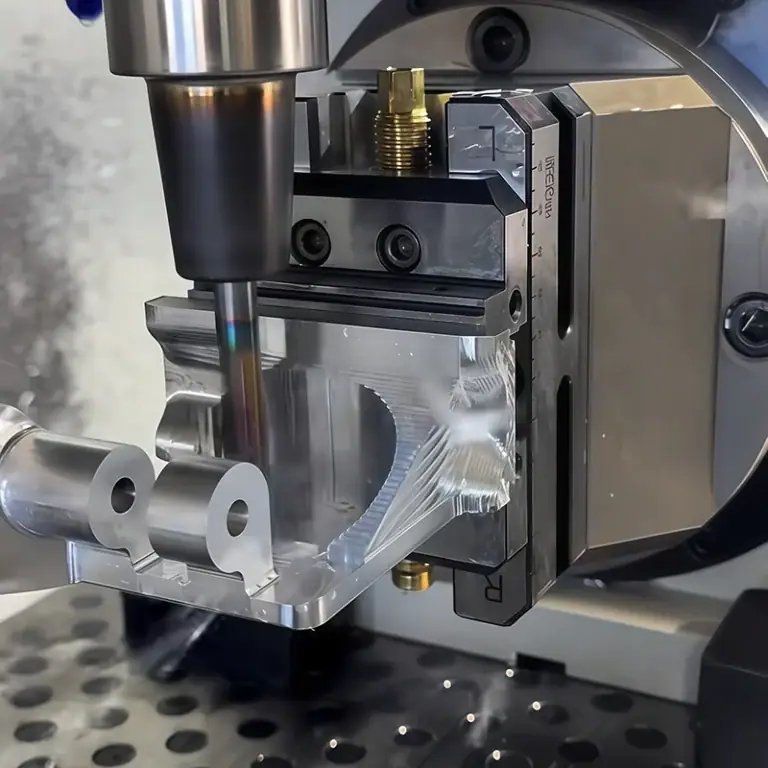
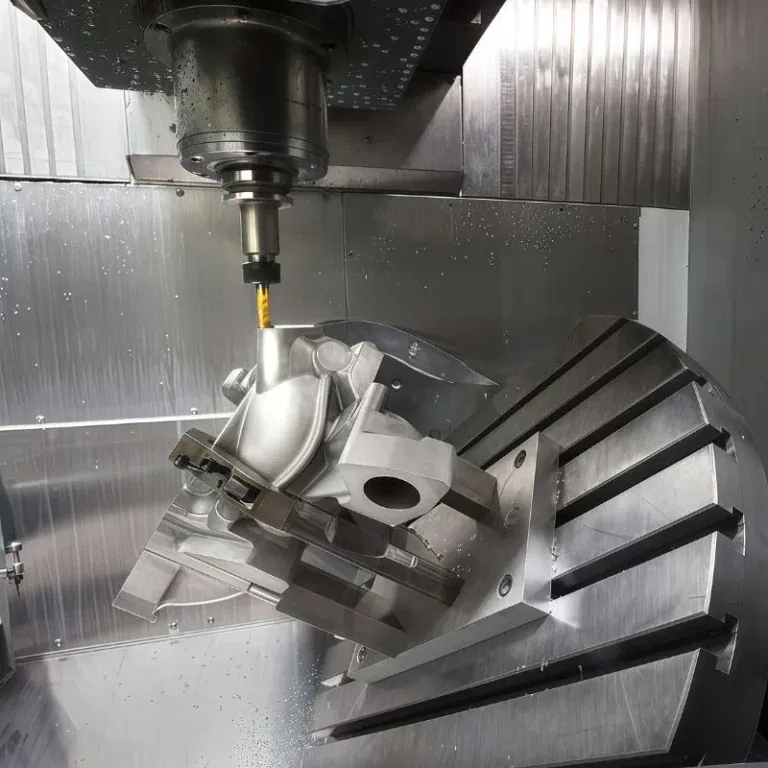
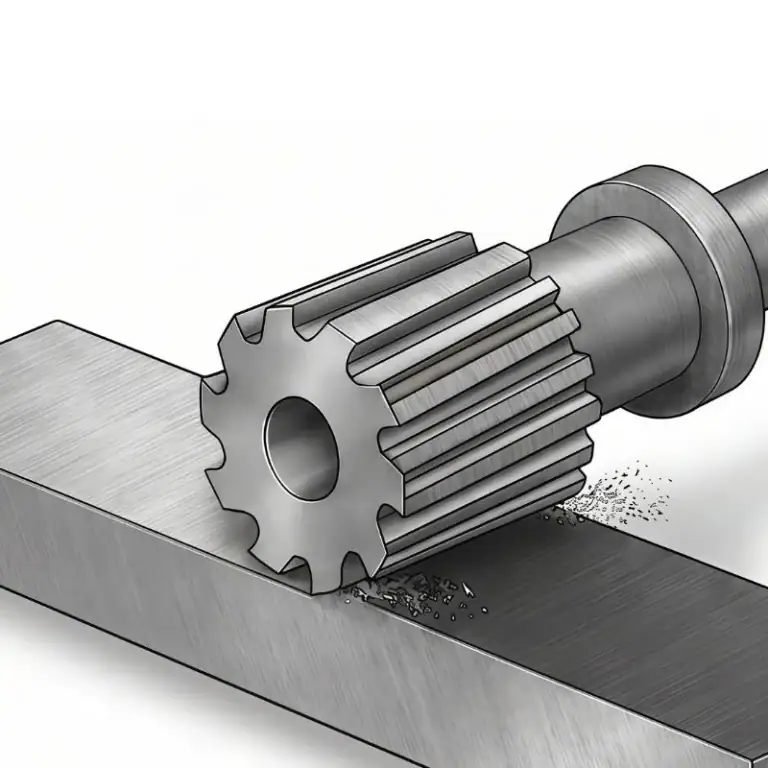
Milling is a subtractive machining process that removes material from a solid workpiece using rotating cutting tools. It is commonly used when a part needs accurate dimensions, flat surfaces, slots, pockets, holes, threads, contours, or complex 3D geometry.
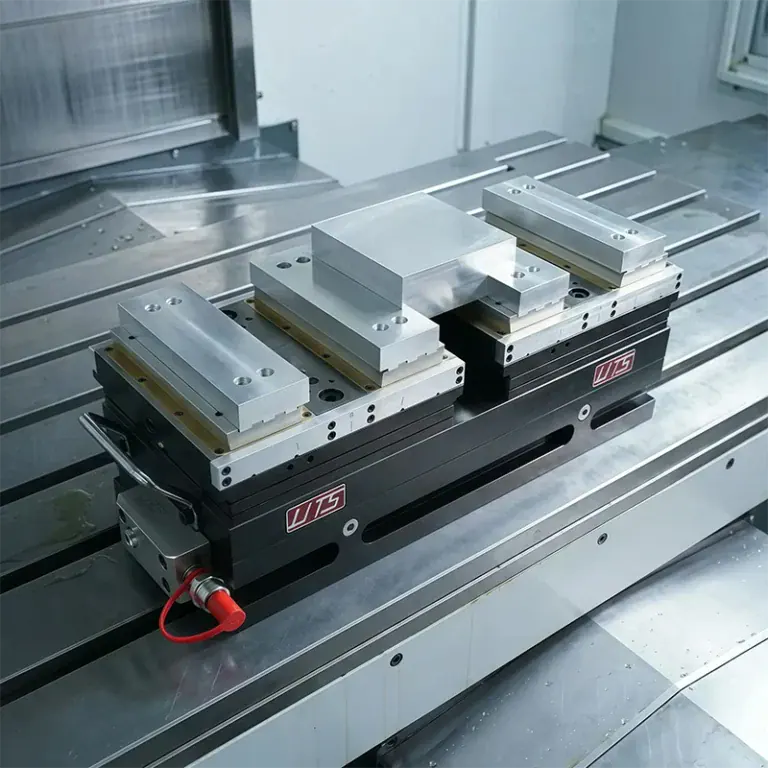
In modern manufacturing, milling is often performed on CNC milling machines. CNC milling uses programmed toolpaths to control cutting movement, which helps improve precision, repeatability, and production stability. It is widely used for custom metal parts, prototypes, molds, fixtures, housings, and high-precision components.
What Is Welding?
Welding is a joining process that connects two or more pieces of material by using heat, pressure, or both. In most metal welding processes, the base materials are melted or bonded together to form a permanent joint.
Unlike milling, welding does not create a part by removing material from a solid block. Instead, it builds a larger structure by joining separate components. This makes welding especially useful for frames, tanks, pipes, brackets, platforms, equipment housings, and large fabricated assemblies.
Milling vs Welding: Main Differences
The main difference between milling and welding is their manufacturing purpose. Milling removes material from a workpiece to create a precise shape, while welding joins separate pieces into one structure. This difference affects tolerance control, material use, strength, heat distortion, production cost, and how each process should be selected for a specific part.
Material Removal vs Material Joining
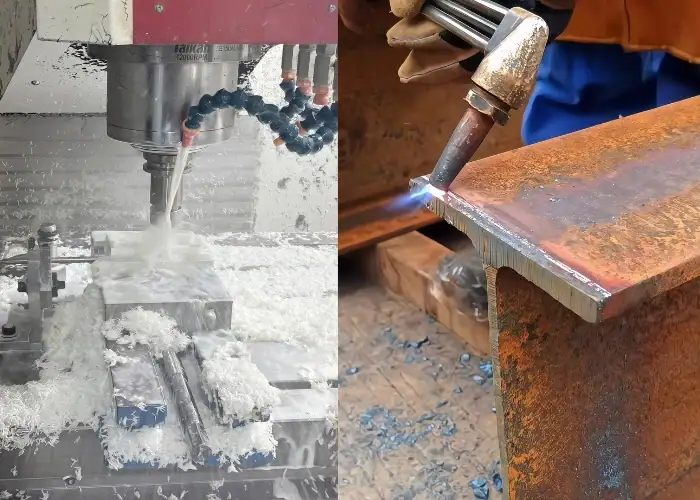
Milling is a material removal process. It starts with a block, plate, bar, or other workpiece and cuts away unwanted material to create the final shape.
Welding is a material joining process. It starts with two or more separate pieces and connects them into one structure.
This means milling is better for creating precise component geometry, while welding is better for building assemblies. If the design requires detailed surfaces, pockets, holes, and tight dimensions, milling is usually more suitable. If the design requires joining plates, tubes, frames, or structural sections, welding is often the better choice.
Precision and Tolerance Capability
Milling usually provides higher dimensional accuracy than welding. CNC milling can produce tight tolerances, accurate hole positions, smooth surfaces, and complex features with strong repeatability.
Welding is generally less precise because heat can cause distortion, shrinkage, and residual stress. A welded assembly may require post-weld machining if critical surfaces or tight tolerances are needed after joining.
For projects where dimensional accuracy is the main requirement, milling is usually preferred. For projects where structural connection is the main requirement, welding may be more practical.
Strength, Heat, and Structural Integrity
Welding can create strong joints that are suitable for load-bearing structures. A properly designed and inspected weld can support heavy loads, pressure, vibration, and impact.
However, welding also introduces heat, which can change material properties near the weld. This heat-affected zone may influence hardness, strength, fatigue resistance, or corrosion behavior.
Milling does not create a welded joint or heat-affected zone in the same way. It removes material mechanically, so the final part usually keeps the original material structure more consistently. This is useful when part strength and dimensional stability must be controlled across the full component.
Material Compatibility
Milling supports a broad range of materials, including metals, plastics, and some composites. If the material can be securely held and cut with the right tool, it may be suitable for milling.
Welding is more limited because the materials must be weldable and compatible at the joint. Some materials are difficult to weld, and some material combinations may require special welding processes or may not be practical at all.
For example, aluminum, steel, and stainless steel can often be welded, but each requires different process control. Plastics and composites may need different joining methods and are not handled like standard metal welding.
Cost, Setup, and Production Volume
Milling can be more expensive when the part requires long machining time, complex programming, expensive tools, or large material removal. It may also create more waste because unused material is cut away.
Welding can be more cost-effective for large assemblies because it joins simpler cut or formed pieces instead of machining the entire shape from one solid block. This can reduce material waste and production time.
However, welding may require fixtures, inspection, post-weld machining, heat treatment, or finishing. The most cost-effective choice depends on part geometry, tolerance, quantity, material, and final quality requirements.
How Do Milling And Welding Work Differently?
Milling and welding work in completely different ways. Milling is used to create a shape by removing material, while welding is used to connect separate materials into one structure. This is the most basic difference between the two processes.
Milling Removes Material
Milling is a subtractive manufacturing process. It starts with a solid workpiece, such as an aluminum block, stainless steel plate, or plastic blank. A rotating cutting tool removes the unwanted material step by step until the final part shape is formed.
This process is useful when a part needs accurate holes, slots, flat surfaces, pockets, threads, or complex contours. For example, an aluminum housing with mounting holes and internal pockets is usually better made by milling because the machine can cut these features directly from one solid piece.
Welding Joins Materials
Welding is a joining process. It does not remove material to form a detailed shape. Instead, it connects two or more metal parts by heat, pressure, or filler material.
After the welded area cools, the separate pieces become one connected structure. For example, a steel machine frame is usually made by welding tubes and plates together because this is more practical than machining the whole frame from one large metal block.
| Process | Basic Principle | Simple Meaning |
| Milling | Material removal | Cut away extra material |
| Welding | Material joining | Connect separate pieces |
What Materials Are Suitable For Milling And Welding?
Material selection is another major difference between milling and welding. Milling can handle a wider range of solid materials, including metals and engineering plastics. Welding is mainly used for weldable metal plates, tubes, and profiles.
Milling Works With Solid Materials
Milling can process many solid engineering materials. Common materials include aluminum alloy, stainless steel, carbon steel, brass, copper, titanium, and engineering plastics such as POM, Nylon, PTFE, and PEEK.
As long as the material can be clamped securely and cut with the right tool, it can usually be milled. This is why milling is widely used for precision parts, molds, fixtures, housings, brackets, and non-standard components.
Welding Works With Weldable Metals
Welding is mainly used for metal materials that can be joined safely and reliably. Common welding materials include carbon steel, stainless steel, aluminum alloy, and some alloy steels.
These materials are often supplied as sheet metal, plates, tubes, beams, or profiles. Welding is suitable when these pieces need to be joined into a frame, box, tank, support, or large assembly.
Ordinary plastic precision parts are usually not suitable for conventional metal welding. Some plastics can be joined by special plastic welding methods, but this is different from common metal welding and is not the main choice for CNC plastic precision parts.
| Material Type | Milling | Welding |
| Aluminum alloy | Suitable | Suitable, but heat control matters |
| Stainless steel | Suitable | Very suitable |
| Carbon steel | Suitable | Very suitable |
| Engineering plastics | Suitable | Usually not suitable |
| Metal plates and tubes | Possible | Very suitable |
| Solid billets and blocks | Very suitable | Not the main use |
Which Process Offers Better Accuracy And Dimensional Control?
Milling usually offers better accuracy and dimensional control than welding. This is because milling uses controlled cutting movement to create the final shape, while welding uses heat to join materials and may cause deformation.
Milling Provides Higher Precision
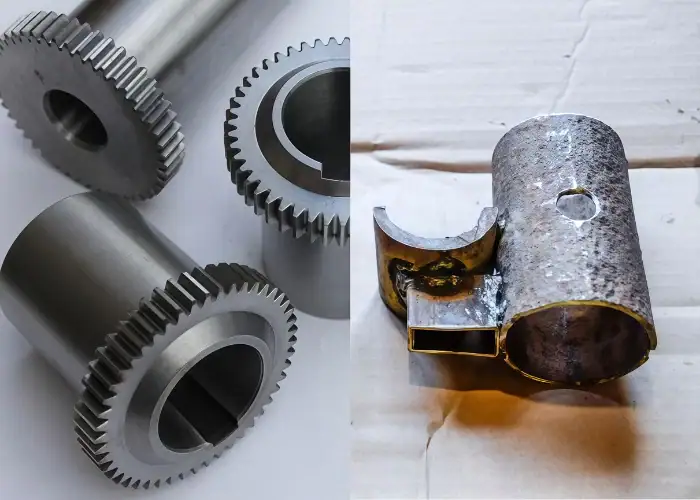
CNC milling can control tool movement very accurately. It can produce flat surfaces, holes, grooves, pockets, threads, and complex shapes with good dimensional consistency.
This makes milling suitable for precision parts and structural components that must fit correctly with other parts. Common examples include aerospace brackets, medical device parts, mold inserts, machine fixtures, electronic enclosures, and custom mechanical components.
Milling is also better when the part needs small tolerances, because the final shape is created directly by controlled cutting.
Welding Has Higher Deformation Risk
Welding uses heat, and heat can change the shape of the metal. During heating and cooling, the material may expand, shrink, warp, or develop residual stress.
Because of this, welding usually has lower dimensional accuracy than milling. It is more suitable for frames, large structures, and fabricated assemblies where overall strength is more important than fine dimensional precision.
If a welded part needs accurate mounting surfaces, hole positions, or flatness, it often needs CNC machining after welding.
| Requirement | Better Process |
| Tight tolerance | Milling |
| Accurate hole position | Milling |
| Smooth surface finish | Milling |
| Large welded structure | Welding |
| Strong metal connection | Welding |
| Precision surface after welding | Welding + milling |
What Product Structures Are Better For Milling Or Welding?
Milling and welding are also different in the type of products they are best suited for. Milling is better for single precision parts, while welding is better for large structures made from multiple pieces.
This difference is important for product design. If the product is a one-piece precision component, milling is usually more suitable. If the product is a large frame or assembly, welding is often more cost-effective.
Milling Fits Single Precision Parts
Milling is suitable for parts made from one solid piece of material. These parts may include holes, slots, pockets, threads, flat surfaces, curved surfaces, and complex profiles.
Typical milled products include:
- Aluminum housings
- CNC brackets
- Mold inserts
- Heat sinks
- Fixture plates
- Precision covers
- Medical components
- Aerospace structural parts
- Non-standard mechanical parts
These products usually require accurate dimensions, good surface quality, and stable repeatability.
Welding Fits Large Assemblies
Welding is better for products made from multiple metal pieces. Instead of machining a large part from one solid block, manufacturers can join plates, tubes, and profiles together.
Typical welded products include:
- Machine frames
- Steel racks
- Equipment bases
- Tanks
- Large boxes
- Pipe assemblies
- Structural supports
- Fabricated housings
For these products, the main requirements are usually size, strength, and structural connection. Fine surfaces or tight tolerances can be added later by machining if needed.
| Product Type | Better Process |
| Single precision component | Milling |
| Non-standard CNC part | Milling |
| Mold or fixture | Milling |
| Machine frame | Welding |
| Large metal box | Welding |
| Equipment base | Welding |
| Welded part with accurate mounting surface | Welding + milling |
Can Milling and Welding Be Used Together?
Milling and welding can be used together in the same manufacturing project. In many cases, combining both processes provides a better balance of strength, precision, cost, and production flexibility.
Welded Assemblies with Post-Machining
Welded assemblies often require post-machining when critical surfaces, holes, or mounting points must meet tight tolerances.
After welding, heat distortion can slightly change part dimensions. Milling can correct these areas by machining flat surfaces, bores, slots, and alignment features after the weldment is complete.
This approach is common for machine bases, hydraulic manifolds, welded brackets, equipment frames, and precision fixtures.
Machined Parts Joined by Welding
Sometimes individual parts are machined first and then welded into an assembly. This is useful when certain features must be accurate before joining, but the final product still needs a welded structure.
For example, machined bosses, brackets, sleeves, or threaded inserts may be welded onto a larger frame or housing.
In this case, welding provides structural integration, while milling provides the precision features needed for assembly and function.
When a Hybrid Process Is the Better Choice
A hybrid process is often the better choice when the part requires both structural strength and precise functional surfaces.
Welding can reduce material cost and build the overall structure efficiently. Milling can then create the final tolerance-critical features.
This combination is common in heavy equipment, automation systems, aerospace tooling, industrial machinery, and custom metal fabrication.
How to Choose Between Milling and Welding?
Choosing between milling and welding depends on the part’s geometry, tolerance requirements, material, strength needs, budget, lead time, and production quantity.
The right process should match the function of the part. If the main goal is accurate shaping, milling is usually better. If the main goal is joining metal sections into a strong assembly, welding is usually better.
Part Geometry
Part geometry is the first factor to consider. If the part has complex surfaces, pockets, holes, threads, and tight dimensional features, milling is usually a strong option.
If the part is made from plates, tubes, frames, or multiple sections that need to be joined, welding is more suitable.
Some parts require both. For example, a welded frame may still need milled mounting surfaces after fabrication.
Tolerance Requirements
Tolerance requirements strongly affect process choice. Milling is better for tight tolerances and accurate surfaces. Welding is better for structural joining but may not hold precise dimensions without post-processing.
If the part needs tight flatness, parallelism, hole position, or surface finish, milling should be included in the process plan.
If the part only needs general assembly dimensions and strong joints, welding may be enough.
Material and Weldability
Material selection is important because not all materials are equally suitable for both processes.
Milling can process many metals and plastics, while welding is mainly used for compatible and weldable metals. Some materials may machine well but weld poorly. Others may require special welding procedures, filler materials, or heat treatment.
Before choosing welding, check material weldability. Before choosing milling, check machinability, tool wear, and material stability.
Strength and Load Requirements
Strength requirements also matter. Welded joints can be very strong, but their performance depends on joint design, weld quality, filler material, and heat control.
Milled parts are often stronger as one-piece components because they do not have weld joints. However, milling from solid material can increase cost and material waste.
If a one-piece structure is required for strength, accuracy, or sealing, milling may be better. If a fabricated structure can meet the load requirements, welding may be more cost-effective.
Budget, Lead Time, and Production Quantity
Budget and production quantity can change the best process. Milling may be cost-effective for prototypes, custom parts, and low-volume precision components. Welding may be more economical for large structures and repeated fabricated assemblies.
Lead time also depends on programming, tooling, fixturing, material preparation, welding setup, inspection, and finishing.
For many real projects, the best answer is not milling or welding alone, but a process plan that uses each method where it provides the most value.
FAQs
Is Milling More Accurate Than Welding?
Yes, milling is generally more accurate than welding. CNC milling can control dimensions, hole positions, flatness, and surface finish more precisely because it uses programmed cutting paths and stable machine movement. Welding can create strong joints, but heat input may cause distortion, shrinkage, or residual stress. If a welded part needs high accuracy, post-weld machining is often required.
Is Welding Stronger Than Milling?
Welding is not simply stronger than milling because the answer depends on the design. A properly welded joint can be very strong for structural assemblies, but a one-piece milled component may avoid joint-related weakness and heat-affected zones. Welding is better for joining large structures, while milling is better for producing accurate one-piece components with controlled geometry.
Can A Welded Part Be Machined After Welding?
Yes, a welded part can be machined after welding. This is a common manufacturing approach when the assembly needs strong welded construction and accurate functional surfaces. After welding, CNC milling can be used to machine mounting faces, holes, slots, bores, and other tolerance-critical features. This helps correct distortion and improve final assembly accuracy.
Which Process Is Better For Custom Metal Parts?
The better process depends on the custom part design. Milling is better for custom metal parts that need tight tolerances, complex shapes, smooth surfaces, and precise features. Welding is better for custom metal parts made from multiple pieces, large structures, frames, or fabricated assemblies. Many custom metal projects use both processes to balance precision, strength, cost, and lead time.
Conclusion
Milling and welding are both important manufacturing processes, but they are used for different goals. Milling is best for shaping precision parts with accurate dimensions, complex geometry, and controlled surfaces. Welding is best for joining metal sections into strong assemblies, large structures, and cost-effective fabricated components.
At TiRapid, we provide precision CNC machining and manufacturing services for custom metal parts across multiple industries. Upload your design to get a tailored solution for your milling, machining, or fabrication-related project.