Stainless Steel 630 is a precipitation-hardening stainless steel known for combining high strength, good corrosion resistance, and heat-treatable performance. It is widely used in aerospace, industrial equipment, medical, and other engineering applications where both mechanical strength and surface durability matter.
In this guide, we explain what Stainless Steel 630 is, its equivalent grades, key properties, heat treatment behavior, machining characteristics, and how to decide whether it is the right material for your project.
What Is Stainless Steel 630?
Stainless Steel 630 is a precipitation-hardening stainless steel that is also widely known as 17-4 PH. In international material systems, it is commonly associated with EN 1.4542 and UNS S17400. These names are often used interchangeably in engineering, machining, and material sourcing, which is why buyers and engineers frequently see more than one designation for the same grade.
What makes this grade different from many general stainless steels is its ability to develop much higher strength through age hardening. Instead of relying only on basic stainless chemistry for performance, 630 is designed so that heat treatment can significantly increase hardness and strength while still maintaining useful corrosion resistance.
In practical manufacturing, this means 630 is often chosen when the project needs more than ordinary stainless behavior. It is especially attractive for parts that must combine structural strength, dimensional reliability, and better corrosion resistance than simpler martensitic grades can usually provide.

Chemical Composition of Stainless Steel 630
The chemistry of Stainless Steel 630 is one of the main reasons it performs differently from standard austenitic or martensitic grades. Public datasheets commonly describe it as a chromium-nickel-copper precipitation-hardening stainless steel with niobium or columbium additions. This alloy design supports both corrosion resistance and a strong response to aging treatment.
Chromium helps provide stainless corrosion resistance, while nickel supports the metallurgical structure needed for hardening behavior. Copper plays a major role in the precipitation-hardening mechanism, and niobium or columbium helps stabilize the alloy and contribute to controlled strengthening. The carbon content is kept relatively low, which also supports its balance of toughness and corrosion performance.
In engineering terms, the composition matters because it explains why 630 can reach much higher strength than grades such as 304 while still offering useful corrosion resistance. The alloy is not chosen simply because it is “stainless,” but because its chemistry supports a more specialized combination of mechanical and environmental performance.
Main Properties of Stainless Steel 630
Stainless Steel 630 is valued because it offers a combination of properties that many stainless steels do not provide at the same time. It is known for high strength, useful hardness, good corrosion resistance, and the ability to respond to low-temperature aging treatments. These qualities are the reason it is widely used in demanding engineering applications rather than only general-purpose corrosion service.
Unlike softer stainless grades that are chosen mainly for corrosion resistance or formability, 630 is often selected when the part must also carry load, resist wear, or maintain stronger mechanical performance. At the same time, it still offers better corrosion resistance than many simpler martensitic stainless steels, which makes it useful in a broader range of service conditions.
Its property profile is also flexible because heat treatment condition has a direct influence on final performance. This means engineers do not choose 630 only as a chemical composition. They also choose it because the material can be tuned to fit different strength and toughness requirements through aging treatment.
High Strength and Hardness
One of the defining features of Stainless Steel 630 is its high strength after aging treatment. Compared with many common stainless steels, it can achieve much higher tensile and yield strength, which is why it is often selected for structural and mechanical components rather than only corrosion-resistant housings or trim parts.
Its hardness also increases significantly depending on the heat treatment condition. For applications involving load-bearing parts, wear-sensitive components, or engineering assemblies that depend on stronger stainless behavior, this makes 630 much more attractive than softer grades such as 304.
In practical material selection, this high-strength behavior is one of the biggest reasons engineers choose 630. It helps the part perform more like a serious engineering alloy rather than a general corrosion-resistant stainless option.
Good Corrosion Resistance
Although 630 is known mainly for strength, it also offers good corrosion resistance. Datasheets commonly describe its corrosion behavior as comparable to 304 in many environments and generally better than common 400-series martensitic stainless steels. This makes it useful when the part needs both mechanical strength and reasonable corrosion protection.
That said, good corrosion resistance does not mean it is always the best stainless choice for every aggressive environment. In more severe chloride-rich or highly corrosive service, grades such as 316 may still be the better option if corrosion resistance is the dominant requirement. 630 is usually selected when the balance shifts toward strength plus corrosion resistance together.
This is an important decision point in engineering work. If the part only needs stainless corrosion protection, a simpler grade may be enough. If it needs both environmental resistance and significantly higher strength, 630 becomes much more valuable.
Heat-Treatable Performance
Heat-treatable performance is one of the strongest reasons 630 is widely used. In the solution-treated condition, it can later be aged at controlled temperatures to develop different combinations of strength and hardness. This precipitation-hardening response is what separates it from many standard stainless grades.
Common aging conditions such as H900, H1025, and H1150 are used because they allow manufacturers to tailor the final mechanical behavior to the application. Lower aging temperatures generally produce higher strength, while higher aging temperatures are often used when more toughness or dimensional stability is needed.
For machining and design teams, this means the material can be processed in one condition and optimized later for service. That flexibility is one of the reasons 630 remains so useful in precision manufacturing.
Good Balance of Strength and Toughness
A material with very high strength is not automatically useful if it becomes too brittle or difficult to use in service. One reason Stainless Steel 630 is so practical is that it offers a strong balance of strength and toughness when properly heat treated. This makes it more usable in real engineering parts than some materials that are only hard or only strong in a narrow sense.
This balance is especially important in aerospace, industrial equipment, and mechanical assemblies where the part may see both load and repeated service stress. Designers often need a material that does not simply reach high numbers on a datasheet, but also performs reliably in real structural use.
That is why 630 is often treated as a serious engineering stainless rather than just another corrosion-resistant grade. Its value comes from the way several useful properties work together, not from any single feature alone.
Heat Treatment of Stainless Steel 630
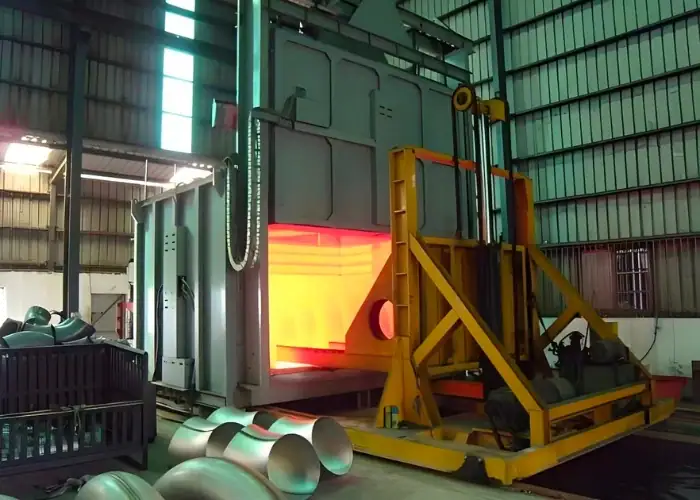
Heat treatment is one of the most important reasons engineers choose Stainless Steel 630. The material is normally supplied in a solution-treated condition and can then be aged to develop different combinations of strength, hardness, and toughness. Common aging conditions such as H900, H1025, and H1150 are widely used because they allow the final mechanical performance to be adjusted for the application rather than fixed at only one level.
In general, lower aging temperatures such as H900 are associated with higher strength and hardness, while higher aging temperatures such as H1150 are more often used when better toughness and stress-relief behavior are needed. This is an important practical tradeoff because the strongest heat treatment condition is not always the most suitable one for service. Some components need maximum strength, while others need a more balanced combination of strength and toughness.
For manufacturing teams, heat treatment planning should be considered early rather than left as a finishing detail. The chosen aging condition affects not only final performance, but also machining sequence, dimensional control, and the risk of making a part harder to process than necessary. In many projects, the material is machined first and aged later so the process stays more manageable.
Is Stainless Steel 630 Easy to Machine?
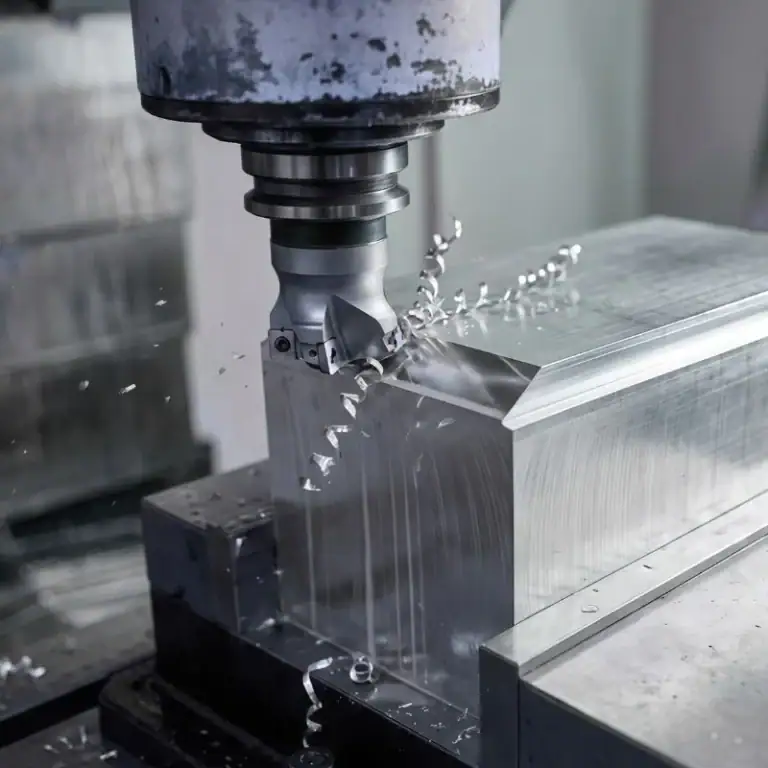
Stainless Steel 630 is considered machinable, but it is not the easiest stainless steel to process in every condition. In general, machining is more manageable in the solution-treated condition than after final aging. Once the material reaches a harder precipitation-hardened condition, cutting becomes more demanding, tool wear increases, and process control becomes more important.
This is why machining strategy matters. If the part will eventually be aged to a stronger condition, many shops prefer to perform most machining before the final hardening step. That reduces tool stress and makes it easier to control dimensions during the main material removal stage. After aging, only limited finish work may be done if necessary, depending on geometry and tolerance requirements.
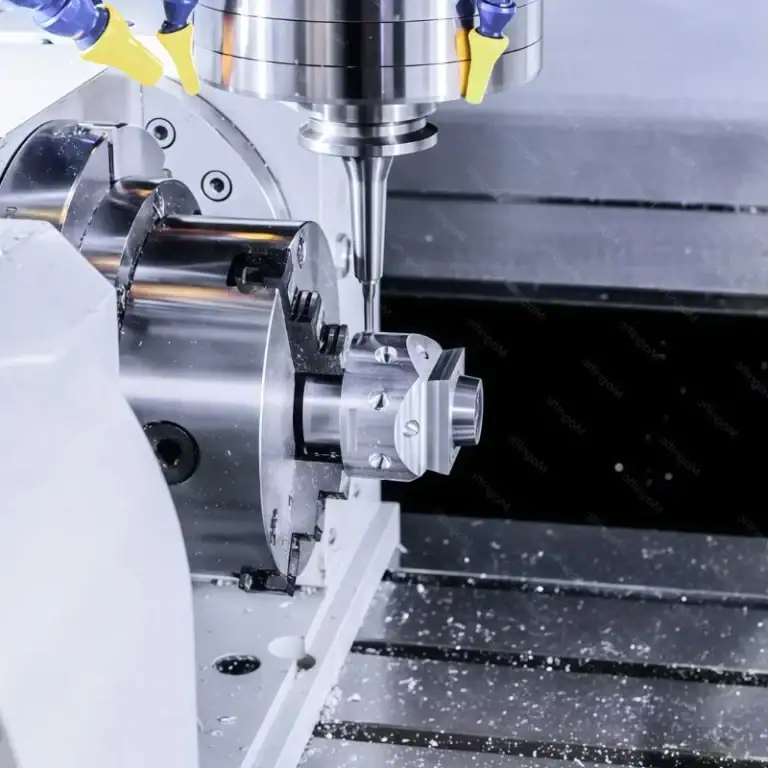
In practical CNC work, success with 630 depends on tooling choice, cutting parameters, coolant control, and whether the machining sequence is aligned with the planned heat treatment condition. It is a strong engineering alloy, but that same strength is exactly why process planning matters more than it would for softer and more general-purpose stainless grades.
Machining in the Solution-Treated Condition
Machining Stainless Steel 630 is usually easier before final aging treatment. In the solution-treated condition, the material is still strong compared with many ordinary metals, but it is generally more workable than it will be after precipitation hardening. This gives manufacturers a better chance to complete major cutting operations with less tool wear and lower machining resistance.
This condition is often preferred for roughing, drilling, turning, milling, and most major geometry creation. If the part includes tight bores, complex profiles, or more extensive stock removal, machining before final hardening usually makes the process more stable and more economical. That is why solution-treated 630 is commonly used as the starting point for many precision parts.
From a production perspective, this approach also helps shops manage risk. The part can be brought close to final shape first, then aged to the required condition, instead of forcing heavy machining on a much harder final structure. In many cases, this sequence supports both better machinability and better process efficiency.
Challenges After Heat Treatment
Once 630 has been aged to a high-strength condition, machining becomes more difficult. Harder material increases tool wear, can raise cutting forces, and may place tighter demands on setup stability and cutting strategy. This is one of the main reasons post-aging machining is usually minimized unless a specific feature must be completed after heat treatment.
The challenge is not only hardness itself, but the way a stronger final condition changes overall process behavior. A geometry that is simple in the solution-treated condition may become more time-consuming and expensive once the material has already been strengthened. That is especially relevant for precision parts with tight tolerances, fine bores, or multiple finished surfaces.
For this reason, machining after aging should usually be driven by necessity rather than habit. If the design truly requires final post-heat-treatment sizing, then tooling, parameters, and process planning need to reflect the harder condition from the beginning. Otherwise, machining earlier in the process is often the more practical route.
Practical Machining Considerations
In practical CNC machining, 630 benefits from a disciplined process plan. Tool material, edge condition, coolant delivery, and cutting strategy all matter because the alloy combines strength with work resistance that can punish poor setup decisions. Stable fixturing and conservative process planning usually do more for results than trying to force aggressive cutting conditions.
Another consideration is sequencing. If the part will be heat treated after machining, engineers need to decide which dimensions are critical before aging and which should be finished after aging, if any. This is not just a shop-floor issue. It affects quoting, lead time, inspection planning, and dimensional strategy for the whole part.
For buyers and design teams, the key lesson is simple: 630 can be machined successfully, but it should not be treated like a basic stainless grade. The most efficient projects are usually the ones where machining, heat treatment, and tolerance requirements are planned together instead of one step being left to solve the problems created by another.
Stainless Steel 630 vs Other Stainless Steels
Comparing Stainless Steel 630 with more familiar stainless grades makes its role in engineering much easier to understand. It is not simply a stronger version of every other stainless steel. Its value depends on how strength, corrosion resistance, heat treatment capability, and fabrication priorities are balanced in the actual application.
| Comparison Area | Stainless Steel 630 | 304 Stainless Steel | 316 Stainless Steel | 410 Stainless Steel |
| Material Type | Precipitation-hardening stainless steel | Austenitic stainless steel | Austenitic stainless steel | Martensitic stainless steel |
| Main Advantage | High strength with useful corrosion resistance and heat-treatable performance | Good general corrosion resistance and fabrication flexibility | Better corrosion resistance in more aggressive environments | Simple heat-treatable stainless with useful hardness |
| Strength Level | Higher than 304 and 316 after heat treatment | Lower than 630 | Lower than 630 | Generally lower overall balance than 630 |
| Corrosion Resistance | Good, but not always best for chloride-heavy environments | Good in many general environments | Better than 630 in more corrosive or chloride-rich service | Usually lower than 630 |
| Heat Treatable | Yes | No | No | Yes |
| Machining Role | Strong choice for precision engineering parts | More often used for general corrosion-service parts | More often used when corrosion resistance is the main priority | Used for simpler wear-related or structural parts |
| Better Use Case | Shafts, fittings, valve parts, bushings, structural mechanical components | General-purpose stainless parts, fabricated components, corrosion-resistant applications | Chemical, marine, or more corrosion-driven applications | Basic martensitic stainless parts where performance demands are lower |
| Main Tradeoff | More specialized and not always the easiest or cheapest choice | Lower strength than 630 | Lower strength than 630 and usually chosen more for corrosion than strength | Less balanced combination of strength and corrosion resistance than 630 |
Advantages and Limitations of Stainless Steel 630
Stainless Steel 630 is widely valued because it offers a property combination that many common stainless steels do not provide at the same level. Its main advantages include high strength, useful corrosion resistance, and the ability to be heat treated to different performance levels. This makes it especially attractive in engineering projects where the part must do more than simply resist rust.
Another major advantage is its versatility in precision applications. Because the alloy can be machined in a solution-treated condition and then aged for final performance, it supports practical manufacturing workflows for demanding parts. This is one reason it appears so often in shafts, fittings, bushings, valve parts, and structural components where both machining accuracy and final material performance matter.
Its limitations should also be understood clearly. Stainless Steel 630 is not the easiest stainless grade to machine after hardening, it is not the best choice for every highly corrosive environment, and it may cost more than simpler stainless options. In practical selection work, its value comes from using it where its high-strength, heat-treatable nature is truly needed rather than applying it as a default stainless grade.
Advantages of Stainless Steel 630
One of the biggest advantages of Stainless Steel 630 is that it can reach much higher strength than many common stainless steels while still maintaining useful corrosion resistance. This makes it highly valuable for parts that must carry load, resist wear, or perform in more demanding mechanical conditions without switching to a fully non-stainless engineering alloy.
Another advantage is its precipitation-hardening response. Engineers can select different aging conditions to balance hardness, strength, and toughness depending on the project. That flexibility makes the material more adaptable than many stainless grades that must be used with a more fixed property profile.
It also performs well in many precision-machined applications. When planned correctly, the material can be machined in a more manageable condition first and then heat treated later for final use. This supports strong engineering performance without removing manufacturing control from the process.
Limitations of Stainless Steel 630
One limitation of Stainless Steel 630 is that it becomes more difficult to machine after aging treatment. Higher hardness increases tool wear and can make post-heat-treatment cutting much less efficient than machining in the solution-treated condition. That means process planning matters more than it would for softer stainless grades.
Another limitation is that although its corrosion resistance is good, it is not always the best stainless steel for the most aggressive environments. If the project is driven mainly by chloride resistance or severe corrosion service, a grade such as 316 may still be the safer choice. In those cases, 630 may offer more strength than necessary without delivering the best environmental fit.
Cost can also be a limitation in some projects. Because 630 is a more specialized engineering stainless steel, it may not be the most economical option when a simpler grade can already meet the performance requirement. That is why it should usually be selected by function rather than by general preference for “stronger stainless.”
When Should You Choose Stainless Steel 630?
Stainless Steel 630 is usually the right choice when the project needs both high mechanical strength and useful corrosion resistance. If the part must carry load, resist wear, or maintain stronger performance than common stainless grades while still operating in a corrosive environment, 630 often becomes a strong candidate. This is especially true for shafts, fittings, valve parts, bushings, and other precision engineering components.
It is also a good choice when heat treatment is part of the design strategy. If the final performance needs to be adjusted through aging conditions such as H900, H1025, or H1150, 630 provides a flexibility that general stainless steels such as 304 or 316 do not offer. In those cases, the material is selected not only for its base chemistry, but for its ability to reach the required final condition after machining and heat treatment.
However, 630 is usually not the best choice when the project mainly needs easier forming, simpler fabrication, or the strongest possible corrosion resistance in aggressive chloride environments. In those situations, another stainless grade may be more practical. The best reason to choose 630 is when the design specifically needs a high-strength, heat-treatable stainless steel rather than just a general corrosion-resistant material.
FAQs
Is 630 stainless steel better than 316?
Not in every situation. Stainless Steel 630 is usually stronger and can be heat treated, which makes it better for many structural and mechanical parts. However, 316 is often the better choice when corrosion resistance in more aggressive environments is the main priority. The better material depends on whether the application is driven more by strength or by corrosion exposure.
Can Stainless Steel 630 be heat treated after machining?
Yes. In many projects, 630 is machined in a solution-treated condition first and then aged afterward to develop the required final strength and hardness. This is one of the most common and practical ways to process the material because it helps reduce machining difficulty during the main cutting stage.
Is Stainless Steel 630 suitable for CNC machining?
Yes, but machining strategy matters. Stainless Steel 630 is generally easier to machine in the solution-treated condition than after final aging. If the project is planned well, it can be machined successfully for precision parts while still achieving strong final performance after heat treatment.
When is Stainless Steel 630 not the best material choice?
630 is usually not the best choice when the project mainly needs easy forming, lower material cost, or the strongest corrosion resistance in aggressive chloride environments. In those cases, a grade such as 304 or 316 may be more practical depending on the service requirement.
Conclusion
Stainless Steel 630 is a high-strength precipitation-hardening stainless steel that stands out for its combination of heat-treatable performance, useful corrosion resistance, and strong engineering value. It is not the right stainless grade for every project, but it is often an excellent choice when the part must deliver more strength and durability than general-purpose stainless steels can provide.
At TiRapid, we support precision machining projects in Stainless Steel 630 and other engineering materials for customers who need practical manufacturing advice, stable machining quality, and parts that match real performance requirements.