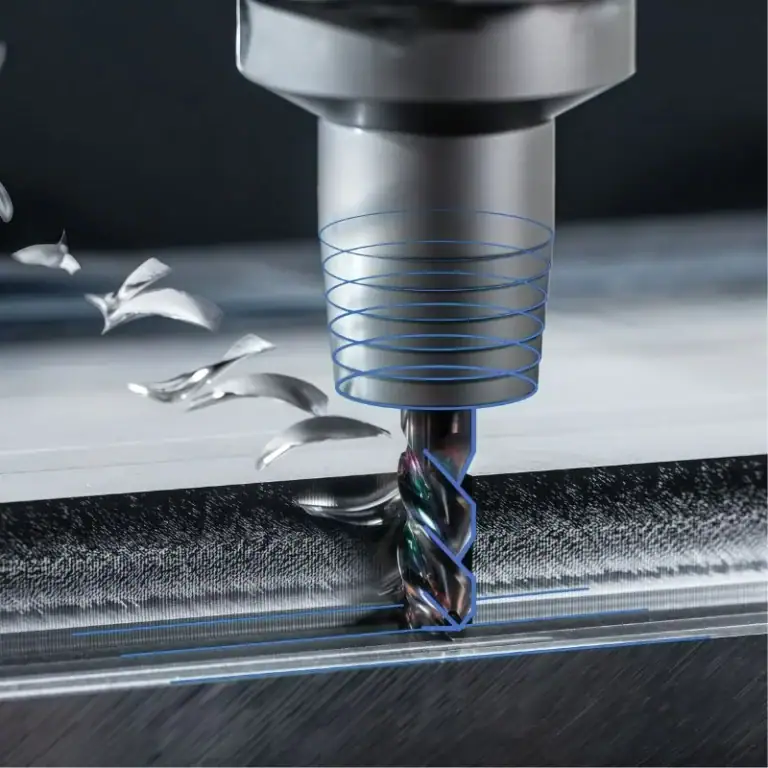
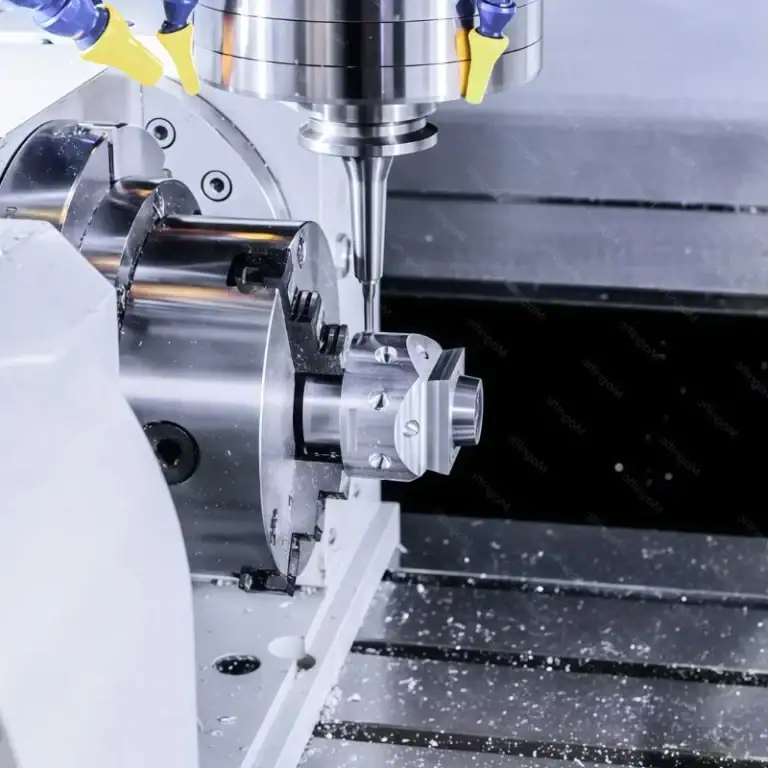
Reamers are important finishing tools in machining manufacturing because they improve hole size accuracy, roundness, and surface finish after drilling or boring. They are commonly used in precision parts where a standard drilled hole is not accurate enough for final assembly, bearing fits, dowel holes, or other tight-tolerance applications.
In this guide, we will explain the main types of reamers used in machining manufacturing, how they are classified, where they are used, and how to choose the right reamer based on hole type, material, tolerance, and machining requirements.
What Is a Reamer?
A reamer is a finishing tool used to improve the size, roundness, and surface quality of an existing hole after drilling or boring. It removes only a small amount of material, but that small cut makes a major difference when a hole must meet tighter tolerance, smoother finish, or better fit requirements. In machining manufacturing, reamers are widely used when hole accuracy matters more than simply creating an opening.
Because a reamer removes only a small amount of stock, it works as a precision finishing tool rather than a rough cutting tool. This makes it especially useful in parts that require better fit between holes and mating components, such as shafts, pins, bushings, and bearings. In these cases, drilling alone may leave too much variation for the final application.
Reamers are available in different sizes, flute styles, materials, and designs to suit different hole types and machining conditions. Some are made for hand use, while others are designed for machine tools and CNC equipment. No matter the style, the core purpose remains the same: to improve the quality and dimensional control of an already prepared hole.
What a Reamer Does in Machining?
In machining, a reamer is used to correct and finish a hole so it reaches a more accurate diameter and a cleaner surface than drilling alone can normally provide. Drilled holes may be slightly oversized, uneven, or rough depending on tool condition, material, and cutting stability. Reaming helps reduce those variations and brings the hole closer to its final required condition.
This is important in parts where hole quality affects assembly, movement, or load distribution. A poorly finished hole can create fit problems, excessive clearance, poor alignment, or faster wear in the final product. By improving the internal geometry of the hole, the reamer supports tighter fits and more predictable performance in mechanical assemblies and precision parts.
Reaming is often used near the end of the machining process because it depends on a correctly prepared pre-hole. If the drilled or bored hole is too inaccurate, too rough, or too far from the intended size, the reamer may not deliver the expected result. For this reason, reaming is best understood as a finishing step that improves an already controlled hole rather than a correction for poor upstream machining.
Reaming vs Drilling and Boring
Although drilling, boring, and reaming are all used in hole machining, they do not serve the same purpose in machining manufacturing. Each process plays a different role in how a hole is created, corrected, and finished. The table below shows their main differences in function, material removal, accuracy, and typical use.
| Process | Main Purpose | Material Removal | Accuracy and Surface Finish | Typical Use |
| Drilling | Create the initial hole | High | Lower than reaming and boring | First hole-making step in most machining operations |
| Boring | Enlarge or correct an existing hole | Moderate to high | Better control over diameter and alignment than drilling | Used when hole size or position needs correction |
| Reaming | Finish an existing hole to final size | Low | Highest surface finish and better final hole accuracy | Used after drilling or boring for precision hole finishing |
What Are the 8 Main Types of Reamers?
Reamers come in several main types, and each one is designed for a different machining purpose, hole condition, or production method. Some are better for manual fitting and repair, while others are made for CNC machining, higher accuracy, or better chip control. Understanding these reamer types helps engineers choose a tool that matches the hole geometry, material, tolerance target, and manufacturing process more effectively.
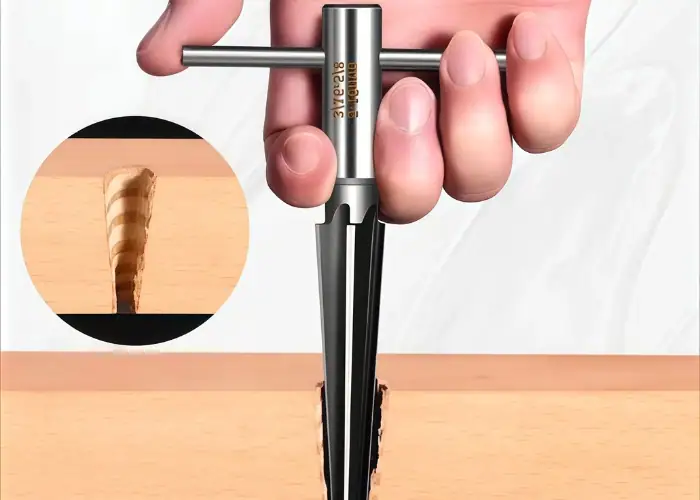
1.Hand Reamers
Hand reamers are designed for manual use, usually with a wrench or tap handle, and are commonly used in repair, fitting, and low-volume work. They typically have a longer taper lead than machine reamers, which helps guide the tool into the hole more gradually. This makes them easier to control by hand and reduces the risk of grabbing or cutting too aggressively at the start.
Because hand reamers are used without powered feed, they are best suited to operations where precision is needed but production speed is not the main priority. They are often used when a machinist needs to lightly size or clean up a hole during assembly, maintenance, or toolroom work. In these situations, the longer lead and manual control help improve feel and reduce the chance of sudden misalignment.
Hand reamers are useful, but they are not the best choice for high-volume manufacturing or tightly controlled production work. Their performance depends more on operator skill, hole preparation, and cutting consistency than machine-based tools do. In machining manufacturing, they are most valuable where flexibility and manual adjustment matter more than cycle time, automation, or large-scale repeatability.
2.Machine Reamers
Machine reamers are designed for use on machine tools such as drill presses, lathes, milling machines, and CNC equipment. They are made for powered cutting rather than hand turning, so they usually have a shorter lead and a geometry better suited to stable, repeatable hole finishing. This makes them the standard choice in machining manufacturing where hole accuracy and process consistency are important.
Compared with hand reamers, machine reamers are better suited to production work because they can operate under controlled speed, feed, and alignment conditions. This improves hole size consistency and helps produce more predictable surface finish from part to part. In CNC and precision machining, they are often used as the final hole-finishing tool after drilling or boring has brought the hole close to target size.
Machine reamers are widely used in precision components, dowel holes, bearing fits, and other applications where final hole quality directly affects assembly. They are especially useful when parts must be repeated at scale with limited variation. For this reason, machine reamers are one of the most important reamer categories in modern manufacturing, especially in environments focused on throughput and dimensional control.
3.Adjustable or Expandable Reamers
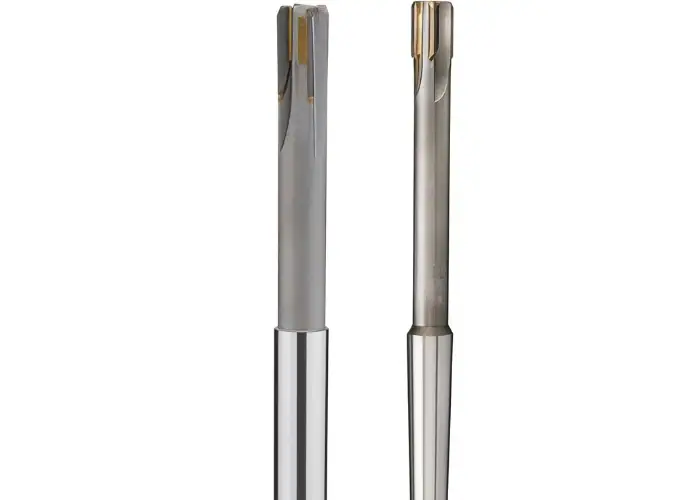
Adjustable or expandable reamers are designed so their effective diameter can be changed within a limited range. This makes them useful when a standard fixed-size reamer does not match the exact hole requirement, or when slight diameter compensation is needed after tool wear or sharpening. They offer flexibility that fixed reamers do not, especially in maintenance, fitting, or special hole applications.
These reamers are often chosen for jobs where the hole size is not fully standardized or where a machinist wants to fine-tune the result without switching tools repeatedly. They can be practical in low-volume work, repair environments, and certain custom-machining applications. In these situations, the ability to adjust the diameter can help reduce tool inventory and improve flexibility when matching real parts to actual fit needs.
However, adjustable reamers are not always the first choice for high-precision production because fixed reamers generally offer better rigidity and more consistent repeatability. The adjustable feature adds versatility, but it can also reduce the simplicity and predictability that production machining often needs. In machining manufacturing, these tools are most useful when flexibility matters more than maximum productivity or the tightest process control.
4.Straight Flute Reamers
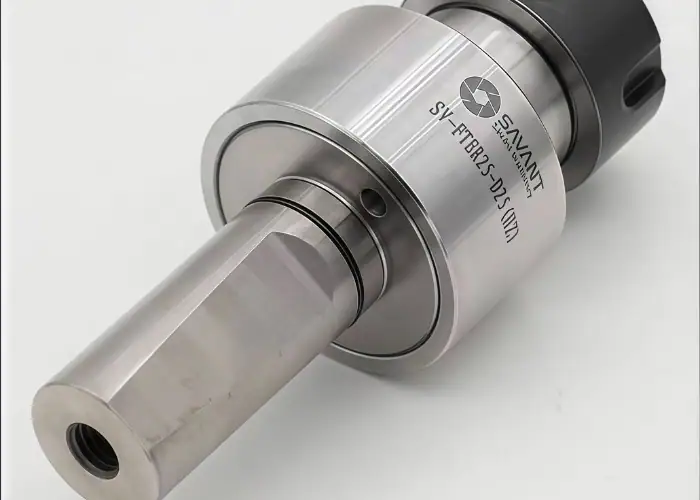
Straight flute reamers are among the most common and widely used reamer types in machining. Their simple flute design makes them suitable for general-purpose hole finishing in a wide range of materials and applications. They are often chosen when cutting conditions are stable and chip evacuation is not especially difficult, such as in through holes or relatively easy-to-machine materials.
One advantage of straight flute reamers is their stable and predictable cutting behavior under normal machining conditions. They are often easier to manufacture and use than more specialized flute designs, which makes them a practical default choice in many workshops. For general reaming operations where the material and hole geometry do not create unusual chip flow problems, a straight flute reamer is often sufficient.
That said, straight flute reamers are not ideal for every hole type. In blind holes or materials that produce long, difficult chips, chip control can become less effective than with spiral designs. Their strength is versatility rather than specialization. In machining manufacturing, they remain a very important reamer type because many standard hole-finishing tasks do not require a more complex flute geometry to achieve good results.
5.Spiral or Helical Flute Reamers
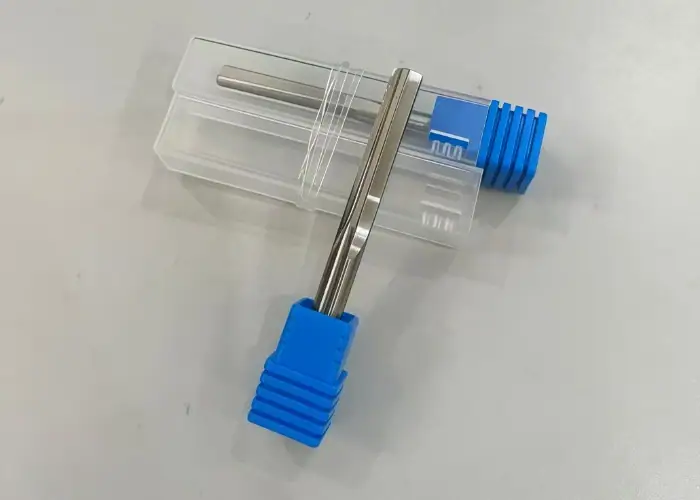
Spiral or helical flute reamers are designed to improve chip evacuation and cutting smoothness in situations where straight flute tools may struggle. The spiral flute helps move chips out of the cutting zone more effectively, which can be useful in blind holes, deeper holes, or materials that tend to produce stringy chips. This makes them valuable in more demanding reaming operations.
These reamers can also help reduce chatter in some applications because the cutting action is more progressive rather than all edges engaging in the same way at once. That smoother cutting behavior can improve finish quality and support better hole consistency in certain materials. In machining manufacturing, spiral flute reamers are often selected when cutting stability and chip handling are more important than general-purpose simplicity.
The exact spiral direction and application should still be matched to the workpiece and hole type, because not every spiral reamer behaves the same way. However, as a category, they offer clear benefits in situations where chip control is difficult or where a smoother reaming action is preferred. They are especially useful when standard straight flute reamers do not provide the finish quality or cutting reliability required by the part.
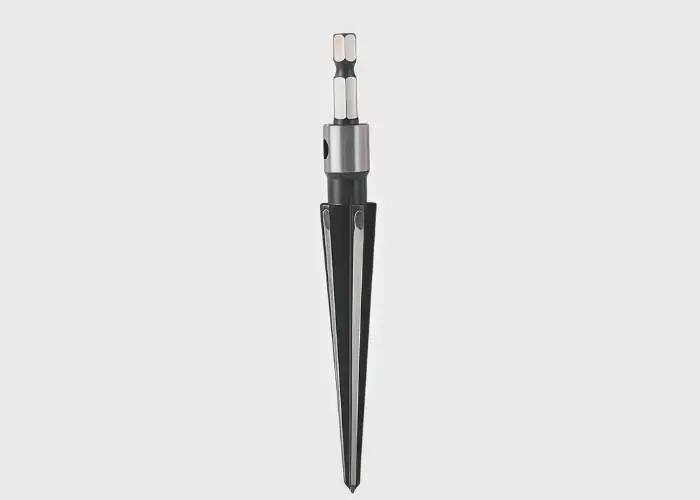
6.Taper Reamers
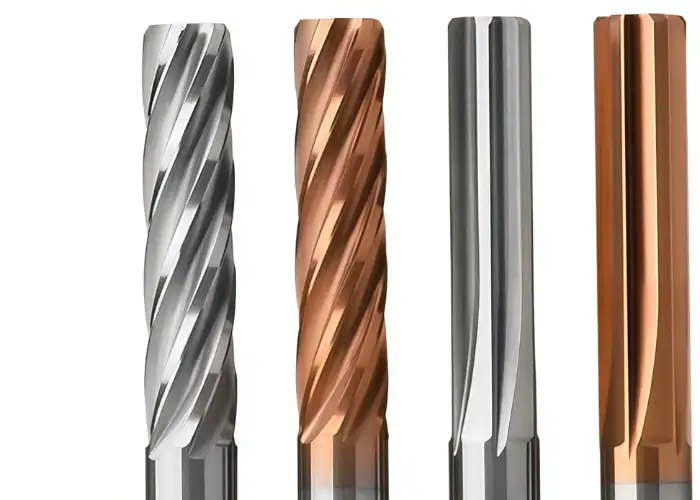
Taper reamers are designed for holes that require a tapered rather than straight internal geometry. Unlike standard reamers that finish cylindrical holes, taper reamers gradually enlarge the hole along a conical profile. This makes them suitable for applications such as taper pins, specialized fittings, and assemblies where the hole must match a tapered mating component instead of a parallel shaft or fastener.
Because the hole geometry is different, taper reamers are used in more specific applications than standard parallel reamers. They are often selected when an assembly depends on controlled taper fit for positioning, retention, or load transfer. In these cases, the reamer must match the required taper accurately, because even small deviations can affect how the mating part seats and performs in service.
Taper reamers are therefore less common as general-purpose tools, but they are very important in the right applications. They support hole finishing in cases where standard cylindrical tools cannot produce the correct functional geometry. In machining manufacturing, they are best understood as specialized finishing tools used when the final hole shape is just as important as size accuracy and surface finish.
7.Shell Reamers
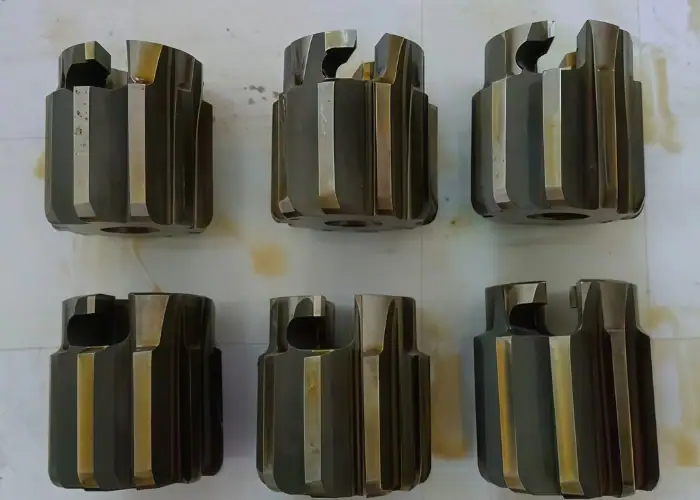
Shell reamers are used mainly for larger-diameter reaming operations where using a one-piece solid reamer would be less practical or more expensive. Instead of having a full solid body, the cutting portion is made as a separate shell that mounts onto a holder or arbor. This design can reduce tool cost and make it easier to replace only the cutting section when wear occurs.
These tools are useful in heavy-duty machining and larger hole-finishing work where tool size makes solid construction less efficient. By separating the cutting shell from the mounting body, manufacturers can improve economy while still maintaining effective cutting performance. In production environments where larger holes must be finished repeatedly, shell reamers can offer a practical balance of cost, rigidity, and serviceability.
Shell reamers are more specialized than standard solid reamers, but they play an important role in industrial machining. They are especially useful when large hole diameters, repeated use, and tooling cost all need to be managed carefully. In machining manufacturing, they are best suited to larger-scale operations where reamer replacement cost and tool maintenance are meaningful production concerns.
8.Carbide Reamers
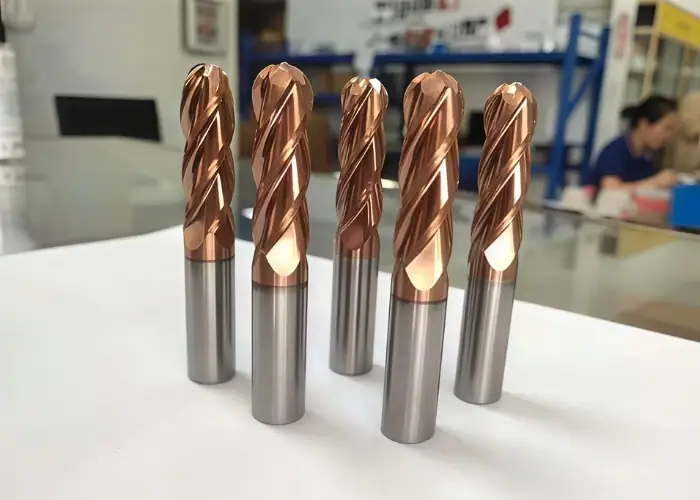
Carbide reamers are made for applications where higher wear resistance, longer tool life, or improved performance in harder materials is needed. Compared with HSS reamers, carbide tools generally hold size and cutting edge quality longer under demanding machining conditions. This makes them valuable in high-volume production, abrasive materials, and operations where stable long-run accuracy is important.
The main advantage of carbide is its hardness and wear resistance, which can support better consistency over many parts when cutting conditions are properly controlled. In CNC and production machining, carbide reamers are often chosen when the process must remain stable over long runs or when workpiece materials create faster tool wear. They can help reduce variation caused by edge wear and improve dimensional repeatability in precision hole finishing.
However, carbide is also more brittle than HSS, so it requires good setup stability, proper speeds and feeds, and controlled machining conditions. It is not always the best choice for every job, especially where shock, interruption, or poor rigidity may damage the tool. In machining manufacturing, carbide reamers are most effective when process control is strong and the productivity or wear-resistance benefit justifies the higher tool cost.
How Are Reamers Classified?
Reamers can be classified in several ways, and understanding these categories makes tool selection much easier in machining manufacturing. Some are grouped by how they are used, others by flute design, hole geometry, construction, or tool material. These classifications matter because two reamers may look similar at first glance, yet behave very differently in cutting stability, chip evacuation, accuracy, and tool life.
By Method of Use
One of the most common ways to classify reamers is by how they are used. In simple terms, they are usually divided into hand reamers and machine reamers. This distinction is important because the intended use directly affects tool geometry, lead design, cutting control, and the level of consistency the reamer can deliver during hole finishing.
Hand reamers are designed for manual use and usually have a longer taper lead, which helps guide the tool more smoothly into the hole. Machine reamers are built for powered equipment such as drill presses, lathes, milling machines, and CNC machines. They are better suited to stable feeds, repeatable cutting conditions, and higher production efficiency, which makes them more common in precision manufacturing.
This classification is useful because it connects the tool directly to the working method. A reamer that performs well in manual fitting may not be ideal for production machining, while a machine reamer may be unsuitable for manual correction work. In machining manufacturing, starting with the intended method of use helps narrow the selection quickly and prevents mismatches between tool design and process conditions.
By Flute Design
Reamers are also classified by flute design, and this has a direct effect on cutting behavior, chip evacuation, and finish quality. The most common categories here are straight flute and spiral or helical flute reamers. Although both can finish holes accurately, they do not behave the same way under different materials, hole depths, or cutting conditions.
Straight flute reamers are widely used for general-purpose operations where cutting conditions are stable and chip flow is manageable. Spiral or helical flute reamers are often chosen when chip evacuation is more difficult, such as in blind holes or materials that tend to produce longer chips. The flute form also influences how smoothly the tool cuts and how well it resists chatter during reaming.
This means flute classification is not just a design detail. It plays a practical role in determining which reamer is more suitable for the job. In machining manufacturing, flute choice can affect process stability, surface quality, and tool reliability just as much as size or material. Choosing the right flute style helps align the tool with the real cutting demands of the application.
By Hole Geometry
Another important way to classify reamers is by the type of hole geometry they are made to finish. Most reamers are intended for straight cylindrical holes, but some are designed specifically for tapered holes. This difference is essential because the final shape of the hole affects how the tool cuts and what type of assembly or fit the finished hole can support.
Straight-hole reamers are the standard choice for most precision hole-finishing tasks in machining manufacturing. They are used when the goal is to achieve a more accurate final diameter and smoother surface in a cylindrical hole. Taper reamers, by contrast, are designed to create or refine a conical internal geometry, which is needed for taper pins, tapered fittings, and other specialized assemblies.
Classifying reamers by hole geometry helps prevent one of the most basic tool-selection mistakes: using the wrong tool shape for the final hole form. Even if the size appears close, a cylindrical reamer cannot produce a true tapered hole, and a taper reamer is not appropriate for ordinary straight-hole finishing. This makes geometry one of the most functional and non-negotiable classification categories.
By Construction and Adjustability
Reamers can also be classified by how they are built and whether their cutting diameter can be adjusted. Common categories include solid reamers, shell reamers, and adjustable or expandable reamers. This classification is important because tool construction affects rigidity, replacement cost, flexibility, and how suitable the reamer is for high-volume work or special fitting applications.
Solid reamers are the most common type and are widely used in both manual and machine-based hole finishing. Shell reamers separate the cutting portion from the holder, making them more practical for large diameters where replacing a full solid tool would be expensive. Adjustable or expandable reamers offer flexibility when a slight size change is needed, though they generally trade some rigidity for adaptability.
This category matters because it connects the reamer not only to cutting performance, but also to shop efficiency and tooling strategy. In machining manufacturing, a fixed solid reamer may be best for repeatable production, while an adjustable reamer may be more useful in low-volume fitting or repair work. Construction and adjustability help determine whether the tool is optimized for consistency, economy, or flexibility.
By Tool Material
Tool material is another major classification category because it affects wear resistance, edge retention, cutting performance, and cost. The most common options are HSS and carbide, with some variations such as tipped or solid carbide designs. The material choice often depends on the workpiece material, required tool life, and how stable the machining environment is during production.
HSS reamers are widely used because they offer a good balance of toughness, cost, and versatility. They are suitable for many general-purpose reaming applications and can perform well in a broad range of materials. Carbide reamers are chosen when higher wear resistance, longer life, or better performance in harder or more abrasive materials is needed, especially in high-volume or tightly controlled machining environments.
Classifying reamers by tool material helps connect the tool to production goals and workpiece demands. A material choice that works well for low-volume general machining may not be the best option for long production runs or difficult materials. In machining manufacturing, tool material is not just a technical detail. It directly affects productivity, stability, tool-change frequency, and the ability to hold hole quality over time.
How to Choose the Right Reamer?
Choosing the right reamer is not only about matching a hole size. It also depends on the hole type, tolerance target, workpiece material, chip conditions, and expected tool life in production. A suitable reamer improves accuracy, finish, and process stability, while the wrong choice can shorten tool life, reduce hole quality, and make precision hole finishing harder to control.
Hole Type and Required Tolerance
The first step in reamer selection is understanding the hole itself and the final tolerance it must achieve. A straight through hole, a blind hole, a tapered hole, and a close-fit assembly hole do not all require the same tool approach. The tighter the tolerance and fit requirement, the more important it becomes to match the reamer type to the actual function of the finished hole.
In many machining applications, reaming is used only after drilling or boring has already prepared a near-finished hole. This means the reamer is not correcting a large size error, but refining an existing hole to improve diameter consistency, roundness, and surface quality. If the target hole has a critical assembly function, the reamer choice must reflect that precision requirement from the start.
A general-purpose reamer may be acceptable for standard hole finishing, but it may not be the best choice for bearing fits, locating holes, dowel holes, or taper applications. In machining manufacturing, selecting by hole type and required tolerance helps define the whole finishing strategy. It keeps the process focused on final performance instead of treating every hole as if it needed the same tool and result.
Workpiece Material
Workpiece material plays a major role in choosing the right reamer because different materials respond very differently during cutting. Softer metals, hardened steels, aluminum alloys, stainless steel, and engineering plastics all create different chip forms, cutting loads, and wear patterns. A reamer that performs well in one material may lose accuracy quickly or cut poorly in another if the tool is not matched properly.
Material choice affects more than cutting force. It also influences whether chips break easily, whether the hole edge smears, and how much heat builds up during the reaming pass. Some materials are forgiving and easy to finish, while others require more careful tool geometry and better process control to avoid poor surface finish or premature tool wear. This is why material should be considered early, not later.
In machining manufacturing, the best reamer is always connected to the workpiece material as much as to the hole size. A tool that works well in mild steel may not be ideal for stainless steel or abrasive composites. By selecting with material in mind, engineers can improve hole quality, reduce tool wear, and make the reaming process more stable across different part types and production environments.
Flute Design and Chip Evacuation
Flute design should be chosen according to how chips behave during the reaming process. Straight flute reamers are often suitable for stable general-purpose work, especially where chip evacuation is simple. Spiral or helical flute reamers are more useful when chip flow is more difficult, such as in blind holes, deeper holes, or materials that produce long or stringy chips during cutting.
Chip evacuation matters because reaming removes only a small amount of material, yet the process is still sensitive to chip buildup and cutting disruption. If chips are not cleared effectively, the reamer may scratch the hole surface, lose dimensional accuracy, or generate chatter. In these situations, flute form becomes a practical decision rather than just a design preference, because it directly affects finish and stability.
A good flute choice helps the reamer cut more smoothly and maintain better control over the finished hole. A poor flute choice can create avoidable problems even when the tool size is correct. In machining manufacturing, flute design should always be considered together with hole depth, hole style, and material behavior. This helps ensure the reamer can manage chips properly while still delivering the desired accuracy and finish.
Tool Material and Tool Life
Tool material is another key factor in reamer selection because it affects wear resistance, edge stability, cutting performance, and overall production economy. HSS reamers are widely used because they are versatile and more forgiving in many general applications. Carbide reamers are often preferred when longer tool life, better wear resistance, or more stable performance is needed in high-volume or harder-material machining.
The best choice depends on the real cutting environment, not just on the idea that a harder material is always better. Carbide can maintain size and edge condition longer, but it is also more brittle and needs a stable setup to perform well. HSS may be a better fit where cutting conditions are less rigid or where a broader operating range is more useful than maximum wear resistance.
In machining manufacturing, tool material should be selected according to both production goals and process conditions. If the job involves long production runs, abrasive materials, or strict hole repeatability, a wear-resistant tool may offer better value over time. If the work is more general-purpose or less stable, a tougher and more forgiving tool may actually provide more reliable results and better overall efficiency.
FAQs
When is a hand reamer a better choice than a machine reamer?
A hand reamer is a better choice when the job requires manual adjustment rather than production efficiency. It is commonly used in repair work, fitting operations, and low-volume situations where a machinist needs more control over entry, feel, and material removal. In contrast, a machine reamer is better for repeatable hole finishing under controlled speed and feed conditions.
How do flute styles affect reaming performance?
Flute style mainly affects chip evacuation, cutting smoothness, and hole finish. Straight flute reamers are often suitable for stable general-purpose work, especially when chip flow is easy to control. Spiral flute reamers are usually better when chips are harder to evacuate, such as in blind holes or materials that produce long chips, and they can also help reduce chatter in some operations.
Why do some machining jobs require carbide reamers instead of HSS?
Some jobs require carbide reamers because carbide offers higher wear resistance and longer edge life under demanding cutting conditions. This is especially useful in high-volume production, harder materials, or applications where hole accuracy must remain consistent over many parts. HSS is still a practical option for many general jobs, but carbide is often preferred when stability, repeatability, and tool life are more critical.
How much stock should be left before reaming a hole?
A reamer should remove only a small amount of material because it is a finishing tool, not a roughing tool. If too much stock is left, cutting forces can rise, hole quality may suffer, and the reamer may wear faster or produce poor accuracy. The correct allowance depends on hole size, material, and process conditions, but the general rule is to leave just enough material for the reamer to size and finish the hole cleanly.
Conclusion
Reamers are essential finishing tools in machining manufacturing because they improve hole accuracy, roundness, and surface quality after drilling or boring. Different types of reamers are designed for different hole conditions, materials, and machining methods. Choosing the right reamer helps improve precision, assembly fit, and overall machining consistency.
At TiRapid, we provide precision CNC machining services to manufacture custom metal parts, precision holes, and mechanical components for industries such as automotive, robotics, and industrial equipment.