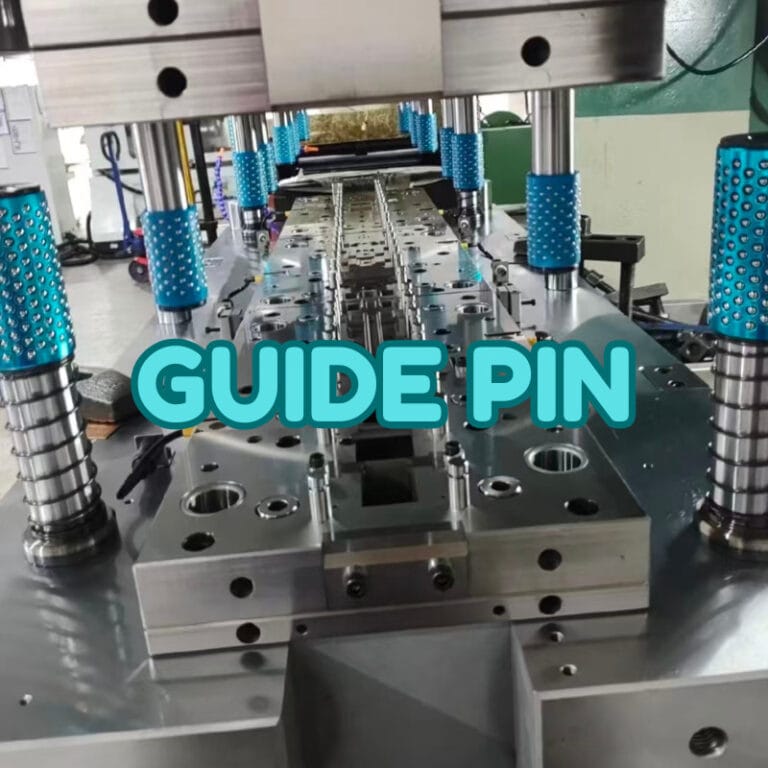
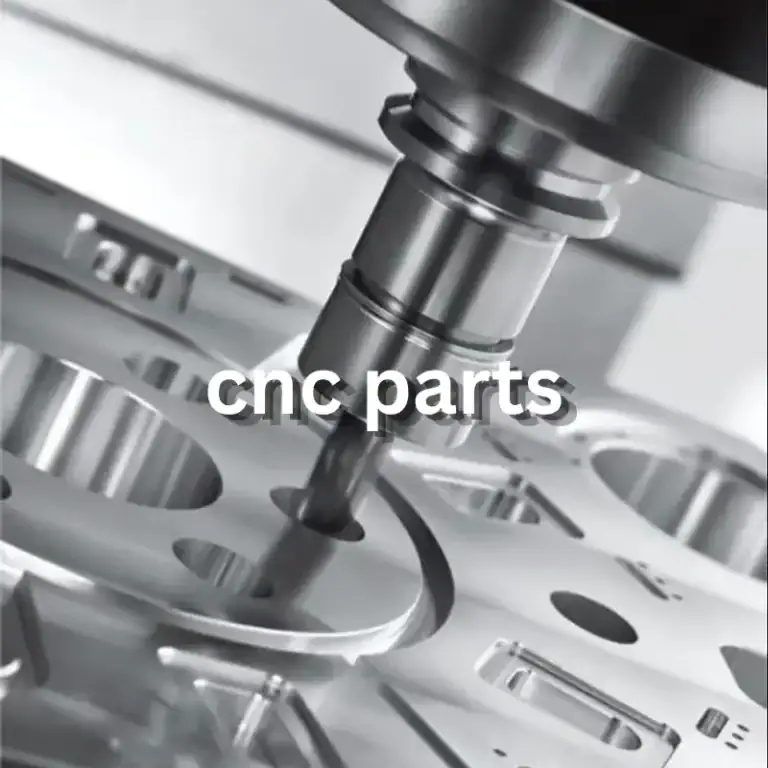
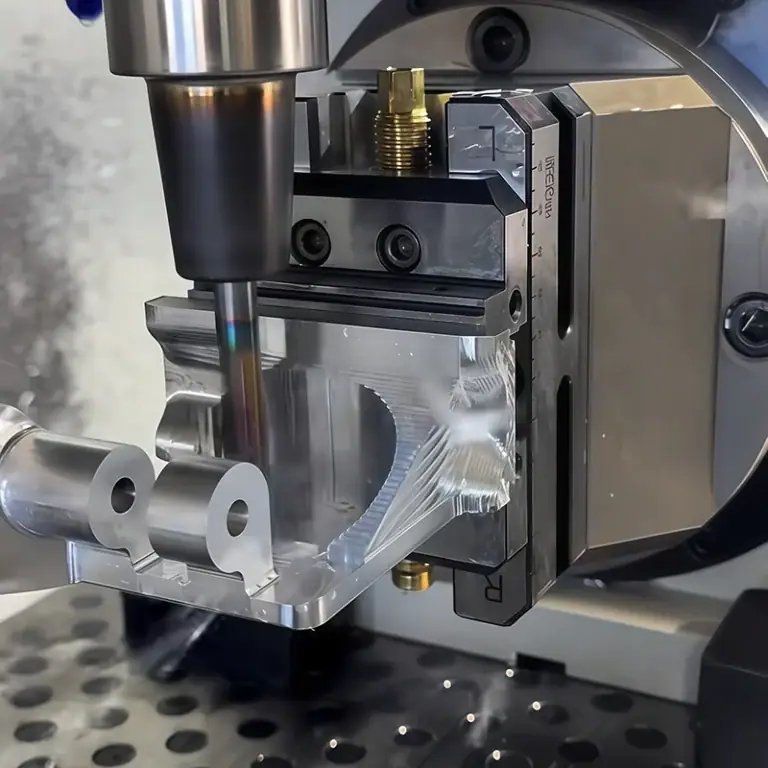
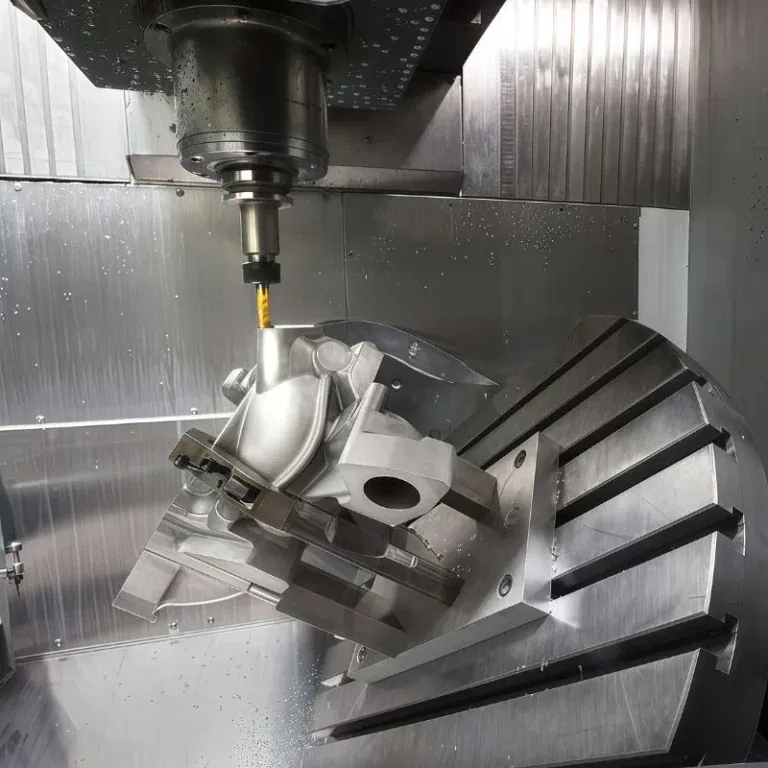
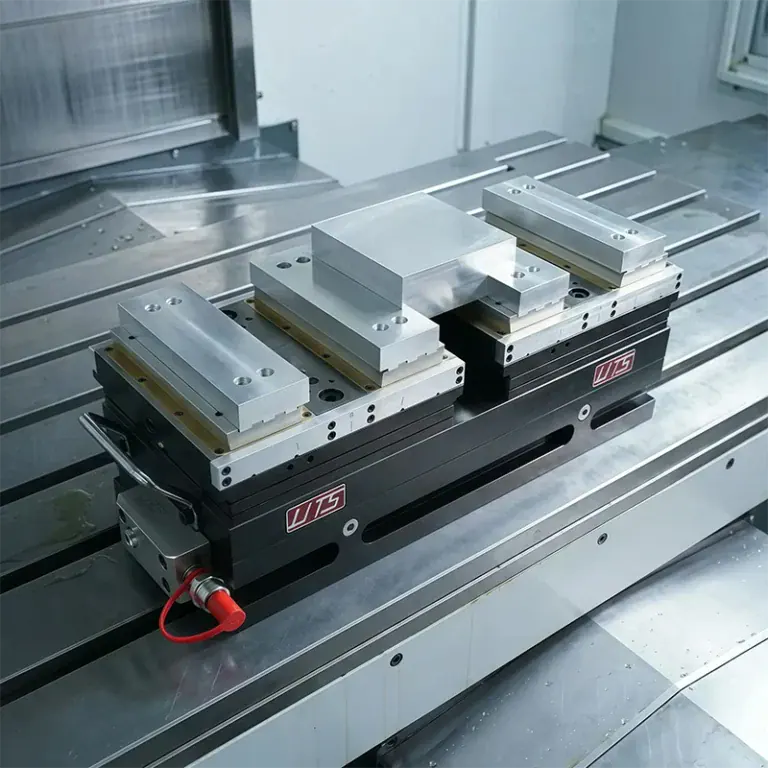
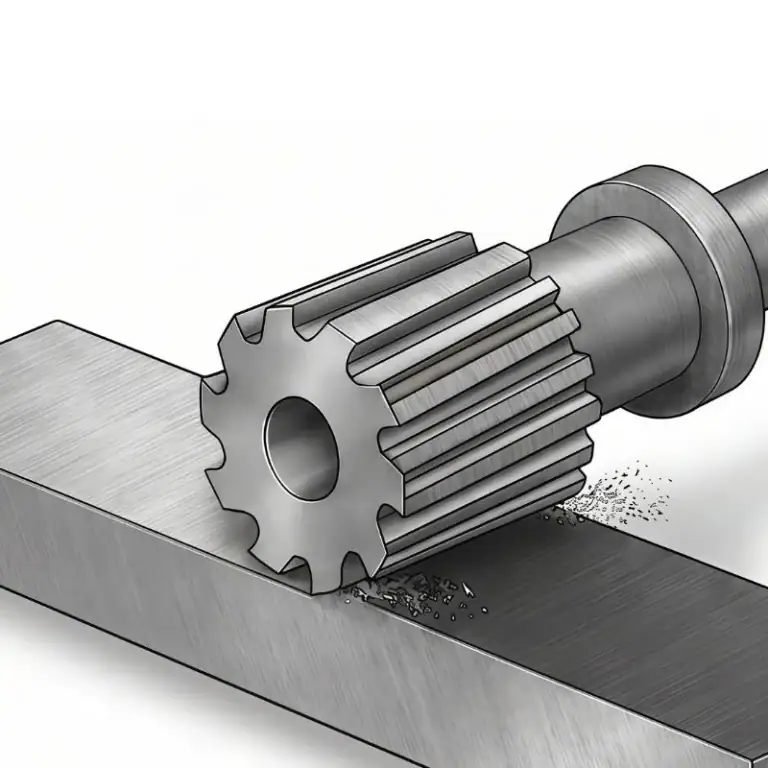
In modern manufacturing, dimensional accuracy has a direct impact on product performance, assembly quality, and overall functionality. Whether producing aerospace components, automotive parts, medical devices, or electronic enclosures, tolerance requirements continue to become more demanding. Even minor dimensional deviations can lead to assembly issues, functional failures, or product rejection. As a result, effectively controlling machining errors during CNC milling has become a critical objective for manufacturers seeking to improve product quality.
Improve Machine Stability
A stable machine condition provides a solid foundation for high-precision machining.
Choose High-Rigidity Machine Tools
The structural stability of a machine tool directly affects machining results.High-rigidity CNC machines can effectively minimize vibration and deformation during cutting operations, maintaining stable cutting conditions when machining complex parts. This is particularly important during long production runs, where a rigid machine structure helps ensure dimensional consistency.
- Reduce machining vibration and prevent unnecessary tool deflection during cutting.
- Minimize structural deformation and improve stability under heavy cutting loads and complex machining conditions.
- Increase positioning accuracy, allowing tools to reach programmed locations more precisely.
- Enhance machining stability and reduce the influence of external factors on machining results.
- Improve dimensional consistency across production batches.
- Achieve better results when machining complex contours, curved surfaces, and irregular geometries.
- Lower the risk of rework and scrap, helping manufacturers control production costs.
- Provide reliable support for long-duration machining while maintaining consistent accuracy.
Good machine rigidity helps manufacturers achieve more stable machining results.
Improve Servo Control Accuracy
Motion control capability determines machining precision.High-performance servo systems can respond quickly to machining commands while maintaining highly accurate position control. During the machining of complex contours and precision structures, stable servo performance can significantly reduce motion-related errors.
- Improve path-following capability so tools can accurately follow programmed toolpaths.
- Reduce positioning deviations and cumulative motion errors.
- Enhance contour accuracy for complex surfaces and irregular geometries.
- Improve machining stability by minimizing vibration and impact during high-speed movement.
- Strengthen dimensional control and improve repeatability of critical dimensions.
- Optimize multi-axis machining performance for complex components.
- Shorten response times and improve command execution efficiency.
- Increase consistency across production batches.
Accurate motion control plays a key role in reducing dimensional errors.
Perform Regular Maintenance and Calibration
Machine accuracy requires continuous maintenance.After extended operation, guideways, ball screws, and transmission components may experience wear. Regular inspection and calibration help ensure that the machine remains in optimal condition.
- Maintain machine accuracy through routine calibration.
- Reduce cumulative errors caused by long-term operation.
- Improve operational stability and production reliability.
- Lower the risk of failures resulting from mechanical wear.
- Ensure dimensional consistency during continuous machining.
- Enhance precision control when machining complex parts.
- Reduce rework and scrap rates.
- Provide more reliable quality assurance for batch production.
Proper maintenance effectively extends the lifespan of machine accuracy.
Stable machine performance is a fundamental requirement for minimizing dimensional errors.
Optimize Tool Management
Tool condition has a direct impact on machining accuracy.
Select Suitable Tool Materials
Proper tool selection contributes significantly to machining quality.Different workpiece materials require different tool materials and geometries. Choosing the right cutting tool helps maintain stable cutting conditions and reduces dimensional variation.
- Improve cutting stability
- Reduce tool wear
- Enhance dimensional control
- Improve machining quality
- Extend tool life
Proper tool selection improves overall machining performance.
Monitor Tool Wear
Tool wear gradually affects machining dimensions.During continuous production, worn tools can cause dimensional changes. Establishing a regular inspection schedule helps maintain machining accuracy.
- Maintain dimensional precision
- Improve product consistency
- Reduce scrap rates
- Minimize dimensional fluctuations
- Enhance production stability
Timely tool replacement prevents errors from increasing over time.
Establish Standardized Tool Management
Consistent management helps control machining variables.Standardized procedures reduce the influence of human factors and improve consistency between production batches.
- Standardize tool specifications
- Improve management efficiency
- Reduce operational errors
- Enhance machining quality
- Maintain stable production
A standardized tool management system strengthens quality control capabilities.
Maintaining stable tool conditions helps ensure consistent machining performance.
Optimize Machining Parameters
Scientific process parameters help reduce machining variation.
Optimize Spindle Speed
Spindle speed directly affects cutting conditions and machining quality.Excessively high or low spindle speeds can cause vibration, heat buildup, or unstable machining. Speed settings should be adjusted according to material characteristics.
- Improve cutting efficiency by maintaining optimal cutting conditions.
- Reduce heat accumulation in the cutting zone.
- Minimize machining vibration through proper speed matching.
- Improve surface finish by reducing tool marks and burr formation.
- Enhance dimensional accuracy by reducing process variation.
Proper spindle speed contributes to smoother machining operations.
Adjust Feed Rate
Feed rate influences cutting forces acting on the tool.An appropriate feed rate balances machining efficiency and dimensional accuracy while preventing excessive cutting impact.
- Improve cutting stability and reduce vibration effects.
- Lower tool loads and extend tool life.
- Enhance dimensional control.
- Reduce errors caused by cutting impacts and tool deflection.
- Improve overall machining quality.
Stable feed rates help achieve more accurate dimensional results.
Control Depth of Cut
Cutting loads should remain within a reasonable range.Excessive cutting depth increases machine load and tool pressure, which can lead to deformation and dimensional deviations.
- Distribute cutting loads more effectively.
- Reduce tool deflection.
- Improve overall machining stability.
- Enhance part quality by minimizing dimensional variation and surface defects.
- Increase dimensional consistency during batch production.
A well-planned cutting strategy improves machining reliability.
Scientific machining parameters are essential for achieving high dimensional accuracy.
Control Thermal Deformation
Temperature variation is one of the most common sources of machining errors.
Improve Cooling Efficiency
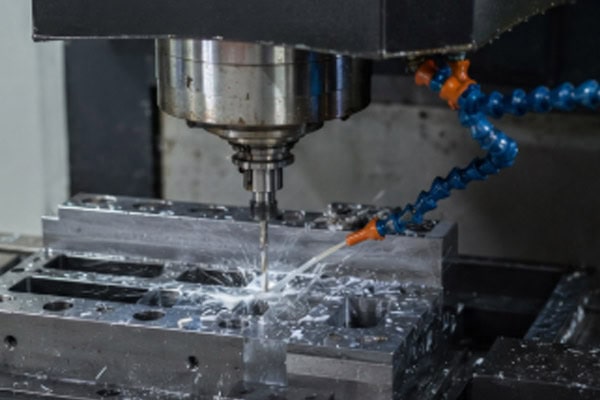
Stable temperatures help minimize dimensional deviations.Machining generates significant heat, and efficient cooling systems remove heat quickly to prevent workpiece deformation.
- Lower cutting temperatures
- Reduce thermal expansion
- Improve dimensional stability
- Enhance machining conditions
- Extend tool life
Effective cooling contributes to higher machining accuracy.
Minimize Workpiece Thermal Expansion
Temperature changes can affect workpiece dimensions.For precision components, thermal expansion errors cannot be ignored. Proper temperature control is necessary throughout the machining process.
- Reduce dimensional deviations
- Improve measurement accuracy
- Enhance machining consistency
- Improve product quality
- Increase process stability
Controlling thermal deformation improves precision machining capability.
Maintain a Stable Workshop Environment
The production environment also affects machining results.A temperature-controlled workshop minimizes dimensional errors caused by fluctuations in machine and workpiece temperatures.
- Improve measurement stability
- Reduce environmental influences
- Maintain machine accuracy
- Enhance machining consistency
- Improve long-term reliability
A stable environment supports high-precision manufacturing.
Temperature control has become an essential aspect of modern precision machining.
Apply Inspection and Compensation Technologies
Intelligent inspection technologies are advancing modern manufacturing capabilities.
Perform In-Process Dimensional Inspection
Real-time inspection helps identify problems quickly.In-process measurement systems continuously monitor dimensional changes during machining. This reduces batch errors, improves inspection efficiency, detects abnormalities early, lowers rework risks, enhances machining quality, and strengthens process control, making the entire machining operation more manageable and predictable.
Use Automatic Error Compensation
Compensation technology helps correct deviations.Modern control systems can automatically adjust machining parameters based on inspection data and continuously correct machine performance and machining results. When dimensional deviations are detected, the system can quickly apply compensation to prevent errors from accumulating. For complex parts and high-precision products, this intelligent approach improves machining consistency, reduces manual adjustments, and enhances overall production stability and efficiency.
Establish a Quality Traceability System
Data management supports continuous process improvement.By recording machining data and inspection results, manufacturers can more accurately identify sources of error, detect potential production issues, and continuously improve machining processes and quality control procedures. This approach enhances management efficiency and traceability while optimizing workflows, improving product quality, and strengthening customer confidence. A comprehensive data system supports ongoing improvements in machining capability, while intelligent inspection technologies continue to help manufacturers achieve higher levels of precision manufacturing.
Conclusion
Dimensional error control has become one of the most important aspects of CNC milling operations. For modern manufacturers, relying on a single machine or process is no longer sufficient to meet the demands of high-precision production. Instead, machine performance, tool management, machining parameters, temperature control, and inspection technologies must all be optimized together. Improvements in each area contribute to higher product quality, greater production stability, and more reliable machining results.