6063 vs 6082 is a common aluminum alloy comparison because both materials belong to the 6000 series, but they are used for different manufacturing goals. 6063 aluminum is usually selected for extrusion quality, smooth surface finish, and anodized appearance, while 6082 aluminum is chosen for higher strength, structural parts, and CNC machined components.
In this guide, we compare 6063 vs 6082 aluminum by strength, finish, machinability, corrosion resistance, weldability, and applications to help you choose the right alloy for your project.
What Is 6063 Aluminum?
6063 aluminum is a heat-treatable 6000 series aluminum alloy known for excellent extrudability, good corrosion resistance, smooth surface finish, and strong anodizing performance. It is widely used for aluminum profiles, architectural frames, rails, trims, heat sink profiles, and light-duty components where appearance and shape consistency are important.
Key Features Of 6063 Aluminum
6063 aluminum is valued because it can be extruded into complex shapes with a clean and uniform surface. This makes it a strong choice for visible parts, decorative products, and profile-based designs. It is not the strongest aluminum alloy, but it offers enough strength for many light-duty structural and appearance-focused applications.
Common advantages of 6063 aluminum include:
- Excellent extrusion performance
- Good corrosion resistance
- Smooth surface finish
- Good anodizing quality
- Suitable for thin and complex profiles
- Good workability for light-duty components
What Is 6082 Aluminum?
6082 aluminum is a medium-to-high-strength 6000 series aluminum alloy commonly used for structural and CNC machined parts. Compared with 6063, it generally provides higher tensile strength, better yield strength, and stronger load-bearing performance, especially in T6 temper.
Key Features Of 6082 Aluminum
6082 aluminum provides a good balance of strength, corrosion resistance, weldability, and machinability. It is often selected when a project needs better mechanical performance than 6063 but still requires practical manufacturing, reasonable cost, and good corrosion resistance.
Common advantages of 6082 aluminum include:
- Higher strength than 6063
- Good structural performance
- Good corrosion resistance
- Suitable for CNC machining
- Suitable for many welded structures
- Practical for industrial and engineering parts
How Do 6063 And 6082 Differ In Chemical Composition?
6063 and 6082 differ in chemical composition mainly through the amount of magnesium, silicon, manganese, and other alloying elements. These differences affect strength, hardness, machinability, surface finish, and structural performance. 6063 is optimized more for extrusion and finish, while 6082 is optimized more for strength and structural use.
Main Alloying Elements In 6063 Aluminum
6063 aluminum mainly contains aluminum, magnesium, and silicon. This magnesium-silicon system gives the alloy good corrosion resistance, heat-treatability, and extrusion performance. Its lower strengthening element level helps it form smooth and complex profiles.
Because of this composition, 6063 is often selected for products where appearance and profile accuracy matter more than maximum strength. It is a practical choice for extruded sections, decorative parts, and light-duty aluminum structures.
Main Alloying Elements In 6082 Aluminum
6082 aluminum also belongs to the magnesium-silicon 6000 series, but it contains more manganese than 6063. Manganese improves strength and structural stability, which is one reason 6082 is commonly used for stronger engineering parts.
This makes 6082 more suitable for load-bearing components, CNC machined parts, and applications where strength is more important than decorative surface quality. For many structural projects, 6082 offers a better balance between performance and manufacturability.
How Composition Affects Strength And Machinability
Composition affects how the alloy behaves during extrusion, CNC machining, welding, finishing, and service. 6063 is easier to extrude into smooth profiles, while 6082 provides higher strength and better mechanical stability.
| Composition Effect | 6063 Aluminum | 6082 Aluminum |
| Main priority | Extrusion and surface finish | Strength and structure |
| Strength level | Moderate | Higher |
| CNC machining use | Light-duty parts | Structural machined parts |
| Surface appearance | Excellent | Good |
| Load-bearing ability | Limited | Better |
| Common stock form | Extrusions and profiles | Plates, bars, and structural stock |
The practical rule is simple: choose 6063 when the part needs a smooth profile and good finish, choose 6082 when the part needs higher strength and more reliable structural performance.
What Are The Mechanical Properties Of 6063 vs 6082?
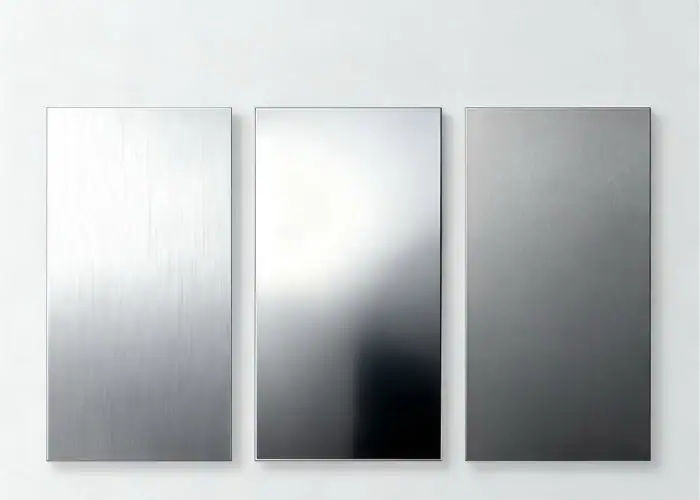
The mechanical properties of 6063 vs 6082 differ mainly in strength, hardness, and load-bearing capability. 6082 is generally stronger than 6063, especially in T6 temper, while 6063 is preferred when extrusion quality, smooth surface finish, and anodizing appearance are more important than strength. Published comparisons commonly show 6082-T6 with higher tensile and yield strength than 6063-T6.
Tensile Strength And Yield Strength
Tensile strength shows how much pulling force a material can withstand before breaking. Yield strength shows when the material starts to deform permanently. In most engineering applications, 6082 has better strength values than 6063, so it is more suitable for parts under mechanical load.
For brackets, fixtures, plates, and structural parts, 6082 is usually the better choice. 6063 can still be used for light-duty components, but it is not normally selected when high strength is the main requirement.
| Property Focus | 6063 Aluminum | 6082 Aluminum |
| Tensile strength | Moderate | Higher |
| Yield strength | Moderate | Higher |
| Load-bearing ability | Light to medium | Better |
| Best use | Profiles and appearance parts | Structural and machined parts |
| Typical selection reason | Surface finish | Strength and rigidity |
Hardness And Durability
6082 is usually harder and more durable than 6063. This helps it resist deformation better under load, making it useful for CNC machined components, support plates, fixtures, and mechanical structures.
6063 is softer and easier to form, which is useful for extrusion and decorative applications. However, if the part will face repeated assembly pressure, mechanical stress, or load-bearing conditions, 6082 is usually more reliable.
Elasticity And Impact Performance
6063 and 6082 have similar general aluminum alloy stiffness because they are both aluminum-based materials. The major difference is not basic elastic behavior, but how much load each alloy can take before permanent deformation.
This means 6082 can usually support higher stress before yielding, while 6063 is better when the part needs profile accuracy, surface finish, and light-duty performance. For impact or load-related parts, 6082 is generally safer.
6063 vs 6082 Property Comparison Table
| Property | 6063 Aluminum | 6082 Aluminum |
| Alloy series | 6000 series | 6000 series |
| Main alloying elements | Magnesium and silicon | Magnesium, silicon, manganese |
| Strength | Moderate | Higher |
| Hardness | Lower | Higher |
| Extrudability | Excellent | Good |
| Machinability | Good for light parts | Good for structural parts |
| Surface finish | Excellent | Good |
| Structural performance | Light-duty | Stronger |
| Typical temper | T5, T6 | T6, T651 |
How Do 6063 And 6082 Compare In Machinability?
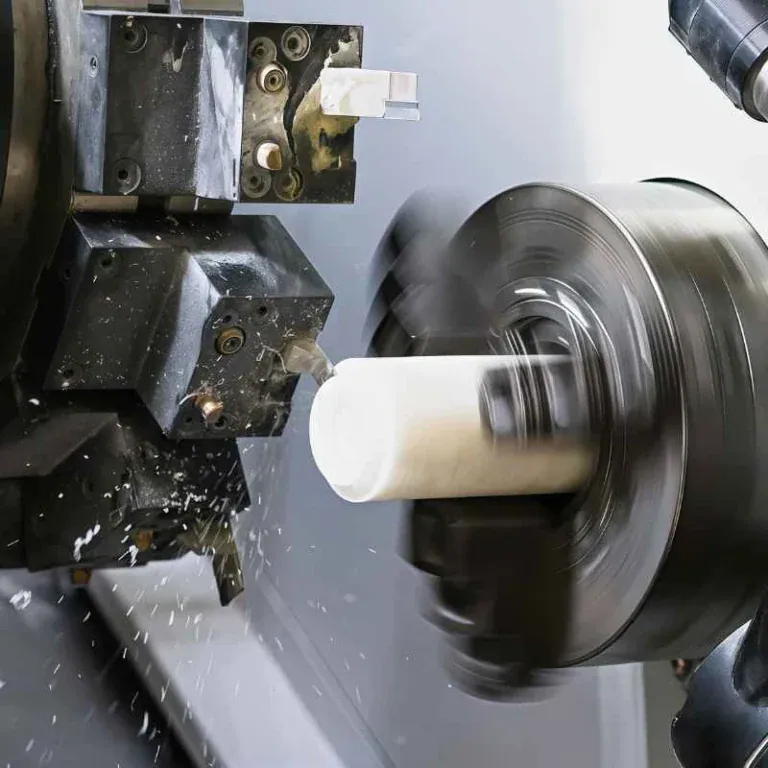
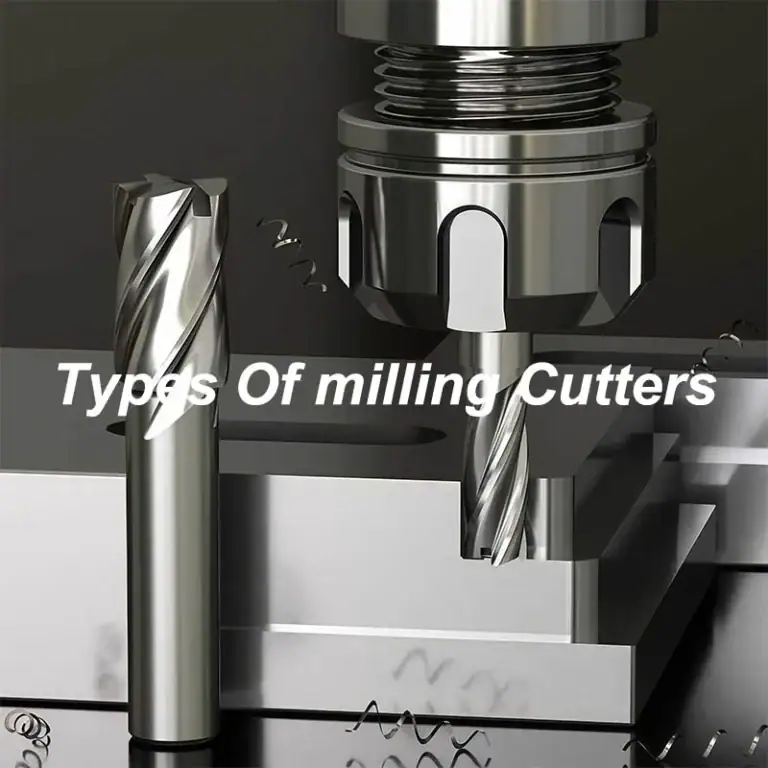
6063 and 6082 can both be CNC machined, but 6082 is usually better for stronger machined components, while 6063 is better for profile-based parts that need clean surface appearance. The best choice depends on whether the project values cosmetic finish, structural strength, dimensional stability, or machining cost.
CNC Machining Performance Of 6063 Aluminum
6063 aluminum machines well for light-duty parts, profile-based components, decorative parts, and products with moderate tolerance requirements. It is often selected when the starting material is an extrusion profile and only secondary machining is needed.
Because 6063 is relatively soft, it can cut easily, but burr control and surface marks need attention. Sharp tools, stable clamping, and suitable cutting parameters help improve the final surface quality.
6063 is suitable for:
- Extruded profiles with machined holes
- Light-duty brackets
- Decorative covers
- Heat sink profiles
- Aluminum rails
- Consumer product frames
CNC Machining Performance Of 6082 Aluminum
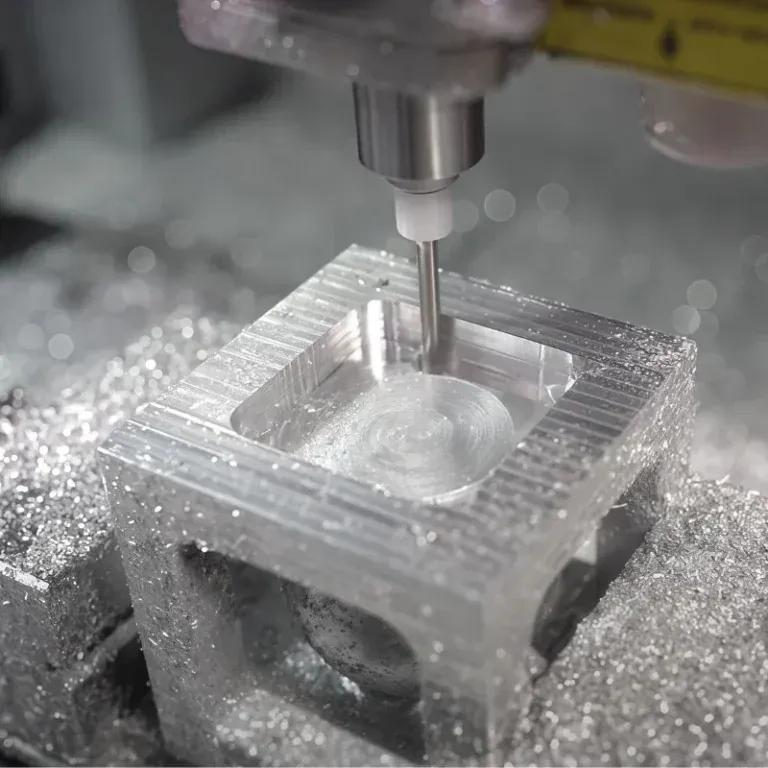
6082 aluminum is better for CNC machined components that need higher strength and better rigidity. In T6 condition, it provides a useful balance of machinability and mechanical performance, making it popular for industrial and structural parts.
6082 can be used for milling, turning, drilling, tapping, and boring. It is commonly selected for custom parts where the final component must be stronger than a typical extrusion alloy.
6082 is suitable for:
- Structural CNC parts
- Load-bearing brackets
- Machined plates
- Fixtures and jigs
- Automotive components
- Industrial equipment parts
Surface Finish And Tool Wear
6063 often gives a smoother surface appearance, especially for extrusion and anodizing. This is why it is widely used for visible profiles and decorative components.
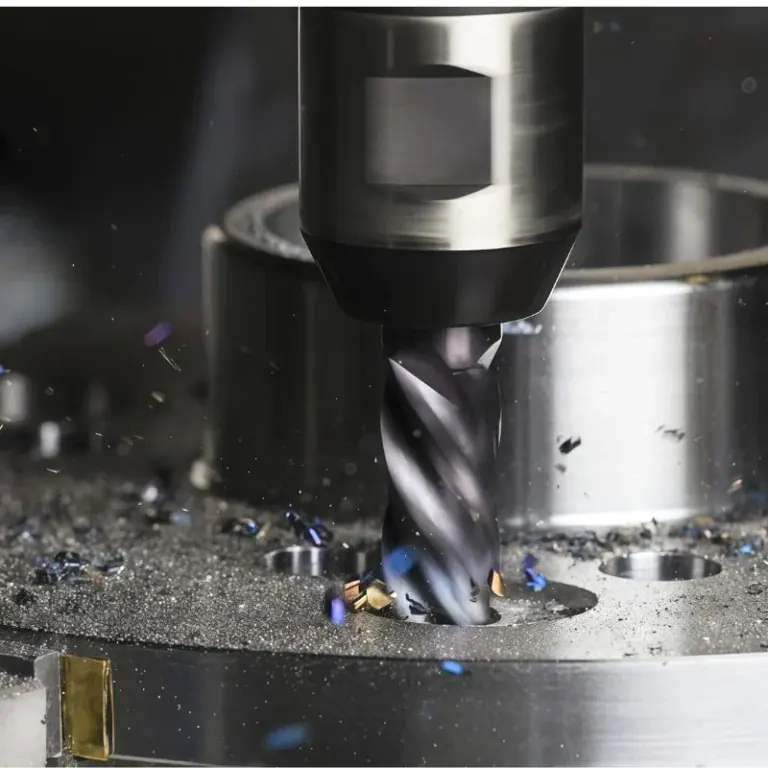
6082 can also achieve a good machined surface, but because it is stronger and harder, machining parameters need to be controlled carefully. Tool wear may be slightly higher than with softer aluminum grades, but it is still very practical for precision CNC machining.
Important machining factors include:
- Tool sharpness
- Cutting speed
- Feed rate
- Coolant use
- Fixturing stability
- Finishing pass strategy
Chip Formation And Dimensional Stability
Chip formation affects surface quality, burr control, and machining efficiency. 6063 may produce softer chips and can leave burrs if tooling is not optimized. 6082 generally provides better behavior for stronger structural parts, especially when machined in T6 temper.
For thin-wall parts, large plates, or tight-tolerance components, dimensional stability depends strongly on clamping, machining sequence, material condition, and stress control. A good machining plan is important for both alloys.
How Do 6063 And 6082 Compare In Corrosion Resistance And Surface Treatment?
6063 and 6082 both offer good corrosion resistance because they belong to the 6000 series aluminum family. 6063 is usually better when a smooth decorative anodized finish is required, while 6082 provides good corrosion resistance with stronger structural performance.
Corrosion Resistance Of 6063 Aluminum
6063 aluminum has good corrosion resistance in normal indoor and outdoor environments. It is widely used in architectural profiles because it can maintain a clean appearance with proper finishing.
Common corrosion-related uses include:
- Window frames
- Door frames
- Outdoor rails
- Decorative aluminum profiles
- Consumer product housings
- Light-duty exterior structures
For visible parts, anodizing or powder coating can improve both appearance and durability.
Corrosion Resistance Of 6082 Aluminum
6082 aluminum also has good corrosion resistance and is often used in outdoor, transport, marine-related, and structural applications. It is useful when the part needs both environmental durability and stronger mechanical performance.
6082 is commonly selected for:
- Outdoor frames
- Structural brackets
- Marine-related supports
- Transport parts
- Industrial equipment components
- CNC machined structural parts
For harsh environments, surface treatment is still important. Anodizing, powder coating, painting, or protective sealing can improve long-term performance.
Anodizing And Surface Finish Quality
6063 is usually preferred for anodizing when appearance is important. It can produce a smooth and uniform anodized surface, which is why it is common in architectural and decorative aluminum products.
6082 can also be anodized, but the finish may not look as refined as 6063 in some cosmetic applications. For functional parts, 6082 anodizing is often acceptable. For visible decorative profiles, 6063 is usually better.
| Surface Requirement | Better Choice |
| Decorative anodizing | 6063 |
| Smooth extrusion surface | 6063 |
| Functional anodizing | 6082 |
| Strong machined part with finish | 6082 |
| Visible architectural profile | 6063 |
Performance In Outdoor And Marine Environments
Both alloys can be used outdoors with suitable surface protection. 6063 is common for architectural exposure, while 6082 is more suitable for stronger outdoor structures.
For marine or highly corrosive environments, surface treatment should be reviewed carefully. If the part must carry load and resist outdoor exposure, 6082 is often the more practical option. If the part is mainly visible and decorative, 6063 may be preferred.
How Do 6063 And 6082 Compare In Weldability And Heat Treatment?
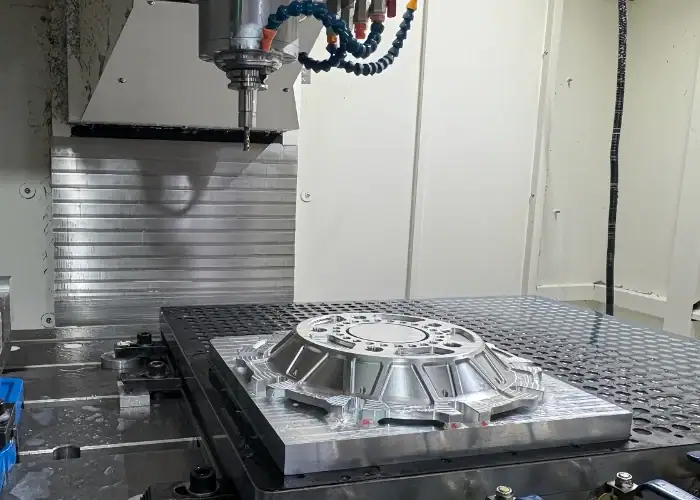
6063 and 6082 can both be welded, but 6082 is often more suitable for structural welded applications. However, welding can reduce the strength of heat-treated aluminum near the weld area, so post-weld performance and distortion should be considered during design.
Welding Performance Of 6063 Aluminum
6063 aluminum has acceptable weldability and is often used in light-duty welded profiles and frames. It can be joined in applications where the structure does not require high mechanical strength after welding.
6063 is better for welded products where appearance, profile shape, and moderate strength are enough. It is not normally the first choice for heavy welded structures or high-load welded assemblies.
Welding Performance Of 6082 Aluminum
6082 aluminum is generally a better choice for welded structural parts than 6063 because it has higher strength and better load-bearing potential. It can be used for frames, supports, platforms, and engineering structures.
Welding 6082 still requires proper heat control. The heat-affected zone may lose strength, especially in T6 condition. For critical welded components, designers should confirm whether post-weld machining, inspection, or heat treatment is needed.
What T6 Temper Means For 6082 Aluminum
T6 means the aluminum alloy has been solution heat-treated and artificially aged to improve strength and hardness. For 6082-T6, this temper provides better mechanical properties than softer conditions.
This is why 6082 t6 properties are important for structural CNC parts. When comparing 6063 T6 vs 6082 T6, 6082-T6 usually offers higher strength, while 6063-T6 still focuses more on extrusion quality and finish.
Heat Treatment Effects After Welding Or Machining
Heat treatment affects strength, hardness, and dimensional behavior. CNC machining usually does not change the temper significantly if cutting heat is controlled, but welding can reduce strength near the weld.
Designers should consider:
- Whether welding is required
- Whether the part must keep T6 strength
- Whether post-weld machining is needed
- Whether heat distortion may affect dimensions
- Whether inspection or testing is required
For precision parts, welding and machining sequence should be planned early to avoid deformation and tolerance issues.
What Are The Physical And Thermal Properties Of 6063 vs 6082?
6063 and 6082 have similar basic physical properties because both are aluminum alloys, but they differ in thermal behavior, electrical conductivity, hardness, and mechanical strength. In most projects, the main reason to choose between them is not weight, but strength, surface quality, machinability, and application requirements.
Density And Weight Comparison
6063 and 6082 have very similar density, so weight difference is usually small. For most designs, changing from 6063 to 6082 will not significantly reduce or increase part weight.
Instead, engineers usually choose between them based on:
- Strength requirement
- Surface finish
- Machining needs
- Corrosion exposure
- Weldability
- Cost and availability
Thermal Conductivity
6063 aluminum is often used for heat sink profiles because it has good thermal conductivity and excellent extrusion performance. This makes it useful for profiles that need large surface area and clean geometry.
6082 also has useful thermal behavior, but it is more often chosen for strength and structural performance. If the main requirement is thermal extrusion profile design, 6063 is usually more attractive. If the part also needs structural strength, 6082 may be better.
Electrical Conductivity
6063 can be useful for electrical housings, profiles, channels, and support parts where moderate conductivity and good surface finish are needed. It is not a copper replacement, but it works well in many aluminum profile applications.
6082 can also be used in electrical or thermal-related structures when higher mechanical strength is required. If conductivity is the top priority, the designer should compare other aluminum grades or copper-based materials.
Young’s Modulus, Poisson’s Ratio, And Fatigue Strength
Aluminium 6082 T6 Young’s modulus, 6082 T6 Poisson’s ratio, and aluminium 6082 T6 fatigue strength are often checked by engineers during structural design. These values help calculate deformation, stress behavior, and long-term performance under repeated loading.
In simple terms:
- Young’s modulus helps estimate stiffness.
- Poisson’s ratio helps describe deformation behavior.
- Fatigue strength helps evaluate repeated-load performance.
For final engineering design, always confirm material values from the supplier’s datasheet, certified report, or relevant standard before production.
Where Are 6063 And 6082 Aluminum Alloys Used?
6063 is mainly used for extrusion profiles, decorative parts, architectural components, and light-duty structures. 6082 is mainly used for stronger machined parts, structural components, automotive parts, marine-related parts, and industrial equipment.
CNC Machined Custom Parts
6082 is often the better choice for CNC machined custom parts when strength, rigidity, and structural reliability are important. 6063 can still be machined, but it is usually better for light-duty, profile-based, or appearance-focused parts.
For custom CNC projects, the selection should depend on:
- Load requirement
- Surface finish
- Tolerance
- Part geometry
- End-use environment
- Whether extrusion or billet machining is required
Architectural And Extrusion Profiles
6063 is the stronger choice for architectural and extrusion profiles because it offers excellent extrudability and surface finish.
Typical applications include:
- Window frames
- Door frames
- Curtain wall profiles
- Decorative trims
- Handrails
- Aluminum channels
- Heat sink profiles
Its clean surface and anodizing quality make it suitable for visible aluminum parts.
Structural Components
6082 is better for structural components because it has higher strength and better load-bearing capability. It is often selected for parts that need to support weight, resist deformation, or perform under mechanical stress.
Typical structural applications include:
- Brackets
- Support plates
- Machine frames
- Platforms
- Transport structures
- Industrial equipment parts
Automotive Parts
Both 6063 and 6082 can be used in automotive applications, but they serve different roles. 6063 may be used for trims, rails, housings, or light profiles. 6082 is more suitable for stronger brackets, structural plates, fixtures, and machined automotive components.
For CNC machined automotive parts, 6082 is often more practical when strength and durability are required.
Marine And Corrosion-Exposed Parts
6082 is often preferred for outdoor and marine-related structures because it offers good corrosion resistance and stronger structural performance. It can be used for marine frames, outdoor supports, transport equipment, and structural components exposed to moisture.
6063 can also perform well outdoors, especially in architectural uses, but it is usually selected more for finish and profile design.
Electrical And Thermal Applications
6063 is commonly used for heat sink profiles and electrical housings because of its extrusion quality and good surface finish. It can be shaped into complex profiles for heat dissipation and enclosure design.
6082 may be selected when the part also needs higher mechanical strength, such as stronger housings, equipment supports, or structural thermal components.
How Do Cost And Availability Compare Between 6063 And 6082?
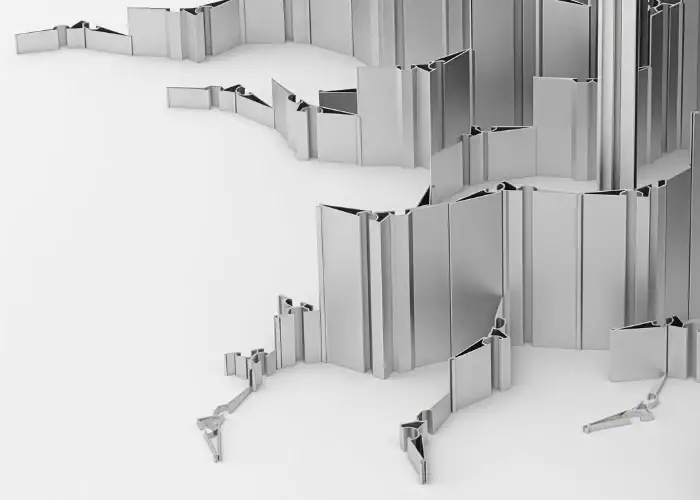
6063 and 6082 are both widely available aluminum alloys, but their cost and stock form can vary depending on region, supplier, temper, and product type. 6063 is commonly available as extrusion profiles, while 6082 is commonly available as plates, bars, and structural stock for machining and engineering applications.
Material Cost Considerations
6063 may be more cost-effective for extrusion-based designs because it is widely used in profiles and architectural sections. If the part can be made from an existing extrusion shape, total cost may be lower.
6082 may cost more in some structural or machined stock forms, but it can reduce performance risk when higher strength is required. The final cost depends not only on material price, but also machining time, finishing, inspection, and scrap rate.
Availability Of Bars, Plates, And Extrusions
6063 is widely available in extruded profiles, tubes, channels, and decorative sections. This makes it convenient for projects based on profile design.
6082 is commonly available in plates, bars, rods, and structural forms. This makes it suitable for CNC machining, fixtures, frames, and engineering components.
| Stock Form | 6063 Aluminum | 6082 Aluminum |
| Extrusion profiles | Very common | Common |
| Plates | Less common than profiles | Common |
| Bars and rods | Available | Common |
| CNC machining stock | Suitable for light parts | Very suitable |
| Architectural sections | Very common | Less common |
Cost-Effectiveness For Large-Scale Production
For large-scale extrusion production, 6063 can be cost-effective because it processes well and produces a good surface finish. For structural parts and stronger CNC components, 6082 may be more cost-effective in the long term because it provides better mechanical performance.
The better economic choice depends on whether the project values:
- Extrusion efficiency
- Surface appearance
- Structural strength
- CNC machining performance
- Assembly method
- Finishing requirements
How Should You Choose Between 6063 And 6082 Aluminum?
You should choose 6063 when surface finish, extrusion quality, and appearance are the main priorities. You should choose 6082 when strength, structural performance, and CNC machined part reliability are more important.
Choose 6063 For Surface Finish And Extrusion Quality
6063 is the better choice when the design needs a clean surface, smooth profile shape, and good anodizing appearance. It is especially suitable for visible parts and extruded components.
Choose 6063 when the project needs:
- Decorative aluminum profiles
- Smooth anodized surfaces
- Architectural parts
- Light-duty frames
- Heat sink profiles
- Low-to-medium load components
Choose 6082 For Strength And Structural Performance
6082 is the better choice when the part needs higher strength, better rigidity, and stronger load-bearing performance. It is more suitable for machined and structural parts.
Choose 6082 when the project needs:
- Structural CNC parts
- Load-bearing brackets
- Fixtures and plates
- Automotive components
- Outdoor structures
- Industrial equipment components
Consider Machining, Welding, Cost, And End-Use Conditions
Material selection should not depend on strength alone. A practical choice should consider machining, welding, finishing, cost, and the actual working environment.
| Requirement | Recommended Alloy |
| Best surface finish | 6063 |
| Best extrusion profile quality | 6063 |
| Higher strength | 6082 |
| CNC structural part | 6082 |
| Decorative anodizing | 6063 |
| Welded structural component | 6082 |
| Light-duty profile | 6063 |
| Load-bearing bracket | 6082 |
Common Selection Mistakes To Avoid
Common selection mistakes happen when buyers treat all 6000 series aluminum alloys as the same. 6063 and 6082 may look similar, but their performance priorities are different.
Avoid these mistakes:
- Choosing 6063 for a high-load part only because it looks better
- Choosing 6082 for a decorative profile without checking anodizing quality
- Ignoring temper condition such as T6
- Comparing prices without considering machining cost
- Selecting material before confirming load and environment
- Assuming 6063 vs 6082 aluminium differences are only about strength
FAQs
Can 6063 Aluminum Be Used For Load-Bearing Parts?
6063 aluminum can be used for light-duty load-bearing parts, but it is not usually the first choice for higher structural loads. Its strength is lower than 6082-T6, so it is better for frames, profiles, covers, trims, and parts where appearance and corrosion resistance are more important. For brackets, fixtures, structural plates, or parts under higher mechanical stress, 6082 is usually a safer choice.
How Do 6063 And 6082 Compare In Anodizing Quality?
6063 aluminum usually performs better in anodizing when appearance is important. It can produce a smoother and more uniform anodized surface, which is why it is widely used for architectural profiles and decorative aluminum parts. 6082 can also be anodized, but its higher alloy content may make the finish slightly less uniform, especially for cosmetic applications.
Is 6082 Aluminum Suitable For Precision CNC Machining?
Yes, 6082 aluminum is suitable for precision CNC machining, especially when the part needs higher strength and good dimensional stability. It machines well in T6 condition and is commonly used for structural components, fixtures, brackets, and custom machined parts. Proper tool selection and cutting parameters are still important to control burrs, surface finish, and tolerance stability.
What Does T6 Mean In 6082-T6 Aluminum?
T6 refers to a heat treatment condition. For 6082-T6 aluminum, the material has been solution heat-treated and artificially aged to improve strength and hardness. This temper gives 6082 better mechanical properties than softer conditions, making it more suitable for structural and precision-machined aluminum parts.
Which Is Better For CNC Machining, 6063 Or 6082 Aluminum?
6082 is usually the better choice for CNC machined parts that need higher strength, better rigidity, and stronger load-bearing performance. 6063 can also be machined, but it is more often selected when surface appearance, extrusion quality, and anodizing results are more important than mechanical strength.
Conclusion
6063 and 6082 aluminum alloys are both useful 6000 series materials, but they are not interchangeable in every project. 6063 is better for smooth extrusion profiles, decorative surfaces, anodizing quality, and light-duty components. 6082 is better for stronger CNC machined parts, structural brackets, fixtures, and applications where higher mechanical performance is required.
At TiRapid, we provide precision CNC machining services for custom aluminum components across multiple industries. If you are comparing 6063 vs 6082 for a machined part, upload your drawing or share your material requirements to get a tailored manufacturing solution.