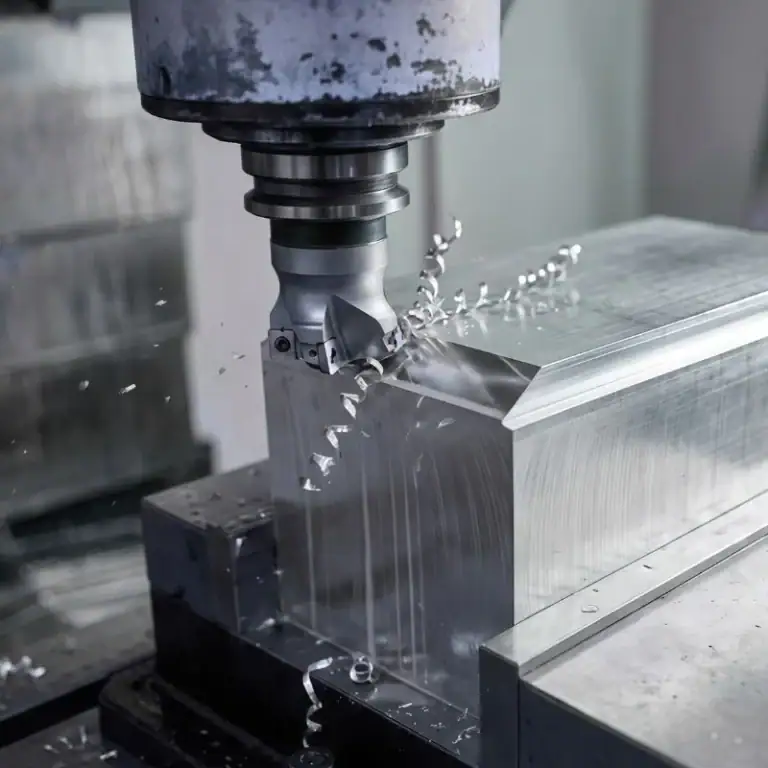
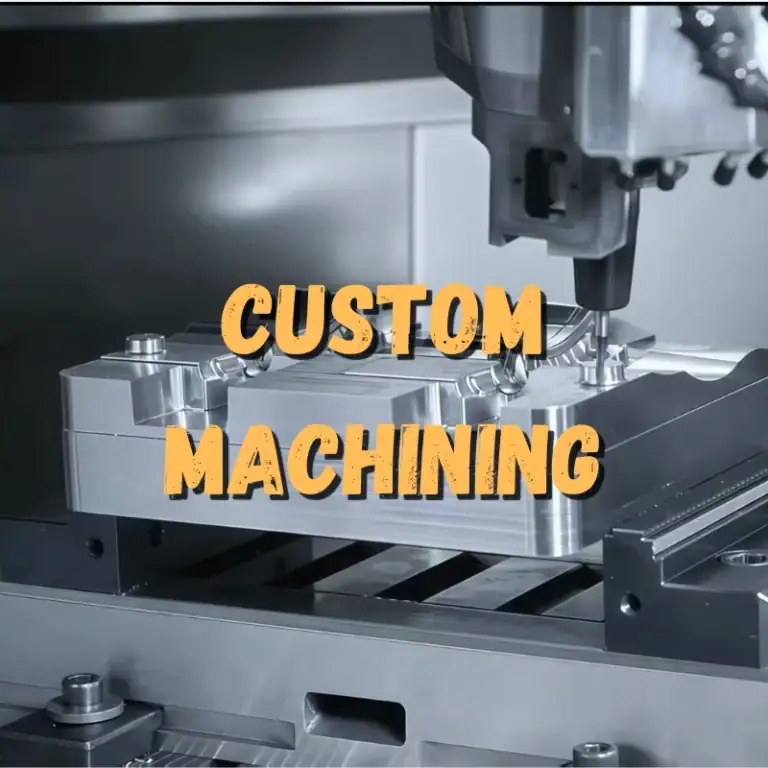
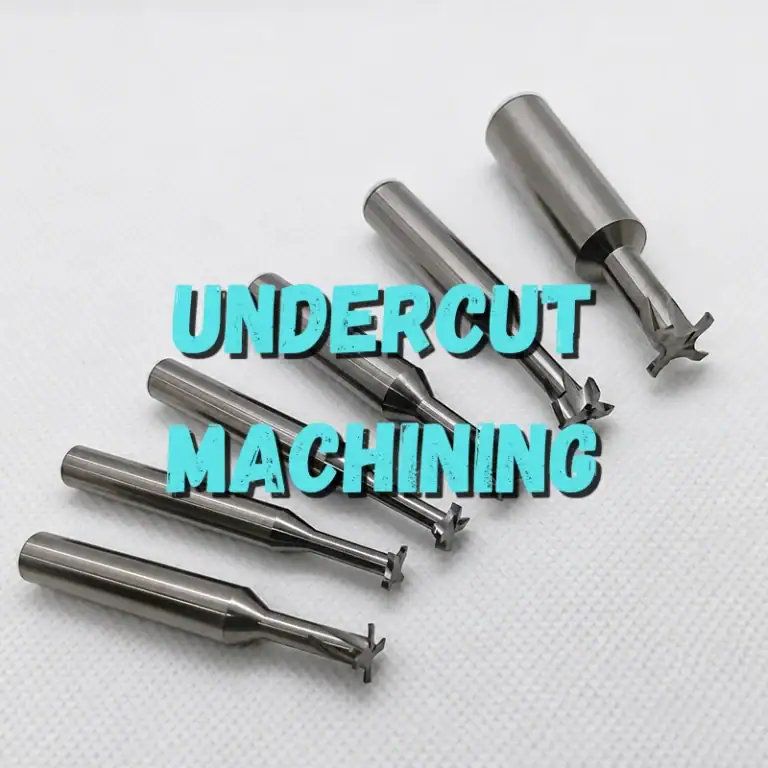
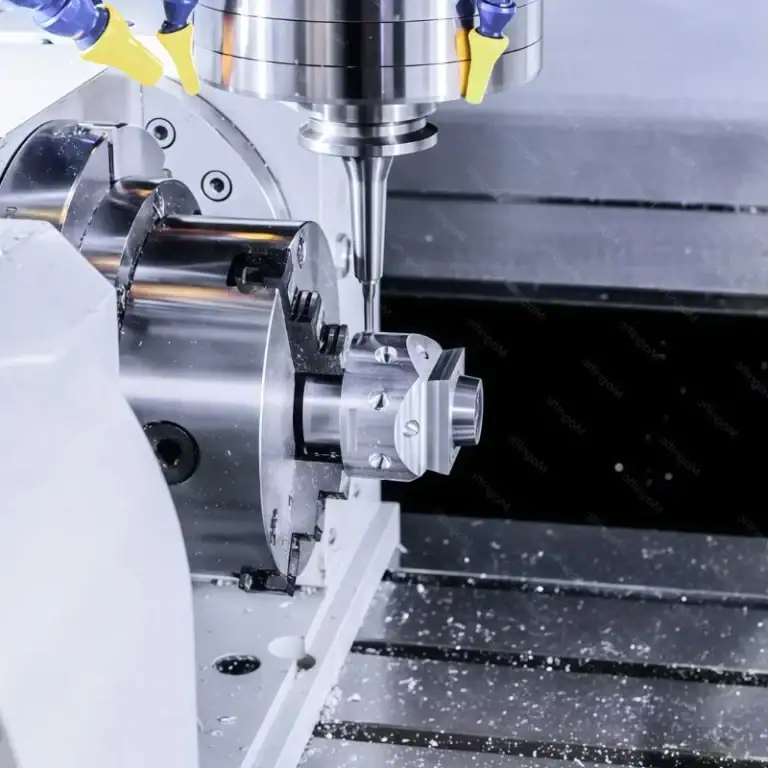
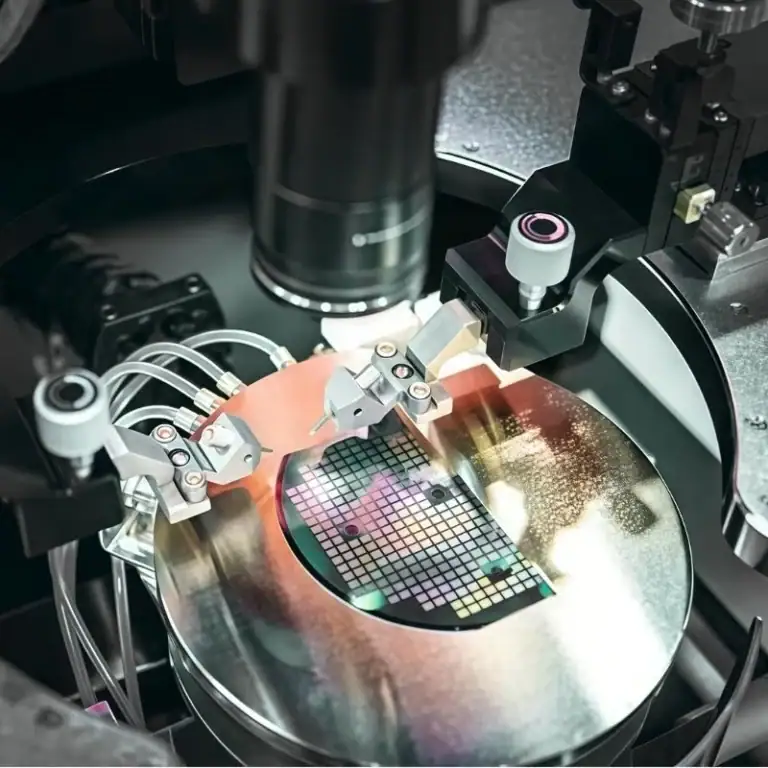
As the modern manufacturing industry continues to evolve toward high precision, high efficiency, and intelligence, CNC milling technology has become an important part of precision machining. Compared with traditional processing methods, modern CNC milling offers more significant advantages in machining accuracy, batch production capacity, and complex surface manufacturing, and is therefore widely used in aerospace, automotive manufacturing, medical devices, electronic equipment, and other industries. Understanding the development direction and future trends of CNC milling technology is of great significance for enhancing a company’s manufacturing capabilities and adapting to the needs of the high-end manufacturing market.
CNC Milling Technology is Moving Toward High-Speed Machining
High-speed machining is becoming an important trend in modern manufacturing.
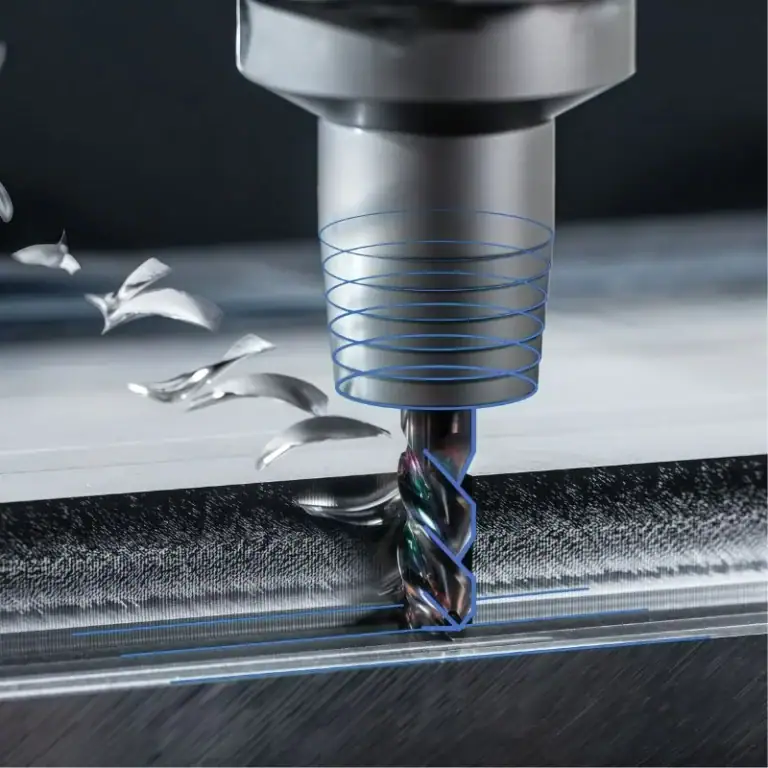
Modern CNC milling equipment places increasing emphasis on high-speed cutting capabilities, using high-speed spindles and high-response control systems to improve material removal efficiency and overall production rhythm.
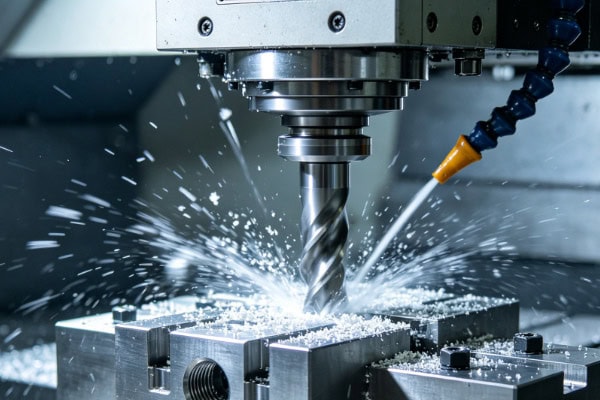
Main manifestations of high-speed machining technology development
High-speed machining not only reduces machining time but also improves the surface quality of some parts, reducing subsequent finishing operations.
- Increasing spindle speed and cutting efficiency
- Shortening the overall processing cycle of complex parts
- Improving workpiece surface finish
- Enhancing batch production capacity
- Reducing the time required for some post-processing operations
High-speed machining technology is driving continuous improvement in modern manufacturing efficiency.
Multi-Axis Simultaneous Technology Continuously Upgrading
Multi-axis machining capability is becoming an important foundation for high-end manufacturing.
Traditional 3-axis machining can no longer meet the manufacturing needs of complex curved surfaces and irregularly shaped parts, so 4-axis, 5-axis, and other multi-axis simultaneous technologies are developing rapidly. Multi-axis CNC equipment can perform cutting operations from multiple directions and angles in a single clamping process, thereby reducing repositioning errors and process changeover time, improving complex structure machining efficiency and overall manufacturing stability. In aerospace, medical devices, high-end molds, and precision machinery manufacturing, multi-axis simultaneous technology has become an important processing method for complex parts.
Intelligent Control Technology Continuously Improving
Smart manufacturing is changing the traditional CNC processing model.
Modern CNC milling has gradually integrated automatic detection, data analysis, and intelligent compensation technologies, using real-time monitoring of equipment operating status and processing parameters to improve overall machining stability and automation levels.
Main functions of intelligent control technology
Intelligent systems not only reduce the pressure of manual operations but also help enterprises establish more reliable automated manufacturing systems.
- Real-time monitoring of machining status
- Automatic correction of machining errors
- Improving equipment operational stability
- Reducing manual intervention
- Enhancing batch production consistency
Intelligent technology is enhancing modern CNC manufacturing capabilities.
Automated Production Systems More Widely Applied
Automated production is improving the overall efficiency of modern factories.
More and more companies are combining CNC milling equipment with robots, automatic tool changers, and automatic material handling systems to establish more efficient automated processing systems.
Development characteristics of automated production systems
Automated production not only enhances the continuous operation capability of equipment but also reduces manual intervention and machining errors, further strengthening the stability of modern manufacturing.
- Improving long-term continuous machining capability
- Reducing manual operation time
- Increasing overall production efficiency
- Reducing human processing errors
- Enhancing batch production stability
Automated processing models are driving continuous upgrades in the manufacturing industry.
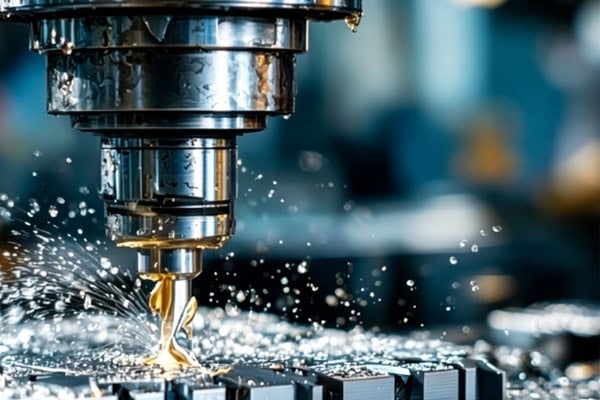
Demand for High-Precision Machining Continuously Growing
The precision manufacturing industry is driving the development of high-precision technology.
As the modern manufacturing industry continues to upgrade, industries such as aerospace, medical devices, electronic equipment, and precision molds have continuously increasing requirements for part dimensional accuracy, surface quality, and assembly stability. More and more complex structures and micro parts need to maintain smaller dimensional errors and higher consistency, which is also driving modern CNC milling technology to continuously develop toward high precision. To meet high-end manufacturing demands, modern CNC equipment is continuously improving spindle stability, servo response capability, and machining control accuracy, thereby enhancing the machining quality of complex parts.
Manifestations of high-precision machining technology development
The development of high-precision machining technology not only affects part quality but is also driving the overall upgrade of the high-end manufacturing industry.
- Improving dimensional control capability:maintaining more stable dimensional accuracy and assembly consistency for complex structural parts.
- Improving workpiece surface quality:enhancing part surface finish, reducing subsequent grinding and finishing operations.
- Reducing thermal deformation and machining errors:improving machining reliability through stable temperature control and intelligent compensation.
- Enhancing micro-machining capability:meeting the processing needs of micro parts and precision structures.
- Improving machining stability of complex curved surfaces:adapting to the complex structure manufacturing of high-end molds and aviation parts.
- Enhancing processing capability of high-performance materials:better adapting to the processing of high-strength materials such as titanium alloys and high-temperature alloys.
- Improving batch production consistency:maintaining stable quality standards in long-term continuous processing.
- Driving the development of high-end manufacturing industries:providing more reliable manufacturing support for the aviation, medical, and precision electronics industries.
High-precision machining technology is becoming the core competitiveness of modern manufacturing.
Green and Energy-Saving Machining Receiving More Attention
The manufacturing industry is placing greater emphasis on energy saving and environmental protection issues.
Modern CNC processing equipment is beginning to optimize energy utilization efficiency while reducing coolant waste and material loss, improving the overall environmental performance of machining.
Development directions of green manufacturing technology
Green manufacturing helps lower operating costs for businesses and also enhances the sustainable development capabilities of modern factories.
- Reducing equipment energy consumption
- Reducing processing waste generation
- Improving material utilization
- Optimizing coolant recycling
- Enhancing environmentally friendly production capacity
Energy-saving and environmentally friendly technology is promoting sustainable development in the manufacturing industry.
Digitalization and Informatization Levels Continuously Improving
Digital manufacturing is enhancing factory management capabilities.
As the modern manufacturing industry continues to develop toward intelligence, CNC milling is no longer just a single processing equipment, but is gradually deeply integrated with industrial internet, data management systems, and intelligent control platforms. Through digitalization and information technology, companies can more efficiently manage equipment operating status, production progress, and processing quality, thereby improving overall manufacturing efficiency and factory coordination capability.
Development characteristics of digitalization and information technology
Digital management helps businesses reduce the pressure of manual management while improving production transparency and machining stability.
- Enabling real-time equipment monitoring
Viewing equipment operating status and processing parameters in real time through data acquisition systems.
- Improving production process management efficiency
More reasonably arranging processing tasks and production rhythm.
- Optimizing processing resource allocation
Improving equipment utilization and production coordination capability.
- Enhancing equipment maintenance management capability
Detecting equipment anomalies in advance, reducing downtime and failure risks.
- Improving processing data analysis capability
Optimizing process parameters and production processes through historical data.
- Raising factory intelligence level
Promoting coordinated operation of automation equipment and digital systems.
- Strengthening production quality traceability capability
More conveniently recording and managing product processing data.
- Enabling remote management capability
Supporting remote monitoring of equipment and production status, improving management flexibility.
- Enhancing batch production stability
Reducing manual management errors through information systems.
- Promoting the construction of intelligent manufacturing systems
Providing technical foundation for the development of modern digital factories.
Digital technology is driving the continuous improvement of the modern manufacturing system.
Conclusion
The development of CNC milling technology is continuously pushing the modern manufacturing industry to upgrade toward greater efficiency, intelligence, and precision. Modern manufacturing enterprises are no longer concerned only with basic processing capabilities, but are placing greater emphasis on comprehensive manufacturing technologies such as high-speed machining, multi-axis simultaneous, intelligent control, and automated production. By continuously optimizing equipment performance and processing systems, CNC milling is helping enterprises improve their complex part manufacturing capabilities and overall market competitiveness.