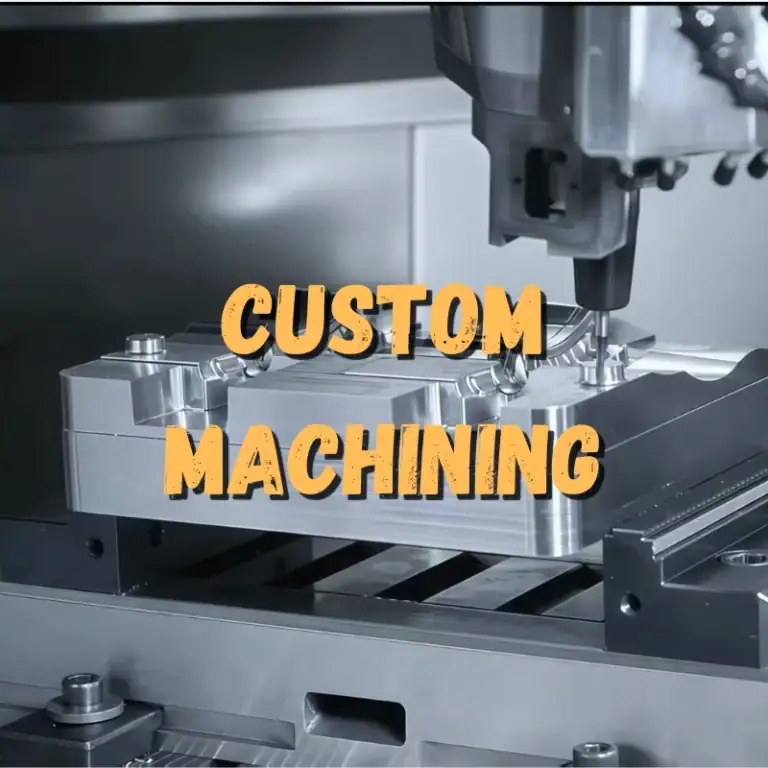
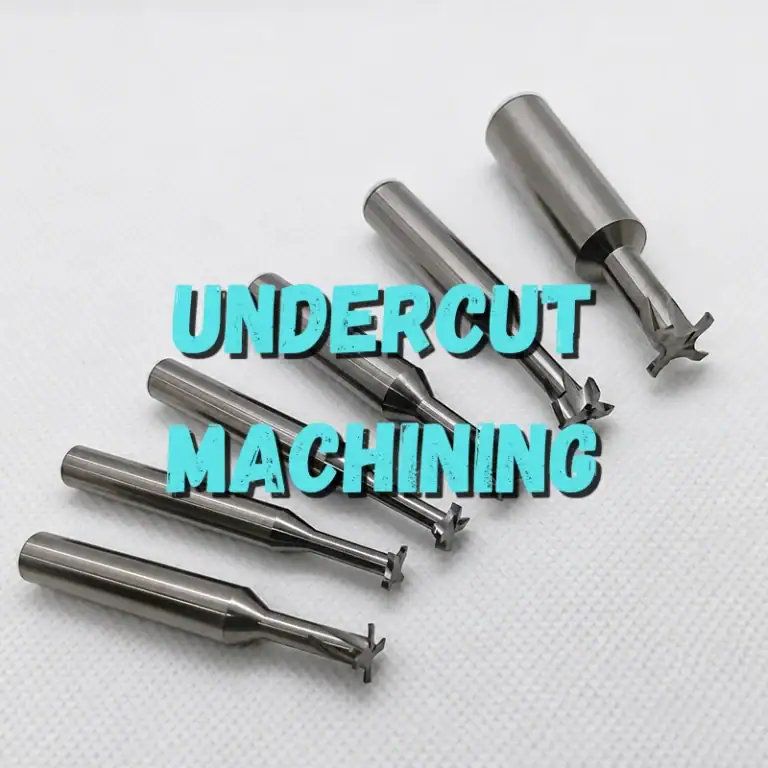
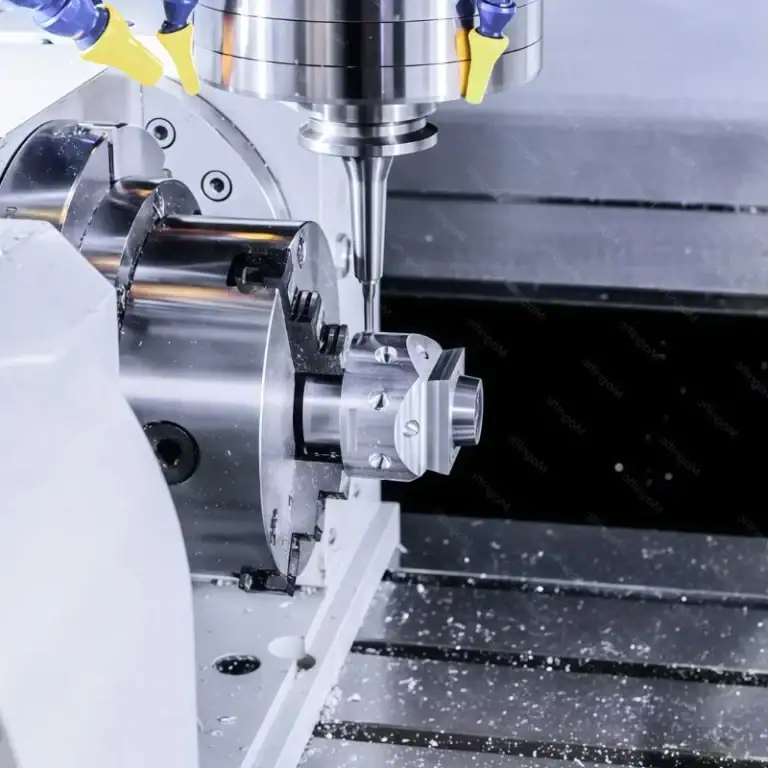
In the plastic parts manufacturing industry, CNC machining is becoming more and more widely used because it offers high precision, stable performance, and is especially suitable for small-batch custom production. For engineering plastics such as POM, nylon, PEEK, ABS, and acrylic, many complex parts are now directly produced through CNC machining.Many customers also notice during the quotation process that the price difference between manufacturers can be quite large, even for the same plastic part. In fact, the cost of plastic CNC machining is not determined only by the material itself. It is also affected by factors such as product structure design, machining methods, tool wear, machine operating efficiency, and post-processing procedures. If optimization is carried out in advance during the design and process planning stage, it can not only reduce machining costs, but also improve product quality and delivery stability.
Avoid Choosing “Over-Performance” Materials
What Are “Over-Performance” Materials?
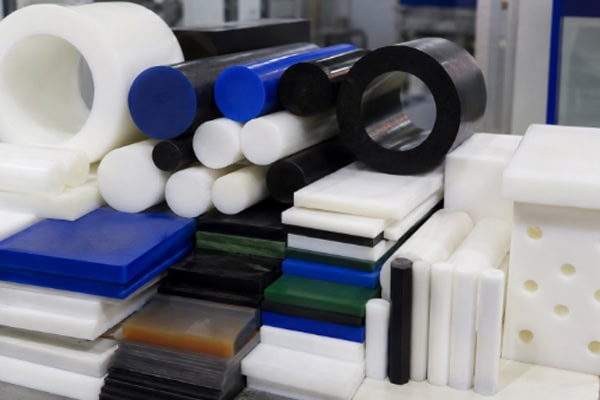
When selecting plastic materials, many customers tend to believe that “the more expensive, the better,” for example directly choosing high-performance engineering plastics such as PEEK or PI. However, if the part is only an ordinary structural component and does not require resistance to 300°C high temperatures or extreme chemical stability, using high-end materials will significantly increase costs.
For example:
Ordinary mechanical parts: POM is sufficient
Transparent display parts: Acrylic or PC is enough
Wear-resistant sliding parts: Nylon is more economical
Electronic insulation parts: ABS or Bakelite may be more suitable
Improper material selection is one of the most common reasons for high plastic machining costs.
How to Select Materials Correctly?
When choosing materials, companies can prioritize the following factors:
Consider the Working Environment
First determine whether the part requires:High temperature resistance、Corrosion resistance、Wear resistance、Food-grade certification、Medical-grade certification、High insulation.
If there are no special operating conditions, there is no need to use expensive materials.
Machining Difficulty
Some materials have excellent performance but require longer machining time.
For example:
| Material | Machining Difficulty | Cost |
| POM | Easy | Low |
| Nylon | Medium | Medium |
| PEEK | Difficult | High |
The more difficult the machining process, the higher the tool wear and labor costs.
Why Do Materials Affect Machining Costs?
Different plastics have very different cutting characteristics.
For example:
PEEK is heat-resistant but very hard, causing rapid tool wear.
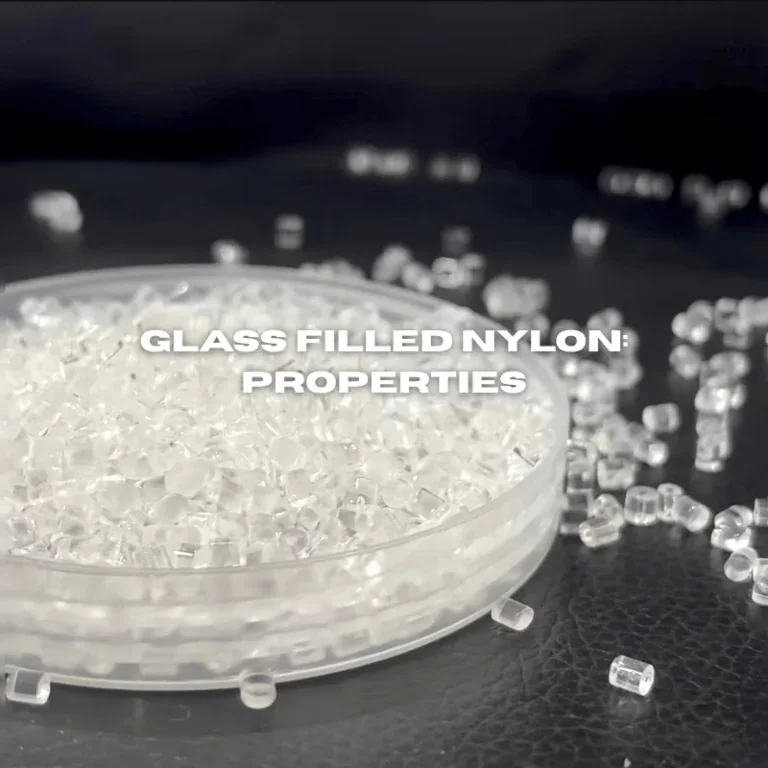
Nylon has high moisture absorption and may deform after machining.
Acrylic is prone to edge chipping and requires low-speed finishing.
Therefore, materials not only determine raw material costs, but also directly affect:Machining time、Tool life、Scrap rate、Surface finishing costs.
Reasonable material selection essentially reduces the overall expenses throughout the production chain.
Optimize Part Structure Design
Why Does More Complex Structure Mean Higher Cost?
Many plastic parts are designed without considering CNC machining difficulty, resulting in:
· Too many deep cavities
· Overly complex sharp-angle structures
· Ultra-thin wall designs
· Repeated multi-side clamping
All these factors greatly increase machining time. In CNC machining, “time” itself is a cost.
How to Optimize Structural Design?
Avoid Deep Holes and Deep Grooves
Deep cavities require longer cutting tools:
· Tools are more likely to vibrate
· Machining speed becomes slower
· Surface roughness decreases
It is recommended to keep the depth-to-diameter ratio within a reasonable range.
Reduce Right-Angle Structures
CNC cutting tools are naturally round, making perfect 90° internal corners difficult to machine.
Recommendations:
· Add radius corners
· Use rounded transitions
This not only improves machining efficiency but also reduces tool wear.
Avoid Ultra-Thin Structures
Plastic materials naturally have low rigidity:
· Thin walls deform easily
· Vibration occurs during machining
Increasing wall thickness appropriately can significantly improve the yield rate.
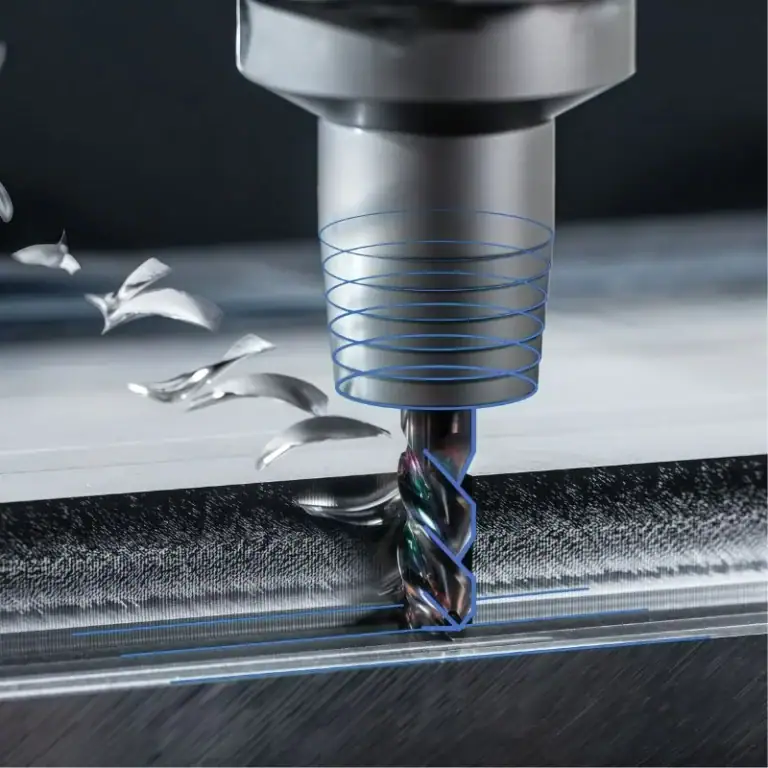
How Does Design Affect Tool Paths?
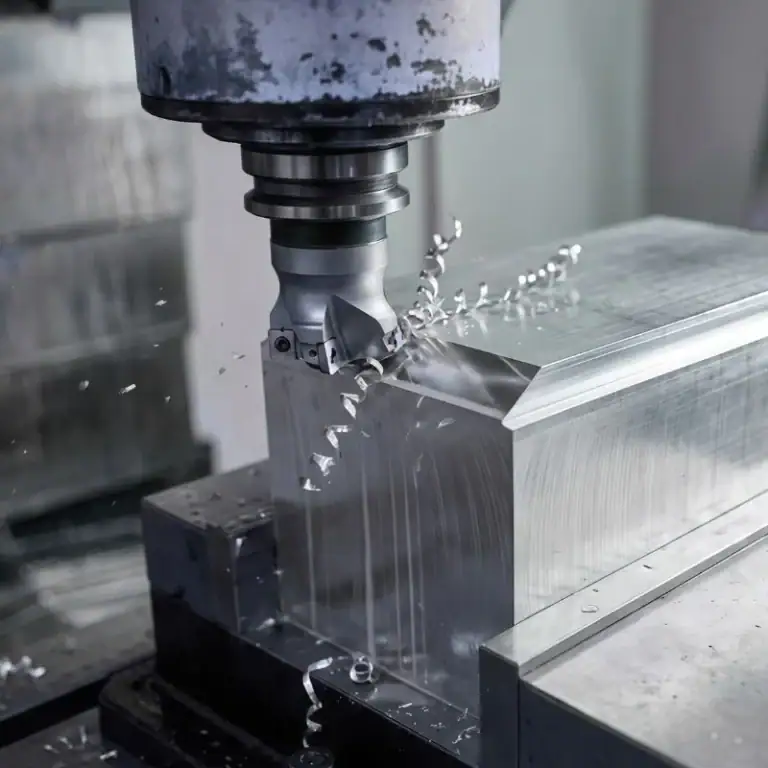
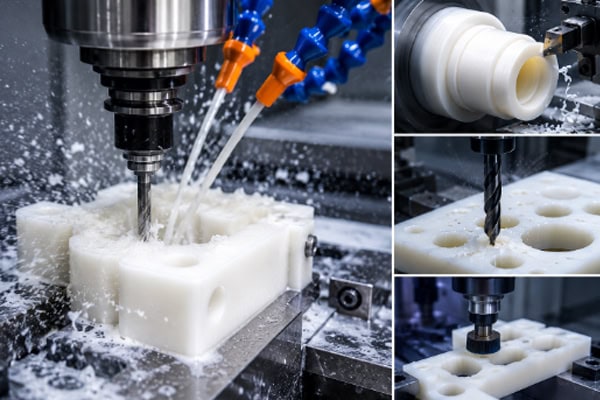
In plastic CNC machining, product design directly affects tool path planning, and tool paths determine machining time, surface quality, and overall cost. The more complex the structure, the longer the tool path and the higher the machining difficulty. For example, deep grooves, narrow cavities, sharp corners, and complex curved surfaces require repeated tool changes, layered cutting, or multiple finishing operations. This not only increases machining time but also easily causes vibration marks, burrs, and dimensional errors. On the other hand, if rounded corners are added appropriately during the design stage, deep cavity structures are reduced, wall thickness is optimized, and the tool can move more smoothly in a single pass, machining paths can be significantly shortened and cutting efficiency improved. Since plastic materials are sensitive to heat deformation, complicated tool paths may also cause local overheating, leading to melting edges, whitening, or unstable dimensions. Therefore, excellent plastic CNC design not only focuses on product functionality, but also considers tool path rationality to reduce machining costs and improve product yield.
Batch Machining Reduces Unit Costs
Why Is Small-Batch Production More Expensive?
Many customers wonder:
“Why is there such a big difference between making 1 piece and 20 pieces?”
Because CNC machining has many fixed upfront costs:Programming、Tool setting、Machine adjustment、First-piece testing.
These expenses must be completed even for only one part.
How to Reduce Costs Through Batch Production?
Multi-Part Nesting Machining
Especially for plate parts:
· Multiple products can be machined in one setup
· Repeated positioning time is reduced
Reuse Fixed Fixtures
Special fixtures can be used for batch orders:
· Improve positioning efficiency
· Increase consistency
Reduce Material Change Frequency
After standardizing material specifications:
· Continuous production becomes possible
· Machine downtime is reduced
Why Is Batch Machining More Stable?
During batch production:
· Tool parameters are more stable
· Machining temperatures are more uniform
· Program errors are easier to correct
As a result, not only does the unit price decrease, but product quality is usually more stable as well.
Control Machining Precision Reasonably
Is Higher Precision Always Better?
Not necessarily.
Many plastic parts do not actually require:
· Ultra-high precision of ±0.01 mm
· Mirror-level surface finishes
However, if customers do not specify requirements, manufacturers may default to higher machining standards.
This can lead to:
· Longer finishing time
· Increased inspection costs
· Higher scrap probability
How to Set Reasonable Precision?
Usually, precision can be classified according to application:
Ordinary Structural Parts
Wider tolerances are acceptable.
Mating Parts
Focus on controlling critical dimensions.
Appearance Parts
Surface quality is more important than ultra-high dimensional accuracy.
A reasonable approach is:
“High precision for critical dimensions, relaxed tolerances for non-critical areas.”
Why Is High Precision More Expensive?
Because high precision means:
· Slower feed rates
· More finishing passes
· Stricter temperature control
· More complex inspection procedures
Especially since plastics naturally expand with heat, even slight temperature differences during machining may affect dimensional stability. Therefore, excessive pursuit of precision often significantly increases costs.
Reduce Post-Processing Procedures
What Does Post-Processing Include?
In plastic CNC machining, post-processing usually includes deburring, polishing, sandblasting, painting, silk screening, and bonding. Although these steps improve appearance and quality, they also increase labor and time costs. Therefore, many machining manufacturers try to minimize post-processing requirements during the early process planning stage.
How to Reduce Post-Processing?
Common methods include:
Optimizing tool paths so the machined surface directly achieves better smoothness.
Selecting more suitable plastic materials, such as POM, which naturally has a smoother surface and reduces polishing requirements.
Properly controlling cutting parameters to avoid melting edges, burrs, or tool marks.
Reducing complex curved surfaces and sharp-angle structures during product design to lower manual finishing difficulty from the source.
For batch production, reducing post-processing not only lowers costs but also improves product consistency and delivery efficiency.
Why Are Post-Processing Costs Easily Overlooked?
Many customers only focus on the “machining price,” but post-processing often accounts for 20%–40% of the total cost.
Especially manual polishing:
· Takes a long time
· Depends heavily on labor
· Is difficult to keep consistent
Therefore, reducing post-processing requirements during the design stage is an important way to lower costs.
Frequently Asked Questions
Why Are Plastic CNC Machining Prices So Different?
The main factors affecting pricing include:Material type、Part complexity、Precision requirements、Production quantity、Surface treatment、Delivery cycle.
For example:
The same part may cost only tens of dollars when machined with POM, but several times more when machined with PEEK.
In addition, if the product structure is complex, requires 5-axis machining, ultra-high precision inspection, or manual polishing, the cost will also increase significantly. In many cases, higher pricing is not simply due to “expensive materials,” but because machining difficulty has increased. Therefore, before requesting a quotation, companies should ideally provide:3D drawings、Dimensional tolerances、Application scenarios、Quantity requirements.This allows machining manufacturers to provide more accurate and reasonable solutions.
In conclusion
Reducing plastic CNC machining costs is not simply about lowering quotations, but about optimizing overall production efficiency through more scientific design, more reasonable material selection, and more efficient machining processes. Many companies focus only on product functionality during the early R&D stage while ignoring future manufacturing costs, resulting in production expenses far exceeding expectations during mass production. However, as long as machining logic is considered in advance, many costs can be controlled. For example, avoiding complex structures, setting reasonable precision, choosing suitable materials, and reducing post-processing steps may seem like small optimizations, but over time they can save substantial production costs. Especially for companies engaged in long-term bulk purchasing, the benefits brought by cost optimization become even more obvious.